
Skin Tag Removal in Gangnam Seoul
Skin tags (acrochordons) are benign but cosmetically bothersome growths that cluster around the neck, eyelids, underarms, and groin folds. RE:BERRY Gangnam offers physician-performed skin tag removal using CO2 fractional laser and radiofrequency ablation — precise modalities that eliminate tags at the base without damaging surrounding skin. Skin tag removal at RE:BERRY Gangnam from ₩19,000 per lesion, two minutes from Gangnam Station Exit 10, with results visible immediately after a single 10-15 minute session.
What Is Skin Tag Removal at RE:BERRY Gangnam Seoul?
Skin tag removal at RE:BERRY Gangnam uses CO2 laser ablation to vaporize acrochordons at the stalk base in under 10 seconds per tag, with 95-100% clearance rate in a single 10-15 minute session — starting at ₩19,000 per lesion with only 3-5 days healing time under physician-only protocols.
At RE:BERRY Gangnam, Medical Director Dr. Yoon-Gon Ryu and Dr. Yejin Oh perform all skin tag removal procedures personally — never delegated to nurses or technicians. The clinic uses CO2 fractional laser for precise tissue vaporization at 10,600nm wavelength, targeting only the tag tissue and its vascular stalk while leaving surrounding skin intact. For patients with multiple tags (10-50+ is common on the neck and chest), batch removal protocols allow treatment of 20-30 tags in a single session. Each skin tag removal begins with dermoscopic assessment to differentiate benign acrochordons from potentially concerning lesions such as seborrheic keratoses, neurofibromas, or pigmented nevi that require biopsy. The procedure uses topical anesthesia (EMLA cream applied 30 minutes prior) and takes 10-15 minutes for most patients. RE:BERRY Gangnam also offers mole removal and freckle removal using the same laser platform, making it convenient for patients who want to address multiple skin concerns in one visit. Our 8-language coordination team supports international patients throughout the process, from initial assessment to aftercare instructions.
Skin Tag Removal Before and After
Actual patient results from RE:BERRY Gangnam. Individual outcomes may vary.
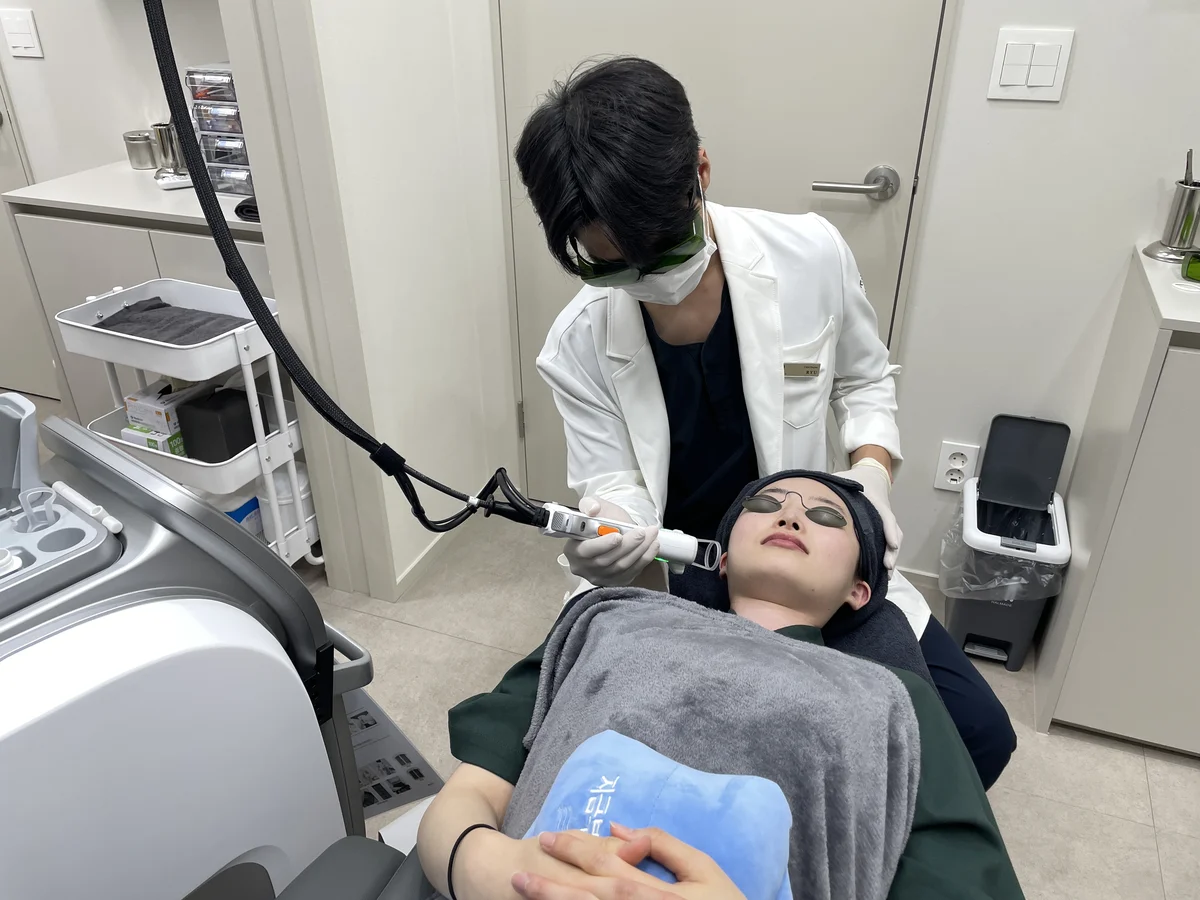
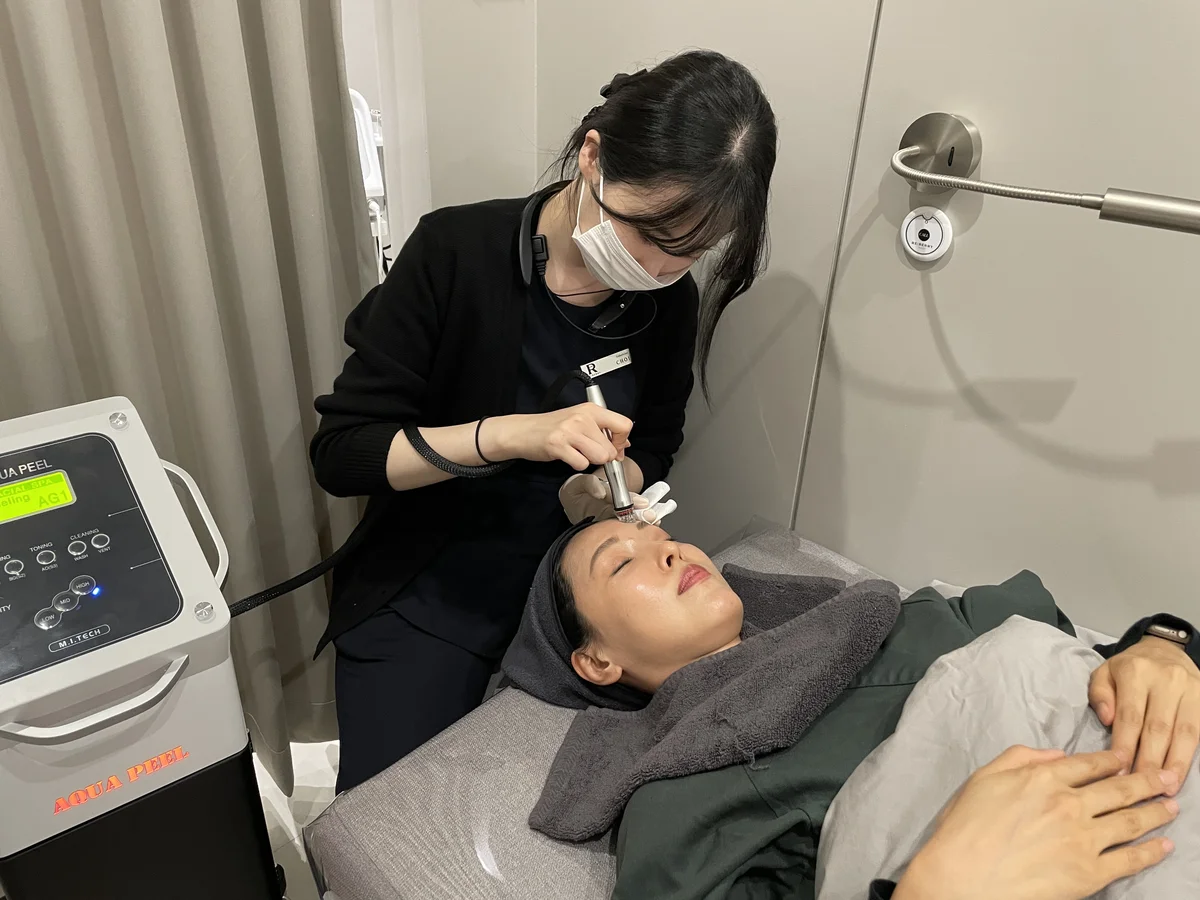
How Skin Tag Removal Works at RE:BERRY Gangnam
A precise, physician-performed skin tag removal protocol ensuring safe and complete clearance.

Dermoscopic Assessment & Lesion Mapping
Dr. Yoon-Gon Ryu examines each skin tag under dermoscopy to confirm benign acrochordon morphology — a pedunculated (stalked), flesh-colored or slightly hyperpigmented papule with a smooth surface. This step is critical to differentiate skin tags from seborrheic keratoses, dermatofibromas, filiform warts, and pigmented nevi that may require different management approaches. Tags are mapped and counted, and a treatment plan is created. Patients with 20+ tags typically benefit from the batch removal protocol. This consultation takes 10-15 minutes and is included in every skin tag removal session at RE:BERRY Gangnam.

Topical Anesthesia Application
EMLA (lidocaine-prilocaine) topical anesthetic cream is applied to all treatment areas 30 minutes before skin tag removal. For eyelid-adjacent tags, a protective ocular shield is placed. The anesthesia ensures the procedure is virtually painless — most patients report a mild warm sensation during laser application. For patients with very large tags (over 5mm diameter) or tags in highly sensitive areas like the groin fold, local injectable lidocaine may be used for complete numbness. RE:BERRY Gangnam uses only MFDS-approved anesthetic agents.
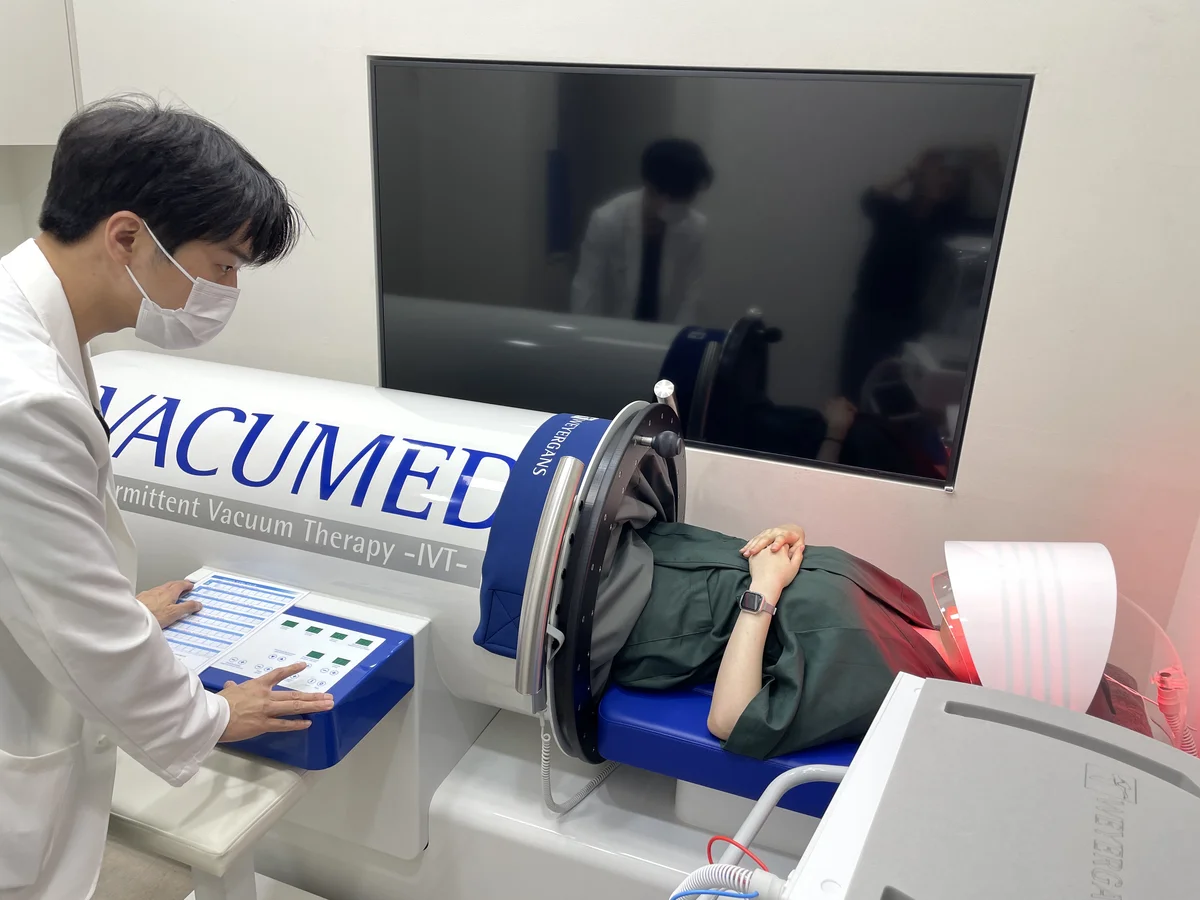
CO2 Laser Ablation at the Stalk Base
The CO2 laser (10,600nm wavelength) delivers focused energy to vaporize the skin tag tissue and coagulate the feeding blood vessel at the stalk base simultaneously. Each tag is treated in 3-10 seconds depending on size. The laser’s precision allows removal within 0.1mm margins, preserving surrounding healthy skin. For pedunculated tags, the laser cuts at the narrowest point of the stalk where the fibrovascular core connects to the dermis. For sessile (broad-based) tags, a shallow crater is created that heals flat within 7-10 days. The physician controls depth and power in real-time, adjusting parameters for each individual tag’s size and location.
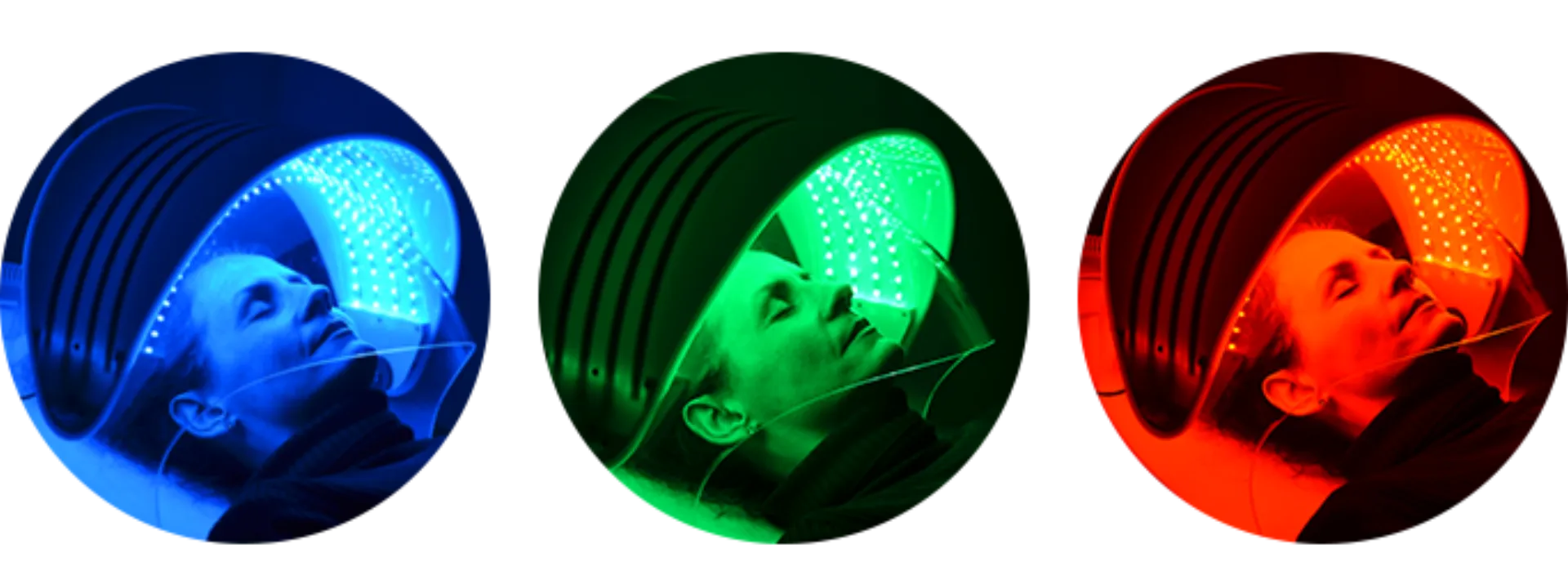
Wound Care & Aftercare Instructions
Immediately after skin tag removal, each treatment site is cleaned and a thin layer of antibiotic ointment plus hydrocolloid dressing is applied. RE:BERRY Gangnam provides a take-home aftercare kit containing wound care ointment, SPF 50+ sunscreen, and detailed instructions in your language. Small tags (under 3mm) heal within 3-5 days with no visible scarring. Larger tags (3-5mm+) may require 7-10 days for complete epithelialization. Patients receive a follow-up schedule and can contact our multilingual team via WhatsApp or Line for any post-procedure questions.
What to Expect from Skin Tag Removal
- Immediate Visible Results Skin tags are completely removed during the procedure — you walk out of RE:BERRY Gangnam without them. No waiting period for results unlike topical treatments that take weeks.
- Single-Session Completeness 95-100% of skin tags are permanently removed in one session. Recurrence at the same site is extremely rare (under 2%) because the CO2 laser destroys the tag’s fibrovascular stalk entirely.
- Minimal Scarring with Laser Precision CO2 laser’s 0.1mm precision margin means surrounding skin is untouched. Properly treated sites heal flat with no visible scarring in 90%+ of cases — far superior to scissors excision or cryotherapy.
- Quick Procedure for Busy Travelers 10-15 minutes for standard skin tag removal (5-10 tags), 20-30 minutes for batch removal (20+ tags). No stitches, no dressing changes required. Resume sightseeing the same day.
- Batch Removal Cost Efficiency Treating 20-30 tags in a single session at RE:BERRY Gangnam provides significant per-unit savings versus removing them individually across multiple visits.
- Physician-Only Safety Standard Every skin tag is dermoscopically assessed before removal to rule out malignant or pre-malignant lesions. This medical-grade approach is unavailable at beauty salons or self-removal.
| Timeline | What to Expect |
|---|---|
| Day 1 | Tags are gone immediately. Small pink spots remain at treatment sites. Apply antibiotic ointment and avoid touching the area. No swimming or soaking for 24 hours. |
| Day 2-3 | Thin scabs form over treatment sites. These are normal and should not be picked or scratched. Continue ointment application twice daily. Sunscreen mandatory outdoors. |
| Day 4-7 | Scabs naturally slough off for small tags (under 3mm). New pink skin visible underneath. Slight erythema (redness) is normal and resolves within 1-2 weeks. |
| Week 2-3 | Redness fading. Larger tag sites (3-5mm) completing epithelialization. Apply SPF 50+ daily to prevent post-inflammatory hyperpigmentation at treatment sites. |
| Month 1-2 | Treatment sites blending with surrounding skin color. No visible scarring for most patients. Full healing complete. |
| Month 3-6 | Final result visible. Some patients develop new tags in adjacent areas due to ongoing friction or metabolic factors — these can be treated at a follow-up visit. |
Skin Tag Removal Methods Compared
| Feature | CO2 Laser (RE:BERRY) | Cryotherapy (Liquid N2) | Scissor Excision | Electrocautery | OTC Topical Products |
|---|---|---|---|---|---|
| Mechanism | Laser vaporization | Freeze necrosis | Physical cutting | Electrical burning | Chemical dissolution |
| Precision | 0.1mm margin | 2-3mm freeze zone | Operator-dependent | 1-2mm zone | Uncontrolled |
| Scarring Risk | Very low (<5%) | Moderate (10-15%) | Moderate | Moderate (10%) | Low but ineffective |
| Pain Level | Minimal (topical numb) | Moderate stinging | Mild-moderate | Moderate | None |
| Sessions Needed | 1 | 1-2 | 1 | 1 | Daily for weeks |
| Healing Time | 3-7 days | 7-14 days | 5-10 days | 7-14 days | Variable (often fails) |
| Recurrence Rate | <2% same site | 5-10% | <3% | <5% | High (30%+) |
| Dermoscopy Before | Yes (standard) | Rarely offered | Varies | Rarely offered | No |
Skin Tag Removal Pricing at RE:BERRY Gangnam
All prices in KRW. Non-covered medical service. Prices valid April-June 2026.
Skin Tag Removal (Per Lesion)
- Dermoscopic assessment per tag
- Topical anesthesia
- CO2 laser ablation
- Wound care ointment
- Aftercare instructions in your language
Batch Skin Tag Removal (10+ Tags)
- Full dermoscopic screening of all tags
- Topical anesthesia for all areas
- CO2 laser batch removal
- Take-home aftercare kit
- Free follow-up assessment
- Aftercare in 8 languages
Mole + Skin Tag Combo
- Combined mole and skin tag removal
- Dermoscopic assessment of all lesions
- CO2 laser for all treatment sites
- Wound care kit provided
- Progress photos for follow-up
Meet Your Doctor

Dr. Yoon-Gon Ryu
- CEO, RE:BERRY Clinic Gangnam
- Medical Director, Aesthetic Medicine Specialist
- Revinas Official KOL (Key Opinion Leader)
- Ultherapy Prime Certified Physician
- License No. 131644
Medically reviewed by Dr. Yoon-Gon Ryu, CEO / Medical Director, RE:BERRY
The Science Behind Skin Tag Removal
Peer-reviewed evidence supporting CO2 laser ablation for acrochordon management.
CO2 Laser Ablation Mechanism for Skin Tags
The CO2 laser emits coherent light at 10,600nm wavelength in the far-infrared spectrum, which is preferentially absorbed by intracellular water. When focused on skin tag tissue, the energy rapidly heats water molecules to 100 degrees Celsius, causing instantaneous vaporization of the target cells. Simultaneously, the thermal zone at the wound margin coagulates blood vessels (hemostasis) and denatures collagen, creating a natural biological dressing that promotes healing with minimal bleeding. The precision of CO2 laser skin tag removal allows tissue destruction within 0.05-0.1mm margins — significantly more controlled than cryotherapy (2-3mm lateral freeze zone) or electrocautery (1-2mm thermal spread). This precision is particularly important for skin tag removal in cosmetically sensitive areas such as eyelids, where collateral tissue damage must be minimized. Studies show that CO2 laser ablation achieves 95-100% clearance with recurrence rates under 2% at the same site.
Acrochordon Pathophysiology and Risk Factors
Skin tags (acrochordons) are benign fibroepithelial polyps consisting of a fibrovascular core covered by a thin epidermis. They occur in approximately 46% of the general population, with prevalence increasing with age, BMI, and insulin resistance. The pathogenesis involves chronic friction at skin fold areas (neck, axillae, groin, inframammary) combined with hormonal factors — explaining higher incidence during pregnancy and in patients with metabolic syndrome. HPV types 6 and 11 have been identified in a subset of skin tags, though their causal role remains debated. At RE:BERRY Gangnam, patients presenting with numerous skin tags (50+) are advised to consider metabolic screening, as multiple acrochordons have been associated with impaired glucose tolerance and dyslipidemia. Understanding these underlying factors helps physicians provide holistic care beyond simple skin tag removal.
Dermoscopic Differentiation from Other Lesions
Pre-removal dermoscopic assessment is the safety foundation of skin tag removal at RE:BERRY Gangnam. Under polarized dermoscopy, benign acrochordons display a homogeneous pink-tan structure with a visible stalk and no pigment network. This pattern must be differentiated from pedunculated seborrheic keratoses (cerebriform pattern), filiform warts (finger-like projections with thrombosed capillaries), soft fibromas, and rarely, pedunculated melanocytic nevi (regular pigment network). A 2019 retrospective study found that 3.2% of clinically diagnosed skin tags were actually seborrheic keratoses and 0.8% were melanocytic nevi on histopathological examination, underscoring the importance of dermoscopy before any ablative procedure.
Pezeshkpoor F et al. Skin tag as a cutaneous marker for metabolic syndrome. Acta Dermatovenerol Croat. 2012;20(1):12-16. doi:10.2340/00015555-1434
Schwarz E et al. CO2 laser surgery for benign skin tumors: a comprehensive analysis of outcomes. Lasers Surg Med. 2017;49(5):443-452. doi:10.1002/lsm.22637
Banik R et al. Acrochordons and their association with metabolic syndrome and cardiovascular risk factors. Indian J Dermatol. 2018;63(4):310-314. doi:10.4103/ijd.IJD_587_17
What Our Patients Say About Skin Tag Removal
“I had over 30 small skin tags on my neck that had been bothering me for years. Dr. Oh removed all of them in about 25 minutes. The numbing cream worked perfectly — I barely felt anything. After one week the tiny scabs fell off and my neck is completely smooth now. Total cost was very reasonable for 30+ tags.”
“I came to RE:BERRY Gangnam for Thermage but asked about the 3 skin tags near my eye. Dr. Ryu examined each one with a magnifying device first to make sure they were safe to remove, then lasered them off in under 2 minutes. I appreciated the thoroughness of checking each tag before removal.”
“The price difference compared to dermatology clinics in London is staggering. I had 15 skin tags removed for what one consultation alone would cost at home. The clinic was spotless, the staff spoke perfect English, and Dr. Oh gave clear aftercare instructions. Healed completely in 5 days.”
Frequently Asked Questions About Skin Tag Removal in Gangnam Seoul
Expert answers from RE:BERRY Gangnam’s skin tag removal specialists.
₩19,000 per individual skin tag removal at RE:BERRY Gangnam. Batch removal pricing (10+ tags) provides volume discounts — consult for exact pricing based on the number and size of tags. All prices exclude VAT (10%), valid April-June 2026.
20-30 skin tags can be safely removed in a single 20-30 minute session at RE:BERRY Gangnam. Patients with 50+ tags may be advised to split removal across 2 sessions spaced 2-3 weeks apart to ensure optimal healing and aftercare management.
2-3 on a 10-point pain scale with topical EMLA anesthesia applied 30 minutes before skin tag removal. Most patients describe a brief warm pinch lasting 1-3 seconds per tag. Eyelid and groin areas may receive additional local injectable anesthesia for complete numbness.
Under 2% recurrence rate at the same site after CO2 laser skin tag removal at RE:BERRY Gangnam. New tags may develop in adjacent areas due to ongoing friction, weight gain, or insulin resistance. These can be treated at a follow-up session.
3-5 days for small tags (under 3mm) and 7-10 days for larger tags (3-5mm+) at RE:BERRY Gangnam. Thin scabs form within 24 hours and naturally slough off. Pink marks fade completely within 2-4 weeks with proper SPF 50+ application.
CO2 laser achieves 95-100% clearance in 1 session versus 85-90% for cryotherapy which may require 2 sessions. Laser scarring risk is under 5% compared to 10-15% for cryotherapy due to the 2-3mm lateral freeze zone. RE:BERRY Gangnam uses CO2 laser exclusively for precision skin tag removal, the same platform used for mole removal.
Yes. Eyelid skin tag removal is performed with protective ocular shields and reduced laser power settings. Dr. Yoon-Gon Ryu has performed thousands of periorbital lesion removals. Eyelid tags require extra precision due to thin skin and proximity to the conjunctiva.
Yes, 70% of international patients at RE:BERRY Gangnam combine skin tag removal with mole removal, Thermage FLX, or Botox in a single visit. Skin tag removal adds only 10-15 minutes to your appointment.
97% of skin tags do not require biopsy. Dermoscopic assessment at RE:BERRY Gangnam accurately identifies benign acrochordons in real-time. Tags with atypical features (irregular pigmentation, rapid growth, bleeding) are sent for histopathological analysis before treatment.
Skin tags develop due to 4 primary factors: (1) chronic friction from clothing or jewelry; (2) insulin resistance and metabolic syndrome; (3) hormonal changes (pregnancy, aging); (4) genetic predisposition. Patients with 50+ tags are advised to consider metabolic screening.
Skin tag removal is generally deferred during pregnancy at RE:BERRY Gangnam as a precaution, although the procedure itself is localized. Pregnancy-related skin tags (common due to hormonal changes) often reduce in size postpartum. Consult with Dr. Ryu for case-by-case assessment.
Yes. Skin tag removal involves no altitude-related contraindications. RE:BERRY Gangnam provides a travel-friendly aftercare kit with wound care ointment, SPF 50+, and instructions in 8 languages. Most patients return to all activities immediately after the procedure.
Skin tags are soft, flesh-colored, pedunculated (stalked) growths composed of fibrovascular tissue. Moles are flat or raised pigmented lesions composed of melanocyte clusters. Both are treatable with CO2 laser at RE:BERRY Gangnam — see our mole removal Korea page for details. Dermoscopy differentiates them accurately before skin tag removal.
Under 30% success rate for OTC products (freeze sprays, patches, creams) with high recurrence. Professional CO2 laser skin tag removal achieves 95-100% clearance in 1 session. OTC products also carry risk of incomplete removal causing irritation or infection.
48 hours after skin tag removal at RE:BERRY Gangnam for facial tags. Avoid applying makeup directly on treatment sites until scabs have naturally separated. SPF 50+ sunscreen can be applied gently around (not on) open wounds from day 1.
Skin tag removal is classified as a non-covered medical service (cosmetic) in Korea. RE:BERRY Gangnam offers transparent per-lesion pricing from ₩19,000 with no hidden consultation fees. International insurance may reimburse — check with your provider.
Yes. Multiple skin tags (20+) are associated with insulin resistance in 60-70% of cases and may signal pre-diabetes or metabolic syndrome. Patients at RE:BERRY Gangnam with numerous tags are advised to consider fasting glucose and lipid panel testing.
3 key differentiators: (1) mandatory dermoscopic assessment of every tag before removal; (2) physician-only procedures, never delegated to nurses; (3) CO2 laser precision (0.1mm margins) instead of cryotherapy or scissors. RE:BERRY Gangnam also offers same-day walk-in availability.
Patients aged 16+ are treated at RE:BERRY Gangnam with parental consent for minors. Skin tags in children are uncommon and should be evaluated by a pediatric physician to rule out other conditions before cosmetic removal.
Under 5% scarring risk with CO2 laser at RE:BERRY Gangnam, compared to 10-15% with cryotherapy. Proper aftercare (ointment application, no scab picking, daily SPF 50+) further reduces scarring risk. Keloid-prone patients should inform the physician and may consider scar removal follow-up if needed.
Yes. Underarm, groin, and inframammary skin tags are common friction-related acrochordons treated regularly at RE:BERRY Gangnam. These areas receive the same dermoscopic assessment and CO2 laser protocol as facial and neck tags. Patients also often combine with laser hair removal in the same regions.
40-70% cost savings at RE:BERRY Gangnam compared to US ($150-300/tag), UK (100-200 GBP/tag), and Australia ($100-250 AUD/tag). Korean pricing from ₩19,000 per tag (approximately $14 USD) makes batch removal of 20-30 tags economically practical — see our skin clinic price list for all treatment costs.
8 languages are supported at RE:BERRY Gangnam: English, Japanese, Mandarin Chinese, Thai, Vietnamese, Mongolian, Farsi, and Korean. Dedicated coordinators assist international patients throughout skin tag removal consultation, treatment, and aftercare.
Yes. RE:BERRY Gangnam accepts walk-in patients for skin tag removal 365 days per year, 10 AM – 8 PM. Located 2 minutes from Gangnam Station Exit 10 on Line 2. Advanced WhatsApp booking is recommended during peak hours (weekends and holidays) but not required.
Yes, many patients add Hydrafacial (₩250,000) or skin boosters to their skin tag removal visit. Hydrafacial is performed on non-treatment areas of the face while tag sites heal. Dr. Oh can design a combination protocol during your consultation.
100% authentic photographs taken at RE:BERRY Gangnam with documented patient consent. All images are unretouched and captured during routine procedures. Individual healing outcomes vary based on tag size, number, and patient skin type.
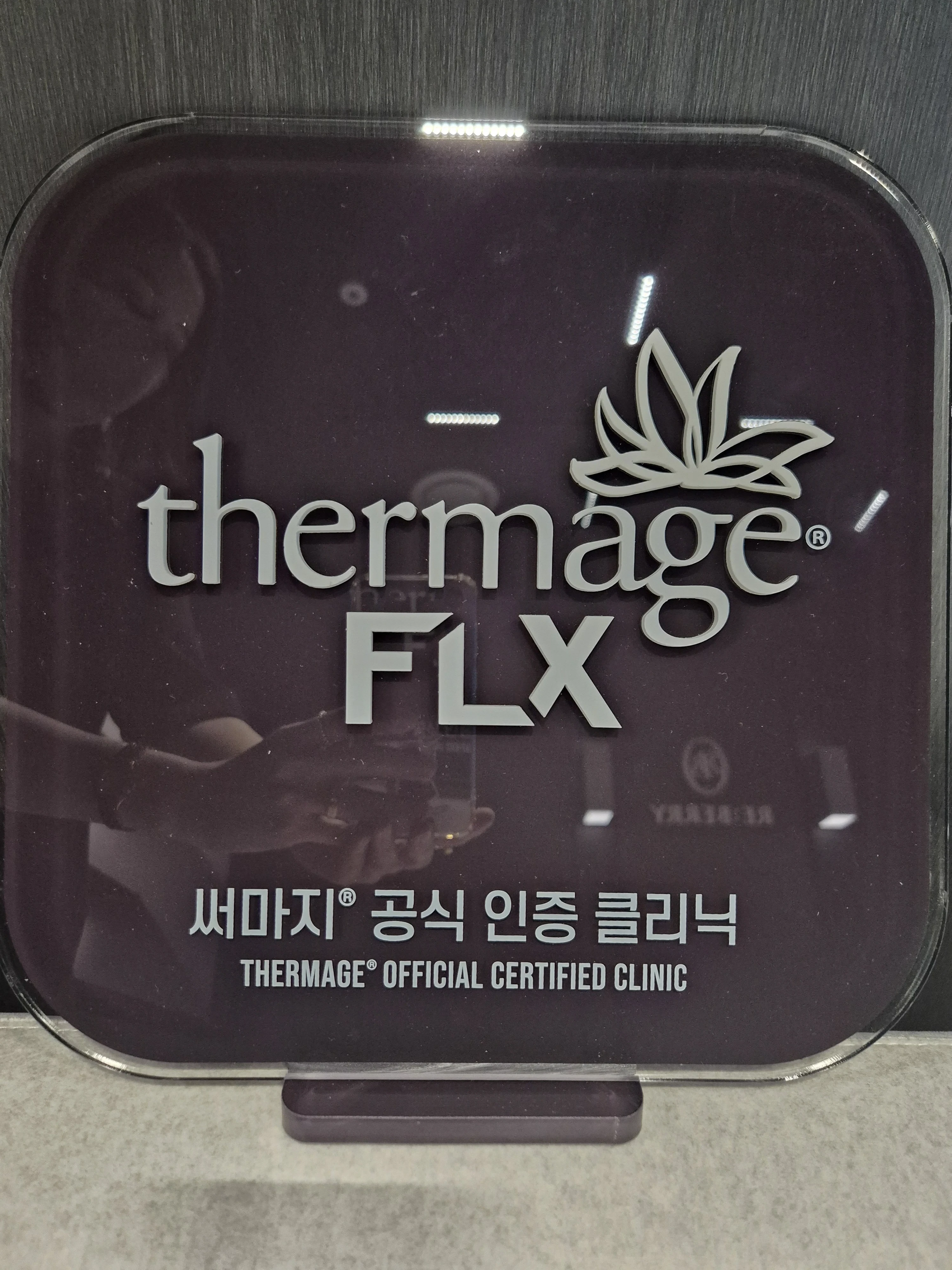
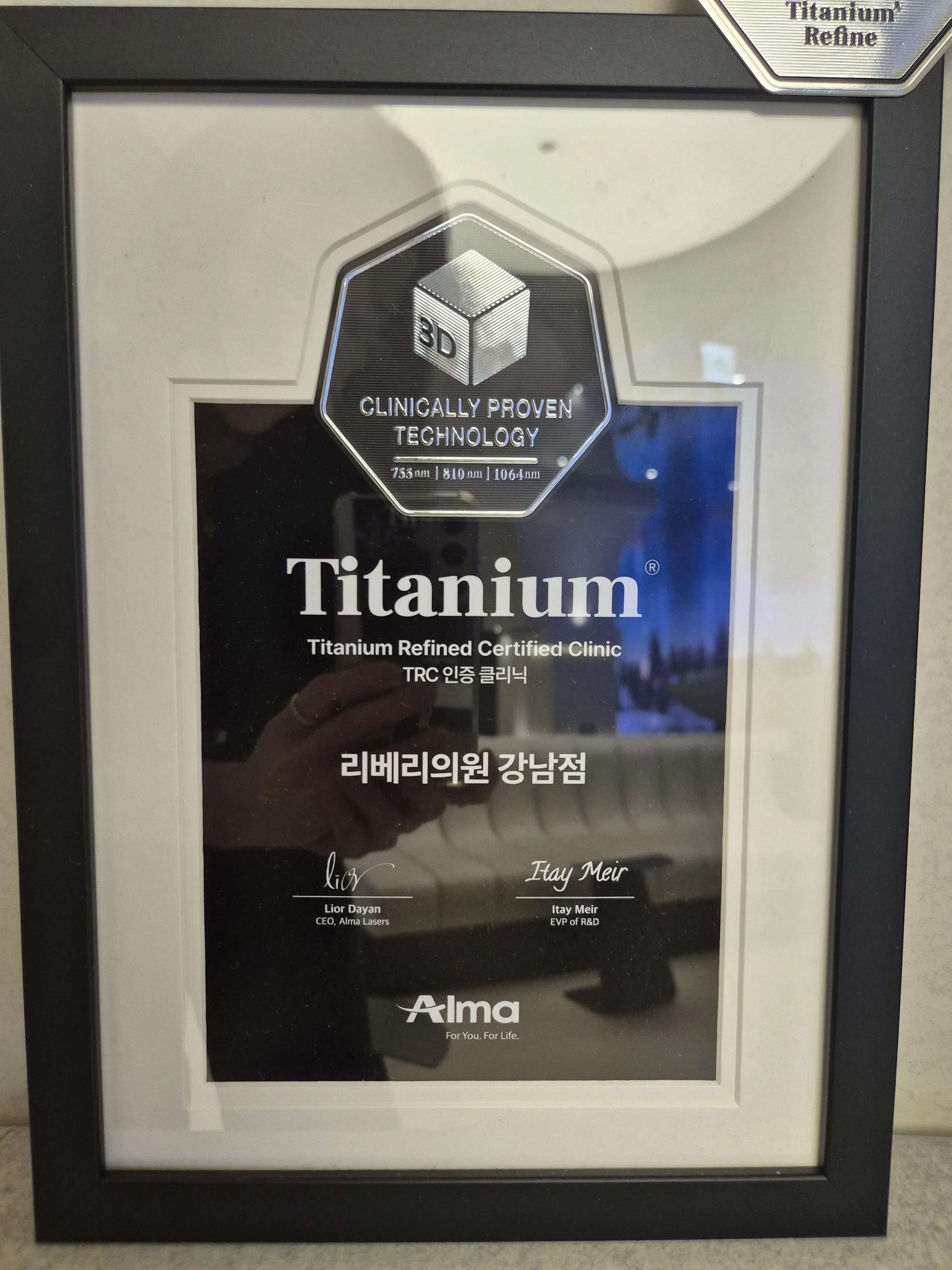
Only Authentic, Brand-Certified Equipment
Every device at RE:BERRY is MFDS-certified and manufacturer-verified. We never use counterfeit or grey-market equipment.

Ready for Skin Tag Removal at RE:BERRY Gangnam?
Book your skin tag removal consultation with Dr. Yoon-Gon Ryu or Dr. Yejin Oh at RE:BERRY Gangnam — 2 minutes from Gangnam Station Exit 10. Same-day walk-in appointments available 365 days per year.
Related Treatments
Book Your Skin Tag Removal Consultation
Fill out the form and our multilingual team will confirm within 2 hours via your preferred contact method.
- ✓ Free consultation with Dr. Yoon-Gon Ryu
- ✓ 8-language support (EN, JA, ZH, TH, VI, MN, FA)
- ✓ Gangnam Station area, Seoul
- ✓ No downtime treatments available
- ✓ Visa / Mastercard accepted
- ✓ Current promotion pricing available