Sensitive Skin Treatment in Korea — Planning the Trip a Reactive Barrier Can Take
Sensitive skin care at RE:BERRY is planned around the trip a reactive barrier actually has to take: the physician grades your skin remotely from history and photos sent ahead, accounts for the dry cabin, the Seoul climate swap, and unfamiliar hotel products, then sets a gentle, subtype-matched route and a buffer day so a fragile complexion is met calm rather than cold, just steps from Gangnam Station in Seoul.
Sensitive Skin Treatment
Sensitive Skin Care
Sensitive Skin Treatment in Korea
Sensitive skin care at RE:BERRY is planned around the trip a reactive barrier actually has to take: the physician grades your skin remotely from history and photos sent ahead, accounts for the dry cabin, the Seoul climate swap, and unfamiliar hotel products, then sets a gentle, subtype-matched route and a buffer day so a fragile complexion is met calm rather than cold, just steps from Gangnam Station in Seoul.
Across RE:BERRY Clinics
1,000,000+ Treatments
Direct Consult & Treatment
Medical Director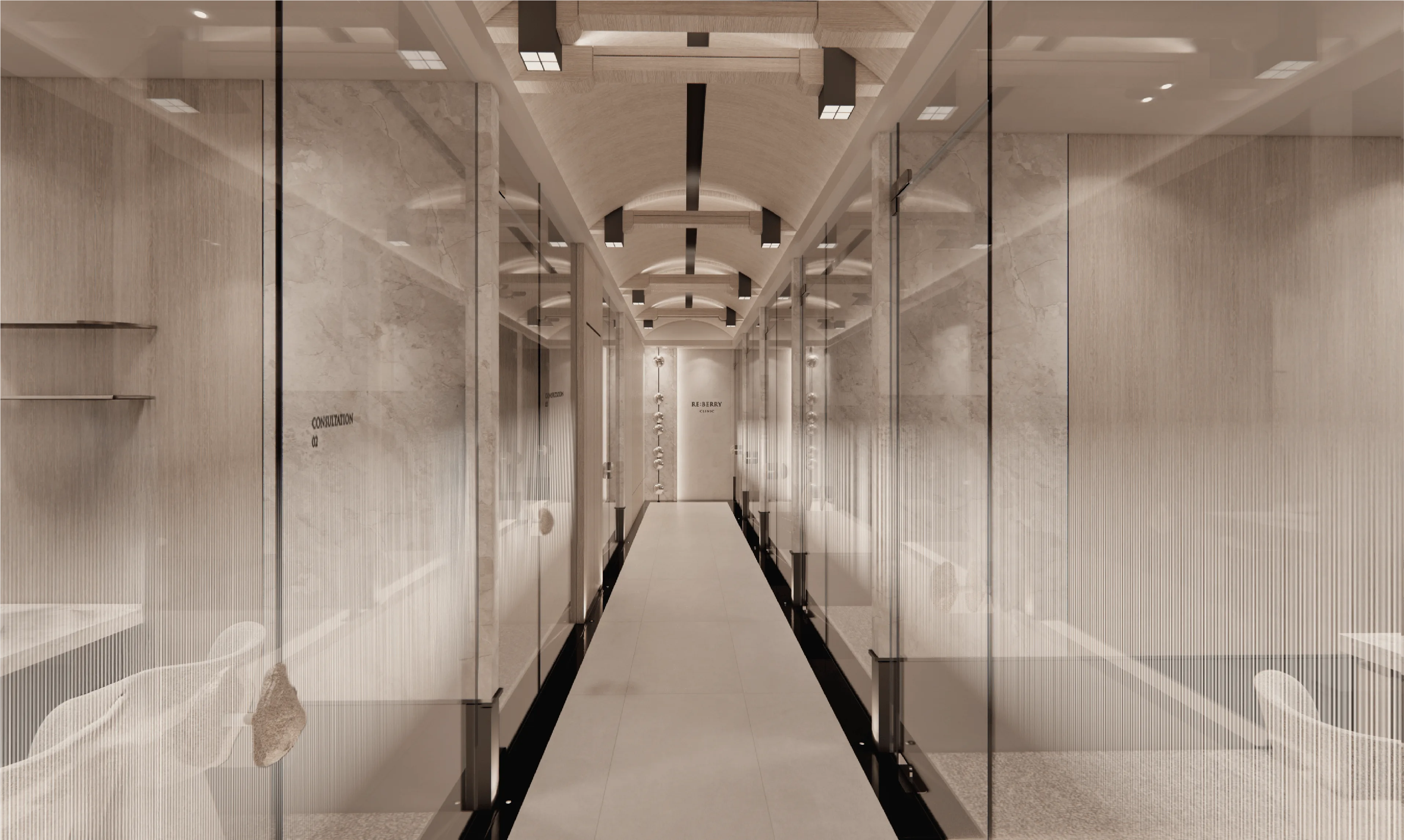
From Gangnam Station Exit 10
2-Min WalkHow should sensitive skin plan a treatment trip to Korea?
Treat the journey as part of the treatment. A reactive barrier lands in Seoul already stressed by a long, dry flight and a change of climate, so sensitive skin planning begins weeks before departure, long before you reach the clinic door. Send a written reaction history and recent photos ahead so a physician can grade the barrier remotely and flag anything that needs a tolerance step once you arrive. Pack your own tested cleanser, moisturiser, and sunscreen; hotel products are a gamble on a fragile face. Land a day or two before treatment so the skin settles from the cabin. Then build the itinerary around the fact that a reaction can surface a day later, keeping the treatment early in the stay and the last days light, so nothing important rests on skin that is still deciding how it feels.
Effects & Progress
Effects & Progress
The route is drawn from your subtype rather than a menu, so vascular flushing, a barrier that stings and loses water, or reactivity left from past irritation each gets the gentle class it actually answers to — sorted from a read that began before you left home.
The treated zones may run faintly warm or pink for the first while and usually calm within the hour. Home care stays bland and sun protection strict, with heat and actives held off, while a travel-stressed barrier is at its most exposed.
The first signs of calm come through as quieted vessels and fresh hydration settle in. The remaining trip days are kept light so a delayed reaction can surface, and the next session is planned around your travel once the barrier has reset.
The stretch where most of the change lands: the flushing loses its grip and the barrier firms up as dermal collagen activity answers across the spaced course. How fast this arrives is particular to each skin, and the plan is carried forward only as far as yours is comfortable going.
Maintenance period. Results from a completed course generally hold for a stretch before a top-up is considered; RE:BERRY will guide the repeat interval that suits your reactive skin and your travel.
Treatment Process
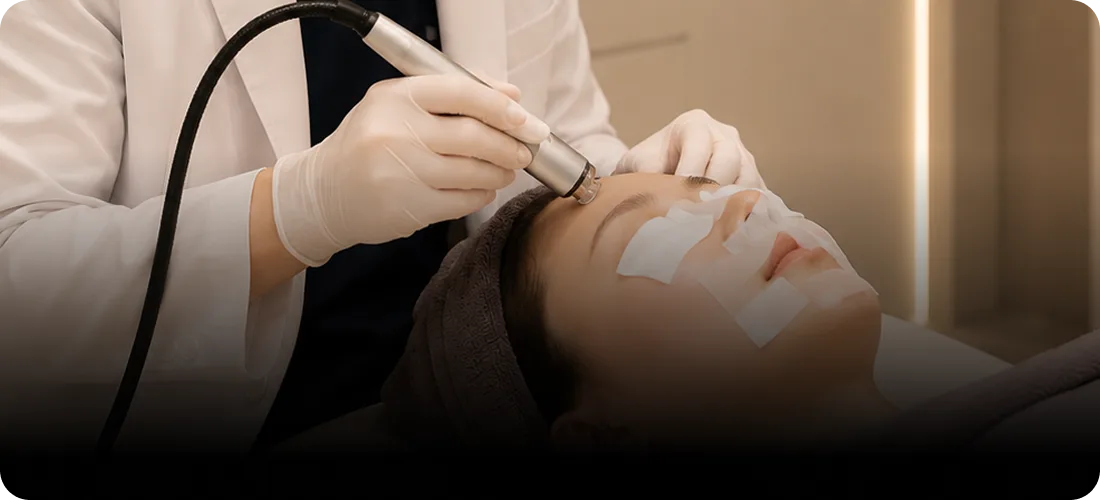
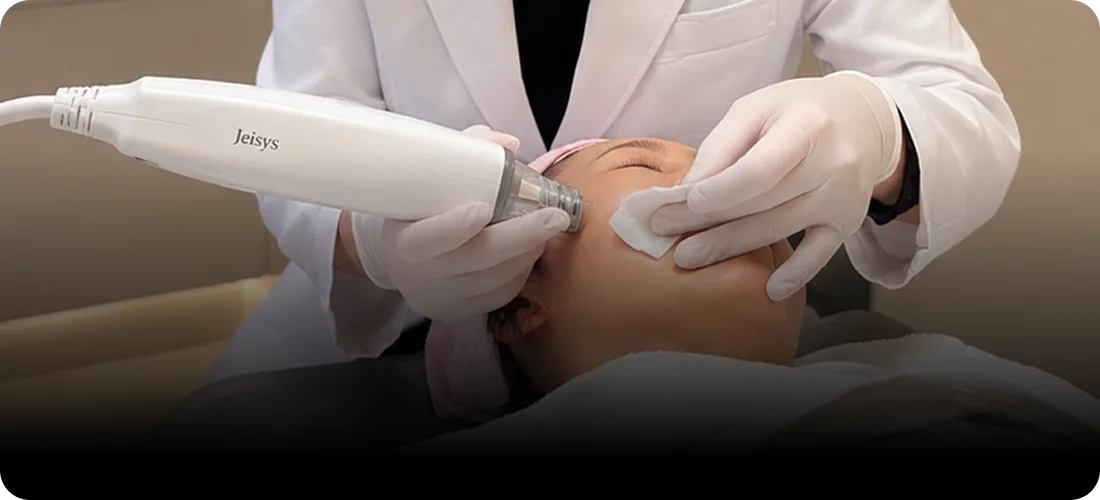
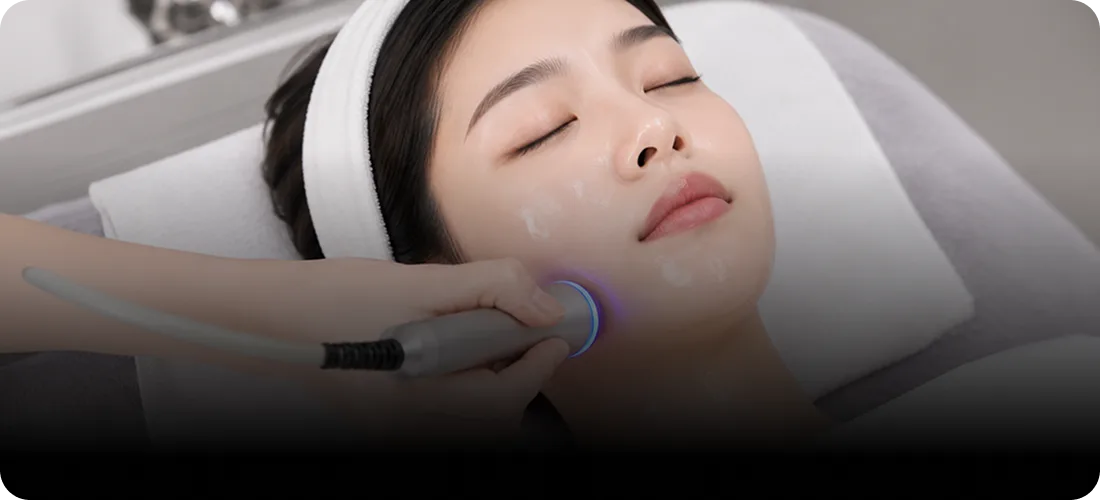
Sensitive Skin Care — 4 Steps From a Remote Read to In-Person Care
※ Illustrative images are AI-generated to help explain the treatment process.Effects & Progress
Effects & Progress

Sensitive skin covers several patterns at once, and the safest plan for a travelling patient is the one built to fit yours specifically, sorted early enough that the trip is designed around it. From the remote read the physician establishes whether the flushing is driven by dilated surface vessels, by a thinned barrier that loses water and stings, or by reactivity carried over from earlier irritation, then matches the class to that finding: vessel-selective light for the first, calming and hydration support for the second, careful staging for the third. A type-matched combination is what lets a reactive complexion be treated effectively without provoking the very reactivity it arrived with, so the assessment leads and the treatment follows — which for someone flying in means the plan is already shaped before the barrier lands.
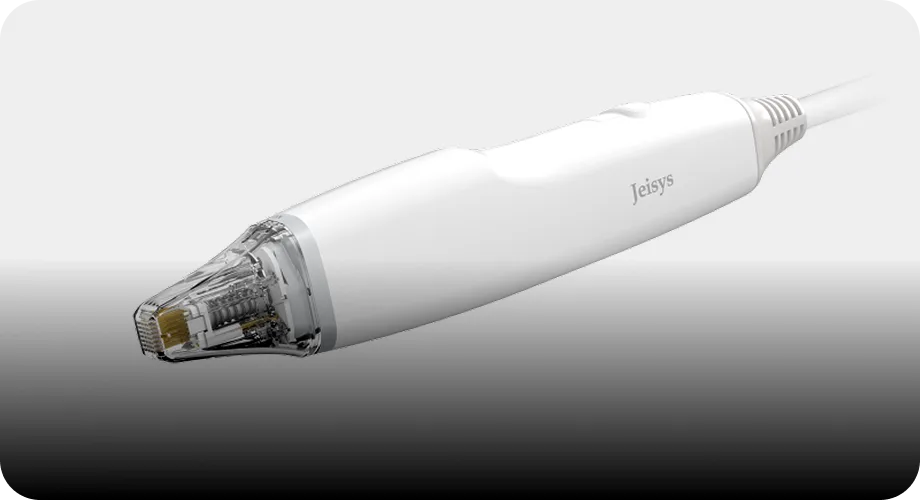
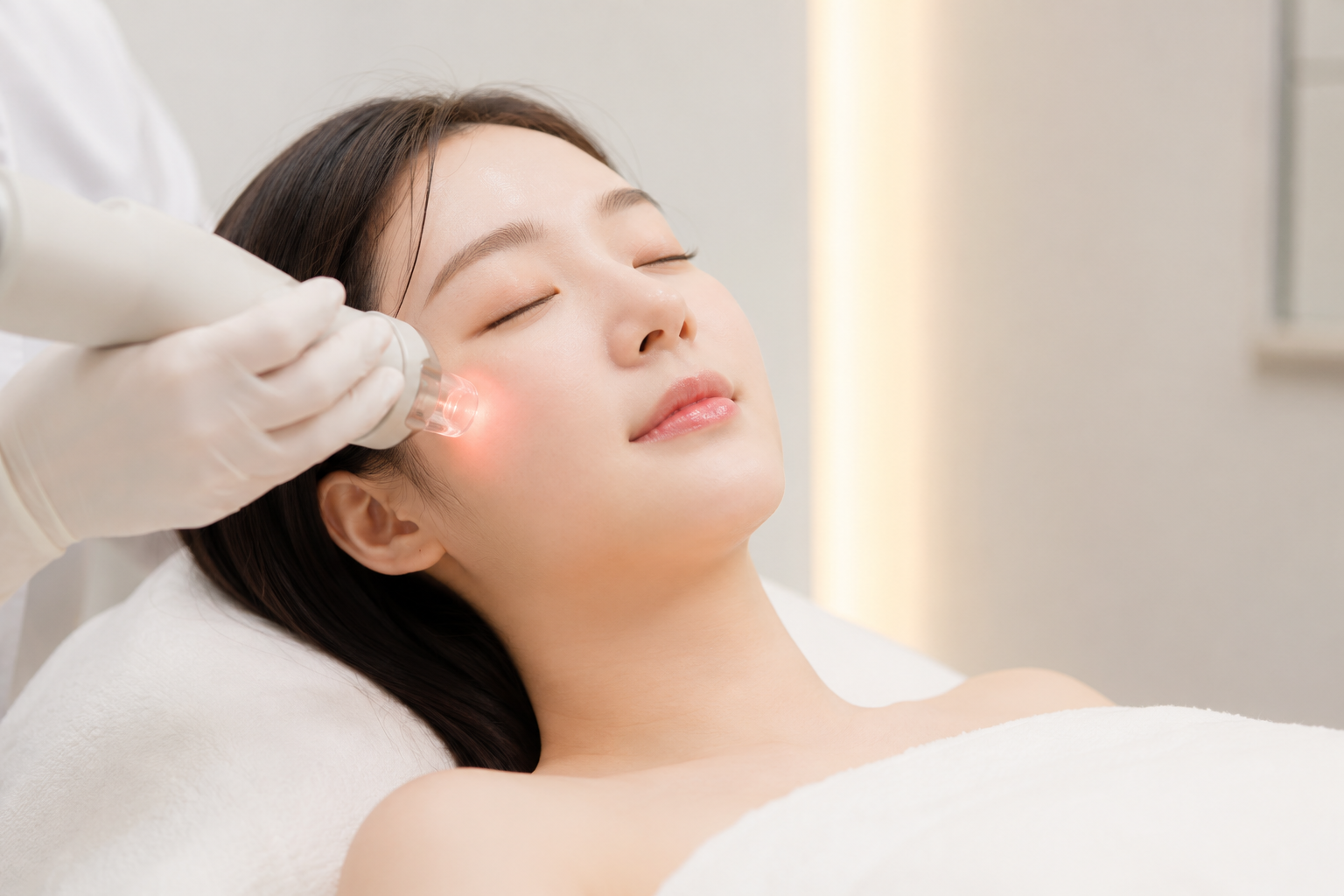
A durable result on reactive skin comes from steadying the layer beneath the surface as much as calming the top of it, and that regeneration is what carries the skin through the stresses a trip adds. Across the spaced course, the calming and hydration care stimulates collagen activity in the dermis and, where a gentle regenerative booster is used, gives the repair machinery something to work with, helping the barrier hold water and flush less readily. Dermal regeneration running alongside the calming is what makes a sensitive complexion more resilient to the dry cabins and climate swings that travel involves, so the plan favours support over stripping. A stronger, better-hydrated dermis is what banks the resilience between sessions, well past the comfort of a single visit. What each skin gives back, and how quickly, is particular to that skin.

The treatment step scales to the skin in front of the physician and to what the visit calls for, which matters most when the barrier has just travelled. For a complexion that can only take a little after the flight, it runs as a short, low-energy session with nothing added; where the skin reads steadier, it can sit inside a fuller calming or hydration package chosen together and staged across visits. That flexibility in how the clinical step is delivered, whether light and standalone or part of a planned package, is what lets a reactive complexion be met exactly where the trip has left it, and the physician sets the scale from your assessment rather than a fixed protocol.
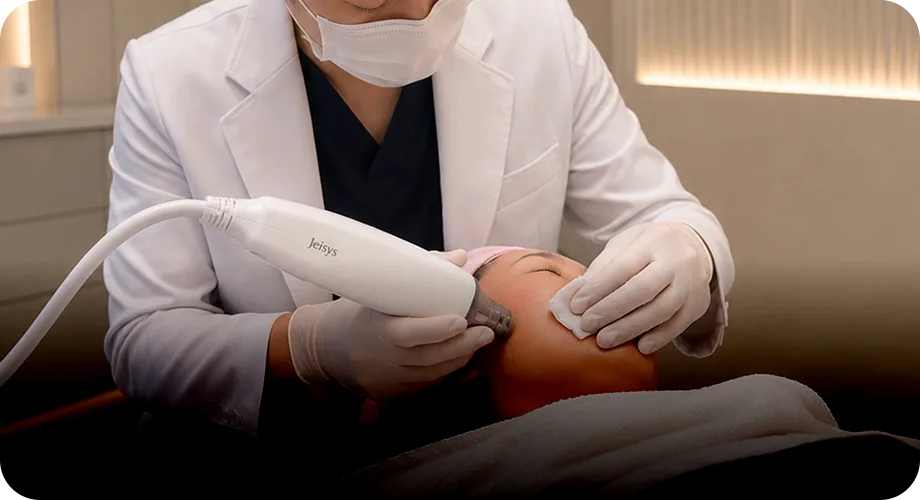
The result is banked as much in the days around the visit as in the session, so the care is staged and continuing across the whole trip and past it. Before treatment, the remote read and a buffer day of acclimatising let a fragile barrier arrive as calm as it can be after a flight and a change of climate. After, a plain home routine protects it while it repairs: no actives for a few days, cooling as needed, heat and hard exercise held off, and your own tested products throughout rather than the hotel's. Sessions are then spaced wider than a robust complexion would need, with later visits planned around your travel and home care, giving the barrier room to reset fully before the next. That staged, continuing rhythm keeps the calming building across the course and keeps the skin from tipping back into a flare, and it is planned around your skin and your trip rather than a calendar.
Treatment Process
Sensitive Skin Care — 4 Steps From a Remote Read to In-Person Care
※ Illustrative images are AI-generated to help explain the treatment process.
What a Well-Planned Sensitive Skin Trip Gets You — and How the Days Should Fall
- A read that starts before you leave: sending barrier history and photos on WhatsApp lets a physician grade reactive skin remotely, so the in-person visit refines a plan already in hand on a tight clock
- A barrier that lands hydrated: reapplying a tested moisturiser through the dry cabin and skipping in-flight actives keeps a fragile complexion from arriving in a flare that muddies the assessment
- No new products on a reactive face abroad: bringing your own trusted cleanser, moisturiser, and sunscreen removes the single biggest avoidable trigger of a trip
- Treatment early, itinerary light late: scheduling the session in the first days leaves room for a delayed reaction to show before you fly home
- A language a coordinator shares: aftercare and the go-or-wait call are handled in your own language, so nothing about a fragile barrier is lost in translation
- One licensed physician on the case from the remote read through the in-person session to the follow-up, so a reactive complexion is not passed between hands mid-trip
| Timeline | What to Expect |
|---|---|
| The remote read happens: barrier history and photos sent, triggers flagged, and a rough route and any tolerance step sketched before flights are locked | |
| A buffer day lets cabin dryness and any travel flush settle; the skin acclimatises a little to Seoul before anyone assesses it in person | |
| The physician confirms the remote read against the live skin, runs a tolerance step where useful, and treats at the calm end of the settings | |
| Kept deliberately light so a delayed reaction has room to surface; aftercare stays bland and the coordinator checks in before departure |
Treating Sensitive Skin at Home vs on a Korea Trip — What Actually Changes
| Consideration | At Home | On a Korea Trip (RE:BERRY) |
|---|---|---|
| Barrier state at assessment | Baseline, in a familiar climate | Stressed by dry-cabin air and a climate swap unless a buffer day is planned |
| First read of the skin | In person, unhurried | Started remotely from history and photos, confirmed in person on arrival |
| Products on the skin | Your own tested routine | Your own if you pack them; hotel and foreign-market products are a real trigger risk |
| Time to watch for a reaction | Open-ended, easy to revisit | Compressed into the stay, so treatment goes early and late days stay light |
| If a delayed reaction appears | Clinic is a short trip away | Handled by coordinator in your language, with follow-up continued after you fly home |
| Session spacing for a course | Weeks apart, all local | First session in Korea, later ones planned around your travel and home care |
| Language during aftercare | Native by default | Coordinator shares your language across five supported on-site |
Why This Matters
The variables a local patient never thinks about are the ones that decide a sensitive-skin trip. Cabin air on a long flight sits far below the humidity most skin is used to, a change of city can hand a reactive barrier a pollen or temperature load it has never adapted to, and unfamiliar hotel products land on a face that tolerates only a short list. RE:BERRY plans for all three before you arrive, so none of them is a surprise on the day.
Distance is why the pre-visit read carries so much weight here. For reactive skin a precise history often narrows the safe route faster than any single test, and gathering it on WhatsApp weeks ahead means a physician has already graded the barrier and flagged your triggers before you spend a flight getting there. a consultation-based quote the plan is written and quoted from that reading, so nothing about cost or route waits until you are standing in Seoul.
KHIDI's 2025 international patient survey found 41.4% of respondents rank keeping the same doctor throughout as their leading criterion, and for a reactive complexion that continuity carries even more weight. At RE:BERRY the physician who reads your barrier remotely is the one who confirms it in person, treats, and follows up after you have flown home, so a fragile skin is never handed between practitioners in the middle of a trip.
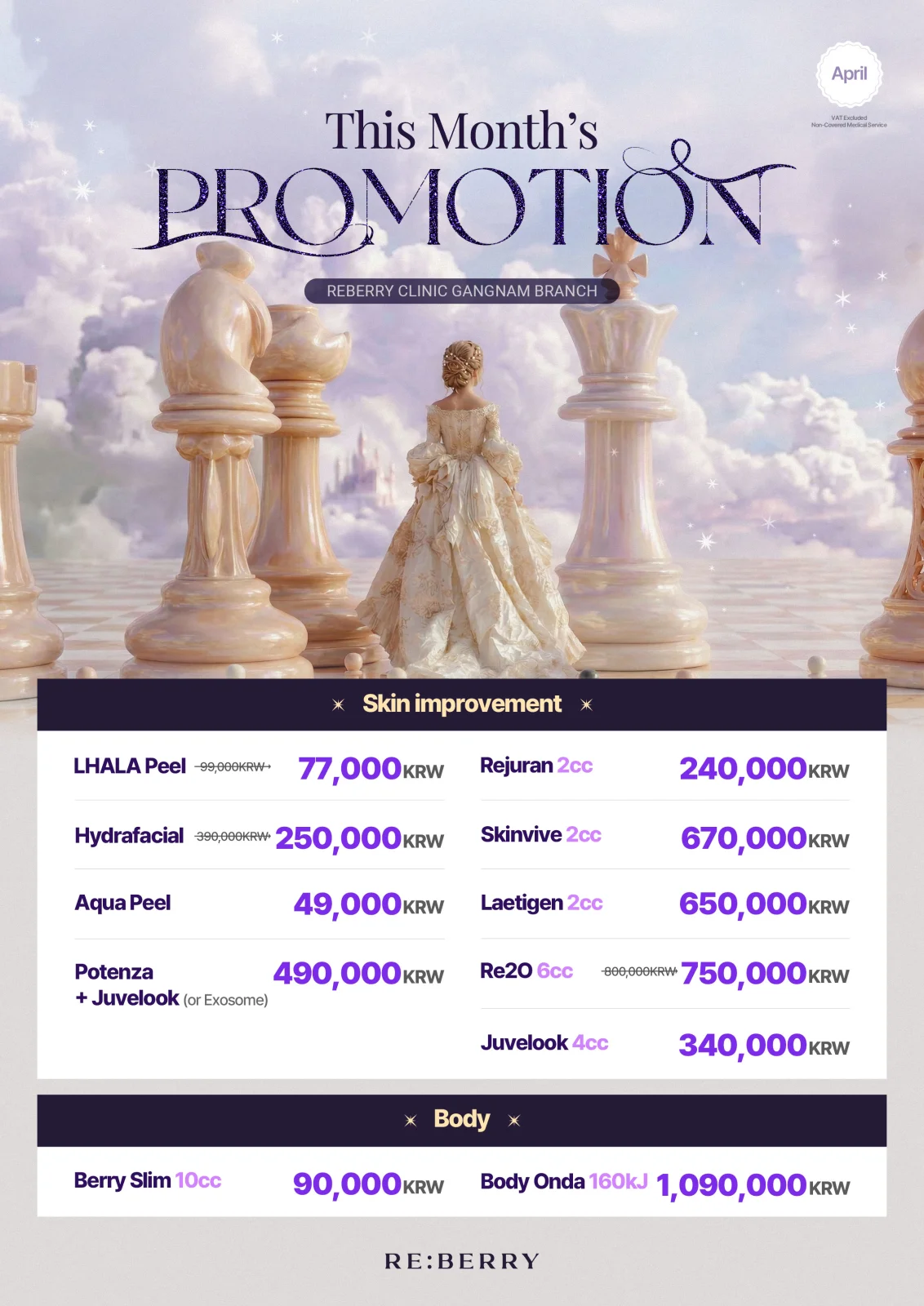
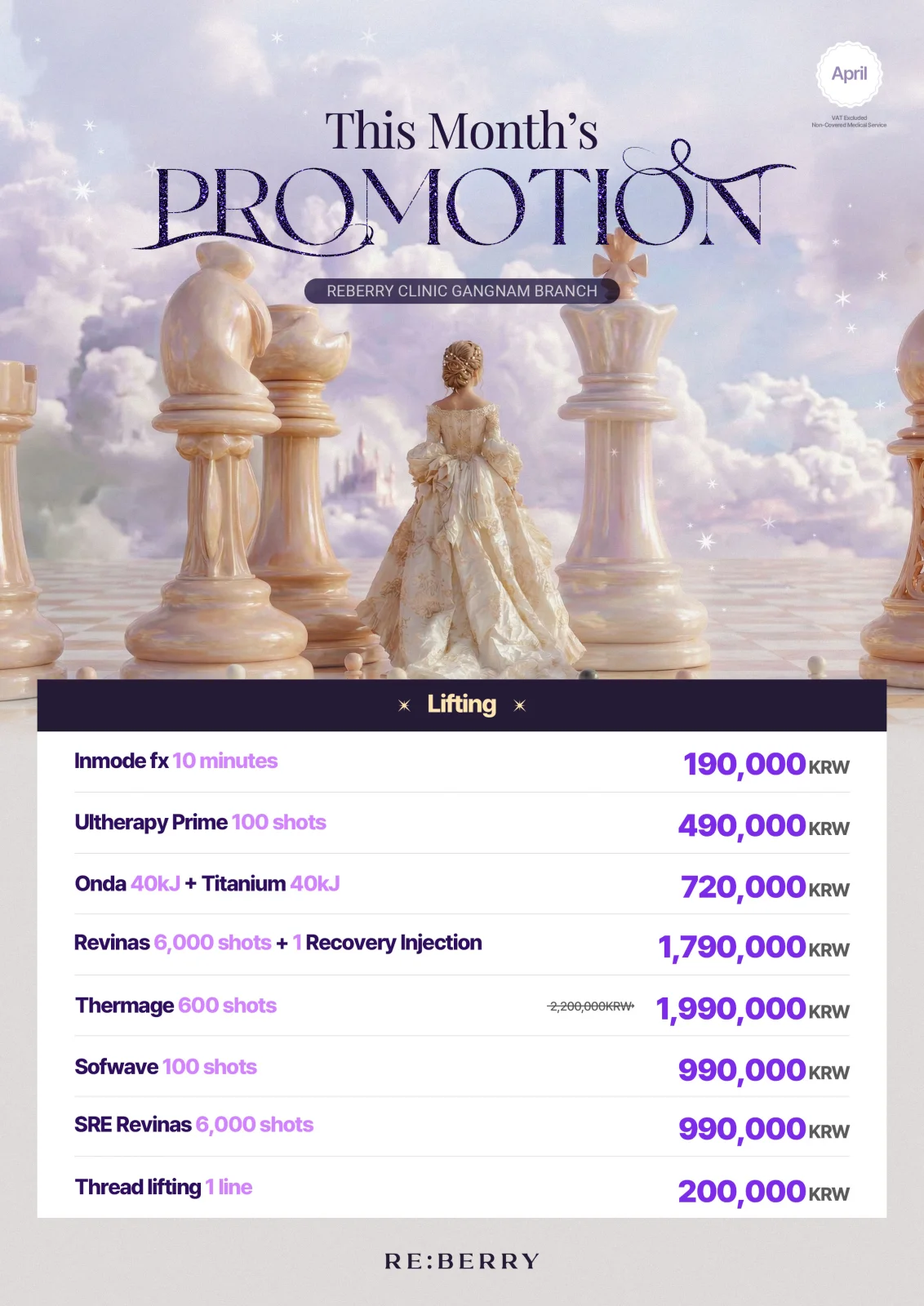
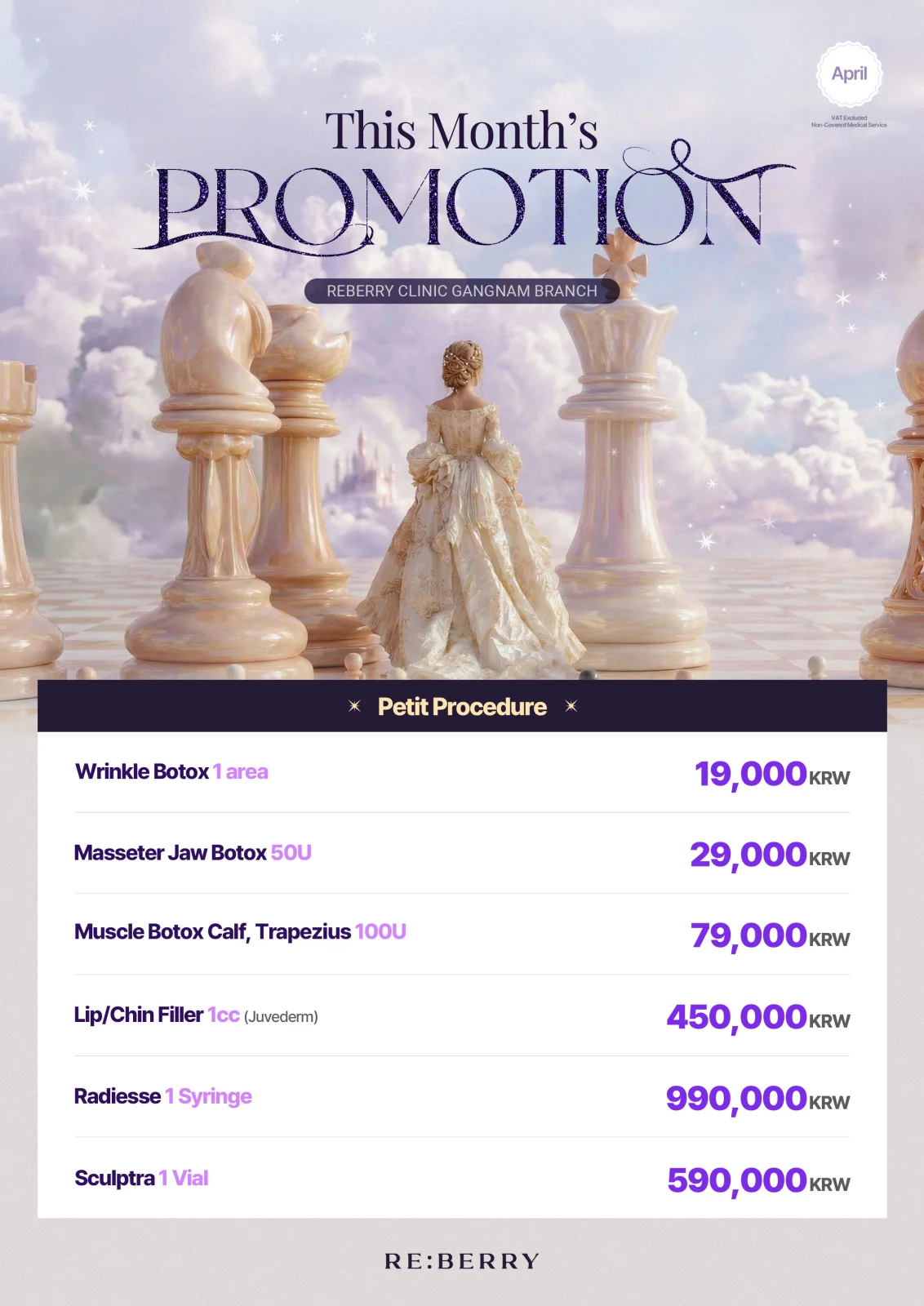
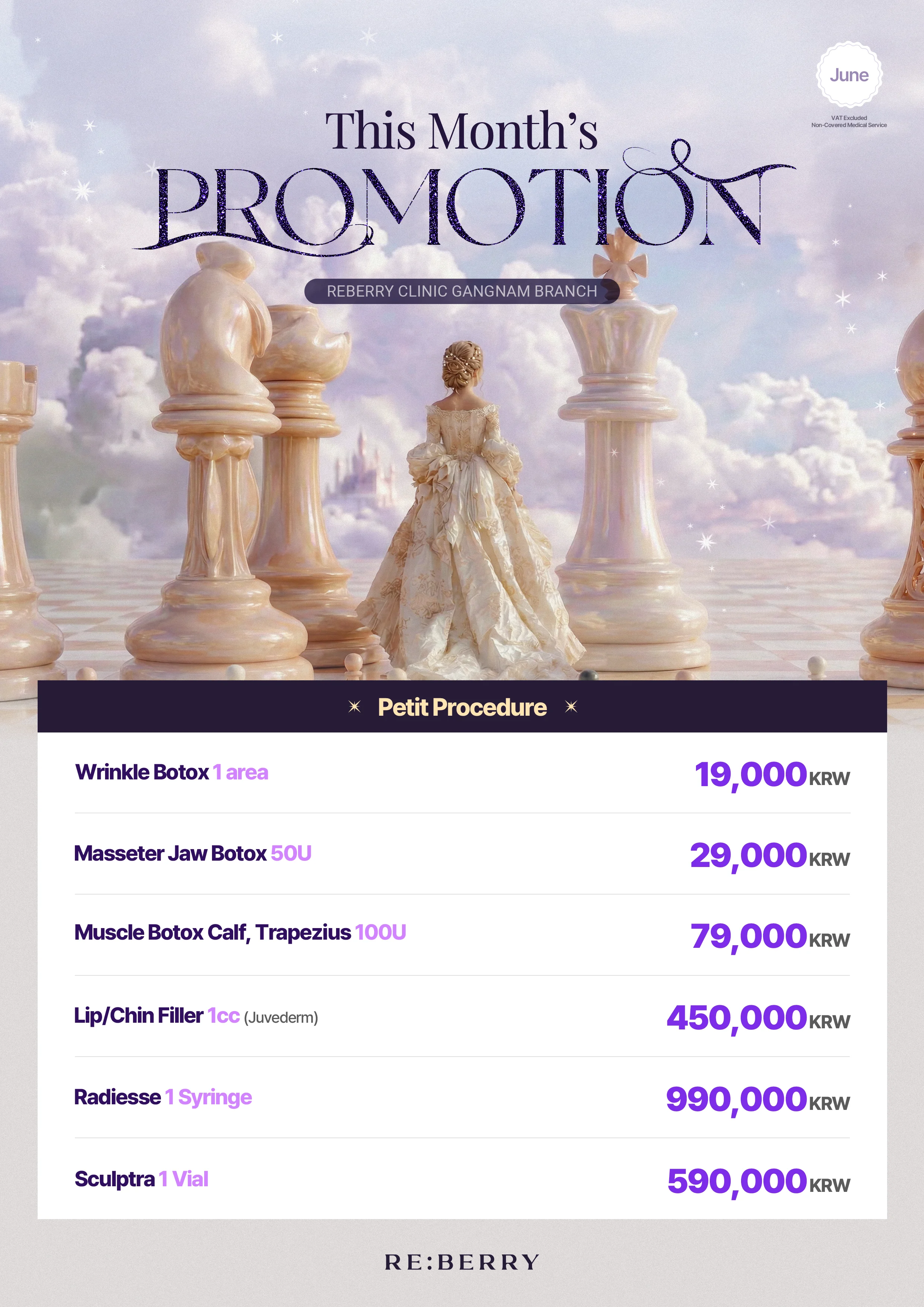
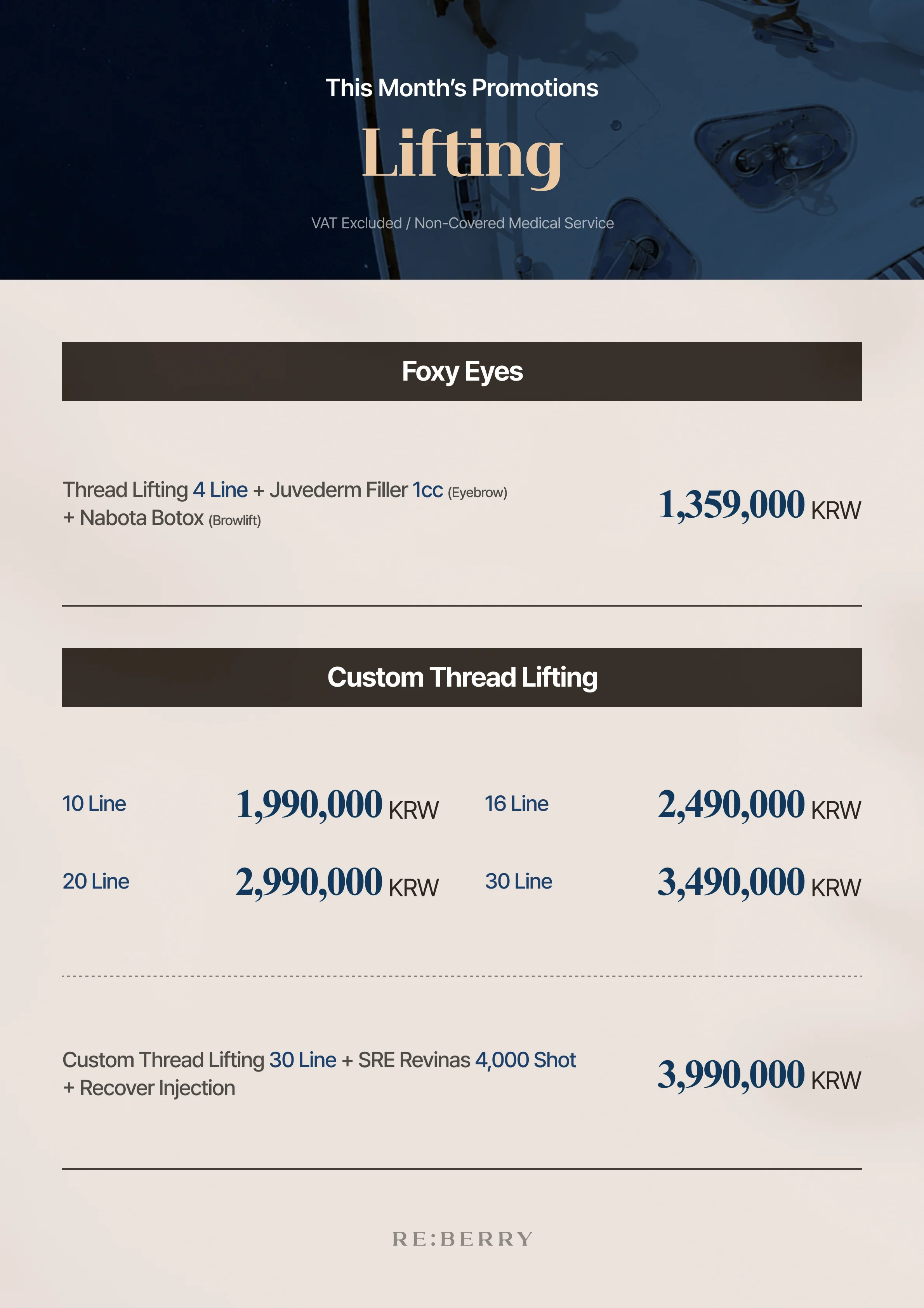
October – December 2026 Promotions
Exclusive packages for international patients. Swipe to see all offers.
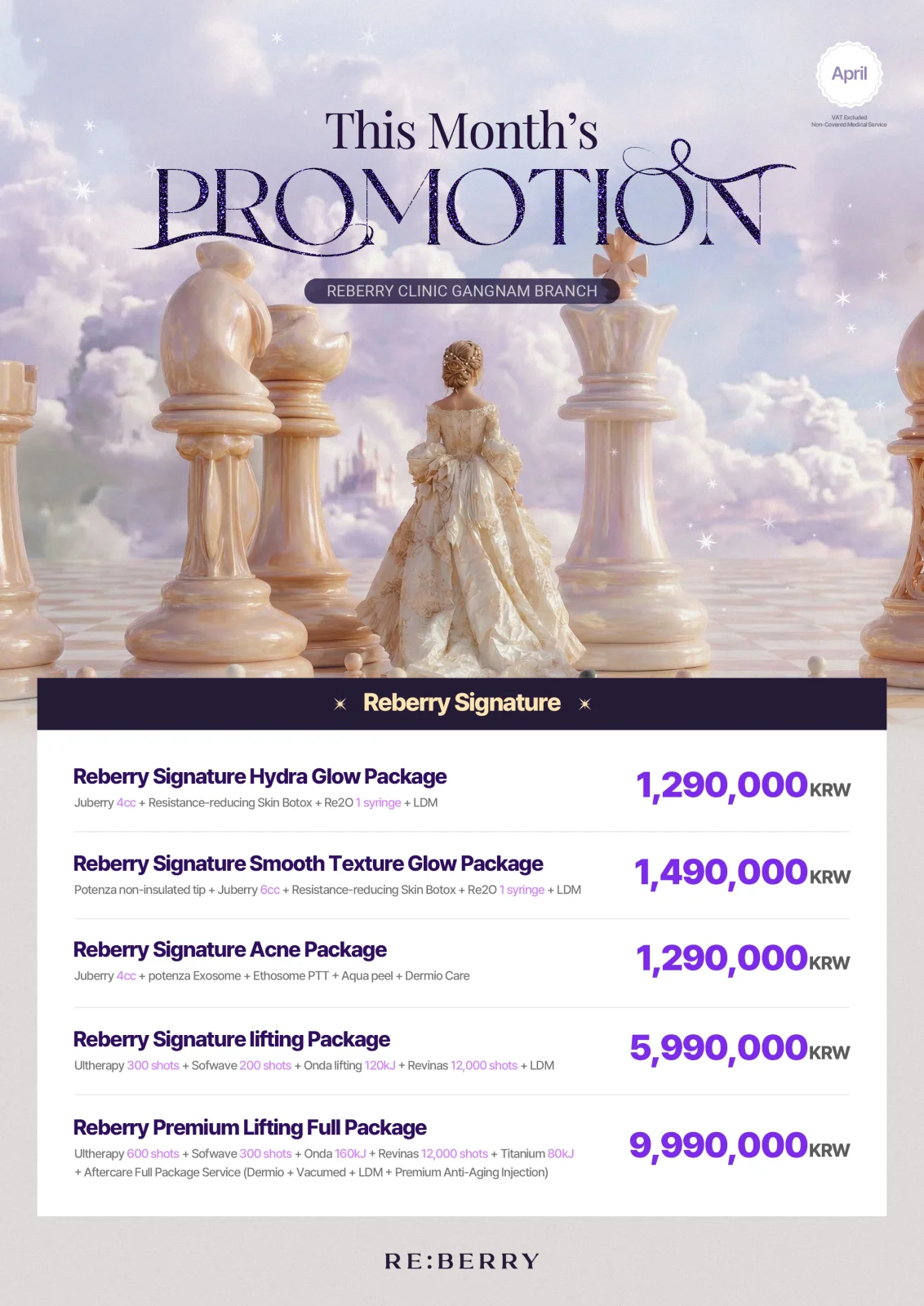

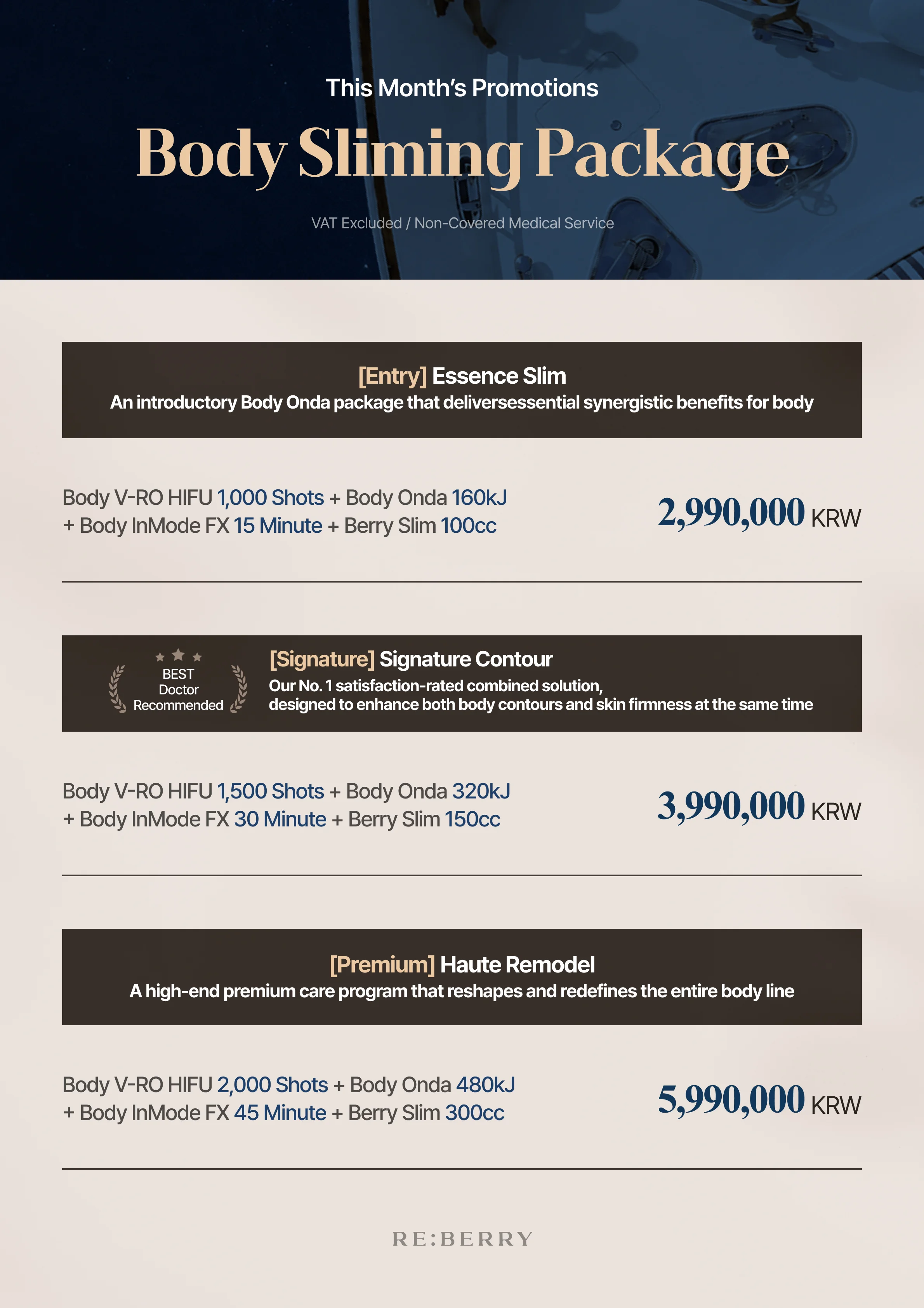
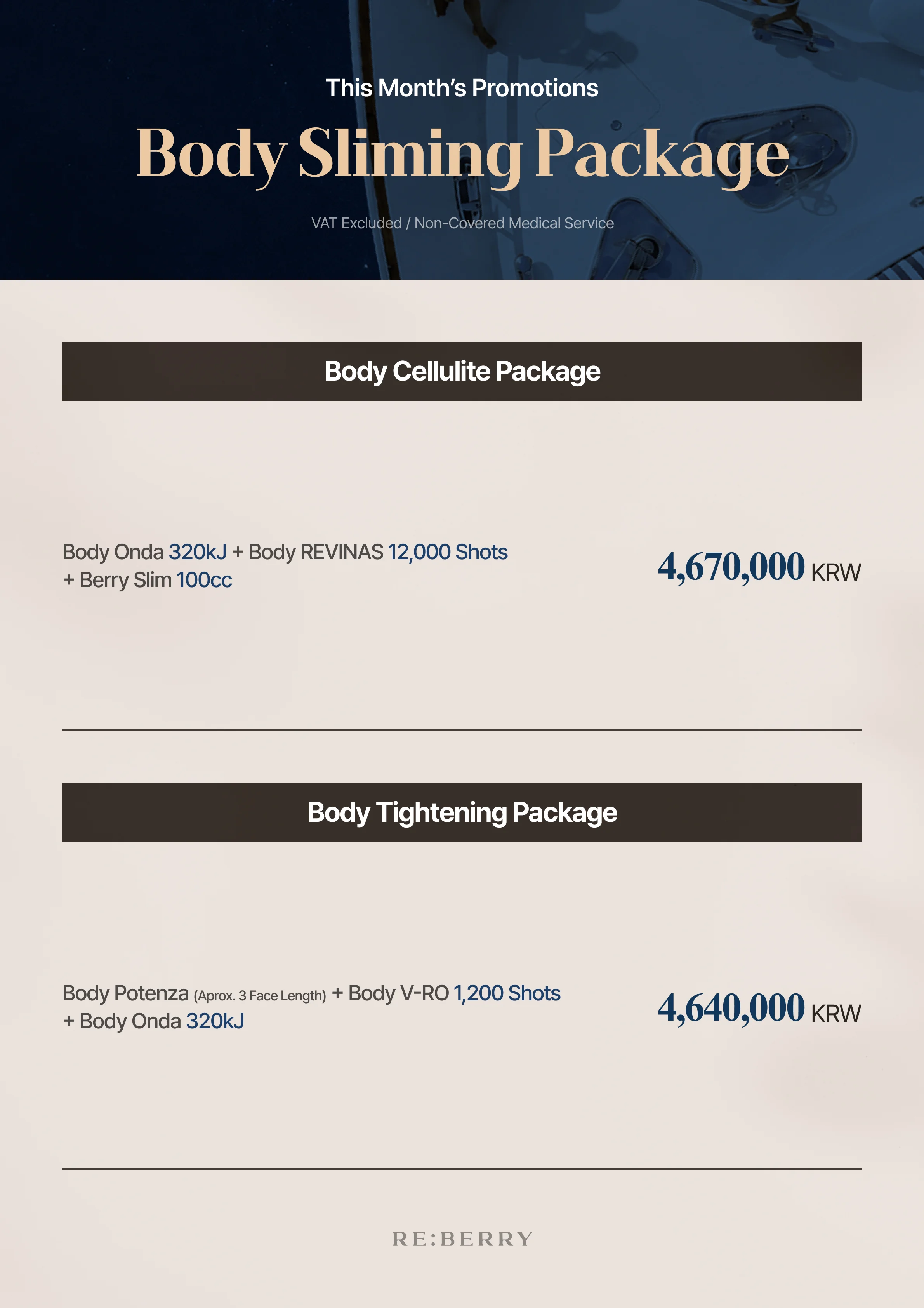
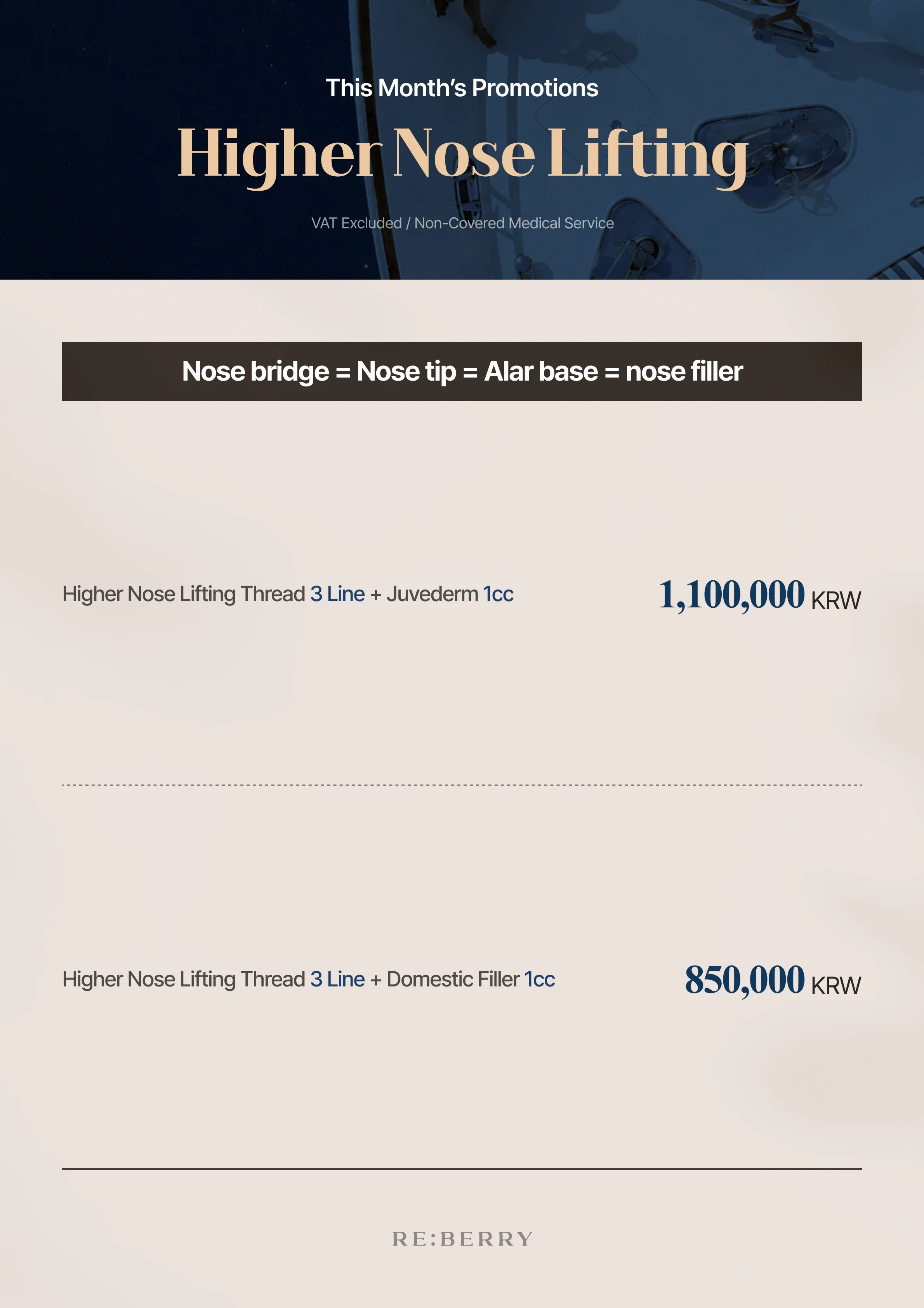
![RE:BERRY Gangnam October–December 2026 Promotion Page 10 — Body Slimming Package: [Entry] Essence Slim, an introductory Body Onda package that delivers essential synergistic benefits for body shaping and contouring: Body V-RO HIFU 1,000 Shots + Body Onda 160kJ + Body InMode FX 15 Minute + Berry Slim 100cc ₩2,990,000 · [BEST · Doctor Recommended] Signature Contour, our No. 1 satisfaction-rated combined solution, designed to enhance both body contours and skin firmness at the same time: Body V-RO HIFU 1,500 Shots + Body Onda 320kJ + Body InMode FX 30 Minute + Berry Slim 150cc ₩3,990,000 · VAT excluded](https://cdn-reberry.pages.dev/gangnam/promotion/en/gangnam-event-en-10.webp)
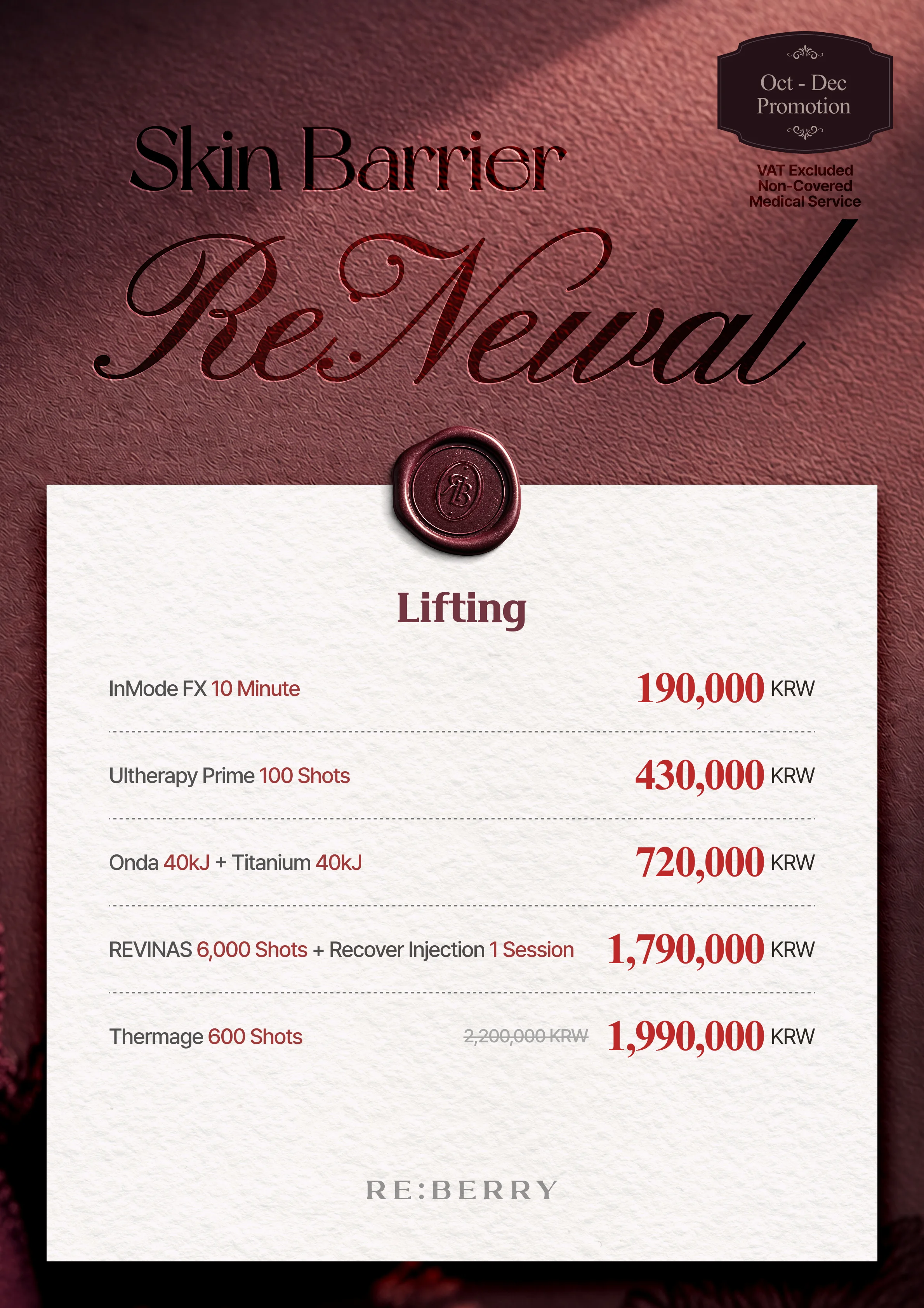
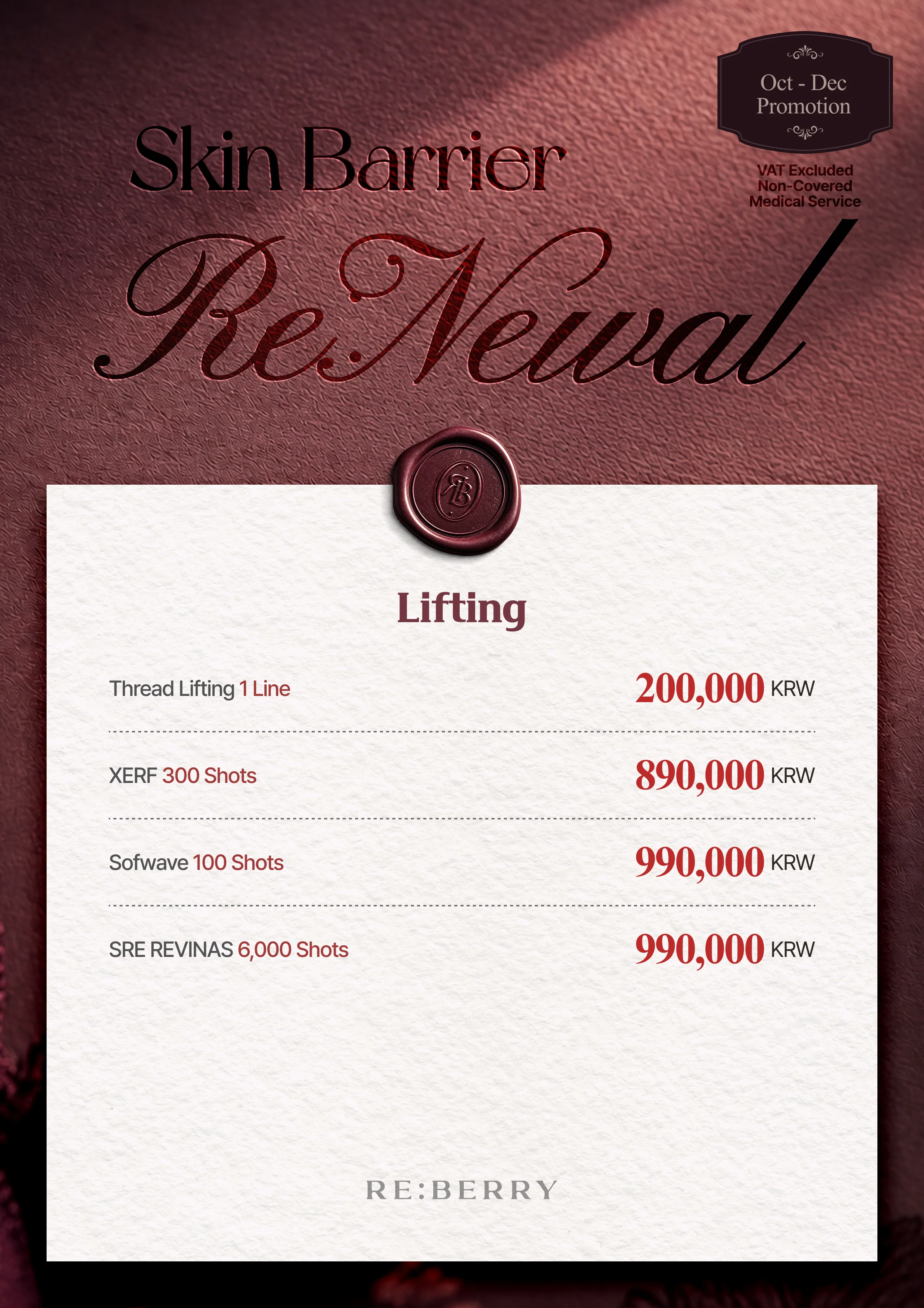
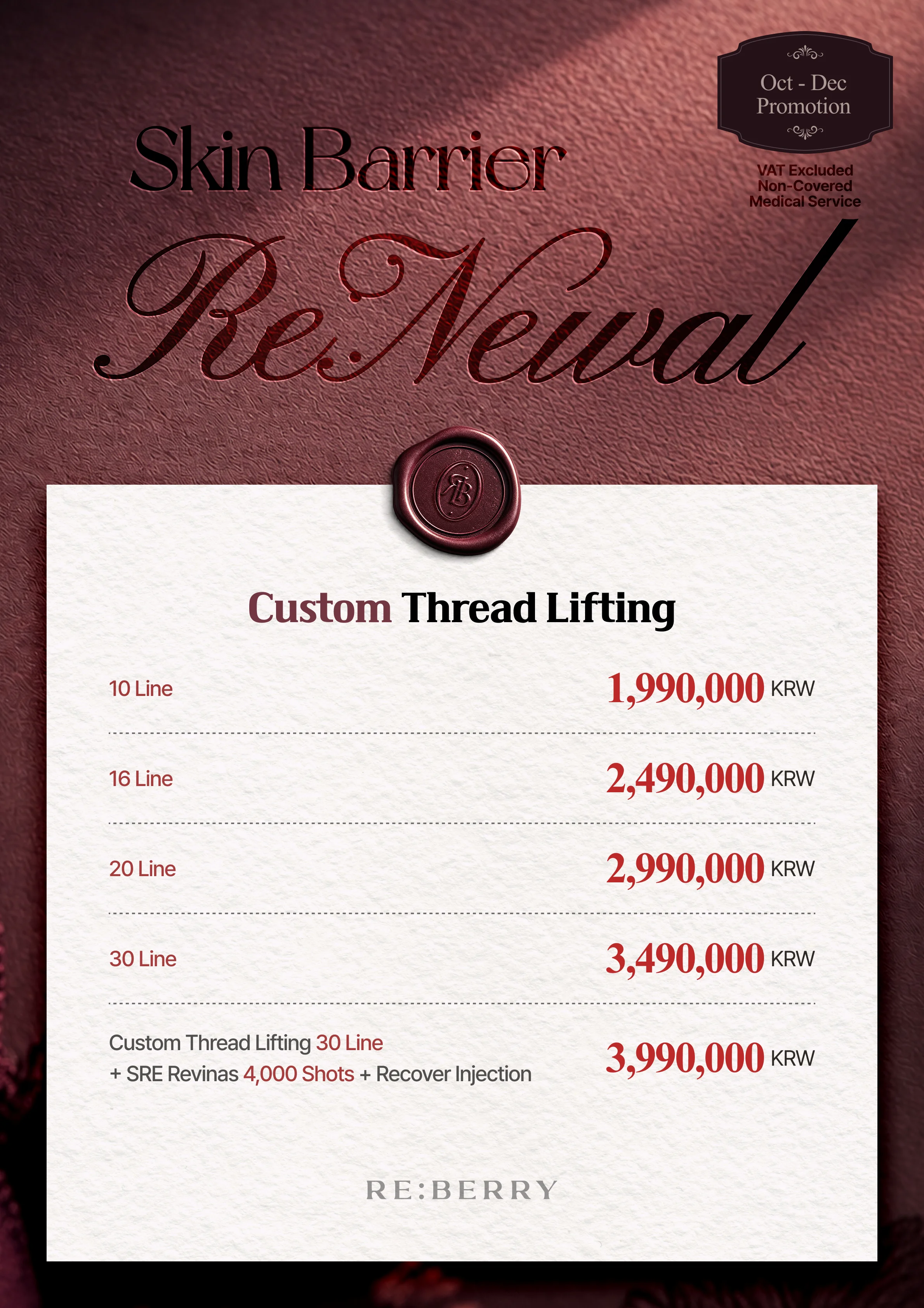

How Sensitive Skin Care Is Quoted for a Korea Trip (Assessment-Led, VAT Excluded)
Your Medical Director
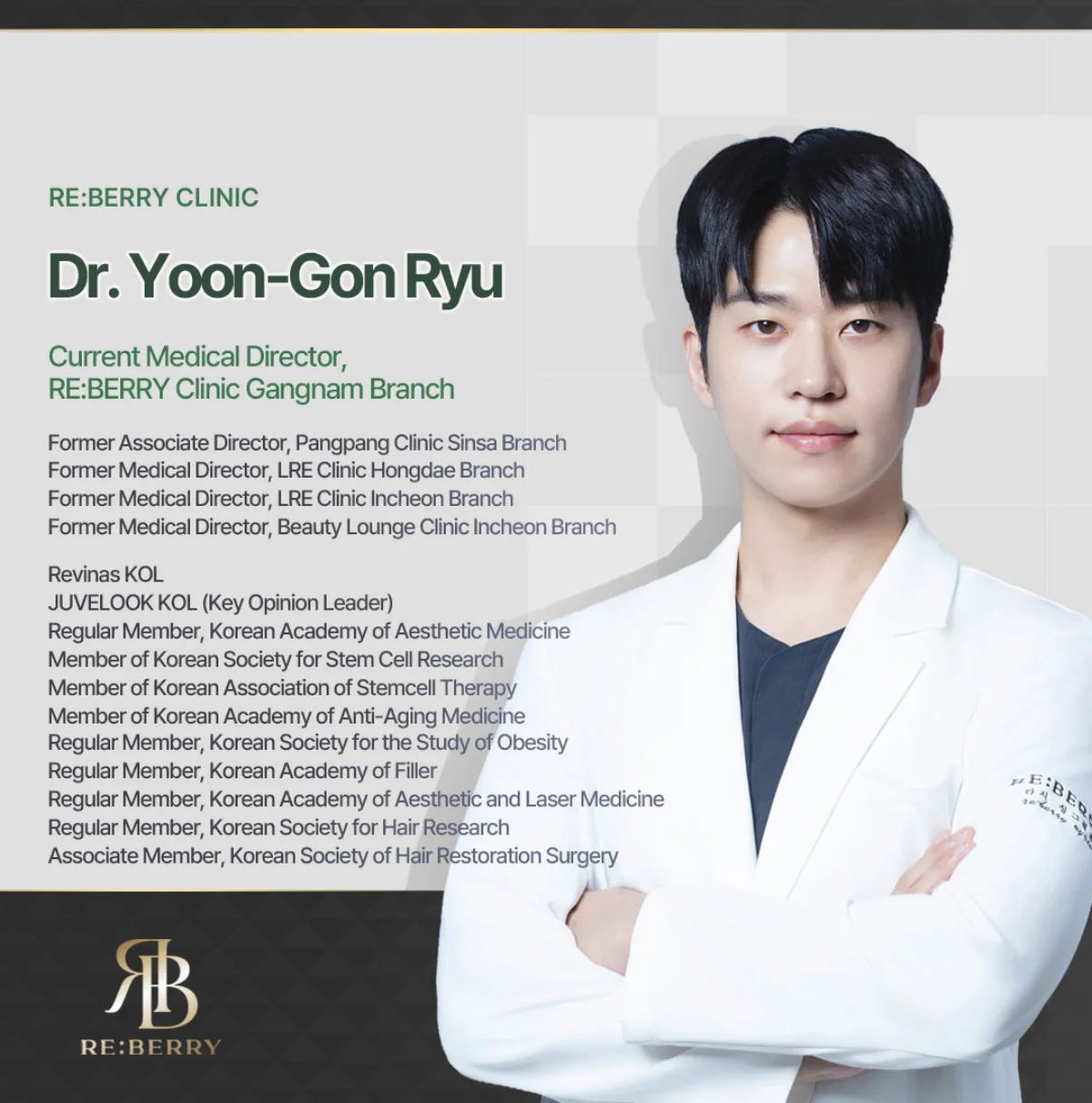
Dr. Yoon-Gon Ryu
- Medical Director, RE:BERRY Aesthetic Clinic Gangnam — Korean MOHW Medical License No.131644
- Manufacturer-appointed KOL invited to teach injection and energy-device technique to Korean peers
- Regular Member, Korean Academy of Aesthetic Medicine
- Co-manages every case with Dr. Yejin Oh (Korean MOHW Medical License No.144238)
- Featured in Authority Magazine (2026)
Medically reviewed by Dr. Yoon-Gon Ryu, CEO / Medical Director, RE:BERRY
A Fourteen-Thousand-Square-Foot Hush Above Gangnam-daero
Step past the black gallery facade and the bustle of Gangnam-daero falls away. Fourteen thousand square feet of hushed corridors, marble installations, a cascading water feature and fully enclosed consultation suites — arranged so you rarely cross paths with another guest, because our appointment-first diary keeps every hour deliberately underbooked.

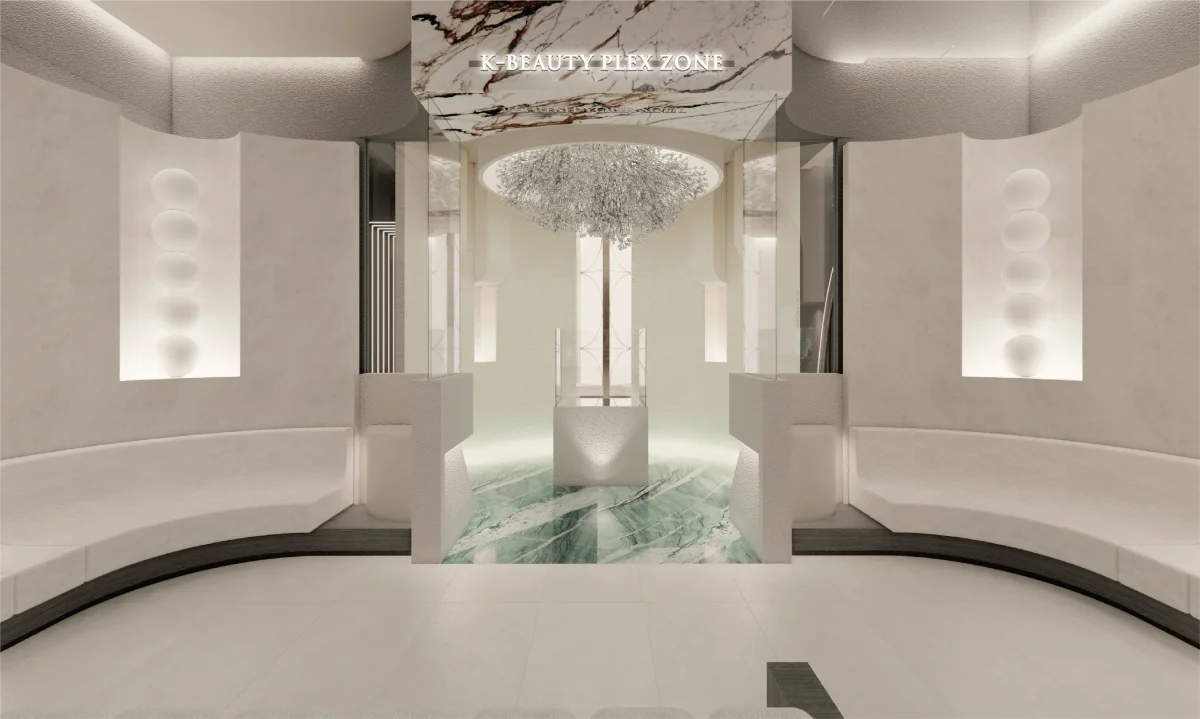
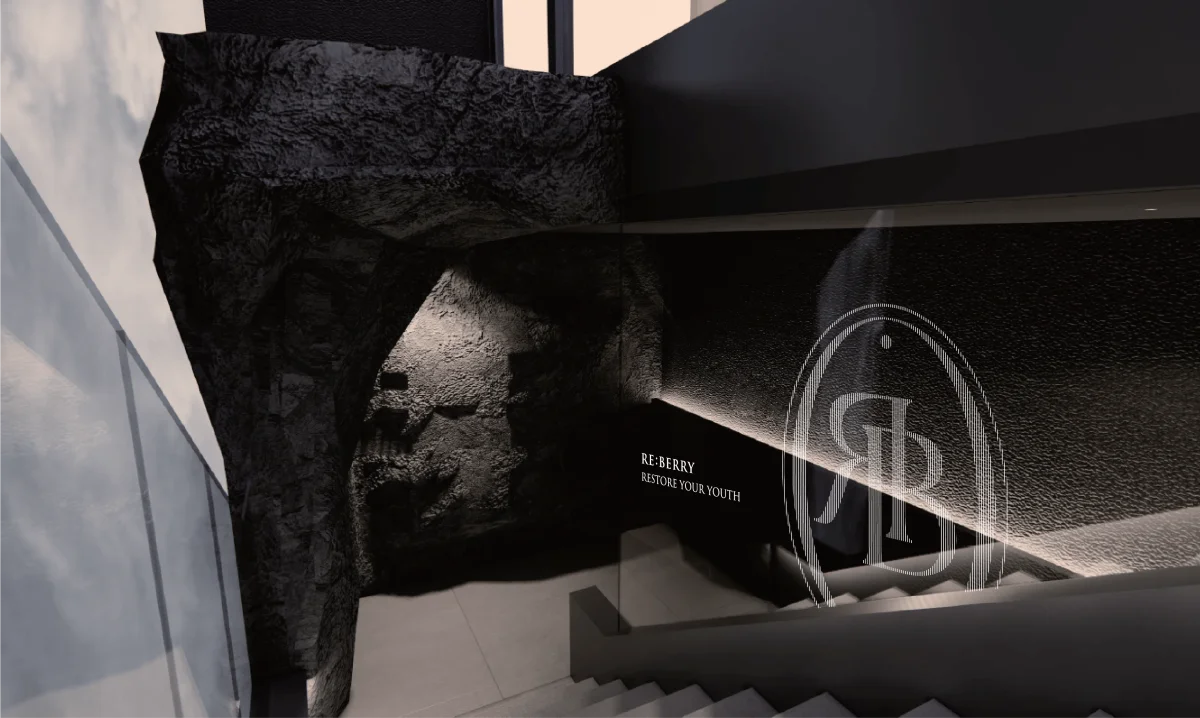
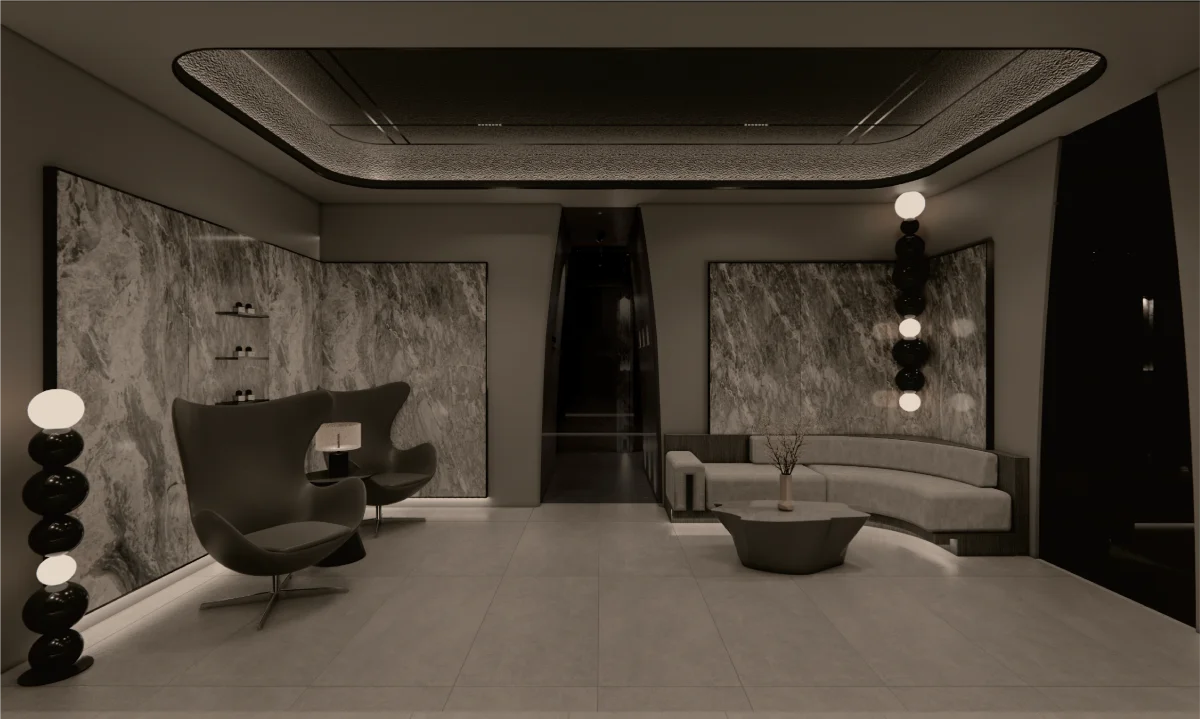
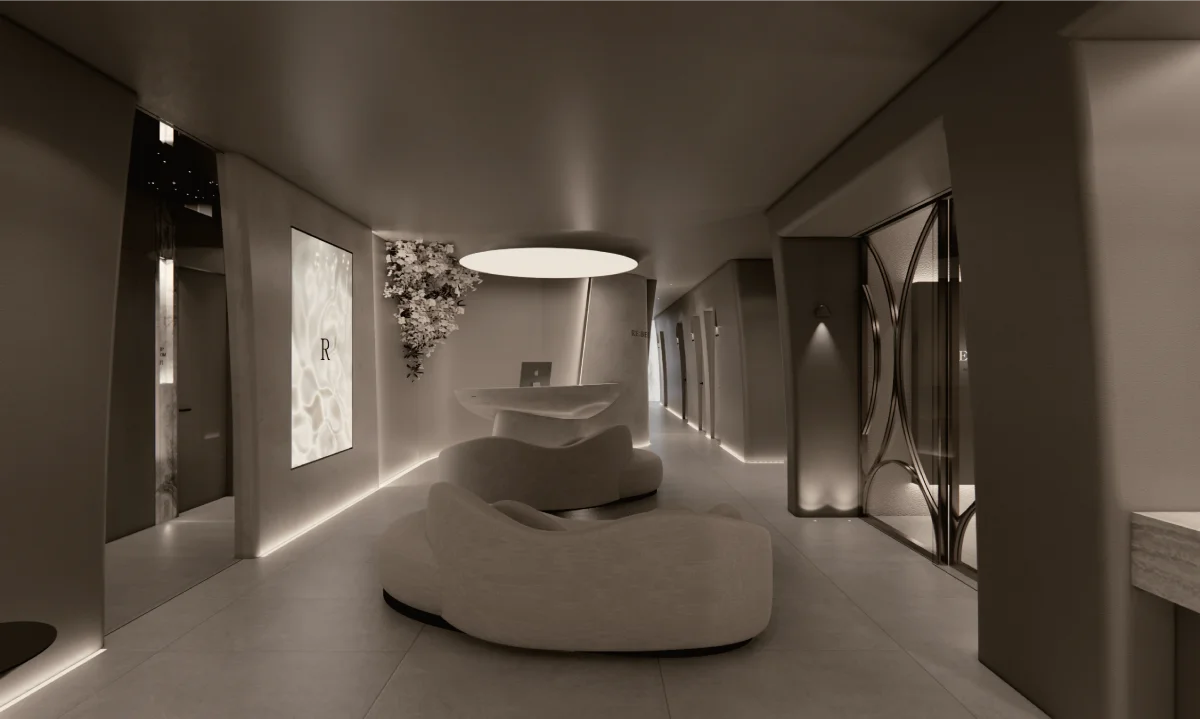
(1,322 m²)
Suites
KI Tower, Gangnam-daero
Station Exit 10
The Reasoning Behind a Gentle, Selective Approach on Reactive Skin
Reactive redness often traces to dilated surface vessels, not the whole skin, and the safest tool for those vessels is one that acts on them alone. That principle has a name in dermatology: selective photothermolysis, the idea that a calibrated wavelength and pulse can deposit energy into a chosen target while sparing the tissue around it. On a fragile barrier that logic is exactly the point, because it lets the source of the flushing be treated without broadly heating a face that flushes at almost anything.
Anderson RR, Parrish JA. Selective photothermolysis: precise microsurgery by selective absorption of pulsed radiation. Science. 1983;220(4596):524-527. doi:10.1126/science.6836297
Not every reactive complexion, though, is a vascular one. Some of what arrives as sensitivity is a pigment story left behind by past inflammation, and here the evidence pushes toward patience: reviews of the topical and cosmeceutical options for hyperpigmentation catalogue agents that work slowly and gently, which suits skin that cannot absorb a heavy resurfacing pass. This is part of why the physician sorts the mechanism first — a barrier problem, a vascular one, and a pigment one each answer to a different, deliberately restrained route.
Sarkar R, Arora P, Garg VK, Sonthalia S, Gokhale N. Cosmeceuticals for hyperpigmentation: what is available? J Cutan Aesthet Surg. 2013;6(1):4-11. doi:10.4103/0974-2077.110089
The same caution shows up when reactive skin overlaps with inflammatory conditions such as acne, where consensus guidelines weigh treatment intensity against irritation and barrier tolerance before reaching for any strong option. Read together, the literature points a travelling patient in one direction: match the class to the mechanism, keep the energy low, and let a course build across spaced sessions, never forcing a result into a single hurried visit far from home.
Zaenglein AL, Pathy AL, Schlosser BJ, et al. Guidelines of care for the management of acne vulgaris. J Am Acad Dermatol. 2016;74(5):945-973.e33. doi:10.1016/j.jaad.2015.12.037
Questions Travellers With Sensitive Skin Ask About Treatment in Korea
Will the long flight make my sensitive skin worse before treatment in Korea?
Cabin air on a long-haul flight runs drier than most climates on the ground, and reactive skin often lands tight, flaky, or stinging because of it. The fix is practical: reapply a tested moisturiser through the flight, skip in-flight actives and alcohol, and drink water steadily. Landing with a hydrated barrier also matters clinically, because it lets the physician read your true baseline, not skin the plane has temporarily wrecked.
How does a change of climate affect reactive skin on a Korea trip?
Seoul can present a humidity, temperature, and pollen load your skin has never adapted to, and a sharp swing in either direction can set a fragile barrier flushing on its own. That is the main reason RE:BERRY suggests a buffer day before treatment — it gives the skin a little time to acclimatise so the in-person assessment measures reactive skin, not skin that is simply reacting to a new city.
Should I bring my own skincare or use what the hotel provides?
Bring your own. Hotel soap, a foreign-market cleanser, and even the mineral content of local tap water can each provoke a barrier that only tolerates a short list of trusted products. Pack your usual cleanser, barrier moisturiser, and sunscreen in decanted travel sizes and use those for the whole trip. A treatment trip abroad is the worst possible moment to test anything new on a reactive face.
Can a physician assess my sensitive skin before I fly to Korea?
Yes, and it is the part that carries the most weight. Send a written reaction history and recent photos on WhatsApp and a physician grades your barrier and redness pattern, flags which of your triggers matter for a trip, and notes whether the visit likely needs a tolerance step. Because a precise history often narrows the safe route faster than any single test, that remote read means you arrive with a plan already sketched.
How many days should I stay in Korea if I have reactive skin?
Long enough to schedule treatment early and keep the last days light. A reaction can surface a day or more after a session, so RE:BERRY plans the treatment for the first part of the stay and leaves the tail of the trip unhurried, so a delayed response has room to show while you are still in reach of the clinic, well before your flight home.
What if my skin reacts after I have flown home?
The relationship does not end at the airport. Aftercare instructions come in your own language, and the coordinator who handled your visit stays reachable for follow-up, reviewing photos as your skin settles over the weeks after the session. Because one physician holds the case from the remote read onward, any home-based question is answered by someone who already knows your barrier.
Is it risky to treat sensitive skin abroad?
It carries variables a home visit does not — the flight, the climate, unfamiliar products, a compressed window to watch for a reaction. The point of planning is to defuse each one: a remote read before departure, a buffer day, your own products, and treatment early in the stay. Handled that way, a sensitive skin trip turns into a managed plan with every weak point covered in advance.
What should I send in the pre-visit consultation from abroad?
Anything that tells the physician how your skin behaves. List the products that have stung, the peels or lasers that left you red for days, whether heat, cold, or a season sets off the flushing, and anything that has ever blistered, then add recent photos in natural light. Written and sent ahead, that record gives the physician something concrete to plan from before you have spent a flight arriving.
Which treatments stay gentle enough for reactive skin?
The physician matches the class to the mechanism your assessment names. Vascular flushing points toward calibrated, vessel-selective light; a barrier that stings and loses water leans on calming and gentle hydration care; reactivity left from past inflammation is staged carefully, never resurfaced hard. Everything runs at the low end of the settings and is paced to your feedback, and the route is chosen from your reactive-skin subtype instead of from a standard menu.
Do I need a tolerance step before the main treatment?
Sometimes, and the remote read usually predicts it. Where a route might provoke your particular skin, the physician schedules a small tolerance check before committing to a full session, so a fragile barrier is not asked to take the whole treatment on faith. On a trip that step is built into the plan early, so it does not eat into the days reserved for treatment and recovery.
How is sensitive skin care priced for an international guest?
It is assessment-led, never a flat menu. From the remote read the physician writes a plan and a quote from a consultation-based quote before you book flights, so cost and route are settled while you are still at home. VAT is included in Korean pricing, and the figure is written down so nothing about it waits until you are standing in Seoul.
Will language be a barrier for aftercare during my trip?
It should not be. RE:BERRY supports five languages on-site, and the coordinator who shares yours handles the go-or-wait decision, the aftercare notes, and the follow-up. For a reactive complexion that matters, because the fine detail of how a barrier is behaving is exactly what gets lost when patient and clinic cannot speak the same language plainly.
What is the calmest route from Incheon Airport to RE:BERRY for reactive skin?
Head for Gangnam Station on Seoul Metro Line 2: from Exit 10, KI Tower on Gangnam-daero is a two-minute walk, and RE:BERRY is inside. From Incheon Airport it is roughly an hour by AREX plus subway, or by direct taxi. Being steps from the station means the appointment slots easily into a trip without a stressful cross-city journey on a day your skin needs to stay calm.
How do I start planning a sensitive skin trip to RE:BERRY?
Message the clinic on WhatsApp with your reaction history, recent photos, and rough travel dates. A coordinator replies in your language, a physician grades your barrier remotely, and you receive a written plan and quote before flights are booked. From there the trip is built around your skin — the buffer day, the early treatment, the light tail — with the itinerary following the barrier.
Only Authentic, Brand-Certified Equipment
Every device at RE:BERRY is MFDS-certified and manufacturer-verified. We never use counterfeit or grey-market equipment.
Plan a Sensitive Skin Trip to Korea the Barrier Can Take
Send your reaction history, recent photos, and travel dates to RE:BERRY on WhatsApp — a coordinator replies in your language and a physician grades your reactive skin remotely, with a written plan and quote before you book flights. The physician who reads your barrier from abroad is the one who confirms it in Seoul and follows up after you fly home, and nothing is scheduled until you confirm.
Why Tens of Thousands of Foreign Patients Are Choosing This Gangnam Clinic — Business Wire, 2026-04-13
Numbers That Tell Our Story
Cumulative across RE:BERRY clinics (Gangnam · Myeongdong · Incheon Airport).
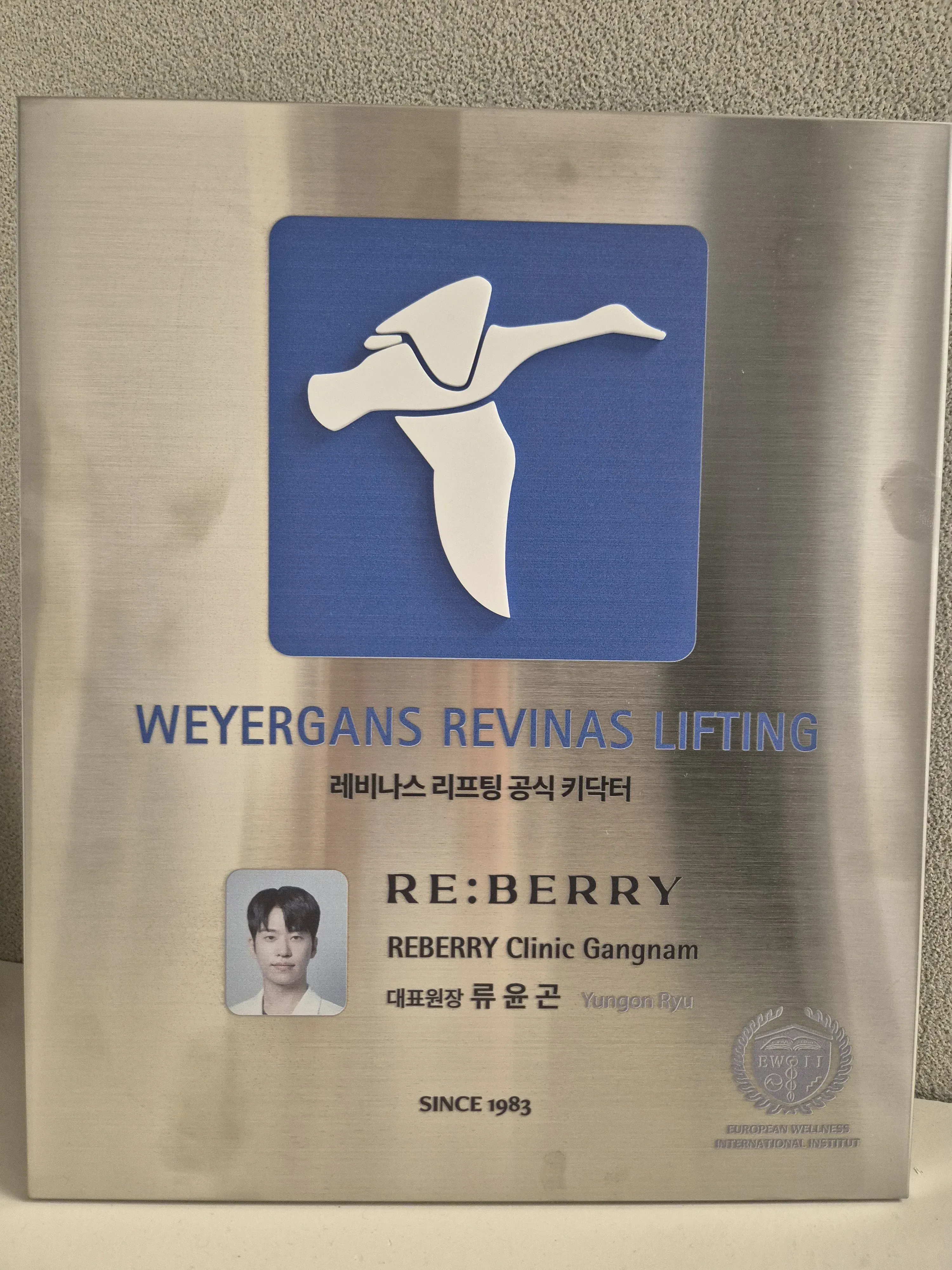
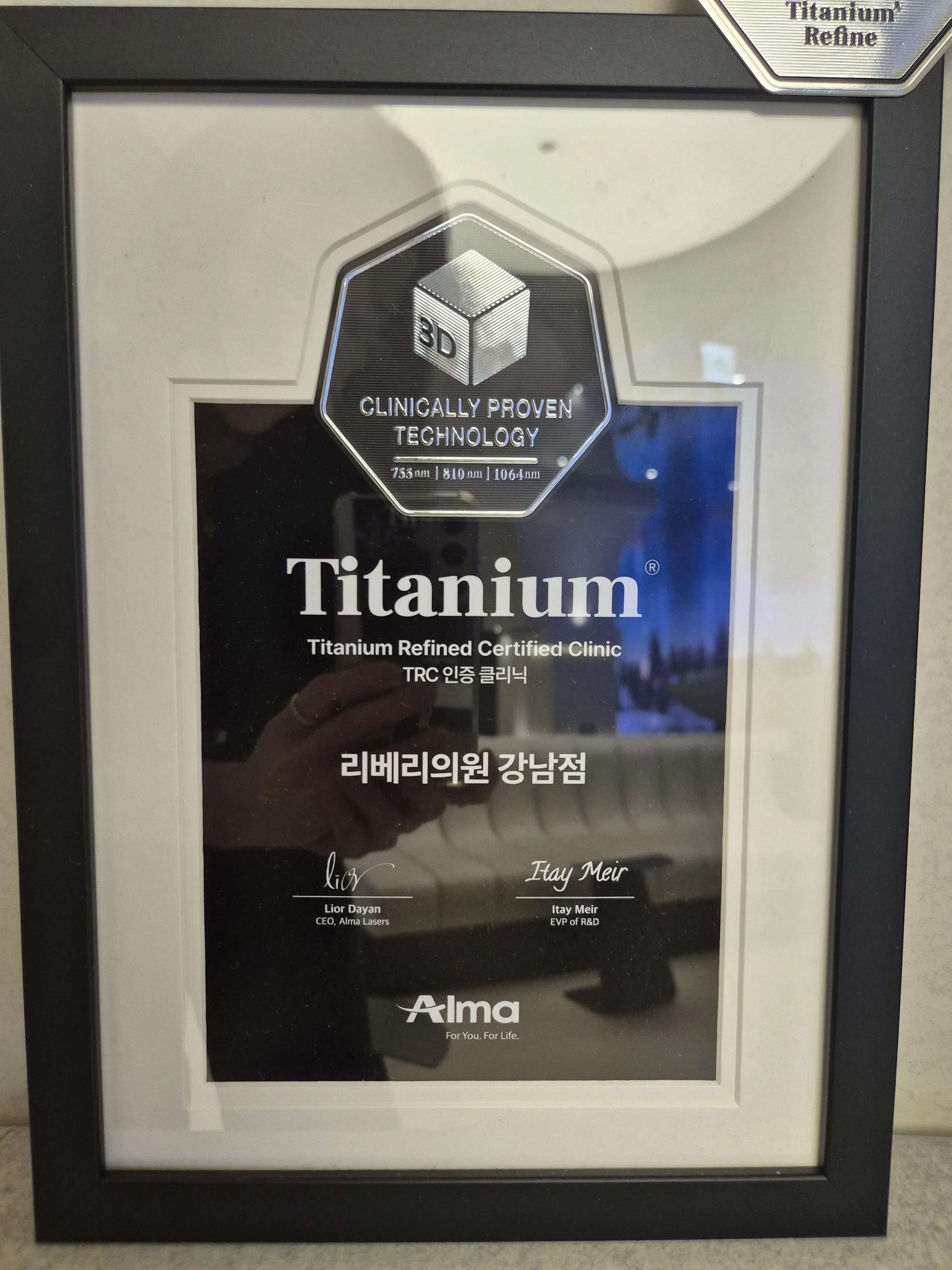
Brand-Authenticated Equipment & Training




Our doctors are certified by Korea's top dermatological societies









Latest from Our Instagram
Real treatments, patient reactions, and behind-the-scenes from RE:BERRY.
Tap any video for sound & fullscreen
What our patients say
Real verified reviews from our Google Business Profile
I had a really nice experience at Reberry Clinic Gangnam. I received a Hydrafacial treatment, and the whole process was very comfortable. The staff were kind and explained everything clearly, and the clinic itself felt clean and relaxing. I also loved the interior — the clinic felt very clean, elegant, and luxurious, w...
I had such an amazing experience at this clinic! The clinic itself is absolutely stunning the design is beautiful, elegant, and luxurious, and the service is truly top-notch. Everything was so well organized, and I felt very comfortable from the moment I walked in.
I had a Korean filler treatment to reduce my nasolabia...
i had a good time having the Juvelook treatment!
It was my first time in Korea, all the Doctor & team are bery helpful. Dr. Ian & cheong a lee(jenny) are really helpful.
I understand more about my skin.
The clinic is calm, welcoming.
there are many activities i didn’t expect to find in a beauty clinic; phot...
So happy to found the beauty clinic in Korea that very inclusive and Muslim friendly. They have a prayer space for muslim and they prepare a female doctor for me. The clinic is so comfortable with aesthetic design make me feel relaxed. The doctor and the staff are very professional and helpful so all of the procedure r...
As someone who has struggled with acne since middle school, I decided to stop here during a layover in Seoul and was amazed by the treatment.
Firstly, the environment is elegant and peaceful. Feels very luxurious and the treatment from staff was as such as well. Speaking of staff, they were extremely professional, car...
Book Your Personalized Consultation
Share your details and our multilingual team will contact you as soon as possible through your preferred messenger.
- ✓ Free online skin consultation with a doctor
- ✓ Personalized treatment plan & pricing
- ✓ 5-language support (EN/ZH-CN/ZH-TW/JA/ES)
- ✓ Response as soon as possible via your preferred messenger
Science Gentle, mechanism-matched care for reactive skin — peer-reviewed references
A restrained approach to sensitive skin is not caution for its own sake; it follows from how the underlying mechanisms are best addressed. Selective photothermolysis (Anderson and Parrish, 1983) established that calibrated light can act on a chosen target such as a dilated vessel while sparing the surrounding tissue, which is precisely the property a fragile barrier needs when vascular reactivity drives the redness. Where the story is pigment left from past inflammation, reviews of cosmeceutical options for hyperpigmentation (Sarkar, 2013) point toward slow, gentle agents over aggressive resurfacing. And where reactive skin overlaps inflammatory conditions such as acne, consensus guidelines of care (Zaenglein, 2016) weigh treatment intensity against irritation before any strong option is reached for. Together these support matching the class to the mechanism and keeping the energy low, which is how a course is planned for a patient treating reactive skin far from home.
- Anderson RR, Parrish JA. Selective photothermolysis: precise microsurgery by selective absorption of pulsed radiation. Science. 1983;220(4596):524-527. doi:10.1126/science.6836297
- Sarkar R, Arora P, Garg VK, Sonthalia S, Gokhale N. Cosmeceuticals for hyperpigmentation: what is available? J Cutan Aesthet Surg. 2013;6(1):4-11. doi:10.4103/0974-2077.110089
- Zaenglein AL, Pathy AL, Schlosser BJ, et al. Guidelines of care for the management of acne vulgaris. J Am Acad Dermatol. 2016;74(5):945-973.e33. doi:10.1016/j.jaad.2015.12.037
These references shape how RE:BERRY plans reactive skin for a travelling patient: the mechanism is sorted first from a remote read and confirmed in person, vessel-selective light is reserved for vascular reactivity, pigment and inflammatory overlap are handled with gentle, staged care, and every route runs at the low end of the settings across spaced sessions. This information is for educational purposes only and is not medical advice.
How to Find RE:BERRY Gangnam
2 minutes from Gangnam Station Exit 10. B1–B2, KI Tower — the building with the all-black entrance you can't miss.
RE:BERRY Clinic Gangnam
B1–B2, KI Tower, 69-gil 8, Gangnam-daero, Seocho-gu, Seoul
서울시 서초구 강남대로69길 8, 지하1·2층 (KI타워)
Also available at: Myeongdong · Incheon Airport