Laser Skin Treatment Gangnam, Seoul
Laser skin treatment is a whole family of devices, not one machine. Pigment, vascular, resurfacing, and hair-removal lasers each answer a different concern, and the physician reads your skin under multispectral imaging before matching one wavelength to it, a 2-minute walk from Gangnam Station in Seoul.
Laser Skin Treatment
Laser
Laser Skin Treatment in Gangnam
Laser skin treatment is a whole family of devices, not one machine. Pigment, vascular, resurfacing, and hair-removal lasers each answer a different concern, and the physician reads your skin under multispectral imaging before matching one wavelength to it, a 2-minute walk from Gangnam Station in Seoul.
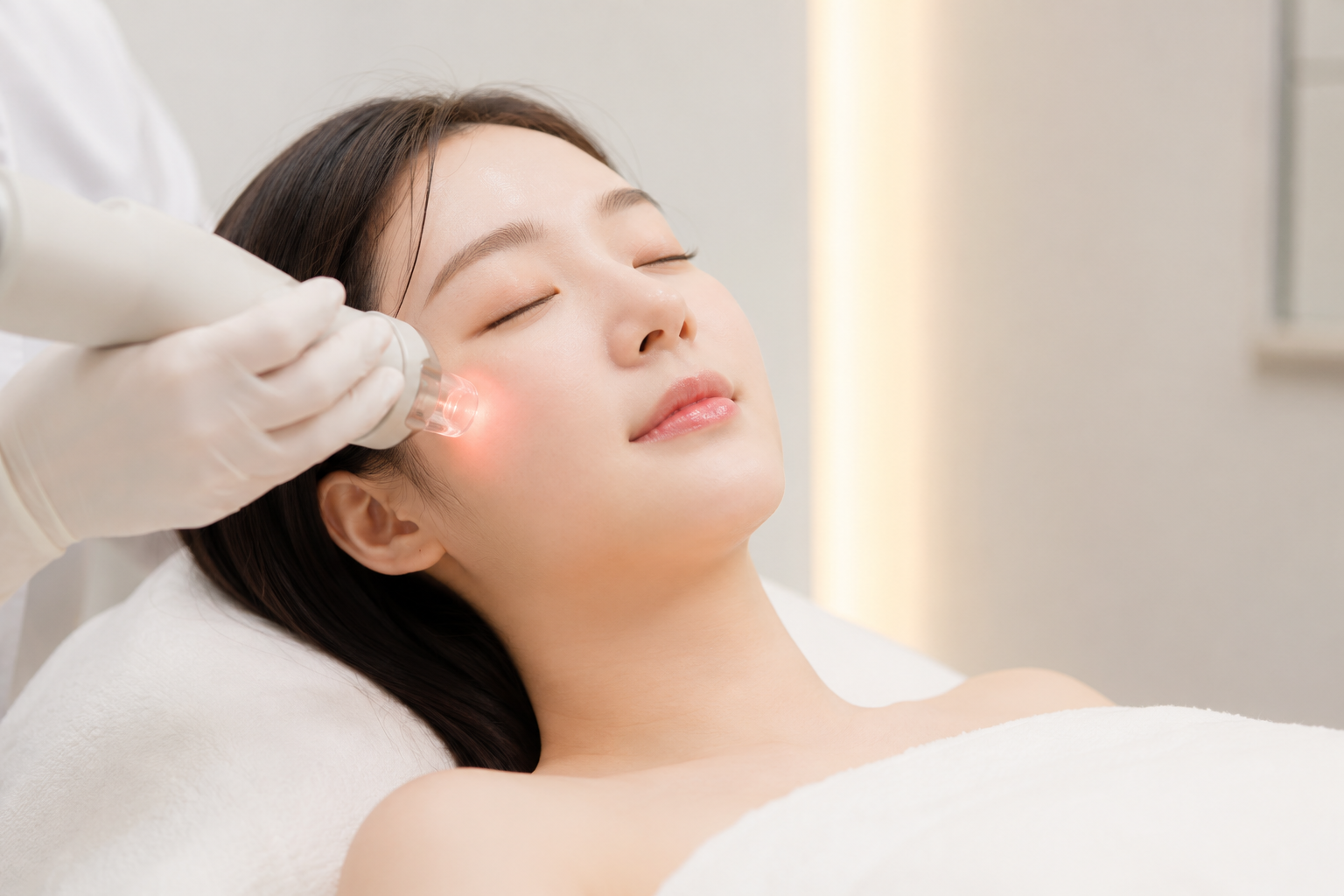
Across RE:BERRY Clinics
1,000,000+ Treatments
Direct Consult & Treatment
Medical Director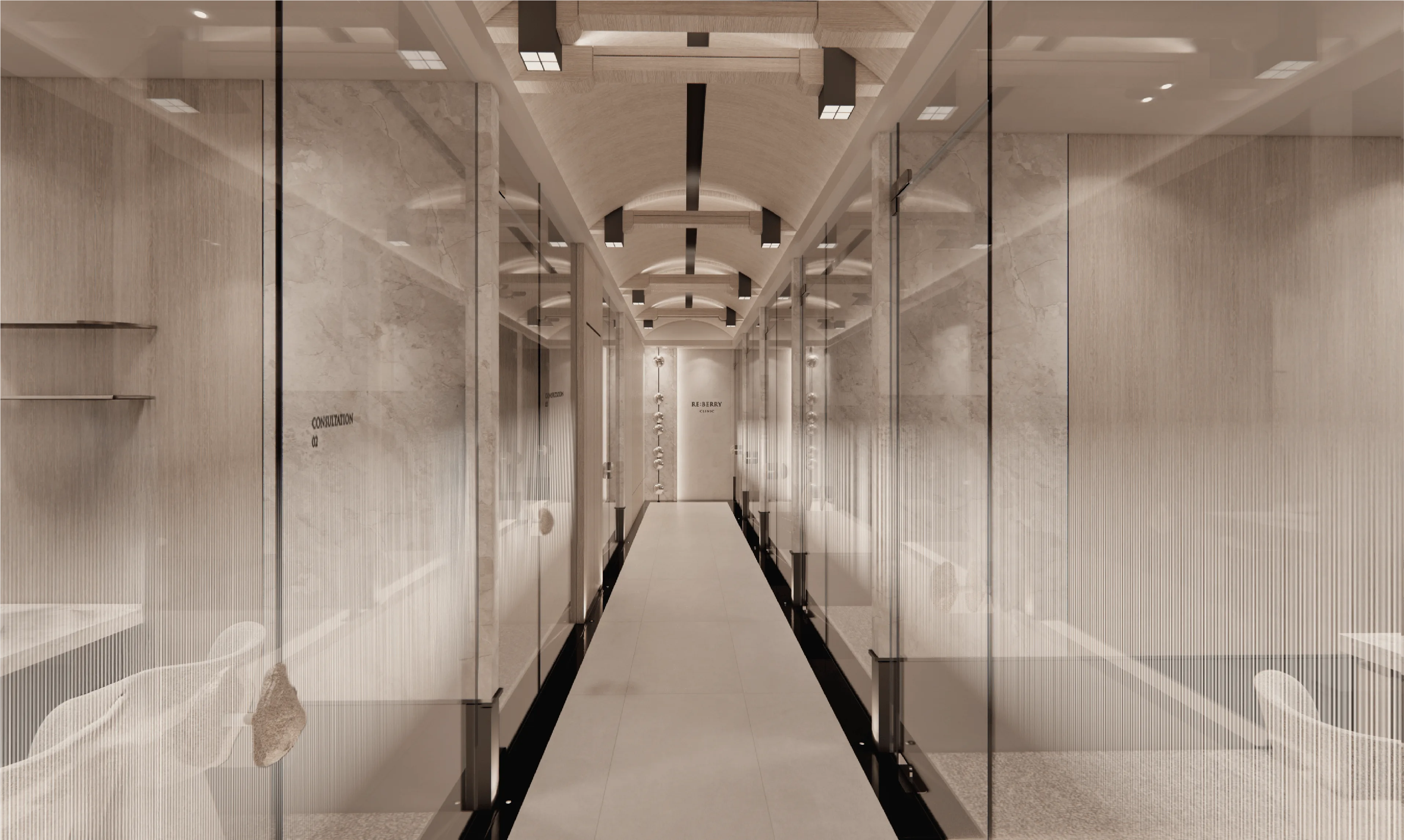
From Gangnam Station Exit 10
2-Min WalkWhat is "laser skin treatment," and how do I find the right one in Gangnam?
"Laser skin treatment" is an umbrella term for four separate device families: pigment lasers for brown marks and dullness, vascular lasers for redness and broken capillaries, resurfacing lasers for texture, pores, and scars, and hair-removal lasers. No single machine covers all four, so at RE:BERRY Gangnam the physician names your concern first — under Mark-Vu multispectral imaging and Fitzpatrick typing — and only then matches it to the family and wavelength that fits, with the same physician staying on your case across the whole course.
Effects & Progress
Effects & Progress
Each laser family targets a different chromophore at its own depth: 755 nm reaches shallow melanin, 1064 nm reaches deeper pigment and vessels. The wavelength is matched to what the imaging found, never to a brand name.
A toning pass leaves mild erythema that settles within 2-6 hours; makeup and daily life resume the same day and comfort rates around 1.8 out of 10. Spot work forms micro-crusts that shed over 3-5 days.
Tone begins to look clearer across the treated area as early pigment lifts. The next visit in the 4-6 session series is scheduled around this point, spaced 3-4 weeks apart.
The main clearing phase: lentigines respond fastest at 80-90% while melasma clears more slowly at 55-70%, and brightness climbs 22-30% as the physician holds the fluence low on melasma-prone zones. Response speed varies by individual.
Maintenance period. Pigment is managed, not switched off, so periodic toning plus daily SPF 50+ hold the result, which sits in the 78-88% range at twelve months; RE:BERRY guides the repeat interval that suits your skin.
Treatment Process
Laser Skin Treatment — 4 Steps from Reading Your Skin to Aftercare
※ Illustrative images are AI-generated to help explain the treatment process.Effects & Progress
Effects & Progress
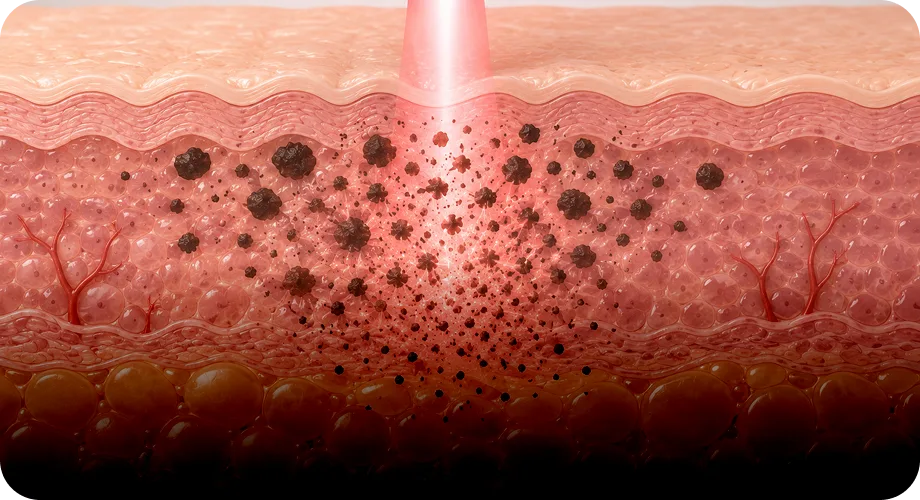
The four laser families exist because light does not treat every concern equally. A wavelength is absorbed preferentially by one target — melanin for pigment, haemoglobin for redness — and within the pigment family alone the depth still matters: 755 nm reaches shallow melanin such as freckles and lentigines, while 1064 nm penetrates to deeper dermal pigment and vascular targets. That is why the physician matches the wavelength to what the multispectral imaging actually found, breaking pigment down to its true depth so one setting is never aimed at the whole face.
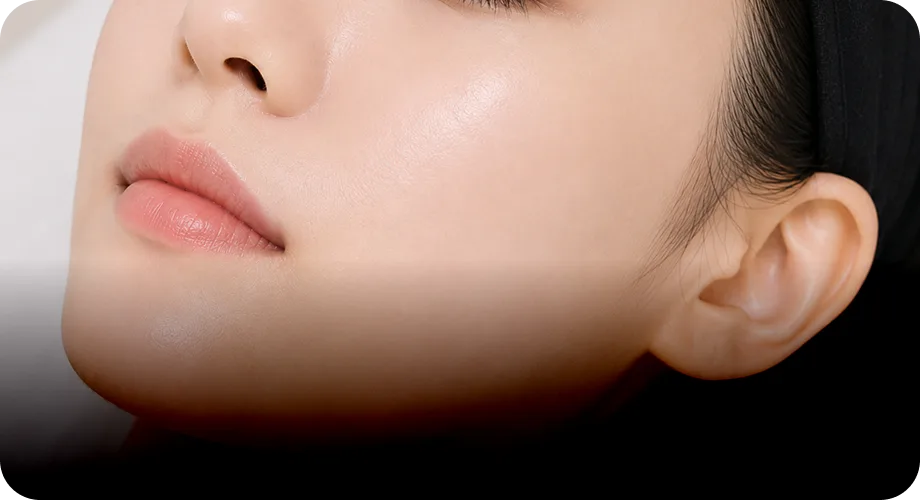
For diffuse pigment, dullness, and melasma the conservative choice is low-fluence toning delivered across a spaced series instead of a single strong pass. Melasma-prone skin carries live, easily provoked melanocytes, so pushing the energy to clear it faster tends to send it back darker. Held at a toning fluence, the passes even out tone gradually: lentigines respond fastest at 80-90% clearance, melasma more slowly at 55-70% over the full course, and clarity that arrives slowly is clarity that holds. Response speed varies by individual.
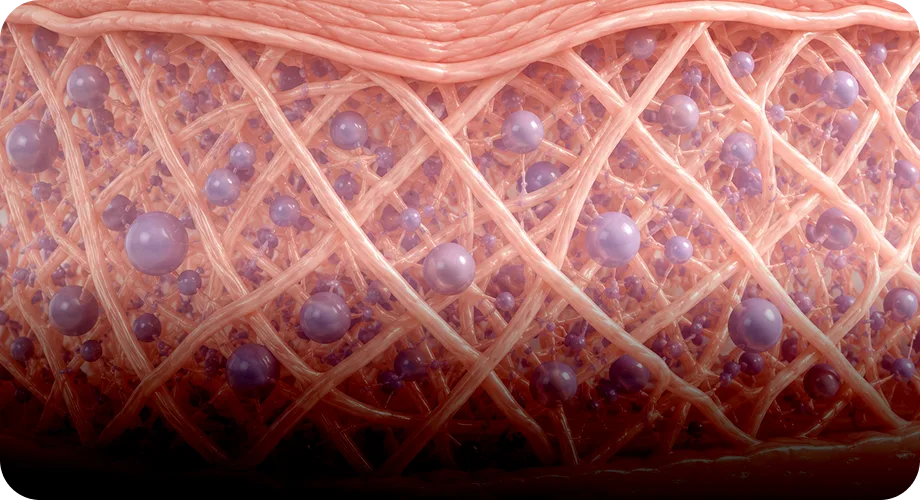
The pigment work carries a secondary, gentler benefit: the same controlled dermal heating that fragments melanin also nudges the treated skin toward mild collagen remodeling, so brightness and surface quality improve together, not tone alone. It is a bonus effect, not the headline; a pigment laser is chosen to clear brown, and any firming that follows is modest and builds across the same spaced series. When texture or scarring is the real complaint, that is a resurfacing-family job, planned separately with its own downtime.

A toning pass is planned as a low-downtime session: 4°C sapphire cooling runs on the surface during treatment, mild erythema fades within 2-6 hours, and makeup and daily life resume the same day, with comfort typically rated around 1.8 out of 10. Spot work on defined marks forms micro-crusts that shed over 3-5 days, so it is scheduled early in a visit and never the night before a flight. Fitzpatrick I-VI is graded first, and the recorded post-inflammatory hyperpigmentation rate on the pigment protocol sits at 3.1%.
Treatment Process
Laser Skin Treatment — 4 Steps from Reading Your Skin to Aftercare
※ Illustrative images are AI-generated to help explain the treatment process.
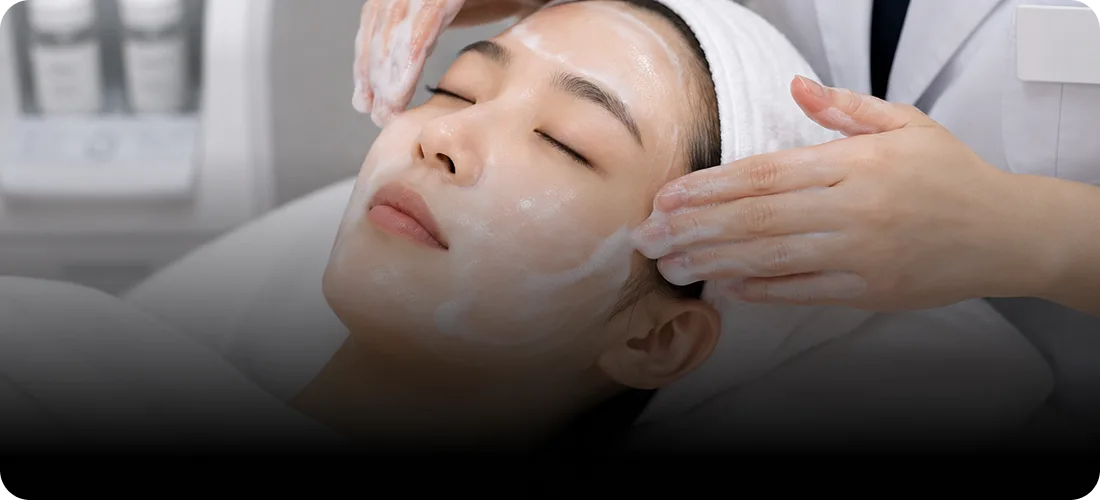
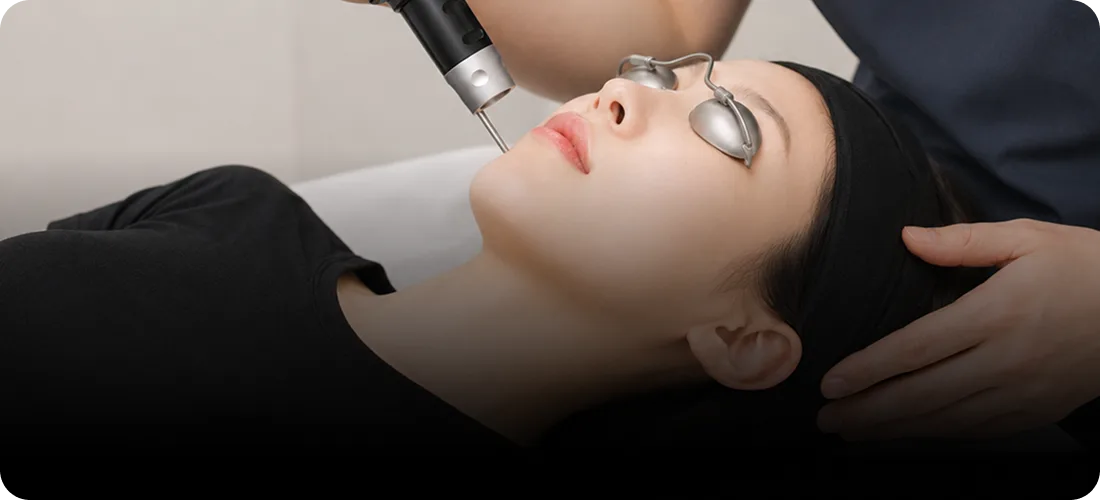
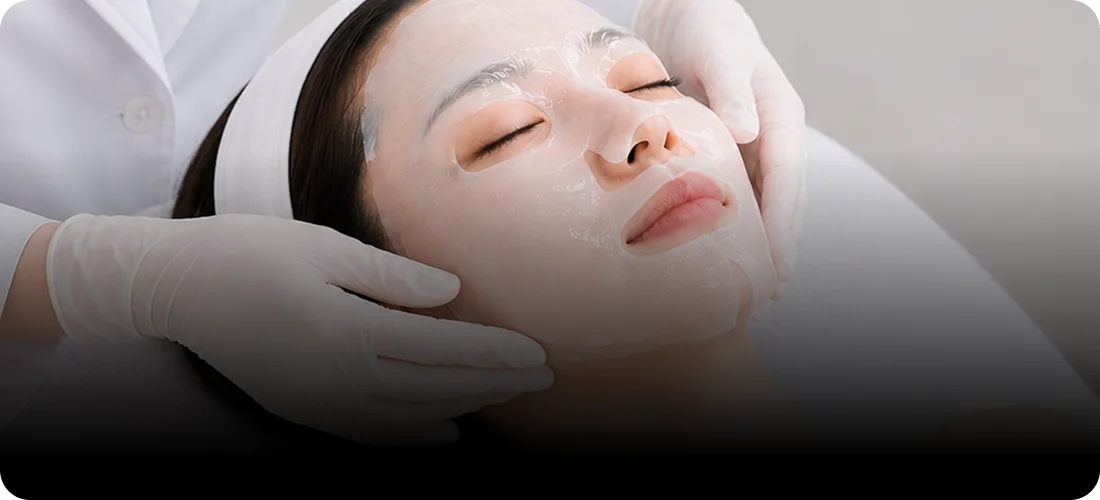
The Four Laser Families, and What Each One Is Actually For
- Pigment family, for brown concerns: freckles, solar lentigines, melasma, and general dullness. Low-fluence toning handles diffuse pigment across a spaced series; a higher-energy spot pass targets defined marks. This is the family most Gangnam laser searches are really looking for.
- Vascular family, for red concerns: flushing, broken capillaries, and rosacea-type redness. These wavelengths are absorbed by the blood vessel, not by melanin, so a redness problem and a brown problem are never the same session even when they overlap on the same cheek.
- Resurfacing family, for texture concerns: enlarged pores, acne scarring, and rough surface. Fractional and ablative approaches work the skin's structure, not its color, so they carry more downtime than a toning pass and are planned around your travel dates accordingly.
- Hair-removal family, for unwanted hair. A distinct wavelength targets the pigment in the follicle, unrelated to the facial-pigment work above and grouped here only because guests file it under the same broad word "laser."
- Skin-type calibration runs across all four: Fitzpatrick I-VI is graded before any energy is chosen, because higher types carry a real post-inflammatory hyperpigmentation risk when settings run too hot. At RE:BERRY the recorded PIH rate on the pigment protocol is 3.1%.
- One physician, one map: the doctor who reads your imaging is the one who runs the handpiece and reviews your progress, so a concern that spans two families is sequenced deliberately, never handed between rooms.
| Timeline | What to Expect |
|---|---|
| A toning pass leaves mild erythema that fades in 2-6 hours, and makeup and daily life resume the same day; comfort during the pass rates around 1.8 out of 10. A spot or resurfacing pass leaves more, and is scheduled with that in mind. | |
| Micro-crusts from spot work darken and flake away as the skin renews. This shedding is the pigment leaving, not a complication; picking it off early is the one thing that risks a mark. | |
| Pigment clears cumulatively over the 4-6 session series: lentigines respond fastest at 80-90% clearance, melasma more slowly at 55-70% as the physician holds the energy deliberately low. Brightness climbs 22-30% over the same window. | |
| Pigment is managed, not switched off, because the sun keeps working. Results from a completed course hold in the 78-88% range at twelve months when daily SPF discipline holds; RE:BERRY guides the maintenance interval that suits your skin. |
The Laser Map at a Glance, Which Family Fits Which Concern
| Your concern | Laser family | What it targets | Session pattern |
|---|---|---|---|
| Brown marks, dullness, melasma | Pigment (toning / spot) | Melanin at its own depth, 755 nm shallow, 1064 nm deeper | Spaced series, 4-6 visits, 3-4 weeks apart |
| Facial redness, broken capillaries | Vascular | Haemoglobin in the vessel, not melanin | Series, spacing set by response |
| Pores, texture, acne scarring | Resurfacing (fractional) | Skin structure and collagen, not color | Series with real downtime between passes |
| Unwanted hair | Hair removal | Pigment in the follicle root | Multi-session, growth-cycle spacing |
| Redness plus brown on the same skin | Two families, sequenced | Different absorbers, different sessions | Physician stages them, not one pass |
Why This Matters
A wavelength is absorbed by one target and largely passes over the others. Melanin, haemoglobin, and water each answer to different light, so a pigment laser aimed at redness, or a vascular laser aimed at a brown spot, mostly wastes its energy. That physics is the whole reason "laser skin treatment" is a family of devices and not a single machine, and why the reading, not the newest brand name on the wall, decides which one you get.
Higher Fitzpatrick types, common across the Asian and international guests RE:BERRY sees, carry a greater risk of post-inflammatory hyperpigmentation when a pigment or resurfacing laser is set too aggressively. Korea's very high volume of Asian-skin laser work is a large part of why the conservative, low-fluence toning approach became standard here, and the recorded PIH rate on the RE:BERRY pigment protocol sits at 3.1%. a consultation-based quote covers the entry pigment session.
KHIDI's 2025 international patient survey found 41.4% of respondents rank keeping the same doctor throughout as their leading criterion. When a concern spans two laser families, that continuity matters more, not less: the physician who read your imaging sequences the pigment and vascular work in the right order across the same course, and the diagnosis never restarts in a new room.
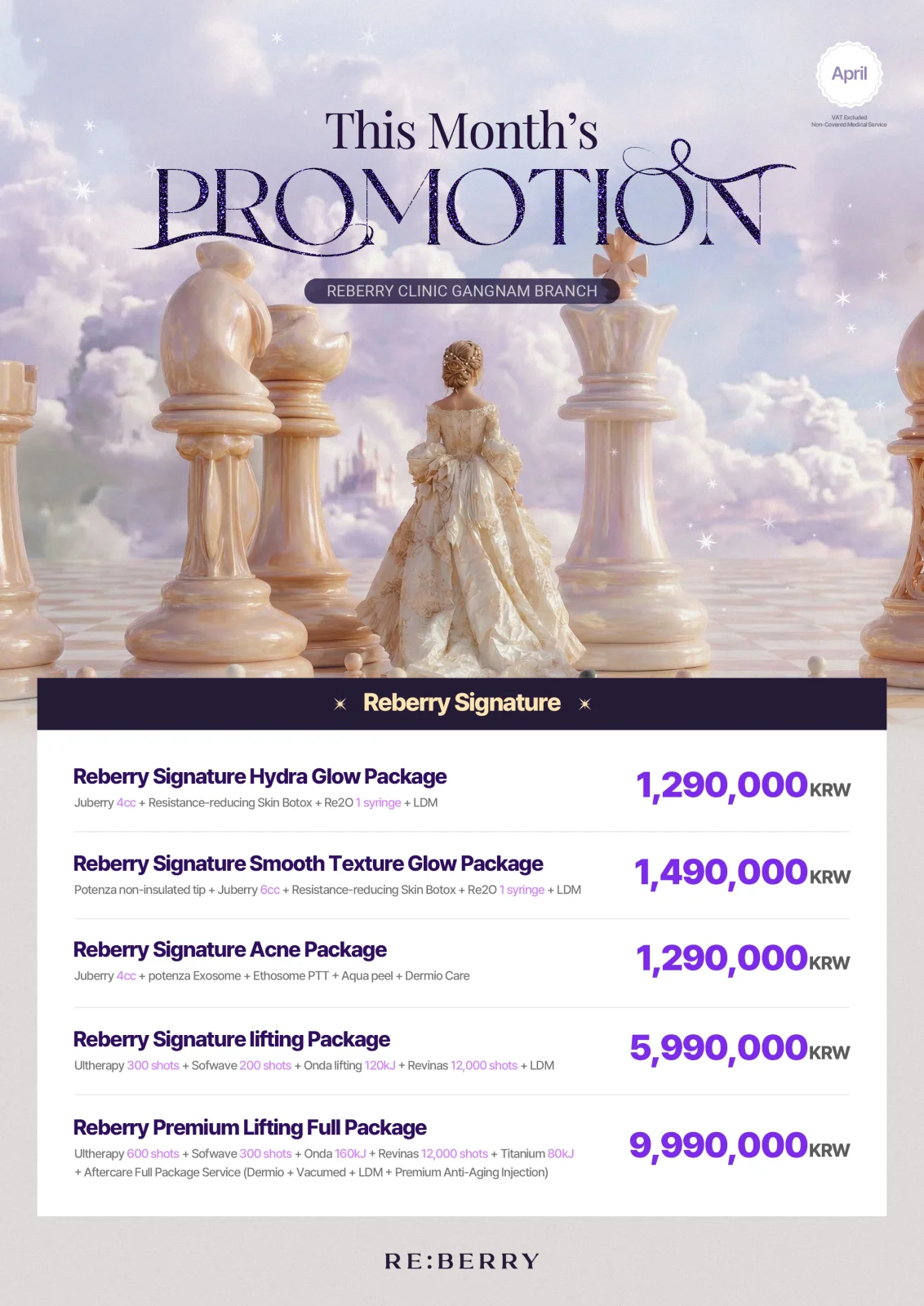
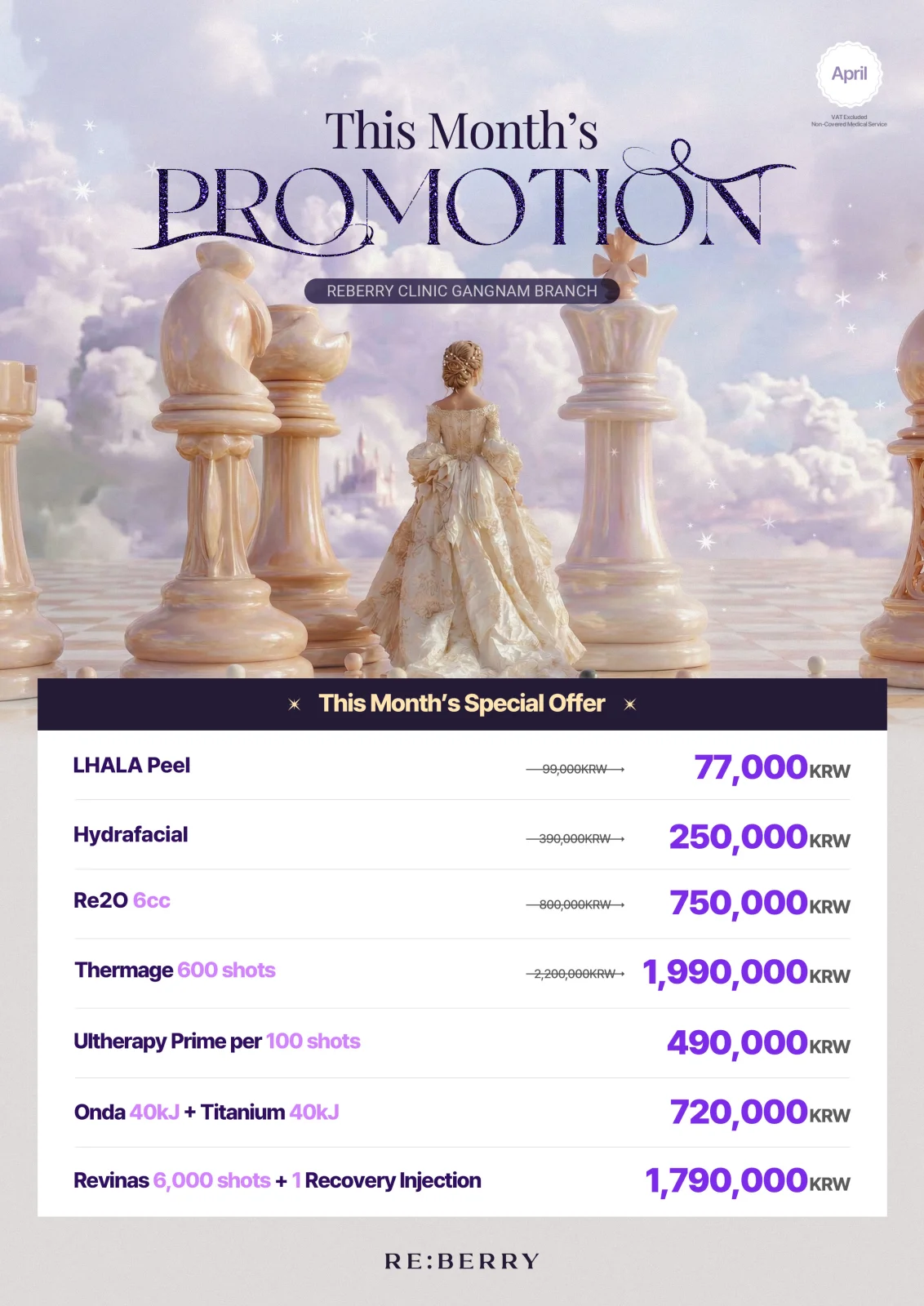
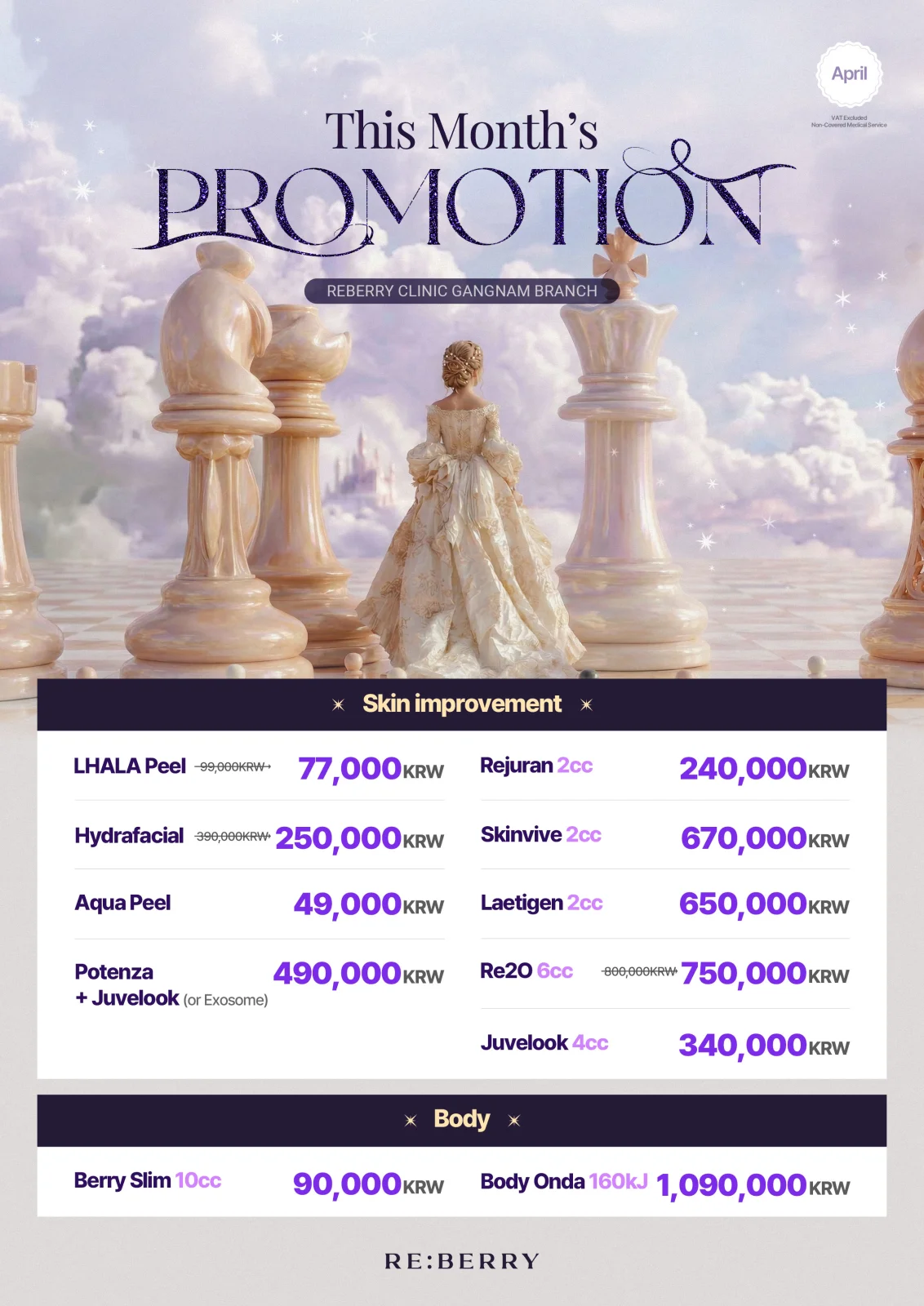
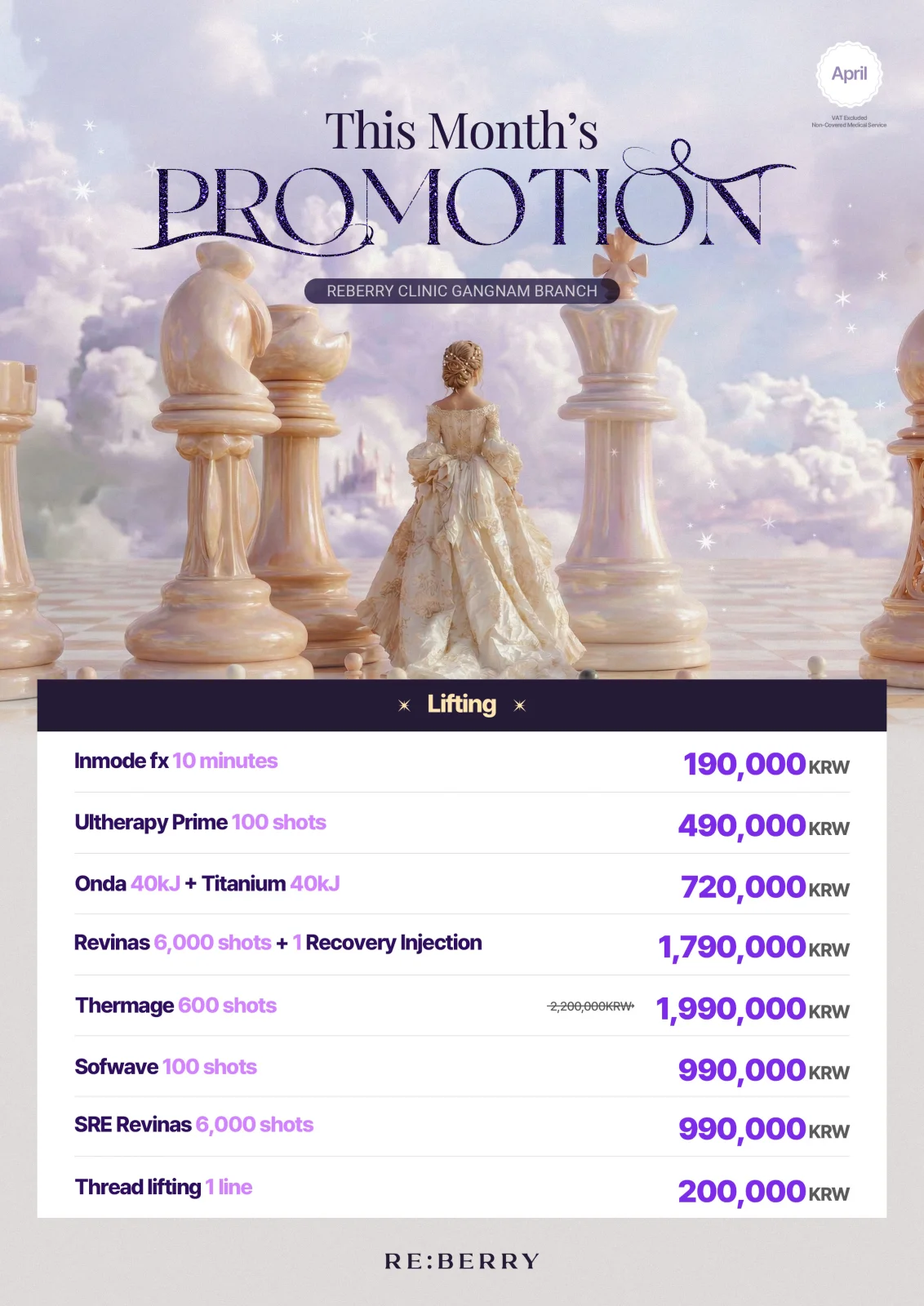
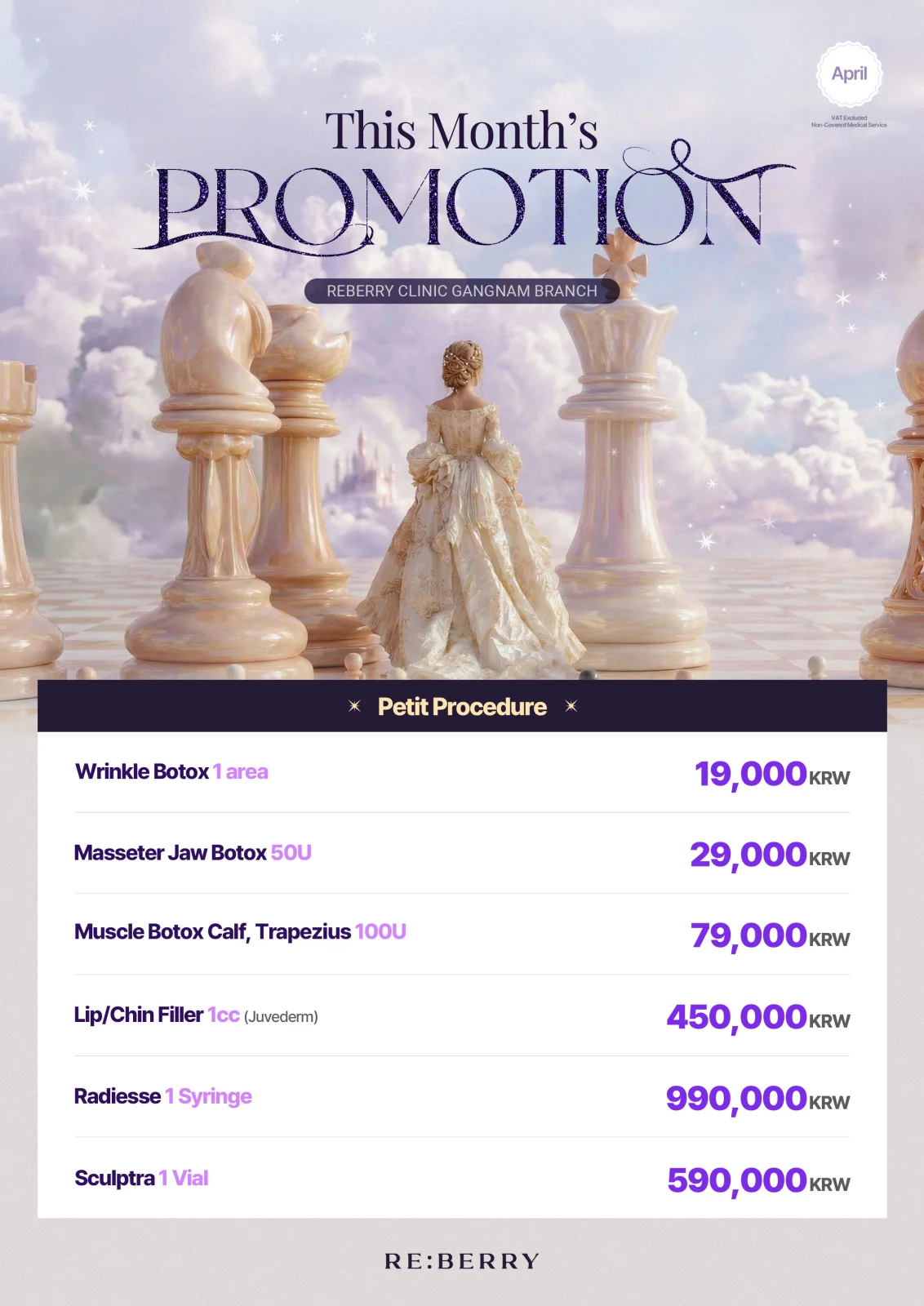
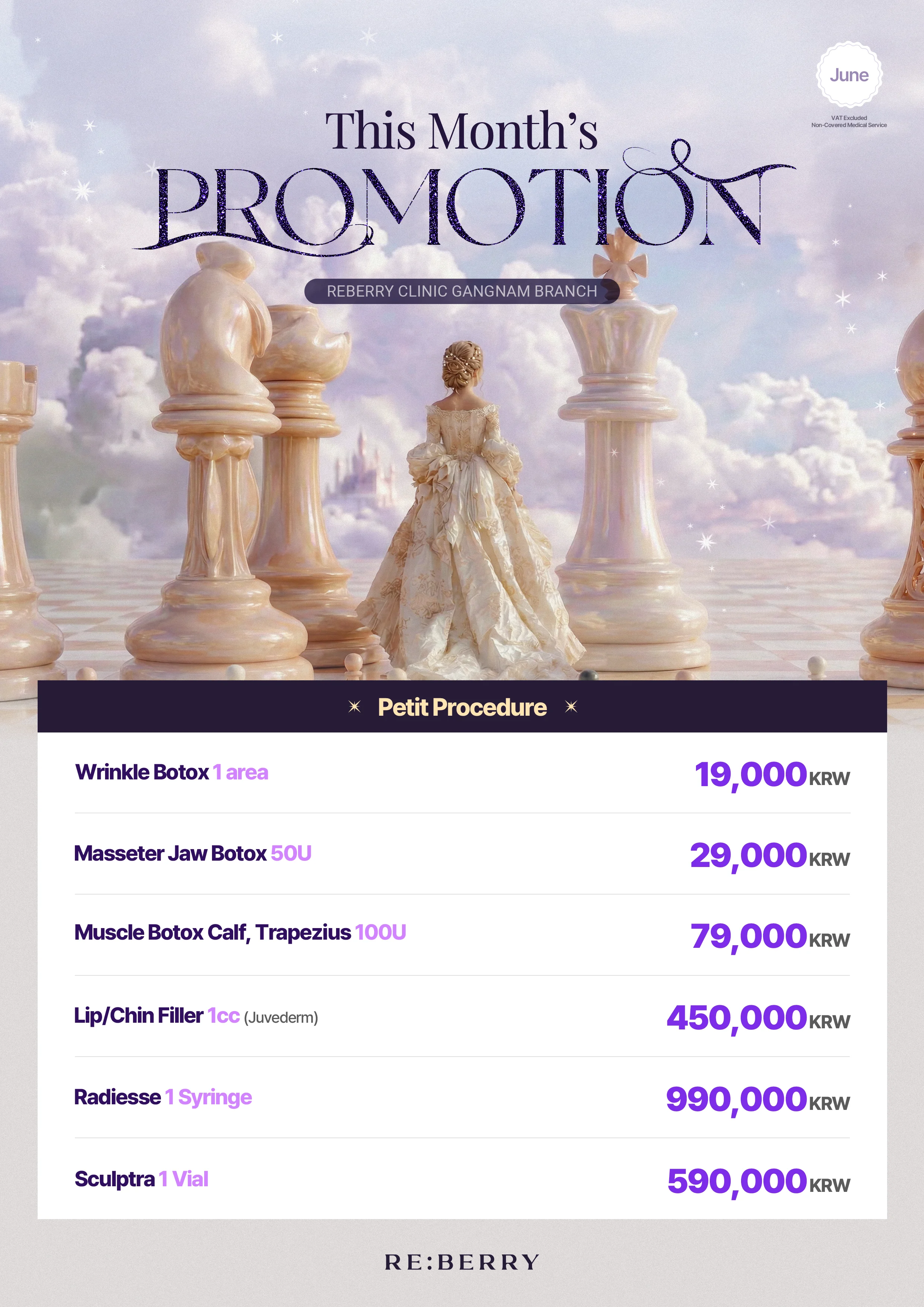
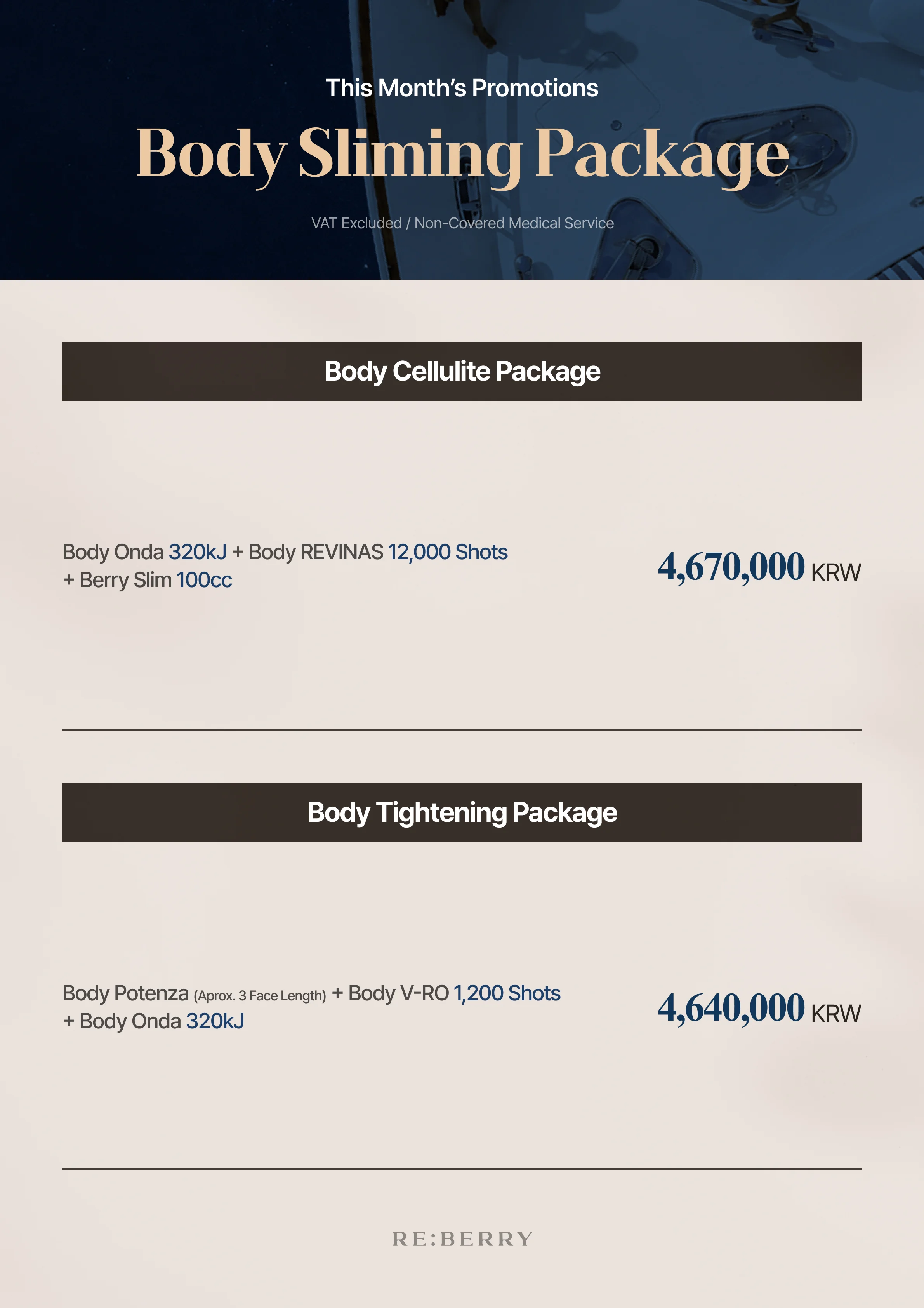
October – December 2026 Promotions
Exclusive packages for international patients. Swipe to see all offers.
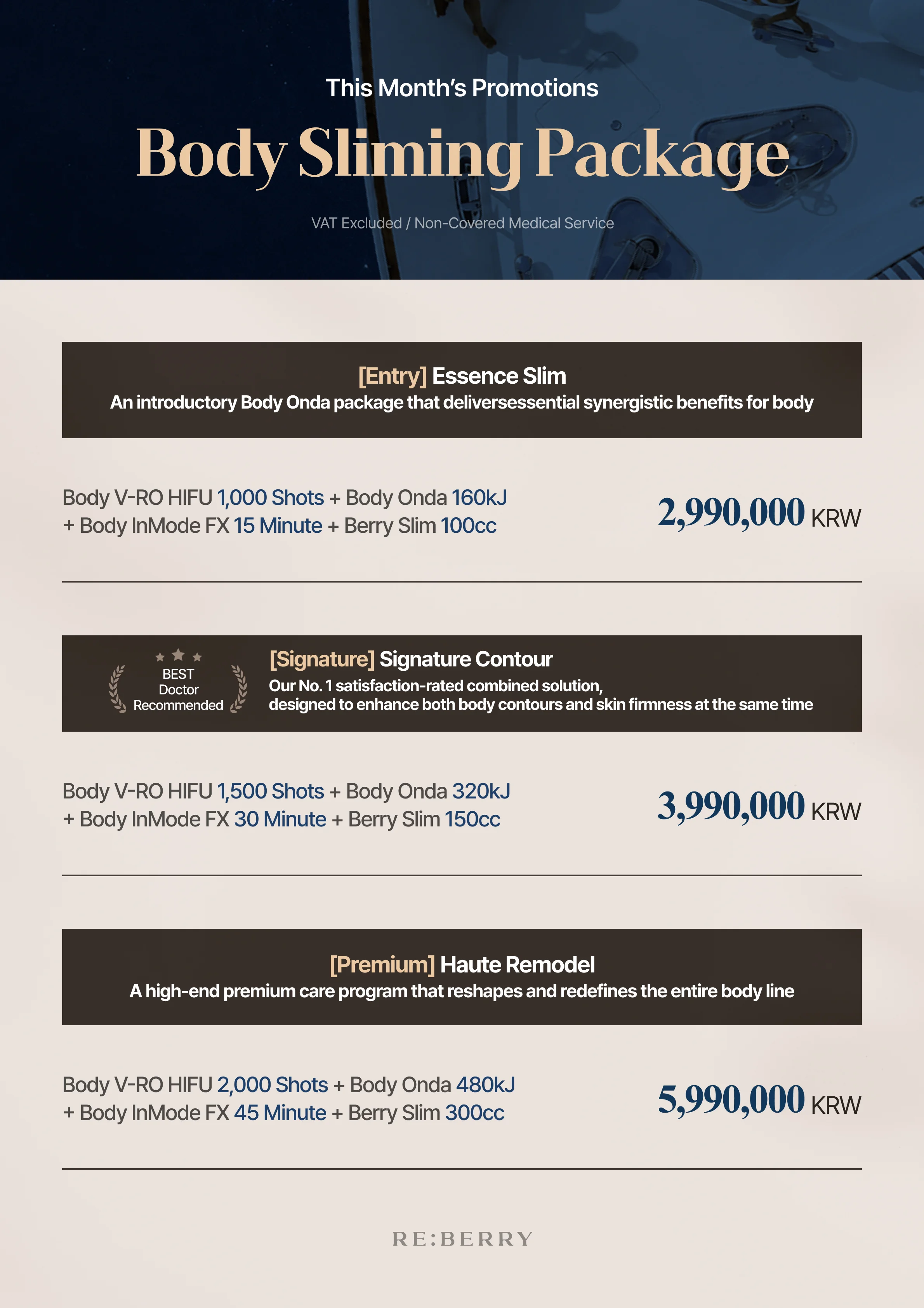
![RE:BERRY Gangnam October–December 2026 Promotion Page 10 — Body Slimming Package: [Entry] Essence Slim, an introductory Body Onda package that delivers essential synergistic benefits for body shaping and contouring: Body V-RO HIFU 1,000 Shots + Body Onda 160kJ + Body InMode FX 15 Minute + Berry Slim 100cc ₩2,990,000 · [BEST · Doctor Recommended] Signature Contour, our No. 1 satisfaction-rated combined solution, designed to enhance both body contours and skin firmness at the same time: Body V-RO HIFU 1,500 Shots + Body Onda 320kJ + Body InMode FX 30 Minute + Berry Slim 150cc ₩3,990,000 · VAT excluded](https://cdn-reberry.pages.dev/gangnam/promotion/en/gangnam-event-en-10.webp)
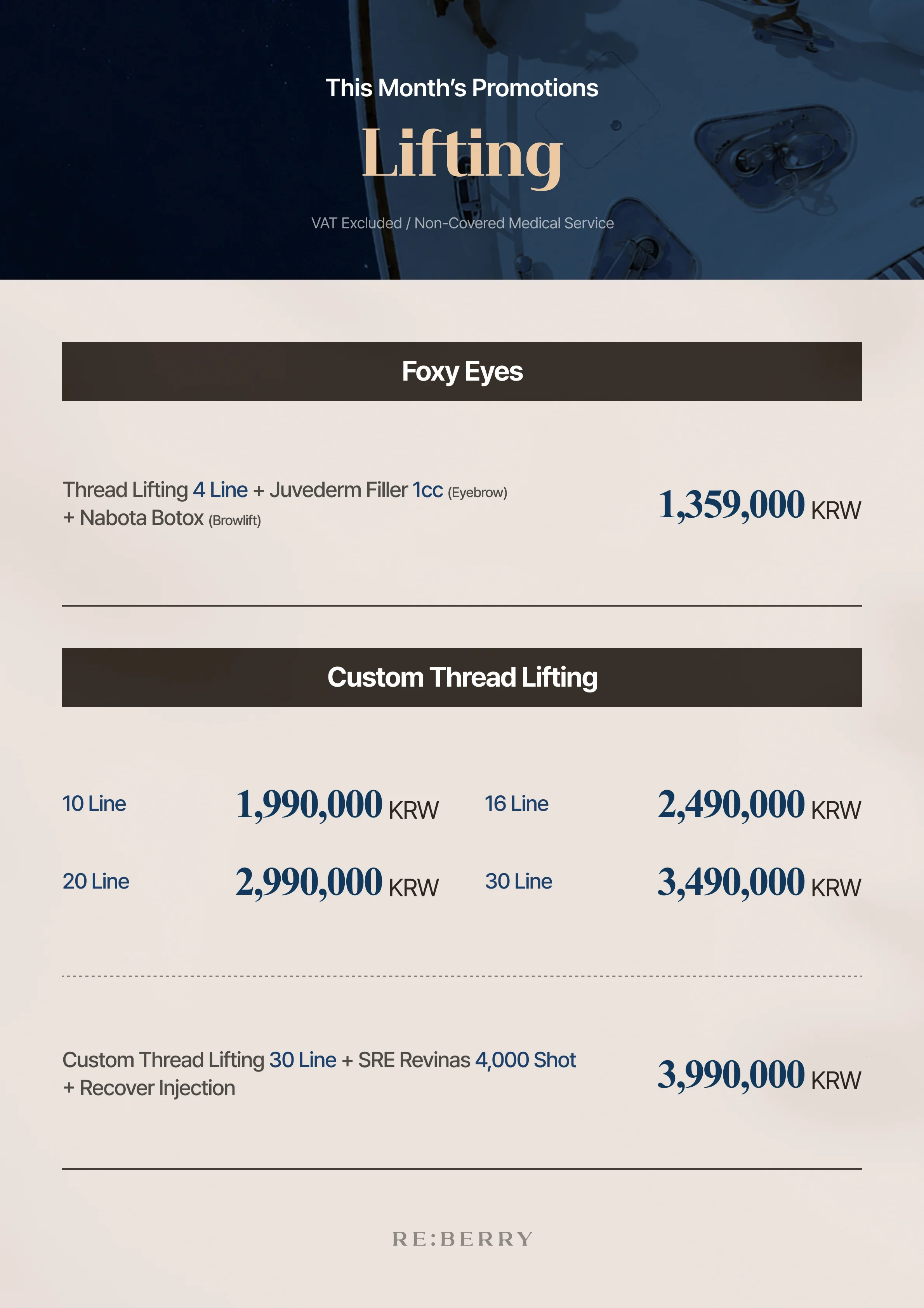
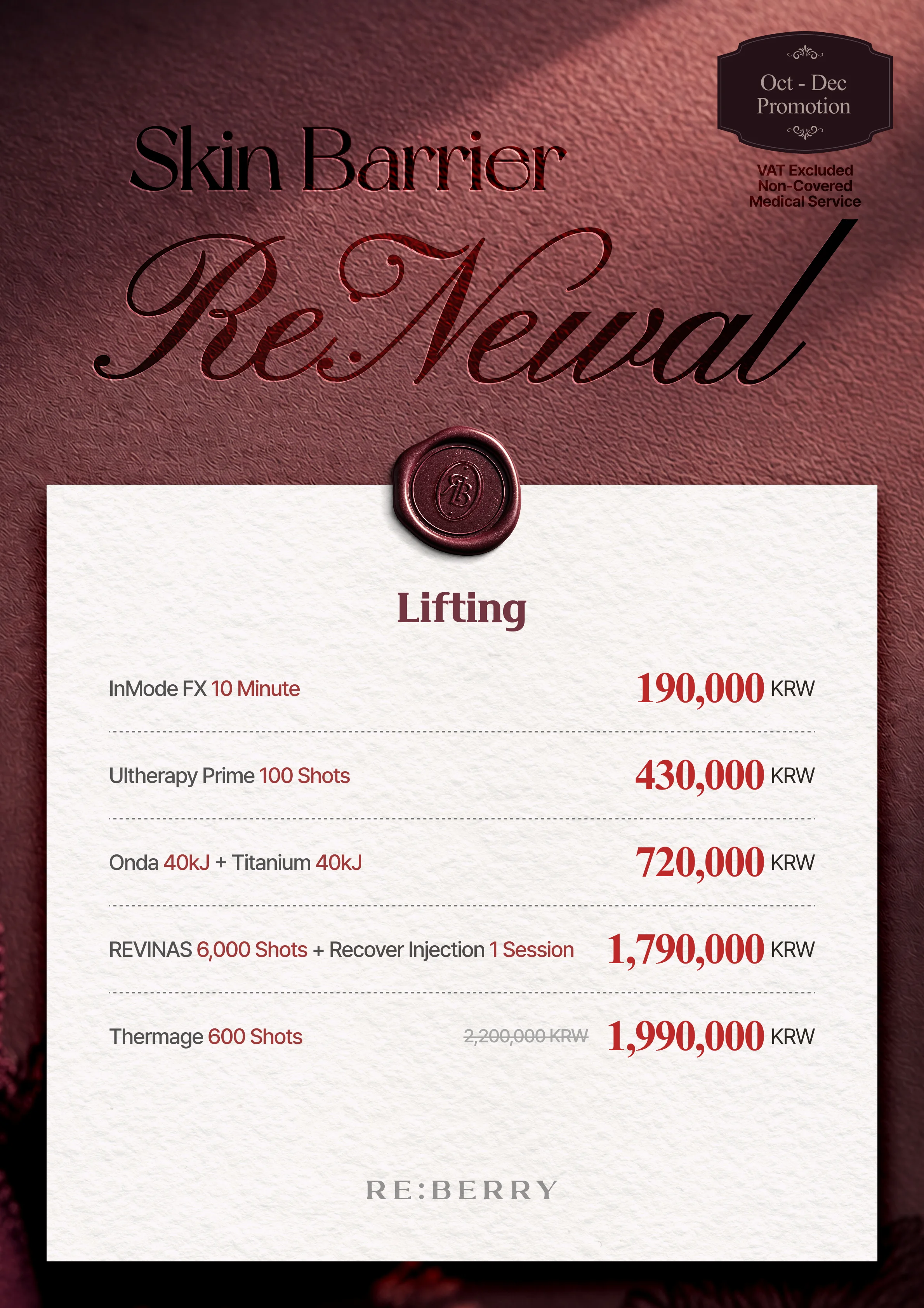
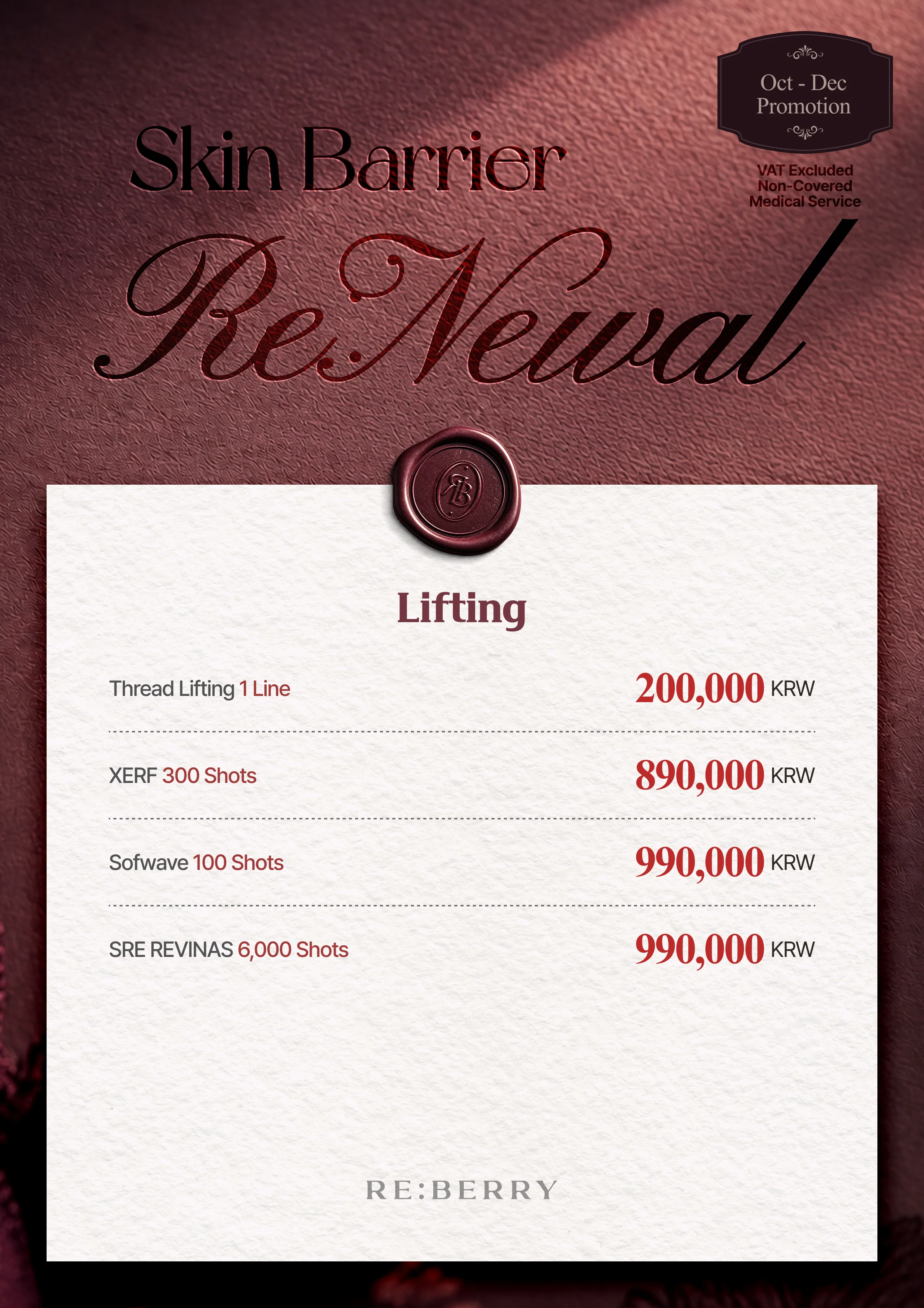
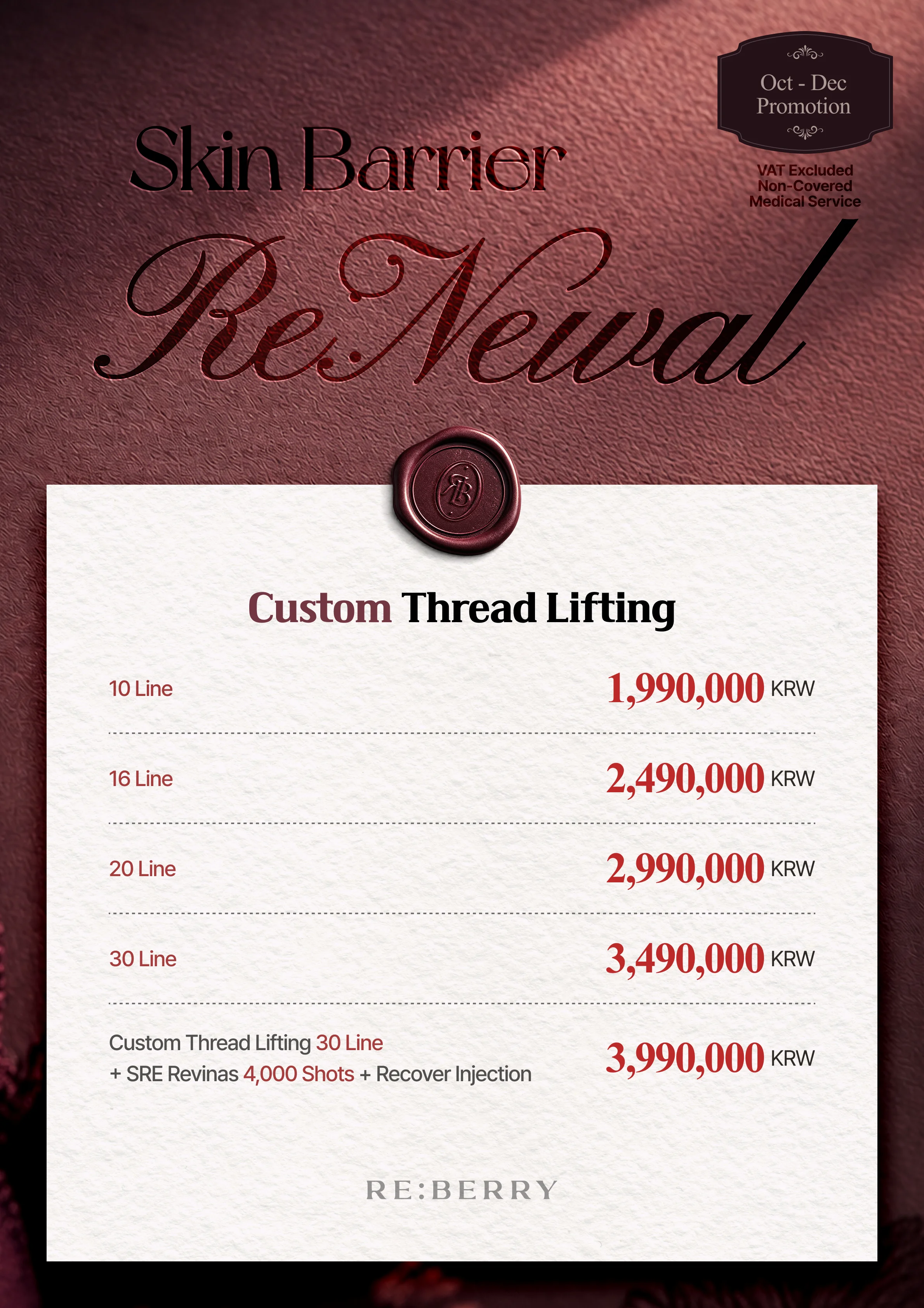
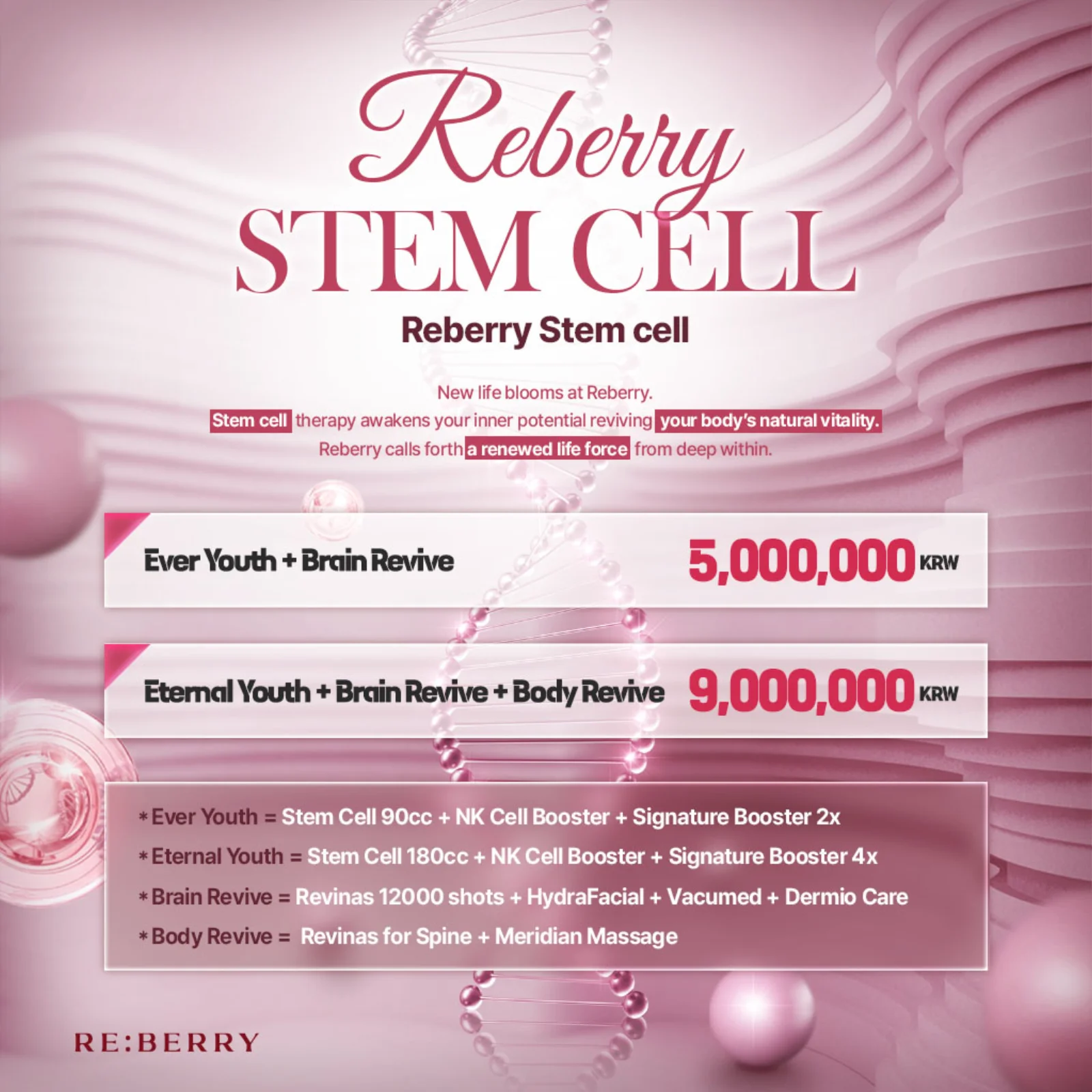
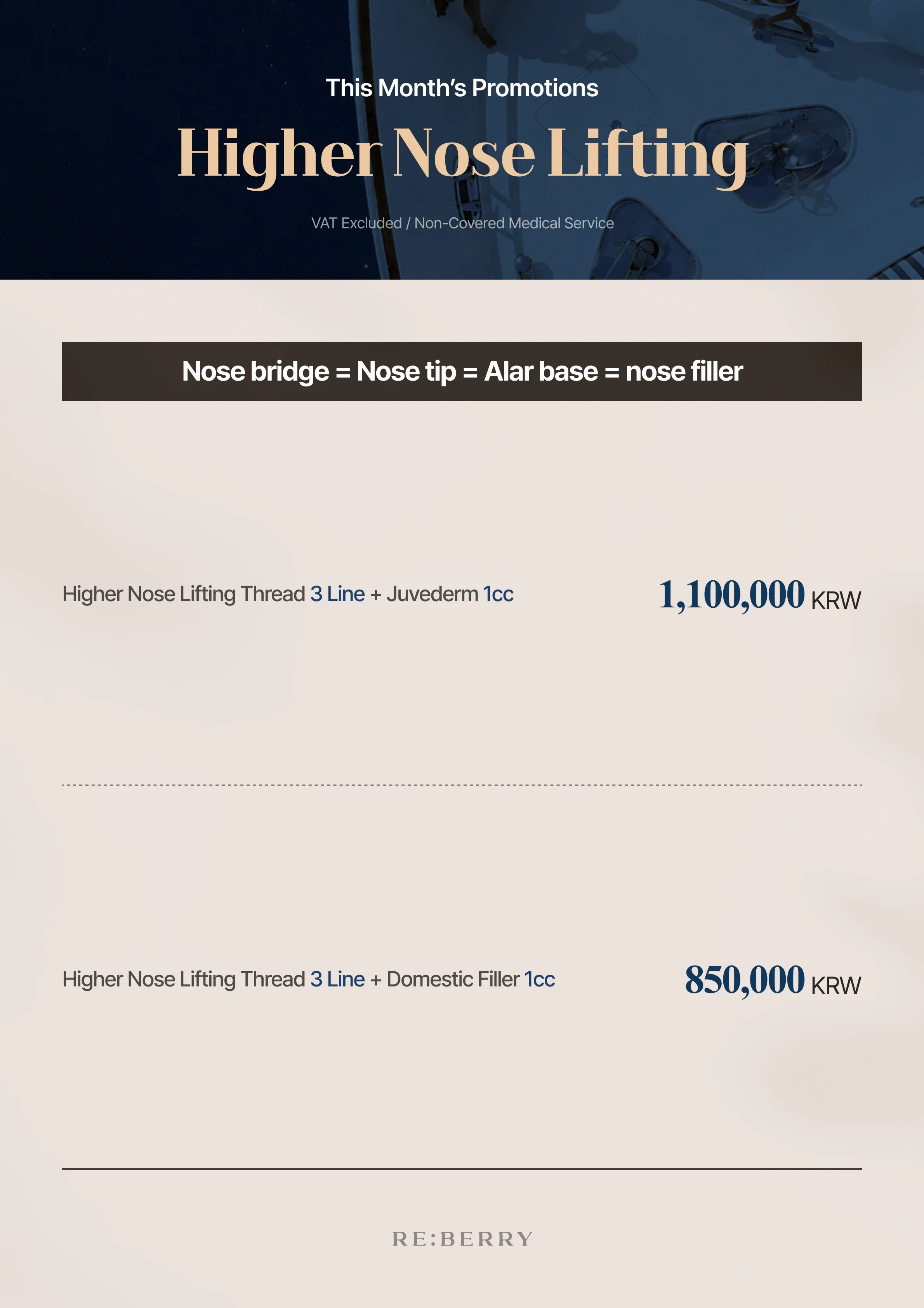
Published Laser Skin Treatment Prices in Gangnam (VAT Excluded)
Your Medical Director
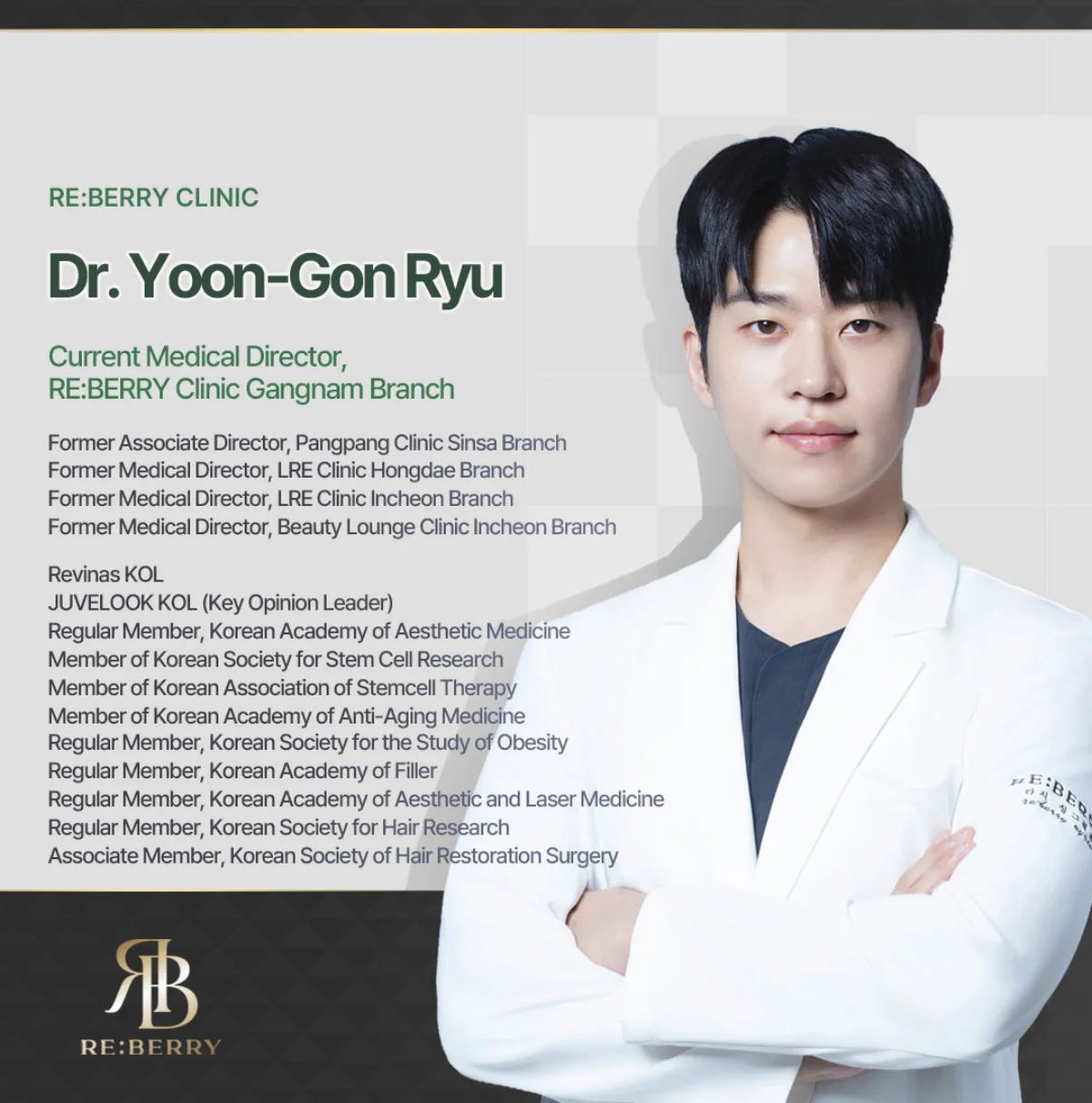
Dr. Yoon-Gon Ryu
- Medical Director, RE:BERRY Aesthetic Clinic Gangnam — Korean MOHW Medical License No.131644
- Manufacturer-appointed KOL invited to teach injection and energy-device technique to Korean peers
- Regular Member, Korean Academy of Aesthetic Medicine
- Co-manages every case with Dr. Yejin Oh (Korean MOHW Medical License No.144238)
- Featured in Authority Magazine (2026)
Medically reviewed by Dr. Yoon-Gon Ryu, CEO / Medical Director, RE:BERRY
A Fourteen-Thousand-Square-Foot Hush Above Gangnam-daero
Step past the black gallery facade and the bustle of Gangnam-daero falls away. Fourteen thousand square feet of hushed corridors, marble installations, a cascading water feature and fully enclosed consultation suites — arranged so you rarely cross paths with another guest, because our appointment-first diary keeps every hour deliberately underbooked.
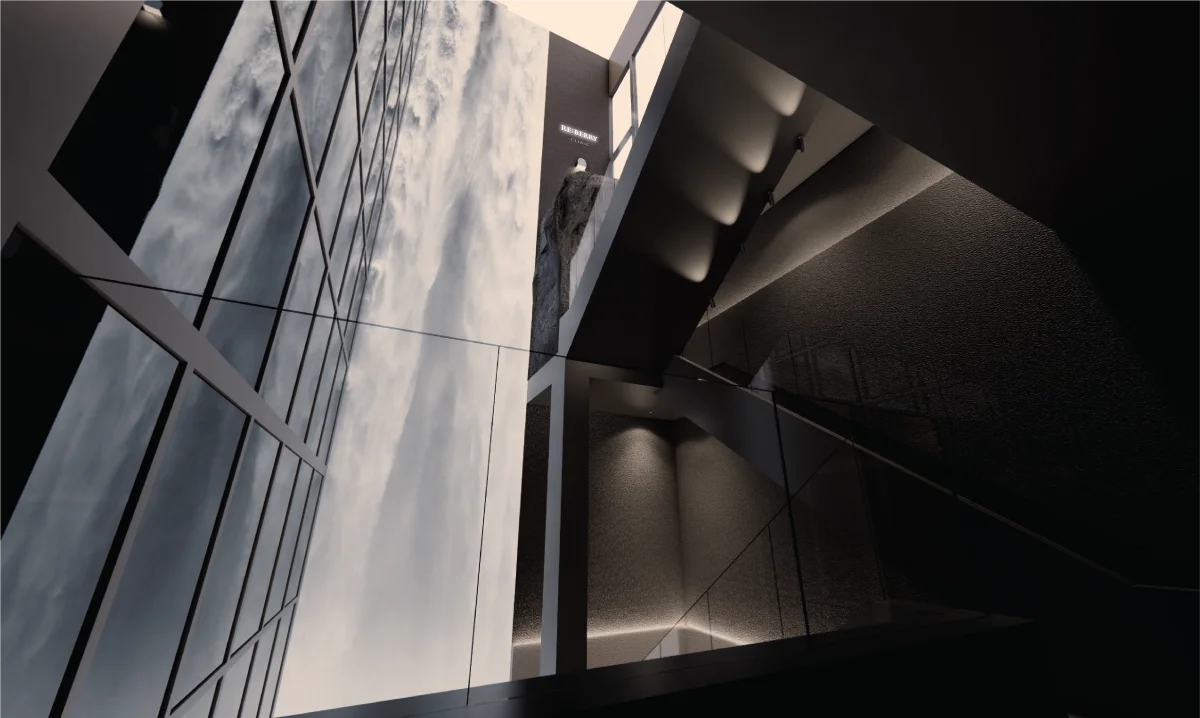
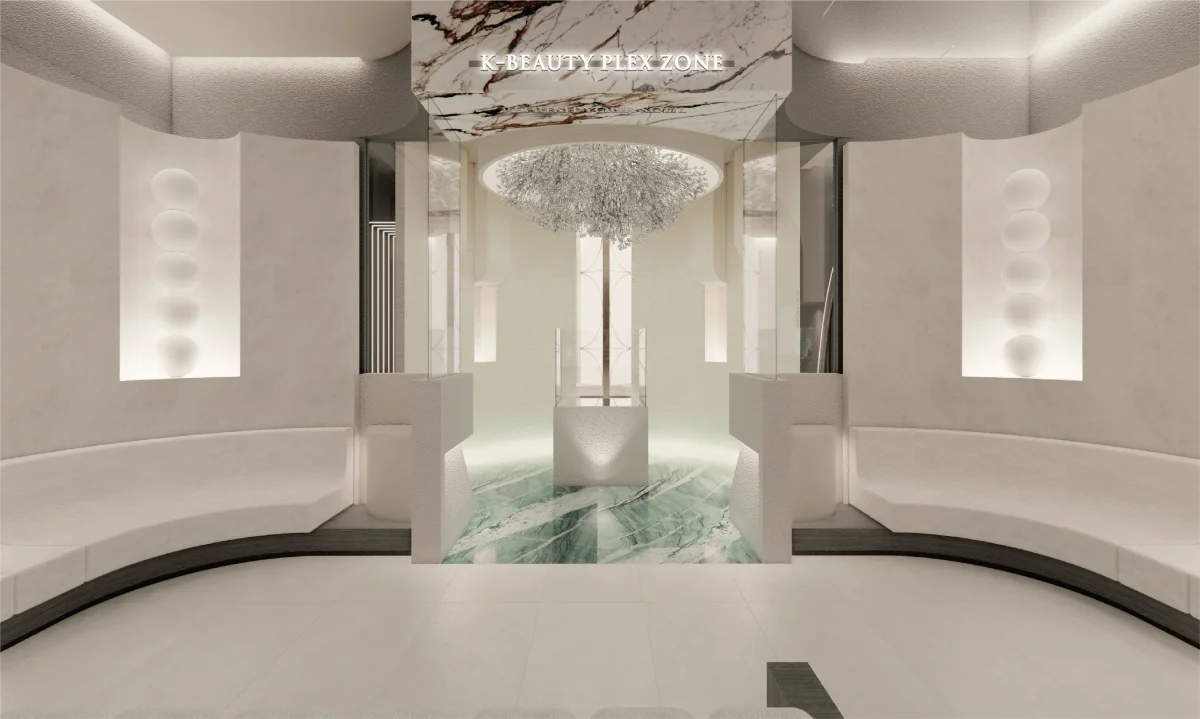
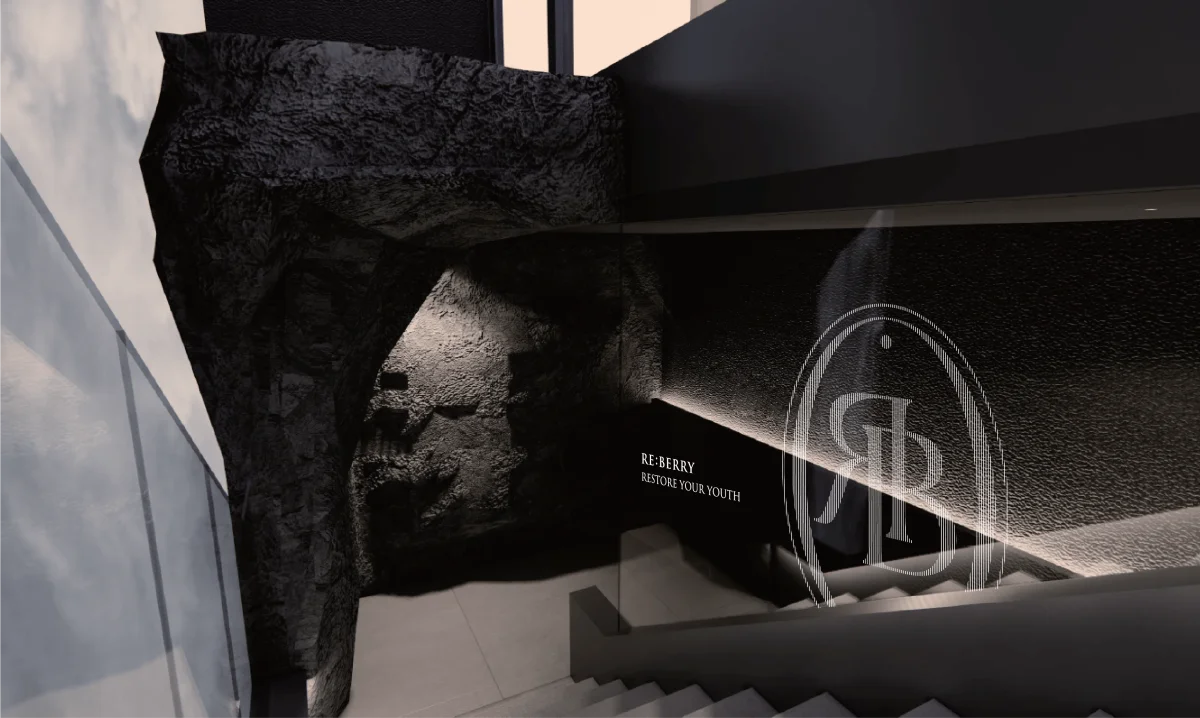
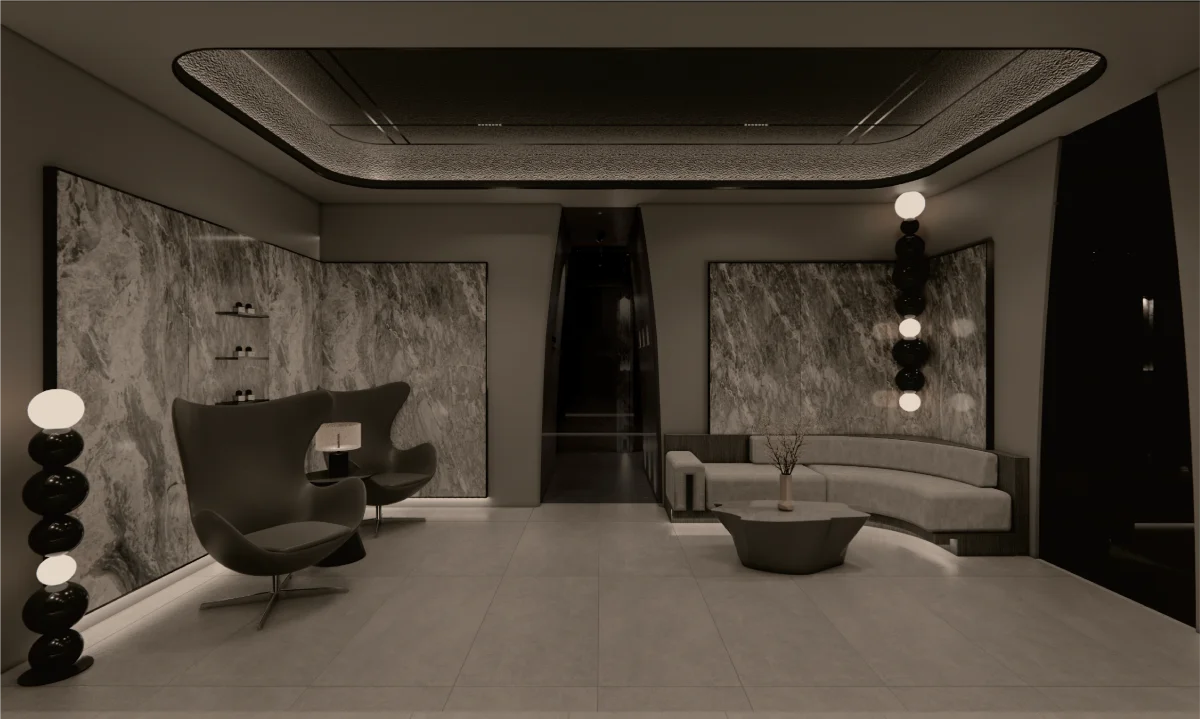
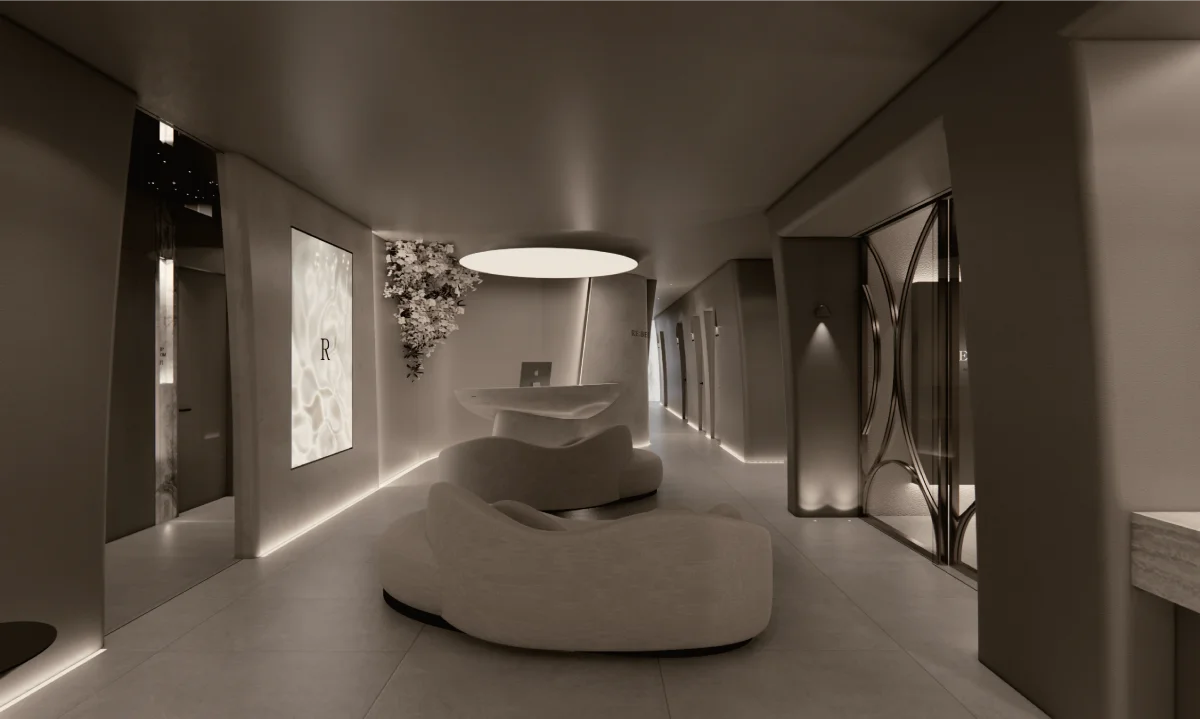
(1,322 m²)
Suites
KI Tower, Gangnam-daero
Station Exit 10
The Physics That Splits Lasers Into Families
The reason "laser skin treatment" cannot mean one machine goes back to a single principle described in 1983: selective photothermolysis. A given wavelength, paired with a pulse short enough to confine the heat, is absorbed far more strongly by one chromophore than its neighbours: melanin, haemoglobin, or water. Choose the wavelength for the target and the energy stays where it belongs; choose it wrongly and it lands in the wrong tissue. Every laser family on this page is an application of that one idea to a different target.
Anderson RR, Parrish JA. Selective photothermolysis: precise microsurgery by selective absorption of pulsed radiation. Science. 1983;220(4596):524-527. doi:10.1126/science.6836297
For the pigment family, the one most Gangnam laser searches are really about, that principle plays out in pulse width as much as wavelength. Reviews of the picosecond platform document how an ultra-short pulse fragments pigment mechanically with less surrounding heat, widening the safety margin for darker skin where post-inflammatory hyperpigmentation is the main hazard. A split-face comparison of a picosecond alexandrite laser against a Q-switched Nd:YAG on the same patients showed how differently two pigment devices can behave on the same marks. The physician therefore chooses among them for each case, and does not default to one.
Wu DC, Goldman MP, Wat H, Chan HHL. A systematic review of picosecond laser in dermatology: evidence and recommendations. Lasers Surg Med. 2021;53(1):9-49. doi:10.1002/lsm.23244
Lee YJ, Shin HJ, Noh TK, Choi KH, Chang SE. A split-face study: comparison of picosecond alexandrite laser and Q-switched Nd:YAG laser in the treatment of melasma in Asians. Lasers Med Sci. 2018;33(8):1733-1738. doi:10.1007/s10103-018-2529-2
Melasma is where the map's caution is sharpest. Reviews of laser and light therapy in melasma stress that the melanocytes driving it are easily provoked, so aggressive settings can rebound darker than the starting point. That is the evidence base behind holding the toning fluence low and building clearance over a spaced series instead of one strong pass. Broader work on hyperpigmentation likewise frames laser as one pillar among topical and photoprotective measures, a treatment to be managed over time and not a one-off fix. So the RE:BERRY physician screens the pigment type first and pairs the laser with strict daily photoprotection: the family is chosen for the target, and within the pigment family the restraint is chosen for the skin.
Trivedi MK, Yang FC, Cho BK. A review of laser and light therapy in melasma. Int J Womens Dermatol. 2017;3(1):11-20. doi:10.1016/j.ijwd.2017.01.004
Sarkar R, Arora P, Garg VK, Sonthalia S, Gokhale N. Melasma update. J Cutan Aesthet Surg. 2013;6(1):5-11. doi:10.4103/0974-2077.110089
Questions International Guests Ask About Laser Skin Treatment in Gangnam
There are so many laser names, how do I know which laser skin treatment I actually need?
Start from your concern; the machine comes second. Brown marks point to the pigment family, facial redness to the vascular family, rough texture and scars to resurfacing, and unwanted hair to hair-removal lasers. At RE:BERRY Gangnam the physician runs Mark-Vu multispectral imaging and grades your Fitzpatrick type before naming a device, so you do not have to decode brand names yourself. Message us the plain concern and we tell you which family it sits in.
Why can't one laser treat pigment, redness, and texture all at once?
Because each concern absorbs different light. Selective photothermolysis, described in 1983, means a wavelength is taken up mainly by one target: melanin for brown, haemoglobin for red, water for texture work. A pigment laser aimed at redness mostly wastes its energy. That physics is why laser skin treatment is a family of devices, and why a concern that spans two of them is treated as two sequenced sessions instead of a single pass.
How many laser sessions will I need, and how far apart?
For the pigment family the usual plan is 4-6 visits spaced 3-4 weeks apart, because clarity builds cumulatively across the course and not in a single visit. Lentigines respond fastest and melasma slowest. Vascular and resurfacing work run on their own spacing. The physician confirms your count after imaging, and for international guests will pace the course across return trips when the calendar calls for it.
What does a pigment laser session actually involve at RE:BERRY?
After cleansing, the physician runs the dual-wavelength platform — 755 nm for shallow melanin, 1064 nm for deeper pigment — at a toning fluence of 0.4-1.0 J/cm² or a higher spot fluence of 1.0-3.0 J/cm², with 4°C sapphire cooling on the surface. A full-face pigment pass is 2,500-3,500 pulses and the active laser time is short. LDM micromassage settles the skin afterwards.
How long does laser redness last, and can I sightsee or fly the same day?
A toning pass leaves mild erythema that fades within 2-6 hours, so makeup and same-day plans are fine and comfort rates around 1.8 out of 10. Spot work on defined marks forms micro-crusts that shed over 3-5 days, so it is scheduled early in your stay to clear before departure. Resurfacing carries more downtime and is planned around your travel dates deliberately.
Is laser toning safe for darker or Asian skin tones?
Higher Fitzpatrick types carry a greater risk of post-inflammatory hyperpigmentation when settings run too hot, which is precisely why the conservative, low-fluence toning approach became standard in Korea's high-volume Asian-skin practice. Fitzpatrick I-VI is graded before any energy is chosen, and the recorded PIH rate on the RE:BERRY pigment protocol is 3.1%. That restraint is a deliberate choice built into the protocol.
Will laser get rid of my melasma for good?
Melasma is a condition to keep under control over time, and laser does not end it for good. Reviews of laser therapy in melasma warn that the melanocytes involved are easily provoked and can rebound darker if energy is set too high, so the plan holds the fluence low and clears 55-70% over the course. Daily SPF 50+ and the physician's maintenance schedule are what keep it down after you fly home, the laser clears what the skin already made, and the sun keeps making more.
How is the vascular family different from the pigment family?
The target is the difference. Vascular lasers are absorbed by the haemoglobin inside a blood vessel, so they address flushing, broken capillaries, and rosacea-type redness. Pigment lasers are absorbed by melanin and address brown marks. When redness and pigment sit on the same cheek, the physician treats them as separate sessions on separate settings, never one combined pass.
What is the imaging step, and why does it come before the laser?
Mark-Vu multispectral imaging reads your skin across six wavelengths and can separate diffuse melasma, a defined solar lentigo, dilated vessels, and enlarged pores that all look similar to the naked eye. A MASI score is logged for melasma and dermatoscopy maps pigment depth. This reading decides the family and the setting. Choosing the device before the diagnosis is how skin gets darkened instead of cleared.
Which laser aftercare steps matter most in the first two weeks?
The rule that carries the most weight for any pigment laser is SPF 50+ every day for at least 14 days. Let micro-crusts fall on their own over 3-5 days without picking them, keep the skin moisturized, and avoid heavy heat exposure early on. RE:BERRY reviews your progress photos remotely on WhatsApp, LINE, or KakaoTalk between visits, with a 24-hour response commitment.
How does laser pricing in Gangnam compare with the US or Japan?
Seoul runs materially lower on comparable laser work, roughly 50-70% below typical US pricing and 30-50% below Japan for the same course. RE:BERRY publishes the entry pigment session and the multi-session course rate before you book, VAT excluded, with the written figure confirmed in advance and no add-on charges. Cross-family planning is quoted as one figure at consultation.
Will the same doctor handle every laser session?
Yes. The physician who reads your imaging is the one who runs the handpiece and reviews your progress across the whole course. KHIDI's 2025 survey found 41.4% of international patients rank that continuity as their top criterion. It matters most when a concern spans two families, because the pigment and vascular work then have to be sequenced by one person who holds the full picture.
Where is the laser clinic, and what is the walk from Gangnam Station?
RE:BERRY occupies floors B1-B2 of KI Tower on Gangnam-daero in Seocho-gu, a 2-minute walk from Gangnam Station Exit 10 on Seoul Metro Line 2. The clinic opens 10:00 to 20:00, 365 days a year, and staff interpreters cover 5 languages on-site, so a laser consultation slots cleanly between Gangnam sightseeing, dining, and shopping.
How do I book laser skin treatment in Gangnam as a foreign visitor?
Message RE:BERRY on WhatsApp with your concern in plain words, your travel dates, and a photo. A coordinator replies in English as soon as possible, tells you which laser family fits, confirms the written price, and reserves a physician slot. The clinic is appointment-first for international guests (walk-ins possible), and consultation plus a first session fit into a single visit for most pigment work.
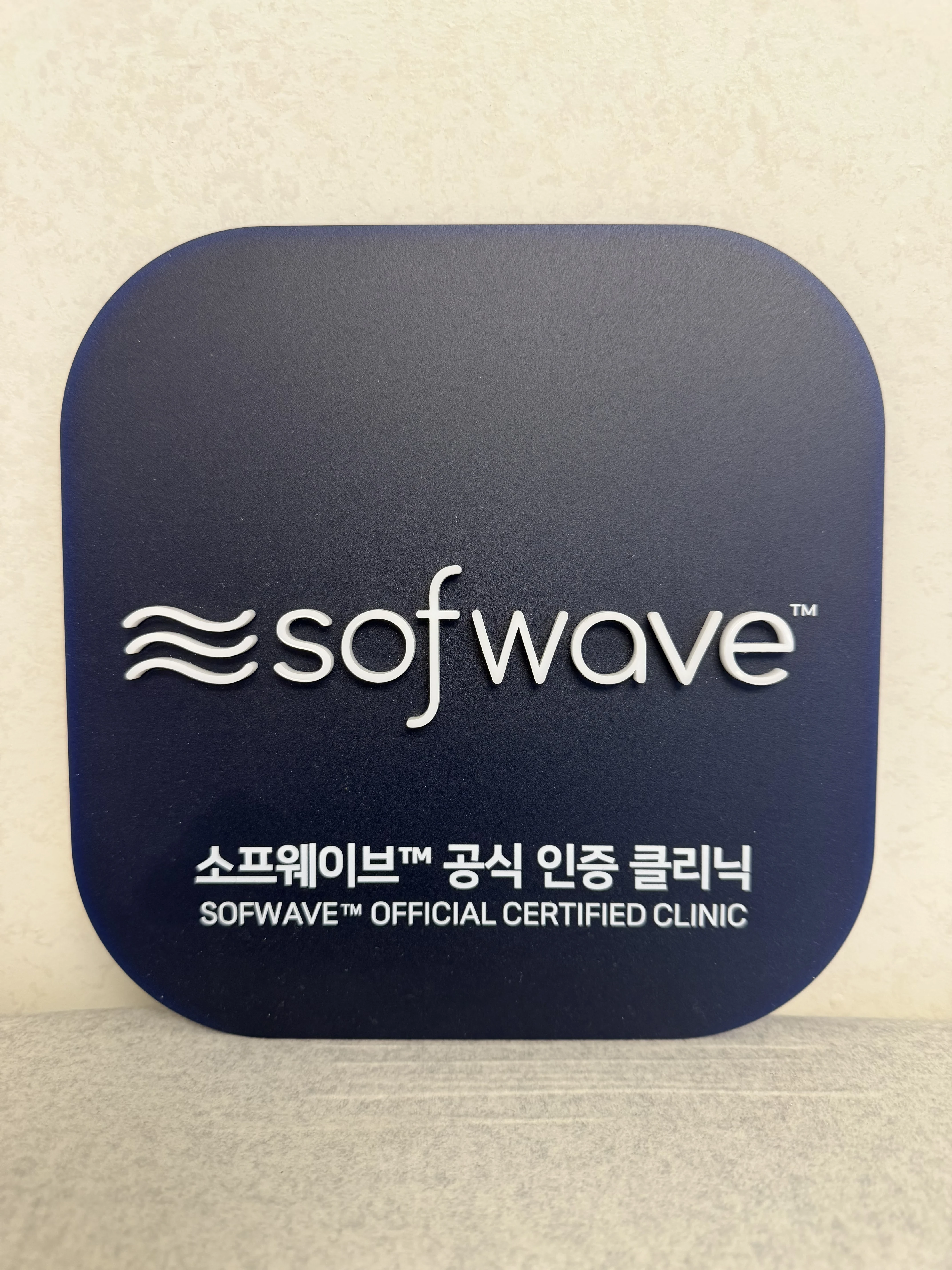
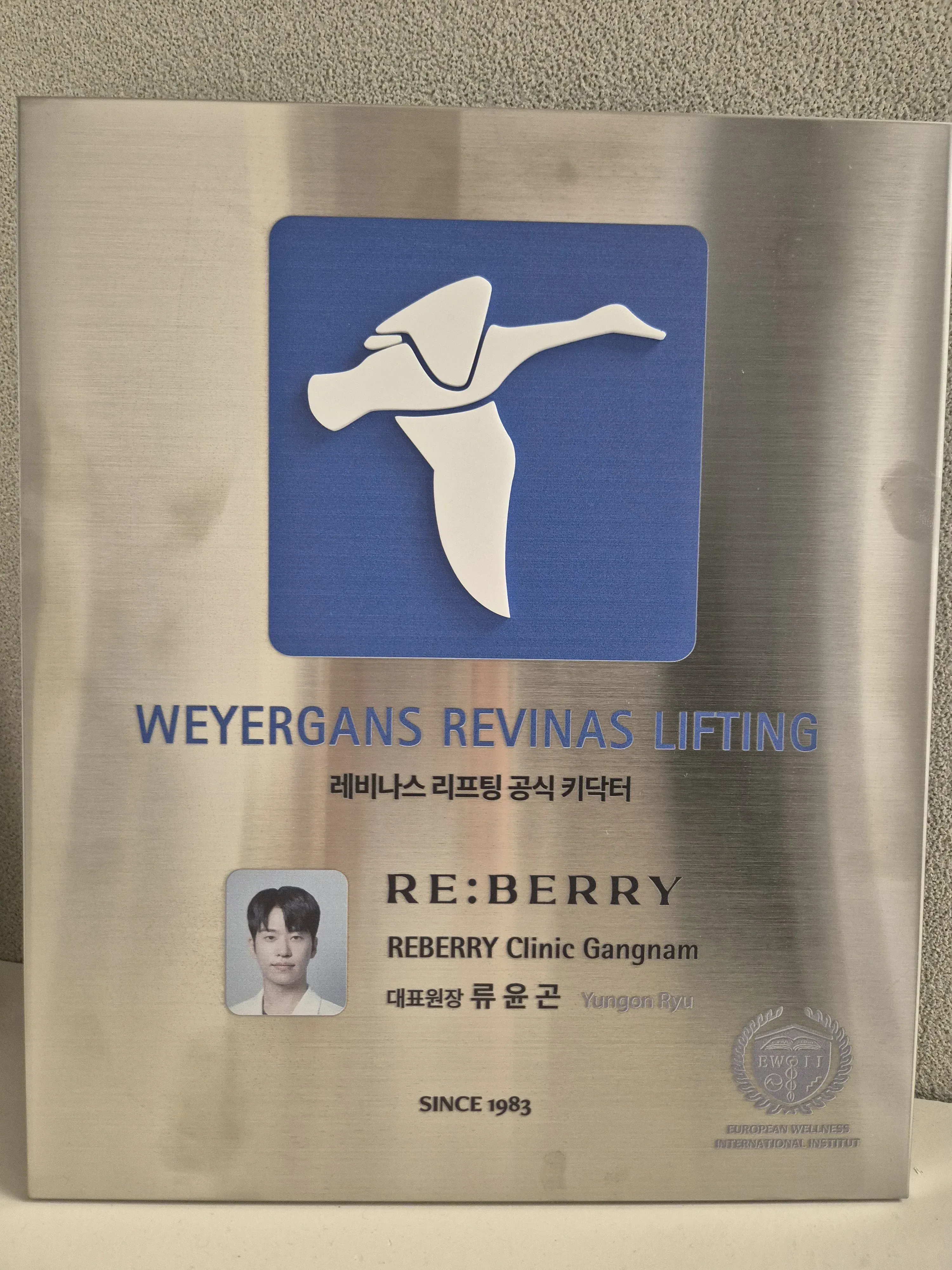
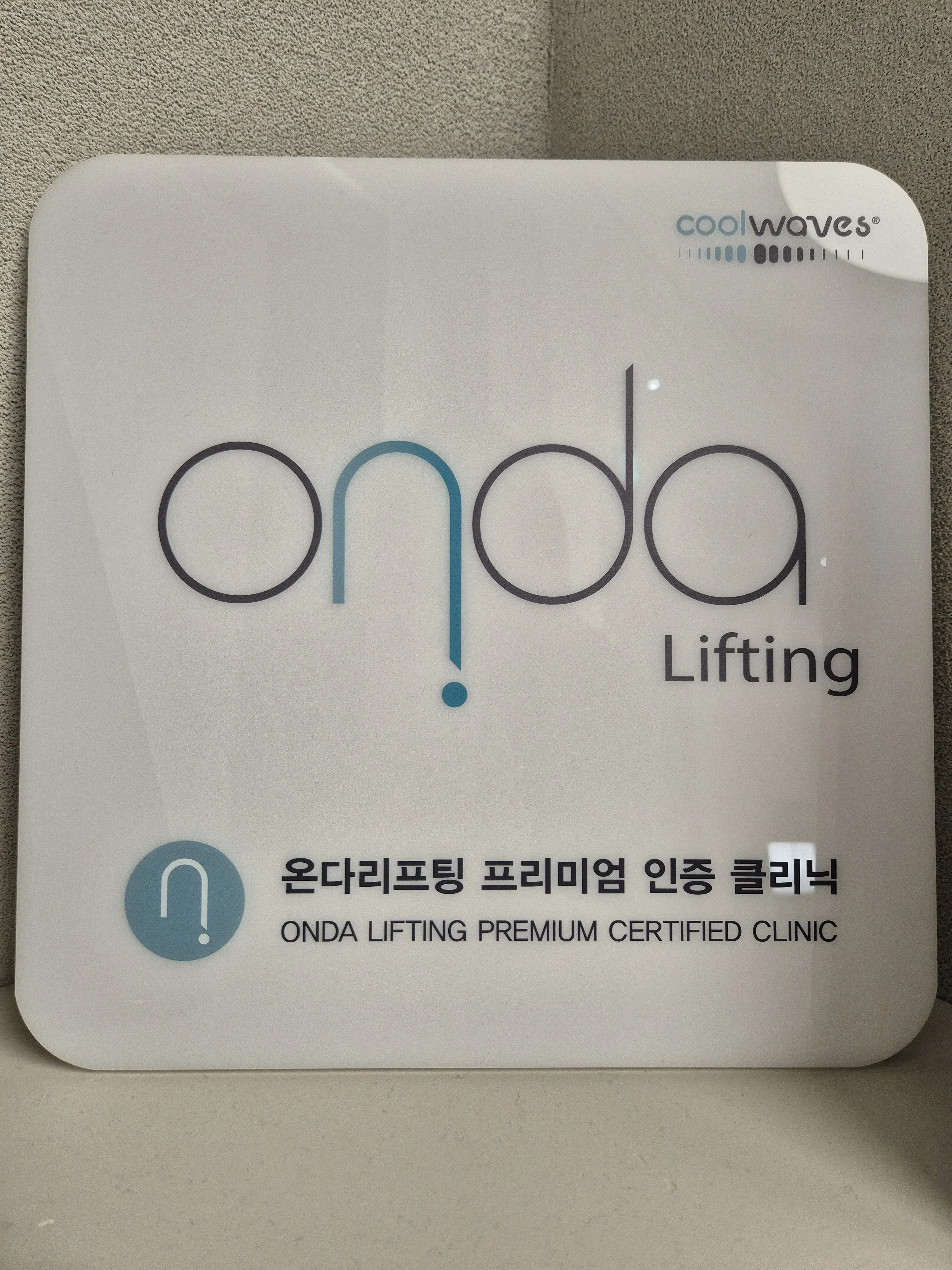
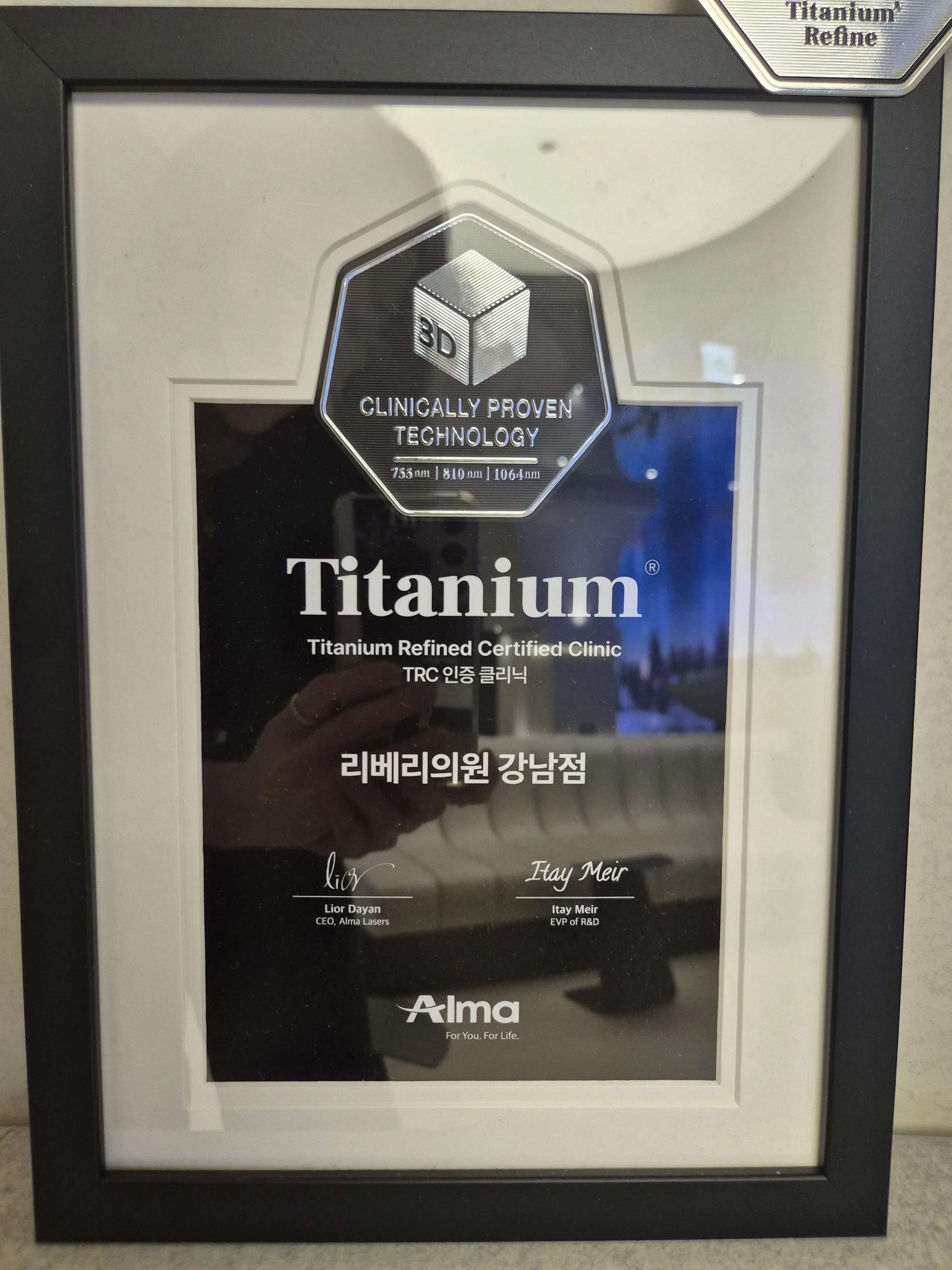
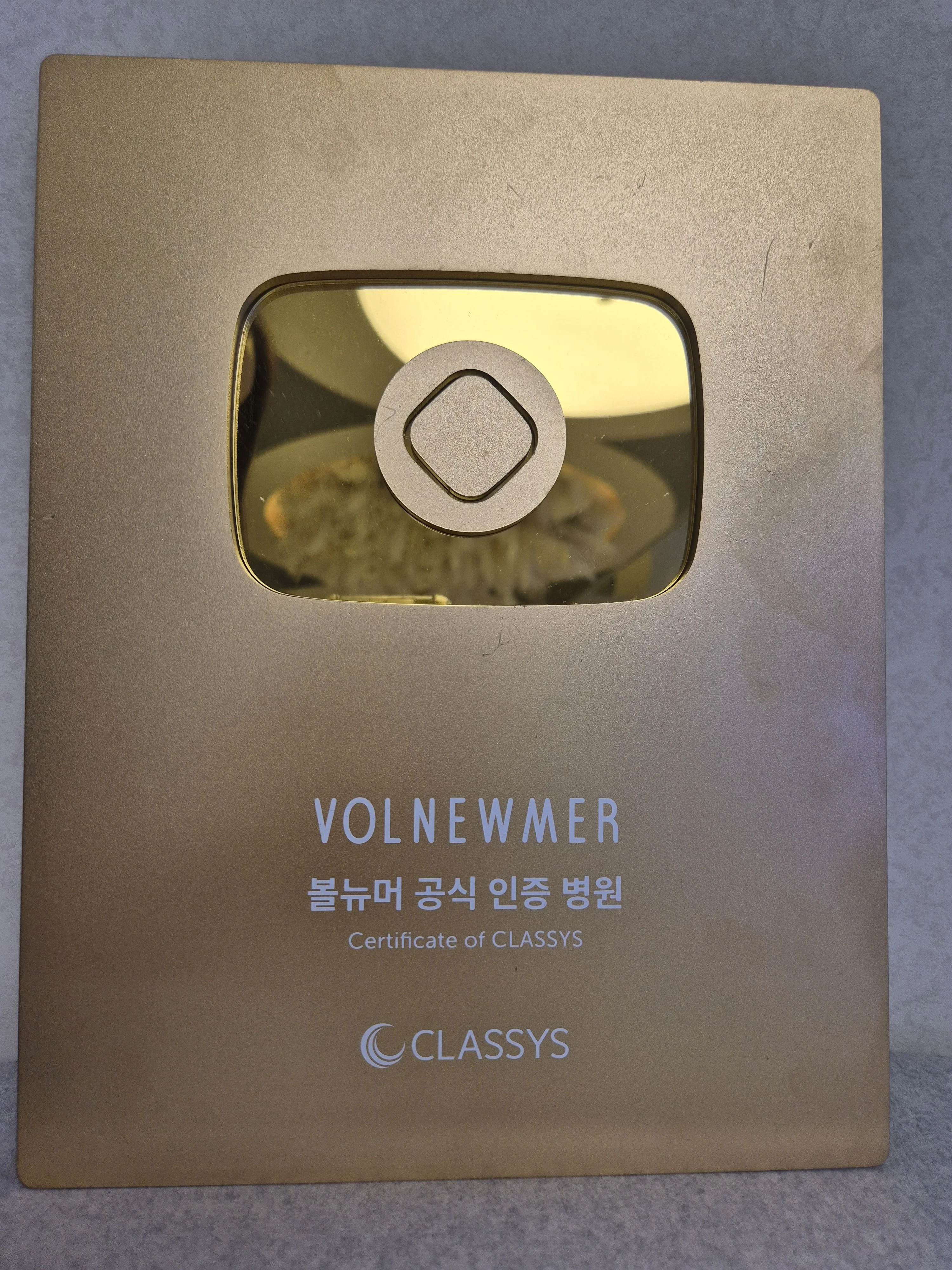
Only Authentic, Brand-Certified Equipment
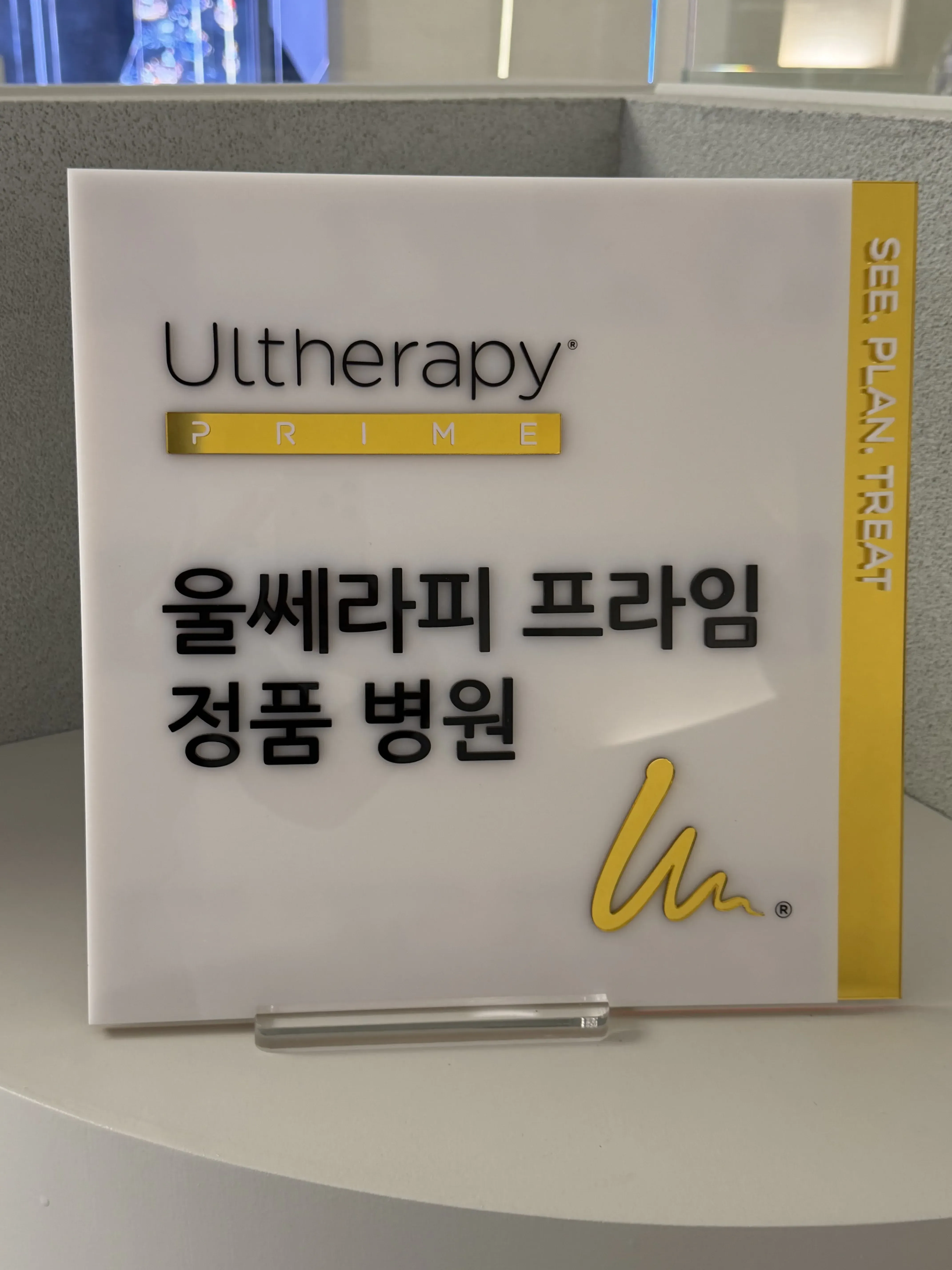
Every device at RE:BERRY is MFDS-certified and manufacturer-verified. We never use counterfeit or grey-market equipment.
Book Your Laser Skin Consultation in Gangnam
Tell RE:BERRY your skin concern in plain words on WhatsApp, brown marks, redness, texture, or unwanted hair, with your travel dates and a photo. A coordinator replies as soon as possible with the laser family that fits, the written price, and physician slots. The physician who reads your imaging runs every pass and reviews your progress, and nothing is scheduled until you confirm.
Related Treatments
Why Tens of Thousands of Foreign Patients Are Choosing This Gangnam Clinic — Business Wire, 2026-04-13
Numbers That Tell Our Story
Cumulative across RE:BERRY clinics (Gangnam · Myeongdong · Incheon Airport).
Brand-Authenticated Equipment & Training




Our doctors are certified by Korea's top dermatological societies




Latest from Our Instagram
Real treatments, patient reactions, and behind-the-scenes from RE:BERRY.
Tap any video for sound & fullscreen
What our patients say
Real verified reviews from our Google Business Profile
I had a really nice experience at Reberry Clinic Gangnam. I received a Hydrafacial treatment, and the whole process was very comfortable. The staff were kind and explained everything clearly, and the clinic itself felt clean and relaxing. I also loved the interior — the clinic felt very clean, elegant, and luxurious, w...
I had such an amazing experience at this clinic! The clinic itself is absolutely stunning the design is beautiful, elegant, and luxurious, and the service is truly top-notch. Everything was so well organized, and I felt very comfortable from the moment I walked in.
I had a Korean filler treatment to reduce my nasolabia...
i had a good time having the Juvelook treatment!
It was my first time in Korea, all the Doctor & team are bery helpful. Dr. Ian & cheong a lee(jenny) are really helpful.
I understand more about my skin.
The clinic is calm, welcoming.
there are many activities i didn’t expect to find in a beauty clinic; phot...
So happy to found the beauty clinic in Korea that very inclusive and Muslim friendly. They have a prayer space for muslim and they prepare a female doctor for me. The clinic is so comfortable with aesthetic design make me feel relaxed. The doctor and the staff are very professional and helpful so all of the procedure r...
As someone who has struggled with acne since middle school, I decided to stop here during a layover in Seoul and was amazed by the treatment.
Firstly, the environment is elegant and peaceful. Feels very luxurious and the treatment from staff was as such as well. Speaking of staff, they were extremely professional, car...
Book Your Personalized Consultation
Share your details and our multilingual team will contact you as soon as possible through your preferred messenger.
- ✓ Free online skin consultation with a doctor
- ✓ Personalized treatment plan & pricing
- ✓ 5-language support (EN/ZH-CN/ZH-TW/JA/ES)
- ✓ Response as soon as possible via your preferred messenger
Science Laser skin treatment, peer-reviewed references
The division of laser skin treatment into families rests on a founding principle: selective photothermolysis, described by Anderson and Parrish (1983), showed that a wavelength paired with a suitably short pulse is absorbed preferentially by one chromophore, so the device must be matched to the target. Within the pigment family, systematic review of the picosecond platform (Wu 2021) documents how an ultra-short pulse fragments pigment with a wider safety margin, and a split-face Asian-skin comparison (Lee 2018) shows two pigment lasers behaving differently on the same melasma. Melasma-specific reviews (Trivedi 2017) and broader hyperpigmentation guidance (Sarkar 2013) frame laser as one restrained pillar among photoprotection and topical care, a condition to be managed over time and not switched off. That is the evidence behind holding the toning fluence low and building clearance across a spaced series.
- Anderson RR, Parrish JA. Selective photothermolysis: precise microsurgery by selective absorption of pulsed radiation. Science. 1983;220(4596):524-527. doi:10.1126/science.6836297
- Wu DC, Goldman MP, Wat H, Chan HHL. A systematic review of picosecond laser in dermatology: evidence and recommendations. Lasers Surg Med. 2021;53(1):9-49. doi:10.1002/lsm.23244
- Lee YJ, Shin HJ, Noh TK, Choi KH, Chang SE. A split-face study: comparison of picosecond alexandrite laser and Q-switched Nd:YAG laser in the treatment of melasma in Asians. Lasers Med Sci. 2018;33(8):1733-1738. doi:10.1007/s10103-018-2529-2
- Trivedi MK, Yang FC, Cho BK. A review of laser and light therapy in melasma. Int J Womens Dermatol. 2017;3(1):11-20. doi:10.1016/j.ijwd.2017.01.004
- Sarkar R, Arora P, Garg VK, Sonthalia S, Gokhale N. Melasma update. J Cutan Aesthet Surg. 2013;6(1):5-11. doi:10.4103/0974-2077.110089
These references shape how the laser map is applied at RE:BERRY's Gangnam aesthetic clinic: the concern is read under Mark-Vu multispectral imaging and Fitzpatrick typing before any wavelength is chosen; the pigment family is run at conservative, low-fluence toning settings validated for Asian skin, with defined marks taken to a higher-energy spot pass; and progress is tracked under standardized clinic photography across the spaced course by the same licensed physician. This information is for educational purposes only and is not medical advice.
How to Find RE:BERRY Gangnam
2 minutes from Gangnam Station Exit 10. B1–B2, KI Tower — the building with the all-black entrance you can't miss.
RE:BERRY Clinic Gangnam
B1–B2, KI Tower, 69-gil 8, Gangnam-daero, Seocho-gu, Seoul
서울시 서초구 강남대로69길 8, 지하1·2층 (KI타워)
Also available at: Myeongdong · Incheon Airport