IPL Laser Gangnam, Seoul
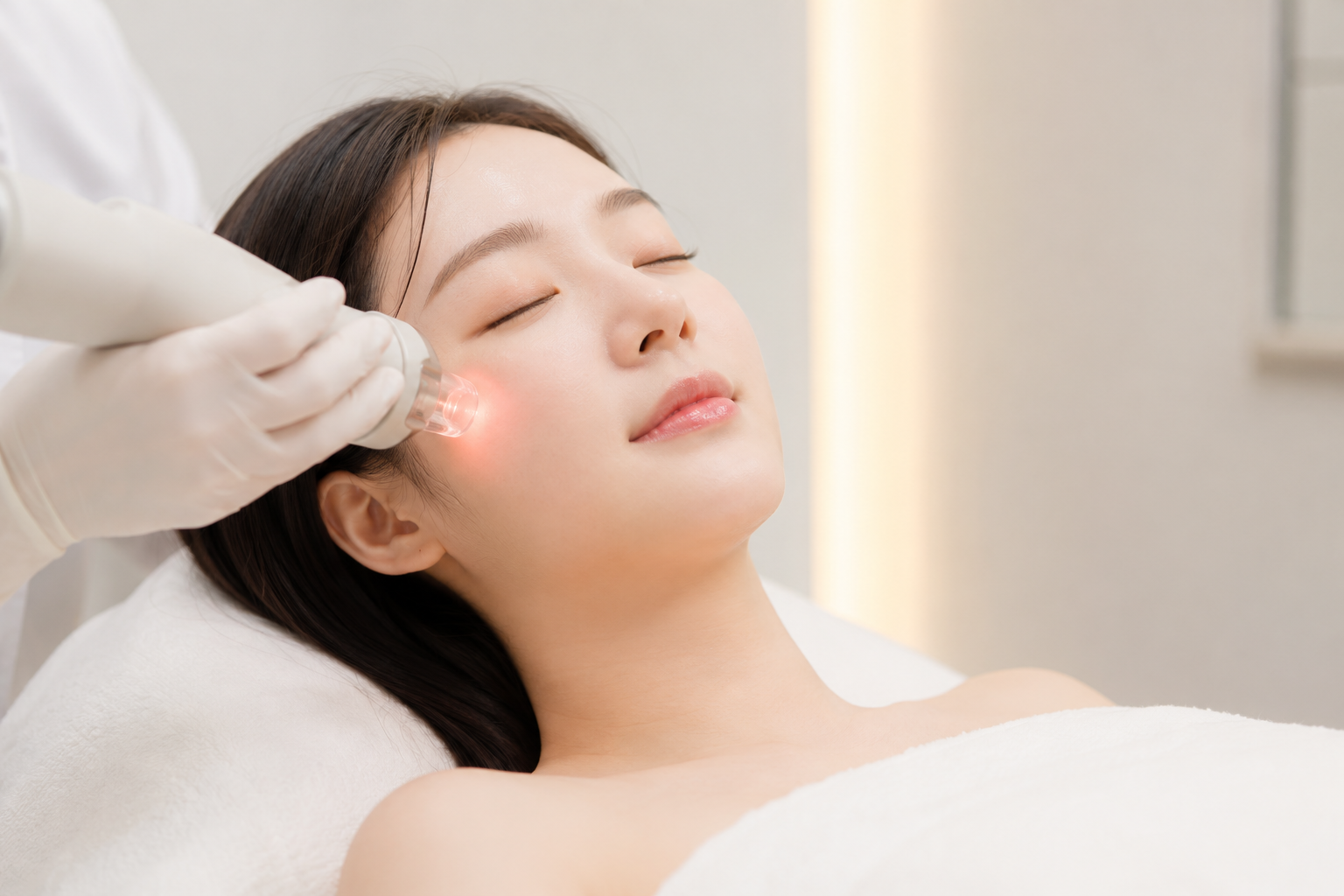
IPL is intense pulsed light, not a laser. One flash releases a wide band of wavelengths that a physician filters toward sun spots, dull tone, or background redness, tuned to your skin after Mark-Vu imaging at RE:BERRY near Gangnam Station in Seoul.
IPL Laser
IPL
IPL Laser in Gangnam, Seoul
IPL is intense pulsed light, not a laser. One flash releases a wide band of wavelengths that a physician filters toward sun spots, dull tone, or background redness, tuned to your skin after Mark-Vu imaging at RE:BERRY near Gangnam Station in Seoul.
Across RE:BERRY Clinics
1,000,000+ Treatments
Direct Consult & Treatment
Medical Director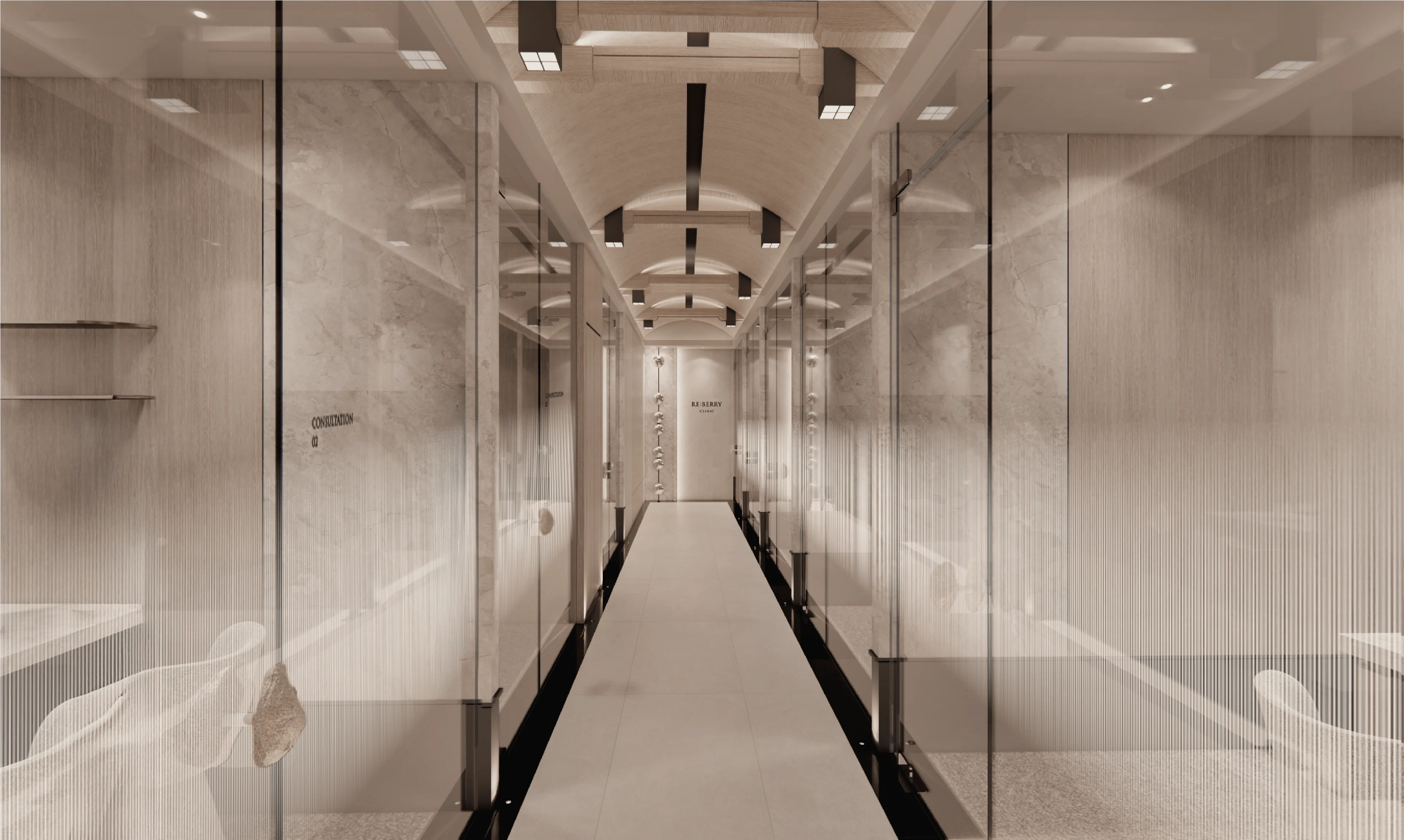
From Gangnam Station Exit 10
2-Min WalkIs IPL a laser, and what does it actually do?
No. IPL means intense pulsed light, and it works differently from a laser. A laser fires one exact wavelength; IPL flashes a wide range of light at once, from around 515 to 1200 nanometers, and the physician clips on a filter to steer that range toward the target that matters for you. At RE:BERRY Gangnam the InMode FX platform uses this filtered light to lighten sun spots, even out dull tone, and calm background redness and fine broken capillaries. It is the gentle, broad tool for scattered, everyday pigment and flushing — the right starting point for someone whose complaint is "my whole face looks uneven," not one hard, dark mark.
Effects & Progress
Effects & Progress
The filtered light is absorbed by melanin down through the skin, so scattered pigment across a whole zone is worked in one broadband pass instead of chased mark by mark.
Treated spots frost within minutes and shed as fine flecks over days three to five. Do not pick them; light makeup sits fine over intact skin once they settle.
Sun spots read clearer and the overall tone looks fresher as the flecks clear. The next visit in the three to five session starter course is scheduled around here.
The main clearing phase, with deeper pigment and background redness easing as the sessions continue. Response speed varies by skin type and how strictly sun care is kept.
Maintenance period. How long the fade holds depends heavily on sun behavior; RE:BERRY will guide the repeat interval and the daily photoprotection that keeps it.
Treatment Process
IPL Laser — 4 Steps for a First Session
※ Illustrative images are AI-generated to help explain the treatment process.Effects & Progress
Effects & Progress
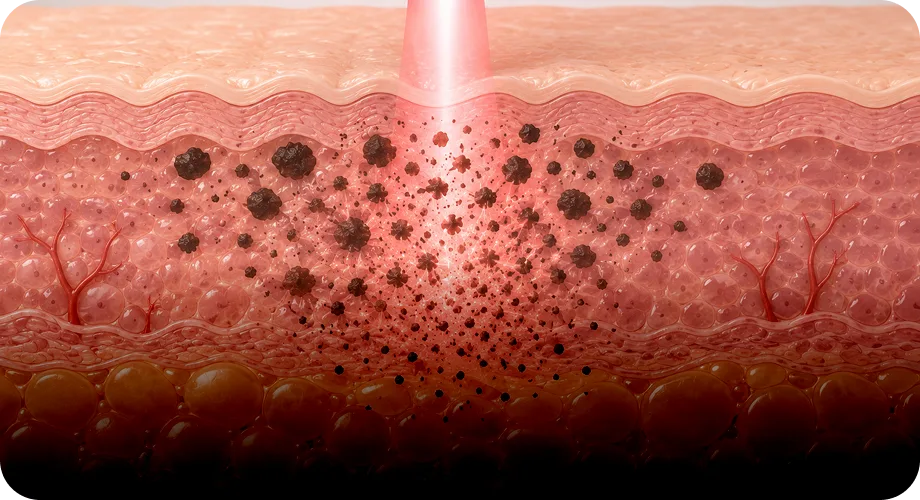
Pigment almost never shows up as a single dot. Sun spots, freckling, and a tired, uneven cast spread across cheeks, nose, and forehead as years of light exposure pile up. IPL flashes a wide band of wavelengths that melanin takes in, and the physician selects a filter to weight that band toward the pigment layer that matters most. Because each flash covers a broad footprint with deliberate overlap, the breakdown of melanin reaches across the whole treated field at once, which is why intense pulsed light suits diffuse, all-over pigment so well.
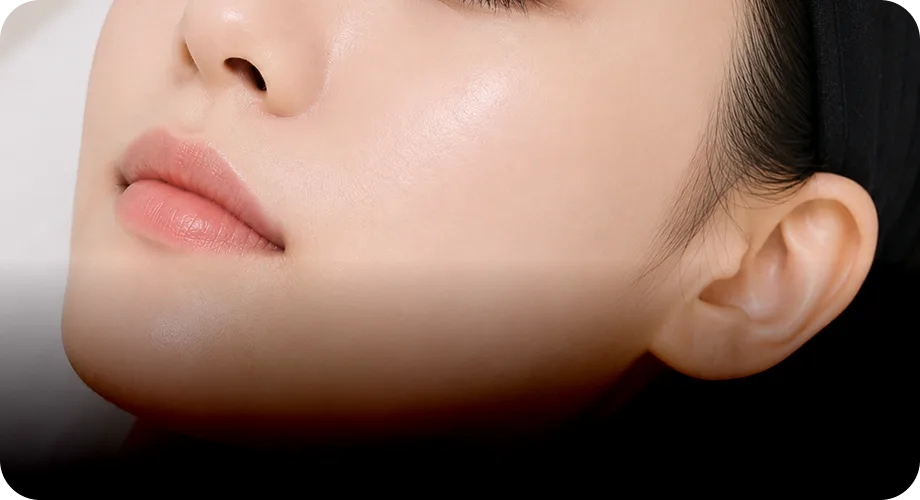
Once the frosting flakes off, the flat brown of a sun spot reads distinctly lighter and the whole complexion looks more uniform. The shift is gradual by design: scattered pigment clears first, then the background tone evens as the sessions add up. Deeper or more stubborn discoloration softens more slowly than surface spots, and how strictly sun protection is kept between visits changes how quickly the evening-out shows. Response varies by skin type, which is why the physician plans the course rather than promising a single fix.
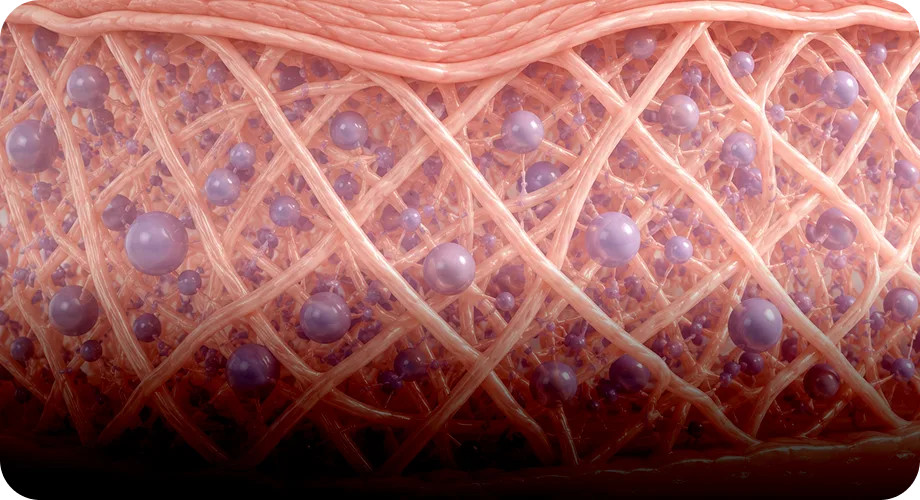
Clearing pigment is the headline, but it is not the only thing happening. The controlled heat of each filtered flash reaches into the upper skin, and that thermal stimulus can nudge the fibroblasts toward a modest bump in collagen as the skin repairs. It is a secondary benefit, not the main event, so no one should book IPL expecting a firming treatment. Still, over a course many guests notice the treated skin reading a touch smoother and more refined alongside the brighter, more even tone that pigment clearance brings.

IPL is built as a short, low-stakes in-clinic session, which is part of why it works well as a first treatment. The sapphire contact tip pre-cools the skin near minus five degrees before each flash and a gel layer buffers the surface, so most guests feel a quick warm snap rather than pain. Downtime stays light: general warmth clears within a few hours, and the only visible phase is a fine frosting over treated spots that flakes with normal exfoliation between days three and five. Light makeup covers it, daily life carries on, and the device is genuine and officially imported with a fresh disposable tip used each time.
Treatment Process
IPL Laser — 4 Steps for a First Session
※ Illustrative images are AI-generated to help explain the treatment process.
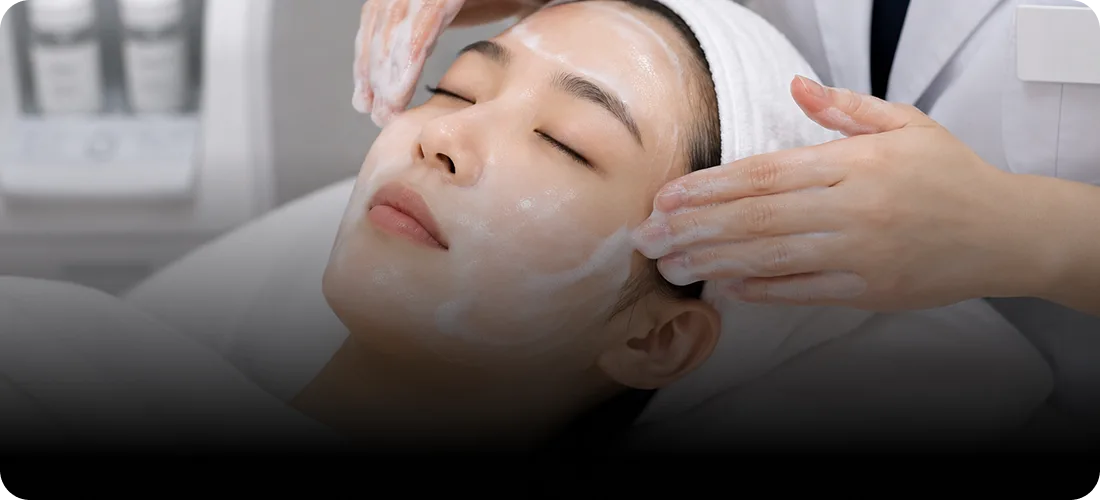
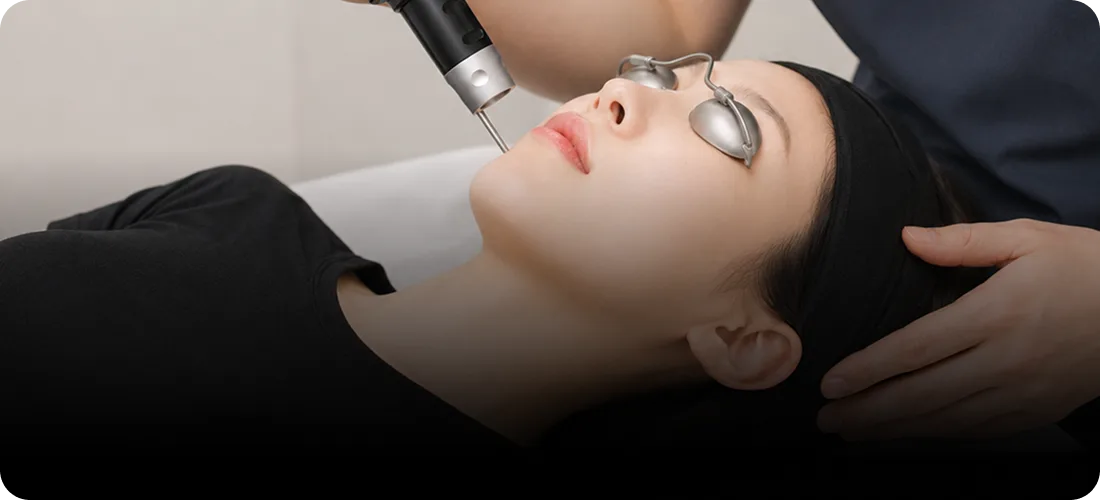
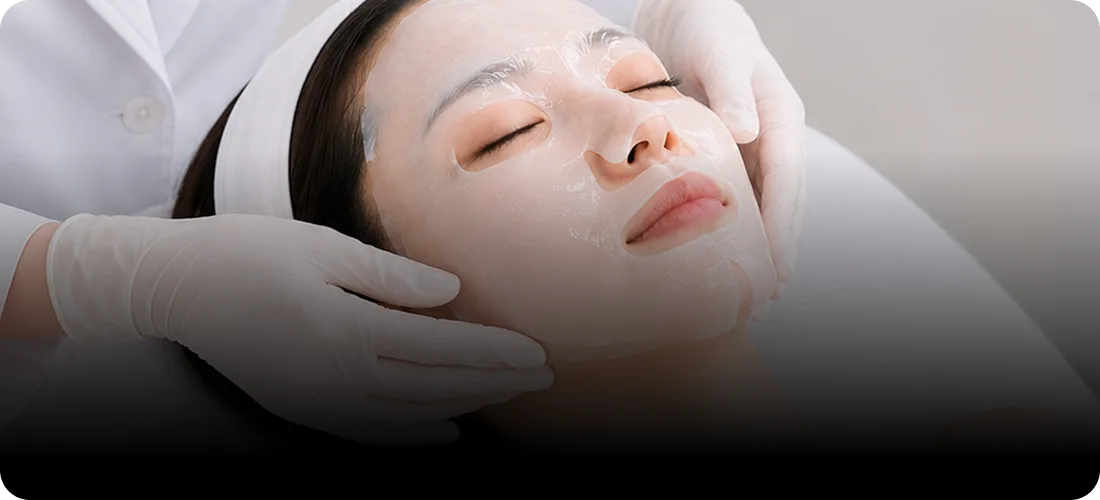
What a Beginner Gains from IPL, and What the Weeks After Look Like
- A single, forgiving tool for scattered concerns: one InMode FX pass can lift sun spots and quiet background redness together, which makes it a sensible entry treatment before anyone reaches for something more aggressive
- The physician tunes the light to you by swapping a filter and dialing the energy, so a first-timer with reactive skin gets a gentler pass than someone with tough, sun-hardened pigment
- It fits a real trip: the flashing is brief and the whole light portion runs ten to twenty minutes, so a first session slots into a Seoul afternoon between meals and shopping
- On deeper skin tones the physician deliberately holds the energy lower, because darker skin carries more background melanin that competes for the light, so a first session is never run at a stock setting
- One doctor, start to finish: the physician who reads your Mark-Vu images chooses the settings, runs every flash, and checks the fade at review
- A genuine, MFDS-registered InMode FX device with a fresh disposable tip, and your before-and-after recorded under the same clinic lighting so the change is measured, not guessed
| Timeline | What to Expect |
|---|---|
| A flush of warmth and mild pinkness, gone within two to four hours. Nothing here is the result yet — it is just the skin reacting to the light | |
| The darkened flecks turn dry and shed with normal washing. Leave them alone; a light layer of makeup sits fine over the skin between them, and the sun rules matter most this week | |
| Sun spots read visibly lighter and the overall tone looks fresher and more even. Redness usually keeps easing across later sessions, seldom clearing in one | |
| A typical starter plan is three to five sessions about four weeks apart; the physician sets your exact count and spacing from how your skin actually responds |
IPL vs Pico Toning vs Fraxel: Which Is the Right First Step in Gangnam
| Question | IPL Intense Pulsed Light (RE:BERRY Gangnam) | Pico / Q-Switched Toning | Fractional Laser (Fraxel) |
|---|---|---|---|
| Is it a laser? | No: a broad band of light, 515-1200nm, steered by filters | Yes, a single-wavelength laser | Yes, a fractional single-wavelength laser |
| Best first-step fit | Scattered sun spots plus general redness and dullness | Even, stubborn dermal pigment and controlled brightening | Texture, pores, and acne scarring more than tone |
| Handles redness? | Yes, with the vascular filter | Not really its job | No |
| One hard, dark mark? | Not the sharpest choice | Better suited to a defined spot | Not a pigment tool |
| Beginner-friendliness | High: broad, cool, low commitment per session | Moderate: usually a longer, staged course | Lower: more downtime to plan around |
| Light or pass time | About 10-20 minutes | 20-30 minutes | Depends on the area |
| Visible downtime | Fine flecks flake over days 3-5 | Minimal | Redness and roughness for several days |
Why This Matters
The confusion in the phrase "IPL laser" is worth clearing up, because it decides whether the tool fits you. A laser is one pure color of light aimed at one target. IPL is a whole spectrum released in a flash, then narrowed with filters. For a beginner whose face carries a bit of everything — some brown spots, some redness, an all-over tiredness — that spread is a strength. When the problem is one crisp, deep mark, a laser is the more exact instrument, and the physician will say so.
Seoul is a common place to start light-based pigment care, partly because clinics here run very high device volumes and publish an entry figure openly. RE:BERRY lists its IPL starting price on the treatment page, so a first-timer can weigh the cost up front, and combined pigment-and-redness plans are staged as routine work here into 2026.
KHIDI's 2025 international patient survey found 41.4% of respondents rank keeping the same doctor throughout as their leading criterion. That matters most on a first treatment, when trust is being built: at RE:BERRY the physician who images your skin sets the filter, fires every flash, and reads the fade at your review.
October – December 2026 Promotions
Exclusive packages for international patients. Swipe to see all offers.

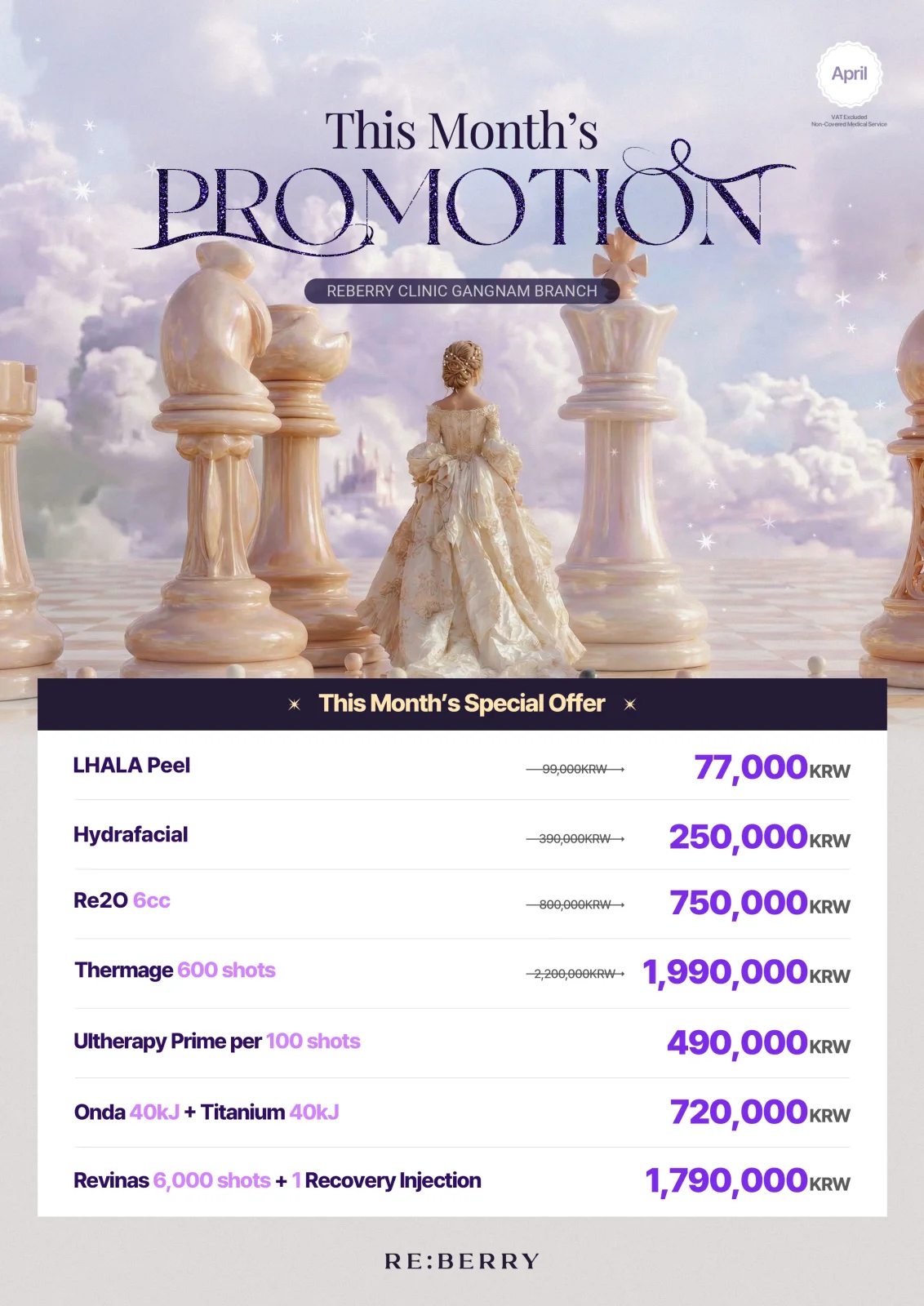
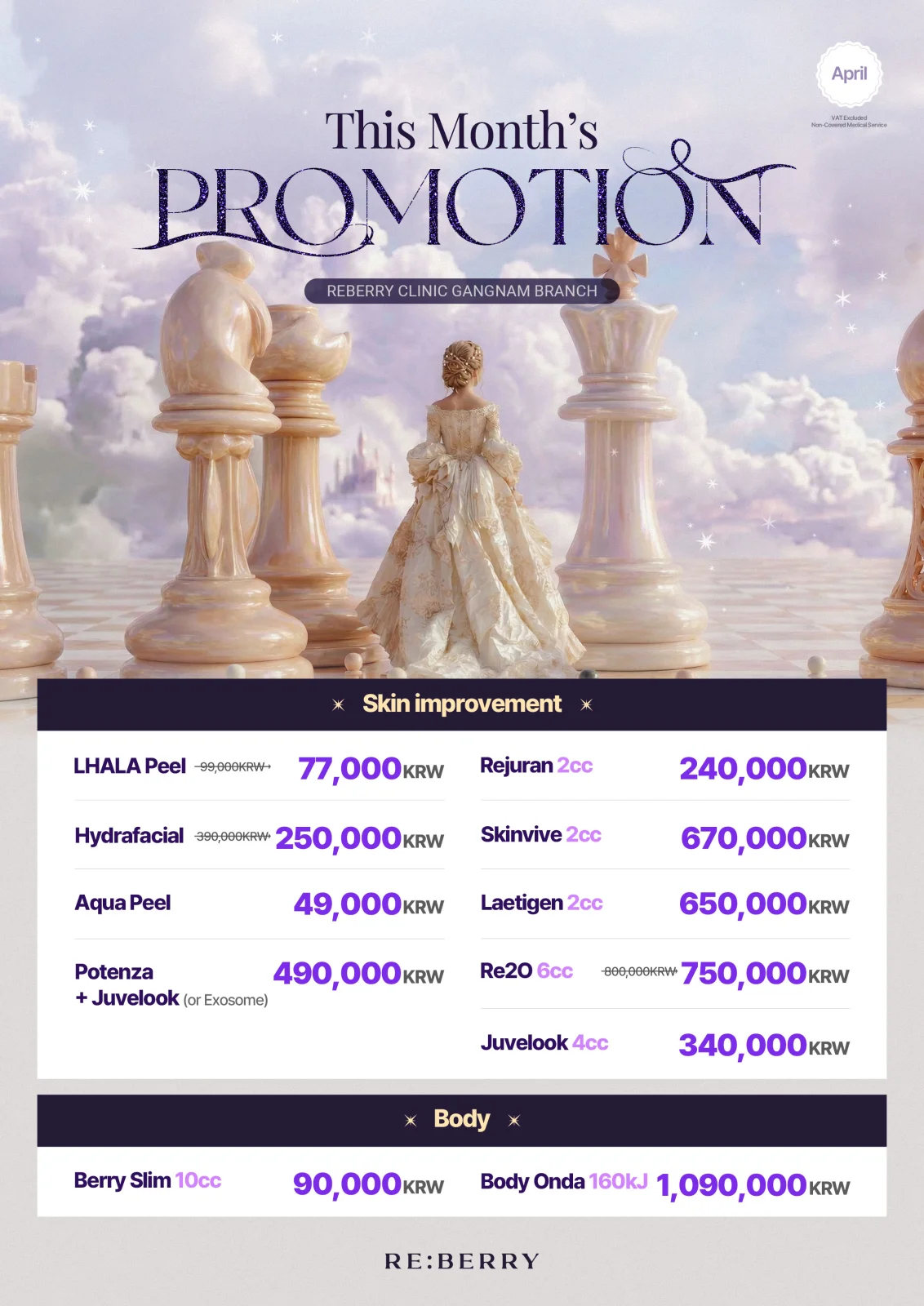
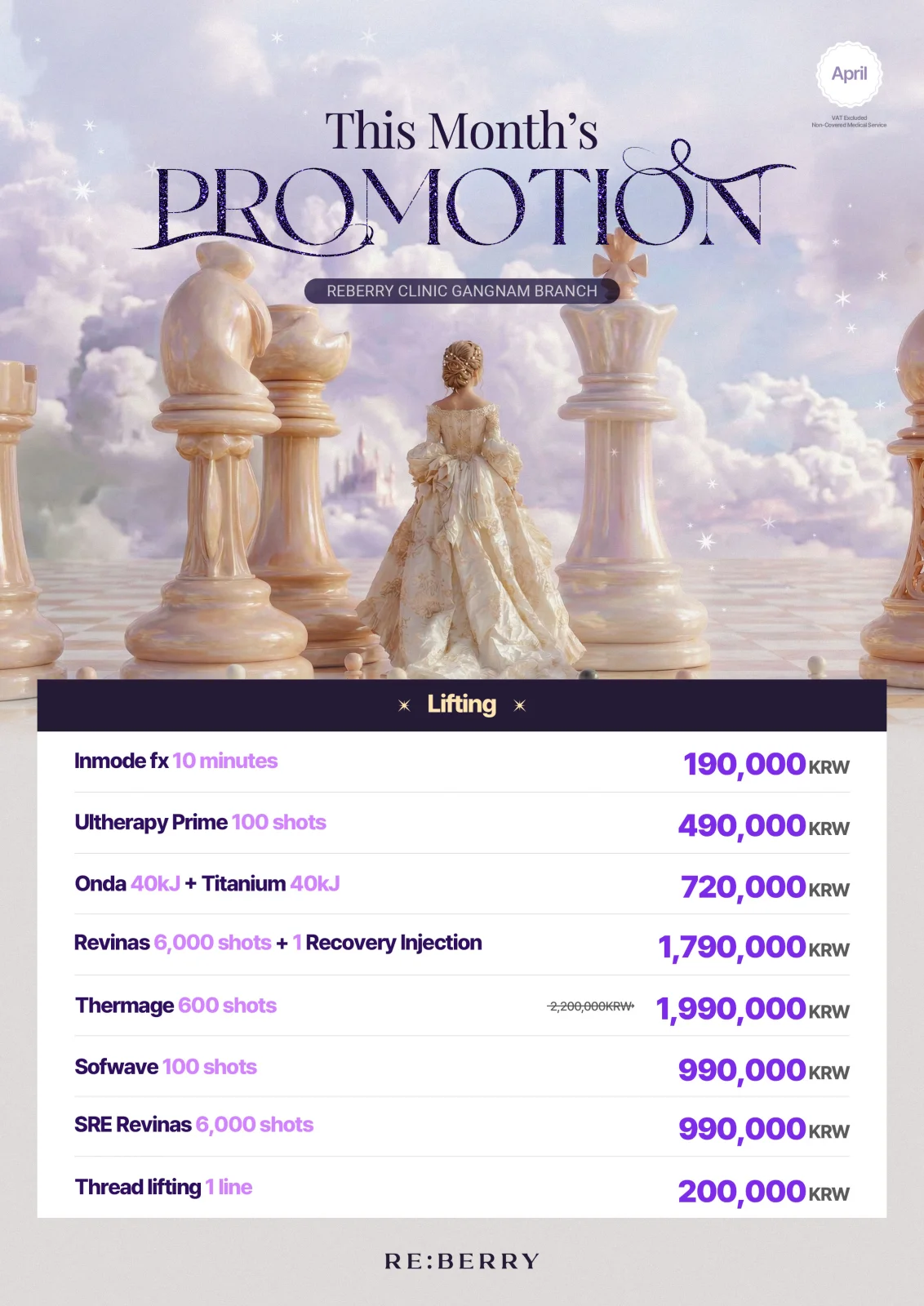
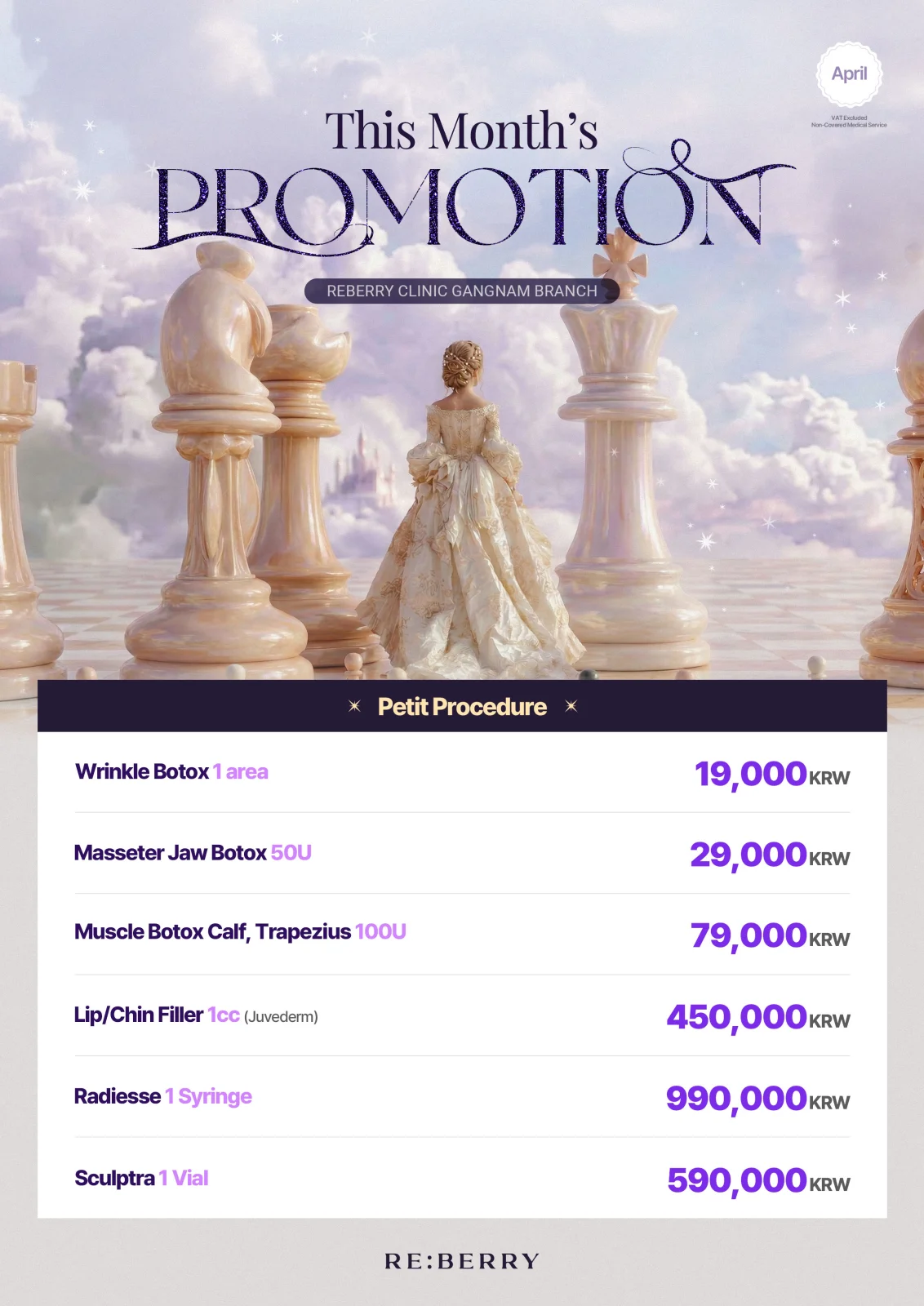
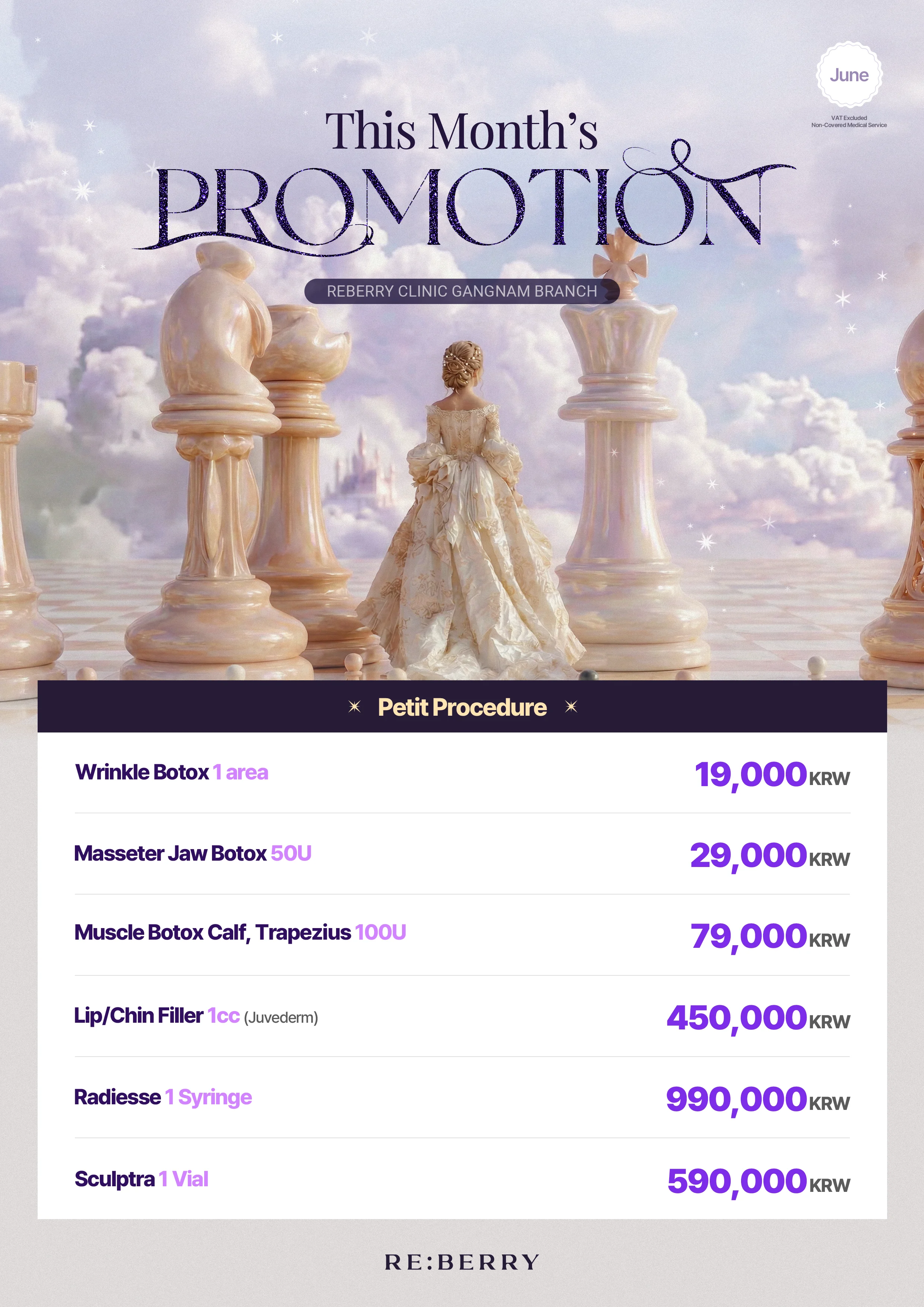
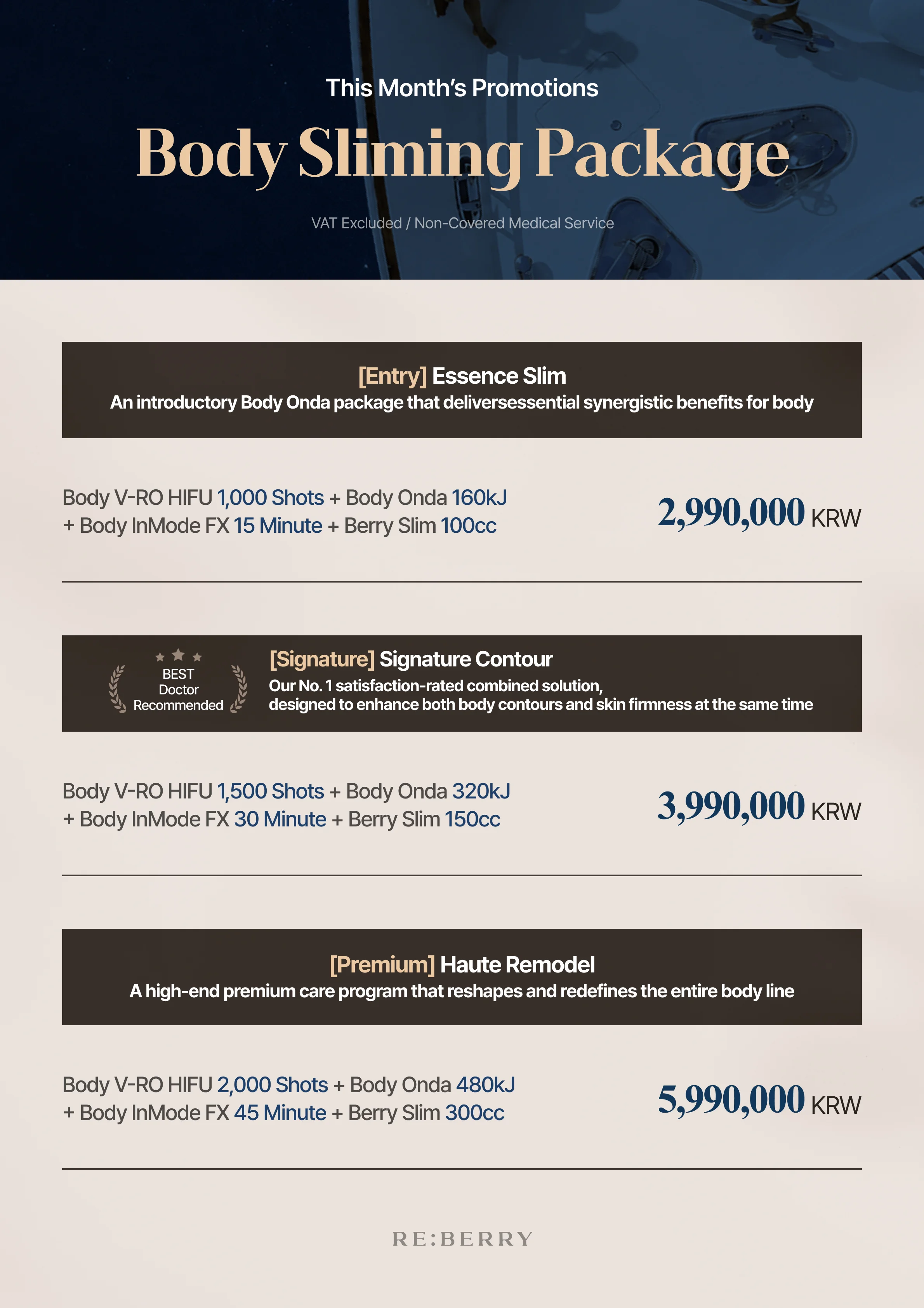
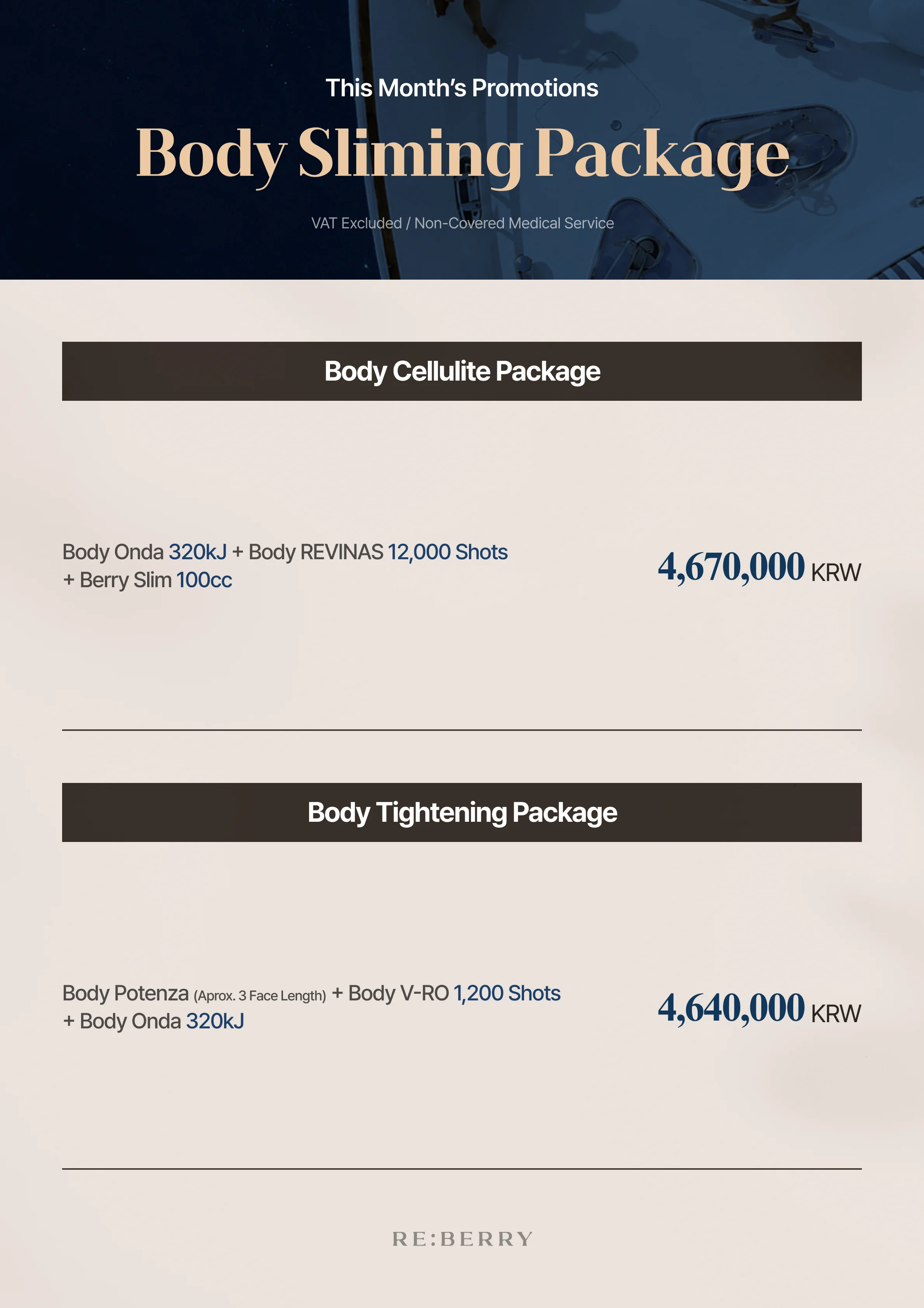
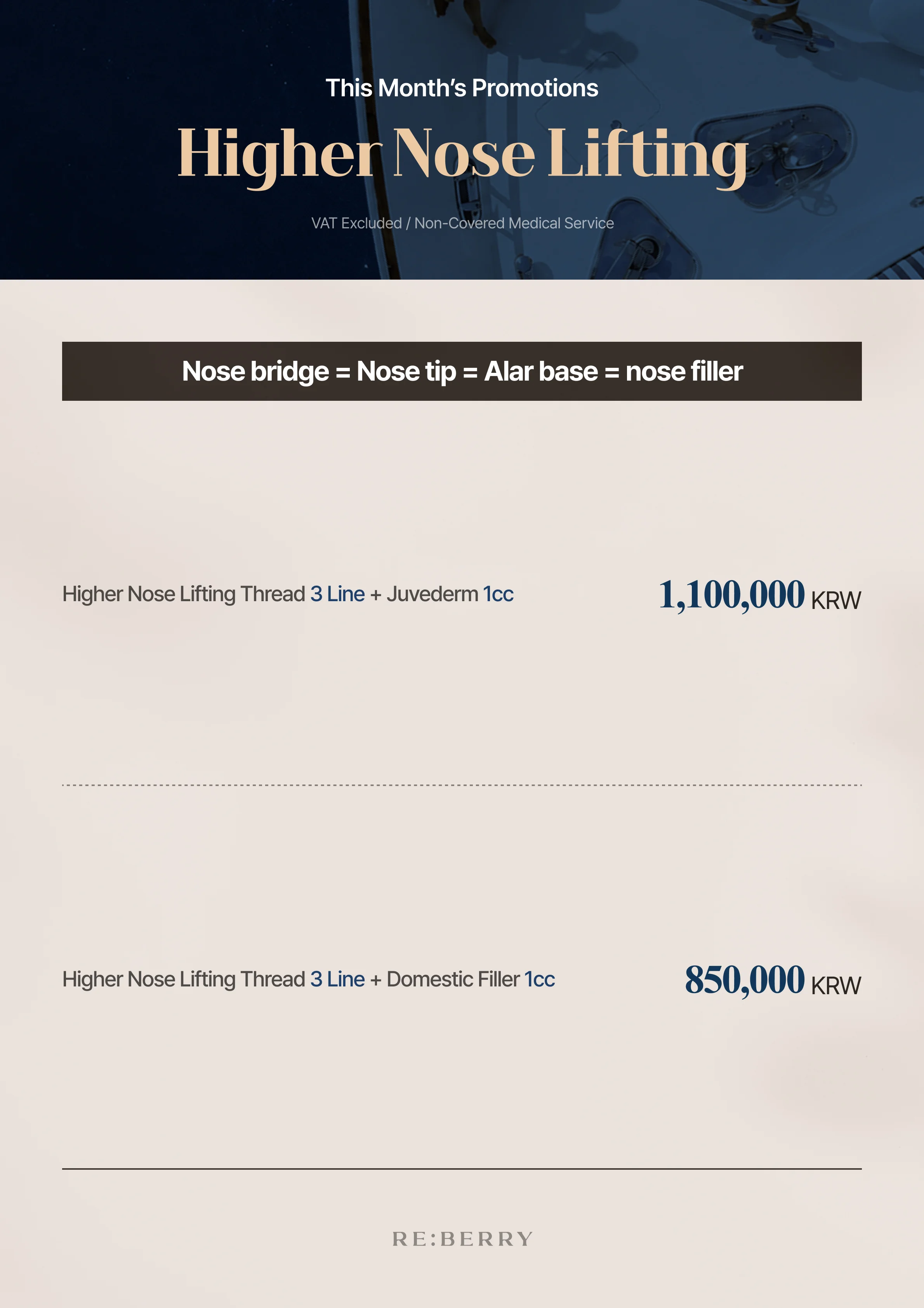
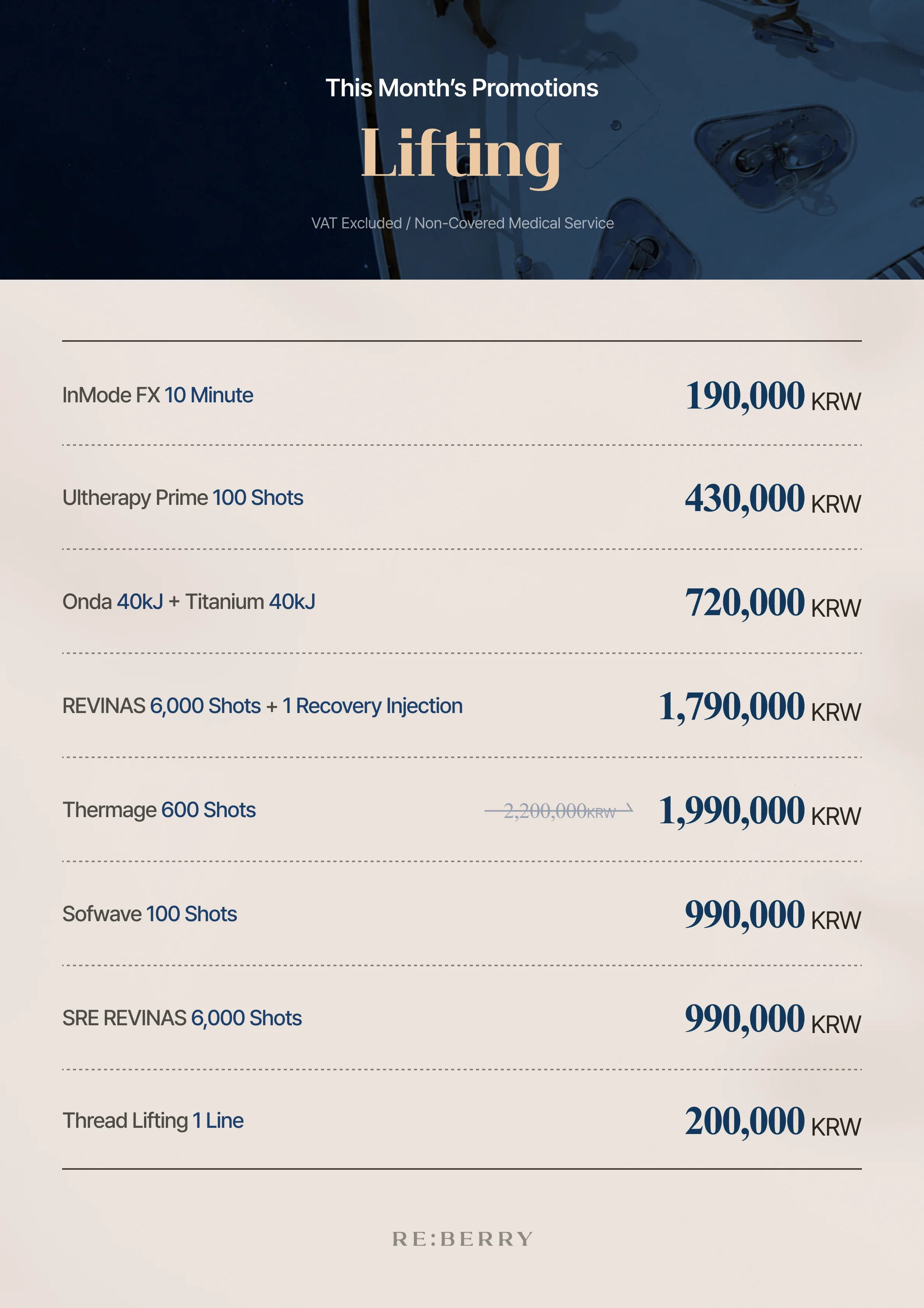
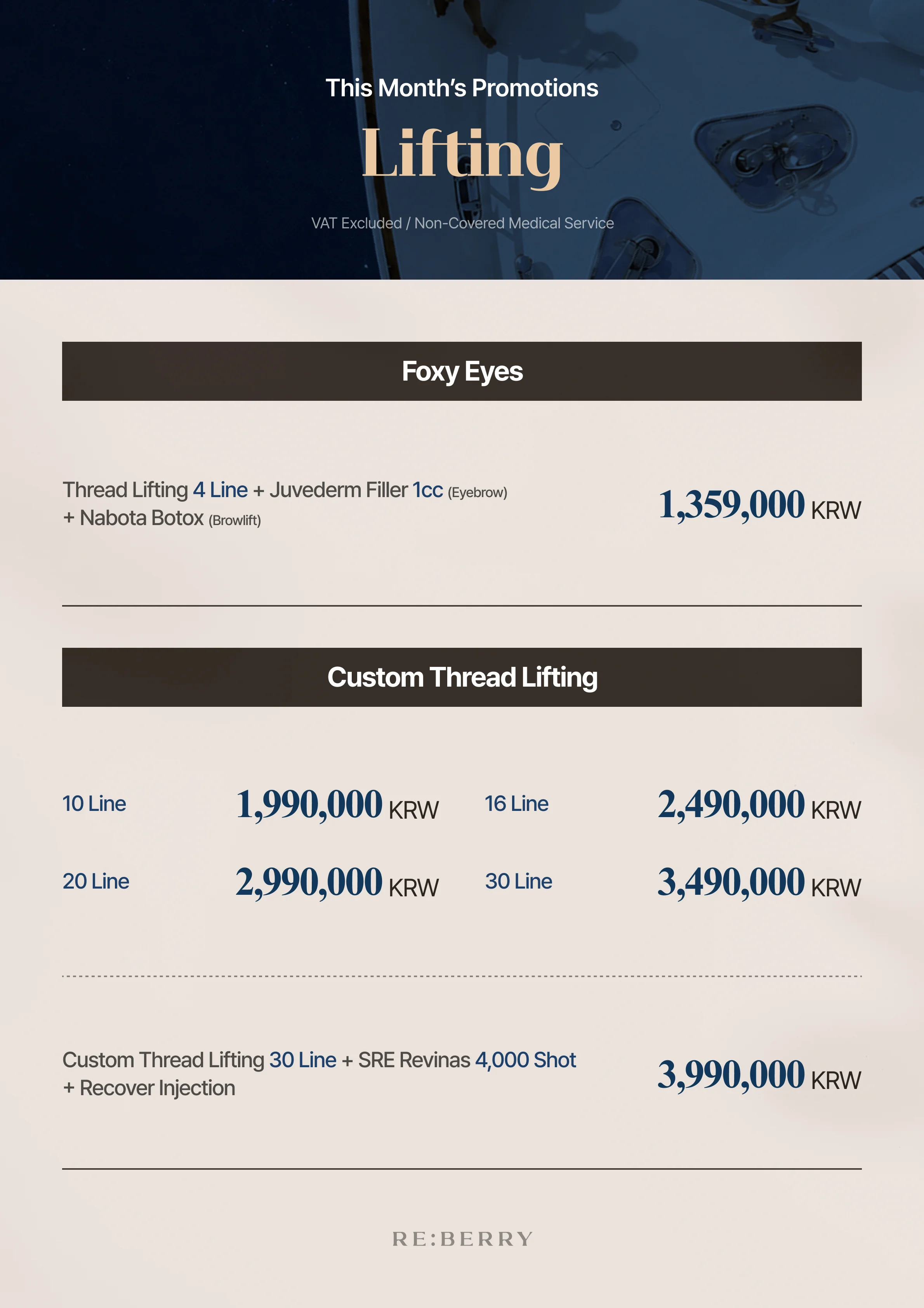
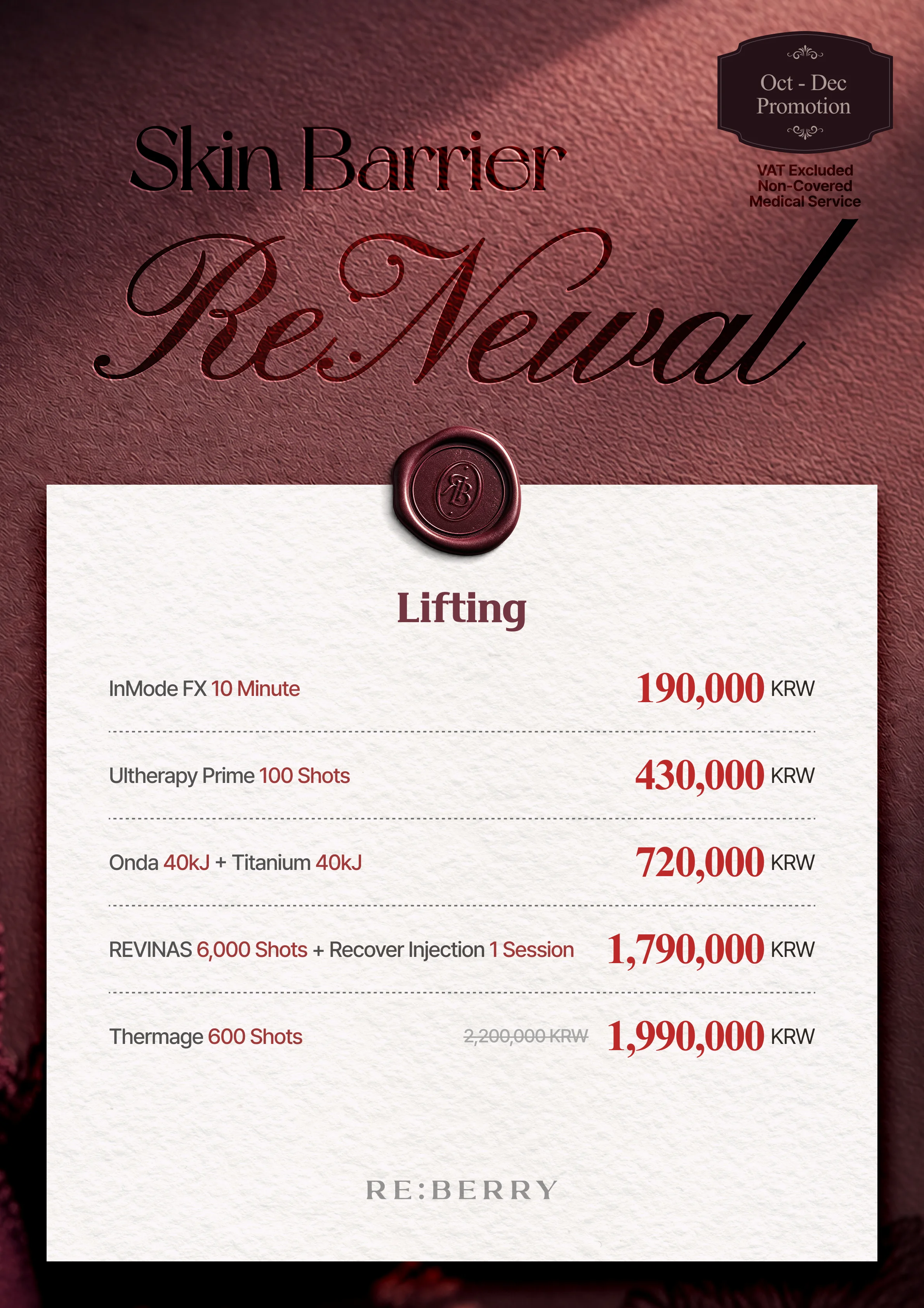
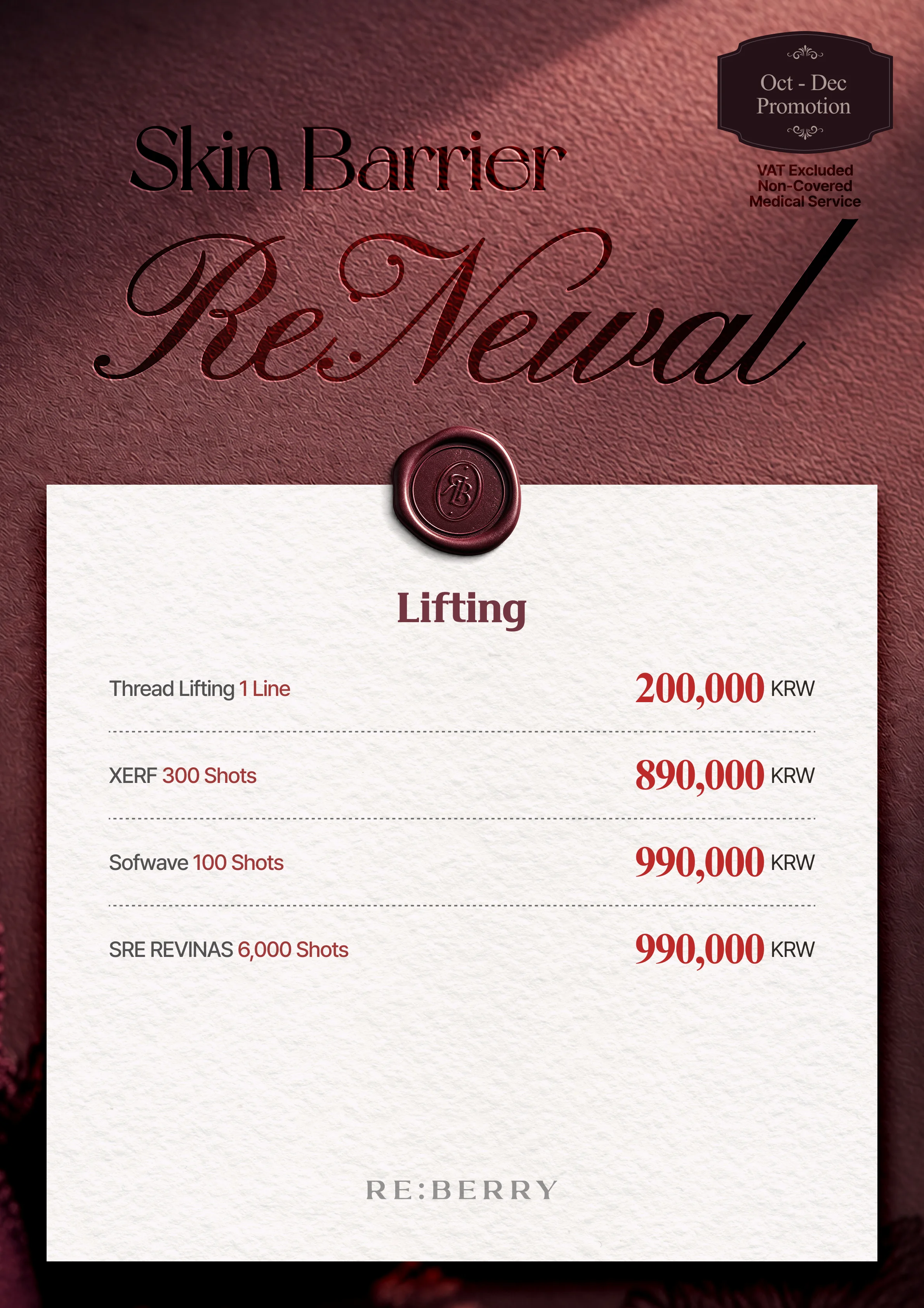
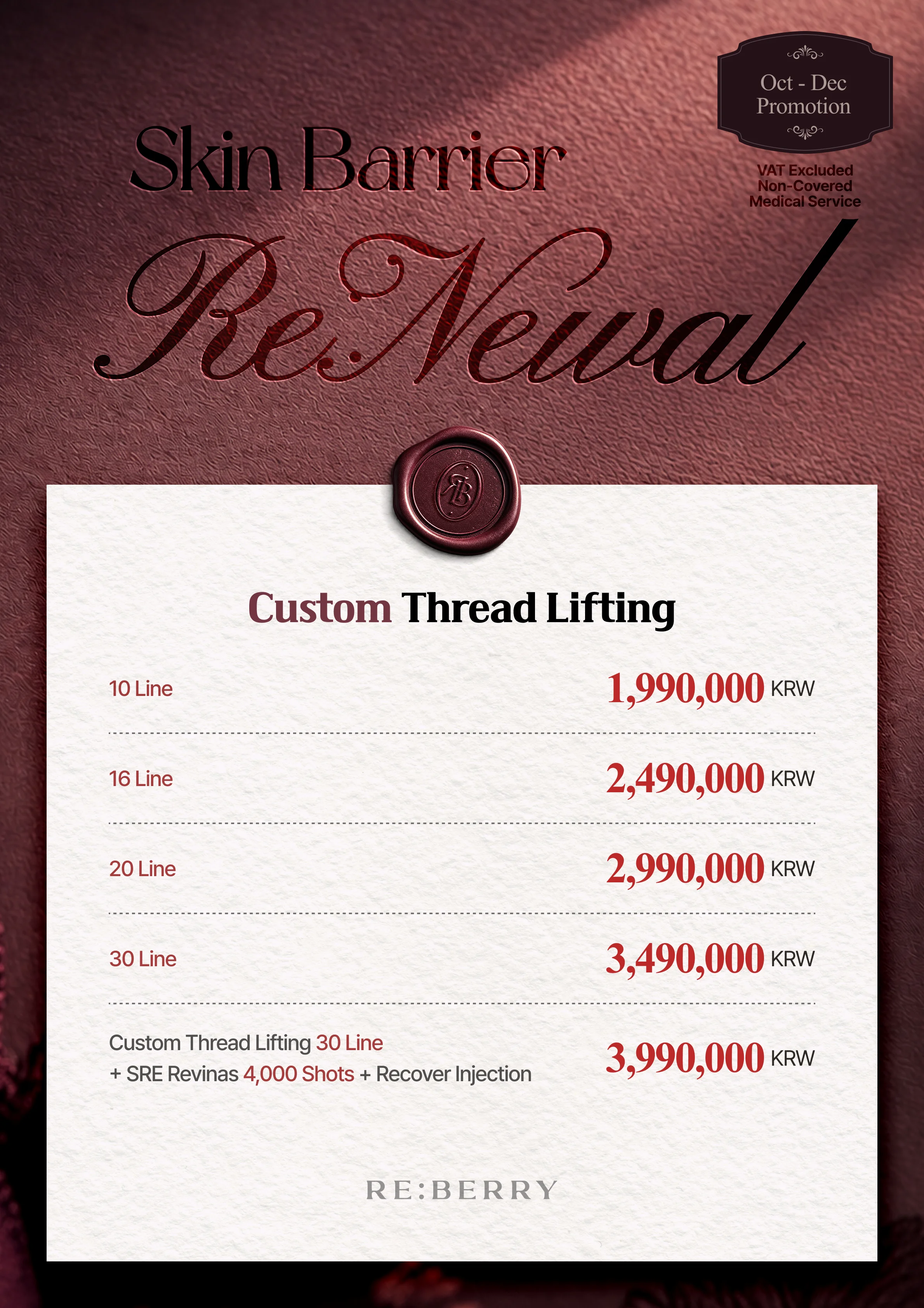
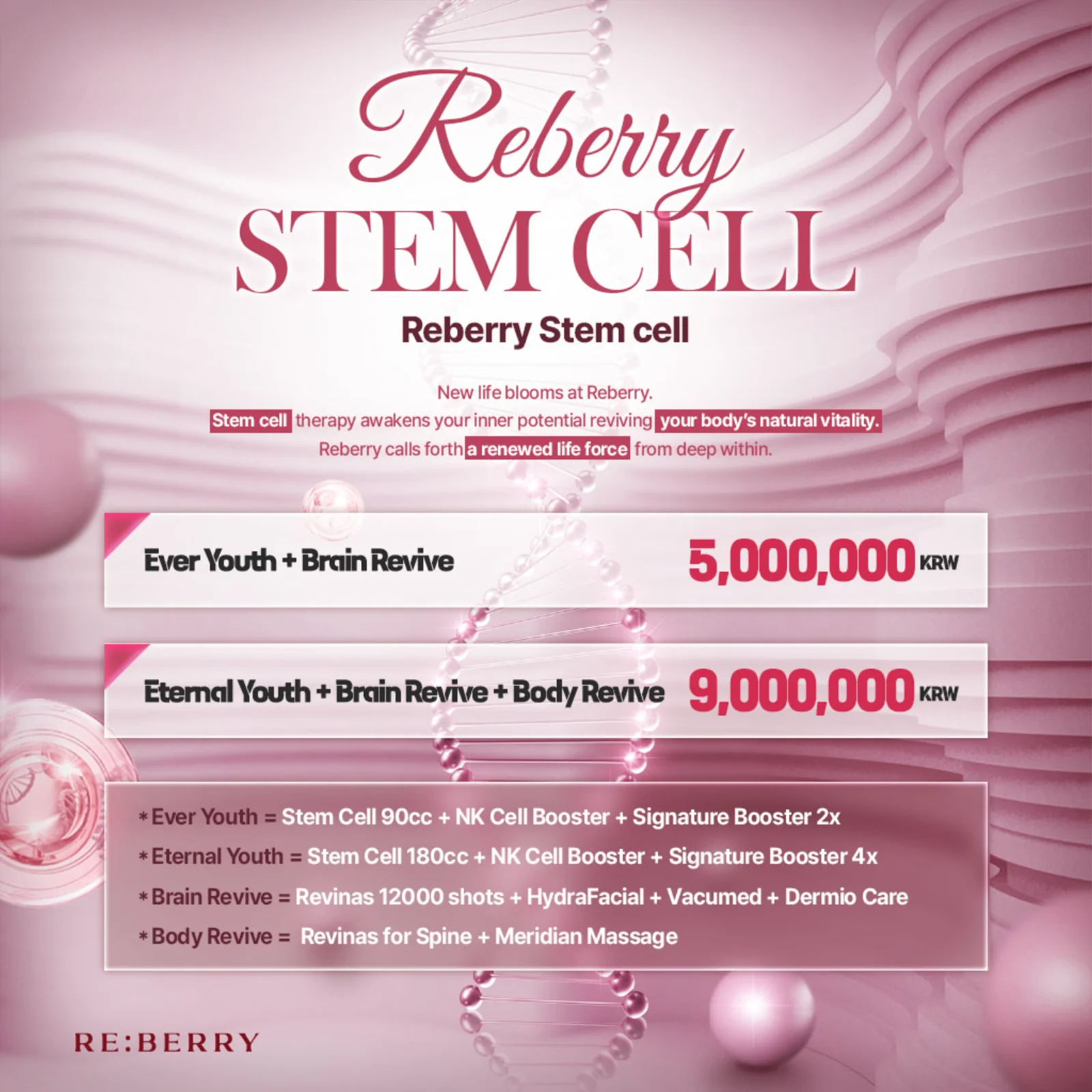
Published IPL Prices in Gangnam (VAT Excluded)
Your Medical Director
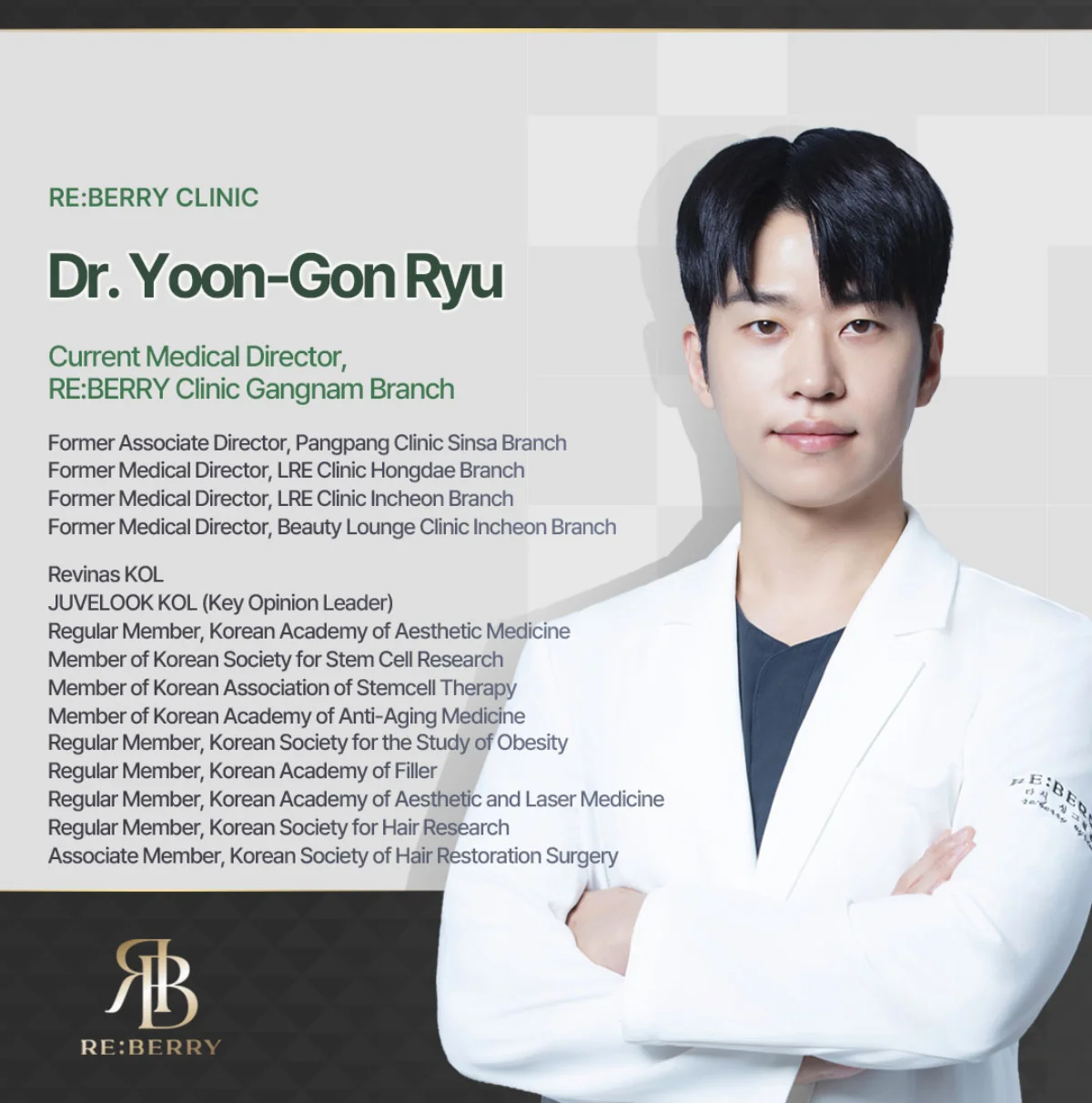
Dr. Yoon-Gon Ryu
- Medical Director, RE:BERRY Aesthetic Clinic Gangnam — Korean MOHW Medical License No.131644
- Manufacturer-appointed KOL invited to teach injection and energy-device technique to Korean peers
- Regular Member, Korean Academy of Aesthetic Medicine
- Co-manages every case with Dr. Yejin Oh (Korean MOHW Medical License No.144238)
- Featured in Authority Magazine (2026)
Medically reviewed by Dr. Yoon-Gon Ryu, CEO / Medical Director, RE:BERRY
A Fourteen-Thousand-Square-Foot Hush Above Gangnam-daero
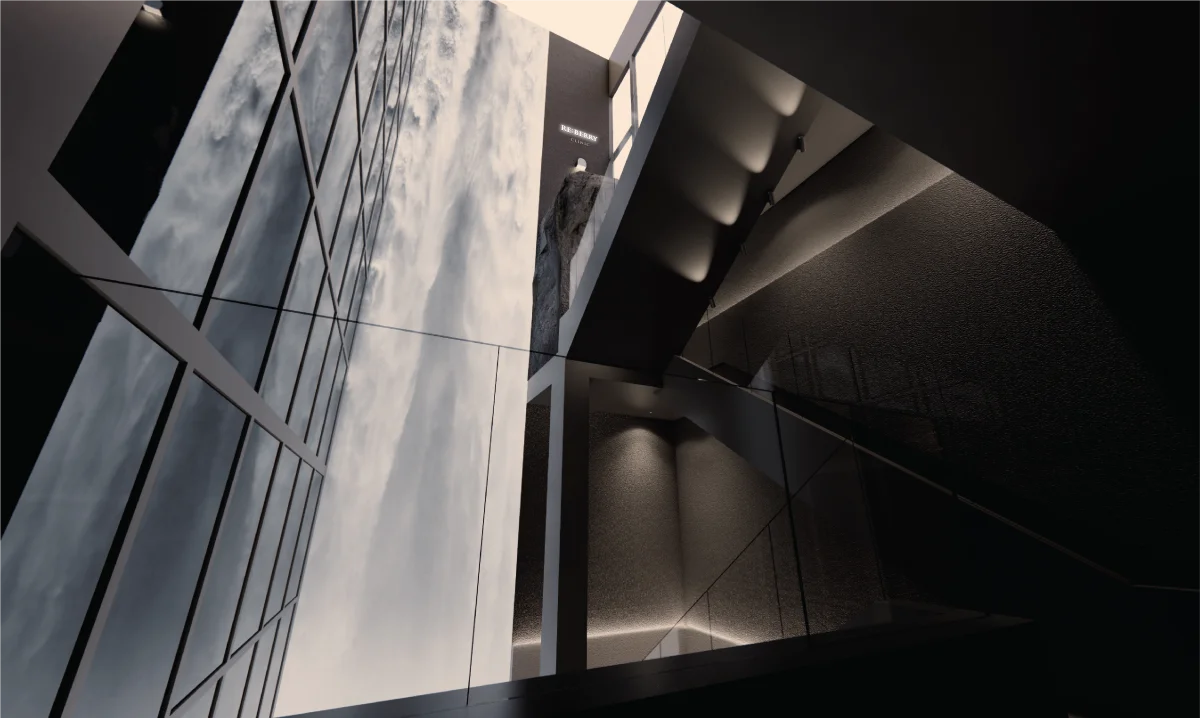
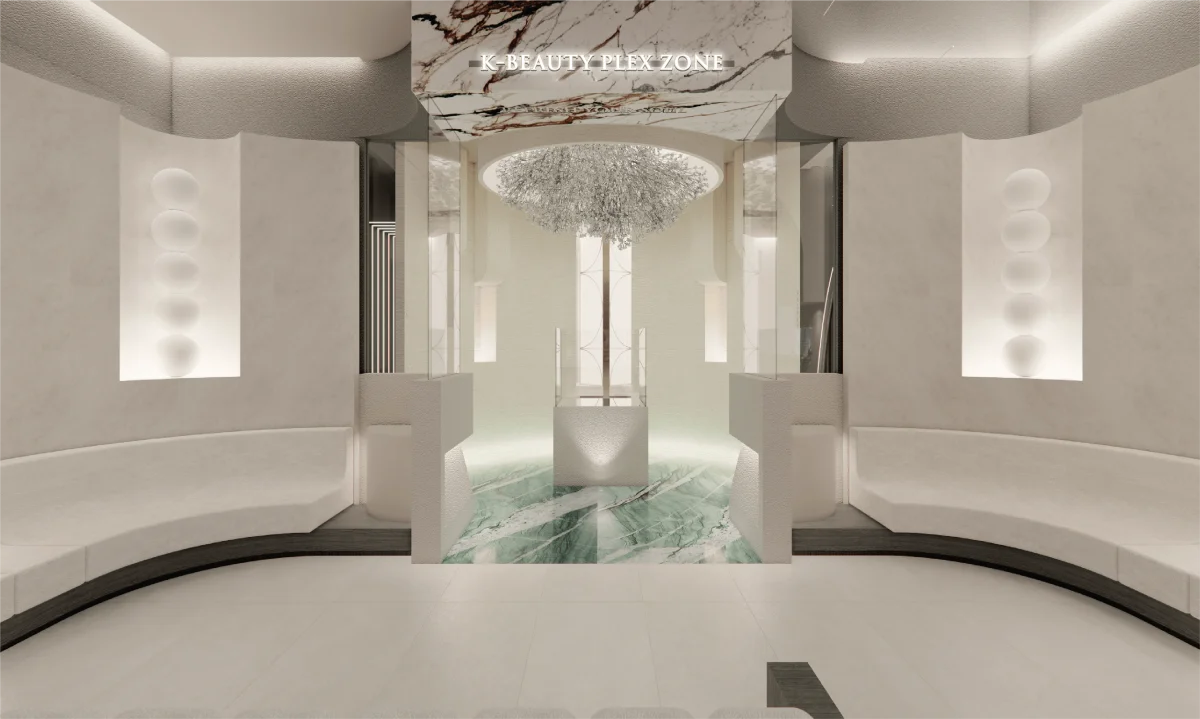
Step past the black gallery facade and the bustle of Gangnam-daero falls away. Fourteen thousand square feet of hushed corridors, marble installations, a cascading water feature and fully enclosed consultation suites — arranged so you rarely cross paths with another guest, because our appointment-first diary keeps every hour deliberately underbooked.
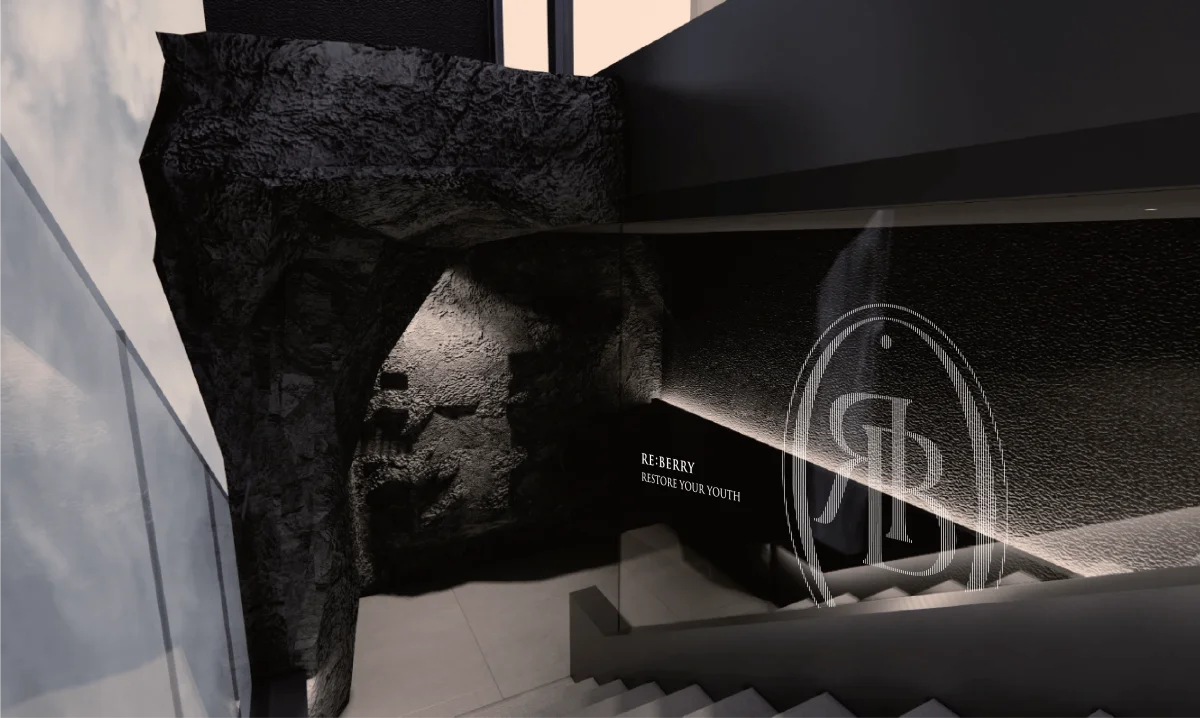
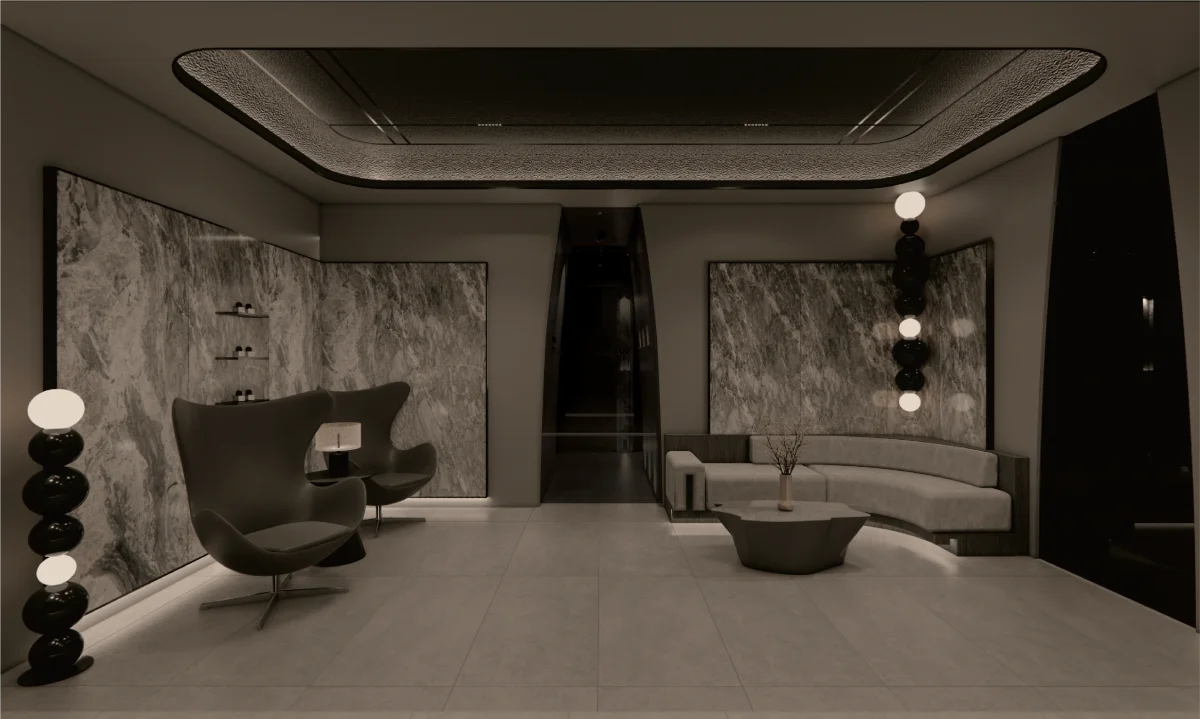

(1,322 m²)
Suites
KI Tower, Gangnam-daero
Station Exit 10
How IPL Actually Works: the Science for Beginners
Start with the idea every light treatment is built on. In 1983 Anderson and Parrish described selective photothermolysis: pick a light and a pulse length that a specific target absorbs strongly, and that target heats up and breaks down faster than the skin around it can carry the heat away. A laser applies this to one exact wavelength and one target. IPL applies the same principle to a whole band of light at once, then leans on filters to weight that band toward brown pigment or toward the red inside blood vessels. That single difference is the entire reason a single IPL handpiece can be aimed at two different problems by changing a filter.
Anderson RR, Parrish JA. Selective photothermolysis: precise microsurgery by selective absorption of pulsed radiation. Science. 1983;220(4596):524-527. doi:10.1126/science.6836297
Because IPL aims at pigment and vessels and leaves the surface layer intact, it is a resurfacing-free treatment, and that shapes what a beginner should expect. Reviews of the picosecond and Q-switched pigment lasers help place IPL in context: those lasers exist precisely because some marks — a dense, deep, sharply outlined spot — need a single-wavelength beam delivered in a very short pulse to shatter the pigment cleanly. IPL is the broader, gentler cousin, and knowing where its reach ends is part of choosing it well.
Torbeck RL, Schilling L, Khorasani H, Dover JS, Arndt KA, Saedi N. Evolution of the picosecond laser: a review of literature. Dermatol Surg. 2019;45(2):183-194. doi:10.1097/DSS.0000000000001697
Lee MC, Lin YF, Hu S, et al. A split-face study: comparison of picosecond alexandrite laser and Q-switched Nd:YAG laser in the treatment of melasma in Asians. Lasers Med Sci. 2018;33(8):1733-1738. doi:10.1007/s10103-018-2529-2
One caution runs through all of this, and it is the reason for the screening at consultation. Reactive, pigment-prone skin can respond to broadband or high-energy light with the opposite of what you wanted — rebound darkening, or post-inflammatory pigmentation. The hyperpigmentation literature makes the same point from the other direction: procedures work best when they are embedded in a routine of steady photoprotection and topical care. So the aftercare RE:BERRY hands you — SPF 50+ through the day, retinoids paused, the skin barrier kept calm — is not an afterthought. It is drawn straight from the evidence, and skipping it is the fastest way to undo a good session.
Sarkar R, Arsiwala S, Dubey N, et al. Cosmeceuticals for hyperpigmentation: what is available? J Cutan Aesthet Surg. 2013;6(1):4-11. doi:10.4103/0974-2077.110089
Active acne is the other common reason a first IPL is postponed. Broadband light over inflamed, broken skin can aggravate it, and the standard guidance on managing acne treats the inflammatory phase on its own terms before cosmetic light work is layered on. The physician checks for this at consultation, and if breakouts are active, IPL is scheduled for a calmer stretch of skin instead.
Zaenglein AL, Pathy AL, Schlosser BJ, et al. Guidelines of care for the management of acne vulgaris. J Am Acad Dermatol. 2016;74(5):945-973. doi:10.1016/j.jaad.2015.12.037
Beginner Questions About IPL Laser in Gangnam
Is IPL actually a laser?
It is not, even though the search term "IPL laser" is everywhere. IPL stands for intense pulsed light. A laser produces one pure wavelength; IPL fires a broad range at once, roughly 515 to 1200 nanometers, and the physician uses filters to point that range at your target. The practical upshot for a beginner: IPL is the broad, gentle tool for a mix of everyday concerns, and a true laser is the precise tool for one specific mark.
What does IPL treat, in plain terms?
Scattered sun spots and age spots, a dull or uneven overall tone, and background redness — diffuse flushing, fine broken capillaries, and the redness that comes with rosacea. Post-inflammatory marks left behind by old blemishes can lighten too. IPL is at its best when several of these sit on the same face, which is exactly the situation most first-timers walk in with.
I'm new to all of this — is IPL a good first treatment?
For most people with general pigment and redness, yes. The InMode FX pass is brief, the sapphire tip keeps it cool, and there is no open wound to nurse afterward, so it is a gentle way to see how your skin responds before anything stronger is considered. The physician confirms it fits your specific pattern at the consultation, never assuming it.
What will my first session actually feel like?
Each flash is a quick warm snap, often compared to a light rubber-band flick, and the chilled tip pressed to your skin just before it takes the edge off. A full face is around eighty to a hundred flashes and the light itself runs ten to twenty minutes. The physician adjusts the energy to your feedback as they go, so nothing is pushed harder than your skin is telling them it can take.
Why does my skin darken right after IPL — did something go wrong?
Nothing went wrong. That darkening, sometimes called frosting or coffee-ground specks, is the visible sign that pigment absorbed the light, and it is exactly what should happen. Within three to five days those specks dry out and flake off with normal washing. The single most important rule is to leave them alone: no picking, no scrubbing.
How much downtime is there, and can I travel afterward?
Very little. The warmth and pinkness settle within two to four hours, so same-day travel and normal activities are fine. The only visible stage is the fine flaking over days three to five, which light makeup covers. On a short Seoul trip, most first-timers book the session early so the flaking is mostly done before the flight home.
How many sessions does a beginner usually need?
A combined pigment-and-redness plan is generally three to five sessions, spaced about four weeks apart. A few isolated spots may clear in fewer; deeper or more widespread concerns need the full course. The physician sets your number after seeing the Mark-Vu images, and adjusts the spacing to how your skin recovers between visits.
Is IPL safe for my skin tone?
Skin tone is the first thing the physician settles, because it sets the energy. Fitzpatrick type III and IV skin holds more background melanin that competes for the light, so the energy ceiling is deliberately lowered to avoid triggering post-inflammatory darkening. Very deep or freshly tanned skin may be steered to a toning laser instead. IPL is not run at one fixed setting for everyone.
Can IPL handle my melasma?
Usually not as a starting point. Melasma is reactive and can rebound darker after broadband or high-energy light, so the physician screens for it during Mark-Vu imaging and generally directs melasma toward a controlled toning course. If it shows up in your images, it changes the whole plan and is ruled in or out before any light is fired.
What about one dark spot or a tattoo — will IPL clear it?
A single deep, sharply outlined spot and any tattoo ink call for a focused laser instead of IPL. Broadband light spreads its energy across a wide target and is less precise on one defined mark. The physician will tell you plainly when your concern needs a laser instead, which is part of why the imaging step comes first.
How strict is the aftercare?
Strict enough to treat as part of the result. Reapply SPF 50+ through the day for several weeks, skip retinoids and exfoliants for five to seven days, avoid saunas, alcohol, and hard workouts on the treatment day, and keep the barrier calm with a gentle ceramide cleanser. Sun exposure right after IPL is the surest way to undo the fade and provoke fresh pigment.
When will I see results, and will they stay?
Sun spots read clearer once the flecks flake and settle, so the first visible change is usually around five to ten days after a session. Redness eases more gradually across the later passes. How long the result holds depends heavily on your sun habits afterward — new exposure lays down fresh pigment, so the daily SPF matters as much as the light did.
Who should not have IPL?
IPL is generally held off during pregnancy and breastfeeding, over freshly sunburned or tanned skin, and where active acne or untreated melasma is present. Certain photosensitizing medications also mean waiting. The physician runs through all of this at the consultation and will be direct if the timing or the tool is wrong for you.
How do I book my first IPL session in Gangnam as a visitor?
Message RE:BERRY on WhatsApp with clear daylight photos of your skin and your travel dates. A coordinator replies in English as soon as possible, confirms whether IPL suits your concern, and reserves a physician slot. The clinic is appointment-first for international guests (walk-ins possible), interpreters cover five languages, and imaging plus treatment fit into a single visit near Gangnam Station.
Where is RE:BERRY Gangnam for IPL, and how do I get there from Gangnam Station?
RE:BERRY sits on levels B1-B2 of KI Tower on Gangnam-daero in Seocho-gu, a two-minute walk from Gangnam Station Exit 10 on Seoul Metro Line 2. The trip in from Incheon Airport runs around 45 to 60 minutes, on AREX with a subway change or by taxi. Being right by the station makes it easy to fit your IPL visit between Gangnam dining and shopping.
Only Authentic, Brand-Certified Equipment
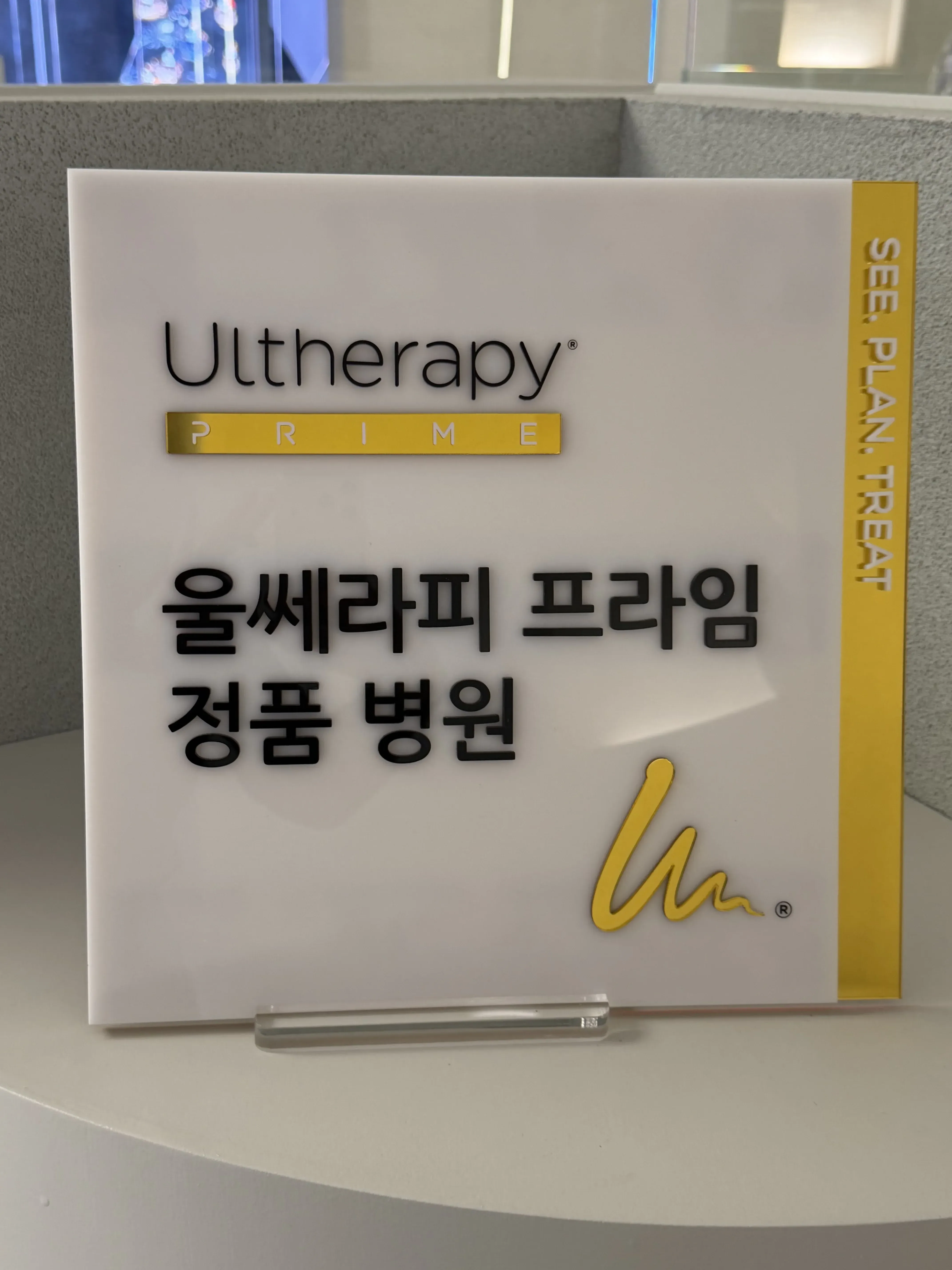
Every device at RE:BERRY is MFDS-certified and manufacturer-verified. We never use counterfeit or grey-market equipment.
Book Your First IPL Consultation in Gangnam
Send clear daylight photos of your skin and your travel dates to RE:BERRY on WhatsApp — a coordinator replies as soon as possible with physician slots and the published starting figure in writing. The physician who images your skin explains the difference between light and a laser, chooses your filter and energy, runs every flash, and reviews the fade. Nothing is booked until you say yes.
Why Tens of Thousands of Foreign Patients Are Choosing This Gangnam Clinic — Business Wire, 2026-04-13
Numbers That Tell Our Story
Cumulative across RE:BERRY clinics (Gangnam · Myeongdong · Incheon Airport).
Brand-Authenticated Equipment & Training




Our doctors are certified by Korea's top dermatological societies







Latest from Our Instagram
Real treatments, patient reactions, and behind-the-scenes from RE:BERRY.
Tap any video for sound & fullscreen
What our patients say
Real verified reviews from our Google Business Profile
I had a really nice experience at Reberry Clinic Gangnam. I received a Hydrafacial treatment, and the whole process was very comfortable. The staff were kind and explained everything clearly, and the clinic itself felt clean and relaxing. I also loved the interior — the clinic felt very clean, elegant, and luxurious, w...
I had such an amazing experience at this clinic! The clinic itself is absolutely stunning the design is beautiful, elegant, and luxurious, and the service is truly top-notch. Everything was so well organized, and I felt very comfortable from the moment I walked in.
I had a Korean filler treatment to reduce my nasolabia...
i had a good time having the Juvelook treatment!
It was my first time in Korea, all the Doctor & team are bery helpful. Dr. Ian & cheong a lee(jenny) are really helpful.
I understand more about my skin.
The clinic is calm, welcoming.
there are many activities i didn’t expect to find in a beauty clinic; phot...
So happy to found the beauty clinic in Korea that very inclusive and Muslim friendly. They have a prayer space for muslim and they prepare a female doctor for me. The clinic is so comfortable with aesthetic design make me feel relaxed. The doctor and the staff are very professional and helpful so all of the procedure r...
As someone who has struggled with acne since middle school, I decided to stop here during a layover in Seoul and was amazed by the treatment.
Firstly, the environment is elegant and peaceful. Feels very luxurious and the treatment from staff was as such as well. Speaking of staff, they were extremely professional, car...
Book Your Personalized Consultation
Share your details and our multilingual team will contact you as soon as possible through your preferred messenger.
- ✓ Free online skin consultation with a doctor
- ✓ Personalized treatment plan & pricing
- ✓ 5-language support (EN/ZH-CN/ZH-TW/JA/ES)
- ✓ Response as soon as possible via your preferred messenger
Science IPL intense pulsed light for pigment and redness: peer-reviewed references
IPL sits on the same foundation as clinical lasers, selective photothermolysis, set out by Anderson and Parrish (1983): a target absorbs light and heats faster than it can shed that heat, so a well-timed pulse breaks down the target and spares the skin around it. Where IPL differs is delivery — a broad band of wavelengths biased by filters toward melanin or hemoglobin, rather than one beam. Understanding where a broad tool ends and a precise one begins is helped by the picosecond-laser literature (Torbeck 2019; Lee 2017), which explains why dense or defined pigment is redirected to a focused laser. On the safety side, the melasma and hyperpigmentation evidence (Sarkar 2013) underscores photoprotective, barrier-focused aftercare, and standard acne guidance (Zaenglein 2016) is why active breakouts postpone a first session.
- Anderson RR, Parrish JA. Selective photothermolysis: precise microsurgery by selective absorption of pulsed radiation. Science. 1983;220(4596):524-527. doi:10.1126/science.6836297
- Torbeck RL, Schilling L, Khorasani H, Dover JS, Arndt KA, Saedi N. Evolution of the picosecond laser: a review of literature. Dermatol Surg. 2019;45(2):183-194. doi:10.1097/DSS.0000000000001697
- Lee MC, Lin YF, Hu S, et al. A split-face study: comparison of picosecond alexandrite laser and Q-switched Nd:YAG laser in the treatment of melasma in Asians. Lasers Med Sci. 2018;33(8):1733-1738. doi:10.1007/s10103-018-2529-2
- Sarkar R, Arsiwala S, Dubey N, et al. Cosmeceuticals for hyperpigmentation: what is available? J Cutan Aesthet Surg. 2013;6(1):4-11. doi:10.4103/0974-2077.110089
- Zaenglein AL, Pathy AL, Schlosser BJ, et al. Guidelines of care for the management of acne vulgaris. J Am Acad Dermatol. 2016;74(5):945-973. doi:10.1016/j.jaad.2015.12.037
These references shape how a first IPL is run at RE:BERRY's Gangnam aesthetic clinic: Fitzpatrick typing and Mark-Vu imaging before any light is fired, filter and energy chosen for the dominant target with a lowered ceiling on deeper skin, dense or defined pigment redirected to a focused laser, active acne and melasma screened out or staged, and photoprotective barrier aftercare built into the plan. This information is for educational purposes only and is not medical advice.
How to Find RE:BERRY Gangnam
2 minutes from Gangnam Station Exit 10. B1–B2, KI Tower — the building with the all-black entrance you can't miss.
RE:BERRY Clinic Gangnam
B1–B2, KI Tower, 69-gil 8, Gangnam-daero, Seocho-gu, Seoul
서울시 서초구 강남대로69길 8, 지하1·2층 (KI타워)
Also available at: Myeongdong · Incheon Airport