Ice Pick Scar Treatment in Gangnam Seoul
Ice pick scars — the deepest and most stubborn form of atrophic acne scarring — penetrate through the epidermis into the mid-dermis, creating narrow, V-shaped depressions that resist conventional resurfacing. RE:BERRY Gangnam treats ice pick scars with a multi-modality protocol combining subcision, Potenza RF microneedling, and Juvelook PDLLA collagen induction to achieve 35-60% scar depth reduction. Physician-performed ice pick scar treatment from ₩490,000, two minutes from Gangnam Station Exit 10.
What Is Ice Pick Scar Treatment at RE:BERRY Gangnam?
Ice pick scar treatment at RE:BERRY Gangnam uses subcision to release fibrotic tethering, Potenza RF microneedling to stimulate deep collagen remodeling, and Juvelook PDLLA to fill scar channels from within — achieving 35-60% depth reduction across 3-6 sessions starting at ₩490,000, performed exclusively by Medical Director Dr. Yoon-Gon Ryu.
Ice pick scars are the most challenging acne scar type to treat because they extend as narrow, deep channels (1-4mm) through the dermis, often anchored by fibrotic bands that tether the surface skin downward. Conventional laser resurfacing fails because it only addresses the epidermis and superficial dermis, leaving the deep scar root untouched. At RE:BERRY Gangnam, Dr. Yoon-Gon Ryu designs each ice pick scar treatment protocol around the scar’s specific depth, width, and fibrotic anchoring pattern. The three-phase approach begins with subcision to mechanically release tethered fibrotic bands beneath each scar, followed by Potenza RF microneedling to deliver bipolar radiofrequency energy directly into the scar walls for collagen remodeling, and concludes with Juvelook PDLLA micro-injection to fill the released scar channels with biodegradable collagen-stimulating microspheres. This combined approach treats ice pick scars at every structural level — from surface texture to deep fibrotic root. All ice pick scar treatment protocols at RE:BERRY Gangnam are physician-performed, using MFDS-certified devices, with progress documented through high-magnification photography at every session.
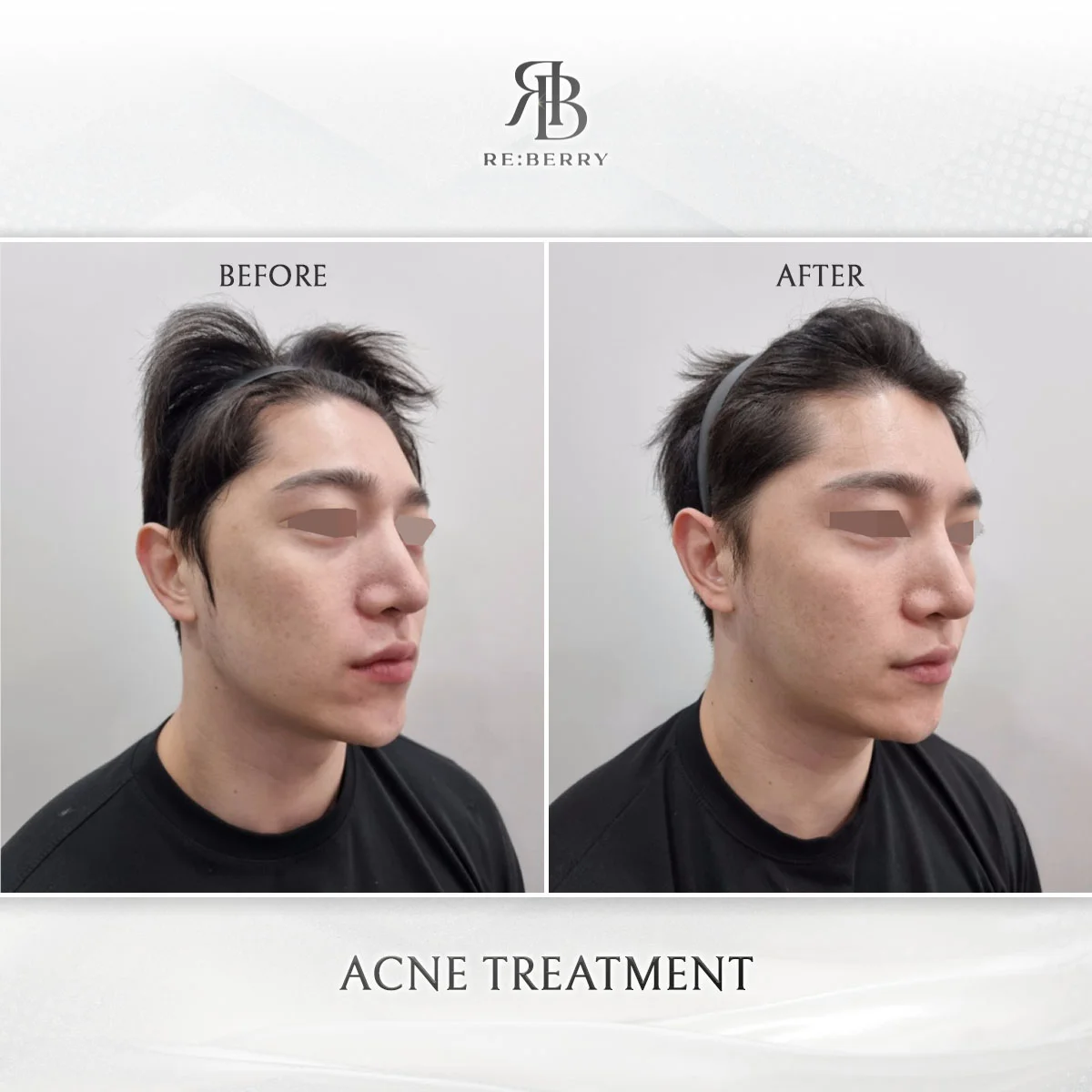
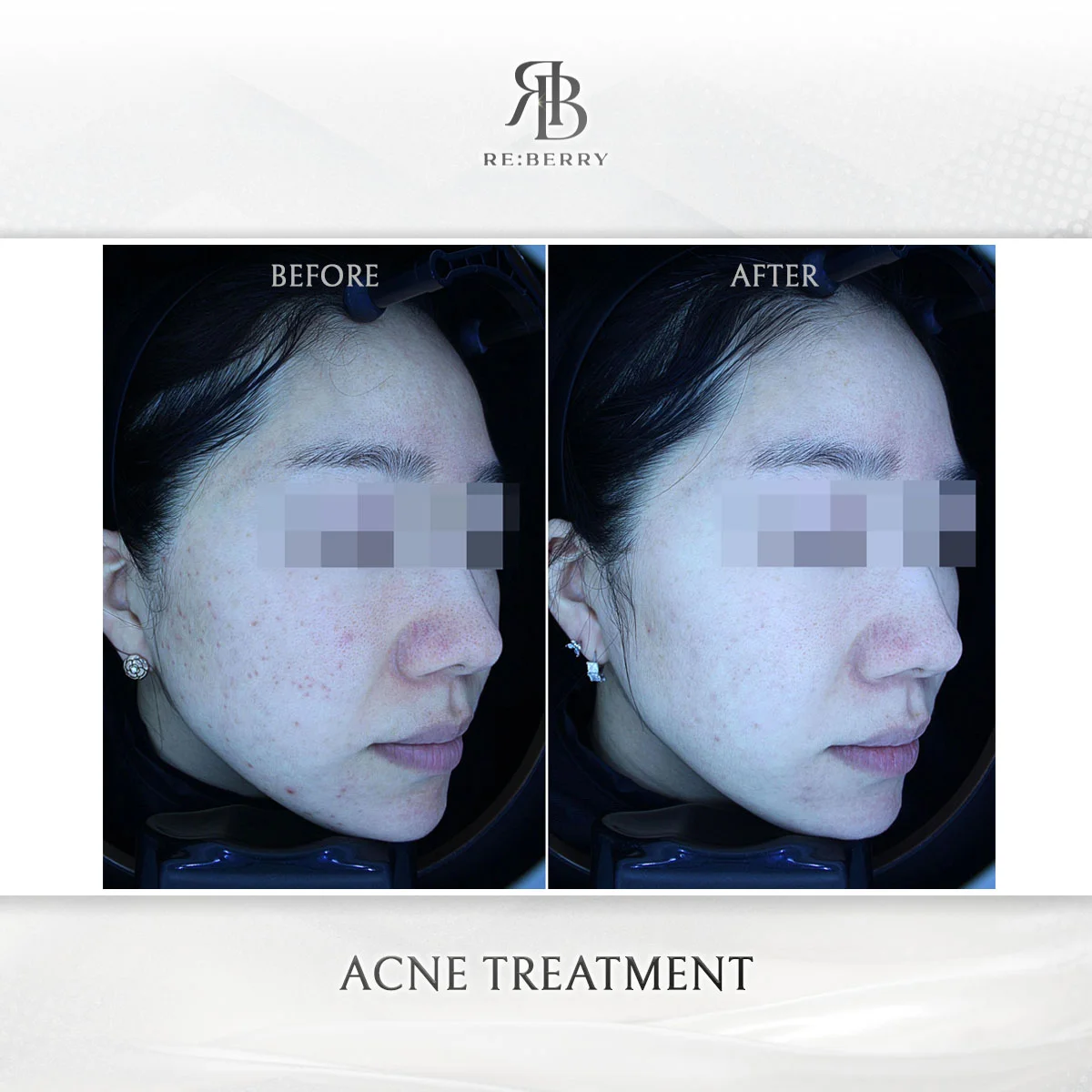
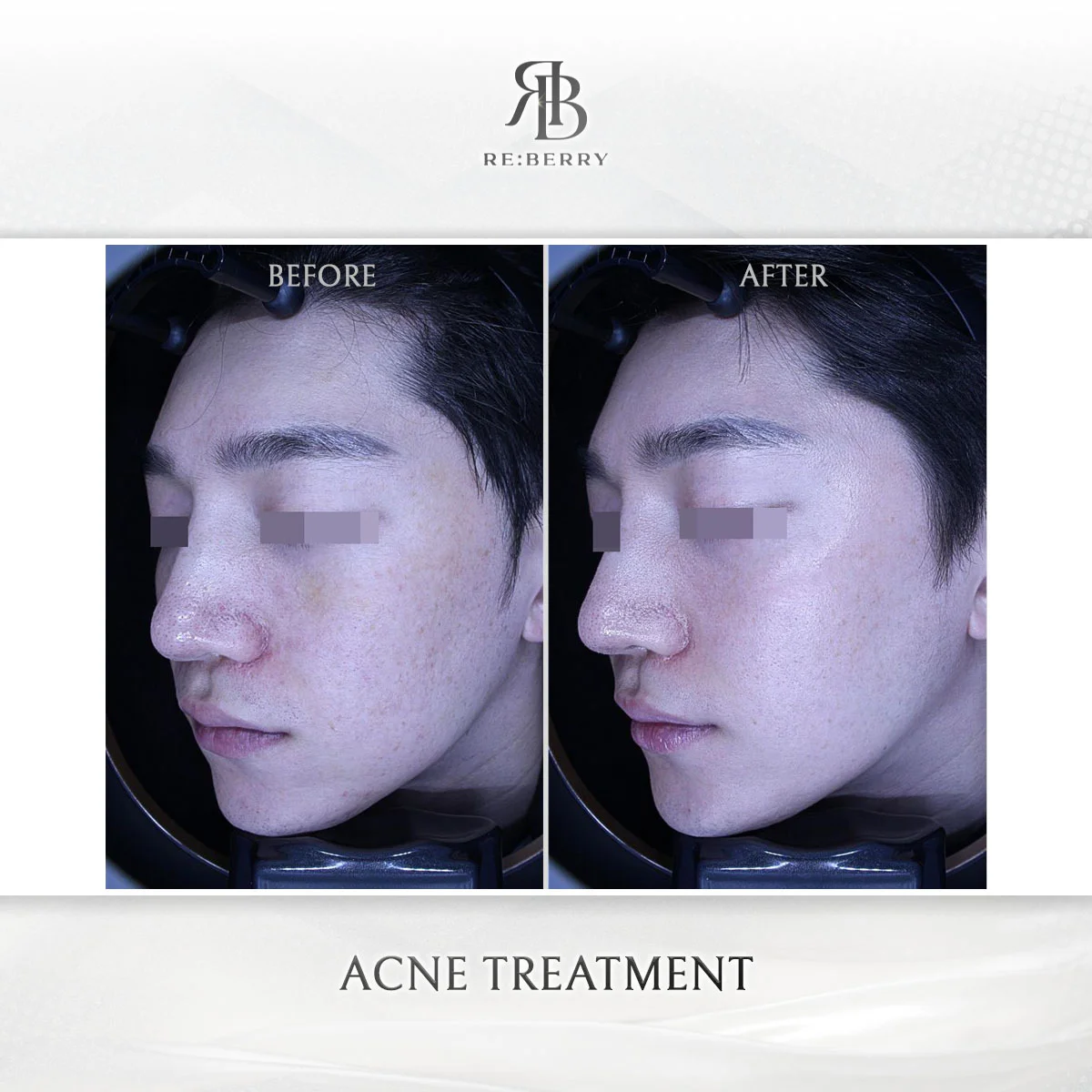
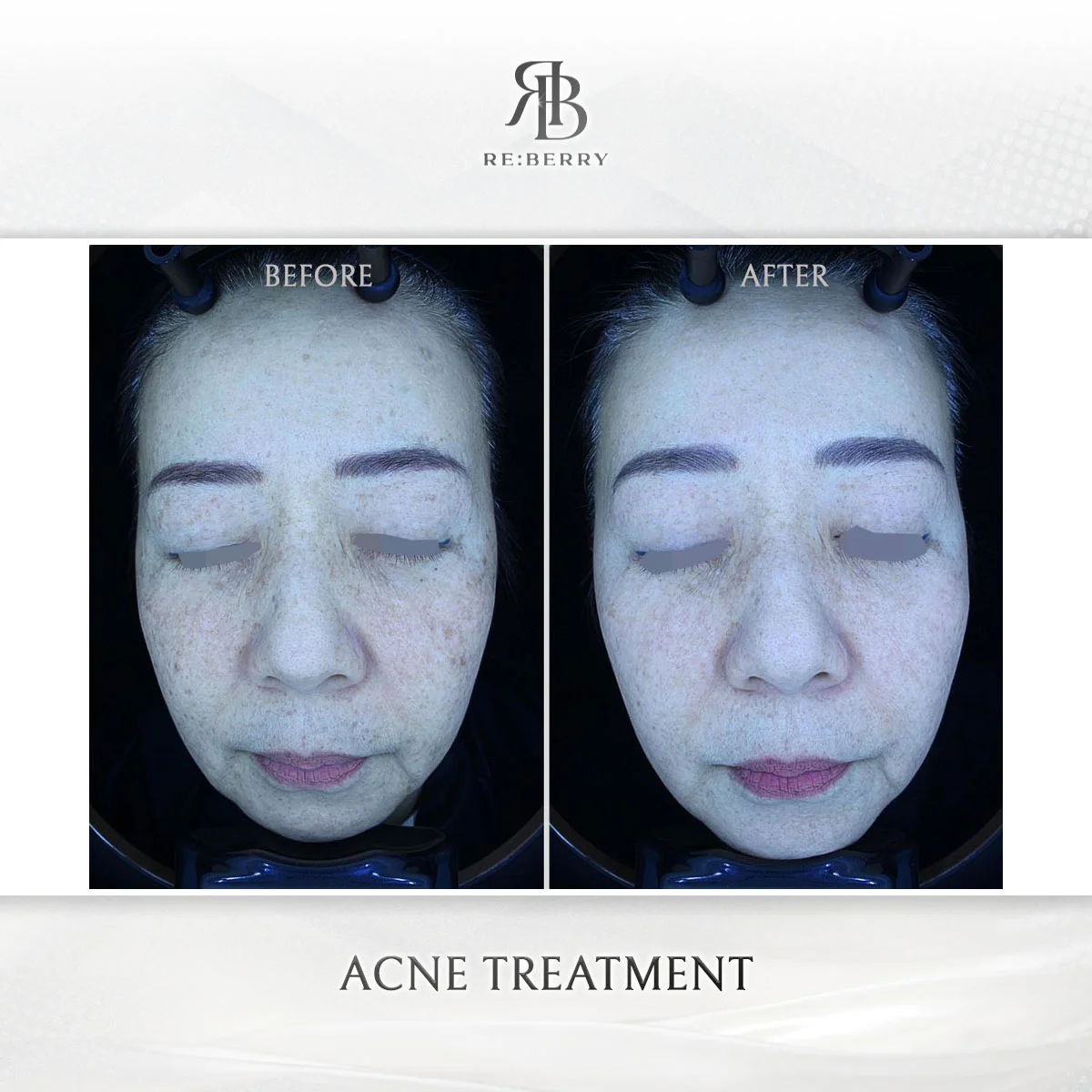
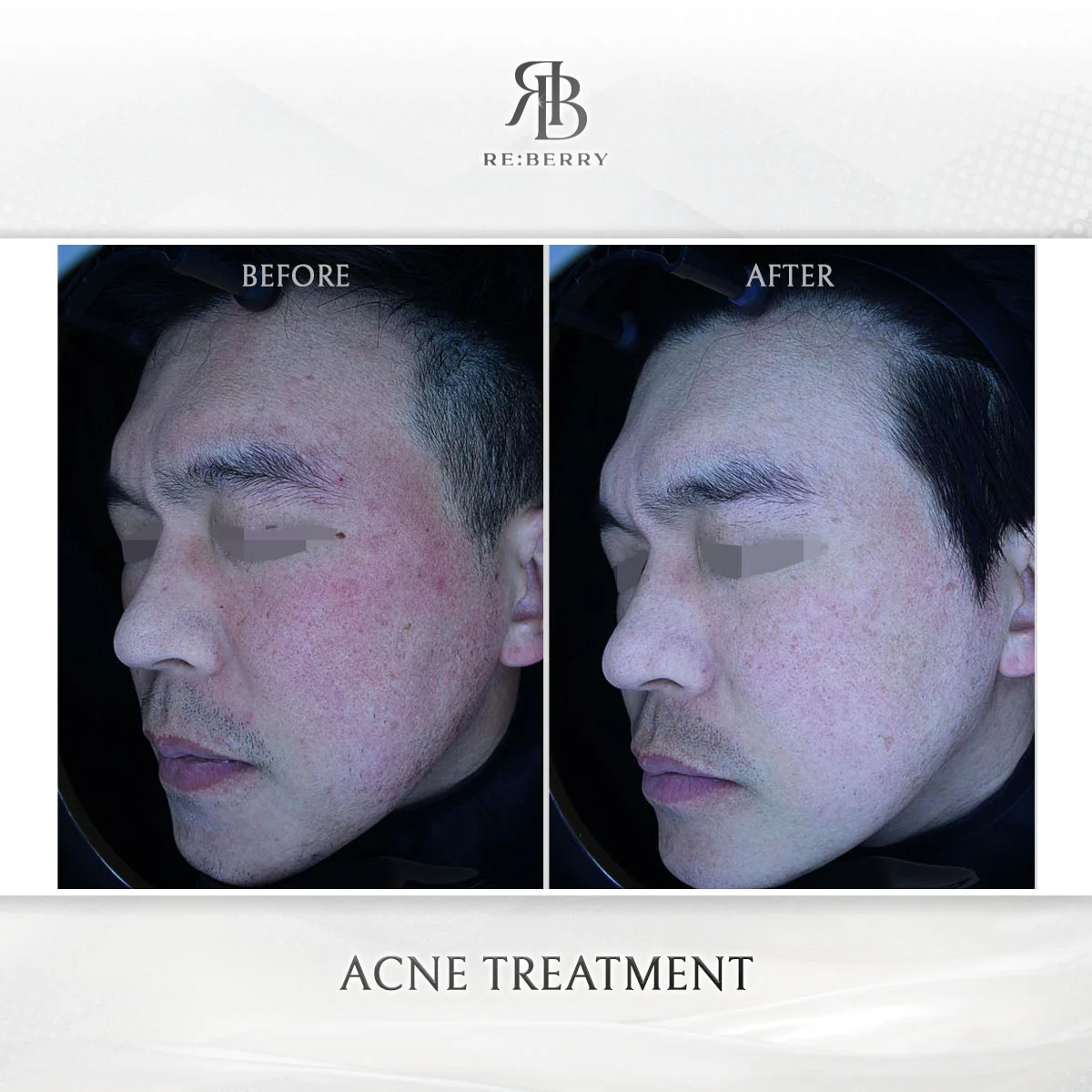
Ice Pick Scar Treatment Before and After
Actual patient results from RE:BERRY Gangnam. Individual outcomes may vary.
How Ice Pick Scar Treatment Works at RE:BERRY Gangnam
A three-phase ice pick scar treatment protocol targeting fibrotic tethering, collagen architecture, and volumetric filling.
Scar Mapping and Depth Analysis
Dr. Yoon-Gon Ryu performs a comprehensive scar assessment using high-magnification dermoscopy and cross-polarized imaging to classify each scar by type (ice pick, boxcar, rolling), depth (superficial: <0.5mm, medium: 0.5-2mm, deep: >2mm), and fibrotic anchoring pattern. Ice pick scars are individually mapped because each one requires targeted subcision at its specific depth and angle. This 15-20 minute consultation establishes a customized ice pick scar treatment plan with projected session count and expected improvement percentage. The assessment is included with every treatment package at RE:BERRY Gangnam.
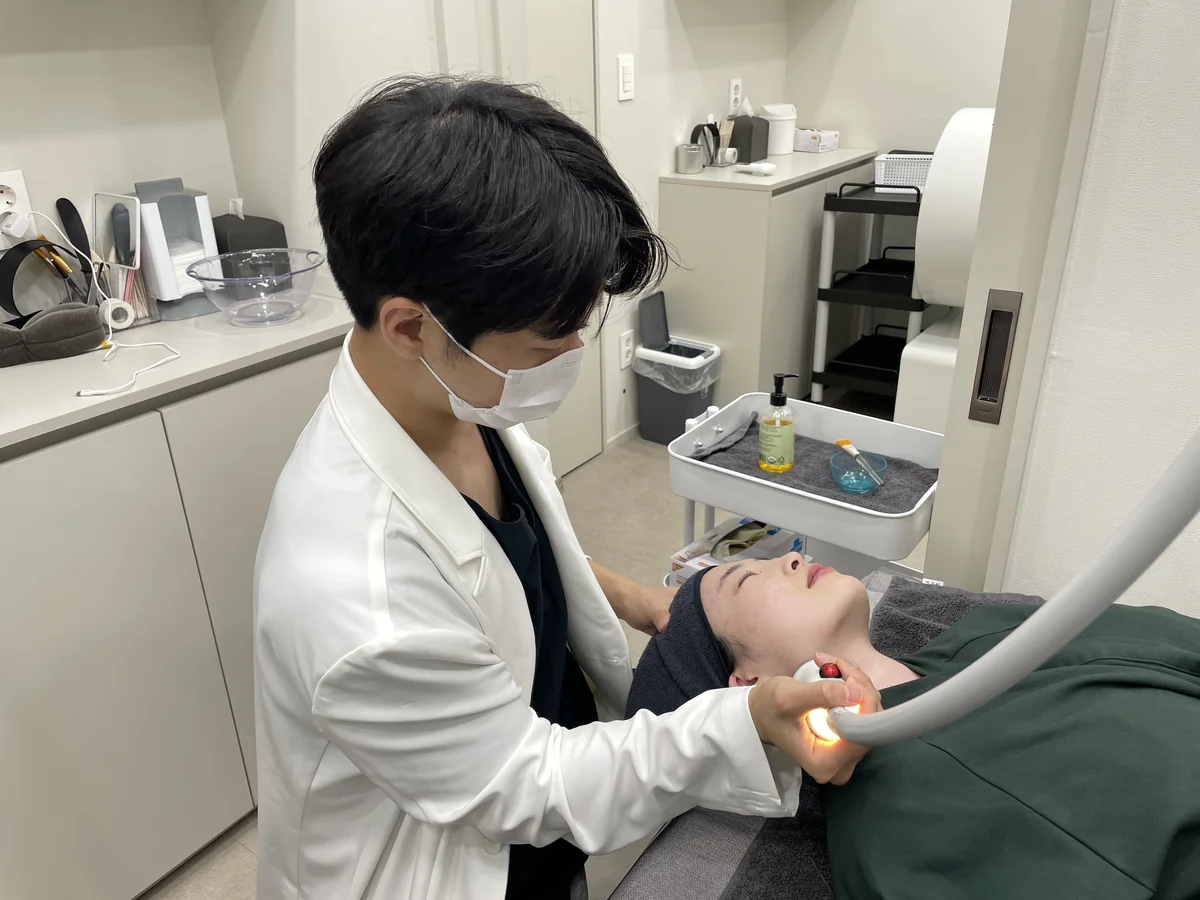
Subcision: Releasing Fibrotic Tethering
Using a specialized Nokor needle or cannula, Dr. Ryu performs subcision beneath each ice pick scar to mechanically sever the fibrotic bands anchoring the scar base to deeper tissue. This release allows the depressed skin to elevate toward the surface and creates a controlled hematoma pocket that triggers the wound-healing cascade with growth factor release. Subcision is the critical first step in ice pick scar treatment because without releasing fibrotic tethering, subsequent collagen stimulation cannot elevate the scar floor. Each ice pick scar is individually treated with precise needle positioning guided by tactile feedback.
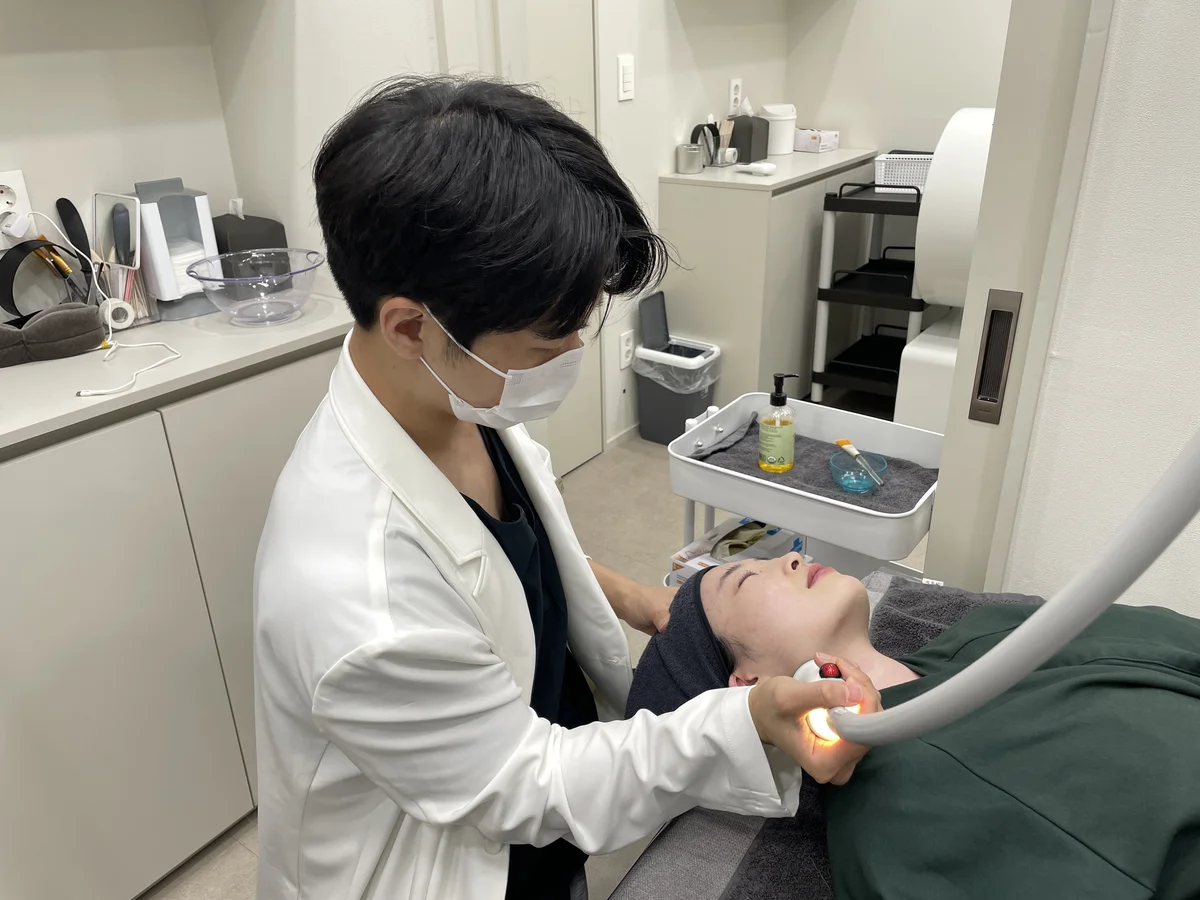
Potenza RF Microneedling for Collagen Remodeling
Following subcision, Potenza delivers bipolar radiofrequency energy through insulated gold-tipped microneedles at 1.5-3.5mm depth directly into the walls of each ice pick scar channel. The RF energy heats scar tissue to 60-70 degrees Celsius, denaturing disorganized collagen and triggering an organized neocollagenesis cascade that progressively fills the scar from the dermal level. Exosome solution is simultaneously driven into the micro-channels for enhanced cellular repair and anti-inflammatory signaling. Each pass targets scar tissue specifically, avoiding unnecessary treatment of healthy surrounding skin for faster recovery.
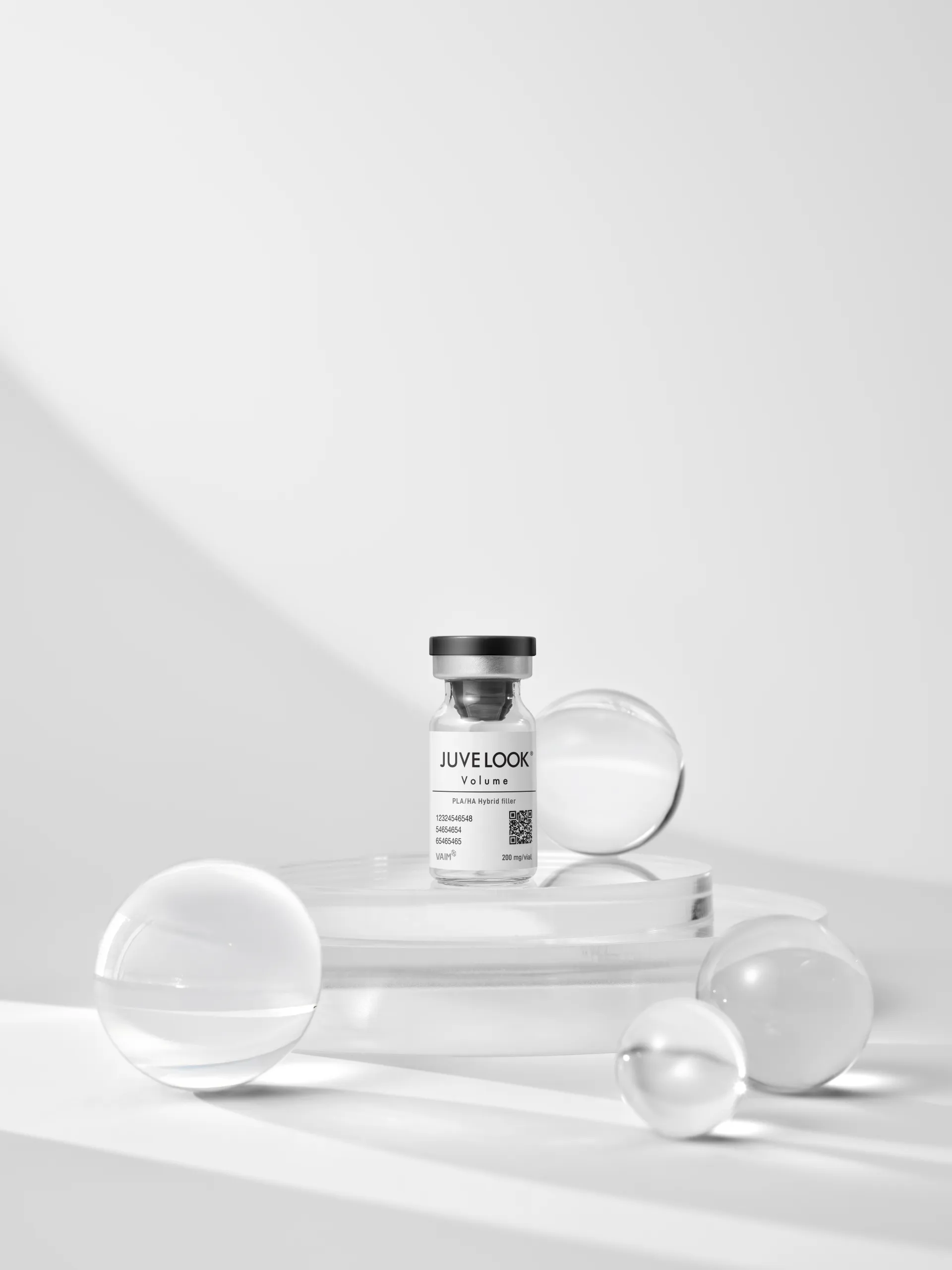
Juvelook PDLLA Volumetric Scar Filling + LDM Recovery
Juvelook (poly-D,L-lactic acid microspheres in hyaluronic acid carrier) is micro-injected into each subcised ice pick scar channel. The HA component provides immediate volumetric support, raising the scar floor by 20-30% within the first week, while PDLLA microspheres undergo hydrolytic degradation over 8-24 months, progressively stimulating type I and III collagen synthesis to permanently fill the scar channel. LDM (Local Dynamic Micro-massage) ultrasound at 3-10 MHz is applied post-injection to reduce swelling, enhance lymphatic drainage, and promote faster tissue integration. The complete ice pick scar treatment session takes approximately 60-90 minutes.
What to Expect from Ice Pick Scar Treatment
- Deep Fibrotic Release Subcision mechanically severs fibrotic bands tethering ice pick scars to the deep dermis, allowing the depressed surface to elevate by 0.5-2mm immediately. No other technique can release deep fibrotic anchoring as effectively.
- Organized Collagen Replacement Potenza RF replaces disorganized scar collagen with new type I and III fibers arranged in a normal lattice pattern, progressively smoothing the scar wall architecture over 4-12 weeks per session.
- Volumetric Channel Filling Juvelook PDLLA microspheres provide both immediate HA-based volume and long-term collagen stimulation, filling ice pick scar channels from within over 8-24 months for sustained 35-60% depth reduction.
- Minimal Surface Damage Unlike ablative CO2 resurfacing, this ice pick scar treatment protocol preserves the epidermal surface. Insulated Potenza needles deliver energy only to the target depth, reducing PIH risk for all skin types including Fitzpatrick IV-VI.
- Cumulative Session Improvement Each ice pick scar treatment session builds on the previous one. Typical improvement trajectory: 20-25% after session 1, 40-50% after session 3, and 55-65% after session 5-6 on the ECCA scar grading scale.
- Travel-Friendly Recovery 48-72 hours of mild redness and micro-bruising from subcision is the typical recovery. No peeling, no crusting, no wound care required. International patients can fly home 24-48 hours after treatment.
| Timeline | What to Expect |
|---|---|
| Day 1-3 | Mild swelling and bruising at subcised sites. Point tenderness at treated ice pick scars. Apply prescribed arnica cream and cold compresses. SPF 50+ mandatory outdoors. |
| Week 1 | Bruising resolves. Immediate volumetric improvement from Juvelook HA visible — ice pick scars appear 20-30% shallower. Mild redness fading. Resume normal skincare except active acids. |
| Week 2-4 | Early collagen remodeling begins. Scar edges soften visibly. RF-induced neocollagenesis replaces disorganized fibers. Second ice pick scar treatment session can be scheduled at week 4. |
| Month 2-3 | PDLLA collagen synthesis cascade peaks. Ice pick scars show measurable depth reduction on dermoscopy. Skin texture around treated scars improves significantly. |
| Month 3-6 | Progressive improvement continues with each additional session. Cumulative scar depth reduction of 40-55% typical after 3-4 sessions. New collagen matures and organizes. |
| Month 6-12 | Maximum improvement achieved after completing 5-6 sessions. Final scar depth reduction of 55-65% on ECCA grading. PDLLA continues stimulating collagen for up to 24 months post-final session. |
Ice Pick Scar Treatment Methods Compared
| Feature | RE:BERRY Multi-Modality Protocol | Fractional CO2 Laser | TCA Cross (Chemical) | Punch Excision (Surgery) |
|---|---|---|---|---|
| Mechanism | Subcision + RF + PDLLA | Ablative resurfacing | Acid destruction | Scar removal + suture |
| Depth Reached | 1-4mm (full scar depth) | 0.5-1.5mm (superficial) | Variable (uncontrolled) | Full depth |
| Fibrotic Release | Yes (subcision) | No | No | Yes (excision) |
| PIH Risk (Asian Skin) | Low (insulated RF) | High | Moderate | Low |
| Downtime | 48-72 hours | 7-14 days | 5-7 days | 7-10 days |
| Improvement per Session | 20-25% | 10-15% | 15-20% | 50-80% (per scar) |
| Sessions Needed | 3-6 | 5-8 | 3-6 | 1 per scar |
| Scarring Risk | None | Possible | Possible | Linear scar trade |
| Price at RE:BERRY | From ₩490,000 | Consultation required | Consultation required | Consultation required |
Ice Pick Scar Treatment Packages at RE:BERRY Gangnam
All prices include VAT. Non-covered medical service. Prices valid April-June 2026.
Potenza + Juvelook (or Exosome)
- Potenza RF microneedling (targeted scar areas)
- Juvelook or Exosome application
- Free consultation with Dr. Ryu or Dr. Oh
- Post-treatment LDM recovery
- Aftercare instructions in your language
Reberry Signature Acne Package
- Juberry 4cc skin booster
- Potenza Exosome (targeted scar areas)
- Ehlstone PTT photodynamic therapy
- Aqua Peel deep cleansing
- Dermio Care post-treatment recovery
- Free consultation with Dr. Ryu or Dr. Oh
- Aftercare in 8 languages
Subcision + Juvelook (Add-On)
- Subcision with specialized Nokor needle
- Juvelook PDLLA micro-injection per scar
- Customized depth based on scar assessment
- LDM post-treatment recovery
Rejuran 2cc (Add-On)
- Rejuran Healer 2cc polynucleotide injection
- Fibroblast activation and DNA repair
- Can be combined with any ice pick scar protocol
- No additional downtime
Meet Your Doctor

Dr. Yoon-Gon Ryu
- CEO, RE:BERRY Clinic Gangnam
- Medical Director, Aesthetic Medicine Specialist
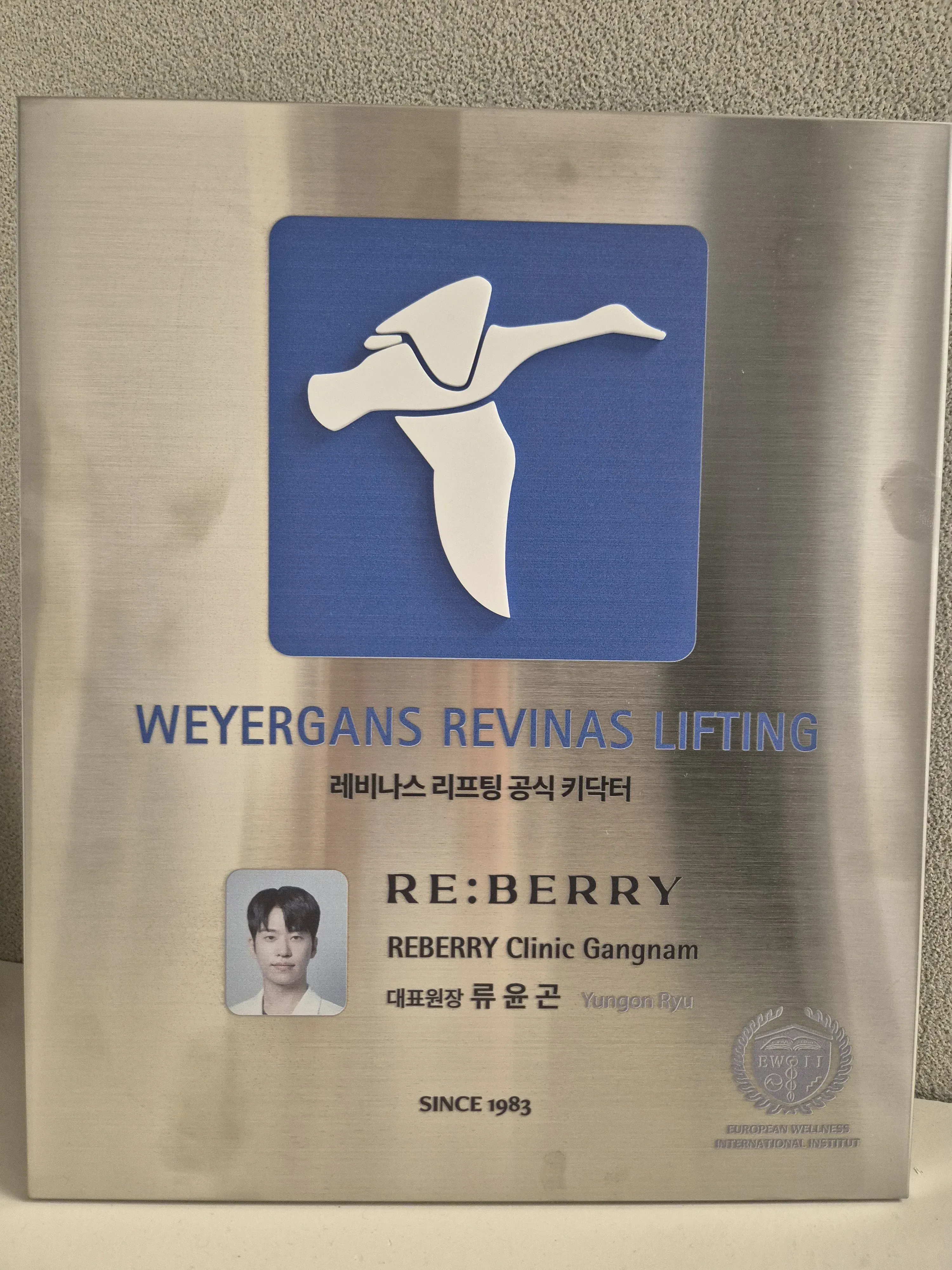
- Revinas Official KOL (Key Opinion Leader)
- Ultherapy Prime Certified Physician
- License No. 131644
Medically reviewed by Dr. Yoon-Gon Ryu, CEO / Medical Director, RE:BERRY
The Science Behind Ice Pick Scar Treatment
Peer-reviewed evidence supporting subcision, RF microneedling, and PDLLA-based collagen induction for atrophic acne scars.
Subcision for Fibrotic Scar Release
Subcision (subcutaneous incisionless surgery) uses a specialized needle inserted parallel to the skin surface beneath tethered scars to mechanically sever fibrotic bands anchoring the scar base to the deep dermis or subcutis. The controlled hematoma that forms in the released pocket provides a biological scaffold rich in platelets and growth factors (PDGF, TGF-beta, VEGF), initiating a wound-healing cascade that deposits new collagen in the previously tethered space. For ice pick scars specifically, subcision must be performed at the exact depth of fibrotic attachment — typically 2-4mm — requiring tactile precision that only experienced physicians can deliver. Studies demonstrate that subcision alone achieves 30-50% improvement in atrophic scar depth after 1-3 sessions, with even greater results when combined with energy-based collagen stimulation.
Bipolar RF Microneedling for Dermal Collagen Architecture
Potenza delivers bipolar radiofrequency energy through insulated gold-tipped microneedles at precisely controlled depths (0.5-3.5mm), creating thermal coagulation zones within the scar tissue walls. At 60-70 degrees Celsius, disorganized scar collagen denatures and is gradually replaced by organized type I and III collagen fibers through the neocollagenesis cascade. The insulated needle design is critical for ice pick scar treatment because it concentrates thermal energy at the needle tip depth while protecting the epidermis — reducing post-inflammatory hyperpigmentation risk in Asian skin types (Fitzpatrick III-V) by 80% compared to non-insulated or ablative approaches. Combined with prior subcision, RF microneedling achieves synergistic improvement by stimulating collagen remodeling in the newly released tissue space.
PDLLA Microsphere Collagen Induction for Scar Channel Filling
Poly-D,L-lactic acid (PDLLA) microspheres suspended in hyaluronic acid carrier gel address the volumetric component of ice pick scars through dual-phase action. Phase one: the HA carrier immediately fills the scar channel, providing 20-30% volumetric improvement within the first week. Phase two: as PDLLA microspheres undergo hydrolytic degradation over 8-24 months, they stimulate progressive fibroblast activation and neocollagenesis, gradually replacing the biodegradable scaffold with the patient’s own collagen. Histological analysis demonstrates a 2.3-fold increase in dermal collagen density at 6 months post-injection, with organized fiber arrangement that closely mimics normal dermal architecture — critical for achieving a smooth, natural-appearing scar correction.
Clinical Evidence and Outcomes
Alam et al. (2018) conducted a randomized controlled trial demonstrating that subcision combined with suction achieved significantly greater improvement in depressed acne scars compared to subcision alone, with a 50% responder rate at 6 months. For RF microneedling, Tan et al. (2019) reported in a split-face study that bipolar RF microneedling produced 51-75% improvement in atrophic acne scars (including ice pick type) with minimal adverse effects in Asian patients (Fitzpatrick III-V). Regarding PDLLA-based fillers for scar correction, Cassuto et al. (2020) demonstrated significant improvement in moderate-to-severe atrophic acne scars at 12 months post-treatment using injectable PDLLA microspheres, with patient satisfaction scores exceeding 80%.
Alam M et al. Subcision with and without suction for acne scars: a randomized clinical trial. JAMA Dermatol. 2018;154(5):540-546. doi:10.1001/jamadermatol.2018.0073
Tan MG et al. Radiofrequency microneedling: a comprehensive and critical review. Dermatol Surg. 2019;45(12):1596-1609. doi:10.1097/DSS.0000000000002120
Cassuto D et al. Injectable poly-D,L-lactic acid for the treatment of moderate to severe atrophic acne scars. Dermatol Surg. 2020;46(6):789-794. doi:10.1097/DSS.0000000000002183
What Our Patients Say About Ice Pick Scar Treatment
“My cheeks had deep ice pick scars from teenage acne that nothing could fix — not chemical peels, not CO2 laser in Australia. After four sessions at RE:BERRY Gangnam with subcision and Potenza, the scars are visibly shallower. Under makeup they are nearly invisible now. Dr. Ryu’s scar mapping approach made all the difference.”
“I was skeptical because I had tried TCA cross and punch excision in Japan with poor results. The combination approach at RE:BERRY — releasing the fibrotic bands first, then building collagen — made scientific sense and the results after 3 sessions exceeded what 5 sessions of CO2 laser achieved. The ₩490,000 entry price was reasonable.”
“The Juvelook injection into my ice pick scars was remarkably effective. Within two weeks I could feel the scars were no longer ‘dipping’ under my fingertip. By month three, even in harsh bathroom lighting the improvement was obvious. Coming back for sessions 4 and 5 next month.”
Related Videos
Dermatologists' Secret Tips: Proper Skin Care Revealed
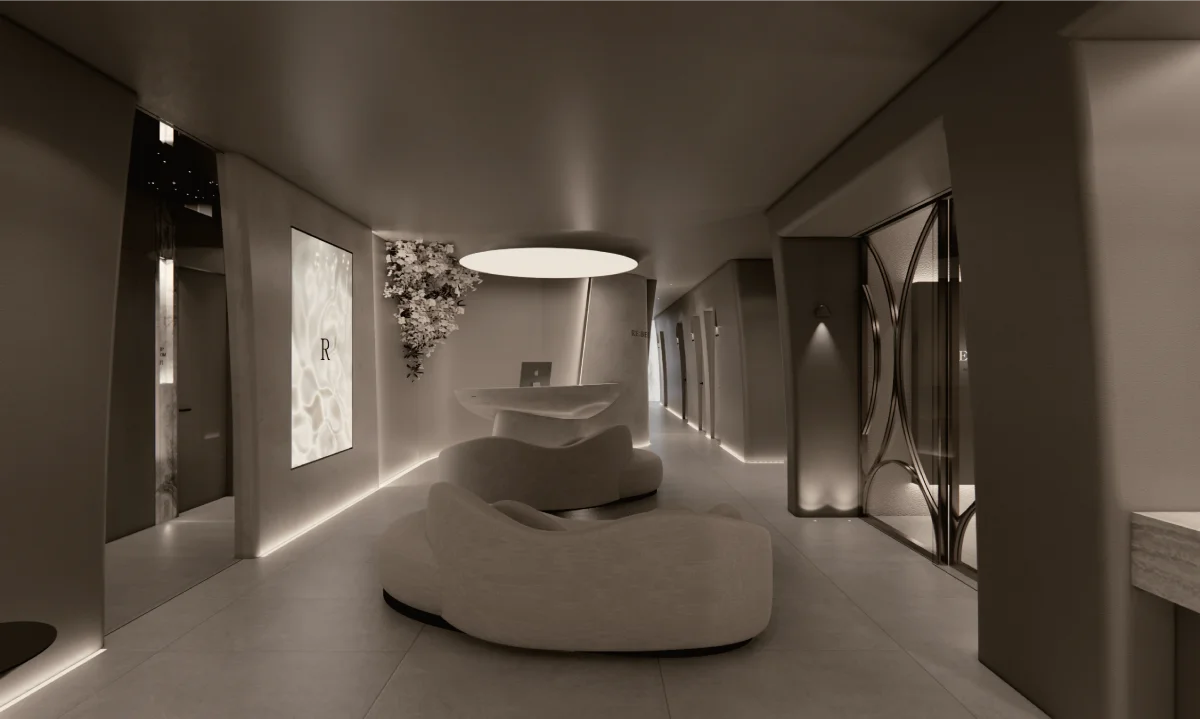
RE:BERRY Clinic Gangnam Branch Tour
Frequently Asked Questions About Ice Pick Scar Treatment
Expert answers from RE:BERRY Gangnam’s acne scar specialists.
Dr. Yoon-Gon Ryu (CEO/Medical Director) personally performs every subcision procedure at RE:BERRY Gangnam — never delegated to nurses or technicians. With 30,000+ total aesthetic procedures and specialized training in fibrotic scar release techniques, Dr. Ryu individually maps each ice pick scar using high-magnification imaging before treatment.
100% same-physician continuity at RE:BERRY Gangnam. Dr. Yoon-Gon Ryu performs your initial scar mapping, executes every subcision and Potenza RF session, and personally tracks collagen remodeling progress across all 3-6 sessions. RE:BERRY limits to 3-4 patients per physician daily, ensuring Dr. Ryu never rushes your procedure.
4-point diagnostic protocol at RE:BERRY Gangnam: (1) high-magnification scar depth measurement (1-4mm range); (2) fibrotic band palpation to identify tethering; (3) skin stretch test for scar flexibility; (4) Fitzpatrick typing for energy calibration. Scars deeper than 2mm with fibrotic tethering receive subcision first, while shallower scars respond to Potenza RF microneedling alone.
₩490,000 per session at RE:BERRY Gangnam vs $1,200-3,000 in the US — saving 55-75% on equivalent subcision + RF protocols.
| Treatment | RE:BERRY Gangnam | US Average | Savings |
|---|---|---|---|
| Potenza + Juvelook/Exosome | ₩490,000 (~$350) | $1,200-2,000 | 71-82% |
| Signature Acne Package | ₩1,290,000 (~$920) | $3,000-5,000 | 69-82% |
| Rejuran 2cc add-on | ₩240,000 (~$170) | $500-800 | 66-79% |
₩2,450,000-2,940,000 total for 5-6 sessions of Potenza + Juvelook at RE:BERRY Gangnam — less than the cost of 2 sessions at US dermatology clinics.
| Package | Per Session | 5-Session Total | Includes |
|---|---|---|---|
| Potenza + Juvelook | ₩490,000 | ₩2,450,000 | RF + PDLLA filler |
| Signature Acne Package | ₩1,290,000 | N/A (comprehensive) | Juberry + Potenza + Ehlstone + more |
| + Rejuran per session | ₩240,000 | ₩1,200,000 | PN healing accelerator |
₩0 consultation fee — RE:BERRY Gangnam includes physician scar mapping, high-magnification imaging, and treatment planning at no charge.
| Item | RE:BERRY Gangnam | US Typical |
|---|---|---|
| Scar consultation | Free | $150-300 |
| Topical numbing | Included | $25-50 extra |
| Aftercare kit | Included | $30-60 extra |
| WhatsApp follow-up | 30 days included | $100-200/visit |
80% lower PIH risk with subcision + RF vs TCA CROSS — subcision mechanically releases fibrotic tethering while TCA relies on chemical burn reconstruction.
| Feature | Juvelook + Subcision + Potenza (RE:BERRY) | TCA CROSS |
|---|---|---|
| Mechanism | Mechanical release + RF + PDLLA collagen | Chemical burn reconstruction |
| PIH risk | <2% | 10-15% |
| Depth control | Precise (needle + RF settings) | Unpredictable acid spread |
| Improvement per session | 20-25% | 10-15% |
| Sessions needed | 3-6 | 4-8 |
3.5mm depth vs 1.5mm maximum — Potenza RF at RE:BERRY Gangnam reaches the full depth of ice pick scars that CO2 laser cannot.
| Feature | Potenza RF (RE:BERRY) | Fractional CO2 |
|---|---|---|
| Max depth | 3.5mm | 1.5mm |
| Downtime | 2-3 days redness | 7-14 days crusting |
| PIH risk (dark skin) | <2% (insulated tips) | 15-25% |
| Drug delivery | Yes (Juvelook/exosome) | No |
60% of ice pick scar patients at RE:BERRY Gangnam add laser toning to treat post-inflammatory hyperpigmentation around scars.
| Treatment | Targets | Timing | Price |
|---|---|---|---|
| Subcision + Potenza RF | Scar depth + tethering | Session 1 | ₩490,000 |
| Pico laser toning | PIH + dark marks | 2-3 weeks after | ~₩250,000 |
| Rejuran Healer | Skin healing + quality | Same session as RF | ₩240,000/2cc |
100% physician-performed subcision vs nurse/technician delegation at chains — RE:BERRY Gangnam’s boutique model ensures Dr. Ryu handles every critical procedure step.
| Feature | RE:BERRY (Boutique) | Large Chain Clinic |
|---|---|---|
| Subcision performed by | Dr. Ryu (physician) | Often nurse/technician |
| Individual scar mapping | Yes, high-magnification | Visual assessment only |
| Same doctor every session | 100% | ~40% |
| Consultation time | 60-90 min | 15-20 min |
24-48 hours after subcision + Potenza RF at RE:BERRY Gangnam. Mild bruising from subcision peaks at 48 hours and resolves by day 5-7. Zero altitude-related contraindications per aerospace dermatology guidelines. RE:BERRY provides a travel-friendly aftercare kit with arnica cream, SPF50+, and printed instructions in 8 languages.
2% or lower PIH risk at RE:BERRY Gangnam — insulated Potenza RF tips deliver energy only at the target depth, completely bypassing melanin-rich epidermis. This represents an 80% PIH reduction compared to fractional CO2 laser (15-25% PIH rate). Dr. Ryu calibrates every parameter based on Fitzpatrick typing performed during initial assessment.
2-3 days minimum for consultation and first 1-2 sessions at RE:BERRY Gangnam. International patients with moderate ice pick scarring typically schedule 2 sessions during a 5-7 day Seoul visit, then return for remaining sessions. The acne scar treatment protocol requires 4-week intervals between sessions for collagen remodeling.
30-day WhatsApp photo follow-up included free — send progress photos from home and receive Dr. Ryu’s feedback within 4-8 hours. RE:BERRY Gangnam maintains digital treatment records so your next-visit protocol builds on previous session results. The aftercare kit includes arnica cream, SPF50+, gentle cleanser, and recovery instructions in your language.
55-65% depth reduction with RE:BERRY Gangnam’s 3-modality approach vs 20-30% with single-device treatment at standard clinics.
| Approach | RE:BERRY Multi-Modal | Single-Device Clinic |
|---|---|---|
| Modalities | Subcision + Potenza RF + Juvelook | Laser or RF only |
| Fibrotic release | Yes (subcision) | No |
| Collagen filler | PDLLA progressive filling | Not included |
| Improvement after 5 sessions | 55-65% | 20-30% |
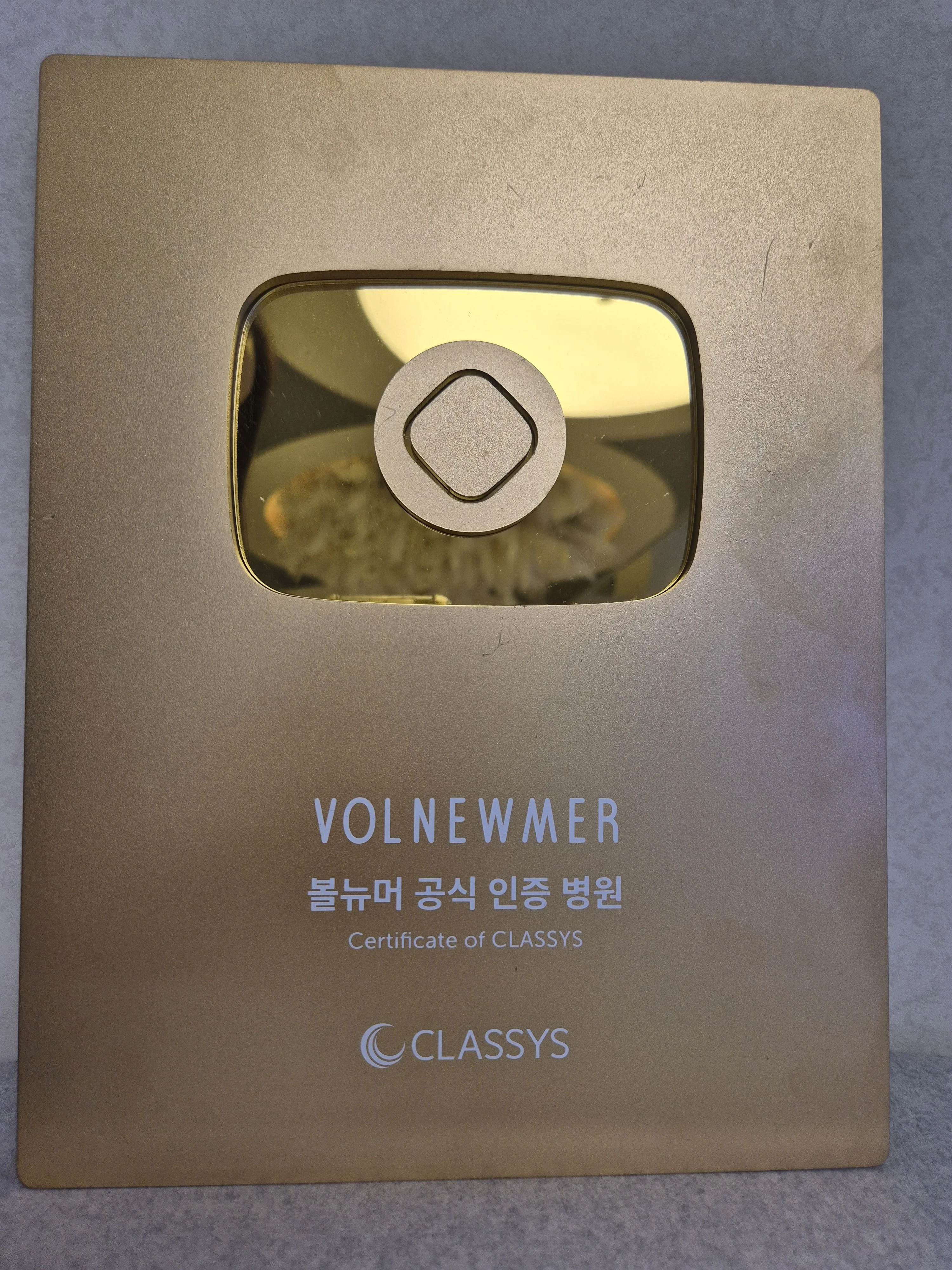
Only Authentic, Brand-Certified Equipment
Every device at RE:BERRY is MFDS-certified and manufacturer-verified. We never use counterfeit or grey-market equipment.
Ready to Start Your Ice Pick Scar Treatment?
Book your personalized scar assessment with Dr. Yoon-Gon Ryu or Dr. Yejin Oh at RE:BERRY Gangnam — 2 minutes from Gangnam Station Exit 10. Same-day consultations available 365 days per year.
Book Your Ice Pick Scar Consultation
Fill out the form and our multilingual team will confirm within 2 hours via your preferred contact method.
- ✓ Free consultation with Dr. Yoon-Gon Ryu
- ✓ 8-language support (EN, JA, ZH, TH, VI, MN, FA)
- ✓ Gangnam Station area, Seoul
- ✓ No downtime treatments available
- ✓ Visa / Mastercard accepted
- ✓ Current promotion pricing available