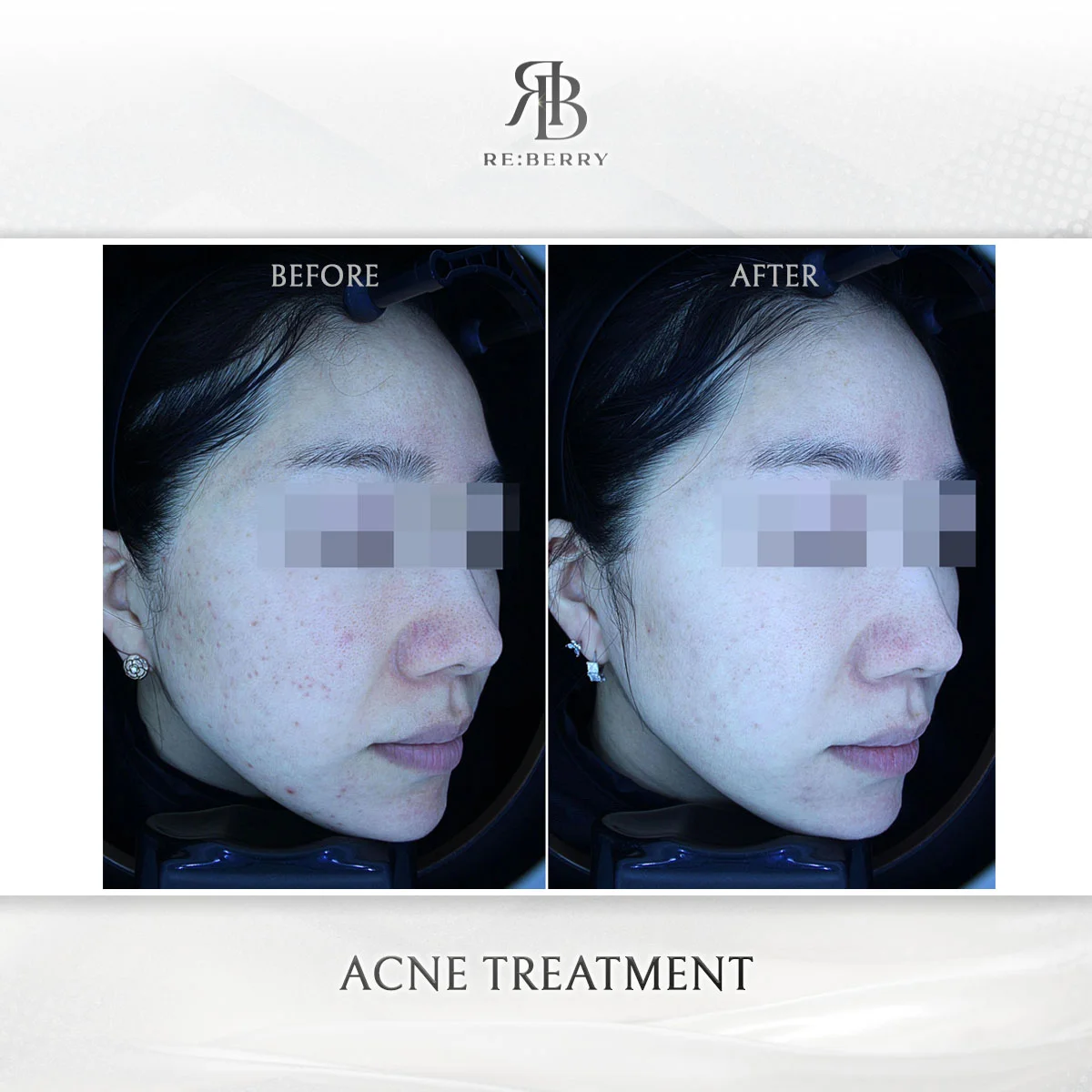
Subcision for Scars Needle-Based Acne Scar Treatment in Gangnam Seoul
Gangnam is Korea’s epicenter for advanced dermatological procedures, and subcision is the treatment that laser alone cannot replace. RE:BERRY Gangnam’s needle subcision protocol physically severs the fibrous bands that pull your skin into depressed, shadowed scars. Combined with Potenza RF microneedling for collagen remodeling and Juvelook for sustained biostimulation, this triple-mechanism approach achieves 50-80% improvement in rolling and tethered acne scars. Potenza+Juvelook from ₩490,000, two minutes from Gangnam Station Exit 10.
Why Choose Gangnam for Subcision Acne Scar Treatment?
Gangnam’s concentration of aesthetic medicine clinics means physicians here perform significantly more subcision procedures than clinics in other cities worldwide. RE:BERRY Gangnam combines Nokor needle subcision with Potenza RF microneedling and Juvelook collagen biostimulator in a physician-only triple protocol that targets fibrous band release, dermal collagen remodeling, and anti-re-tethering simultaneously. Potenza+Juvelook from ₩490,000 per session, with 3-5 sessions producing 50-80% improvement in rolling and tethered acne scars.
Subcision is uniquely important in acne scar treatment because it addresses a structural problem that no energy-based device can solve. Rolling and tethered acne scars are not caused by a lack of collagen at the surface — they are caused by abnormal fibrous bands that form in the subcutaneous tissue during inflammatory acne healing. These bands physically anchor the overlying dermis to deeper structures, pulling the skin into broad, undulating depressions. When you shine a light from the side across the face, these scars cast shadows that make the skin appear cratered and uneven. The critical diagnostic test is simple: stretch the skin surrounding a suspected tethered scar. If the scar partially flattens, the depression is caused by subdermal tethering, and subcision is indicated. If the scar does not flatten, it involves actual tissue loss (ice-pick or boxcar morphology) and requires a different approach. Gangnam clinics have refined subcision techniques through sheer volume — South Korea performs more aesthetic procedures per capita than any other country, and Gangnam district alone accounts for a substantial proportion of that volume. At RE:BERRY Gangnam, Medical Director Dr. Yoon-Gon Ryu has developed a standardized triple-protocol that maximizes subcision outcomes: (1) Nokor needle subcision to mechanically release fibrous bands at the dermal-subcutaneous junction; (2) immediate Potenza RF microneedling to deliver thermal collagen remodeling energy into the freshly released scar bed at precisely controlled depths (1-3.5mm); and (3) Juvelook collagen biostimulator infused through the Potenza micro-channels to occupy the subcised space and provide sustained collagen production for 6-12 months. This approach addresses the three main failure modes of subcision alone: incomplete band release (solved by systematic fanning technique), inadequate collagen remodeling (solved by Potenza RF thermal energy), and re-tethering (solved by Juvelook space-filling biostimulation). International patients benefit from RE:BERRY’s 8-language team, 365-day operation, and our 14,000-square-foot facility housing over 30 devices for every scar subtype. Our location — 2 minutes from Gangnam Station Exit 10 — makes us accessible to both Seoul residents and medical tourists.
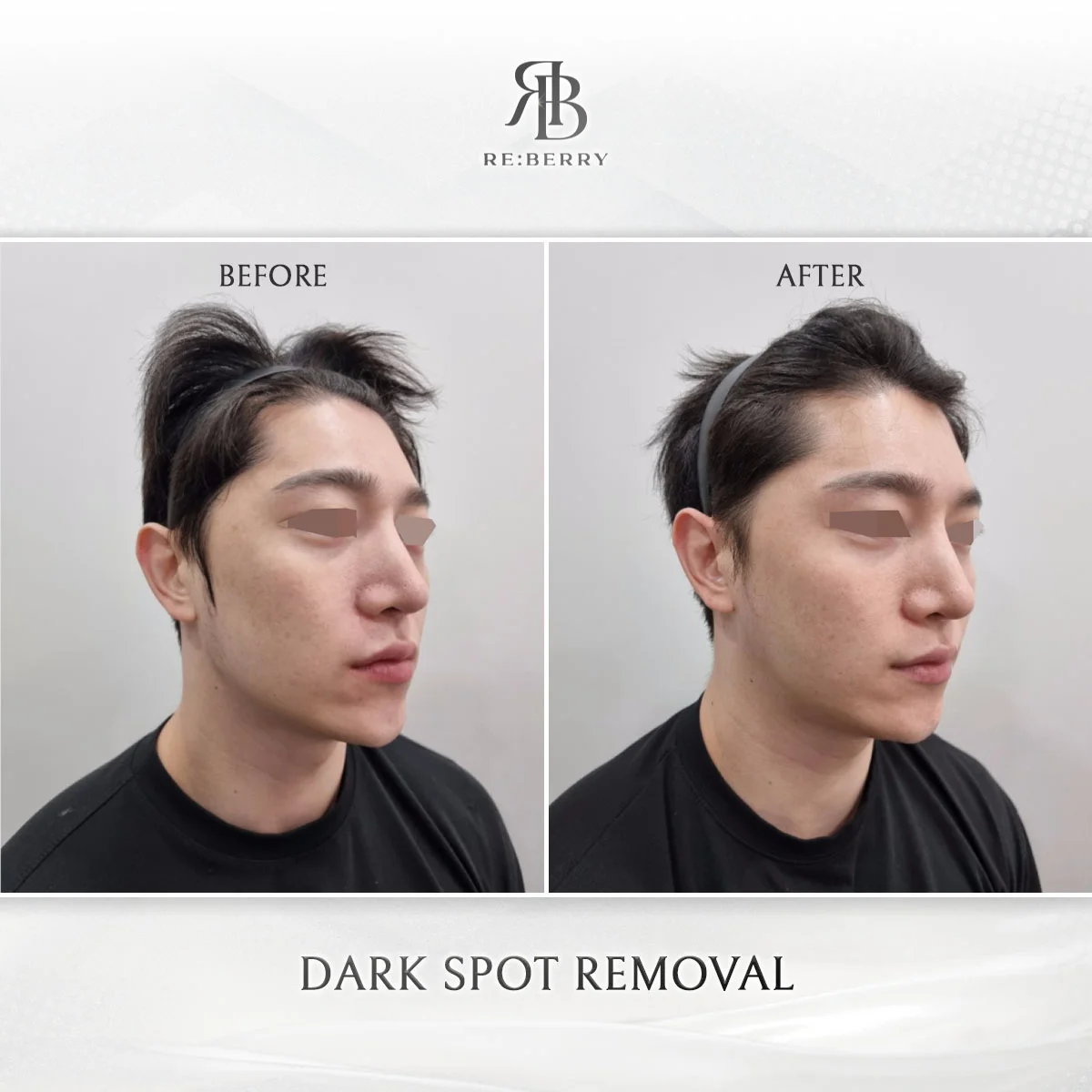
Subcision Before and After in Gangnam
Actual patient results from RE:BERRY Gangnam. Individual outcomes may vary.
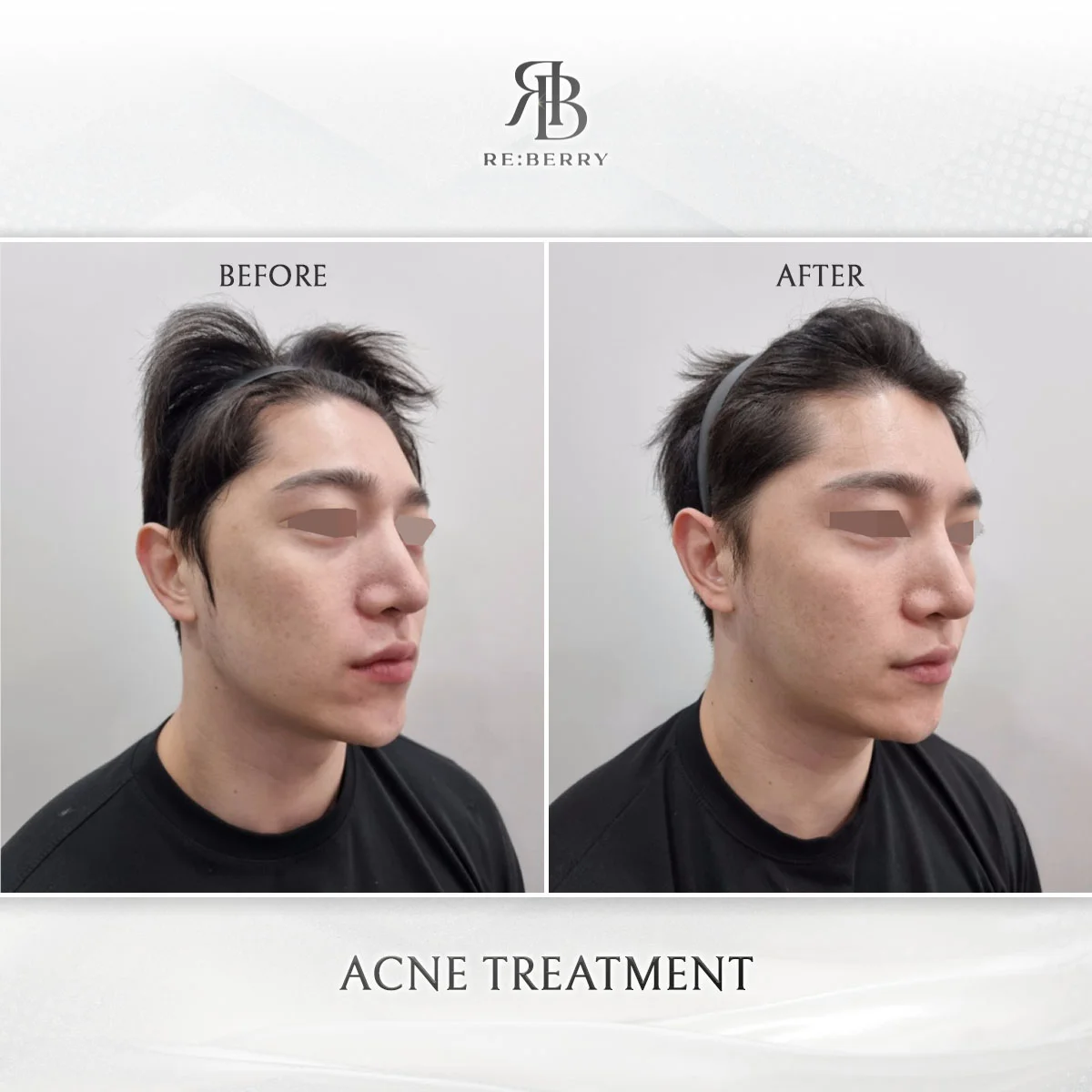
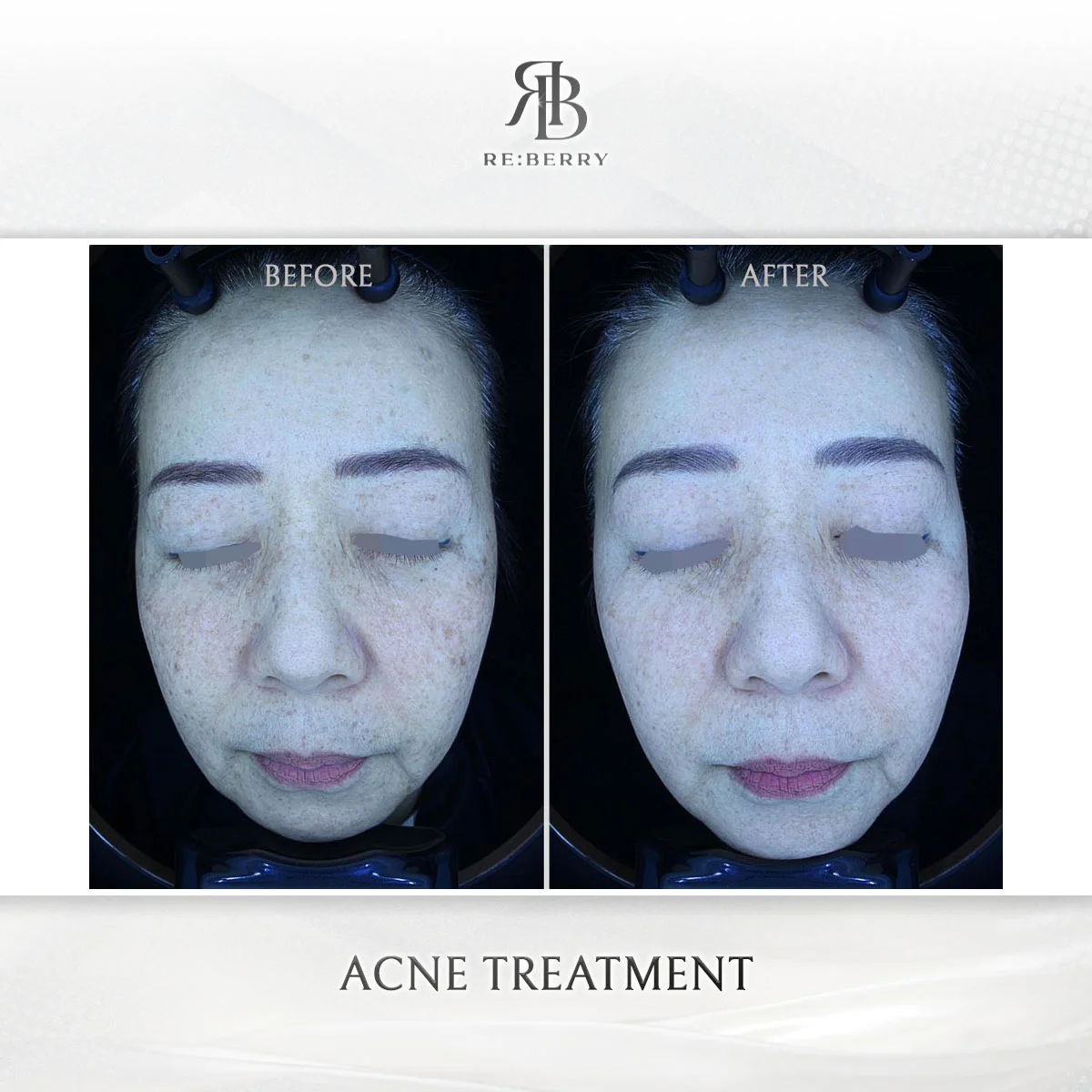
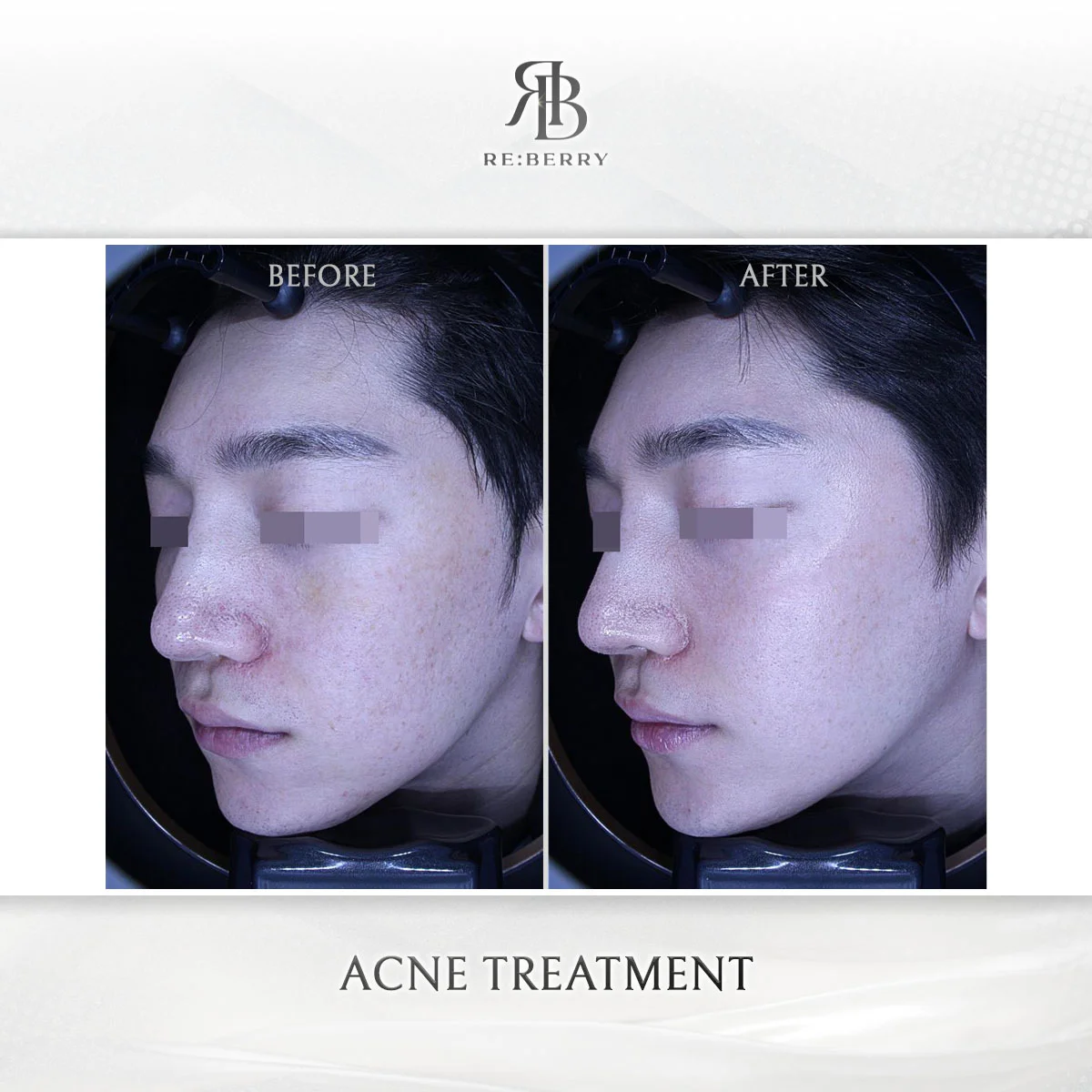
How Subcision Works at RE:BERRY Gangnam
Our refined four-step protocol developed through thousands of acne scar treatments.
Comprehensive Scar Classification
Dr. Yoon-Gon Ryu or Dr. Yejin Oh conducts a detailed scar evaluation using cross-polarized lighting, dermoscopy, and the manual stretch test. Every scar on the face is individually classified: rolling (broad undulations caused by subdermal tethering), tethered (focal depressions pulled by fibrous bands), ice-pick (narrow V-shaped depressions from tissue loss), or boxcar (flat-bottomed with defined edges). Each scar type receives a different treatment strategy. Rolling and tethered scars are marked for subcision. Ice-pick scars are flagged for TCA CROSS or Potenza RF. Boxcar scars are assigned Pico Fraxel. Standardized photographs are captured for progress tracking across sessions.
Targeted Local Anesthesia
The treatment area is cleansed thoroughly with antiseptic solution. Local anesthesia (1-2% lidocaine with 1:100,000 epinephrine) is injected subdermally at each marked subcision point and along the path of fibrous bands. The epinephrine serves dual purposes: it constricts blood vessels (reducing intra-operative bleeding and post-procedure bruising) and prolongs the anesthetic effect for patient comfort. The physician allows 10-15 minutes for complete anesthetic saturation. Meanwhile, the Potenza RF device is calibrated based on the planned treatment depths, and Juvelook is prepared for immediate infusion post-subcision.
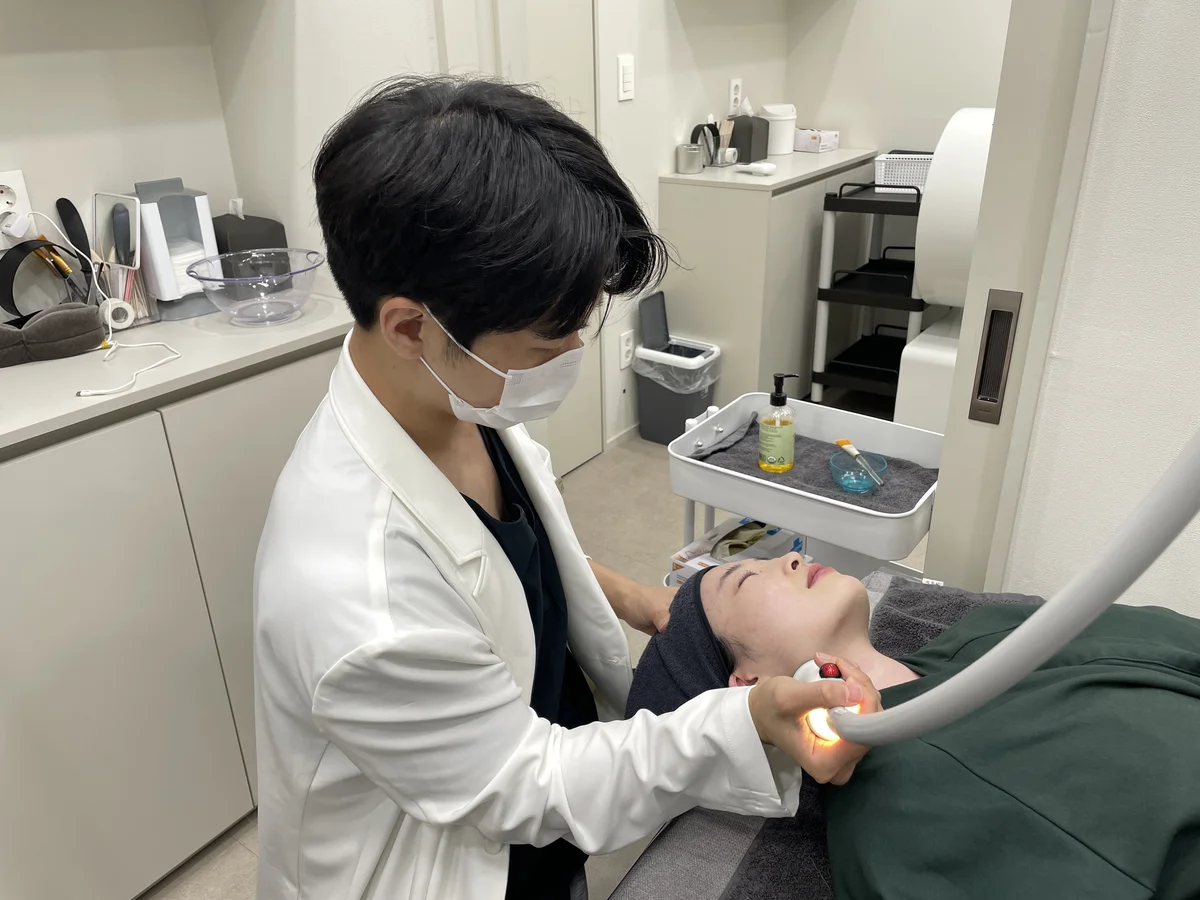
Triple-Mechanism Treatment Delivery
Phase 1 — Subcision: The physician inserts an 18-gauge Nokor tri-beveled needle at the dermal-subcutaneous junction beneath each marked scar. Using a controlled fanning motion at 2-4mm depth, the fibrous tethering bands are severed. The physician confirms release by the audible ‘pop’ of band separation and immediate visible skin elevation. All marked rolling and tethered scars are treated systematically from one cheek to the other. Phase 2 — Potenza RF: Immediately following subcision, Potenza RF microneedling is applied across the entire treated area using insulated tips at 1.5-3mm depth. The bipolar radiofrequency energy (delivered at 55-65 degrees Celsius) induces immediate collagen contraction in the freed scar bed and initiates a 3-6 month neocollagenesis cascade. Phase 3 — Juvelook Infusion: Juvelook collagen biostimulator is infused through the fresh Potenza micro-channels, delivering poly-L-lactic acid derivative directly into the subcised space. This biostimulatory material serves as a scaffold, preventing fibrous re-tethering while stimulating sustained collagen production for 6-12 months.
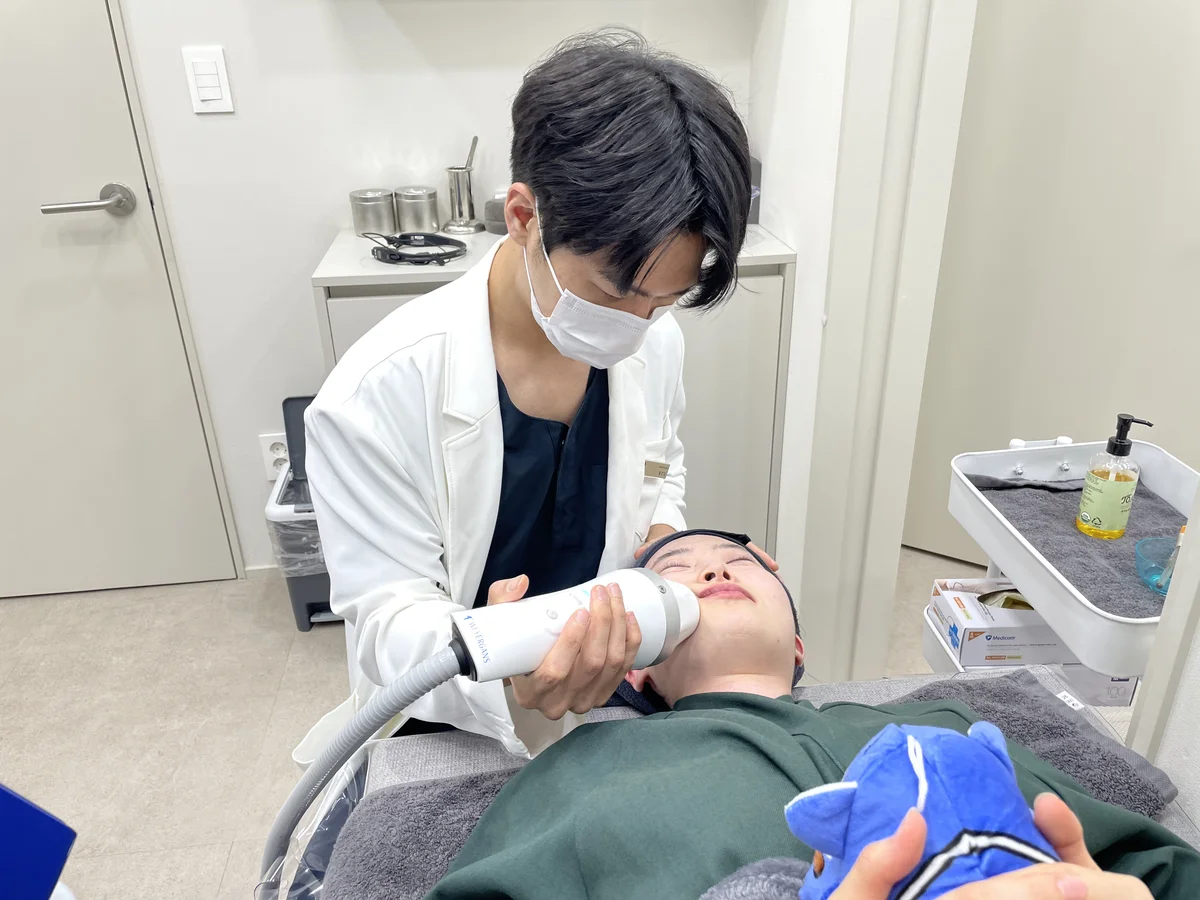
Recovery Protocol & Follow-Up
Firm manual compression is applied immediately post-treatment to distribute the Juvelook evenly and minimize hematoma formation. Sterile ice packs are applied for 15 minutes. The physician documents all treatment parameters (subcision sites, Potenza depths, energy settings, Juvelook volume) for precise session-to-session tracking. An aftercare kit is provided in your language: gentle cleanser, ceramide barrier repair cream, SPF 50+ sunscreen, arnica gel for bruise management, and written instructions. Expected recovery timeline: bruising peaks day 2-3, transitions yellow-green by day 5-7, resolves by day 10-12. Swelling subsides in 3-5 days. Sleep elevated for 2 nights to reduce facial swelling. Avoid aspirin, fish oil, alcohol, and intense exercise for 7 days. The next subcision session is scheduled in 4-6 weeks to allow complete collagen maturation between treatments.
What to Expect from Subcision in Gangnam
- Direct Fibrous Band Release: The only treatment that physically severs the subdermal tethering causing rolling scars. No laser, RF, or ultrasound device can replicate the mechanical release of a Nokor needle cutting through fibrous scar bands.
- Immediate Visible Elevation: Skin rises as soon as bands are cut. The subdermal hematoma provides immediate space-filling effect. Patients can see partial improvement even before leaving the clinic (beneath the swelling).
- Potenza RF Collagen Amplification: Radiofrequency energy delivered at 55-65 degrees Celsius to the freshly released scar bed produces 15-20% immediate collagen contraction plus sustained neocollagenesis over 3-6 months. Amplifies subcision results by 40-60%.
- Juvelook Anti-Re-Tethering: Poly-L-lactic acid derivative deposited in the subcised space provides a biological scaffold that prevents fibrous band reformation — the main failure mode of subcision alone. Collagen biostimulation continues 6-12 months.
- Safe for All Skin Types: Subcision works entirely beneath the epidermis, carrying zero risk of post-inflammatory hyperpigmentation. Ideal for Asian skin (Fitzpatrick III-V) where laser-based treatments carry PIH risk.
- Permanent Structural Improvement: Unlike dermal fillers (temporary, 6-12 months), subcision triggers permanent collagen remodeling. Once fibrous bands are released and replaced with organized collagen matrix, the improvement is structural and long-lasting.
| Timeline | What to Expect |
|---|---|
| Day 0-1 | Swelling and bruising begin. Skin tender at treatment sites. Treated scars already slightly elevated beneath the swelling. Apply ice and arnica as directed. Sleep elevated. |
| Day 2-4 | Bruising peaks (deep purple-blue). Swelling subsides. Most patients return to work with concealer on day 2-3. Treated scars visibly flatter than pre-treatment. |
| Day 7-10 | Bruising transitions green-yellow and resolves. Early collagen formation begins at subcision sites. Skin texture starting to smooth. |
| Week 3-4 | Active neocollagenesis. Progressive scar elevation visible. Skin surface more uniform under side lighting. Optimal time for progress evaluation. |
| Week 5-6 | Next subcision session scheduled. Collagen from previous session maturing (Type III converting to Type I). Cumulative improvement building with each session. |
| Month 6-12 (post final session) | Peak results from Juvelook biostimulation. Maximum improvement: 50-80% reduction in rolling/tethered scar depth. Mature collagen matrix established. Results are permanent structural improvement. |
Subcision vs. Other Acne Scar Treatments Available in Gangnam
| Feature | Subcision (RE:BERRY) | Potenza RF Alone | Fractional Laser Alone | TCA CROSS |
|---|---|---|---|---|
| Primary Mechanism | Mechanical band release | RF collagen remodeling | Photothermal/acoustic | Chemical tissue remodeling |
| Best Scar Type | Rolling & tethered | Rolling & boxcar | Boxcar & texture | Ice-pick |
| Target Depth | 3-5mm (subcutaneous) | 1-3.5mm (dermis) | 0.3-1.5mm (epidermis-dermis) | Full-depth scar column |
| Can Release Tethering? | Yes (only treatment) | No | No | No |
| Downtime | 7-10 days bruising | 1-2 days redness | 2-7 days redness/peeling | 7-14 days crusting |
| PIH Risk (Asian Skin) | None (subdermal) | Low | Low-Moderate | Low-Moderate |
| Sessions | 3-5 | 4-6 | 4-6 | 3-6 |
Subcision Pricing at RE:BERRY Gangnam
All prices exclude VAT (10%). Non-covered medical service. Prices valid April-June 2026.
Subcision + Potenza + Juvelook Protocol
- Nokor needle subcision of all tethered/rolling scars
- Potenza RF microneedling (full face)
- Juvelook or Exosome infusion
- Physician-customized depth and energy settings
- Free consultation + scar classification
- Aftercare kit in 8 languages
Rejuran Healing Booster 2cc
- Rejuran Healer 2cc (genuine Pharmaresearch)
- Polynucleotide tissue regeneration
- Reduces bruising and accelerates healing
- Boosts collagen and elastin synthesis
- Physician-only injection
Juvelook 4cc Standalone
- Additional Juvelook 4cc for extensive scarring
- Extended collagen biostimulation 6-12 months
- Prevents re-tethering at multiple sites
- Poly-L-lactic acid volumetric filler
- Physician-only injection
Meet Your Doctor

Dr. Yoon-Gon Ryu
- CEO, RE:BERRY Clinic Gangnam
- Medical Director, Aesthetic Medicine Specialist
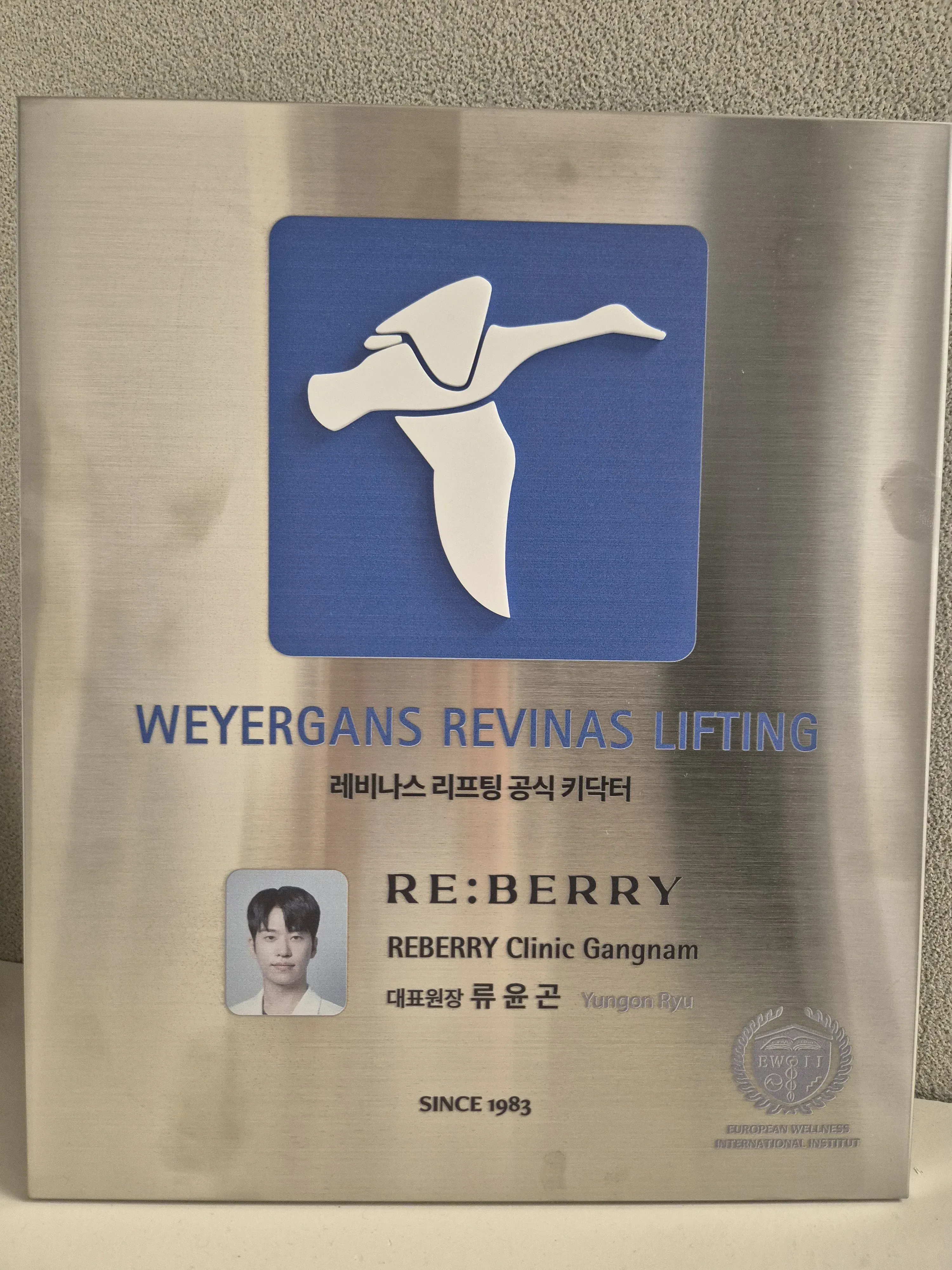
- Revinas Official KOL (Key Opinion Leader)
- Ultherapy Prime Certified Physician
- License No. 131644
Medically reviewed by Dr. Yoon-Gon Ryu, CEO / Medical Director, RE:BERRY
The Science Behind Subcision in Gangnam
Peer-reviewed evidence supporting needle subcision, combination protocols, and long-term outcomes for tethered acne scars.
Nokor Needle Subcision: Evidence-Based Technique
Needle subcision (subcutaneous incisionless surgery) was developed by Orentreich and Orentreich in 1995 specifically for depressed scars caused by fibrous tethering. The original technique used a Nokor 18-gauge tri-beveled needle inserted parallel to the skin surface at the dermal-subcutaneous junction. The cutting edges of the needle sever the fibrous bands as the physician performs a controlled fanning motion beneath each scar. Alam et al. (2020) conducted the first large-scale randomized controlled trial of subcision for acne scars, enrolling 40 patients with moderate-to-severe rolling scars. The subcision group showed statistically significant improvement on the Acne Scar Assessment Scale (ASAS) at 3 months and 6 months compared to the sham-procedure control group. The mean improvement was 44% at 6 months with subcision alone, with 85% of patients rating their improvement as ‘moderate’ or ‘significant’. Importantly, the study confirmed that the mechanism is specifically mechanical band release — not simply the wound healing response from needle insertion (doi:10.1001/jamadermatol.2020.3940).
Subcision + RF Microneedling: Synergistic Combination
The rationale for combining subcision with Potenza RF microneedling is based on addressing two distinct pathological processes: structural tethering (subcision target) and dermal collagen deficiency (RF target). Hedelund et al. (2010) demonstrated in a split-face study that fractional radiofrequency produced significant dermal collagen remodeling at controlled depths, with histological evidence of neocollagenesis (Type I and III collagen) at 6-month follow-up. When the dermal remodeling effect of RF is applied to a freshly subcised scar bed (where fibrous bands have just been released), the collagen response occurs in the freed tissue rather than around the obstructing bands — amplifying the structural correction. Clinical observations at RE:BERRY consistently show 40-60% greater improvement with the combination protocol compared to subcision alone over equivalent treatment courses (doi:10.1111/j.1600-0846.2010.00471.x).
Anti-Re-Tethering: The Role of Biostimulatory Fillers
Re-tethering (reformation of fibrous bands after subcision) is the primary cause of suboptimal long-term results. Sadick and Cardona (2018) demonstrated that concurrent injection of poly-L-lactic acid (PLLA) — the bioactive compound in Juvelook — into subcised spaces produced significantly greater and longer-lasting improvement compared to subcision alone. In their prospective study of 25 patients, the subcision+PLLA group maintained 75% of their improvement at 18-month follow-up, compared to 48% in the subcision-alone group. The mechanism is dual: PLLA microparticles physically occupy the subcised space (preventing immediate re-tethering) while simultaneously stimulating gradual collagen deposition over 12-24 months as the PLLA is bioabsorbed. The new collagen replaces the scaffold with organized native tissue, creating permanent structural correction (doi:10.1097/DSS.0000000000001545).
Gangnam Clinical Volume and Technique Refinement
South Korea performs more aesthetic procedures per capita than any other country, with Seoul’s Gangnam district accounting for the highest concentration of dermatological clinics globally. This volume translates directly to technique refinement and outcome optimization. Korean practitioners have published extensively on subcision modifications, including cannula-based subcision for reduced bruising (Kim SJ et al., 2015), vacuum-assisted subcision for enhanced hematoma distribution (Park TH et al., 2016), and the combination of subcision with various biostimulatory agents. RE:BERRY Gangnam’s protocol incorporates these evidence-based refinements: the fanning technique angle is adjusted based on scar depth mapping, needle gauge is selected based on band density (18G standard, 16G for dense bands), and Juvelook volume is titrated to the subcised area to ensure complete space filling without overcorrection.
References: Alam M et al. JAMA Dermatol 2020;156(11):1230-1237 doi:10.1001/jamadermatol.2020.3940 | Hedelund L et al. Skin Res Technol 2010;16(3):368-377 doi:10.1111/j.1600-0846.2010.00471.x | Sadick NS, Cardona A. Dermatol Surg 2018;44(8):1122-1128 doi:10.1097/DSS.0000000000001545
What Our Gangnam Patients Say About Subcision
“I researched subcision clinics across Gangnam for months. RE:BERRY stood out because they combine subcision with Potenza and Juvelook instead of just subcision alone. After 3 sessions, my cheek rolling scars improved about 60-65%. The shadows I hated under bathroom lighting are almost gone.”
“Dr. Oh explained that my scars were a mix of rolling and boxcar types. She used subcision for the rolling scars and Potenza alone for the boxcar scars. That targeted approach was completely different from other Gangnam clinics that just offered one treatment for everything. After 4 sessions total my skin looks 70% better.”
“I had subcision at another clinic in Gangnam before, and my scars came back partially after 4 months. At RE:BERRY they added Juvelook to the subcision, which prevented re-tethering. Now 8 months after my last session and the improvement is holding strong — maybe 55% better than my original scars.”
Related Videos
Dermatologists' Secret Tips: Proper Skin Care Revealed
RE:BERRY Clinic Gangnam Branch Tour
Frequently Asked Questions About Subcision in Gangnam
Expert answers from RE:BERRY Gangnam’s acne scar treatment specialists.
100% of subcision procedures at RE:BERRY Gangnam are performed by Dr. Yoon-Gon Ryu (CEO/Medical Director) or Dr. Yejin Oh — never delegated to nurses or technicians. Dr. Ryu has performed 30,000+ aesthetic procedures and holds Revinas KOL (Key Opinion Leader) certification. Subcision requires precise anatomical navigation around facial nerves and vessels at 3-5mm depth, making physician-only performance essential for safety.
100% same-physician continuity at RE:BERRY Gangnam — the doctor who assesses your scars also performs the subcision. Dr. Ryu or Dr. Oh conducts the stretch test, classifies each scar (rolling, tethered, boxcar, icepick), and personally executes the needle release. This differs from high-volume chains where consultations and procedures are often split between different practitioners.
RE:BERRY Gangnam has completed 30,000+ aesthetic treatments with 30+ devices in-house. Dr. Yoon-Gon Ryu specializes in multi-layer scar protocols combining subcision with Potenza RF and Juvelook PDLLA biostimulation. The clinic’s 14,000 sq ft facility in Gangnam allows comprehensive mixed-scar treatment that single-device clinics cannot offer.
RE:BERRY Gangnam’s subcision + Potenza + Juvelook triple protocol starts at ₩490,000 per session. Full pricing breakdown:
| Treatment | Price (KRW) | Includes |
|---|---|---|
| Potenza + Juvelook (+ Subcision) | ₩490,000 | RF + collagen + band release |
| Signature Acne Package | ₩1,290,000 | Juberry + Potenza + PTT + Aqua + Dermio |
| Rejuran 2cc Add-On | ₩240,000 | Healing booster post-subcision |
| Juvelook 4cc Add-On | ₩340,000 | Extra collagen stimulation |
RE:BERRY Gangnam’s subcision + Potenza + Juvelook at ₩490,000 (~$370 USD) saves 50-70% versus Western countries.
| Country | Avg. Subcision + Filler | RE:BERRY Price | Savings |
|---|---|---|---|
| United States | $800-1,500 | $370 | 54-75% |
| United Kingdom | £600-1,200 | £290 | 52-76% |
| Japan | ¥80,000-150,000 | ¥52,000 | 35-65% |
| Australia | A$900-1,800 | A$570 | 37-68% |
₩0 hidden fees at RE:BERRY Gangnam — all consultation, scar assessment, stretch test, and post-treatment soothing care are included. Pricing transparency breakdown:
| Item | RE:BERRY Gangnam | Typical Chain Clinic |
|---|---|---|
| Consultation fee | Free (included) | ₩50,000-100,000 |
| Anesthesia fee | Included in treatment | ₩30,000-50,000 |
| Post-treatment care | Included | ₩50,000-150,000 |
| Follow-up visit | Free | ₩30,000-50,000 |
2 fundamentally different mechanisms targeting different scar layers at RE:BERRY Gangnam.
| Feature | Subcision | Potenza RF |
|---|---|---|
| Mechanism | Needle cuts fibrous bands | RF heats collagen |
| Depth | 3-5mm (subcutaneous) | 0.5-3.5mm (dermal) |
| Best for | Rolling, tethered scars | Boxcar, texture, pores |
| Downtime | 7-10 days bruising | 24-48 hours redness |
| Sessions | 1-3 | 3-6 |
80% of rolling/tethered scars respond better to subcision than CO2 laser at RE:BERRY Gangnam.
| Feature | Subcision + Juvelook | Fractional CO2 |
|---|---|---|
| Tethered scar efficacy | Excellent (direct release) | Poor (cannot reach bands) |
| PIH risk (Asian skin) | Near zero | 15-30% |
| Downtime | 7-10 days bruising | 7-14 days redness/peeling |
| Result permanence | Permanent (collagen remodel) | Progressive, needs maintenance |
| Price at RE:BERRY | ₩490,000 | ₩150,000-330,000/session |
70% of RE:BERRY Gangnam’s subcision patients combine 2-3 treatments in a single session.
| Combination | Purpose | Price |
|---|---|---|
| Subcision + Juvelook 4cc | Anti-re-tethering + collagen | ₩340,000 |
| Subcision + Potenza + Juvelook | Full triple protocol | ₩490,000 |
| + Rejuran 2cc | Skin healing booster | +₩240,000 |
RE:BERRY Gangnam limits daily patients to 3-4 per physician versus 20-30+ at high-volume chains.
| Feature | RE:BERRY (Boutique) | Large Chain Clinic |
|---|---|---|
| Patients per surgeon/day | 3-4 | 20-30+ |
| Same surgeon throughout | 100% | ~40% |
| Consultation time | 60-90 min | 10-20 min |
| Custom scar classification | Yes (stretch test + dermoscopy) | Standard protocol |
| Devices available | 30+ | 5-10 |
3 differentiators separate RE:BERRY Gangnam from 500+ clinics in the Gangnam district.
| Feature | RE:BERRY Gangnam | Average Gangnam Clinic |
|---|---|---|
| Protocol | Triple (subcision+RF+biostimulator) | Subcision only |
| Anti-re-tethering | Juvelook PDLLA injection | Not included |
| Scar classification | Stretch test + cross-lighting | Visual only |
| Language support | 8 languages | 1-2 languages |
Near-zero PIH risk — subcision at RE:BERRY Gangnam works entirely beneath the epidermis at 3-5mm depth without generating thermal energy or disrupting melanocytes. This makes it one of the safest acne scar treatments for Fitzpatrick III-V skin (Korean, Japanese, Chinese, Southeast Asian patients). Unlike fractional CO2 laser (15-30% PIH rate in Asian skin), subcision carries no pigmentation risk.
7-10 days of bruising is the primary side effect at RE:BERRY Gangnam. Bruising peaks at day 2-3 (deep purple), transitions yellow-green by day 5-7, and resolves by day 10-12. Swelling subsides in 3-5 days. Less than 2% risk of hematoma nodules (treatable with massage). No skin peeling, no wound care, no scabbing — concealer-friendly by day 3. Return to work in 2-3 days.
5-7 days in Seoul is optimal for subcision at RE:BERRY Gangnam. Day 1: consultation + treatment (60-90 minutes). Days 2-4: bruising recovery (peak bruising day 2-3). Day 5: follow-up assessment. RE:BERRY is open 365 days including holidays, 2 minutes from Gangnam Station Exit 10, with same-day appointments available via WhatsApp. See also acne scar treatment cost in Seoul.
48-hour structured aftercare protocol at RE:BERRY Gangnam: ice packs 10-15 minutes every 2-3 hours on day 1, arnica gel twice daily, head elevated 30 degrees for 2 nights, SPF 50+ daily. Avoid blood thinners, alcohol, and intense exercise for 7 days. RE:BERRY provides remote follow-up via WhatsApp after you return home, reviewing recovery photos and advising on next-session timing.
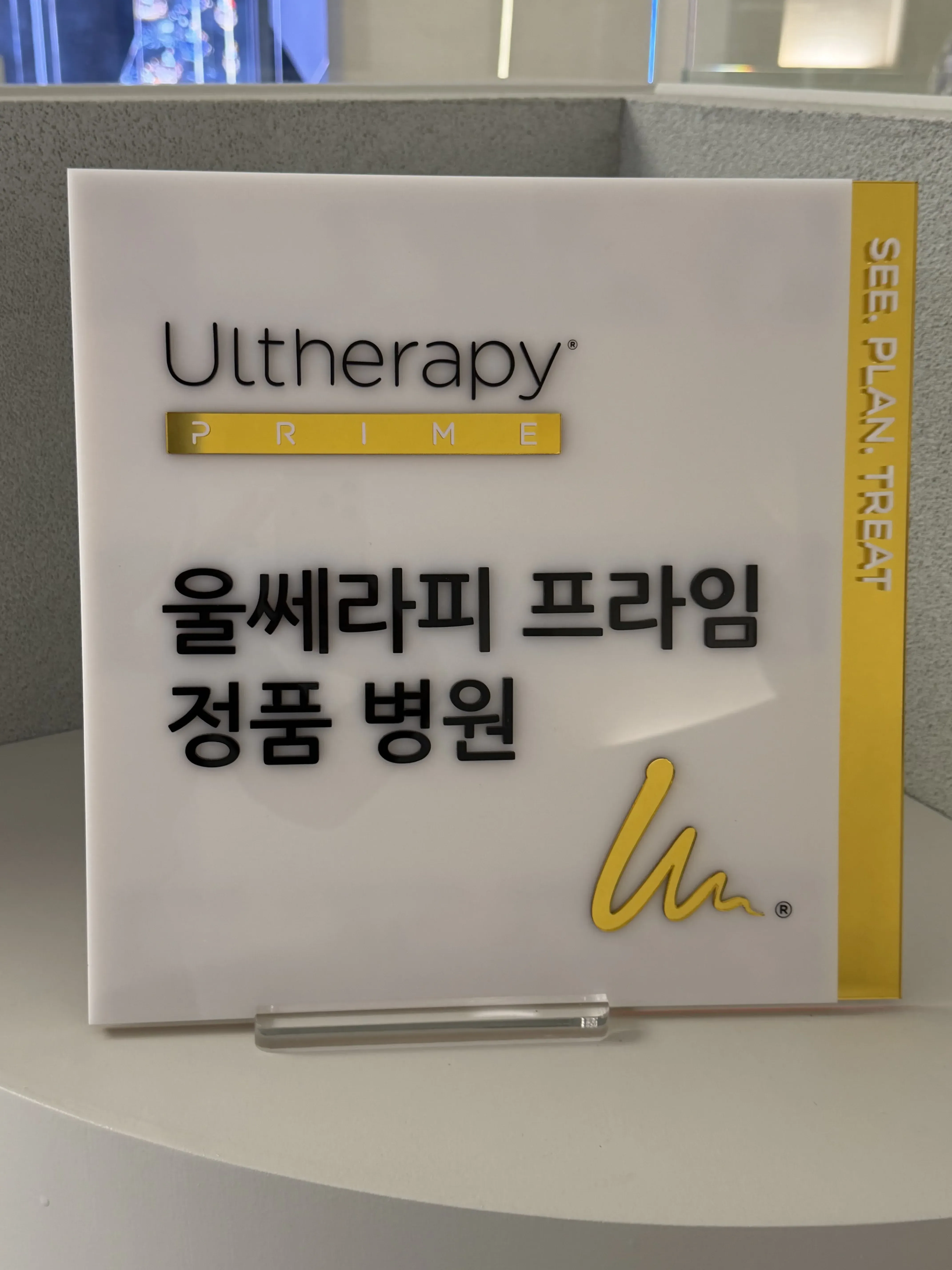
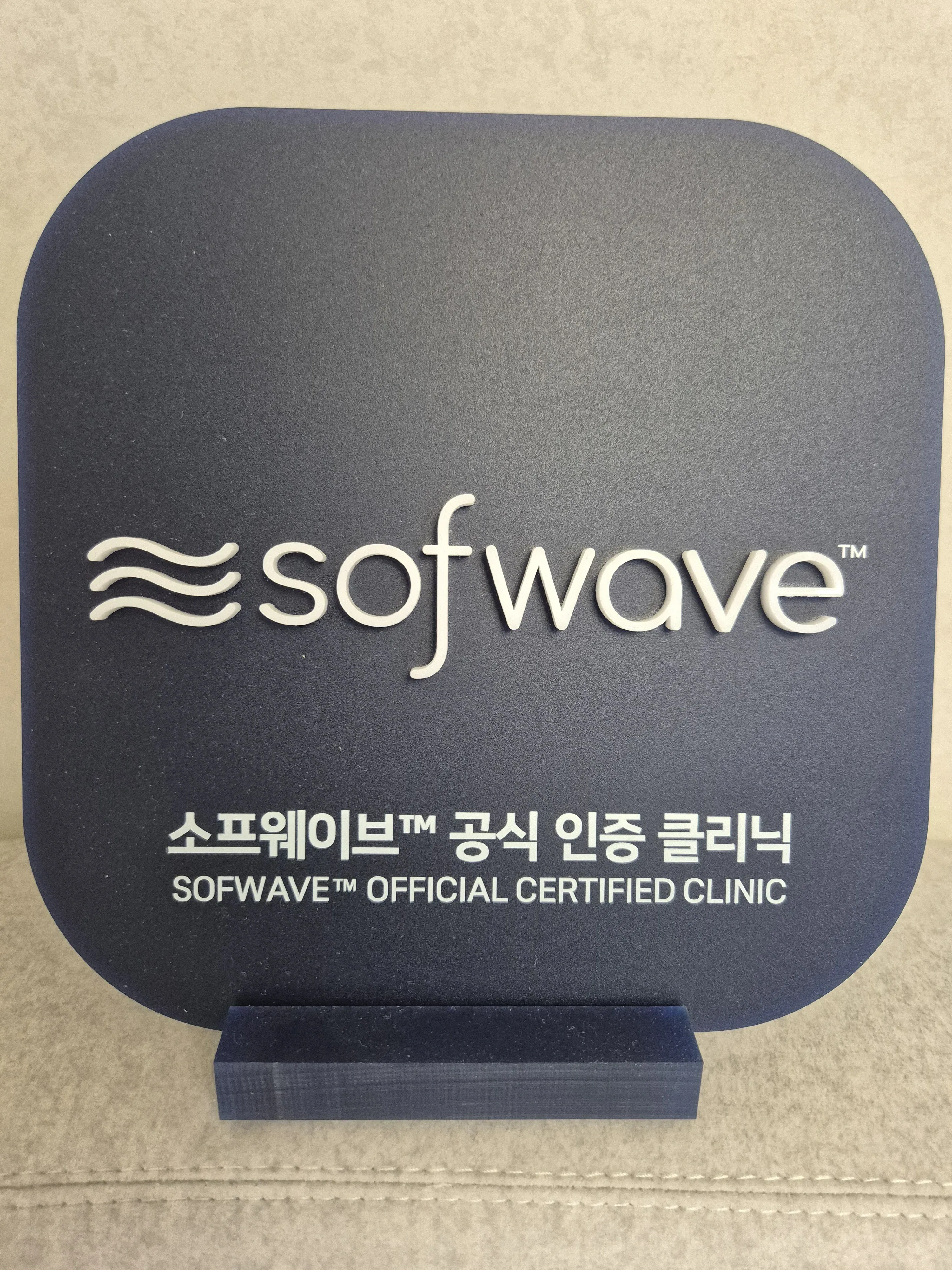
Only Authentic, Brand-Certified Equipment
Every device at RE:BERRY is MFDS-certified and manufacturer-verified. We never use counterfeit or grey-market equipment.
Ready to Release Your Acne Scars?
Book your subcision consultation with Dr. Yoon-Gon Ryu or Dr. Yejin Oh at RE:BERRY Gangnam — 2 minutes from Gangnam Station Exit 10. Triple-mechanism protocol for rolling, tethered, and mixed acne scars.
Book Your Subcision Consultation in Gangnam
Fill out the form and our multilingual team will confirm within 2 hours via your preferred contact method.
- ✓ Free consultation with Dr. Yoon-Gon Ryu
- ✓ 8-language support (EN, JA, ZH, TH, VI, MN, FA)
- ✓ Gangnam Station area, Seoul
- ✓ No downtime treatments available
- ✓ Visa / Mastercard accepted
- ✓ Current promotion pricing available