Chemical Peel vs Laser Which Skin Resurfacing Treatment Is Right for You in Gangnam Seoul?
Chemical peel vs laser is the most common question patients ask before their first skin resurfacing treatment. At RE:BERRY Gangnam, we offer both medical-grade chemical peels and advanced laser systems to address acne scars, pigmentation, texture, and dullness — and our specialists help you choose based on your skin type, downtime tolerance, and goals.
Chemical Peel vs Laser: Which Should You Choose?
Chemical peels use acid solutions to exfoliate damaged skin layers starting at ₩77,000 at RE:BERRY Gangnam, while laser treatments use focused light energy for deeper precision resurfacing from ₩190,000 — peels suit mild dullness and superficial pigmentation, whereas lasers target stubborn acne scars, deep melasma, and collagen remodeling more effectively.
The chemical peel vs laser debate is not about which is universally better — it is about which matches your specific skin concern, Fitzpatrick type, downtime tolerance, and budget. Chemical peels work by applying controlled acid solutions (glycolic, salicylic, TCA, or proprietary blends like our LHALA Peel) that dissolve the intercellular bonds in damaged epidermal layers, triggering natural desquamation and renewal. The depth of the peel determines both the intensity of results and the recovery period. Superficial peels (AHA/BHA) require virtually no downtime and address surface-level dullness, mild acne, and fine texture irregularities. Medium-depth peels (TCA 15-35%) penetrate into the papillary dermis and effectively treat moderate pigmentation, sun damage, and shallow acne scarring. At RE:BERRY Gangnam, our LHALA Peel at ₩77,000 represents an advanced medical-grade formulation that delivers controlled exfoliation with built-in skin-calming agents for faster recovery. Laser treatments, on the other hand, use concentrated light energy at specific wavelengths to target chromophores (melanin, hemoglobin, water) within the skin. Different laser platforms address different concerns: Pico lasers shatter pigment particles with ultra-short picosecond pulses, fractional lasers create microscopic treatment zones that trigger collagen remodeling while leaving surrounding tissue intact for faster healing, and ablative CO2 lasers vaporize damaged tissue layer by layer for the most dramatic resurfacing results. At RE:BERRY Gangnam, we operate over 30 devices including PicoSure, fractional Pico, Genesis, and multiple RF-combined platforms, allowing our medical team to select the precise wavelength, pulse duration, and energy density for your individual condition. The chemical peel vs laser comparison ultimately comes down to several key factors. For mild concerns like surface dullness, uneven tone, and minor breakouts, chemical peels offer excellent results at a lower price point with minimal downtime. For moderate to severe acne scarring, deep pigmentation disorders like melasma, enlarged pores, and significant textural irregularities, laser treatments deliver superior precision and deeper tissue remodeling. Many patients at RE:BERRY Gangnam benefit from a combination approach — using chemical peels for maintenance between laser sessions, or pairing a peel with Potenza RF microneedling for comprehensive skin renewal.
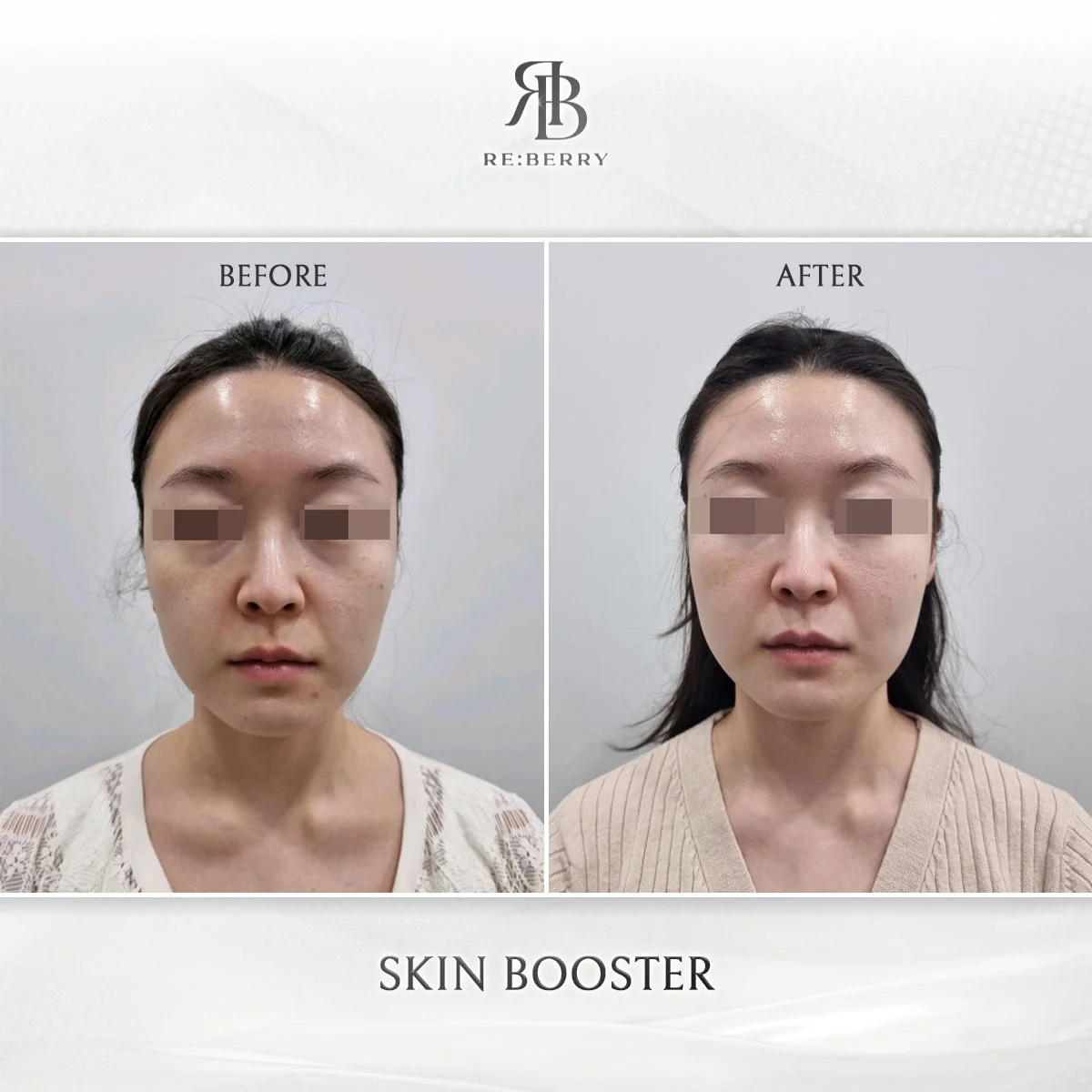
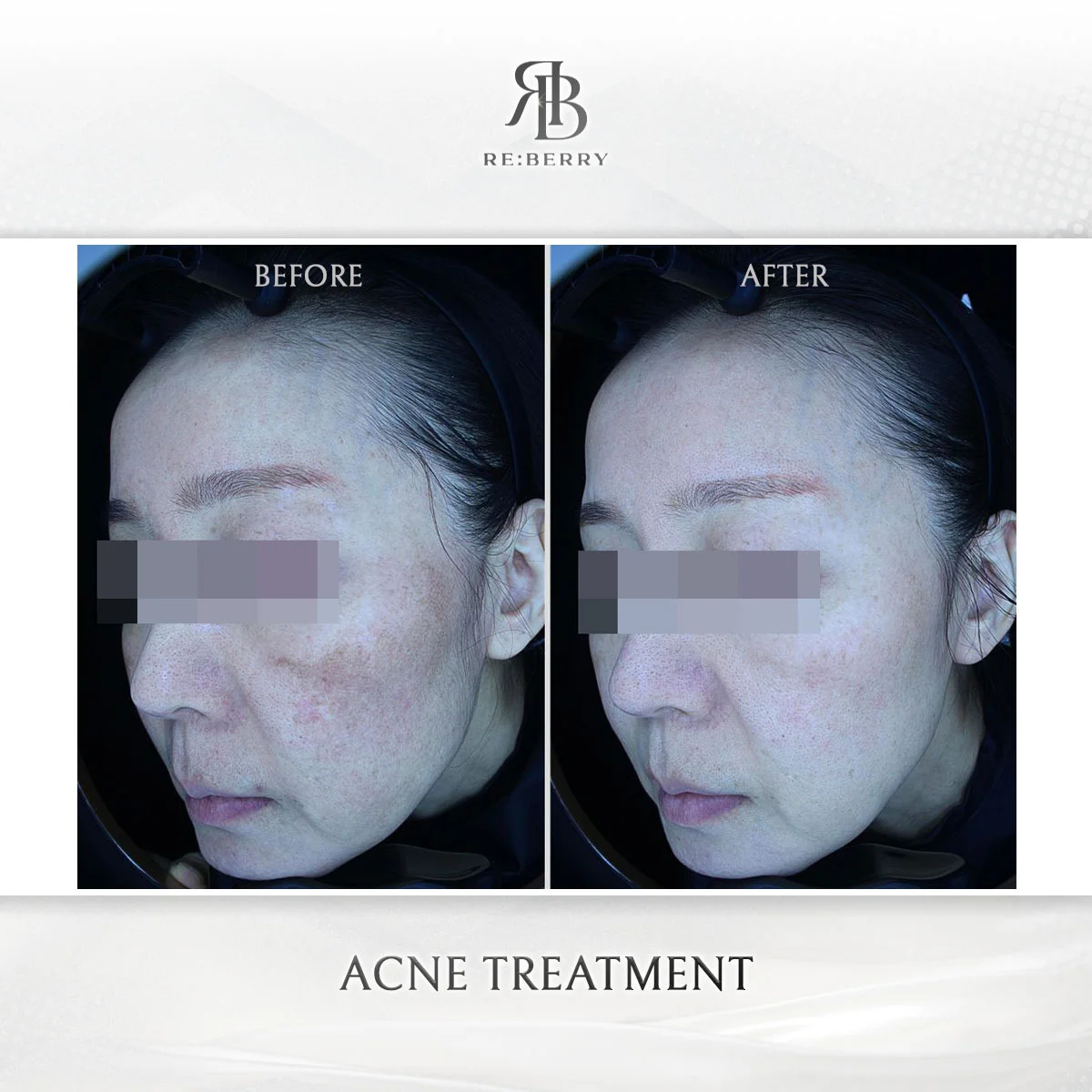
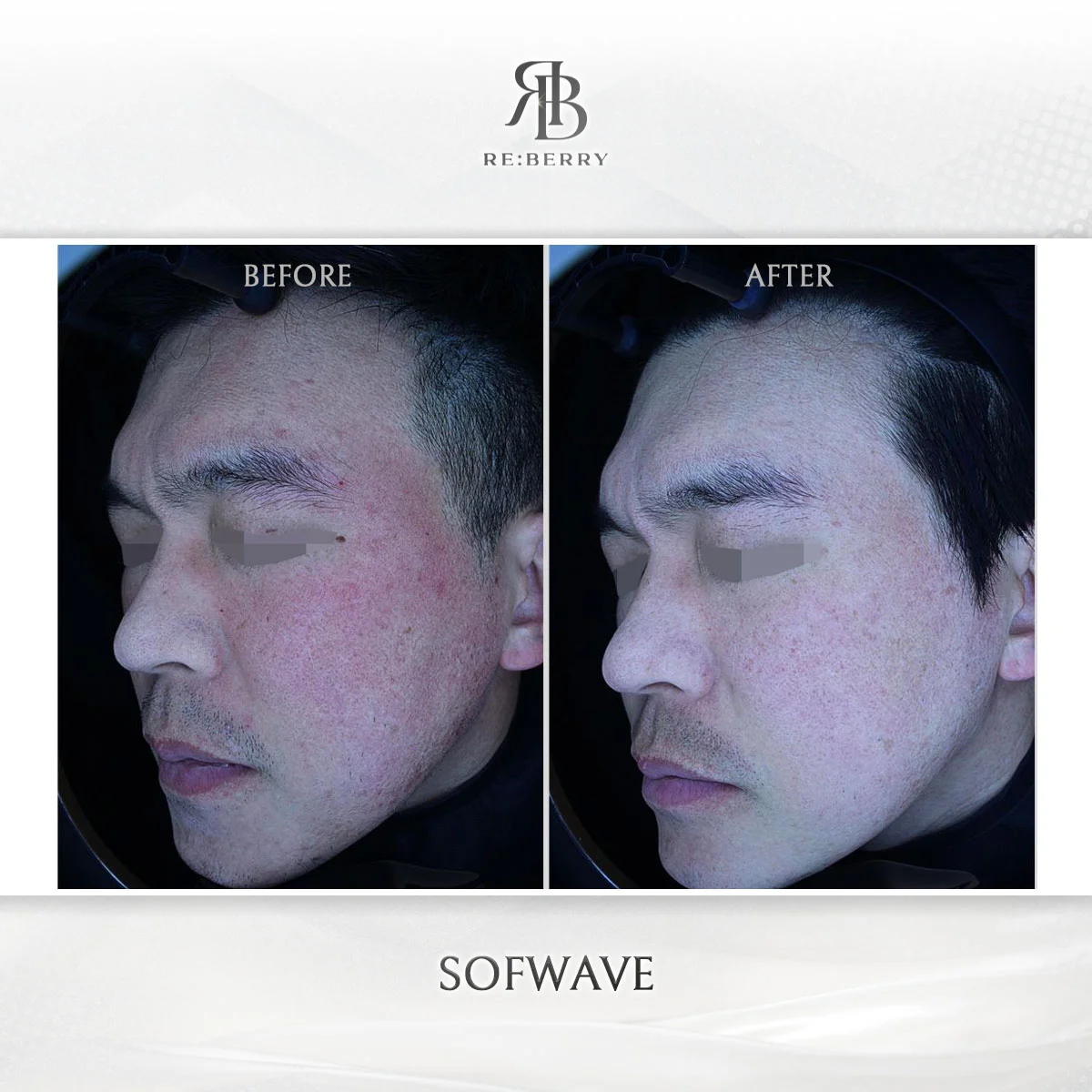
Chemical Peel vs Laser Before & After at RE:BERRY Gangnam
Actual patient results from RE:BERRY Gangnam. Individual results may vary.
How Chemical Peel vs Laser Consultation Works at RE:BERRY Gangnam
Our four-step protocol ensures you receive the right resurfacing method — chemical peel, laser, or both — for your skin.
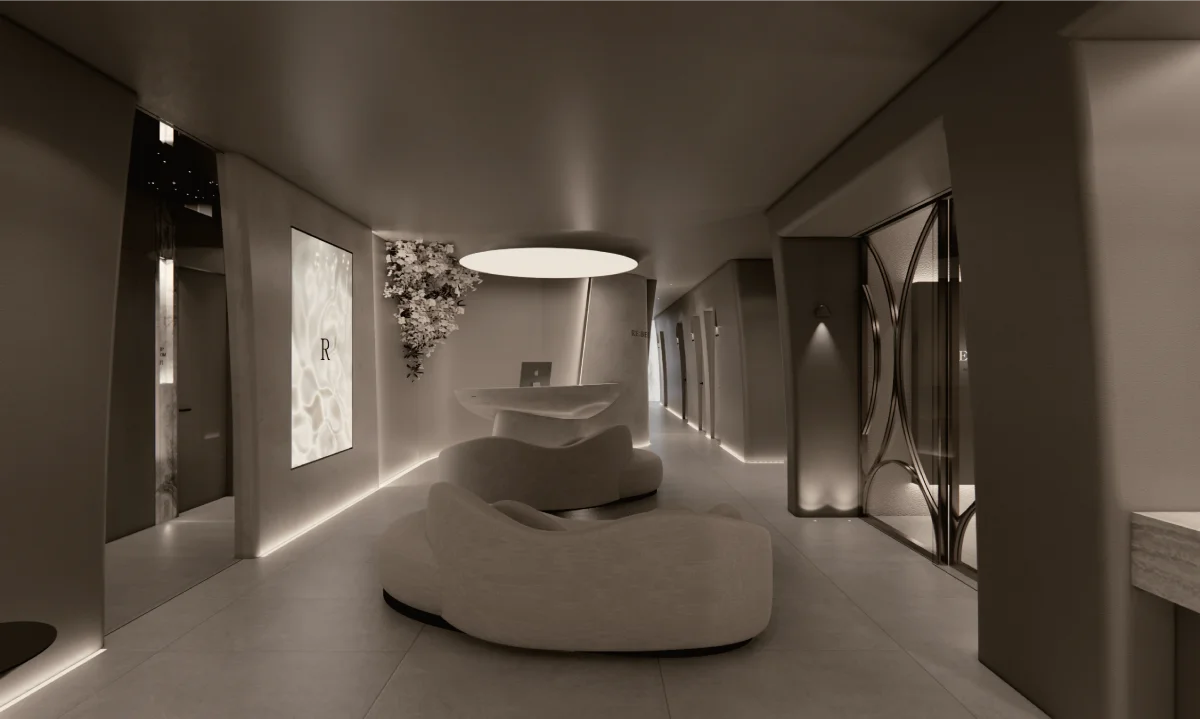
Comprehensive Skin Analysis
Dr. Yoon-Gon Ryu examines your skin under magnification and dermoscopy to assess Fitzpatrick type, pigmentation depth, scar grading (Goodman-Baron scale), pore size, and hydration level. This 15-minute chemical peel vs laser analysis determines whether an acid-based exfoliation, laser-based approach, or a combination protocol will produce optimal results for your specific skin concerns.
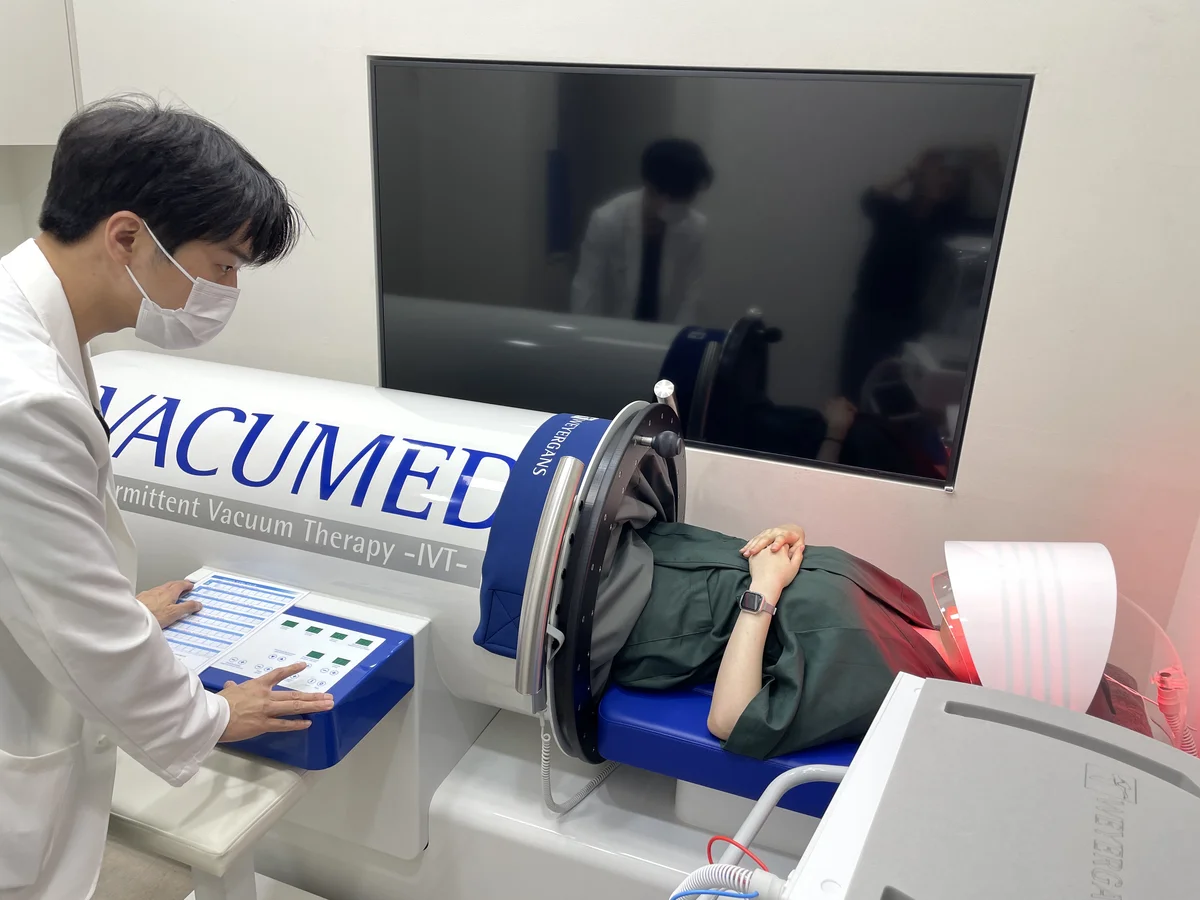
Treatment Selection & Customization
Based on your analysis, the doctor designs a personalized protocol. For chemical peels, this means selecting the acid type, concentration, and contact time. For laser treatments, this involves choosing the wavelength, spot size, fluence, and pulse duration. At RE:BERRY Gangnam, we tailor every parameter to your skin’s current condition rather than applying a one-size-fits-all approach.
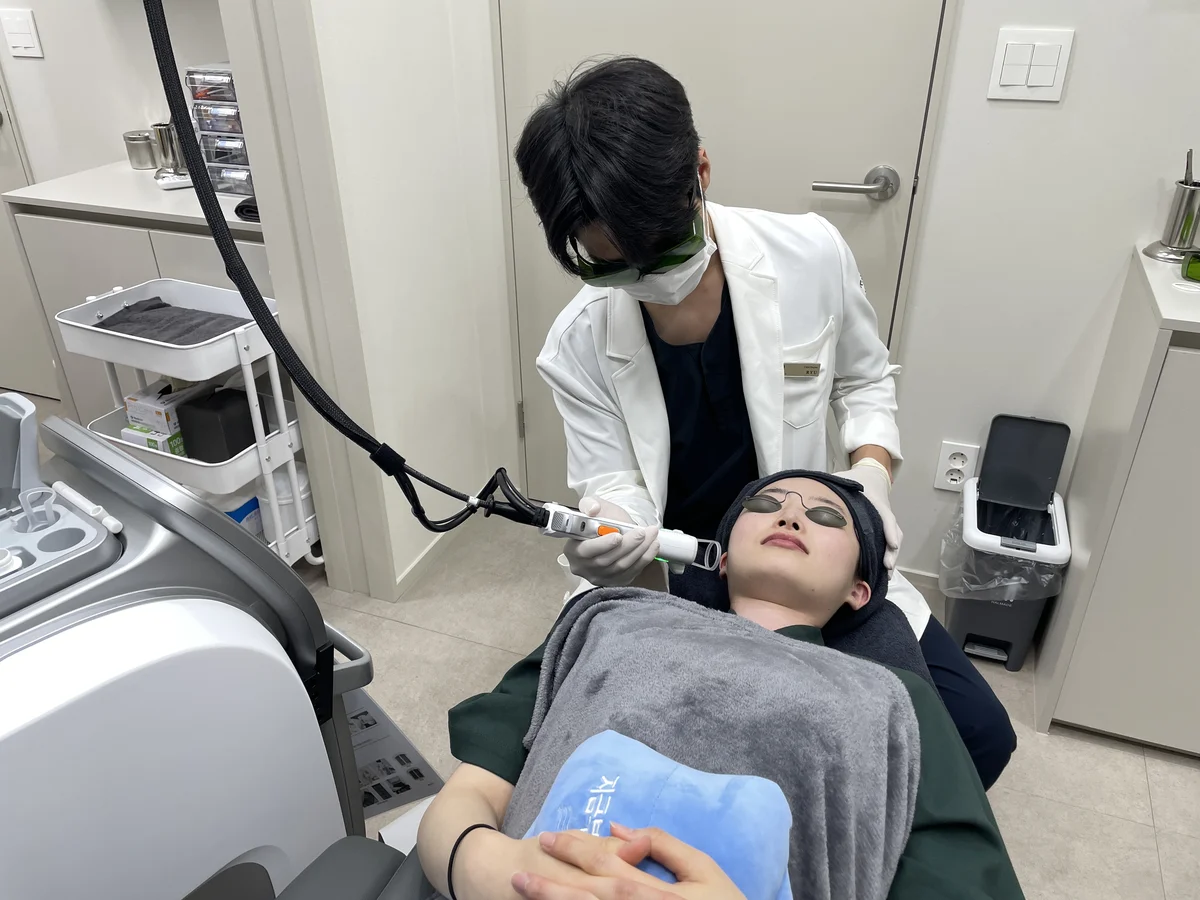
Precision Application
Chemical peels are applied in controlled layers with real-time observation of the frost endpoint (for medium-depth peels) or gentle brush application (for superficial peels). Laser treatments are delivered with calibrated handpieces across mapped treatment zones, with built-in cooling for patient comfort. Both chemical peel and laser procedures take 20-45 minutes depending on the treatment area and intensity level selected.
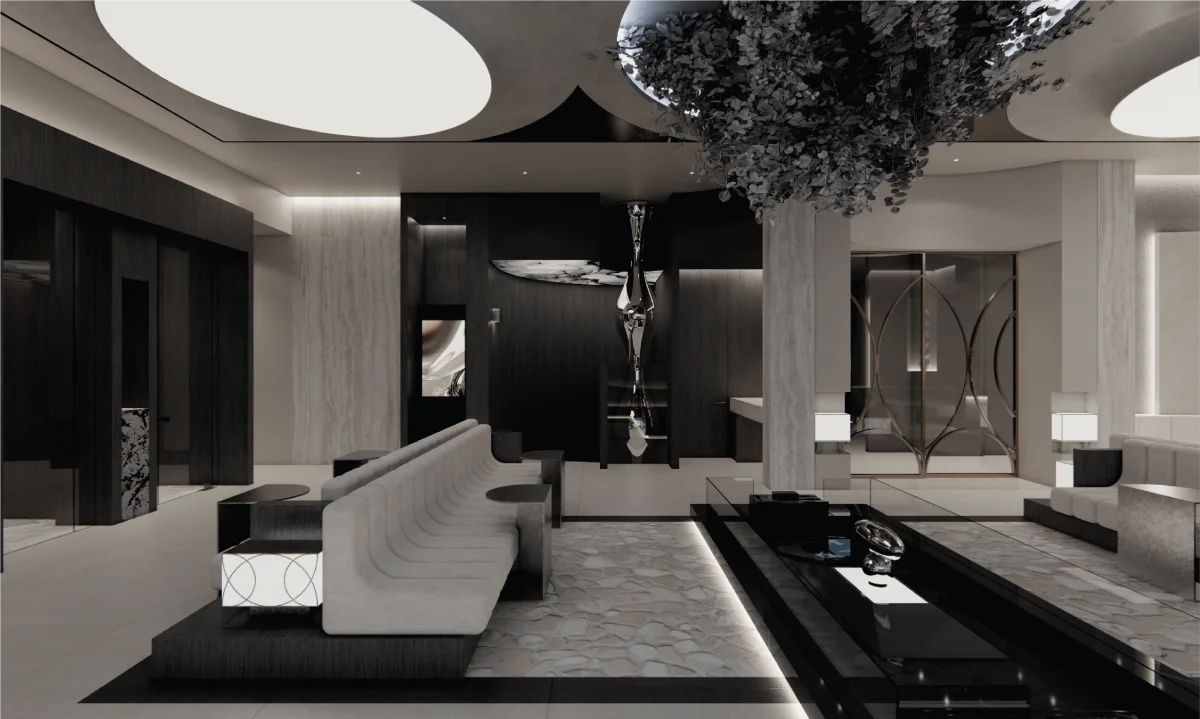
Post-Treatment Recovery Protocol
After a chemical peel, a neutralizing agent and soothing mask are applied. After laser treatment, cooling and growth-factor serums accelerate healing. You receive written aftercare instructions in your language, including SPF requirements, product recommendations, and a follow-up timeline specific to your chosen treatment.
What to Expect from Chemical Peel vs Laser Treatments
- Customizable Depth: Both chemical peels and lasers offer adjustable treatment intensity — from gentle superficial renewal to aggressive deep resurfacing for dramatic transformation.
- All Skin Concerns Addressed: Between peels and lasers, RE:BERRY Gangnam covers every resurfacing need: acne scars, pigmentation, melasma, fine lines, enlarged pores, dullness, and uneven texture.
- FDA-Cleared & Medical-Grade: All laser devices at RE:BERRY are FDA-cleared, and our chemical peels are pharmaceutical-grade formulations — never spa-level products.
- Minimal to Zero Downtime Options: Superficial peels and non-ablative lasers require virtually no recovery, while deeper treatments deliver more dramatic results with predictable 3-7 day recovery.
- Combination Protocols Available: Chemical peels and lasers work synergistically. Peels optimize surface texture between laser sessions, and lasers address concerns beyond the reach of acid-based exfoliation.
- Affordable Entry Point: LHALA Peel starts at just ₩77,000 and Aqua Peel at ₩49,000, making medical-grade skin resurfacing accessible even for budget-conscious travelers visiting Gangnam.
| Timeline | What to Expect |
|---|---|
| Day 1-3 | Chemical peel: mild tightness and light flaking begin. Laser: slight pinkness and warmth resolve within 24-48 hours for non-ablative treatments. |
| Week 1 | Peel exfoliation completes. Laser-treated areas show new skin emerging. Both treatments reveal visibly brighter, smoother complexion. |
| Week 2-4 | Collagen remodeling begins in laser-treated skin. Peel benefits fully visible. Pigmentation and uneven tone significantly improved. |
| Month 1-2 | Laser collagen stimulation reaches peak activity. Acne scars and pores appear refined. Surface texture continues improving. |
| Month 3-6 | Maximum results for both treatments. Skin tone is even, texture is smooth, and overall complexion appears rejuvenated. |
| Month 6-12 | Results maintained with proper skincare routine. Maintenance peels every 4-6 weeks or laser touch-ups every 3-6 months recommended. |
Chemical Peel vs Laser: Complete Feature Comparison
| Feature | Chemical Peel | Non-Ablative Laser | Fractional Laser | Pico Laser |
|---|---|---|---|---|
| Mechanism | Acid dissolution of damaged cells | Light energy heats dermis (surface intact) | Microscopic treatment columns | Ultra-short picosecond pulses |
| Best For | Dullness, mild pigmentation, texture | Skin rejuvenation, redness, fine lines | Acne scars, deep wrinkles, pores | Pigmentation, tattoo, melasma |
| Depth Control | Acid concentration + time | Wavelength + fluence | Density + depth settings | Pulse duration + spot size |
| Downtime | 0-7 days (depth-dependent) | 0-1 day | 3-7 days | 1-3 days |
| Sessions Needed | 3-6 (superficial) / 1-3 (medium) | 3-6 sessions | 3-5 sessions | 3-5 sessions |
| Pain Level | Mild tingling/stinging | Minimal (warmth) | Moderate (numbing used) | Mild snapping sensation |
| Melanin Risk (Fitzpatrick IV-VI) | Low-moderate (acid selection key) | Low | Moderate (settings critical) | Low (melanin-bypass wavelength) |
| Collagen Stimulation | Moderate (medium/deep peels) | Moderate | High | Moderate-High |
| Starting Price at RE:BERRY | ₩77,000 (LHALA Peel) | ₩190,000 (InMode FX) | ₩330,000 (Potenza) | Consultation required |
Chemical Peel vs Laser Pricing at RE:BERRY Gangnam
All prices exclude VAT. Non-covered medical service. Prices valid April-June 2026.
LHALA Peel
- Medical-grade LHALA formulation
- Controlled exfoliation + neutralization
- Post-peel soothing mask
- Aftercare instructions
- Ideal for dullness, mild acne, texture
Hydrafacial
- 4-step vortex cleansing + extraction
- Salicylic/glycolic acid infusion
- Antioxidant + peptide serum delivery
- LED light therapy
- Zero downtime
Potenza RF + Juvelook (or Exosome)
- Potenza RF microneedling (full face)
- Juvelook or Exosome infusion
- Collagen stimulation + skin booster
- Addresses scars, pores, texture
- Consultation with Dr. Yoon-Gon Ryu
Reberry Signature Smooth Texture Glow Package
- Potenza non-insulated tip (full face)
- Juberry 6cc skin booster
- Resistance-reducing Skin Boitox
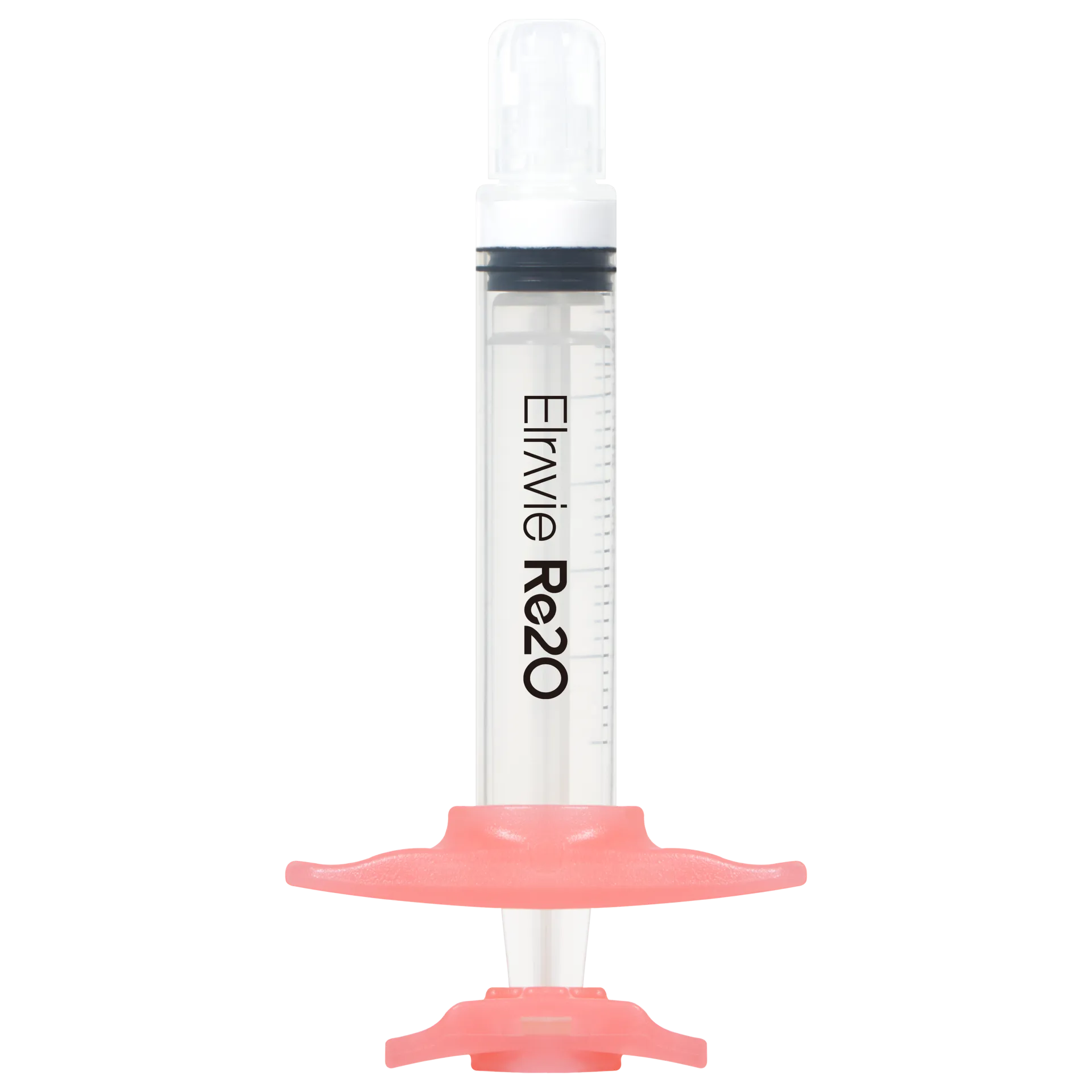
- Re2O 1 syringe
- LDM aftercare
- Multi-layer resurfacing approach
Meet Your Doctor

Dr. Yoon-Gon Ryu
- CEO, RE:BERRY Clinic Gangnam
- Medical Director, Aesthetic Medicine Specialist
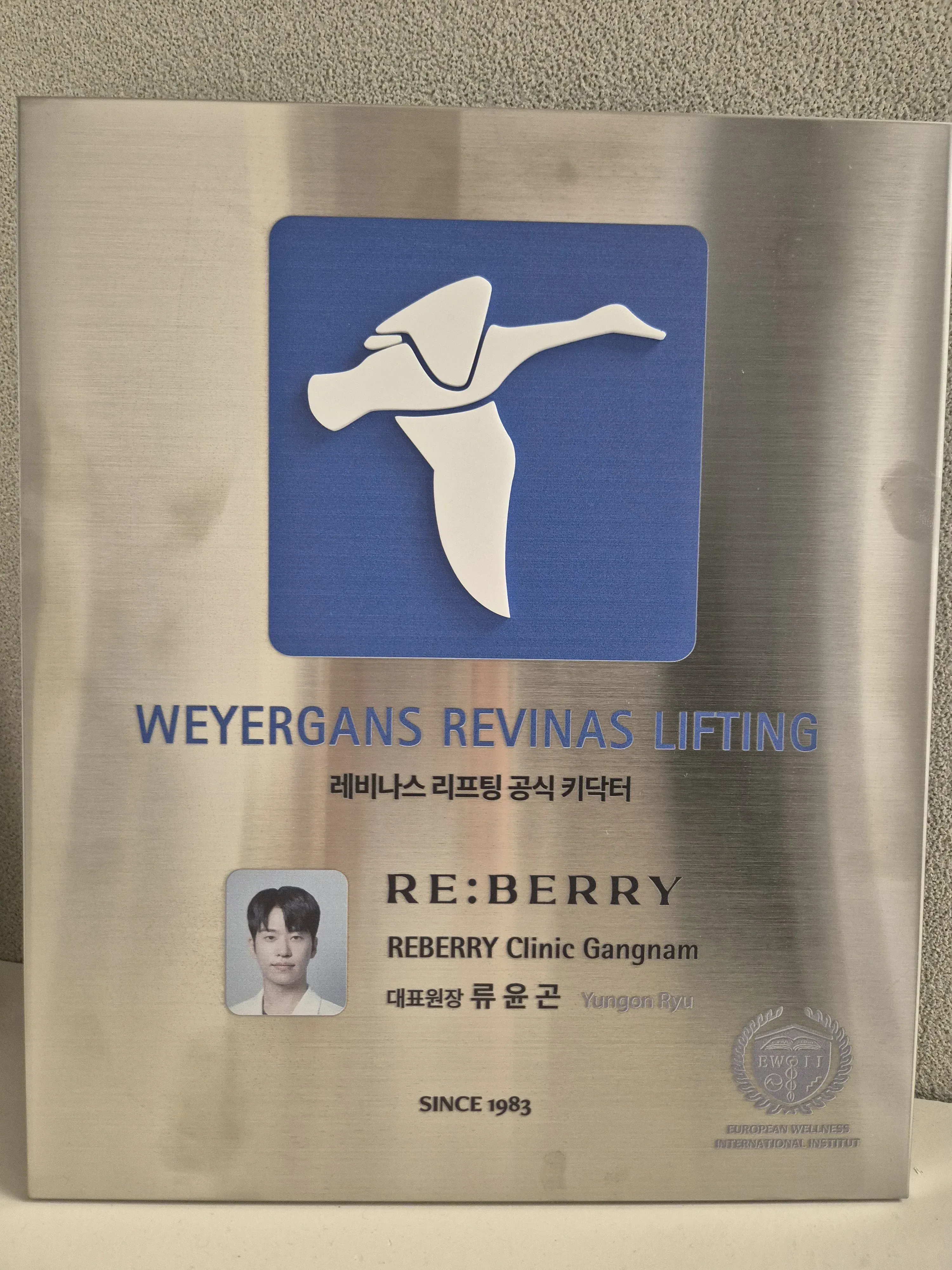
- Revinas Official KOL (Key Opinion Leader)
- Ultherapy Prime Certified Physician
- License No. 131644
Medically reviewed by Dr. Yoon-Gon Ryu, CEO / Medical Director, RE:BERRY
The Science Behind Chemical Peel vs Laser Skin Resurfacing
Peer-reviewed evidence comparing the mechanisms, efficacy, and safety profiles of chemical peels versus laser treatments.
Chemical Peel Mechanisms: Controlled Chemoexfoliation
Chemical peels induce controlled destruction of epidermal and dermal layers through application of caustic agents. Alpha-hydroxy acids (glycolic, lactic) disrupt corneocyte cohesion at the stratum corneum for superficial exfoliation. Trichloroacetic acid (TCA) at 15-35% concentration denatures proteins through the papillary dermis, triggering organized wound healing with new collagen deposition. The depth of injury is determined by acid type, concentration, application technique, and contact time — all variables that trained physicians at RE:BERRY Gangnam precisely control. A key advantage of chemical peels in the chemical peel vs laser comparison is their ability to treat the entire skin surface uniformly, making them particularly effective for diffuse conditions like post-inflammatory hyperpigmentation and generalized dullness.
Laser Resurfacing: Selective Photothermolysis
Laser skin resurfacing operates on the principle of selective photothermolysis, where specific wavelengths of light are absorbed by target chromophores (melanin, water, hemoglobin) within the skin. Non-ablative lasers like Genesis (1064nm Nd:YAG) heat the dermis while preserving the epidermis, stimulating collagen remodeling with minimal downtime. Fractional lasers create thousands of microscopic treatment zones surrounded by untreated tissue, enabling rapid re-epithelialization. Pico lasers deliver energy in trillionths of a second, shattering pigment particles through photomechanical rather than photothermal effect — this makes them particularly effective for melasma and pigmented lesions while minimizing thermal damage to surrounding tissue.
Head-to-Head Clinical Evidence: Chemical Peel vs Laser
Multiple randomized controlled trials have compared chemical peel vs laser outcomes for common indications. For acne scarring, Darji et al. found that fractional CO2 laser produced statistically superior improvement in atrophic acne scars compared to 70% glycolic acid peels at 3-month follow-up. For melasma, Moubasher et al. demonstrated that glycolic acid peel series produced comparable depigmentation to fractional laser, but with fewer adverse effects in Fitzpatrick IV-V patients. Regarding overall skin rejuvenation, Brody et al. showed that medium-depth chemical peels and non-ablative laser treatments both achieve significant improvement in photodamage scores, with the choice often determined by patient preference for downtime profile.
Combination Approaches: Chemical Peel and Laser Synergy at RE:BERRY Gangnam
Emerging evidence supports combination protocols that leverage both modalities. Pre-treatment with superficial chemical peels thins the stratum corneum, improving laser energy penetration and uniformity. Post-laser superficial peels accelerate desquamation of treated tissue and enhance overall results. At RE:BERRY Gangnam, Dr. Yoon-Gon Ryu designs multi-session protocols that alternate between chemical peels and laser treatments to address different skin layers sequentially, maximizing improvement while minimizing cumulative downtime.
Darji K, Varada S, Garg A et al. A randomized split-face comparison of glycolic acid peels and fractional CO2 laser for acne scars. Dermatol Surg. 2019;45(5):655-663. doi:10.1097/DSS.0000000000001745
Moubasher AE, Youssef EM, Abou-Taleb DA. Q-switched Nd:YAG laser versus trichloroacetic acid peeling in treatment of melasma among Egyptian patients. Dermatol Surg. 2014;40(8):874-882. doi:10.1097/DSS.0000000000000065
Brody HJ, Monheit GD, Resnik SS et al. A history of chemical peeling and the evolution of phenol-croton oil peels. Dermatol Surg. 2000;26(5):405-409. doi:10.1046/j.1524-4725.2000.99260.x
Safoury OS, Zaki NM, El Nabarawy EA et al. A study comparing chemical peeling using modified Jessner’s solution and 15% trichloroacetic acid versus 15% trichloroacetic acid in treatment of melasma. Indian J Dermatol. 2009;54(1):41-45. doi:10.4103/0019-5154.48985
What Our Patients Say About Chemical Peel vs Laser Treatments
“I came to RE:BERRY Gangnam convinced I needed laser, but Dr. Ryu recommended starting with LHALA Peels for my sensitive skin. After three sessions at ₩77,000 each, my skin was already glowing. He was right — I did not need the laser at all.”
“Had both a chemical peel and Pico laser session during my Seoul trip. The peel smoothed my surface texture and the Pico addressed my deeper sun spots. The combination was exactly what my skin needed.”
“My acne scars were too deep for peels alone. Dr. Oh recommended Potenza RF microneedling with Juvelook at ₩490,000. After two sessions my scars are noticeably flatter. Best investment I have made in my skin.”
“As a medical tourist I appreciate RE:BERRY’s honest advice. They could have sold me expensive laser packages but recommended a simple Aqua Peel plus LHALA combo that cost under ₩130,000 total. Results were great for my mild concerns.”
Related Videos
RE:BERRY Clinic Gangnam Branch Tour
Frequently Asked Questions About Chemical Peel vs Laser
Expert answers from RE:BERRY Gangnam’s medical team about chemical peel vs laser skin resurfacing treatments.
Dr. Yoon-Gon Ryu, Aesthetic Medicine Specialist with 30,000+ cumulative procedures at RE:BERRY Gangnam, personally conducts every chemical peel vs laser assessment. The 60-90 minute consultation includes Fitzpatrick skin typing, Wood’s lamp pigmentation analysis, and digital dermoscopy to match the optimal modality to your skin concern — not a sales-driven recommendation from a coordinator.
100% same-doctor continuity at RE:BERRY Gangnam — if your consultation determines you need both modalities, Dr. Yoon-Gon Ryu or Dr. Yejin Oh performs the chemical peel application and operates the laser device personally. This eliminates miscommunication between consultant and treatment provider, a common problem at high-volume chain clinics where 3-4 different staff members handle one patient.
RE:BERRY Gangnam’s physicians hold manufacturer certifications from Merz (Ultherapy), Solta Medical (Thermage FLX), Sofwave, DEKA (Onda), and Cynosure (PicoSure) with over 15 years combined aesthetic experience. The clinic operates 30+ MFDS-approved devices alongside pharmaceutical-grade chemical peel formulations in a certified 14,000 sq ft facility, enabling unbiased chemical peel vs laser recommendations.
RE:BERRY Gangnam’s chemical peels start at ₩77,000 and lasers from ₩190,000, both 50-70% less than US equivalents.
| Treatment | RE:BERRY Gangnam | US Average | Savings |
|---|---|---|---|
| LHALA Peel | ₩77,000 ($55) | $200-350 | 72-84% |
| InMode FX (10 min) | ₩190,000 ($136) | $500-800 | 73-83% |
| Potenza RF + Juvelook | ₩490,000 ($350) | $800-1,500 | 56-77% |
| Hydrafacial | ₩250,000 ($180) | $300-500 | 40-64% |
RE:BERRY Gangnam’s Signature Smooth Texture Glow Package combining Potenza RF + Juberry + Skin Boitox + Re2O + LDM costs ₩1,490,000 total.
| Combo Option | Price | Includes |
|---|---|---|
| LHALA Peel + Pico Laser | ~₩227,000 | Surface renewal + melanin targeting |
| Aqua Peel + Genesis Laser | ~₩200,000 | Cleansing + redness reduction |
| Signature Smooth Texture Package | ₩1,490,000 | Potenza + Juberry + Boitox + Re2O + LDM |
₩77,000 per LHALA Peel session makes chemical peels 4-6x cheaper per visit than most laser treatments at RE:BERRY Gangnam.
| Treatment | Price/Session | Sessions Needed | Total Cost |
|---|---|---|---|
| LHALA Peel | ₩77,000 | 4-6 | ₩308,000-462,000 |
| Potenza RF | ₩490,000 | 3-4 | ₩1,470,000-1,960,000 |
| InMode FX | ₩190,000 | 3-5 | ₩570,000-950,000 |
70% of acne scar patients at RE:BERRY Gangnam achieve superior results with laser treatments that reach deeper dermal layers.
| Feature | Chemical Peel | Laser (Potenza RF) |
|---|---|---|
| Depth reached | 0.1-0.3mm | 0.5-3.5mm |
| Scar types treated | PIH, surface texture | Icepick, boxcar, rolling |
| Collagen remodeling | Mild | Significant |
| Price at RE:BERRY | ₩77,000/session | ₩490,000/session |
| Downtime | 0-2 days | 2-5 days |
RE:BERRY Gangnam often combines both for comprehensive melasma management, but standalone performance differs by pigment depth.
| Feature | Chemical Peel | Pico Laser |
|---|---|---|
| Pigment target | Epidermal (surface) | Epidermal + dermal (deep) |
| Mechanism | Acid exfoliation | Photomechanical shattering |
| Melasma efficacy | Good for epidermal | Superior for mixed/dermal |
| Dark skin safety | High (BHA/PHA) | High (photomechanical) |
| Price | ₩77,000 | ₩150,000+ |
0-7 days depending on treatment intensity — superficial modalities offer same-day activity while deeper options require planned recovery.
| Treatment | Downtime | Fly Same Day? | Makeup After |
|---|---|---|---|
| Aqua Peel (₩49,000) | 0 days | Yes | Immediately |
| LHALA Peel (₩77,000) | 1-2 days | Yes | 24 hours |
| Non-ablative laser | 0-1 day | Yes | Same day |
| Fractional laser | 3-7 days | Wait 48-72h | 3-5 days |
RE:BERRY Gangnam’s physician-only model means your doctor operates both the chemical peel application and laser device, unlike chain clinics where separate staff handle each.
| Feature | RE:BERRY (Boutique) | Large Chain Clinic |
|---|---|---|
| Treatment performed by | Same physician (both modalities) | Aesthetician + nurse + doctor rotation |
| Devices available | 30+ (unbiased selection) | 5-10 (limited inventory) |
| Consultation time | 60-90 min | 15-20 min |
| Upselling pressure | None | Commission-based sales |
RE:BERRY Gangnam operates 30+ devices and all peel formulations, so there is zero financial incentive to push one modality over another.
| Feature | RE:BERRY (Boutique) | Large Chain Clinic |
|---|---|---|
| Revenue model | Physician-recommended | Sales consultant quota |
| Treatment options | ₩49,000 peel to ₩1,990,000 laser | Limited to in-stock devices |
| Same doctor consult + treat | 100% | ~40% |
| Combination protocol | Custom multi-modality plan | Single-device focus |
60% of RE:BERRY Gangnam patients are Fitzpatrick III-V with below 2% PIH rates for both modalities. Superficial chemical peels (BHA/PHA-dominant) carry slightly lower pigmentation risk than most lasers. However, RE:BERRY’s melanin-safe laser settings on platforms like PicoSure (photomechanical, not photothermal) are equally safe for darker skin when calibrated by experienced physicians.
RE:BERRY Gangnam safely combines superficial peels like LHALA or Aqua Peel with non-ablative laser in the same visit for 45% of patients. The peel clears the epidermal barrier, improving laser energy absorption by 15-20%. Medium-depth peels should be spaced 2-4 weeks from fractional laser to avoid excessive inflammation. Dr. Yoon-Gon Ryu designs all combination protocols with optimal timing.
1-3 days depending on treatment intensity at RE:BERRY Gangnam, located 2 minutes from Gangnam Station Exit 10. Superficial peels and non-ablative lasers require just 1 day. Fractional laser treatments benefit from a 2-3 day stay for the complimentary next-day follow-up check. Multi-session combination plans can be scheduled across a 3-5 day medical tourism itinerary.
RE:BERRY Gangnam provides a complimentary travel-ready aftercare kit including SPF 50+ sunscreen and modality-specific recovery products for both chemical peel and laser patients. After peels, apply recovery cream 2-3 times daily for 3-5 days. After laser, follow the customized wound-care protocol provided by your treating physician. Remote follow-up via WhatsApp photo consultation is available for international patients post-departure.
Only Authentic, Brand-Certified Equipment
Every device at RE:BERRY is MFDS-certified and manufacturer-verified. We never use counterfeit or grey-market equipment.
Ready to Find Your Best Chemical Peel vs Laser Treatment?
Book your personalized chemical peel vs laser consultation with Dr. Yoon-Gon Ryu at RE:BERRY Gangnam — 2 minutes from Gangnam Station Exit 10. LHALA Peel from ₩77,000, laser treatments from ₩190,000.
Related Treatments
Book Your Skin Analysis Consultation
Fill out the form and our multilingual team will confirm within 2 hours via your preferred contact method.
- ✓ Free consultation with Dr. Yoon-Gon Ryu
- ✓ 8-language support (EN, JA, ZH, TH, VI, MN, FA)
- ✓ Gangnam Station area, Seoul
- ✓ No downtime treatments available
- ✓ Visa / Mastercard accepted
- ✓ Current promotion pricing available