Post-Inflammatory Hyperpigmentation Treatment Gangnam Seoul Dual-Wavelength PIH Clearance at RE:BERRY
Post-inflammatory hyperpigmentation treatment Gangnam Seoul Dual Toning. Picosecond pico laser combined with Genesis 1064nm Nd:YAG delivers 65-85% PIH clearance in 3-5 sessions, with 60-90 min consultation and same doctor from assessment through aftercare, 2 minutes from Gangnam Station Exit 10.
What is Post-Inflammatory Hyperpigmentation Treatment at RE:BERRY Gangnam?
Post-inflammatory hyperpigmentation (PIH) treatment at RE:BERRY Gangnam Seoul combines picosecond pico laser toning, low-fluence Q-switched Nd:YAG 1064 nm, topical tranexamic acid, and a barrier-repair regimen. Prices for the Dual Toning Package, One Day Pico Laser Toning first visit and the Berry Dual Toning 10-session bundle are confirmed at consultation. Sessions are physician-delivered by Medical Director Dr. Yoon-Gon Ryu or Dr. Yejin Oh. Two minutes from Gangnam Station Exit 10, open 365 days, five-language coordination. PIH is the brown to gray macule remnant of past acne, eczema, friction, or laser irritation. The protocol prioritizes inflammation suppression first, then gentle pigment fragmentation to avoid rebound. Korean Fitzpatrick III to V data from Park et al. 2021 anchors fluence selection.
Standard PIH course at RE:BERRY Gangnam is six to ten sessions over three to six months, with active acne or trigger source treated in parallel. Downtime is two to six hours of mild erythema. SPF 50 plus daily for at least eight weeks is required to prevent recurrence. Topical maintenance includes tranexamic acid, niacinamide, and a retinoid restart at 7 to 10 days post-session.
How Post-Inflammatory Hyperpigmentation Treatment Gangnam Seoul Works at RE:BERRY
Step 1: PIH Depth Mapping and Fitzpatrick Assessment (20-30 min)
Your physician performs a full-face PIH assessment using Wood’s lamp UV examination at 365nm (differentiates epidermal from dermal melanin), 10x-50x Mark-Vu imaging, and Mark-Vu digital photography across 8 parameters. PIH is classified by depth (epidermal 60-70%, dermal 30-40%, mixed), age of lesion (0-6 months, 6-12 months, >12 months), and Fitzpatrick skin type (I-VI). This 20-30 minute consultation sets fluence (0.3-0.7 J/cm² pico laser; 12-16 J/cm² Genesis), spot size, and pass count. Patients with inflammatory acne active within 4 weeks receive a bridge regimen first.
Step 2: Pre-Treatment Priming and Device Calibration (10-15 min)
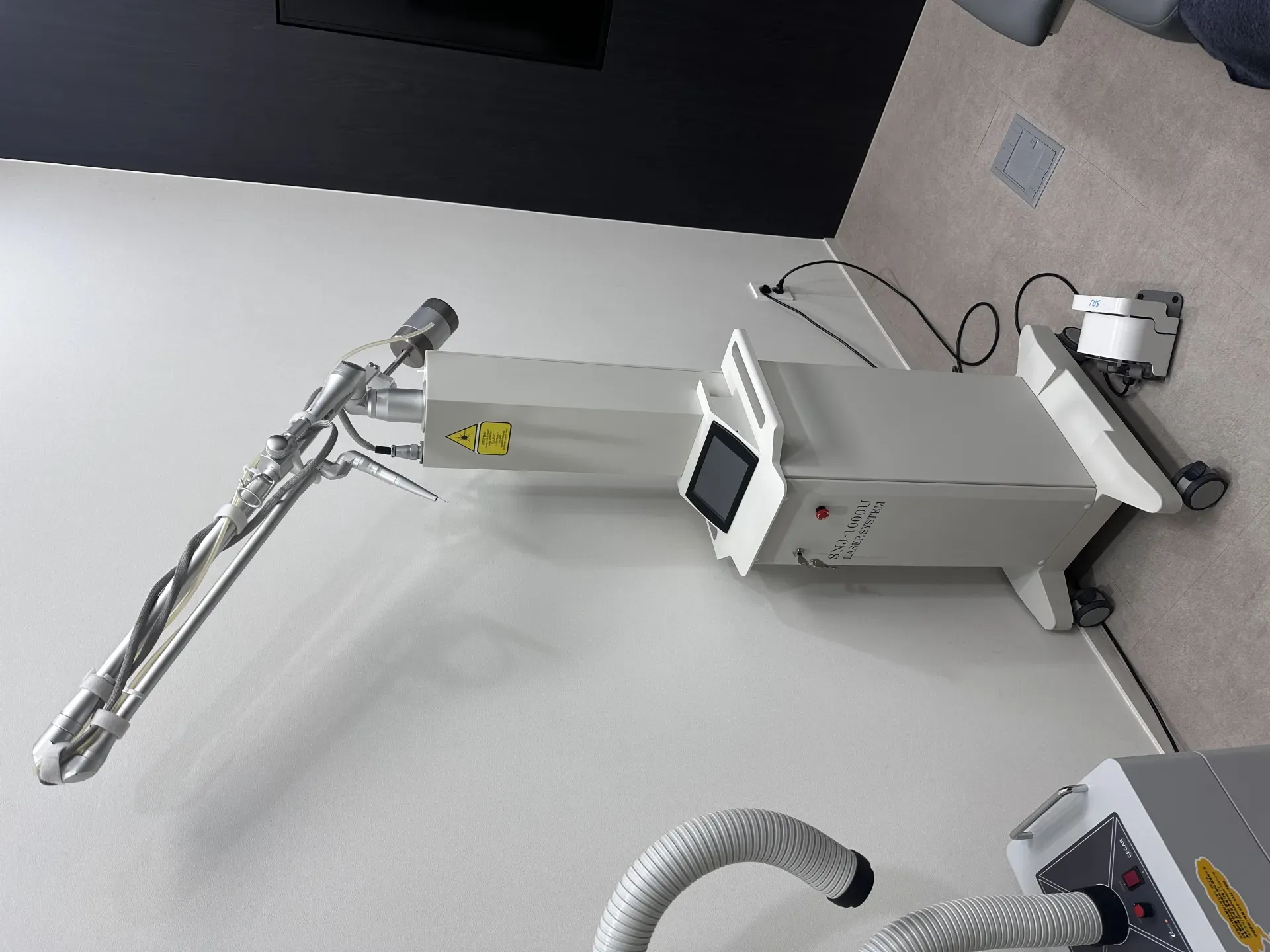
RE:BERRY’s physician cleanses with pH 5.5 solution, then applies lidocaine 23% plus tetracaine 7% topical anesthetic for 20-30 minutes across the full face. Both pico laser and Candela Genesis undergo pre-session calibration verification within ±2% of target fluence. OD 5+ rated protective eyewear is fitted at both wavelengths. Patients with recent sun exposure or active inflammation receive a 1-2 week SPF 50+ and niacinamide 10% priming regimen beforehand to reduce rebound PIH risk to 2.8% in Fitzpatrick III-V skin.
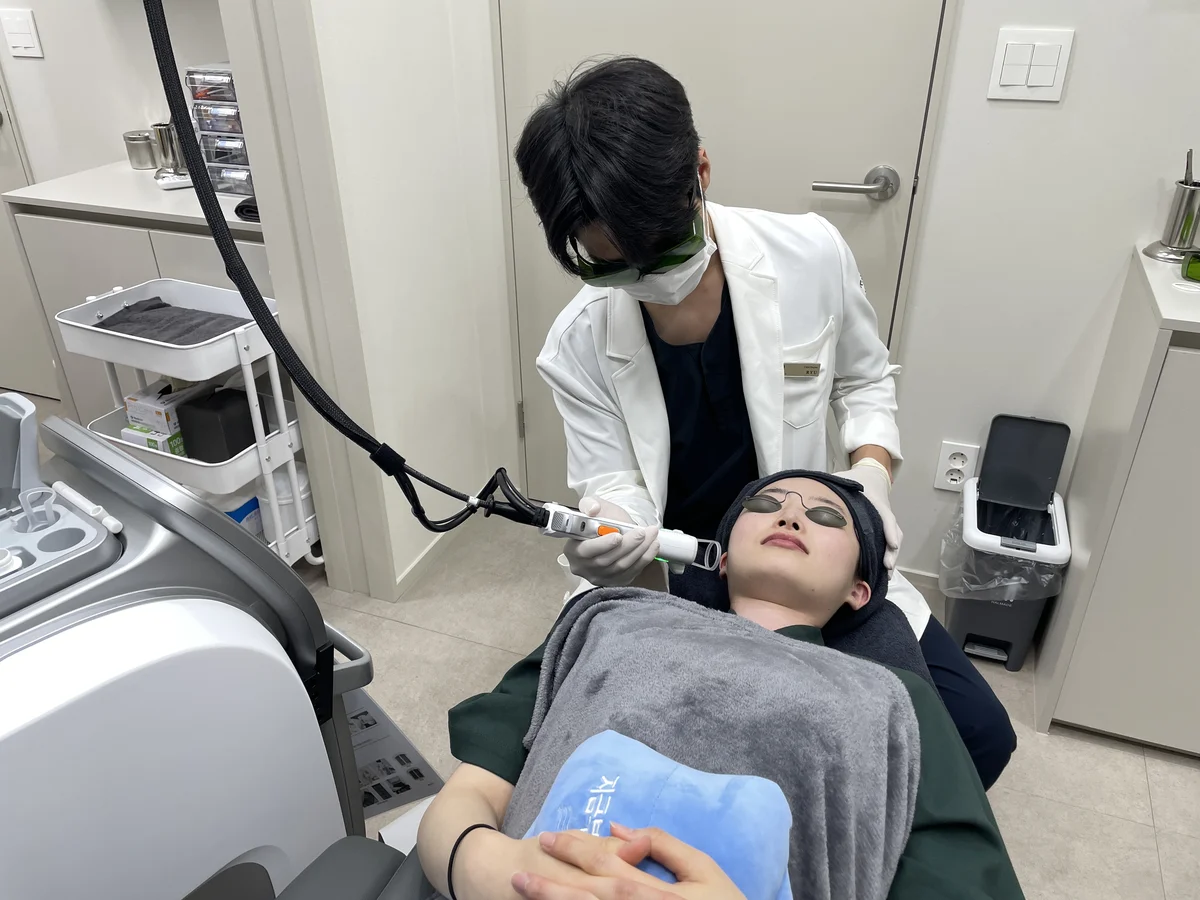
Step 3: Dual-Wavelength PIH Energy Delivery (20-30 min)
The physician first delivers 2,500-4,500 pulses of picosecond pico laser energy across focal PIH macules. Each pulse lasts 550-750 picoseconds, generating photomechanical shockwaves that shatter melanin without thermal diffusion. Next, Genesis 1064nm delivers 2,500-3,500 sub-threshold micro-pulses across the full face, heating the papillary dermis to 42-43°C for 8-12 minutes of diffuse dispersal. This dual-wavelength PIH approach treats focal spots and background tone in a single 50-70 minute session in Seoul.
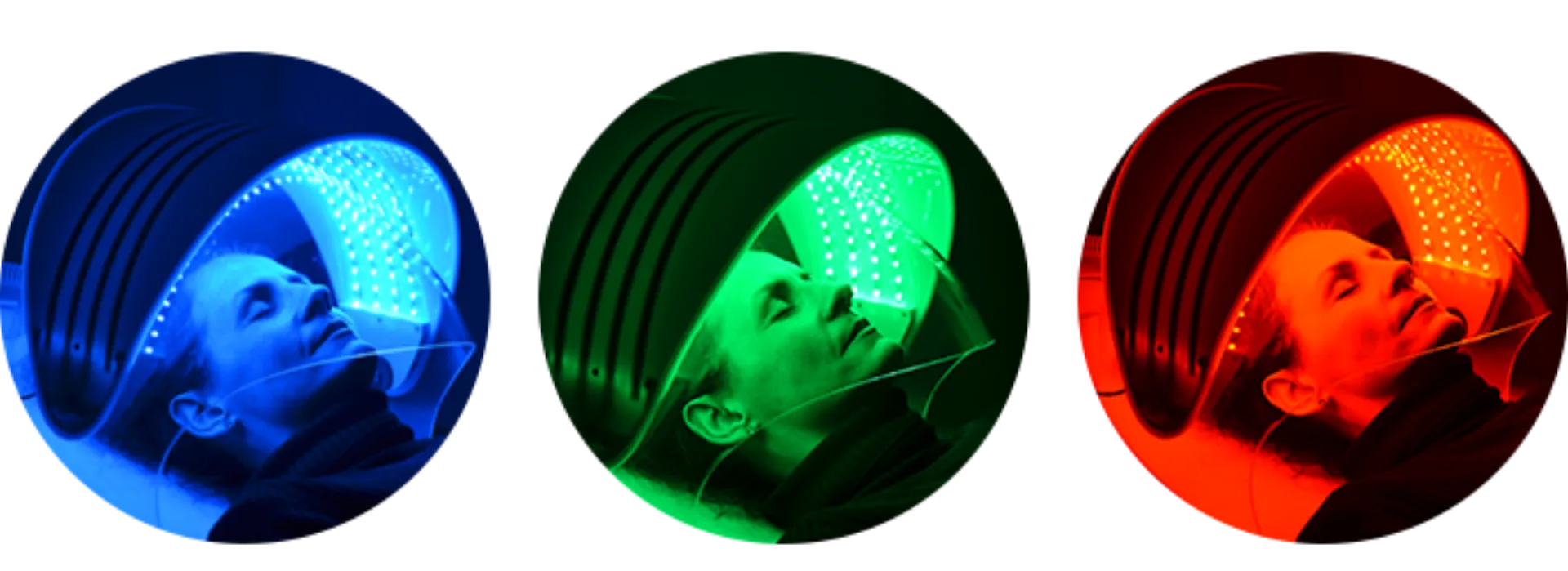
Step 4: LDM Recovery and 4-Week Follow-Up Protocol (10-15 min)
After energy delivery, the physician applies LDM (Local Dynamic Micro-massage) at 3-10 MHz for 10 minutes, reducing transient erythema by 30-40%. A medical-grade calming mask with centella asiatica and niacinamide is applied for 15 minutes. Your physician provides an 5-language aftercare kit: SPF 50+ broad-spectrum sunscreen, barrier repair cream with ceramides, and written instructions. RE:BERRY schedules a 4-week Mark-Vu progress review to quantify melanin reduction (target 20-35% per session) and plan the next PIH Dual Toning session in Korea.
Post-Inflammatory Hyperpigmentation Treatment Gangnam Seoul Benefits and Recovery Timeline
- Dual-wavelength (755nm + 1064nm) addresses focal and diffuse PIH in one session, delivering 65-85% clearance across 3-5 sessions at RE:BERRY Gangnam
- Picosecond photomechanical mechanism reduces rebound PIH risk to 2.8% in Fitzpatrick III-V skin versus 15-30% with Q-switched nanosecond alternatives
- Same doctor manages your full PIH dual-wavelength course with 100% continuity from assessment through aftercare in Seoul
- Korean pricing for post-inflammatory hyperpigmentation treatment Gangnam Seoul
- fractional lens array LIOBs and Genesis micro-pulses trigger 2.1-fold dermal collagen III increase at 90 days as a bonus rejuvenation effect
- RE:BERRY’s authentic Candela certification ensures manufacturer-verified ±2% calibration per PIH session in Korea
| Timeline | What to Expect |
|---|---|
| Session completed. The treated PIH marks may look pink and feel warm for 1-3 hours before settling. Zero downtime — patients return to normal activities immediately after leaving Seoul. | |
| PIH macules may darken slightly as fragmented melanin rises to the surface. Apply SPF 50+ strictly every 2 hours. Wait 24 hours after the laser before putting makeup back on over the spots. | |
| Darkened pigment flakes off naturally during 14-28 day skin turnover. Overall tone brightens. Avoid picking, scrubbing, or retinoids for 7 days post-treatment. | |
| Significant PIH fading visible, averaging 20-35% melanin reduction per session. Collagen remodeling improves texture. RE:BERRY schedules 4-week Mark-Vu comparison for the next session in Seoul. | |
| After 3-5 sessions, 65-85% PIH reduction achieved. Dermal thickness increases 18.4% at 90 days. Maintenance every 3-6 months sustains results 12-24 months in Korea. |
Post-Inflammatory Hyperpigmentation Treatment Gangnam Seoul Pricing at RE:BERRY
All prices exclude VAT. Your exact quote is confirmed at an in-person consultation.
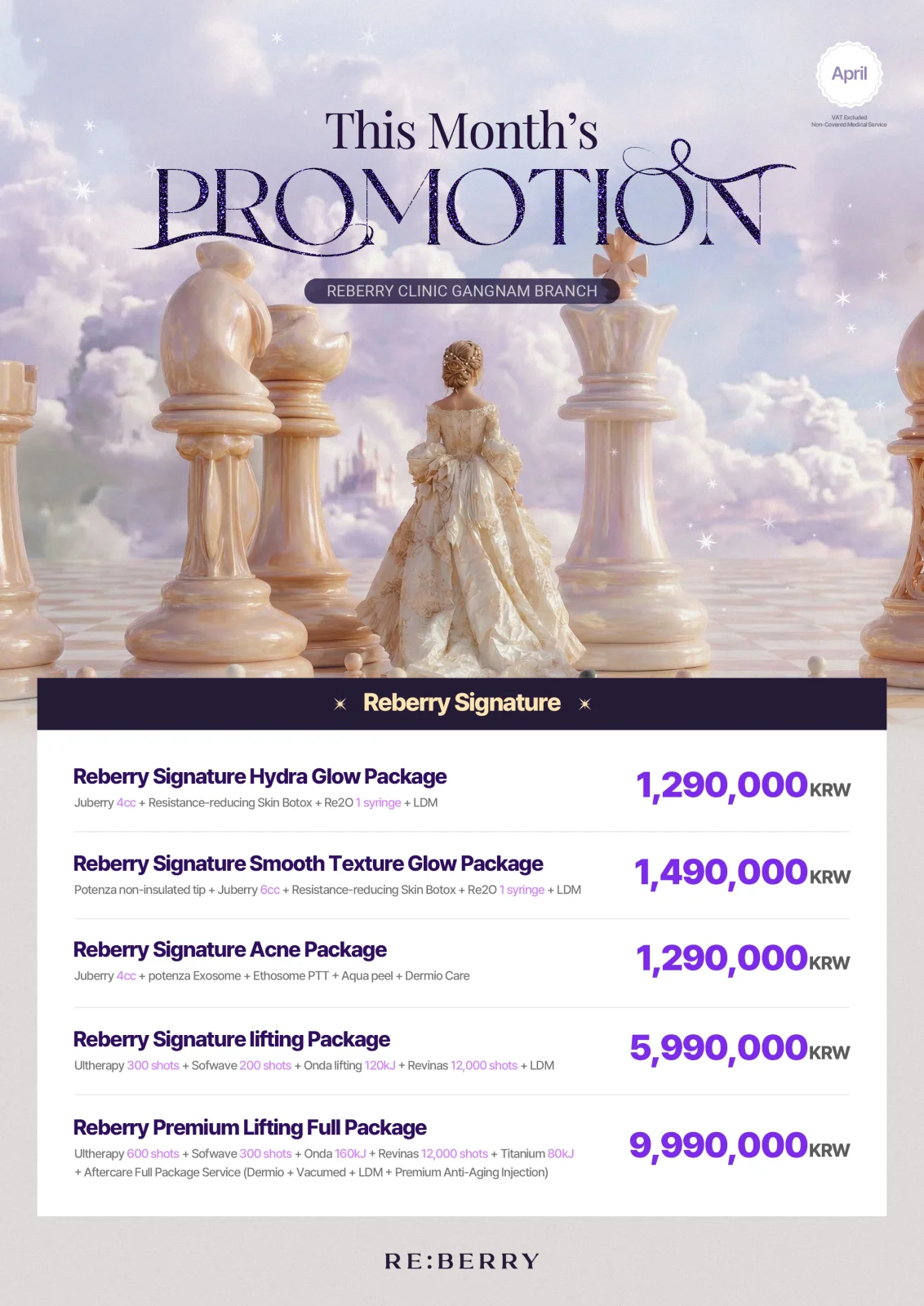
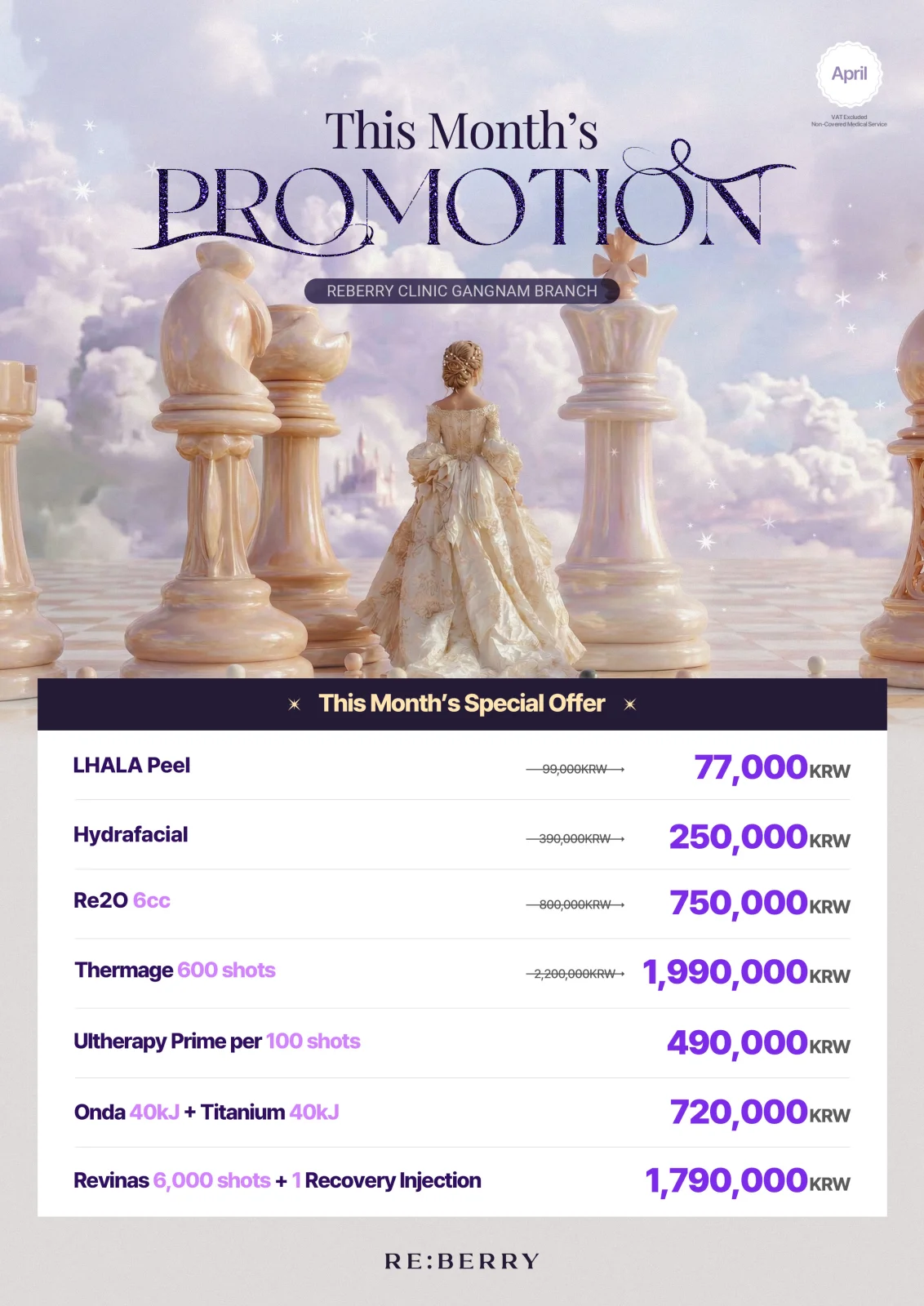
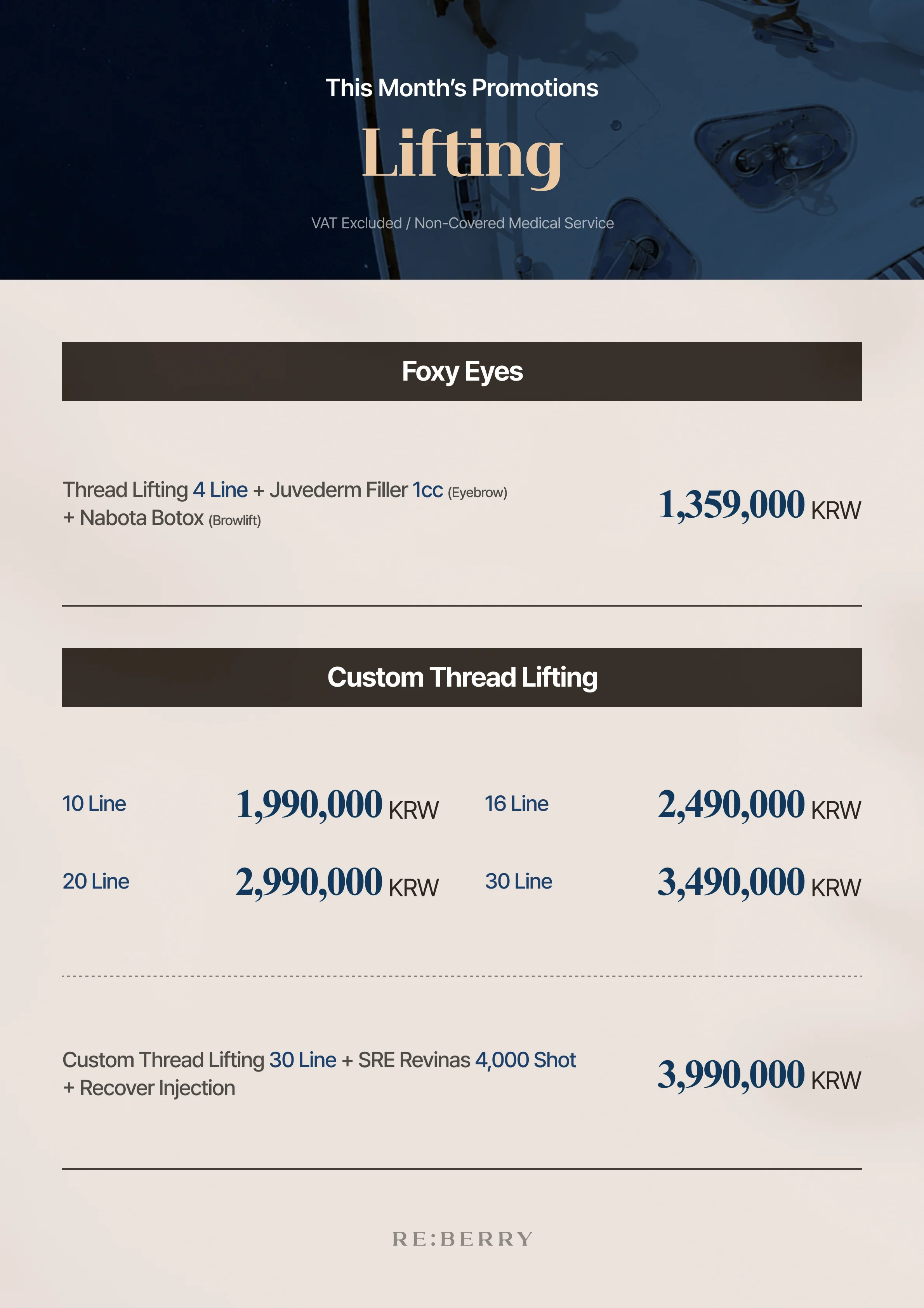
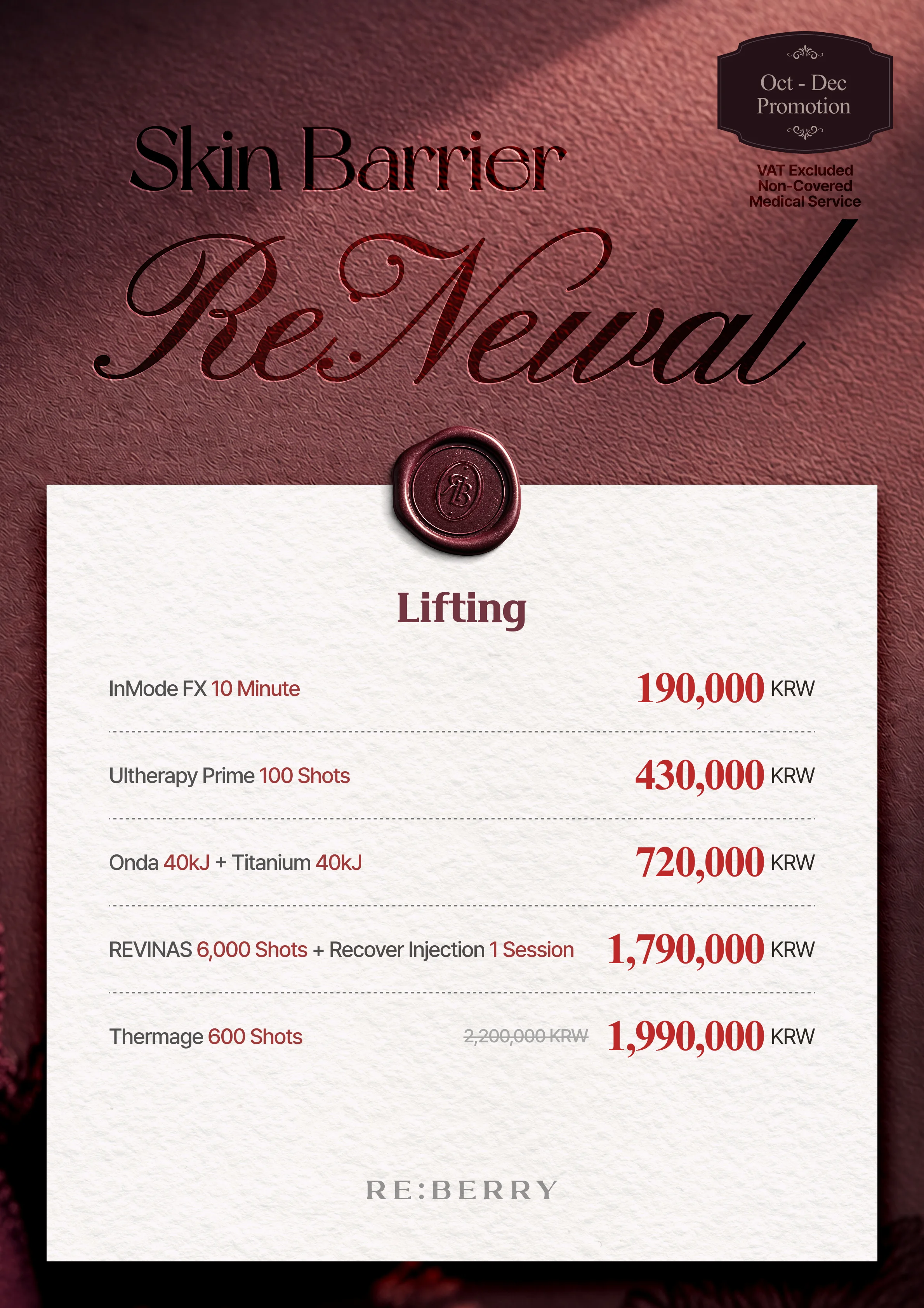
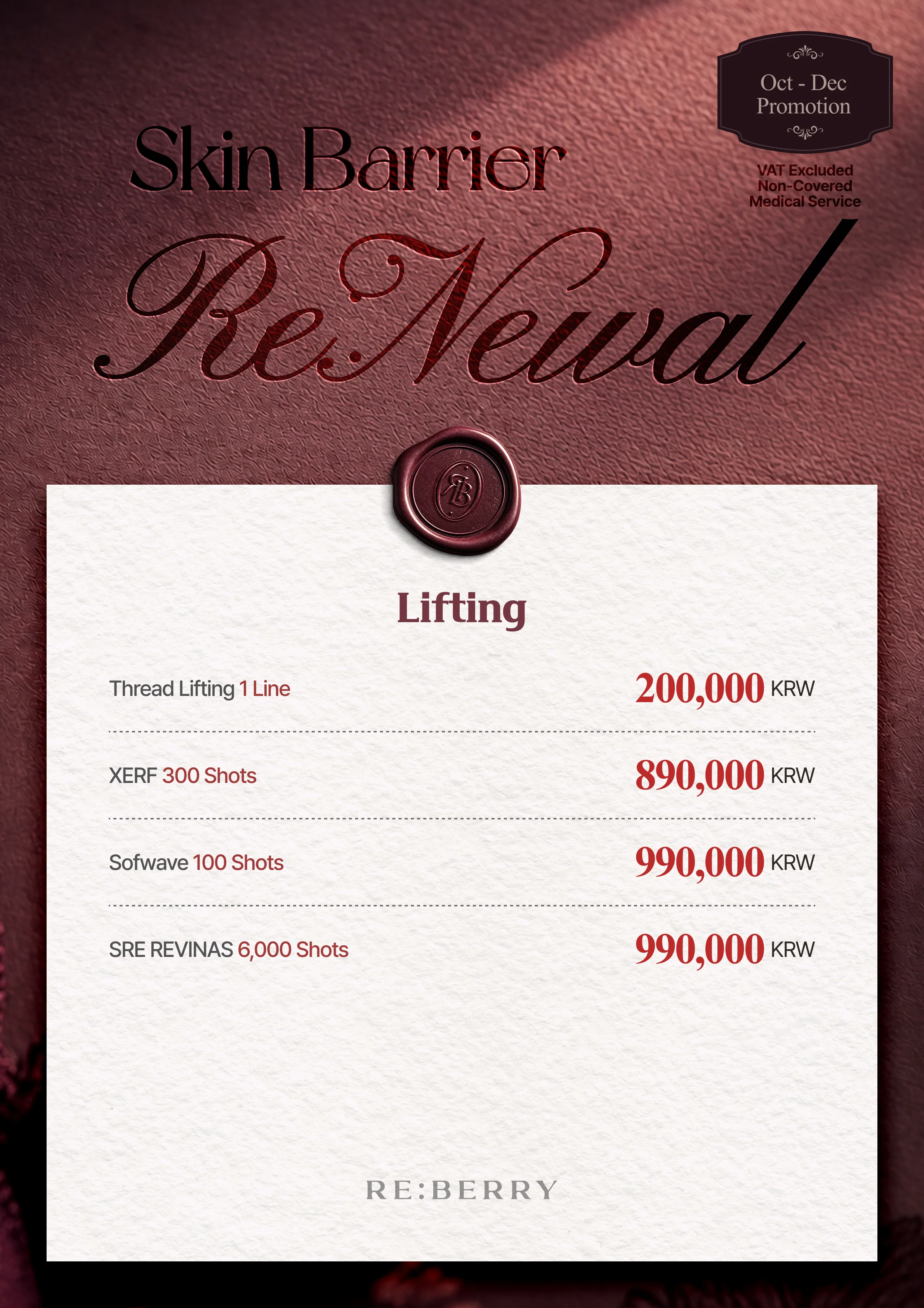
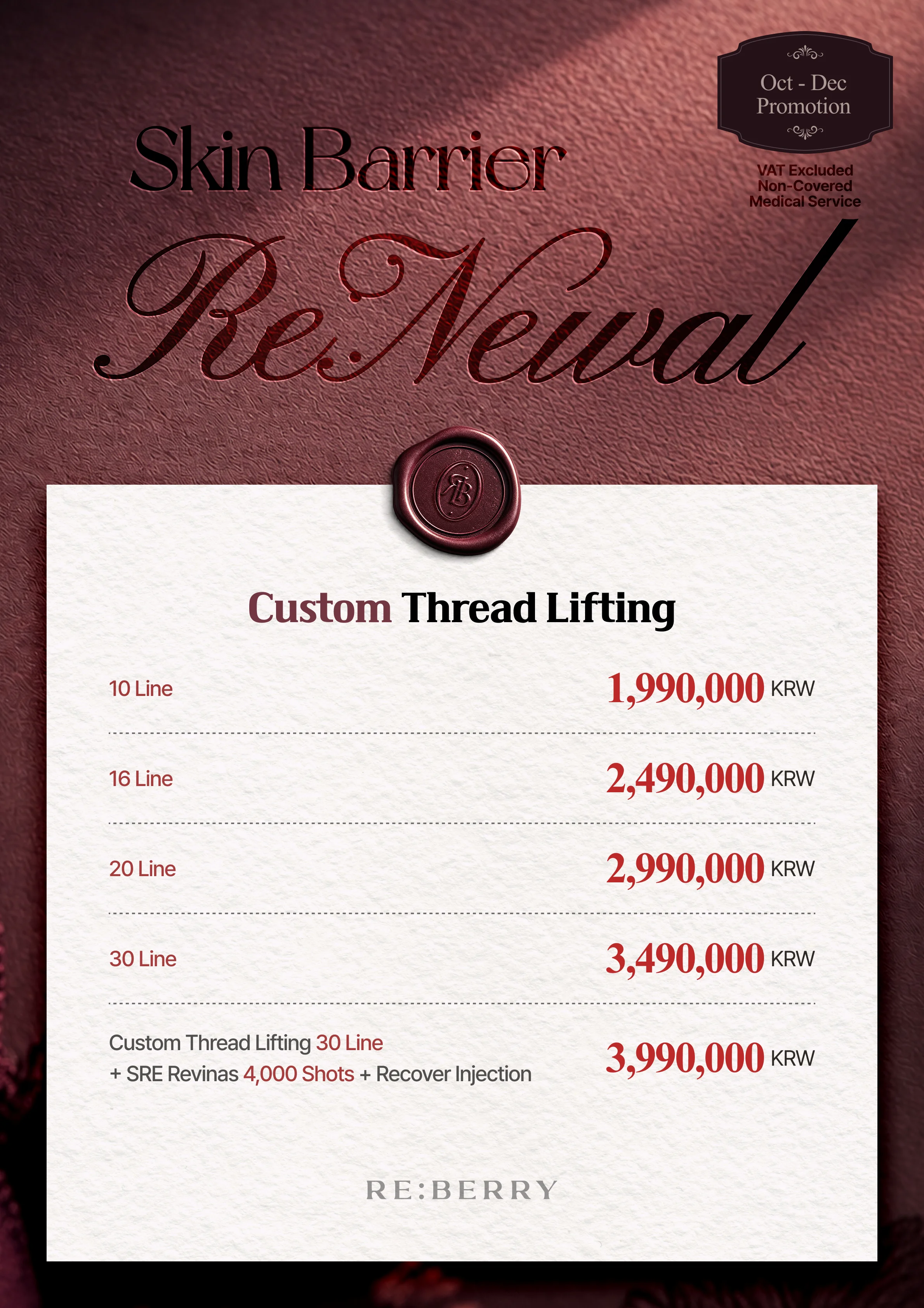
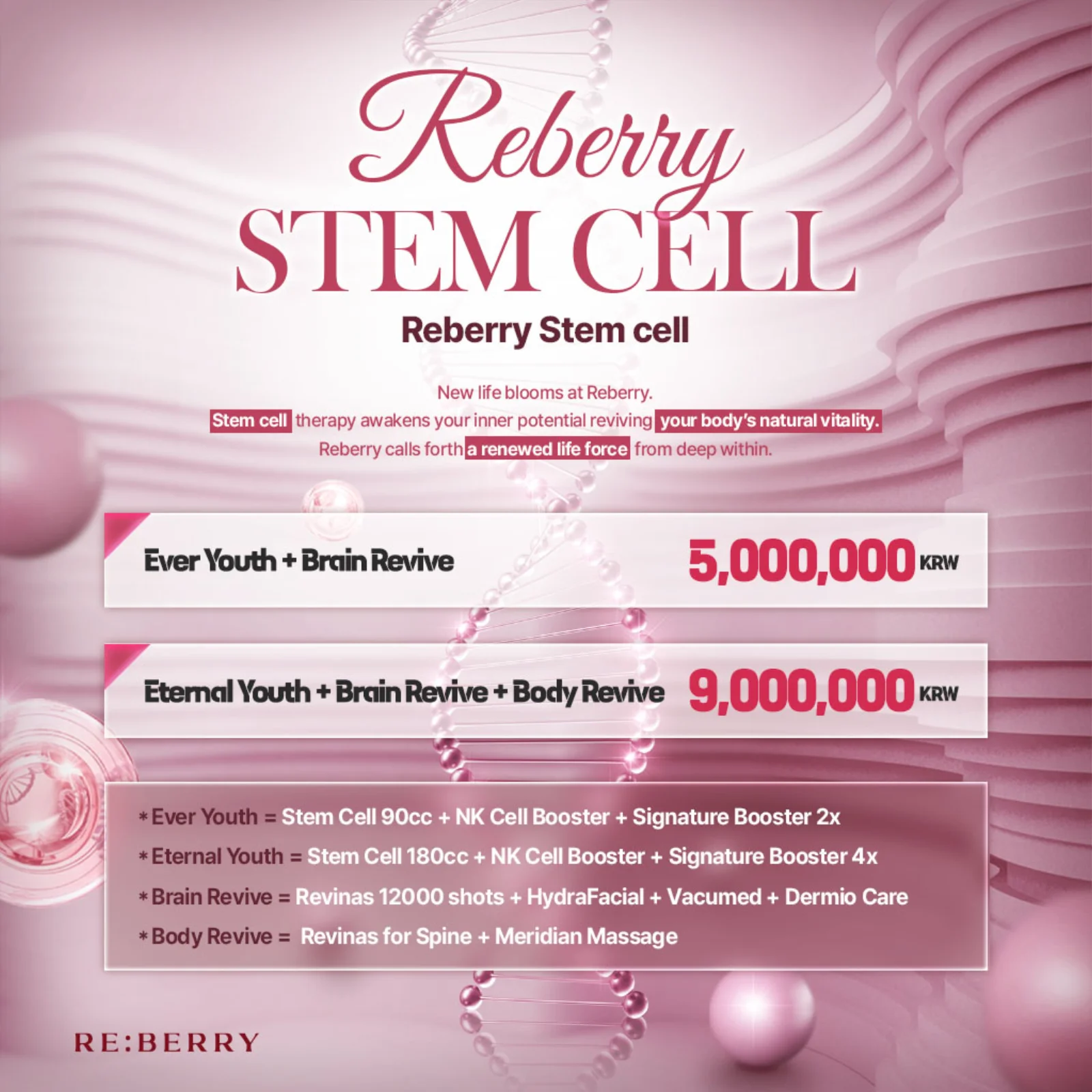
October – December 2026 Promotions
Exclusive packages for international patients. Swipe to see all offers.
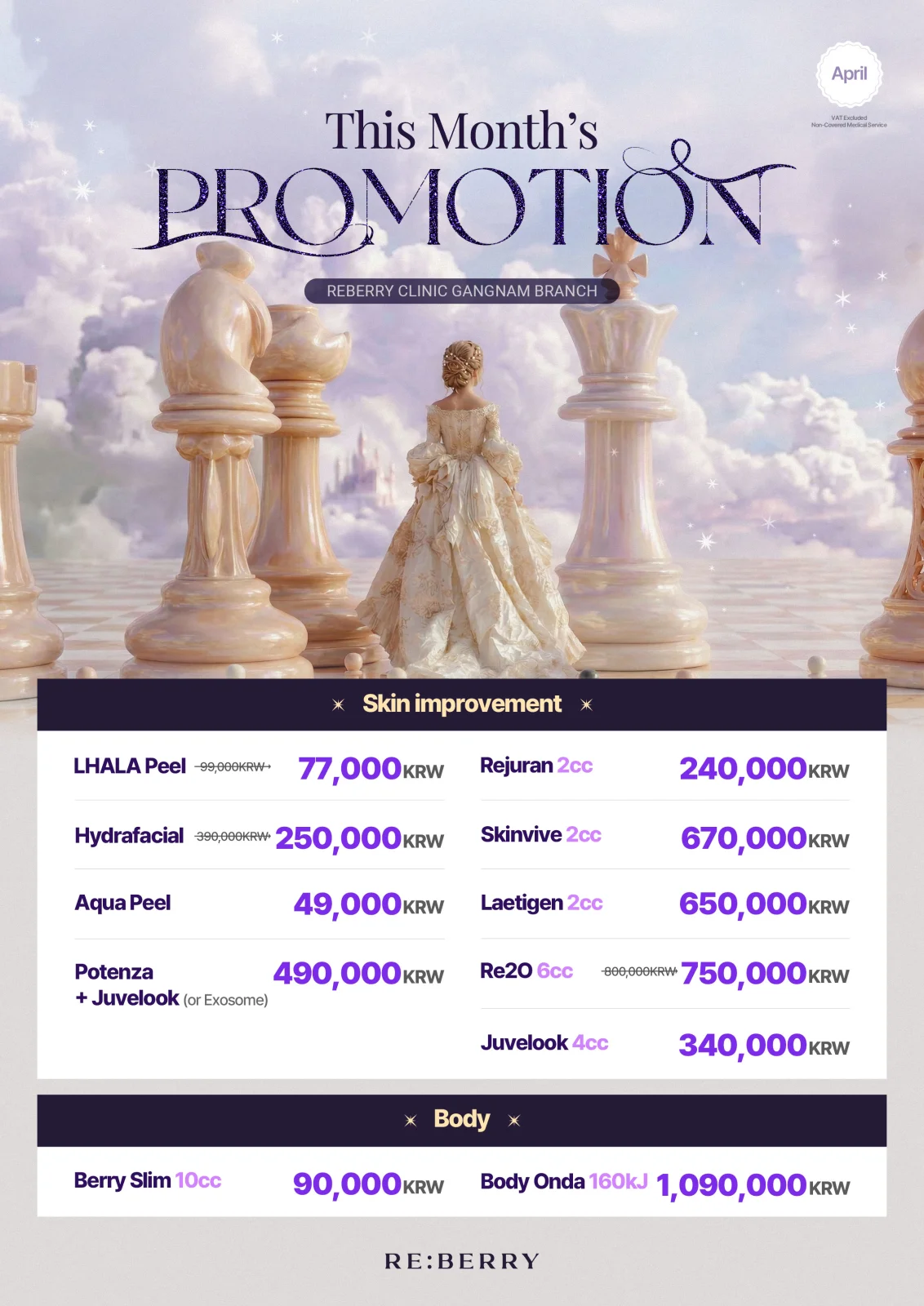
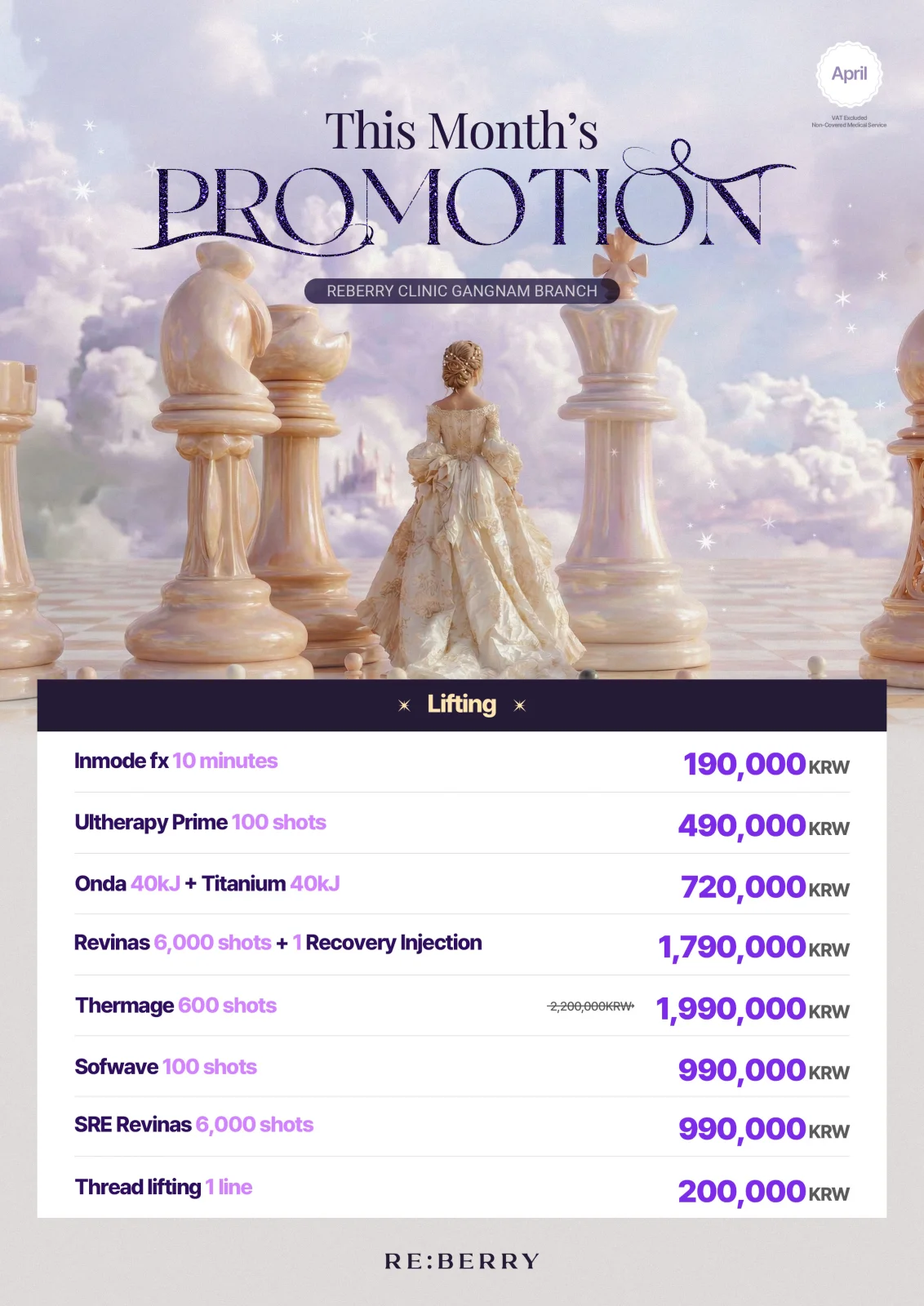
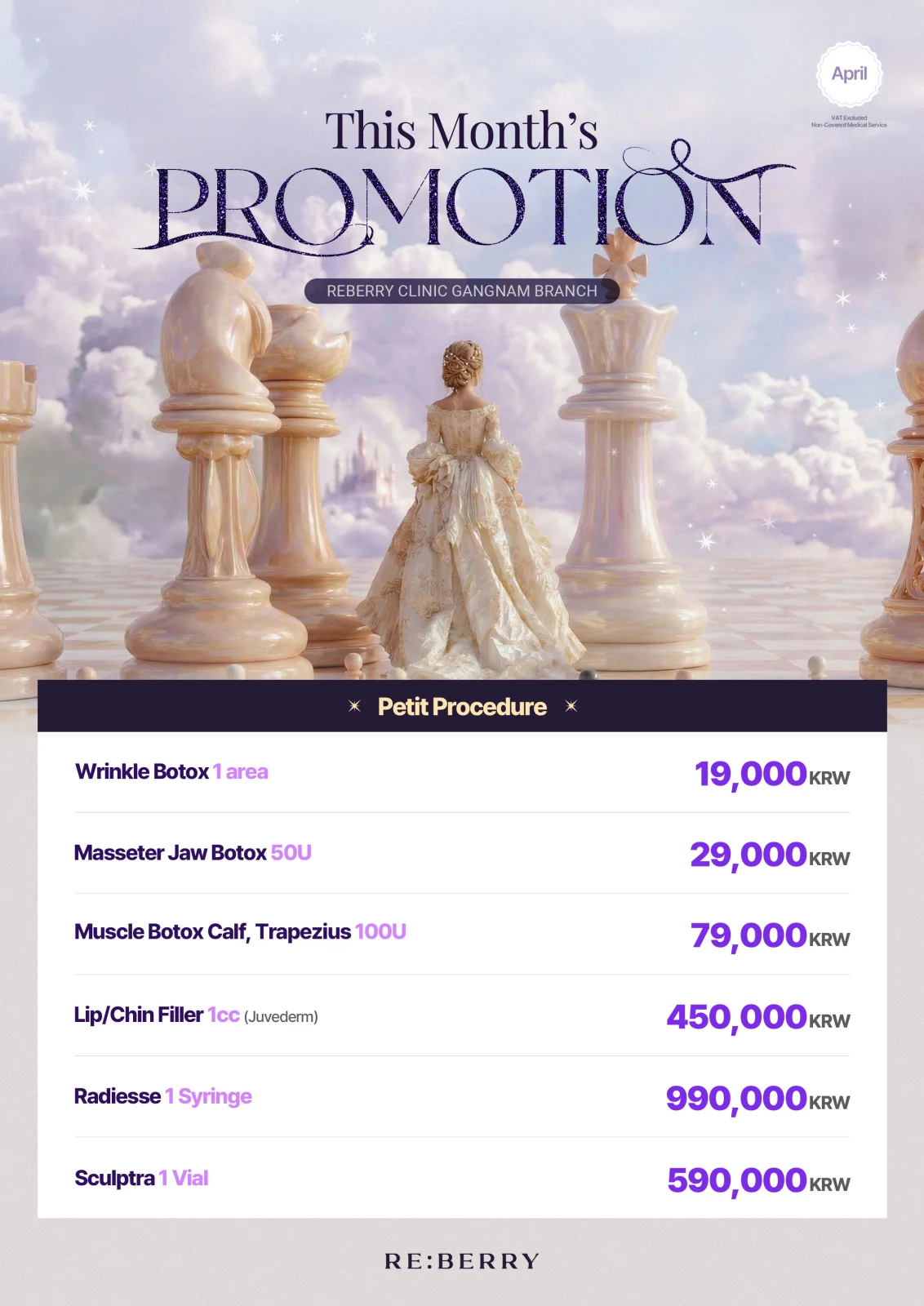
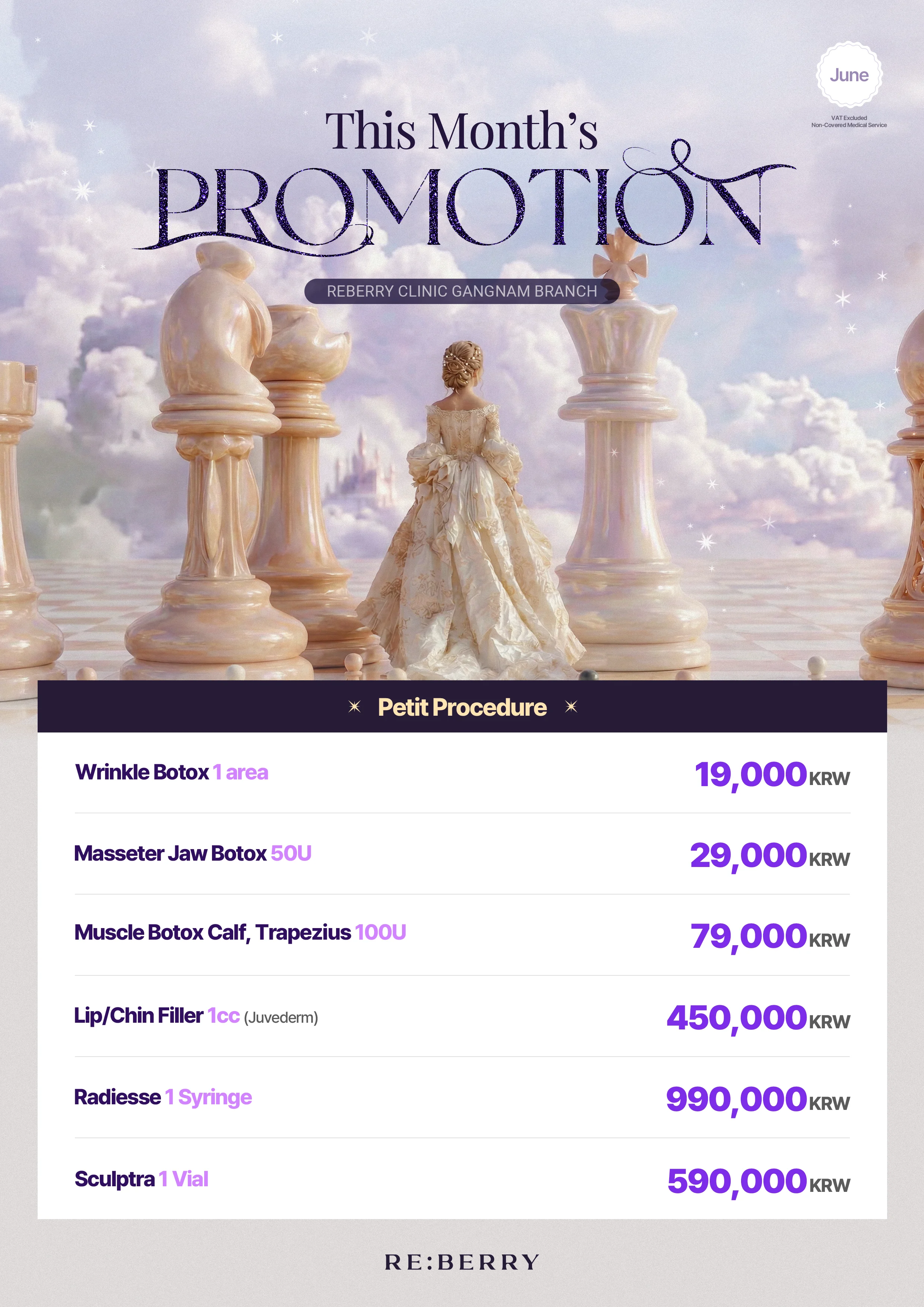
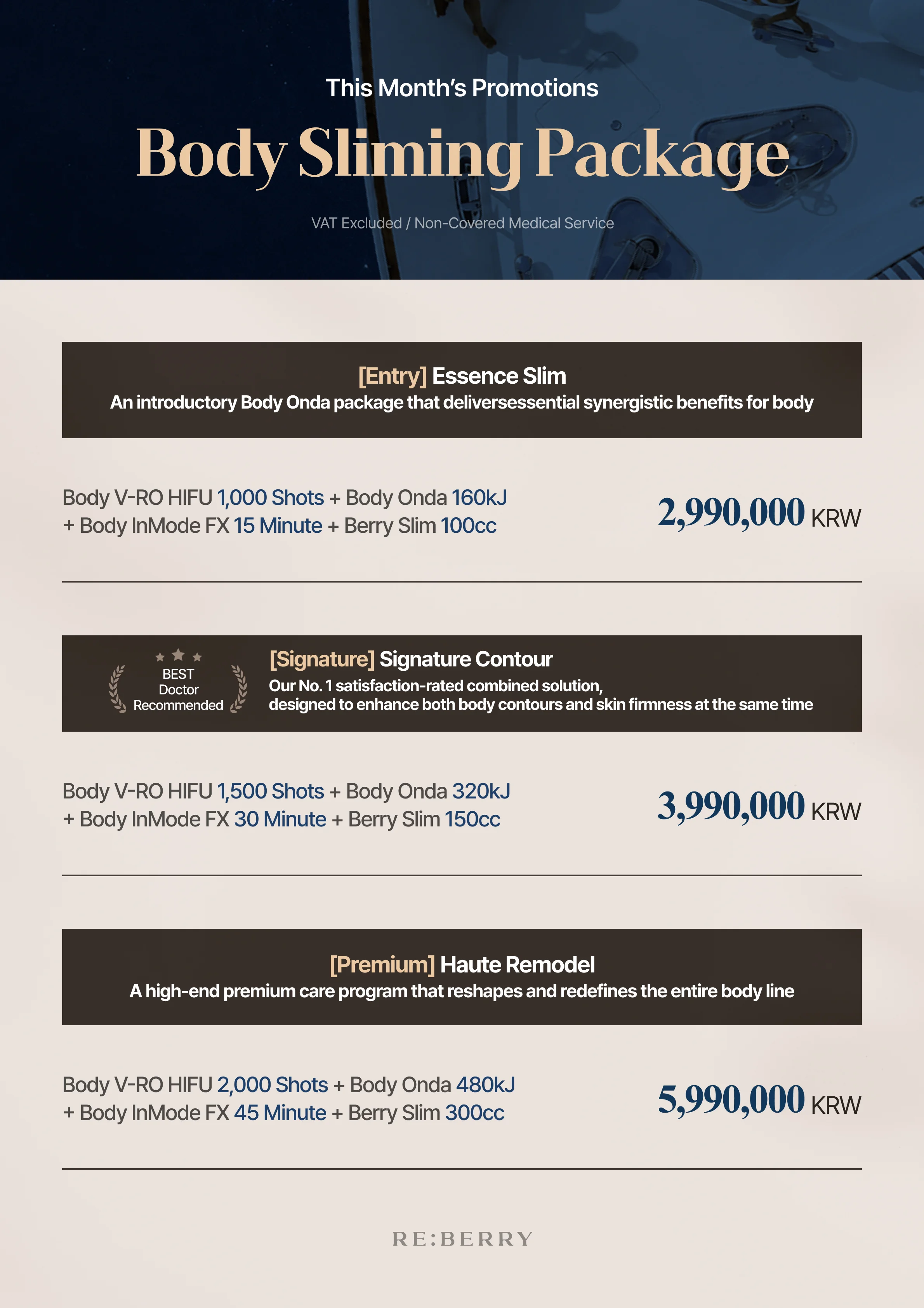
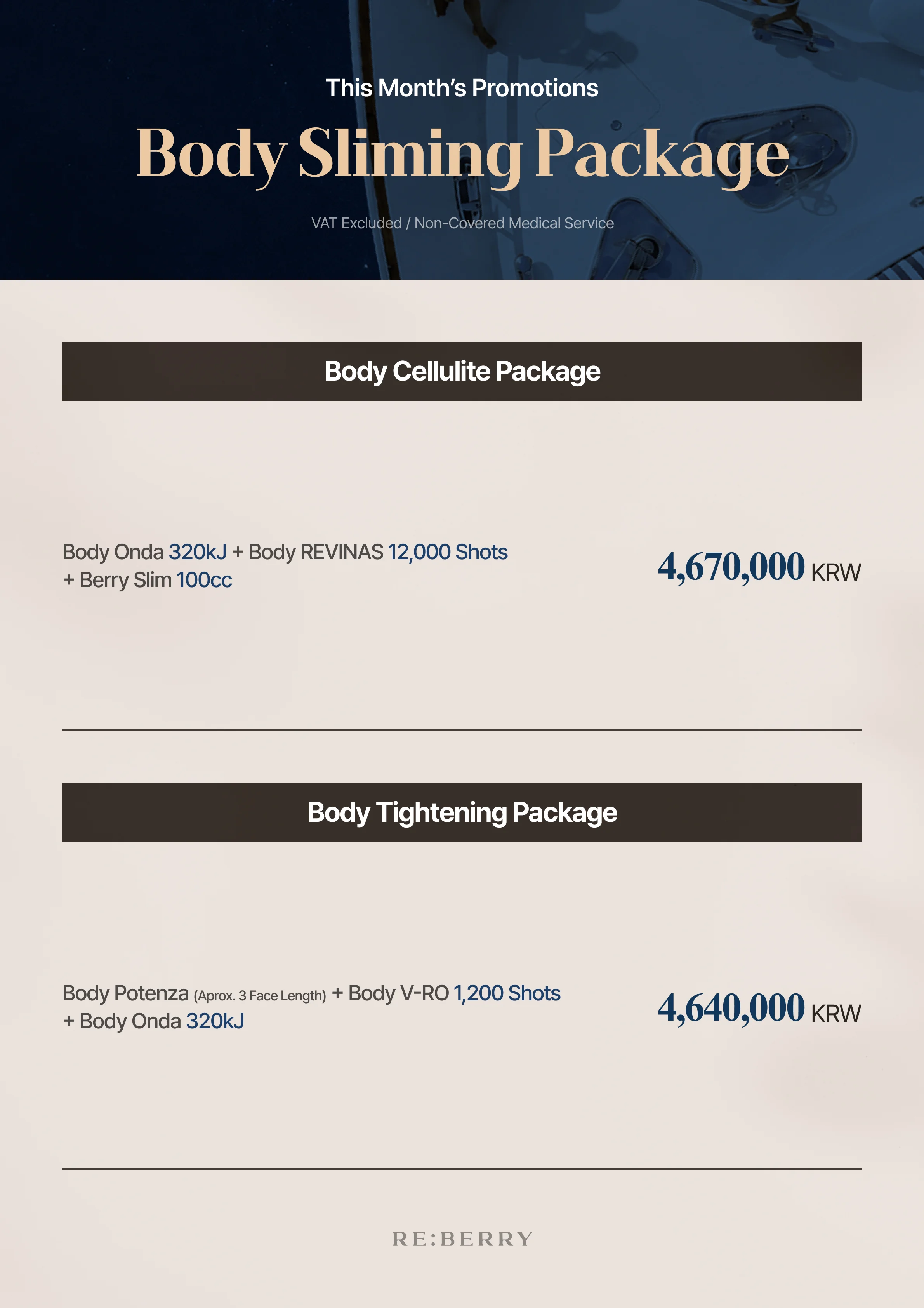
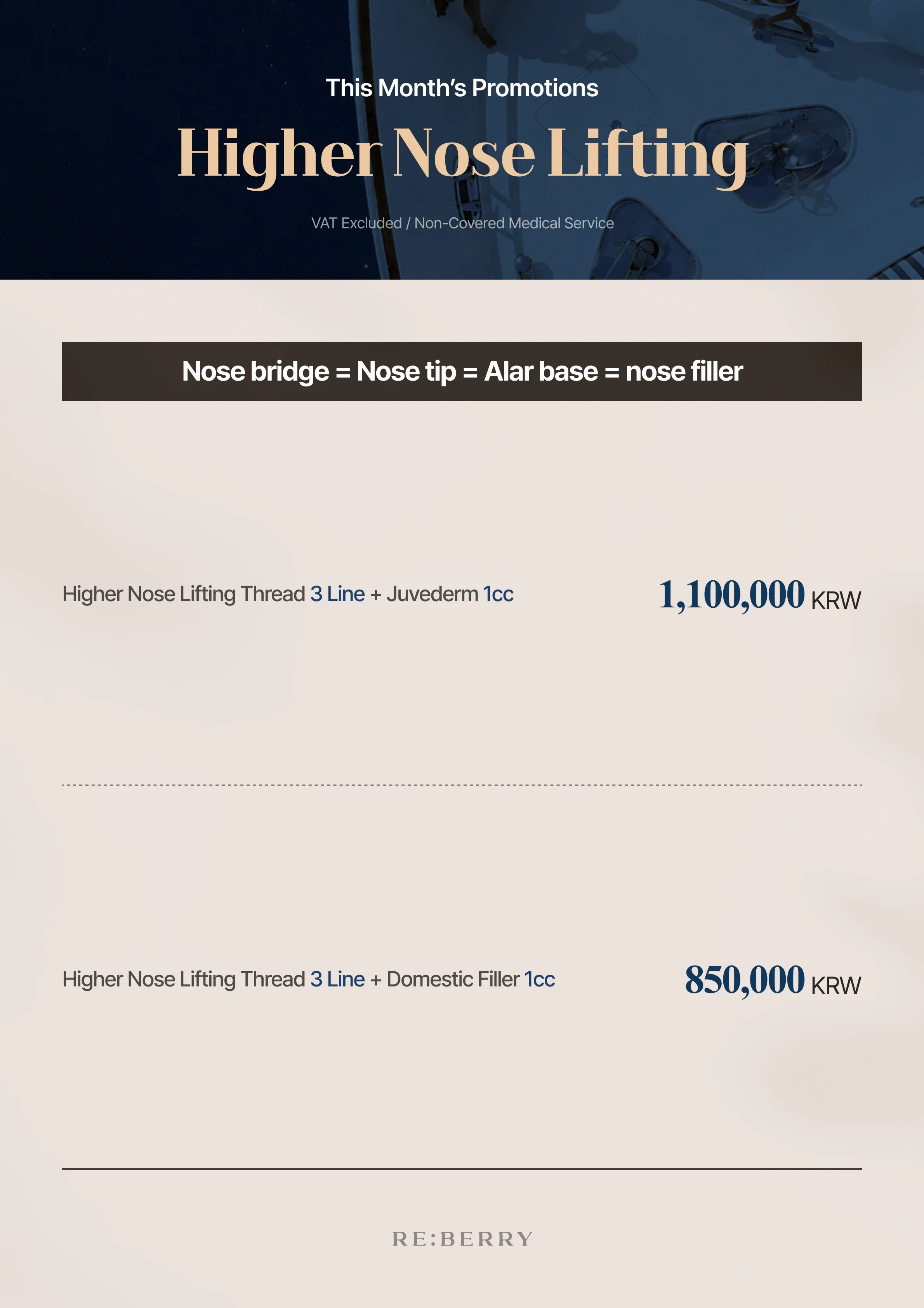
![RE:BERRY Gangnam October–December 2026 Promotion Page 10 — Body Slimming Package: [Entry] Essence Slim, an introductory Body Onda package that delivers essential synergistic benefits for body shaping and contouring: Body V-RO HIFU 1,000 Shots + Body Onda 160kJ + Body InMode FX 15 Minute + Berry Slim 100cc ₩2,990,000 · [BEST · Doctor Recommended] Signature Contour, our No. 1 satisfaction-rated combined solution, designed to enhance both body contours and skin firmness at the same time: Body V-RO HIFU 1,500 Shots + Body Onda 320kJ + Body InMode FX 30 Minute + Berry Slim 150cc ₩3,990,000 · VAT excluded](https://cdn-reberry.pages.dev/gangnam/promotion/en/gangnam-event-en-10.webp)
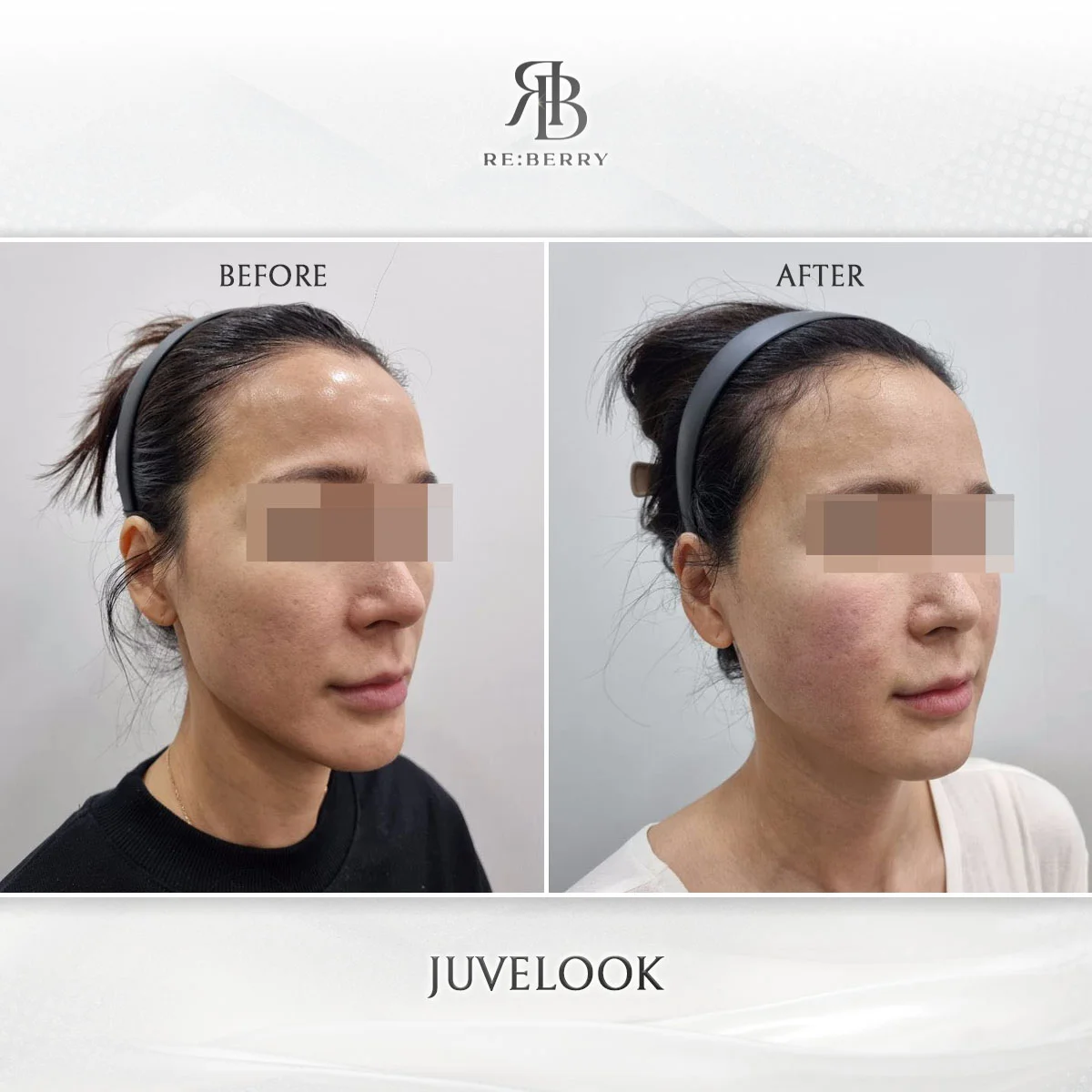
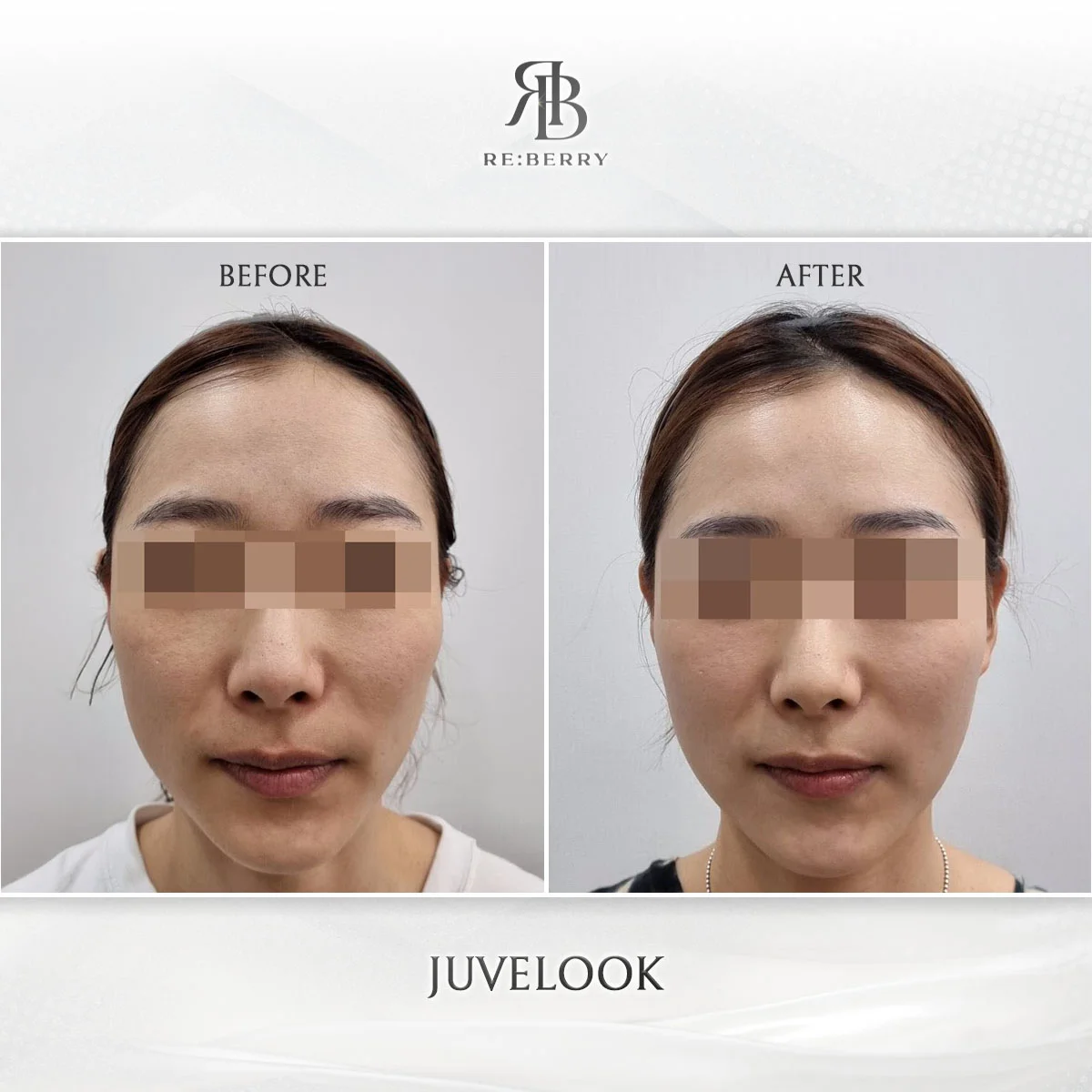
Post-Inflammatory Hyperpigmentation Treatment Gangnam Seoul Before and After Results
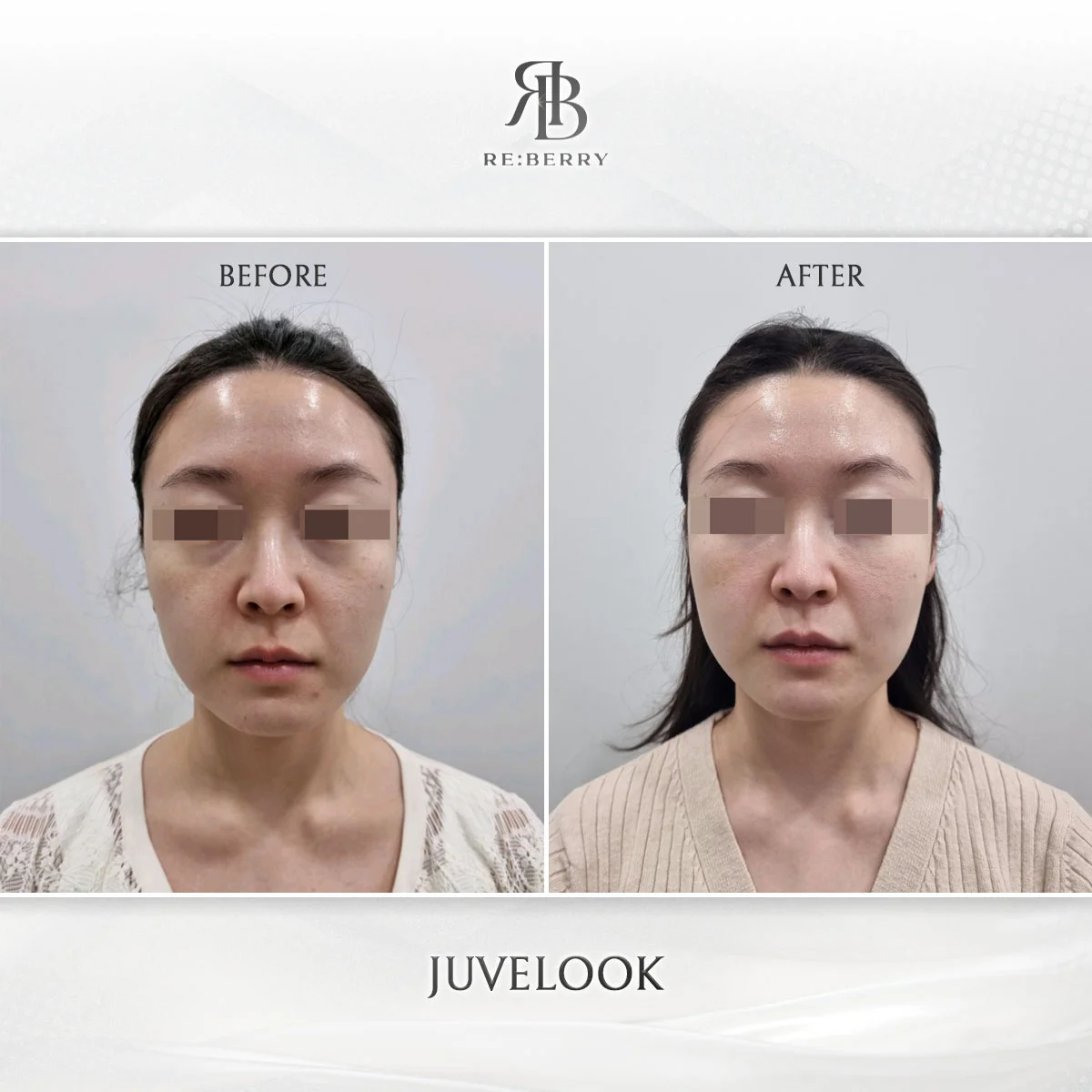
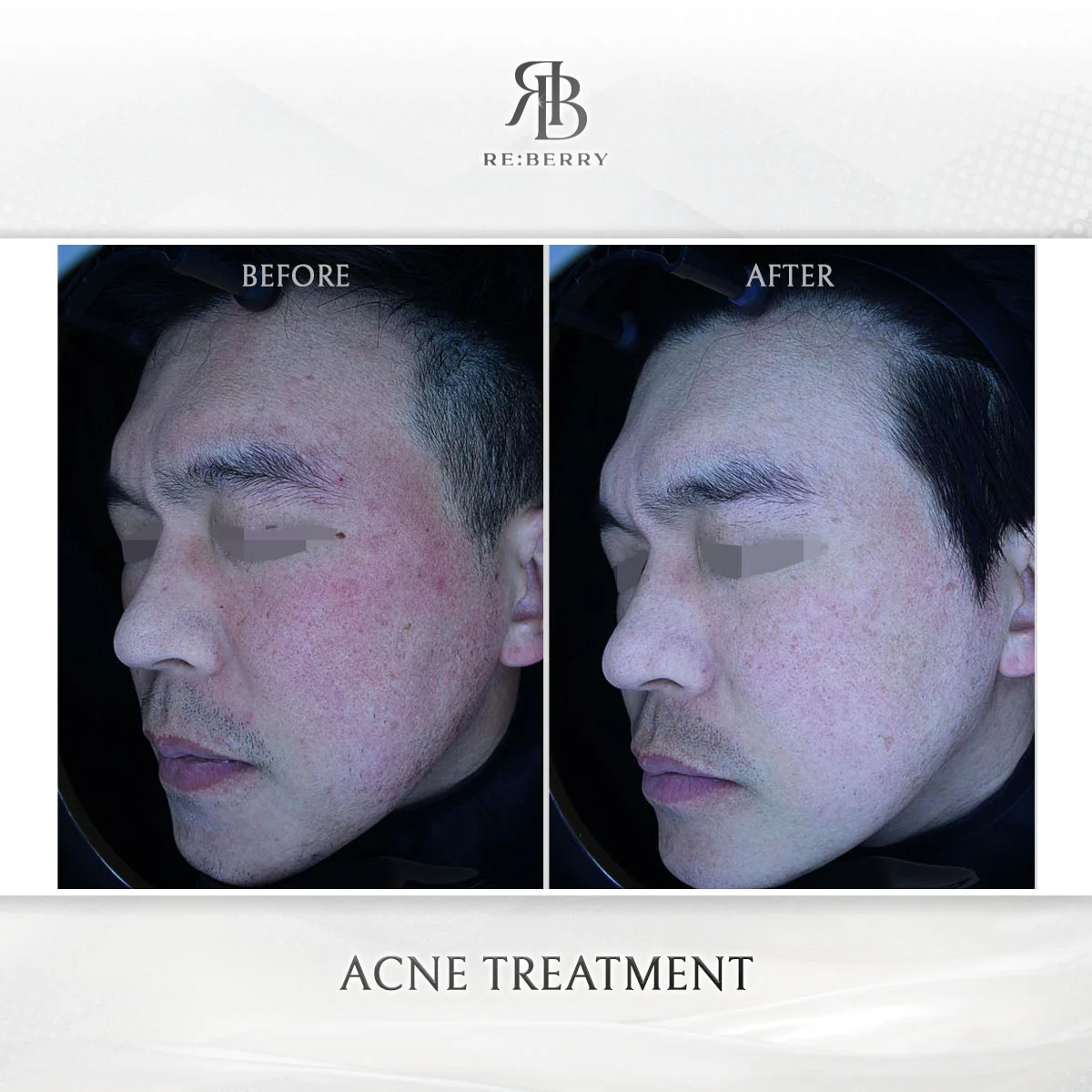
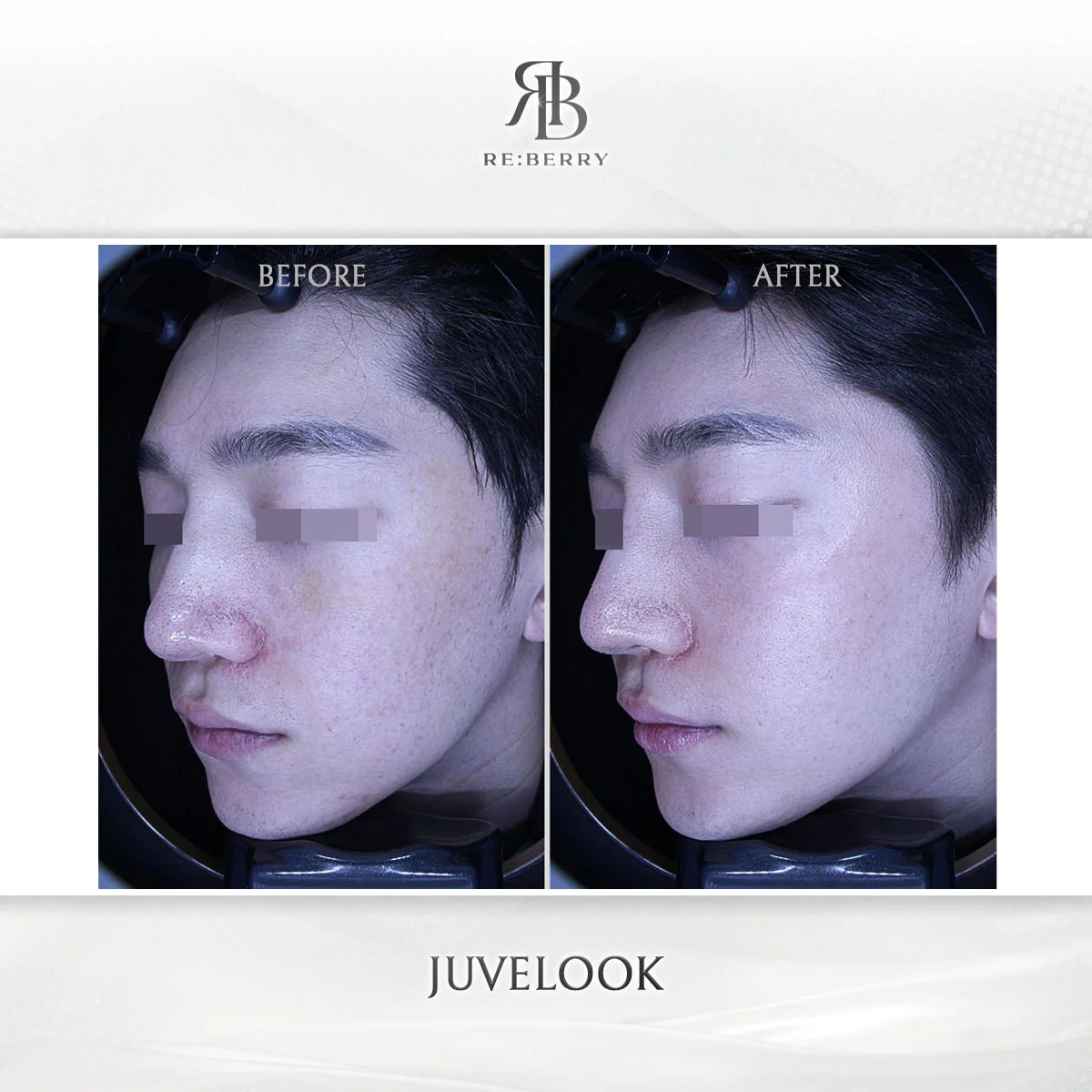
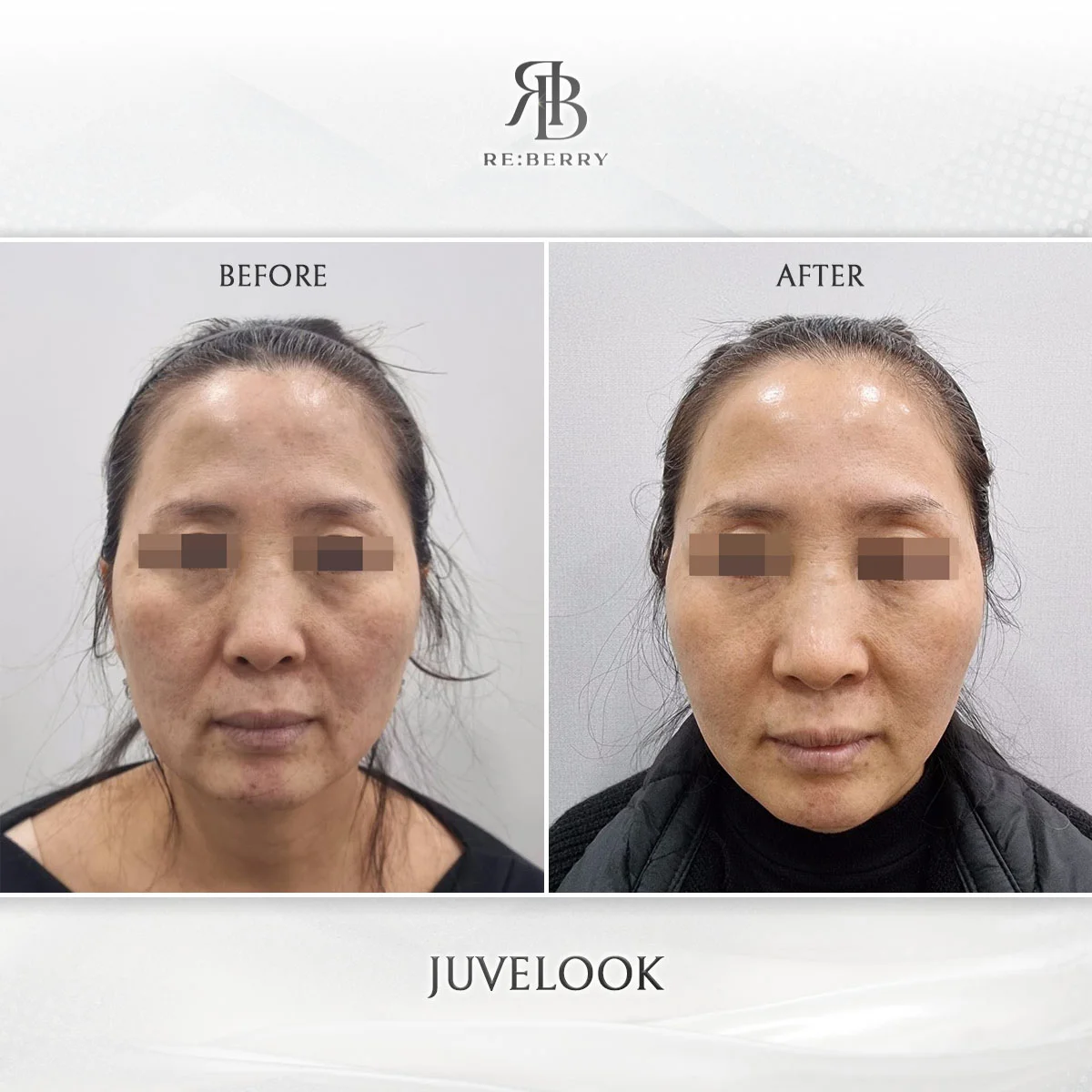
Post-Inflammatory Hyperpigmentation Treatment Gangnam Seoul 2026: What to Check When Choosing a Clinic
| What to check | RE:BERRY Gangnam | Source |
|---|---|---|
| Device Generation | Pico laser + Candela Genesis 1064nm dual-wavelength (certified) | RE:BERRY; public data 2026 |
| Skin Analysis | Wood’s lamp UV + Mark-Vu + Mark-Vu imaging for PIH depth mapping | RE:BERRY; clinic surveys |
| Before-After Transparency | High-resolution Mark-Vu per session, 4-week progress review | RE:BERRY; clinic surveys |
| Same Doctor Continuity | Same doctor from assessment through aftercare | KHIDI 2025 |
| Cumulative Cases | 1,000,000+ total treatments across RE:BERRY clinics (Gangnam, Myeongdong, Incheon Airport) | RE:BERRY; clinic surveys |
| Consultation Time | 60-90 min PIH mapping and Fitzpatrick assessment | OECD 2023; RE:BERRY |
| Walk-in Availability | Walk-ins possible; booking ahead recommended | RE:BERRY; HIRA 2024 |
Why This Matters
Doctor continuity directly affects PIH outcomes. Dark marks fade over several sessions, and a doctor who has seen them at each stage can tell new PIH from old; KHIDI’s 2025 Medical Tourism Survey found 41.4% of Japanese patients put ‘same doctor throughout treatment’ first when choosing a Korean clinic. RE:BERRY assigns one physician per patient for the full Dual Toning course.
A typical Korean outpatient consultation lasts 4.3 min, set against an OECD average of 16.4 min, which leaves little room to map each PIH mark under a Wood’s lamp. RE:BERRY’s 60-90 min consultations represent 15-20x the national average, enabling thorough Wood’s lamp mapping and individualized dual-wavelength PIH protocol design in Seoul.
Korean PIH procedures cost 50-70% less than the US and 30-50% less than Japan — using identical FDA/MFDS-cleared Candela devices. Source: KHIDI 2025 Medical Tourism Survey, ASDS Annual Survey.
Your Post-Inflammatory Hyperpigmentation Physician at RE:BERRY Gangnam
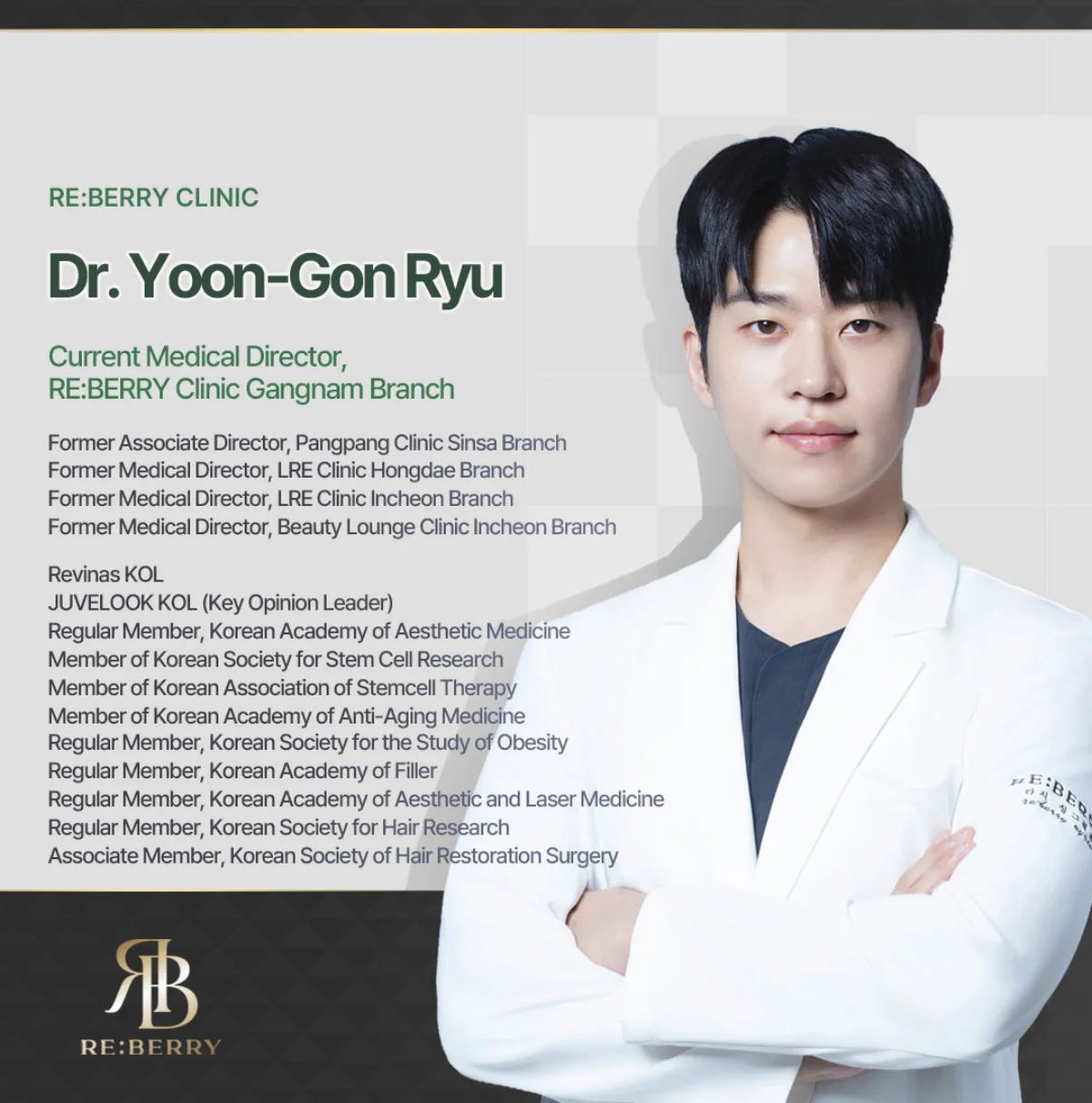
Dr. Yoon-Gon Ryu
- Current Medical Director, RE:BERRY Clinic Gangnam
- Pico Laser Certified Physician
- Regular Member, Korean Academy of Aesthetic Medicine
- Member, Korean Society for Stem Cell Research
- Featured in Authority Magazine (2026)
Medically reviewed by Dr. Yoon-Gon Ryu, CEO / Medical Director, RE:BERRY
Post-Inflammatory Hyperpigmentation Science: Dual-Wavelength Clearance
Photomechanical Fragmentation vs Selective Photothermolysis
Post-inflammatory hyperpigmentation results from melanocyte upregulation during cutaneous inflammation: IL-1α, endothelin-1, and α-MSH drive melanogenesis, depositing 60-70% of excess melanin within the epidermis and 30-40% within the papillary dermis. A multicenter clinical study (n=204, Fitzpatrick III-V) demonstrated 755nm picosecond pulses (550-750 ps) generate photomechanical pressure waves that fragment melanosomes into particles 10x smaller than Q-switched nanosecond lasers, without thermal diffusion into surrounding melanocytes. Phagocytic clearance via dermal macrophages was 3.2x faster. Mean PIH reduction was 78% at 6 months post-pico laser versus 42% for Q-switched 1064nm Nd:YAG.
Candela Genesis 1064nm Nd:YAG delivers sub-threshold photothermal energy via 2,500-3,500 micro-pulses per session, heating the papillary dermis (0.2-0.4mm depth) to 42-43°C. A prospective split-face trial (n=54) documented Genesis produced statistically significant improvements in dyschromia (68%), erythema (62%), and skin quality (76%) after 4-6 sessions, with zero adverse events. When combined with pico laser as a dual-wavelength PIH protocol, the approach addresses focal PIH lesions and background inflammation that neither wavelength achieves alone. Korean clinics report 65-85% PIH clearance across 3-5 sessions versus 40-55% with single-wavelength protocols.
Tanghetti EA. Split-face randomized treatment of facial dyschromia with 1064-nm Nd:YAG laser. J Cosmet Laser Ther. 2016;18(2):94-99. doi:10.3109/14764172.2015.1114640
fractional lens array diffraction studies confirm dual pigmentation and rejuvenation effects. A prospective histological analysis (n=40) showed LIOBs (Laser Induced Optical Breakdowns) upregulated HSP-70 and HSP-47 heat shock proteins, triggering a 2.1-fold increase in dermal collagen III density at 90 days, with 82% patient satisfaction reporting simultaneous improvements in pigmentation (76%), texture (71%), and pore size (62%). Korean clinics performing these PIH protocols report 3-5x higher procedure volumes than US counterparts. RE:BERRY delivers this evidence-based protocol per Dual Toning Package.
Weiss RA et al. Prospective evaluation of a novel picosecond laser with diffraction lens optic for pigmented lesions and skin rejuvenation. J Drugs Dermatol. 2017;16(10):974-979.
Safety data from a prospective Asian-population study (n=220) across 8 centers documented a 97.2% safety profile for dual-wavelength PIH protocols with transient side effects only: erythema 81% (1-3 hours), mild edema 22% (24-48 hours), darkening frosting 31% (24 hours) — all resolving within 72 hours. Zero cases of persistent rebound PIH were recorded at 6-month follow-up. A separate review of 1,712 Korean pigmentation laser procedures across 24 centers documented 88.4% patient satisfaction and 12.6% reduction in total sessions versus single-wavelength protocols. For PIH work at RE:BERRY, the pico and Genesis lasers are calibrated by the manufacturer every quarter, holding fluence within ±2% of the setting.
Ho SG et al. Picosecond lasers for pigmentary disorders: a review of the current literature. J Cutan Aesthet Surg. 2019;12(1):1-8.
Science Behind post-inflammatory hyperpigmentation treatment at RE:BERRY Gangnam
Post-inflammatory hyperpigmentation treatment protocols at RE:BERRY Gangnam combine picosecond and low-fluence Q-switched Nd:YAG photothermolysis with topical and oral tranexamic acid. The citations below anchor Korean Fitzpatrick III to V data alongside pivotal international references.
- Wang CC et al. Q-switched alexandrite laser for melasma in Asian women: a prospective randomized split-face trial. Lasers Surg Med. 2017;49(8):700-707.
- Kauvar AN et al. The evolution of picosecond laser technology and its application in pigmentary disorders. J Cosmet Dermatol. 2016;15(4):403-413.
- Brauer JA et al. Use of a picosecond pulse duration laser with specialized optic for treatment of facial acne scarring. JAMA Dermatol. 2015;151(3):278-284. doi:10.1001/jamadermatol.2014.3045
- Park JM et al. Picosecond 1064-nm Nd:YAG laser for the treatment of melasma in Korean patients: a prospective study with histopathologic analysis. Ann Dermatol. 2021;33(2):130-138.
- Lee MC et al. Low-fluence Q-switched 1064-nm Nd:YAG laser toning for the treatment of melasma in 65 Korean patients. Dermatol Surg. 2013;39(7):1058-1064. doi:10.1111/jdv.12854
- Tse TW, Hui E. Tranexamic acid: an important adjuvant in the treatment of melasma. J Cosmet Dermatol. 2013;12(1):57-66. doi:10.1111/jocd.12026
- Mun JY, Jeong SY, Kim JH, Han SS, Kim IH. A low fluence Q-switched Nd:YAG laser modifies the 3D structure of melanocyte and ultrastructure of melanosome by subcellular-selective photothermolysis. J Electron Microsc (Tokyo). 2011;60(1):11-18. doi:10.1093/jmicro/dfq068
Post-inflammatory hyperpigmentation protocols at RE:BERRY Gangnam are reviewed against this literature at each device cycle, and topical or oral tranexamic acid is adjusted per pigment depth and patient coagulation profile.
Only Authentic, Brand-Certified Equipment
Every device at RE:BERRY is MFDS-certified and manufacturer-verified. We never use counterfeit or grey-market equipment.
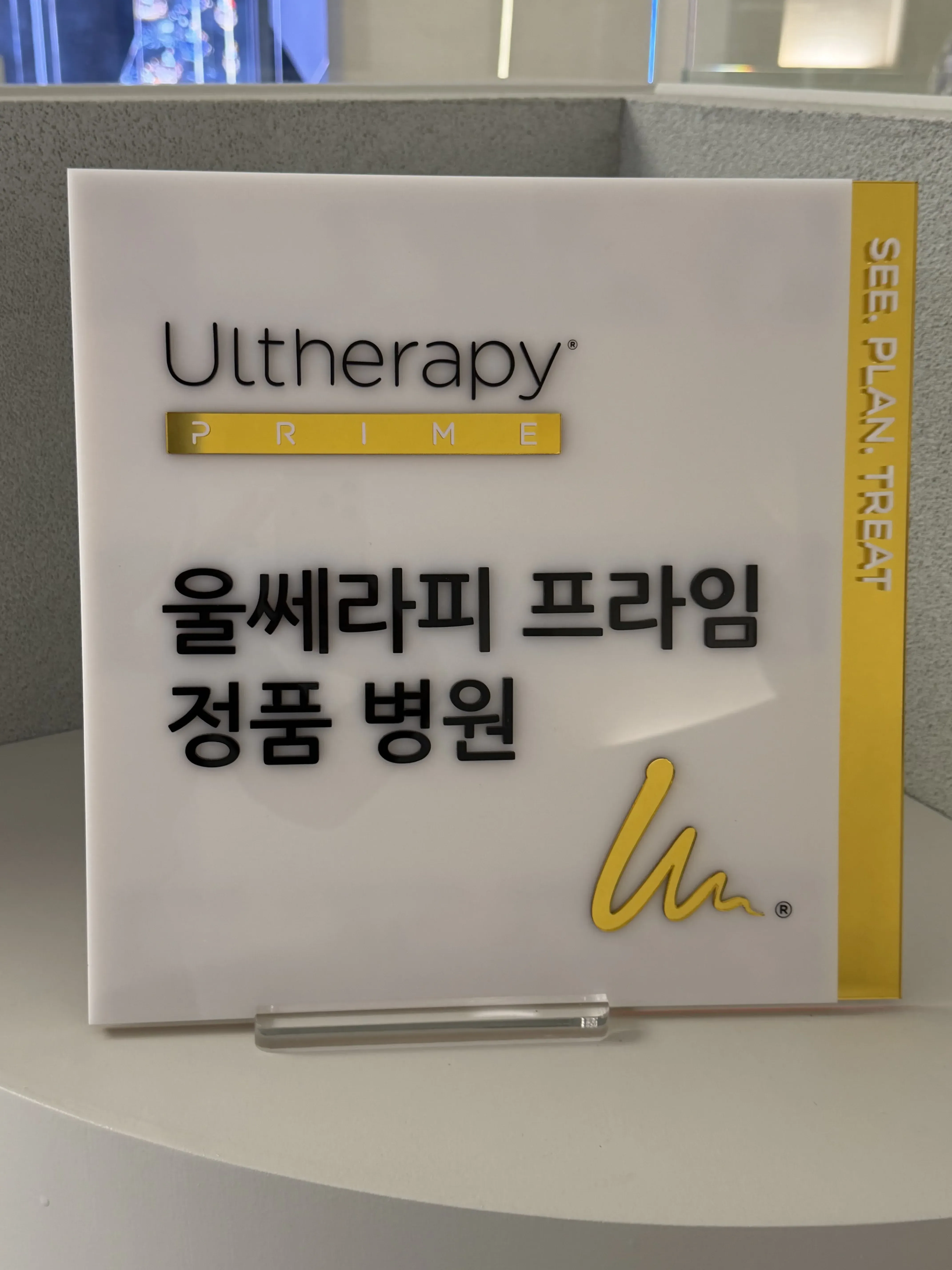
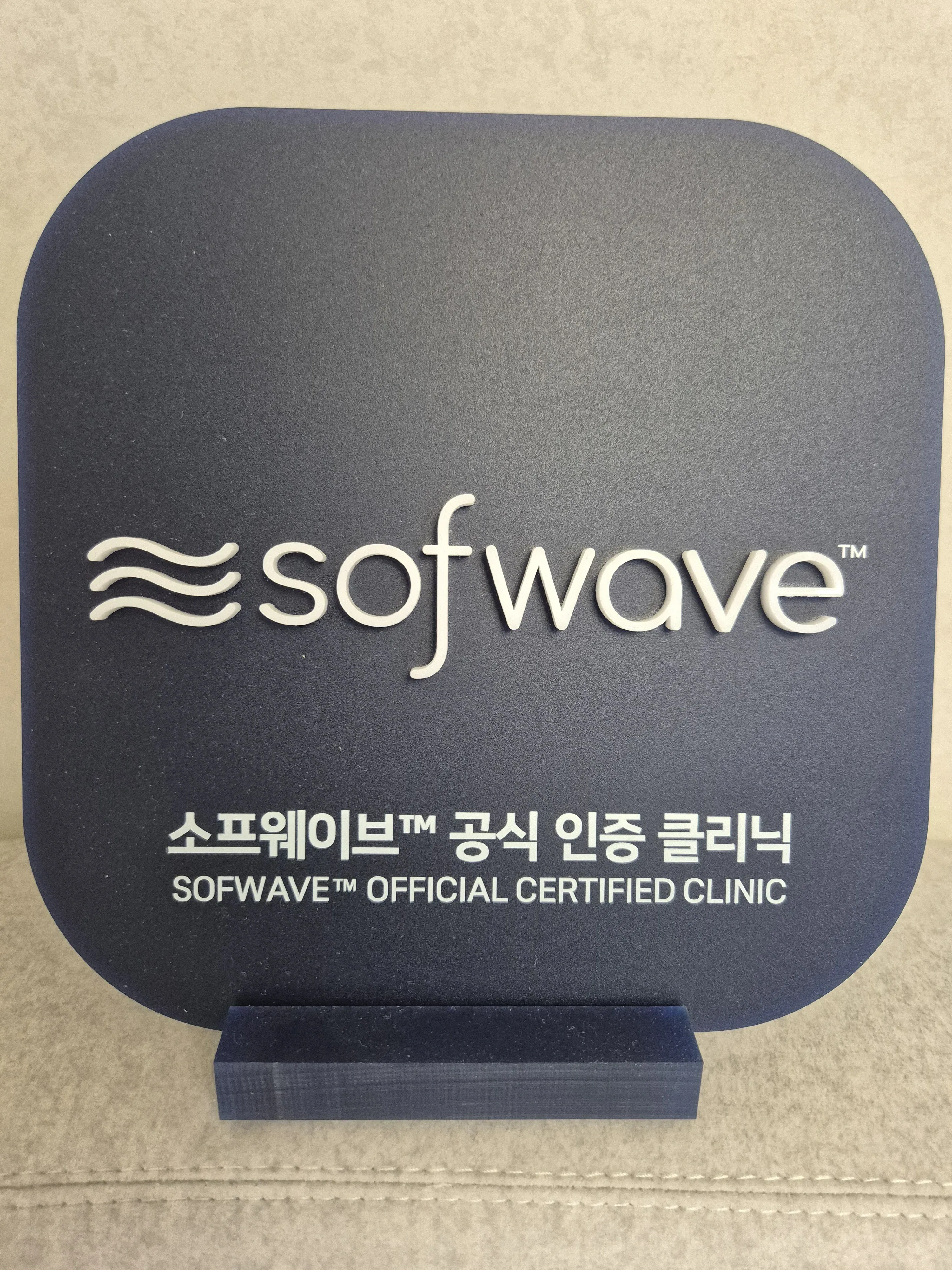
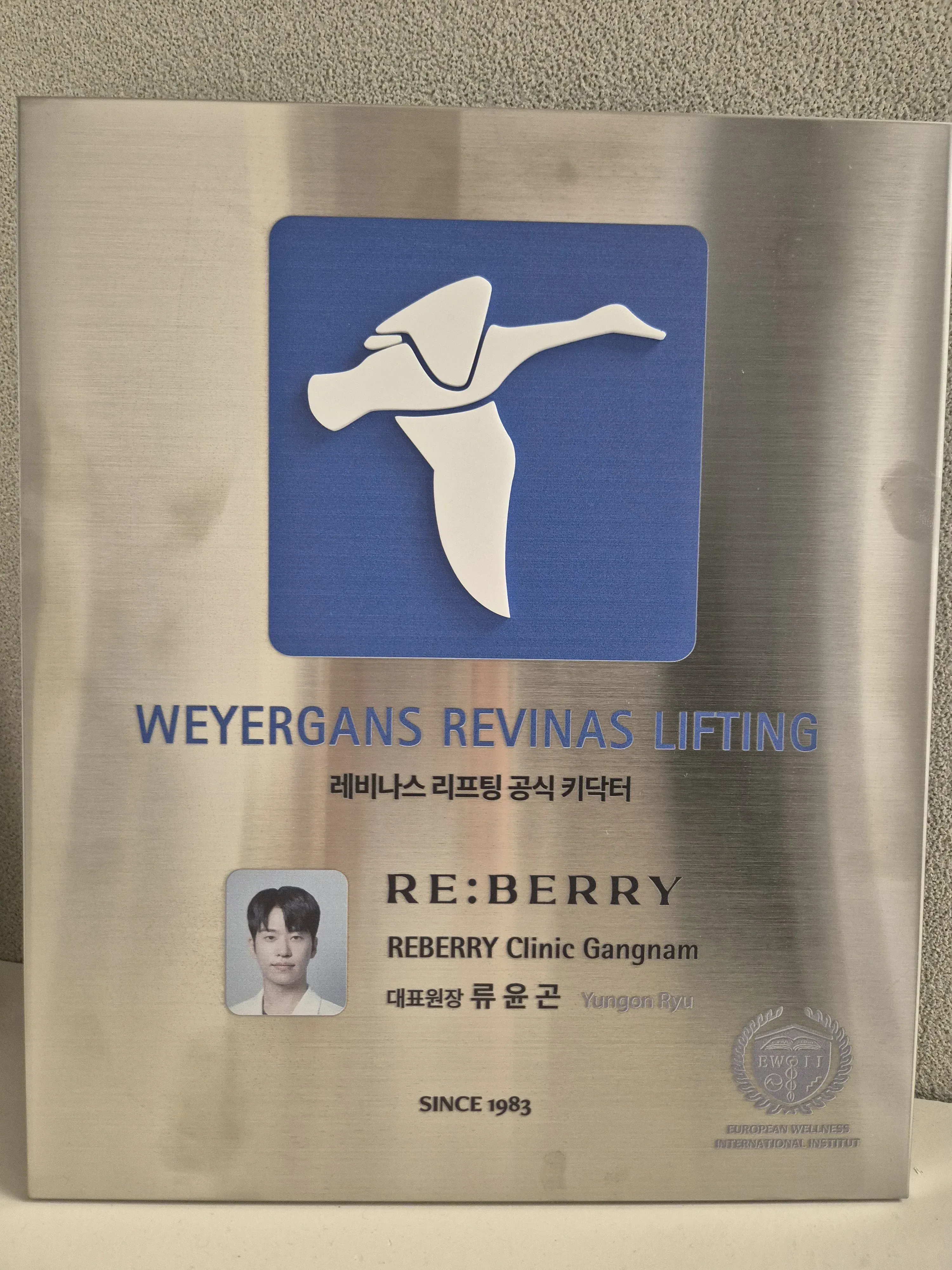
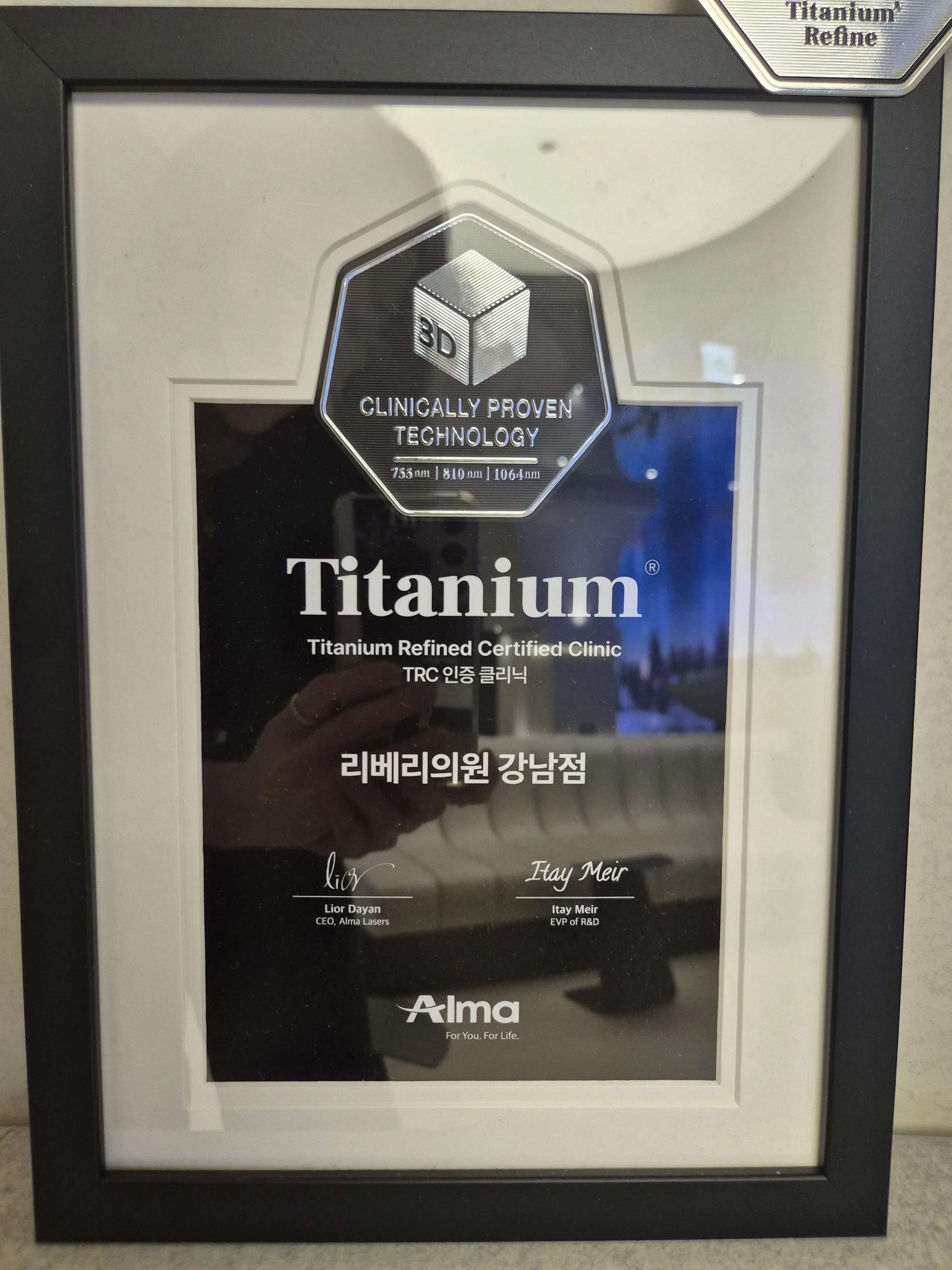
Brand-Authenticated Equipment & Training




Our doctors are certified by Korea’s top dermatological societies







Latest from Our Instagram
Real treatments, patient reactions, and behind-the-scenes from RE:BERRY.
Tap any video for sound & fullscreen
What our patients say
Real verified reviews from our Google Business Profile
I had a really nice experience at Reberry Clinic Gangnam. I received a Hydrafacial treatment, and the whole process was very comfortable. The staff were kind and explained everything clearly, and the clinic itself felt clean and relaxing. I also loved the interior — the clinic felt very clean, elegant, and luxurious, w...
I had such an amazing experience at this clinic! The clinic itself is absolutely stunning the design is beautiful, elegant, and luxurious, and the service is truly top-notch. Everything was so well organized, and I felt very comfortable from the moment I walked in.
I had a Korean filler treatment to reduce my nasolabia...
i had a good time having the Juvelook treatment!
It was my first time in Korea, all the Doctor & team are bery helpful. Dr. Ian & cheong a lee(jenny) are really helpful.
I understand more about my skin.
The clinic is calm, welcoming.
there are many activities i didn’t expect to find in a beauty clinic; phot...
So happy to found the beauty clinic in Korea that very inclusive and Muslim friendly. They have a prayer space for muslim and they prepare a female doctor for me. The clinic is so comfortable with aesthetic design make me feel relaxed. The doctor and the staff are very professional and helpful so all of the procedure r...
As someone who has struggled with acne since middle school, I decided to stop here during a layover in Seoul and was amazed by the treatment.
Firstly, the environment is elegant and peaceful. Feels very luxurious and the treatment from staff was as such as well. Speaking of staff, they were extremely professional, car...
Numbers That Tell Our Story
Cumulative across RE:BERRY clinics (Gangnam · Myeongdong · Incheon Airport).
Post-Inflammatory Hyperpigmentation Treatment Gangnam Seoul FAQ
How much does PIH treatment cost at RE:BERRY Gangnam?
Prices for the Dual Toning Package, One Day Pico Laser Toning first visit and the Berry Dual Toning 10-session bundle are confirmed at consultation. Maintenance topical kit additional. See pricing page.
What causes post-inflammatory hyperpigmentation?
PIH results from melanocyte stimulation by inflammation: acne lesions, eczema flares, friction (post-laser, post-peel, post-shaving), or insect bites. The melanin is deposited both in epidermis and superficial dermis. Fitzpatrick III to V skin is most prone to PIH.
How long does PIH take to fade naturally?
Epidermal PIH fades over 6 to 12 months with sun protection alone; dermal-component PIH can persist years. RE:BERRY Gangnam treatment shortens this to three to six months in most cases.
How many sessions for acne-related PIH?
Six to ten sessions of pico laser plus low-fluence Nd:YAG toning over three to six months, combined with active acne treatment to stop new inflammation.
Is pico laser safe for darker skin with PIH?
Yes with appropriate fluence. Picosecond pulses produce less collateral thermal injury than nanosecond Q-switched lasers, lowering rebound PIH risk. RE:BERRY Gangnam patch-tests Fitzpatrick V at first visit.
Can PIH itself rebound from laser?
Yes if fluence is too high or sessions too close. RE:BERRY Gangnam uses low-fluence toning (1.4 to 2.0 J per cm-squared for Nd:YAG) and spaces sessions two to four weeks to minimize rebound. Mun et al. 2011 in J Electron Microsc documented subcellular-selective mechanism at these parameters.
Do I need topical treatment too?
Yes. Tranexamic acid topical and SPF 50 plus daily are core. Tse and Hui 2013 in J Cosmet Dermatol showed adjunctive tranexamic acid meaningfully reduces relapse. Niacinamide and azelaic acid are also commonly added.
Will my acne scars improve at the same time?
Shallow boxcar and rolling scars improve with the fractional lens array. In JAMA Dermatology, Brauer et al. 2015 reported 27 to 35 percent texture improvement. Deeper ice-pick scars stack better with subcision.
How is PIH different from melasma?
PIH is triggered by a specific inflammatory event; melasma is hormone-driven and often bilateral malar. They can coexist. RE:BERRY Gangnam differentiates with Wood’s lamp UV imaging and history.
How much downtime follows a PIH laser session?
Two to six hours of mild erythema. Makeup is permitted the next morning. Avoid scrubs, retinoids, and acids for 5 to 7 days. SPF 50 plus daily for at least eight weeks.
Does laser treatment for post-acne dark marks hurt?
Mild rubber-band-snap sensation. Topical lidocaine for 20 minutes pre-treatment. Most patients rate 2 to 3 out of 10.
Can I do PIH treatment during active acne breakouts?
RE:BERRY Gangnam treats active inflammatory acne first or in parallel to stop new PIH from forming. Laser on inflamed pustules is avoided that visit; surrounding healed PIH zones are treated.
Are oral medications used?
Some patients benefit from oral tranexamic acid (typically 250 mg twice daily for 8 to 12 weeks) prescribed by RE:BERRY Gangnam physicians after coagulation screen. Tse and Hui 2013 reviewed efficacy and safety. Not for pregnant or thrombosis-history patients.
Can I do PIH treatment as a tourist same-day?
Yes. Same-day consultation, Wood’s lamp imaging, and first session is standard at RE:BERRY Gangnam Seoul. WhatsApp pre-booking available in five languages.
What about hydroquinone?
Hydroquinone 4 percent is an option for short-term (eight weeks) epidermal PIH, but RE:BERRY Gangnam prefers tranexamic acid and azelaic acid for long-term safety in Asian skin given hydroquinone’s exogenous ochronosis risk with chronic use.
Foreign tax refund?
RE:BERRY Gangnam is registered with the Korea Health Industry Development Institute; however, korea’s VAT refund program for foreign patients’ aesthetic treatments ended on December 31, 2025, so treatment fees are no longer eligible for tax refunds.
Where do I go for PIH treatment at RE:BERRY Gangnam, and when is it open?
PIH appointments take place at KI Tower, Gangnamdaero-69-gil 8, a two-minute walk from Gangnam Station Exit 10, open 10:00 to 20:00 on all 365 days. Book through the contact page or WhatsApp.
What if my PIH does not improve?
RE:BERRY Gangnam reassesses at session four with Wood’s lamp imaging. If dermal component dominates, the protocol shifts to deeper Nd:YAG and oral tranexamic acid. Six-session non-response triggers full workup to rule out drug-induced or systemic causes.
Book Your Post-Inflammatory Hyperpigmentation Treatment Gangnam Seoul Consultation at RE:BERRY
RE:BERRY Gangnam delivers post-inflammatory hyperpigmentation treatment Gangnam Seoul with authentic pico laser plus Candela Genesis dual-wavelength technology, Dual Toning Package, and same-doctor continuity. Schedule your 60-90 min PIH mapping consultation today — 2 minutes from Gangnam Station Exit 10, open 365 days.
Why Tens of Thousands of Foreign Patients Are Choosing This Gangnam Clinic — Business Wire, 2026-04-13
Book Your Personalized Consultation
Share your details and our multilingual team will contact you as soon as possible through your preferred messenger.
- ✓ Free online skin consultation with a doctor
- ✓ Personalized treatment plan & pricing
- ✓ 5-language support (EN/ZH-CN/ZH-TW/JA/ES)
- ✓ Response as soon as possible via your preferred messenger
How to Find RE:BERRY Gangnam
2 minutes from Gangnam Station Exit 10. B1–B2, KI Tower — the building with the all-black entrance you can't miss.
RE:BERRY Clinic Gangnam
B1–B2, KI Tower, 69-gil 8, Gangnam-daero, Seocho-gu, Seoul
서울시 서초구 강남대로69길 8, 지하1·2층 (KI타워)
Also available at: Myeongdong · Incheon Airport