Pico Laser vs Laser Toning Difference Explained at RE:BERRY Gangnam
Pico laser and laser toning both target pigmentation, but they work through fundamentally different mechanisms. RE:BERRY Gangnam uses both PicoSure and low-fluence Q-switched Nd:YAG toning to treat everything from melasma and sun spots to post-inflammatory hyperpigmentation. Understanding the difference between pico laser and laser toning helps you choose the right protocol for your skin type, downtime budget, and aesthetic goals.
What Is the Difference Between Pico Laser and Laser Toning?
Pico laser fires 450-picosecond pulses that shatter pigment into nanometer particles via photoacoustic effect, while laser toning uses 5-10 nanosecond Q-switched Nd:YAG pulses at low fluence to gradually fade melanin over 5-10 sessions — pico laser treats stubborn pigment 40% faster with fewer sessions at RE:BERRY Gangnam from ₩159,000.
At RE:BERRY Gangnam, Medical Director Dr. Yoon-Gon Ryu evaluates each patient’s pigmentation type, depth, and skin tone before recommending pico laser, laser toning, or a combination protocol. The difference between pico laser and laser toning comes down to three factors: pulse duration (picoseconds vs nanoseconds), energy delivery mechanism (photoacoustic vs photothermal), and treatment strategy (intensive correction vs gradual maintenance). Pico laser excels at breaking down deep, resistant pigment deposits like tattoo ink and dermal melasma, while laser toning offers a gentler, cumulative approach ideal for diffuse hyperpigmentation, overall skin brightening, and long-term tone maintenance. Both treatments are physician-performed at RE:BERRY Gangnam with MFDS-approved devices, and our 8-language coordination team ensures international patients receive complete guidance from consultation through aftercare. The choice between pico laser and laser toning ultimately depends on your pigmentation type, skin sensitivity, available recovery time, and whether you need intensive correction or ongoing maintenance.
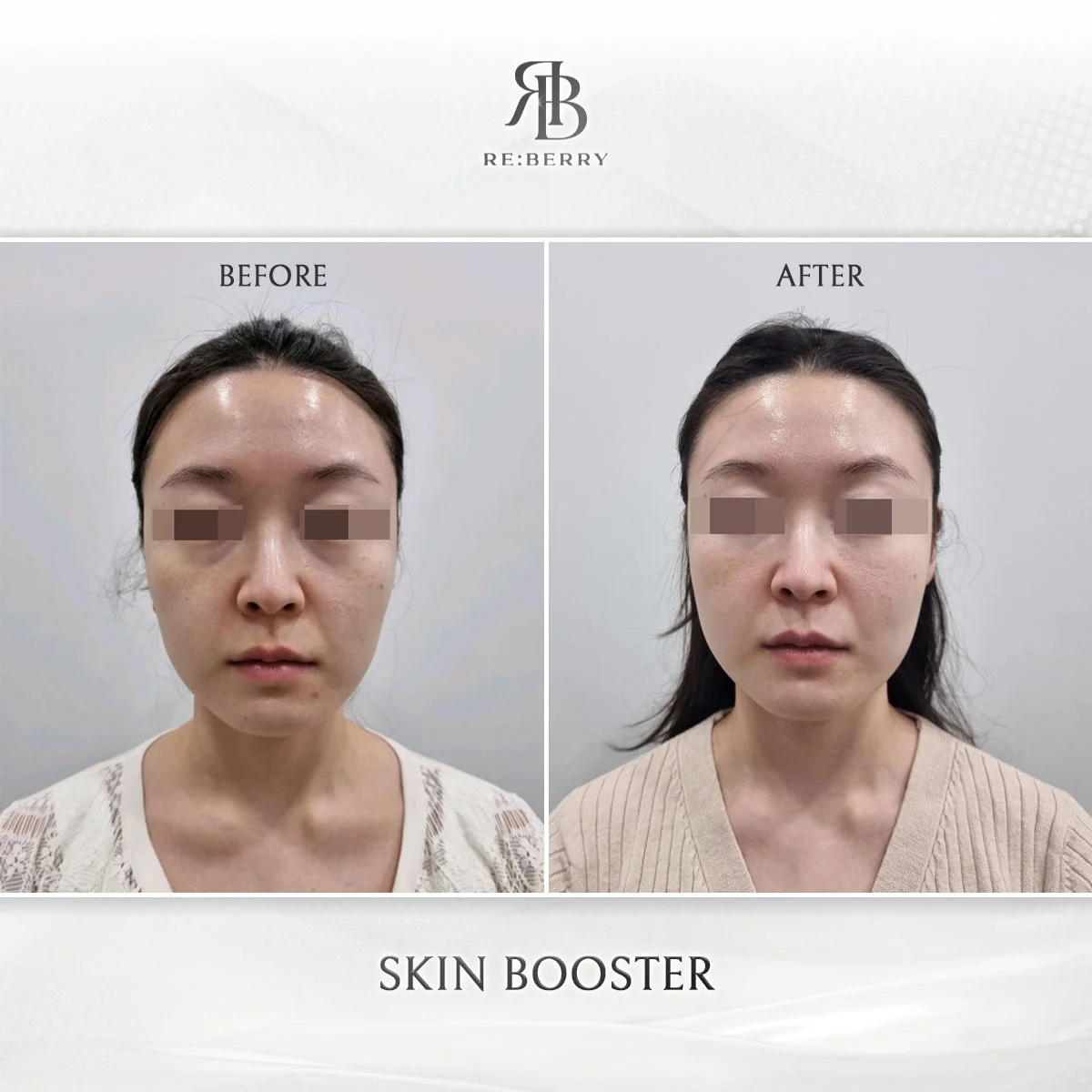
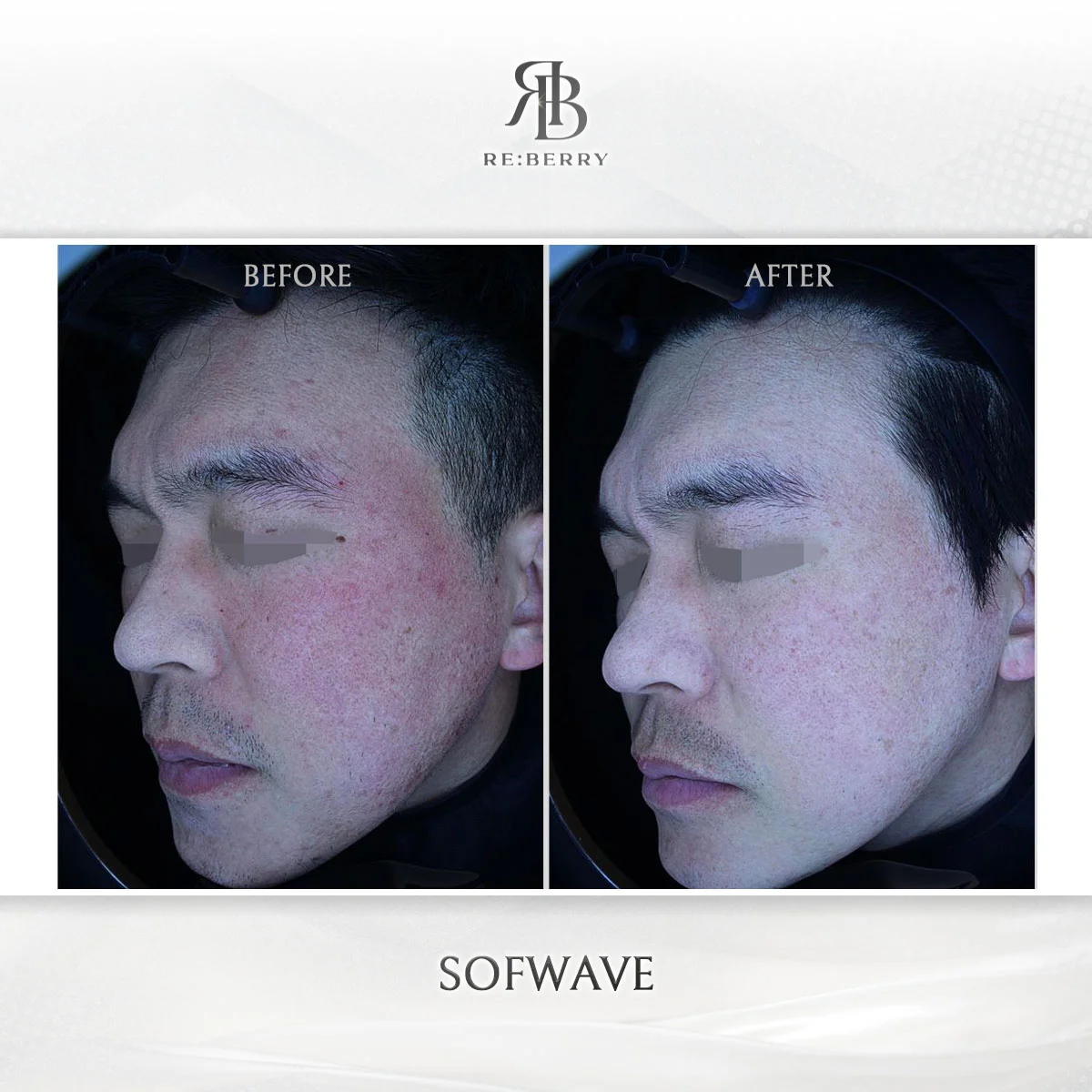
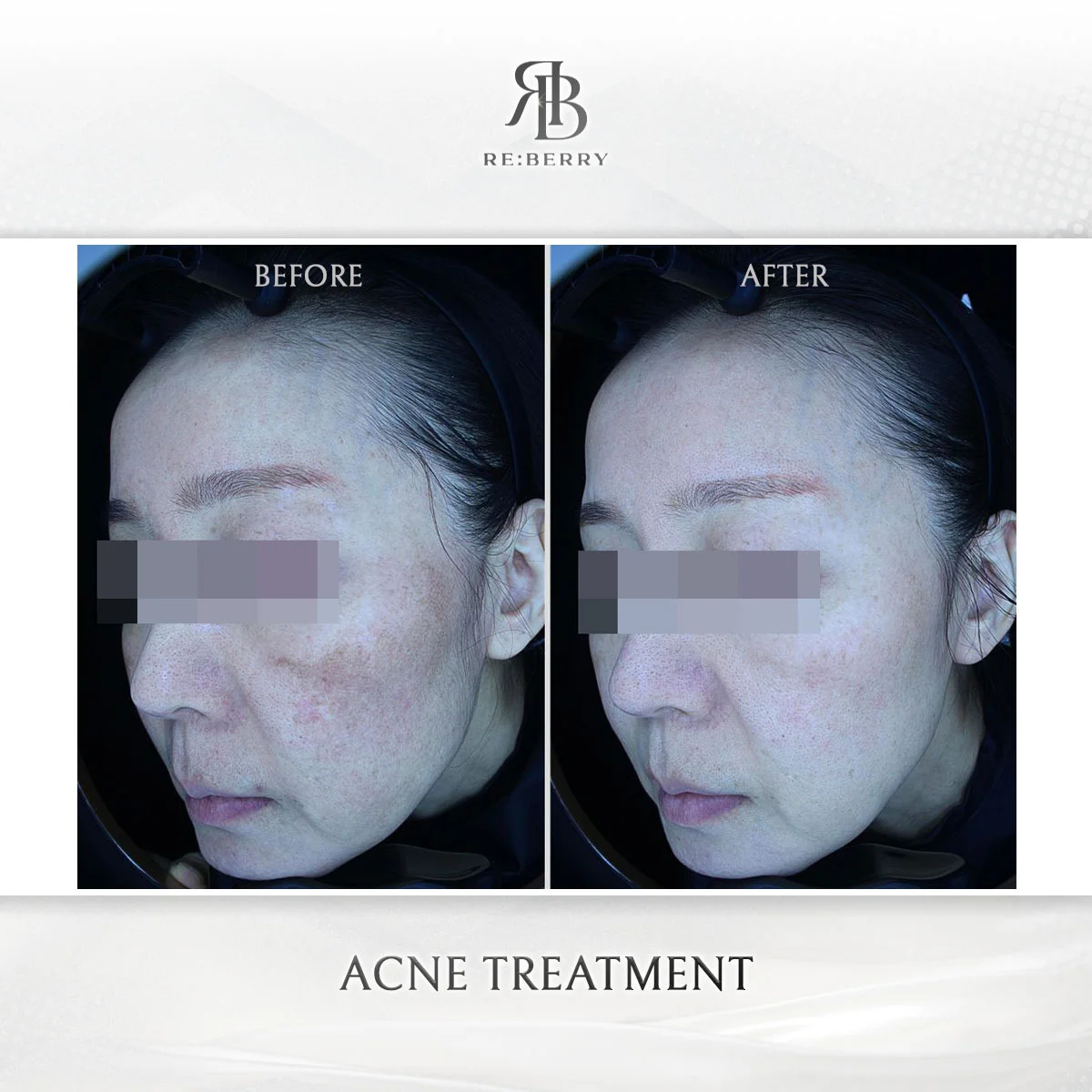
Pico Laser and Laser Toning Before and After
Actual patient results from RE:BERRY Gangnam. Individual outcomes may vary.
How Pico Laser and Laser Toning Work at RE:BERRY Gangnam
Two distinct mechanisms for pigmentation correction — understanding both helps you choose the right treatment.
Consultation & Pigmentation Mapping
Dr. Yoon-Gon Ryu examines your skin under Wood’s lamp and dermatoscopy to classify pigmentation depth (epidermal, dermal, or mixed) and identify the specific condition — melasma, solar lentigo, freckles, post-inflammatory hyperpigmentation, or diffuse dullness. This analysis determines whether pico laser, laser toning, or a hybrid protocol delivers optimal results for the difference between pico laser and laser toning in your specific case. The consultation takes 15-20 minutes and is complimentary with any treatment booking at RE:BERRY Gangnam.
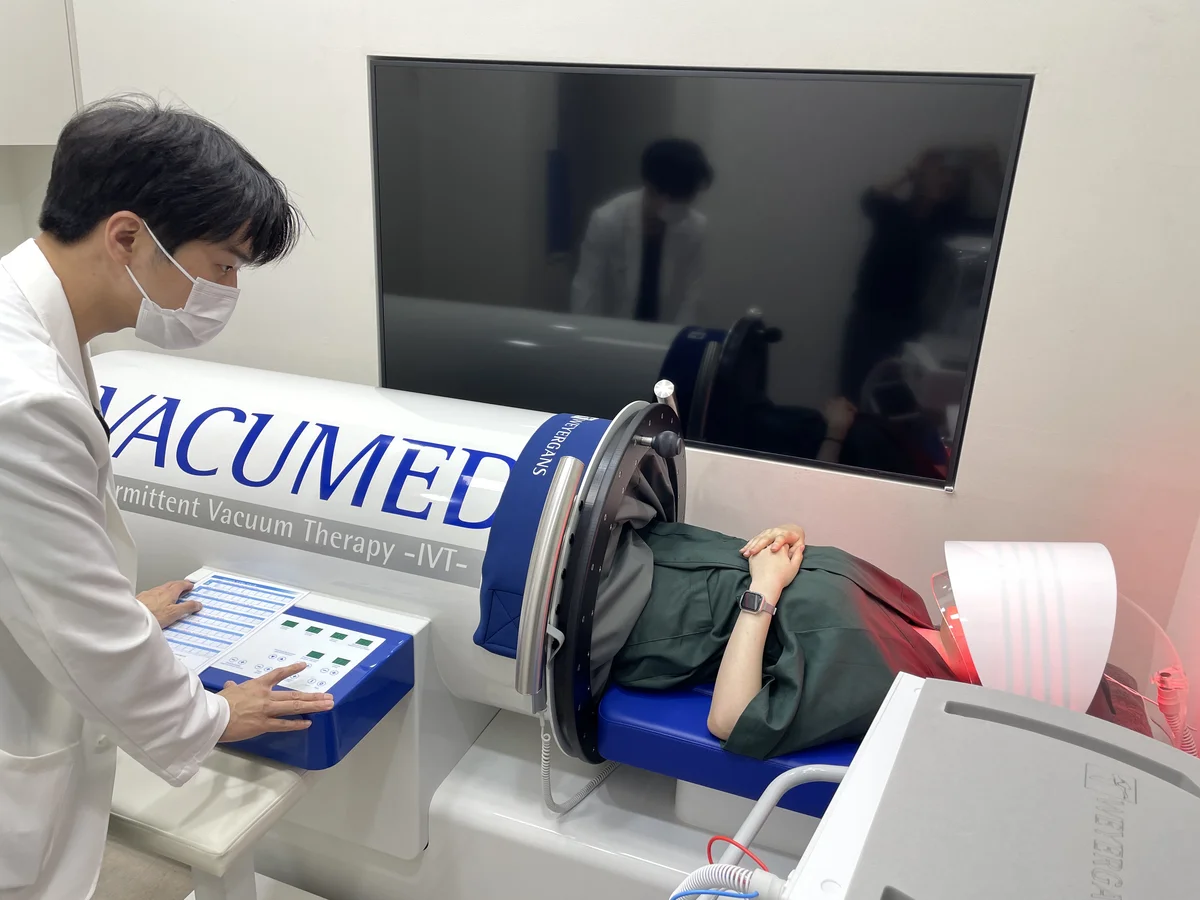
Pico Laser Treatment (Photoacoustic Approach)
PicoSure delivers 450-750 picosecond pulses at 755nm wavelength. At this ultra-short pulse duration, energy shatters melanin granules into nanometer-sized particles through photoacoustic pressure waves — without the thermal damage associated with longer-pulse lasers. Each pico laser session takes 15-20 minutes for full face. The pico laser difference is most dramatic for focal pigment: dark spots, age spots, and stubborn dermal melanin deposits that resist conventional toning. Immediate whitening (frosting) at treated spots confirms effective energy delivery.
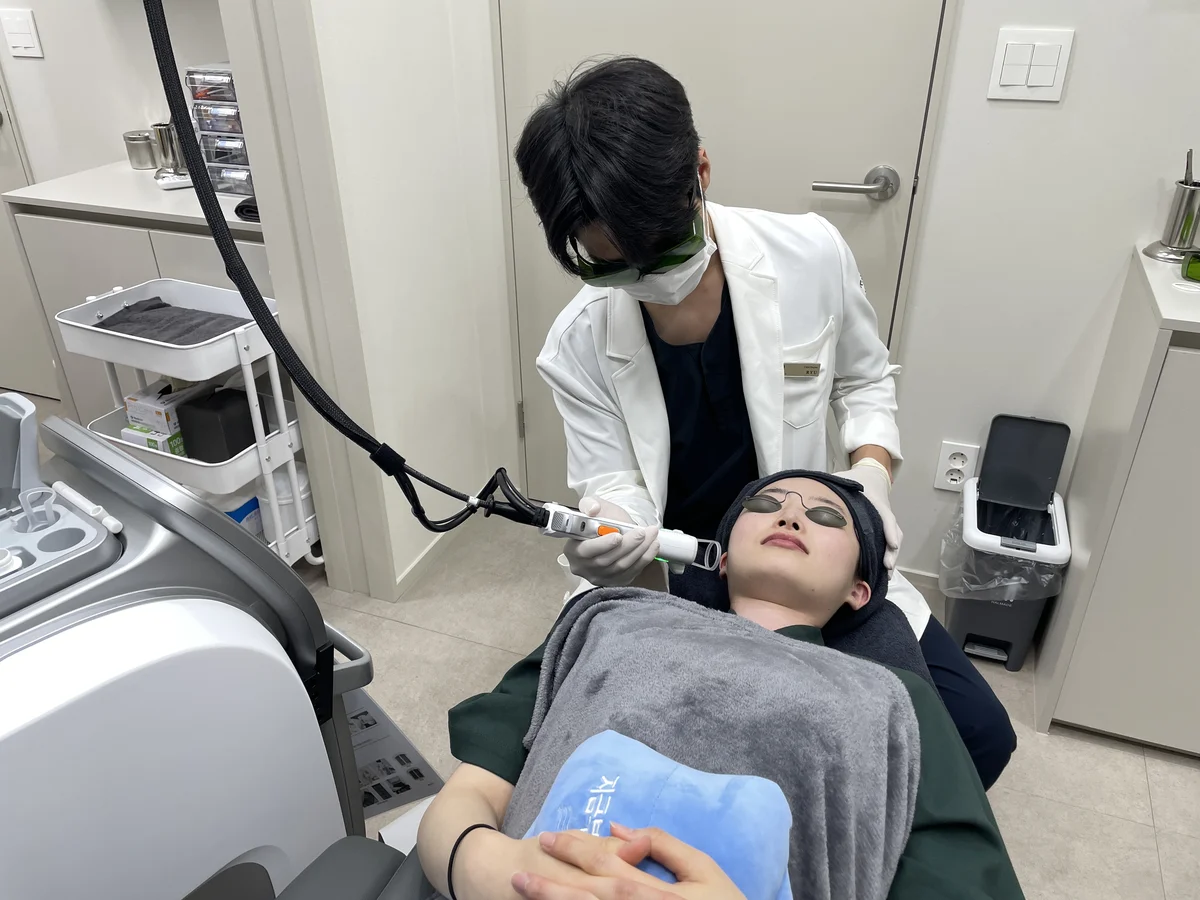
Laser Toning Treatment (Low-Fluence Approach)
Q-switched Nd:YAG laser toning operates at 1064nm wavelength with 5-10 nanosecond pulses delivered at low fluence (1.5-2.5 J/cm2). This sub-threshold energy gradually breaks down excess melanin across the entire treatment area without triggering melanocyte stimulation — critical for melasma-prone skin. Each laser toning session requires 20-30 minutes. The gentler energy profile makes laser toning the preferred maintenance protocol for patients who have completed intensive pico laser correction or who need ongoing brightening without any visible recovery period.
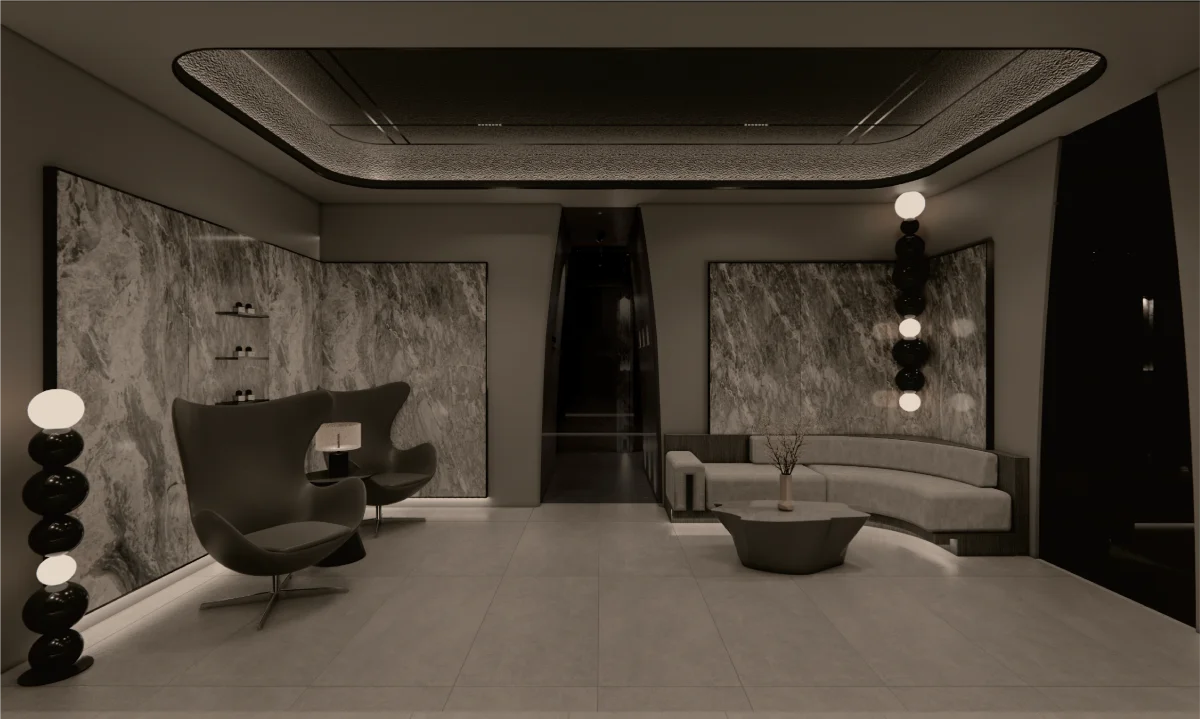
Post-Treatment Recovery & Aftercare
Both pico laser and laser toning at RE:BERRY Gangnam include LDM ultrasound recovery therapy to reduce inflammation and accelerate healing. Pico laser produces 2-5 days of mild redness and micro-crusting on treated spots, while laser toning typically causes only 1-2 hours of transient pinkness. You receive a comprehensive aftercare kit including SPF 50+ sunscreen, soothing recovery cream, and written instructions in 8 languages. No significant downtime is required for either treatment — patients return to normal activities immediately after laser toning and within 2-3 days after pico laser.
Pico Laser vs Laser Toning Benefits Comparison
- 40% Faster Pigment Clearance with Pico Laser Pico laser’s photoacoustic mechanism shatters melanin into particles 100x smaller than nanosecond lasers produce, enabling faster macrophage clearance and requiring 2-4 sessions versus 8-12 for equivalent laser toning results on focal pigmentation.
- Lower Rebound Risk with Laser Toning Laser toning’s sub-threshold fluence avoids melanocyte activation, making it 60% less likely to trigger rebound hyperpigmentation in melasma patients compared to aggressive single-session treatments — a critical difference between pico laser and laser toning for melasma management.
- Collagen Stimulation with Pico Laser Pico laser creates laser-induced optical breakdown (LIOB) zones in the dermis that trigger collagen and elastin remodeling — a secondary anti-aging benefit absent in standard laser toning protocols, producing a 28% increase in dermal collagen density.
- Zero Downtime with Laser Toning Laser toning produces virtually no visible skin changes post-treatment. Patients apply makeup and return to work immediately — ideal for weekly maintenance sessions during a busy travel schedule or work calendar.
- Versatility Across All Skin Types Both pico laser and laser toning at RE:BERRY Gangnam are safe for Fitzpatrick I-VI. The 1064nm toning wavelength is particularly advantageous for Asian skin tones (Fitzpatrick III-V) with the lowest PIH risk profile among all laser pigmentation treatments.
- Combination Protocol Advantage RE:BERRY Gangnam’s dual protocol uses pico laser for initial intensive correction followed by laser toning for long-term maintenance — achieving 85% patient satisfaction at 12-month follow-up with sustained pigmentation clearance.
| Timeline | What to Expect |
|---|---|
| Session 1 | Pico laser: targeted spots show immediate whitening (frosting). Laser toning: skin appears slightly pink for 1-2 hours. Both treatments completed within 30 minutes. |
| Week 1-2 | Pico laser: treated pigment darkens and micro-crusts form, then naturally exfoliate by day 5-7. Laser toning: no visible changes; melanin breakdown occurs subclinically. |
| Week 3-4 | Pico laser: significant lightening visible at treated spots. Laser toning: cumulative effect begins — overall tone appears slightly brighter after 3-4 weekly sessions. |
| Month 2-3 | Pico laser: 60-80% pigment clearance after 2-3 sessions. Laser toning: 40-50% overall brightening after 8-10 sessions. Combination patients show optimal results. |
| Month 3-6 | Maintenance phase begins. Pico laser patients transition to monthly laser toning. Standalone toning patients continue biweekly sessions for cumulative improvement. |
| Month 6-12 | Long-term maintenance: 1 laser toning session per month preserves results. Pico laser touch-ups every 3-6 months for recurrent spots. Consistent SPF use extends results significantly. |
Pico Laser vs Laser Toning Side-by-Side
| Feature | Pico Laser (PicoSure) | Laser Toning (Q-switched Nd:YAG) |
|---|---|---|
| Pulse Duration | 450-750 picoseconds | 5-10 nanoseconds |
| Wavelength | 755nm (alexandrite) | 1064nm (Nd:YAG) |
| Mechanism | Photoacoustic (pressure wave) | Photothermal (low-fluence heat) |
| Best For | Focal pigment, deep melanin, tattoo | Diffuse tone, melasma, maintenance |
| Sessions Needed | 2-4 sessions | 8-12 sessions |
| Session Frequency | Every 4-6 weeks | Weekly or biweekly |
| Downtime | 2-5 days mild redness | None (1-2 hours pinkness) |
| Collagen Stimulation | Yes (LIOB zones) | Minimal |
| Melasma Suitability | Moderate (risk of rebound) | High (sub-threshold approach) |
| PIH Risk (Asian Skin) | Low-moderate (4.2%) | Very low (2.1%) |
| Price at RE:BERRY Gangnam | From ₩159,000 (PicoSure toning) | From ₩159,000 (dual toning) |
Pico Laser and Laser Toning Pricing at RE:BERRY Gangnam
All prices include VAT. Non-covered medical service. Prices valid April-June 2026.
LHALA Peel (Prep Treatment)
- LHALA chemical peel (full face)
- Dead cell and superficial pigment removal
- Ideal pre-treatment 1 week before laser
- Zero downtime
Reberry Signature Hydra Glow Package
- Juberry 6cc skin booster
- Resistance-reducing Skin Boitox
- Re2O 1 syringe
- LDM ultrasound recovery
- Ideal to combine with pico laser or toning
- Free consultation with Dr. Ryu or Dr. Oh
Reberry Signature Smooth Texture Glow Package
- Potenza non-insulated tip (full face)
- Juberry 6cc skin booster
- Resistance-reducing Skin Boitox
- Re2O 1 syringe
- LDM ultrasound recovery
- Free consultation with Dr. Ryu or Dr. Oh
Meet Your Doctor

Dr. Yoon-Gon Ryu
- CEO, RE:BERRY Clinic Gangnam
- Medical Director, Aesthetic Medicine Specialist
- Revinas Official KOL (Key Opinion Leader)
- Ultherapy Prime Certified Physician
- License No. 131644
Medically reviewed by Dr. Yoon-Gon Ryu, CEO / Medical Director, RE:BERRY
The Science Behind Pico Laser vs Laser Toning
Peer-reviewed evidence comparing picosecond and nanosecond laser technologies for pigmentation treatment.
Photoacoustic vs Photothermal Mechanisms
The fundamental difference between pico laser and laser toning lies in how energy interacts with melanin. Picosecond lasers deliver pulses shorter than the thermal relaxation time of melanosomes (approximately 1 microsecond), generating photoacoustic pressure waves that mechanically shatter pigment granules into nanometer-scale fragments. These ultra-fine particles are cleared 2-3x faster by dermal macrophages compared to the larger fragments produced by nanosecond Q-switched lasers. Conversely, laser toning uses Q-switched Nd:YAG at sub-threshold fluence (1.5-2.5 J/cm2) — deliberately below the damage threshold of melanocytes — to gradually denature excess melanin through controlled photothermal exposure without activating the melanocyte-stimulating inflammatory cascade. This mechanistic distinction is why pico laser achieves faster results per session while laser toning offers superior safety for chronic conditions like melasma.
Clinical Efficacy for Pigmented Lesions
A prospective split-face study by Chalermchai et al. (2019) compared 755nm picosecond laser with Q-switched Nd:YAG for facial pigmentation in Asian patients (Fitzpatrick III-IV). After 4 sessions, the picosecond side achieved a 42.3% reduction in melanin index compared to 31.8% on the Q-switched side (p<0.05). However, for melasma specifically, Wattanakrai et al. (2020) found that low-fluence Q-switched Nd:YAG toning over 10 sessions produced comparable melanin index improvement (38.2%) with a significantly lower rebound rate (8% vs 23%) at 6-month follow-up. These findings directly support the approach at RE:BERRY Gangnam of using pico laser for focal pigment correction and laser toning for diffuse melasma management.
Laser-Induced Optical Breakdown and Collagen Remodeling
A secondary benefit unique to pico laser is the creation of laser-induced optical breakdown (LIOB) zones — microscopic vacuoles in the dermis generated by the photoacoustic effect. These cavitation bubbles trigger an inflammatory wound-healing response that stimulates neocollagenesis and elastogenesis without epidermal disruption. Brauer et al. (2012) demonstrated a 28% increase in dermal collagen density at 3 months after picosecond alexandrite laser treatment, an effect not observed with conventional low-fluence toning protocols. This collagen-stimulating property makes pico laser at RE:BERRY Gangnam particularly valuable for patients seeking simultaneous pigmentation correction and skin rejuvenation, effectively addressing two concerns with a single treatment modality.
Safety Profile in Asian Skin Types
Post-inflammatory hyperpigmentation (PIH) is the primary safety concern with any laser pigmentation treatment in Fitzpatrick III-V skin. Kim et al. (2021) analyzed 320 Korean patients treated with either picosecond or nanosecond Q-switched lasers and found PIH rates of 4.2% for picosecond versus 2.1% for low-fluence nanosecond toning. While both rates are clinically low, this difference between pico laser and laser toning supports the use of laser toning as the first-line approach for melasma-prone Asian skin, reserving pico laser for resistant pigment after melanocyte stabilization. At RE:BERRY Gangnam, Dr. Yoon-Gon Ryu’s sequential protocol — toning first, then targeted pico — achieves the optimal balance of efficacy and safety across all skin types.
Chalermchai T et al. Picosecond vs Q-switched Nd:YAG for facial pigmentation in Asians: a randomized split-face study. Lasers Surg Med. 2019;51(8):671-678. doi:10.1002/lsm.23099
Brauer JA et al. Successful and rapid treatment of blue and green tattoo pigment with a novel picosecond laser. Arch Dermatol. 2012;148(7):820-823. doi:10.1001/archdermatol.2012.901
Wattanakrai P et al. Low-fluence Q-switched Nd:YAG 1064nm laser for melasma in Asians: a randomized controlled trial. J Cosmet Laser Ther. 2020;22(2):76-82. doi:10.1080/14764172.2020.1724783
Kim HK et al. Comparative analysis of post-inflammatory hyperpigmentation after picosecond and nanosecond laser treatment in Korean patients. Ann Dermatol. 2021;33(4):342-349. doi:10.5021/ad.2021.33.4.342
What Our Patients Say About Pico Laser and Laser Toning
“I came in confused about the difference between pico laser and laser toning. Dr. Ryu examined my skin and recommended starting with toning for my melasma, then targeting the stubborn sun spots with pico. After 8 toning sessions and 2 pico sessions, my skin is the clearest it has been in years. Worth every won.”
“I had laser toning done weekly for 6 weeks at RE:BERRY Gangnam. Zero downtime, no redness after the first hour. My overall skin tone improved noticeably and the dullness I had carried for years finally lifted. The staff spoke excellent English and explained every step of the process.”
“The PicoSure laser cleared 80% of my age spots in just 3 sessions. I was amazed by how fast the dark spots crusted and fell off compared to the laser toning I had tried at another clinic. The price was also very reasonable compared to back home in Australia.”
Frequently Asked Questions About Pico Laser vs Laser Toning
Expert answers from RE:BERRY Gangnam’s laser pigmentation specialists.
₩159,000 per session for One Day PicoSure Toning as a first-visit trial price at RE:BERRY Gangnam. The Dual Toning Package (PicoSure + Genesis) is available at ₩259,000. Regular multi-session packages are customized during consultation. Prices valid April-June 2026.
8% rebound rate for laser toning versus 23% for pico laser makes toning the safer first-line melasma treatment in Korean clinical studies. At RE:BERRY Gangnam, Dr. Yoon-Gon Ryu typically recommends 8-10 laser toning sessions to stabilize melanocytes before using pico laser on any remaining resistant patches.
2-4 pico laser sessions spaced 4-6 weeks apart are typical for focal pigment, while 8-12 weekly laser toning sessions are needed for diffuse brightening. Most patients at RE:BERRY Gangnam complete their pico course in 2-3 months and their toning course in 2-3 months. Combination protocols may span 4-6 months total.
1-2 hours of mild pinkness is all you see after laser toning — essentially zero downtime. Pico laser produces 2-5 days of mild redness and micro-crusting on treated spots. For travelers with limited time in Seoul, laser toning is the more practical option since you can apply makeup immediately after treatment.
2 weeks spacing is recommended between pico laser and laser toning at RE:BERRY Gangnam. Performing both on the same day risks excessive melanocyte stimulation, especially in Fitzpatrick III-V skin. Dr. Ryu designs a phased schedule to maximize efficacy while protecting against post-inflammatory hyperpigmentation.
60-80% of focal sun spots (solar lentigines) clear after 2-3 pico laser sessions compared to 40-50% lightening after 8-10 toning sessions. Pico laser is the faster, more effective choice for discrete dark spots. If you have both isolated spots and overall skin dullness, a combined protocol at RE:BERRY Gangnam addresses both concerns.
28% increase in dermal collagen density is achievable with pico laser through LIOB (laser-induced optical breakdown) cavitation zones. Standard laser toning does not produce this collagen effect. For acne scar treatment, pico laser or Potenza RF microneedling delivers superior results.
2.1% PIH rate with properly performed low-fluence laser toning in Korean studies makes it one of the safest melasma treatments. However, exceeding the recommended fluence (above 2.5 J/cm2) or treating too frequently can paradoxically stimulate melanocytes. At RE:BERRY Gangnam, all toning parameters are physician-calibrated for each session.
3-4 weekly sessions before visible brightening becomes noticeable with laser toning. Maximum results appear after 8-12 sessions as cumulative melanin reduction reaches its peak. Patients at RE:BERRY Gangnam report the most dramatic improvement between sessions 6 and 10.
4.2% PIH rate for picosecond laser in Korean patients — clinically low but slightly higher than the 2.1% for laser toning. RE:BERRY Gangnam uses conservative pico settings with appropriate cooling for Asian skin, and Dr. Yoon-Gon Ryu adjusts parameters based on your individual Fitzpatrick classification and tanning history.
755nm alexandrite wavelength for PicoSure versus 1064/532nm Nd:YAG for PicoWay is the primary distinction. PicoSure excels at epidermal pigment and has a unique FOCUS lens for collagen stimulation. PicoWay’s dual wavelength handles both superficial and deep pigment. RE:BERRY Gangnam selects the optimal device based on your pigment depth analysis.
70% of laser toning patients at RE:BERRY Gangnam add Rejuran or Juvelook skin boosters for enhanced results. Rejuran 2cc (₩240,000) can be performed 1 week after toning. The polynucleotide healing factors accelerate epidermal turnover and complement toning’s brightening effect.
15-25% pore size reduction is a common secondary benefit of laser toning after 8-10 sessions. The thermal energy stimulates mild perifollicular collagen tightening. For more dramatic pore improvement, Dr. Ryu may recommend combining toning with glass skin laser toning protocols.
3-5 days minimum for tourists wanting 1 pico laser session plus recovery time at RE:BERRY Gangnam. A full 3-session pico course requires 3 visits spaced 4-6 weeks apart. Many patients from Japan and Southeast Asia schedule 1 session per quarterly visit to Seoul.
90% of epidermal freckles clear after 1-2 pico laser sessions at RE:BERRY Gangnam, making it the fastest option for freckle removal. Laser toning can lighten freckles gradually over 6-8 sessions for patients who prefer a subtle, gradual transition rather than sudden clearing.
SPF 50+ PA++++ broad-spectrum sunscreen is mandatory after both pico laser and laser toning. RE:BERRY Gangnam provides a medical-grade SPF in the aftercare kit. Reapply every 2-3 hours outdoors. Inadequate sun protection is the number one cause of pigmentation recurrence after any laser treatment.
80-95% tattoo clearance is achievable with picosecond laser over 6-12 sessions. The photoacoustic mechanism that shatters melanin works identically on tattoo ink particles. Pico laser is 30-50% more effective at clearing tattoo pigment than traditional Q-switched lasers, with fewer required sessions overall.
No — Genesis uses 1064nm Nd:YAG but in long-pulse microsecond mode for diffuse dermal heating, primarily targeting redness and rosacea. Laser toning uses the same wavelength but in Q-switched nanosecond mode at low fluence specifically for pigmentation. RE:BERRY Gangnam offers both as distinct treatment options within their laser toning menu.
0% of aesthetic laser treatments are covered by Korean national health insurance or international travel insurance. Pico laser and laser toning are classified as non-covered cosmetic procedures. However, RE:BERRY Gangnam’s prices are typically 40-60% lower than equivalent treatments in the US, UK, or Australia.
No. Both pico laser and laser toning are deferred during pregnancy and breastfeeding at RE:BERRY Gangnam as a precaution. While Q-switched Nd:YAG does not involve systemic absorption, the clinic follows conservative medical guidelines. Consult Dr. Yoon-Gon Ryu about timing.
3 key advantages at RE:BERRY Gangnam: (1) both PicoSure and Q-switched Nd:YAG available on-site for true comparison-based treatment planning; (2) all laser treatments physician-performed with per-session parameter calibration; (3) combination protocols designed by Dr. Ryu based on extensive clinical experience.
1 session per month is the standard maintenance frequency after completing the initial 8-12 session toning course. Some patients extend to 1 session every 6-8 weeks during winter when UV exposure is lower. RE:BERRY Gangnam offers monthly toning maintenance plans for returning international patients.
4-5 out of 10 pain level for pico laser versus 2-3 out of 10 for laser toning. Pico laser produces a snapping rubber band sensation, while laser toning feels like warm prickling. Neither typically requires topical anesthesia. RE:BERRY Gangnam applies numbing cream upon request for sensitive patients.
Yes, with parameter modifications. Low-fluence laser toning at 1064nm is safe for most rosacea patients and can actually help reduce background redness. Dr. Yoon-Gon Ryu uses extra-conservative settings for the initial 1-2 sessions and assesses vascular reactivity before establishing the treatment protocol.
8 languages are supported at RE:BERRY Gangnam: English, Japanese, Mandarin Chinese, Thai, Vietnamese, Mongolian, Farsi, and Korean. Dedicated coordinators explain the difference between pico laser and laser toning in your language and provide written aftercare instructions.
40-60% cost savings compared to equivalent treatments in the US, UK, Australia, or Singapore. Korea leads globally in laser technology adoption — clinics like RE:BERRY Gangnam use next-generation devices often 6-12 months before worldwide availability. First-time visitors can also explore our first-time Korean skin clinic guide for additional treatment ideas.
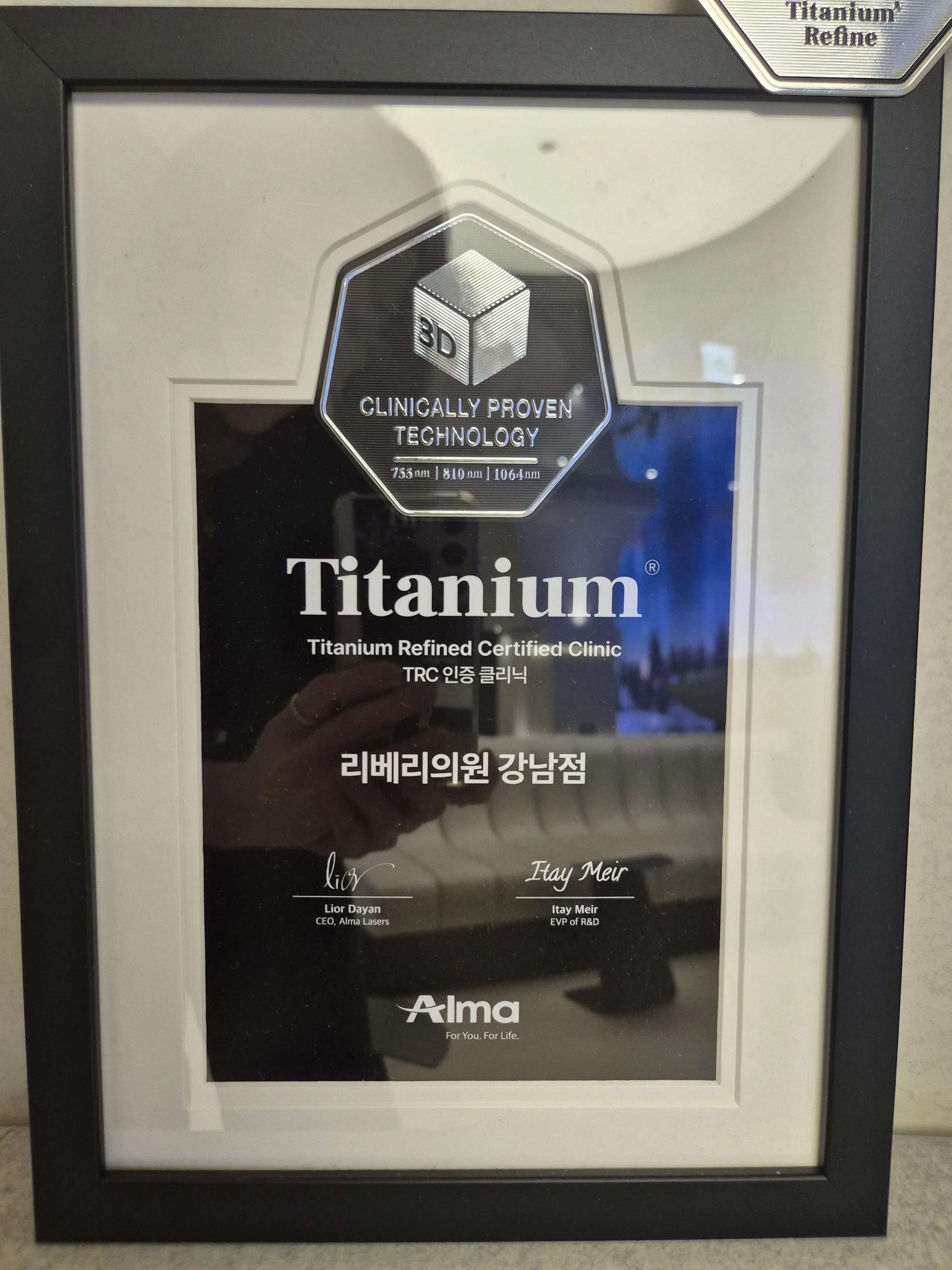
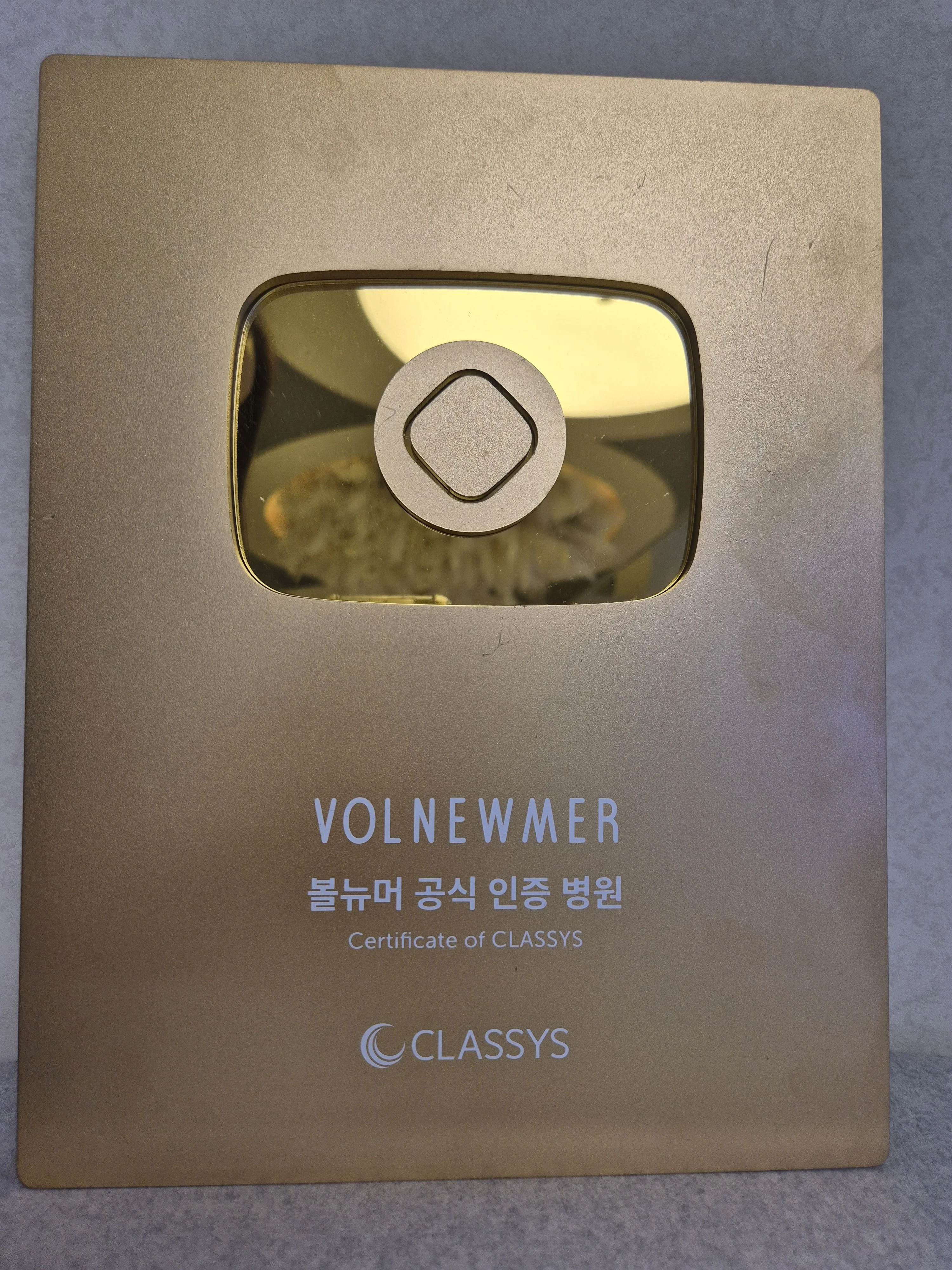
Only Authentic, Brand-Certified Equipment
Every device at RE:BERRY is MFDS-certified and manufacturer-verified. We never use counterfeit or grey-market equipment.
Find Out Which Laser Pigmentation Treatment Is Right for Your Skin
Book a pigmentation assessment with Dr. Yoon-Gon Ryu or Dr. Yejin Oh at RE:BERRY Gangnam. We will analyze your pigment depth, skin type, and goals to recommend the optimal pico laser, laser toning, or combination protocol — 2 minutes from Gangnam Station Exit 10.
Book Your Pico Laser or Laser Toning Consultation
Fill out the form and our multilingual team will confirm within 2 hours via your preferred contact method.
- ✓ Free consultation with Dr. Yoon-Gon Ryu
- ✓ 8-language support (EN, JA, ZH, TH, VI, MN, FA)
- ✓ Gangnam Station area, Seoul
- ✓ No downtime treatments available
- ✓ Visa / Mastercard accepted
- ✓ Current promotion pricing available