Subcision for Scars Rolling & Tethered Acne Scar Treatment in Seoul
Subcision is the gold-standard treatment for rolling and tethered acne scars — the depressed, shadowed scars that move when you stretch the skin. Using a specialized Nokor needle, the physician releases the fibrous bands pulling your skin downward, then combines with Potenza RF microneedling and Juvelook collagen biostimulator to rebuild the dermal architecture from within. Potenza+Juvelook from ₩490,000 at RE:BERRY Gangnam, two minutes from Gangnam Station.
What Is Subcision for Acne Scars?
Subcision is a minimally invasive procedure where a physician inserts a specialized needle (Nokor or cannula) beneath depressed acne scars to sever the fibrous bands that tether the skin downward. By releasing these bands, the skin elevates naturally, and the controlled subdermal injury triggers new collagen formation. When combined with Potenza RF microneedling and Juvelook collagen biostimulator, subcision produces 50-80% improvement in rolling and tethered acne scars over 3-5 sessions spaced 4-6 weeks apart.
Rolling and tethered acne scars are fundamentally different from ice-pick or boxcar scars. They are caused by fibrous scar tissue bands that form in the subcutaneous layer during the inflammatory healing process of severe acne. These bands pull the overlying dermis downward, creating broad, undulating depressions that cast shadows and make skin look uneven — particularly under side lighting. The defining characteristic of rolling and tethered scars is that they partially flatten when you stretch the skin, confirming that the depression is caused by subdermal tethering rather than actual tissue loss. Subcision directly addresses this root cause by physically severing the fibrous bands. The procedure was first described by Orentreich and Orentreich in 1995 and remains the most evidence-based treatment for tethered acne scars three decades later. The mechanism works on three levels: first, the needle mechanically releases the tethering, allowing the skin to elevate; second, the controlled subdermal hematoma (blood pocket) creates a space-occupying effect that prevents re-tethering; third, the wound healing response triggers neocollagenesis — new collagen deposition that gradually replaces the fibrous scar tissue with organized dermal matrix. At RE:BERRY Gangnam, Medical Director Dr. Yoon-Gon Ryu and Dr. Yejin Oh employ a triple-mechanism protocol that amplifies each step: subcision releases the bands, Potenza RF microneedling delivers thermal energy to the freed scar bed to stimulate deep collagen remodeling, and Juvelook collagen biostimulator is infused through the micro-channels to provide sustained volumetric collagen stimulation that prevents the fibrous bands from reforming. This combination approach consistently outperforms subcision alone in clinical studies. International patients benefit from our 8-language coordination team, 365-day operation, and location two minutes from Gangnam Station Exit 10. With over 30 devices in our 14,000-square-foot facility, we can address every acne scar subtype — rolling, tethered, ice-pick, and boxcar — in a single treatment session using the optimal device combination for each scar morphology.
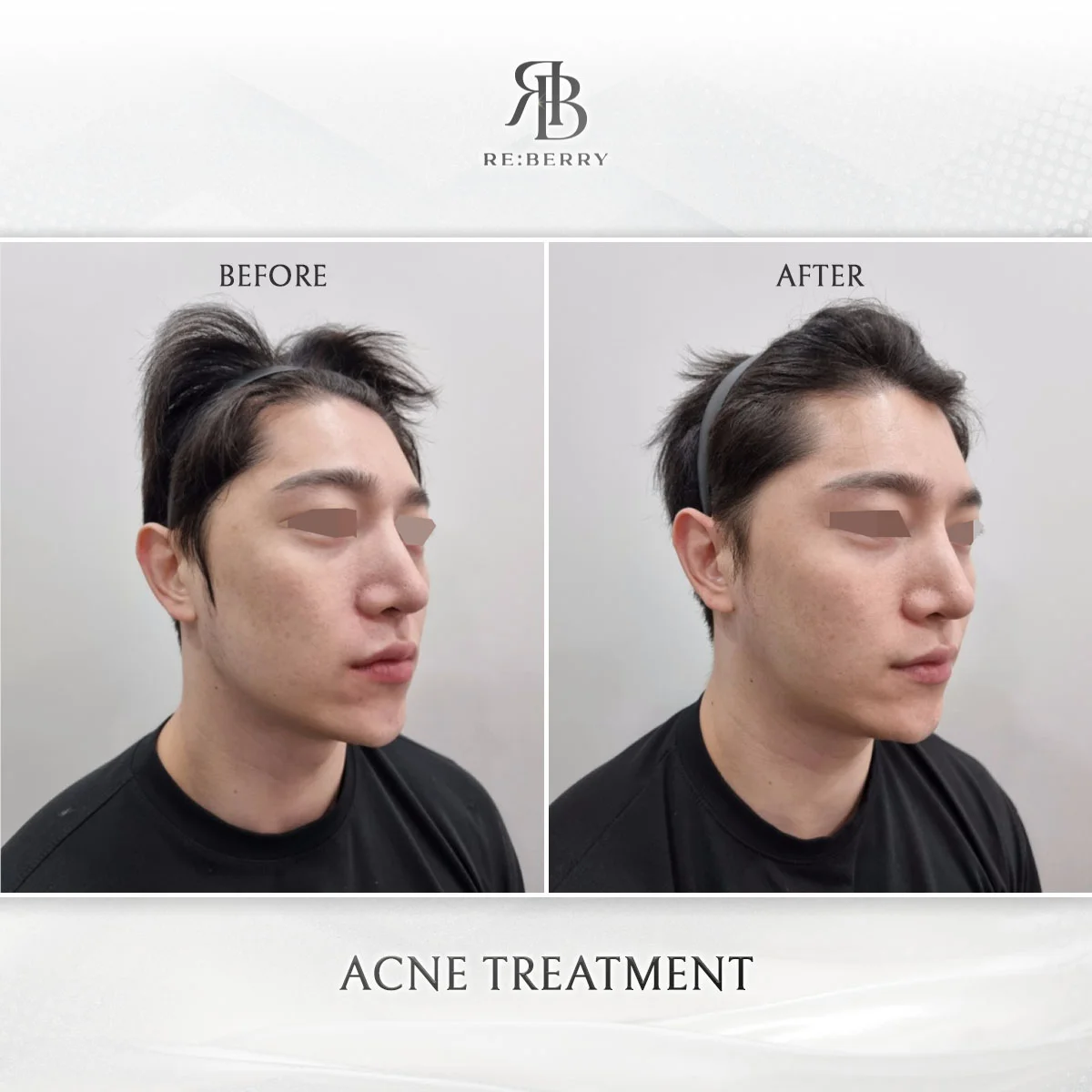
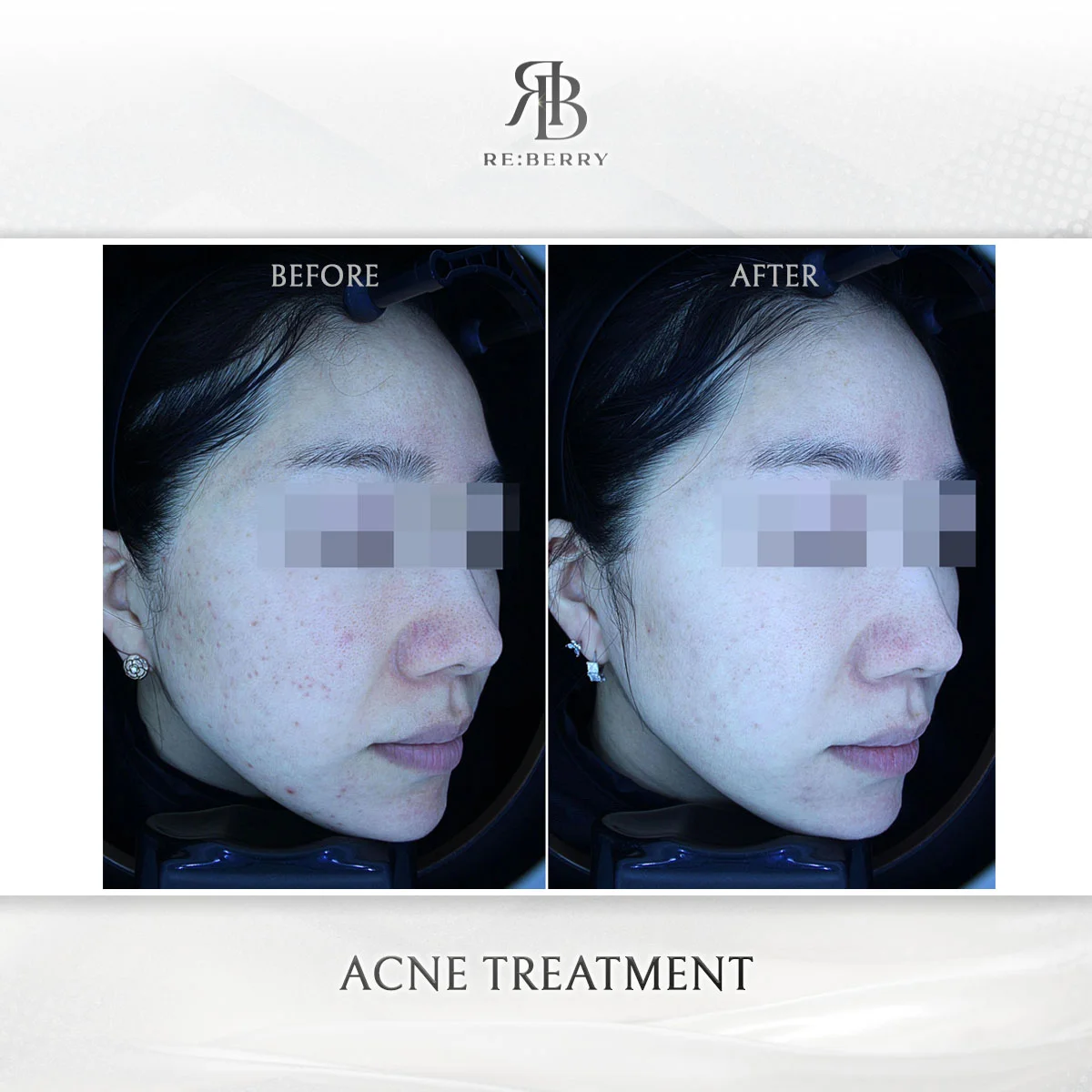
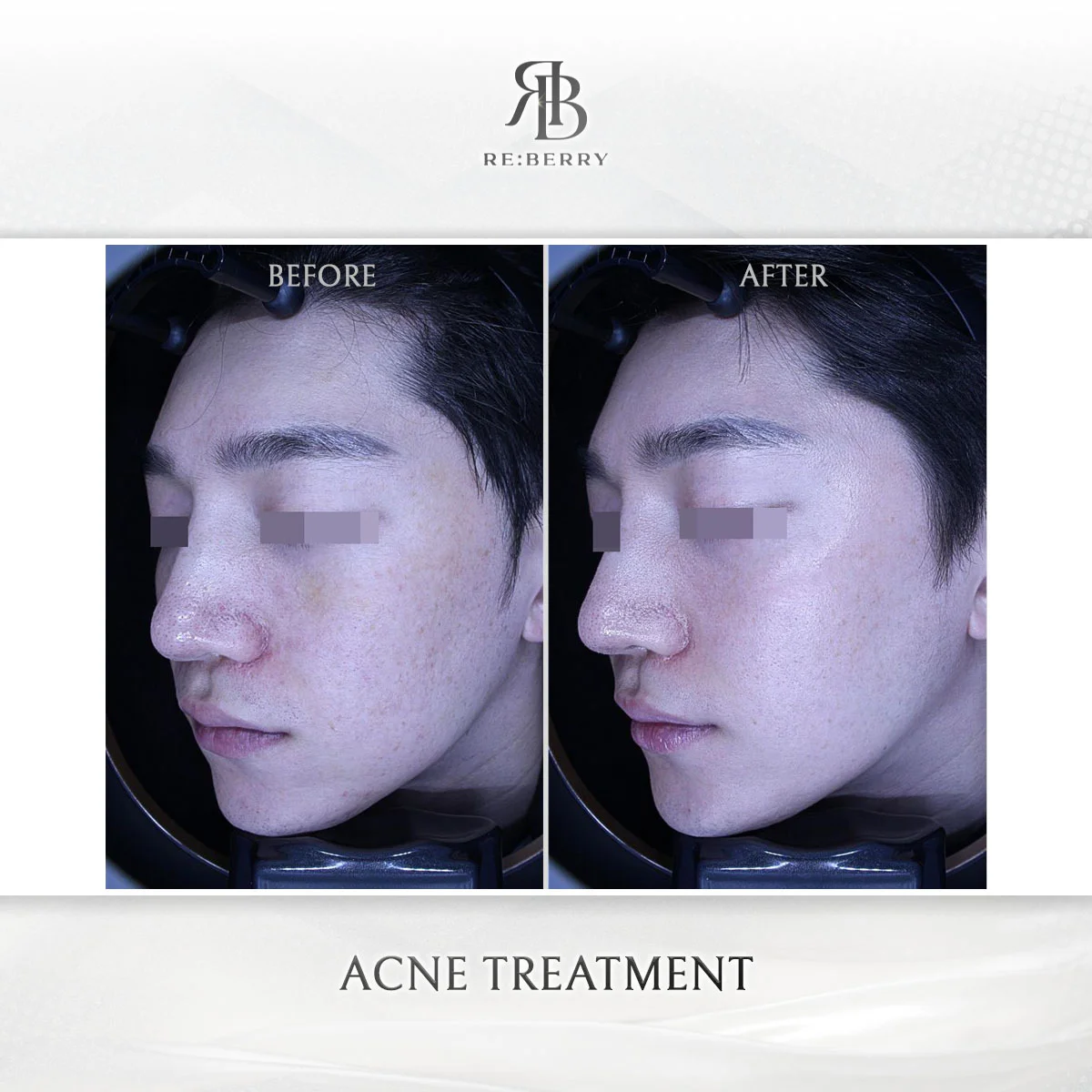
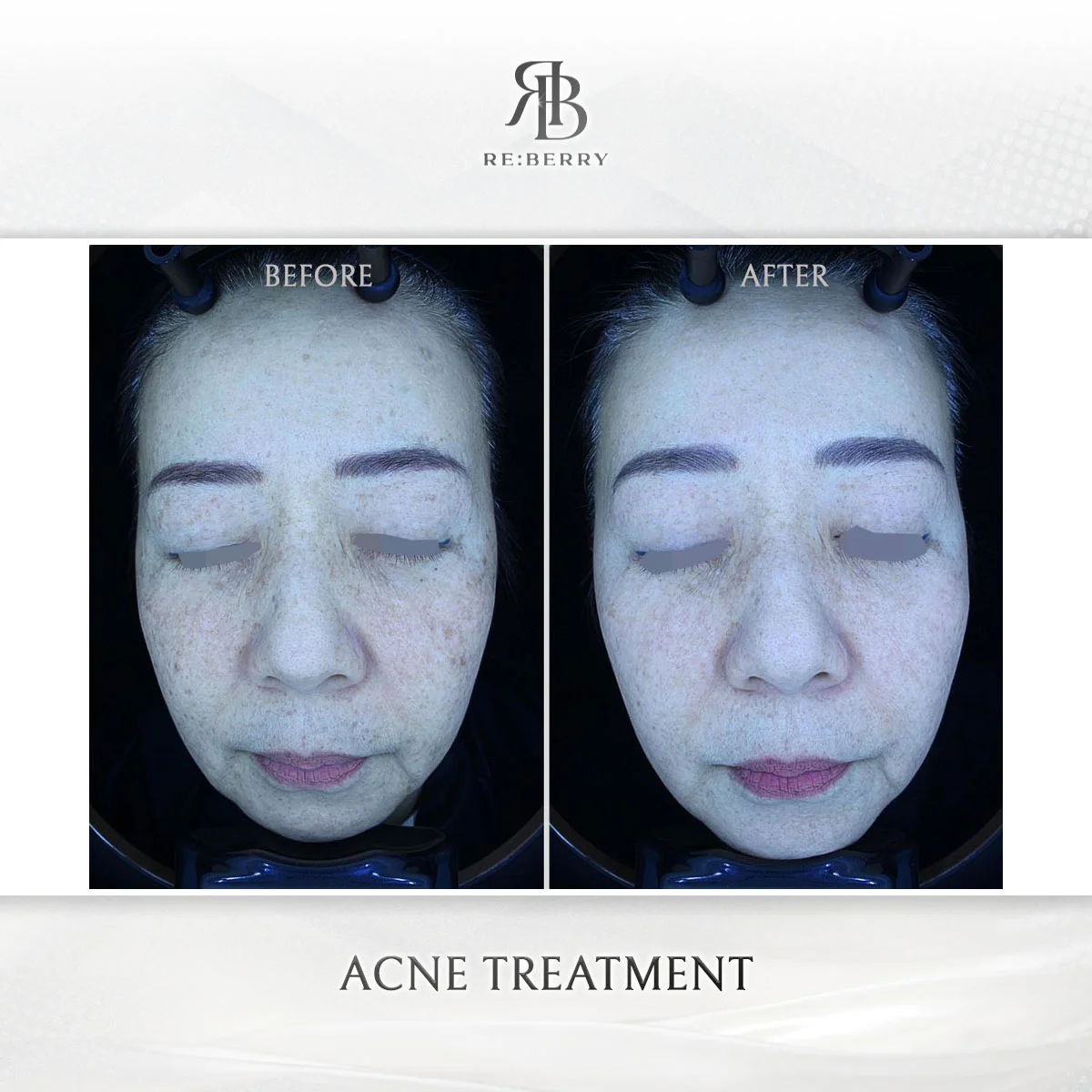
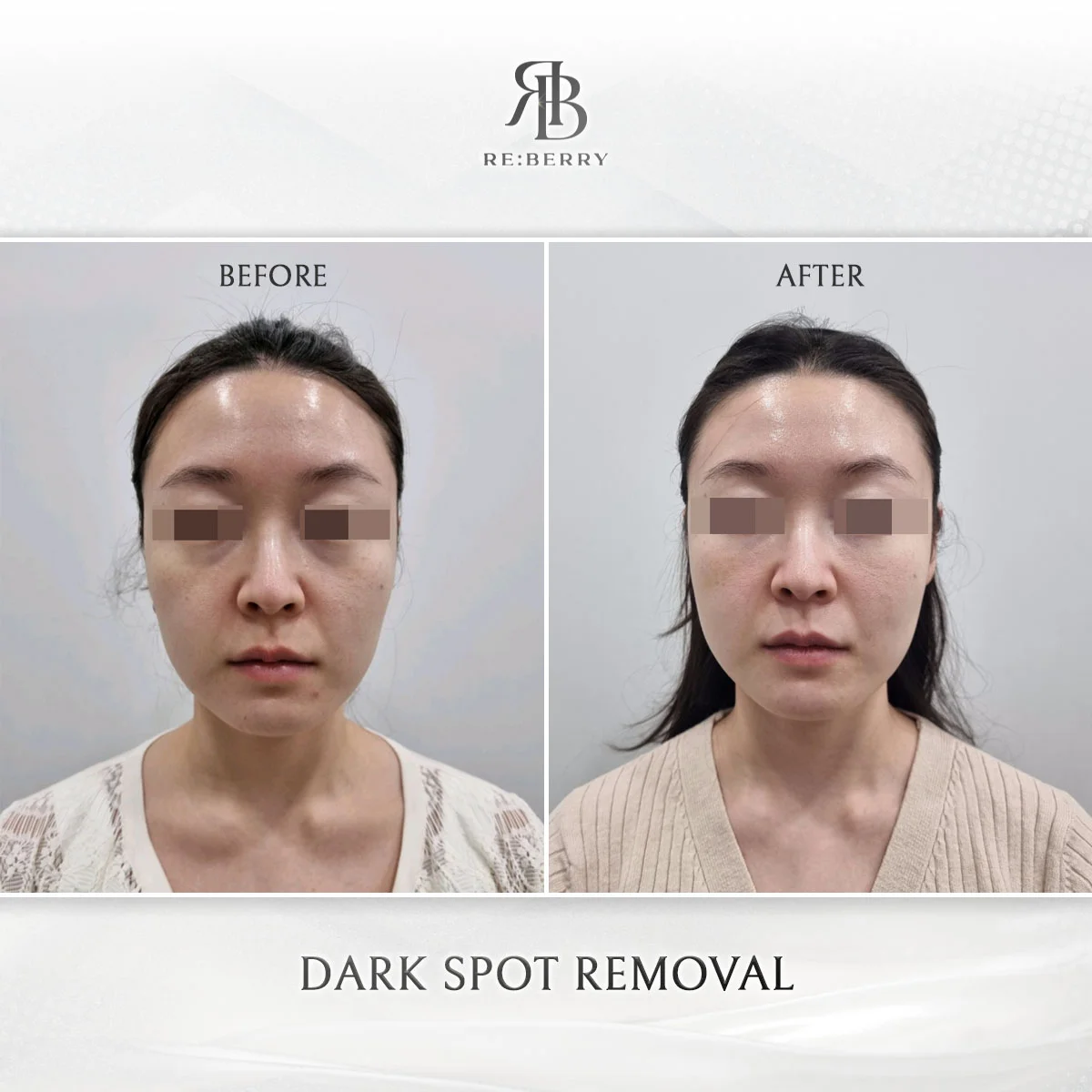
Subcision Before and After
Actual patient results from RE:BERRY Gangnam. Individual outcomes may vary.
How Subcision Works at RE:BERRY Gangnam
A comprehensive four-step protocol for safe, effective acne scar release.
Scar Assessment & Treatment Planning
Dr. Yoon-Gon Ryu or Dr. Yejin Oh performs a thorough scar evaluation using cross-polarized lighting and dermoscopy. Each scar is categorized by morphology — rolling (broad, undulating), tethered (pulled downward), ice-pick (narrow, deep), or boxcar (flat-bottomed). The ‘stretch test’ is performed: if the scar flattens when surrounding skin is stretched, subcision is indicated. Scar depth, fibrous band density, and skin thickness are assessed. A customized multi-session treatment plan is created, specifying which scars receive subcision, which receive Potenza RF, and which require Pico Fraxel. Standardized photographs are taken under controlled lighting for progress tracking.
Local Anesthesia & Preparation
The treatment area is cleansed of all makeup and oil with antiseptic solution. Local anesthesia (1-2% lidocaine with epinephrine) is injected subdermally at each treatment site. The epinephrine minimizes bleeding and extends the anesthetic effect. Injection points are planned to provide complete numbness across the entire treatment zone. The physician allows 10-15 minutes for full anesthetic effect. Treatment zones are marked with a surgical skin marker based on the scar mapping from step one. Nokor needle (18-gauge, tri-beveled) and cannula are prepared based on scar depth and location.
Subcision + Potenza RF + Juvelook Infusion
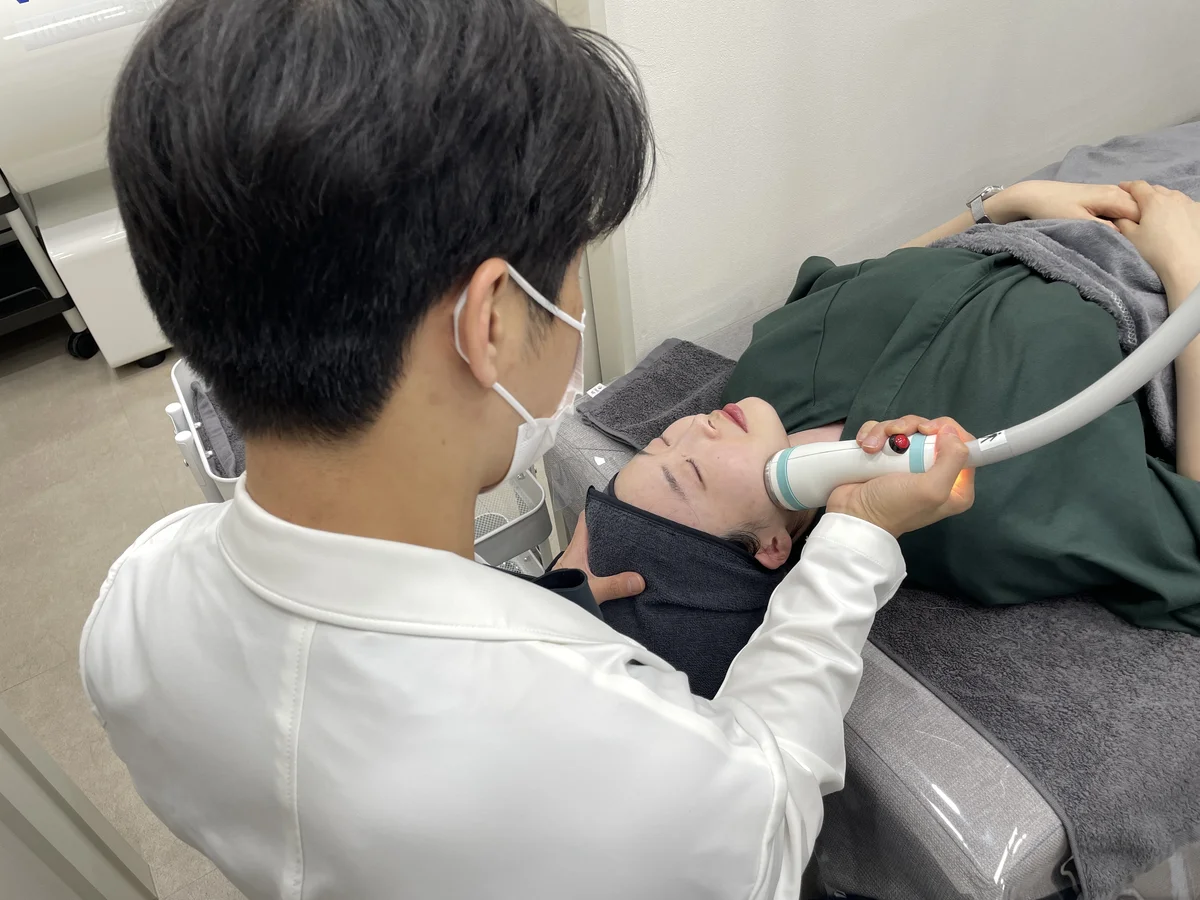
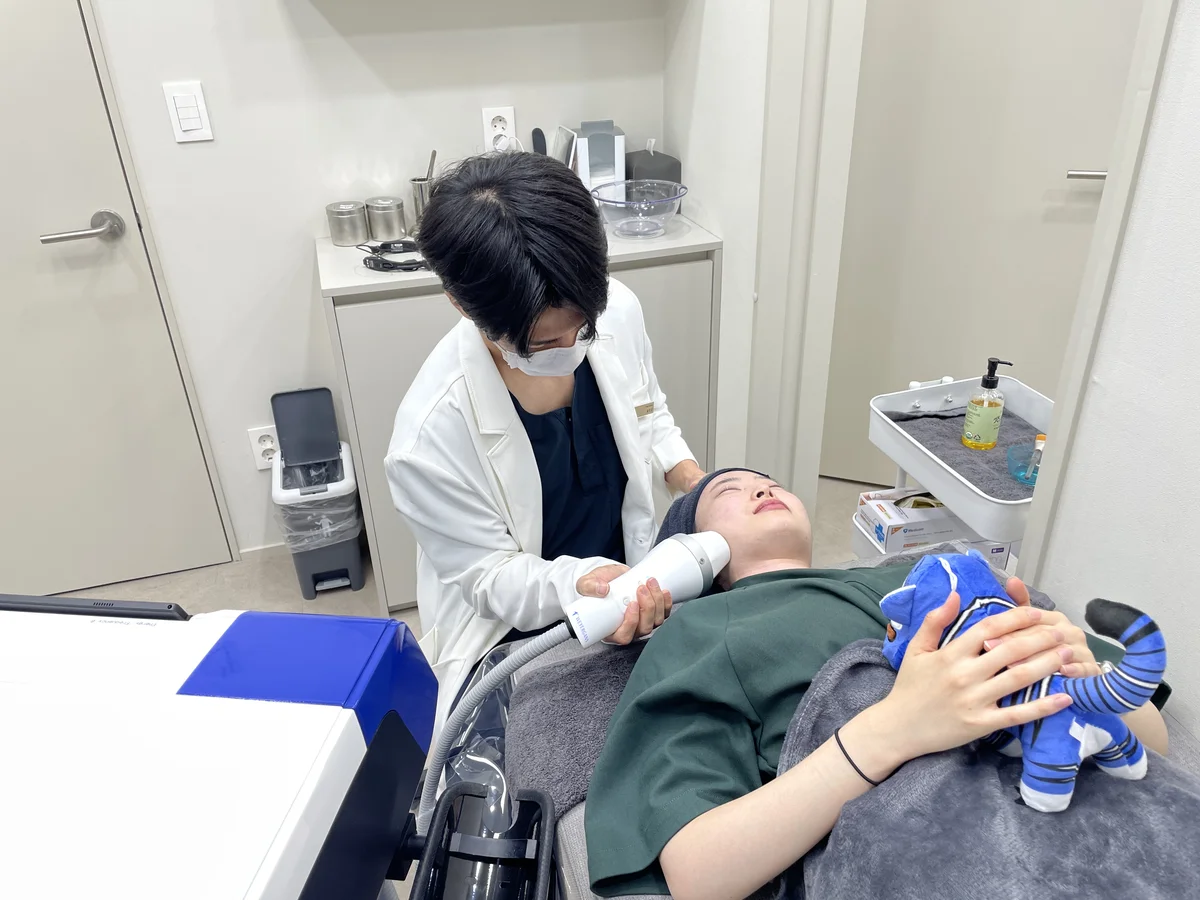
The physician inserts the Nokor needle parallel to the skin surface at the base of each tethered scar, using a fanning motion to sever the fibrous bands anchoring the dermis to the subcutaneous tissue. An audible or tactile ‘pop’ confirms band release. The freed skin immediately begins to elevate. After subcision of all marked scars, Potenza RF microneedling is applied across the entire treatment area — the radiofrequency energy (delivered at 1-3.5mm depth through insulated needles) stimulates thermal collagen contraction and neocollagenesis in the freshly released scar bed. Finally, Juvelook collagen biostimulator is infused through the Potenza micro-channels, depositing poly-L-lactic acid derivative directly into the subcised space. This prevents re-tethering by filling the gap with material that stimulates sustained collagen production over 6-12 months.
Post-Treatment Recovery Protocol
Firm compression is applied immediately after treatment to minimize hematoma formation and distribute the Juvelook evenly. Ice packs are applied for 10-15 minutes. The physician reviews all treatment sites and documents the procedure parameters. An aftercare kit is provided: gentle cleanser, barrier repair cream, SPF 50+ sunscreen, arnica cream for bruising, and detailed instructions in your language. Expected recovery: bruising peaks at day 2-3, fades over 7-10 days. Swelling subsides within 3-5 days. Avoid blood-thinning medications, alcohol, and strenuous exercise for 5-7 days. Sleep elevated for the first 2 nights. Follow-up is scheduled in 4-6 weeks for the next session.
What to Expect from Subcision Treatment
- Releases Fibrous Tethering: Subcision is the only treatment that directly severs the fibrous bands pulling your skin downward. No laser, RF device, or chemical peel can release subdermal tethering — subcision addresses the root cause of rolling scars.
- Immediate Skin Elevation: Once fibrous bands are cut, the skin elevates immediately. The subdermal hematoma (controlled blood pocket) acts as a natural space-filler, preventing re-tethering during the initial healing phase.
- Progressive Collagen Remodeling: The wound healing cascade triggered by subcision + Potenza RF generates new Type III collagen that gradually converts to mature Type I collagen over 3-6 months, progressively filling the depressed scar area.
- Anti-Re-Tethering with Juvelook: Juvelook collagen biostimulator deposited in the subcised space provides sustained collagen production for 6-12 months, forming a biological scaffold that physically prevents fibrous bands from reforming.
- Multi-Depth Scar Treatment: RE:BERRY’s triple protocol addresses every layer: subcision releases deep tethering, Potenza RF remodels the mid-dermis, and Pico Fraxel (if added) refines the epidermal surface texture.
- Minimal Social Downtime: Bruising is the primary downtime (7-10 days). Most patients return to work in 2-3 days with makeup. No skin peeling, no crusting, no wound care required — unlike ablative laser resurfacing.
| Timeline | What to Expect |
|---|---|
| Day 0-2 | Swelling and bruising at treatment sites. Skin feels tender and tight. Bruising peaks at day 2. Sleep elevated. Apply ice and arnica cream as directed. |
| Day 3-5 | Swelling subsides. Bruising transitions from purple to green-yellow. Most patients return to work with concealer. Scars already appear slightly elevated. |
| Week 1-2 | Bruising fully resolves. Early collagen formation begins. Treated scars appear flatter and less shadowed. Skin texture starts improving. |
| Week 4-6 | Active neocollagenesis. Progressive improvement in scar depth visible. Optimal time for next subcision session (4-6 week interval between sessions). |
| Month 2-3 | Significant scar improvement. Rolling scars are noticeably flatter. Skin surface more uniform under side lighting. Collagen maturation from Type III to Type I in progress. |
| Month 6-12 (post final session) | Peak results. Juvelook collagen biostimulation continues for up to 12 months. Maximum improvement in rolling and tethered scars: 50-80% reduction in scar depth. Mature collagen matrix established. |
Subcision vs. Potenza RF vs. Pico Fraxel vs. Filler for Acne Scars
| Feature | Subcision | Potenza RF | Pico Fraxel | Dermal Filler |
|---|---|---|---|---|
| Mechanism | Mechanical band release | RF thermal remodeling | Photoacoustic resurfacing | Volumetric filling |
| Best Scar Type | Rolling & tethered | Rolling & boxcar | Ice-pick & texture | Rolling (temporary) |
| Target Depth | Subcutaneous (3-5mm) | Mid-deep dermis (1-3.5mm) | Epidermis + papillary dermis | Subcutaneous |
| Downtime | 7-10 days (bruising) | 1-2 days (redness) | 2-3 days (redness) | 0-1 day (swelling) |
| Results Duration | Permanent (collagen) | Long-term (collagen) | Long-term (collagen) | 6-12 months (filler) |
| Sessions Needed | 3-5 | 4-6 | 4-6 | 1-2 per year |
| Pain Level | 3/10 (with anesthesia) | 3-5/10 | 4/10 | 2/10 |
Subcision Pricing at RE:BERRY Gangnam
All prices exclude VAT (10%). Non-covered medical service. Prices valid April-June 2026.
Potenza + Juvelook (or Exosome)
- Subcision of all tethered/rolling scars
- Potenza RF microneedling (full face)
- Juvelook or Exosome infusion
- Physician-customized treatment parameters
- Free consultation + scar assessment
- Aftercare kit in 8 languages
Rejuran 2cc
- Rejuran Healer 2cc (genuine Pharmaresearch)
- Polynucleotide tissue regeneration
- Accelerates post-subcision healing
- Boosts collagen and elastin synthesis
- Physician-only injection
Juvelook 4cc
- Additional Juvelook 4cc for severe scarring
- Poly-L-lactic acid derivative
- Sustained collagen stimulation 6-12 months
- Prevents re-tethering of released scars
- Physician-only injection
Meet Your Doctor

Dr. Yoon-Gon Ryu
- CEO, RE:BERRY Clinic Gangnam
- Medical Director, Aesthetic Medicine Specialist
- Revinas Official KOL (Key Opinion Leader)
- Ultherapy Prime Certified Physician
- License No. 131644
Medically reviewed by Dr. Yoon-Gon Ryu, CEO / Medical Director, RE:BERRY
The Science Behind Subcision for Acne Scars
Peer-reviewed evidence on subcision efficacy, mechanism of action, and combination protocols for tethered scar treatment.
Subcision: Mechanism of Fibrous Band Release
Subcision (subcutaneous incisionless surgery) was first described by Orentreich and Orentreich in 1995 as a method for treating depressed scars and wrinkles. The technique involves inserting a tri-beveled Nokor needle or cannula parallel to the skin surface at the dermal-subcutaneous junction, then using a fanning motion to sever the fibrous bands that anchor the overlying skin to deeper structures. The resultant subdermal hematoma serves a dual purpose: it acts as an immediate space-occupying connector tissue that elevates the depressed scar, and it initiates a wound healing cascade that generates new connective tissue over the following weeks. Alam et al. (2020) conducted a randomized controlled trial demonstrating that subcision produced 40-55% improvement in rolling acne scars after 3 sessions, with results sustained at 12-month follow-up. The study confirmed that subcision’s efficacy is specifically linked to the mechanical release of fibrotic tethering — a mechanism that no energy-based device (laser, RF, ultrasound) can replicate (doi:10.1001/jamadermatol.2020.3940).
Combination Protocols: Subcision + Energy-Based Devices
While subcision alone is effective for tethered scars, combination approaches significantly enhance outcomes. Aalami Harandi et al. (2015) published a comparative study showing that subcision combined with fractional CO2 laser produced statistically superior results (mean improvement 2.8 on the Goodman-Baron scale) compared to either treatment alone (subcision alone: 1.9; fractional CO2 alone: 1.6). The rationale is that subcision addresses the deep structural tethering while fractional energy devices stimulate collagen remodeling at the dermal level — two complementary mechanisms targeting different pathological components of the scar. At RE:BERRY, we extend this principle by using Potenza RF microneedling (which delivers thermal energy at precisely controlled depths of 1-3.5mm) rather than fractional CO2, combined with Juvelook collagen biostimulator infused through the micro-channels created by Potenza (doi:10.1111/dth.12258).
Juvelook as Anti-Re-Tethering Agent
The primary limitation of subcision alone is re-tethering — the fibrous bands can reform during the healing process, particularly in patients with aggressive fibroblast activity. Adding a filler or biostimulator to the subcised space directly addresses this by occupying the gap and preventing band reformation. Vartanian et al. (2005) demonstrated that subcision combined with poly-L-lactic acid (the base compound of Juvelook) produced significantly greater and longer-lasting improvement (mean 2.5 grades on the Goodman-Baron scale at 12 months) compared to subcision alone (mean 1.4 grades). The poly-L-lactic acid microparticles act as a scaffold that stimulates sustained Type I collagen production for 12-24 months, gradually replacing the bioabsorbable material with organized native collagen. This transforms the subcision from a single release event into a prolonged remodeling process (doi:10.1111/j.1524-4725.2005.31172).
Scar Morphology and Treatment Selection
Acne scar treatment outcomes depend critically on accurate scar subtype classification. Jacob et al. (2001) established the morphological classification system that remains the standard: ice-pick (narrow, V-shaped, <2mm), rolling (broad, M-shaped, 4-5mm, tethered), and boxcar (round/oval, vertical edges, 1.5-4mm). Each subtype has a different pathological basis and optimal treatment approach. Ice-pick scars are best treated with TCA CROSS or punch excision because they are narrow and deep. Rolling scars respond best to subcision because their pathology is fibrous tethering. Boxcar scars benefit from fractional laser or Potenza RF because they involve dermal volume loss with defined edges. Mixed scarring (the most common presentation) requires a combination protocol addressing each subtype with its optimal modality. RE:BERRY's multi-device approach -- with 30+ devices including subcision instruments, Potenza RF, Pico Fraxel, and skin boosters -- allows the physician to deploy the right tool for each scar in a single comprehensive session (doi:10.1067/mjd.2001.113000).
References: Alam M et al. JAMA Dermatol 2020;156(11):1230-1237 doi:10.1001/jamadermatol.2020.3940 | Aalami Harandi S et al. Dermatol Ther 2015;28(3):138-143 doi:10.1111/dth.12258 | Vartanian AJ et al. Dermatol Surg 2005;31(s2):1590-1594 doi:10.1111/j.1524-4725.2005.31172 | Jacob CI et al. J Am Acad Dermatol 2001;45(1):109-117 doi:10.1067/mjd.2001.113000
What Our Patients Say About Subcision
“I had deep rolling scars on both cheeks for over 10 years. Other clinics only offered laser, which barely helped. After 4 sessions of subcision + Potenza at RE:BERRY, my scars are about 65% better. The shadows under side lighting are almost gone. Dr. Ryu explained exactly which scars needed subcision vs. laser — that targeted approach made all the difference.”
“I flew from Singapore specifically for subcision because Korean clinics have the most experience. The bruising lasted about 8 days but concealer covered it from day 3. After my second session, friends started asking what I was doing differently. My skin looks so much smoother now.”
“The combination of subcision with Juvelook was key for me. My previous clinic did subcision alone and the scars came back partially after 3 months. At RE:BERRY, the Juvelook prevented re-tethering completely. After 3 sessions my cheek scars improved about 70%.”
Frequently Asked Questions About Subcision in Seoul
Expert answers from RE:BERRY Gangnam’s acne scar specialists.
RE:BERRY Gangnam offers subcision combined with Potenza+Juvelook at ₩490,000 per session — covering the complete triple-mechanism protocol. Rejuran 2cc add-on is ₩240,000. Additional Juvelook 4cc for severe scarring is ₩340,000. A typical 4-session course totals ₩1,960,000-2,920,000 depending on add-ons. All prices exclude VAT (10%).
Most patients need 3-5 sessions spaced 4-6 weeks apart. Mild rolling scars: 2-3 sessions. Moderate: 3-4 sessions. Severe tethered scars with dense fibrous bands: 4-6 sessions. Each session releases additional bands and builds more collagen. Improvement is cumulative — expect 50-80% total improvement after the full course.
Minimal pain during the procedure because local anesthesia (lidocaine with epinephrine) is injected at each treatment site before subcision begins. During the procedure, most patients feel pressure and a popping sensation as fibrous bands are released — rated 2-3 on a 10-point scale. Post-procedure soreness lasts 2-3 days and is managed with over-the-counter pain relief.
Bruising is the main downtime: 7-10 days. Bruising peaks at day 2-3 (deep purple), transitions to green-yellow by day 5-7, and resolves by day 10. Swelling subsides in 3-5 days. Most patients return to work in 2-3 days with concealer covering residual bruising. No skin peeling or wound care required.
Subcision is most effective for rolling scars (broad, undulating, 4-5mm wide) and tethered scars (pulled downward by fibrous bands). The diagnostic ‘stretch test’ confirms indication: if the scar flattens when you stretch surrounding skin, subcision will help. It is less effective for ice-pick scars (use TCA CROSS or Potenza) or boxcar scars (use Pico Fraxel).
Yes, and this is RE:BERRY’s standard protocol. Subcision releases the fibrous bands, then Potenza RF delivers thermal energy at 1-3.5mm depth into the freed scar bed, stimulating collagen contraction and neocollagenesis. The combination produces 40-60% greater improvement than either treatment alone, according to published clinical studies.
Yes. Juvelook (₩340,000 for 4cc) is infused into the subcised space through Potenza micro-channels. The poly-L-lactic acid derivative provides sustained collagen biostimulation for 6-12 months, acting as a biological scaffold that prevents re-tethering — the main limitation of subcision alone.
Yes, you can fly 24 hours after subcision. Cabin pressure changes do not affect the treatment. However, plan to stay in Seoul for at least 3-5 days to manage bruising and attend any follow-up. Bruising is visible for 7-10 days, so schedule accordingly if appearance matters.
Minimum 3 days: Day 1 consultation + treatment, Days 2-3 recovery and follow-up check. Ideally 5-7 days to allow initial bruising to fade before flying home. Single sessions are effective, though RE:BERRY recommends returning for 3-5 sessions total at 4-6 week intervals.
Subcision is not the optimal treatment for ice-pick scars. Ice-pick scars are narrow, V-shaped depressions that extend deep into the dermis — they are caused by tissue loss, not fibrous tethering. TCA CROSS (trichloroacetic acid chemical reconstruction) or punch excision are more effective for ice-pick scars. RE:BERRY treats ice-pick scars with Potenza RF at narrow-tip settings.
Different mechanisms targeting different problems. Subcision mechanically releases fibrous bands in the subcutaneous layer (3-5mm deep) — effective for tethered scars. Potenza RF delivers thermal energy via microneedles at 1-3.5mm depth — effective for collagen remodeling in rolling and boxcar scars. They are complementary, not interchangeable.
Subcision works beneath the skin surface by cutting fibrous bands. Laser works at the skin surface and dermis by stimulating collagen with light or RF energy. Subcision is essential for tethered/rolling scars that no laser can fix. Laser (Pico Fraxel) is better for surface texture, pigmentation, and boxcar scars. Most patients need both.
Partial re-tethering can occur if subcision is performed alone — fibrous bands may reform during healing. This is why RE:BERRY combines subcision with Juvelook collagen biostimulator, which occupies the released space and provides sustained collagen production for 6-12 months, significantly reducing re-tethering rates.
Yes. Subcision carries no risk of post-inflammatory hyperpigmentation because it works entirely beneath the skin surface without damaging the epidermis or disrupting melanocytes. This makes it one of the safest scar treatments for Fitzpatrick III-V skin types (Asian, Southeast Asian).
All subcision procedures are performed exclusively by Dr. Yoon-Gon Ryu (Medical Director) or Dr. Yejin Oh. Subcision requires precise anatomical knowledge — the physician must navigate the needle at the correct depth to avoid blood vessels and nerves while effectively releasing fibrous bands. No technicians or assistants perform this procedure.
Avoid blood-thinning medications (aspirin, ibuprofen, fish oil) for 7 days before treatment — these increase bruising severity and duration. Avoid alcohol for 48 hours. No retinoids for 3 days. Arrive with clean, makeup-free skin. Inform your physician of any blood-clotting disorders.
Apply ice packs for 10-15 minutes every 2-3 hours on day 1. Use arnica cream to reduce bruising. Sleep with head elevated for 2 nights. Avoid strenuous exercise for 5-7 days. Avoid blood-thinning medications for 48 hours post-treatment. Use SPF 50+ daily. Do not press or massage treated areas.
Yes. Subcision can treat tethered scars on the back, chest, and shoulders. Body skin is thicker, and subcision may require deeper needle insertion. Body scars often have denser fibrous bands. See also back acne treatment for comprehensive body scar protocols.
Immediate partial improvement as the skin elevates after band release. Bruising obscures results for the first 7-10 days. Visible improvement at 2-4 weeks as collagen formation begins. Significant results at 2-3 months. Peak improvement at 6-12 months (when Juvelook collagen biostimulation reaches maximum effect).
No strict age limit. Subcision is commonly performed on patients aged 18-55 with rolling or tethered acne scars. Older patients may have less robust collagen response but still benefit from band release. Active acne should be controlled before subcision to prevent new scar formation.
Subcision can be combined with thread lifting in some cases, though they target different issues. Subcision releases scar tethering; threads provide tissue lifting and repositioning. They should not be performed at the exact same site simultaneously. Consult with your physician about timing.
Different tools for different scars. Subcision releases tethered/rolling scars by cutting bands beneath the surface. Punch excision physically removes ice-pick scars by cutting out the scar column and suturing. Subcision is non-ablative with no visible wound; punch excision creates a fine linear scar that replaces the deeper ice-pick scar.
Three differentiators: (1) Triple-mechanism protocol (subcision + Potenza RF + Juvelook) that addresses release, remodeling, and anti-re-tethering in a single session; (2) 30+ devices in-house allowing comprehensive treatment of mixed scar types (rolling, ice-pick, boxcar) in one visit; (3) Physicians with extensive experience in scar morphology classification and device selection.
Yes, if the scars are tethered (depress when you press them and partially flatten when you stretch surrounding skin). Chicken pox scars with the ‘punched-out’ or boxcar morphology respond better to Potenza RF or fractional laser. A consultation with Dr. Ryu or Dr. Oh will determine the optimal protocol.
No. Subcision for acne scars is classified as a non-covered cosmetic medical service in Korea. It is not covered by Korean national health insurance or international travel insurance. All prices at RE:BERRY are out-of-pocket, excluding VAT (10%).
Subcision produces permanent structural improvement through collagen remodeling (results last years). Dermal filler provides immediate volumetric correction but is temporary (6-12 months). For long-term scar treatment, subcision + Juvelook is superior. Filler can be used as a temporary cosmetic bridge between subcision sessions.
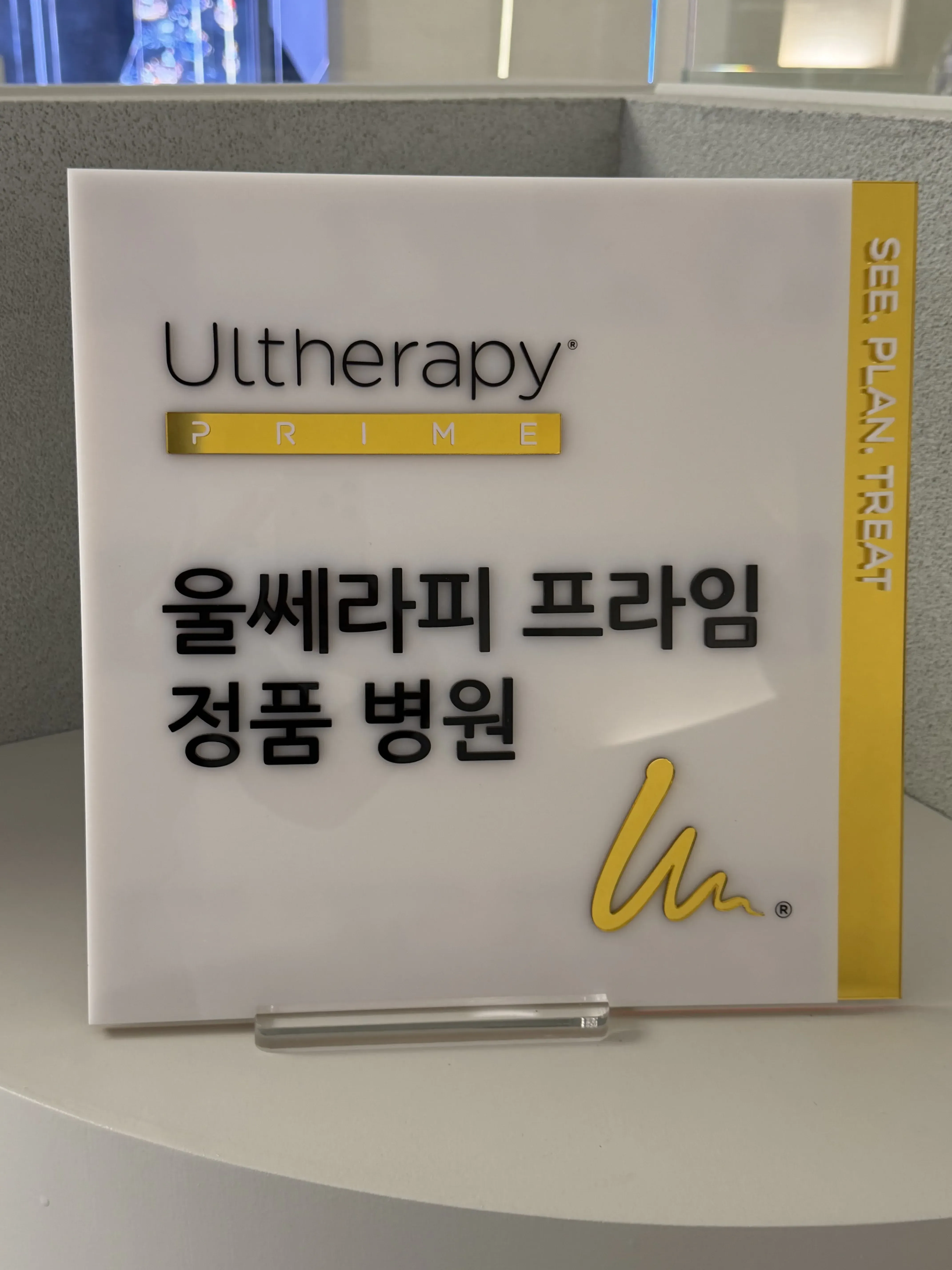
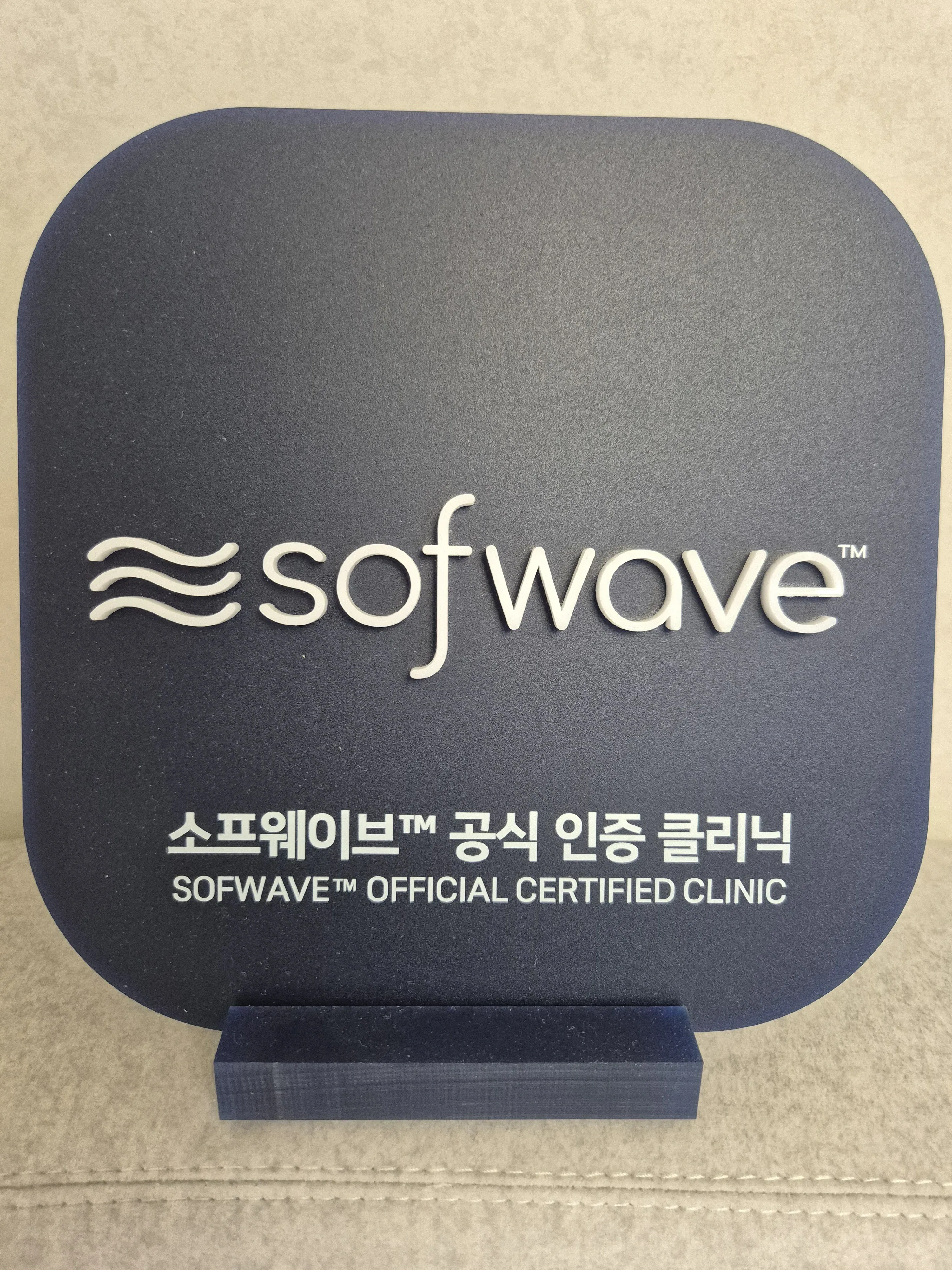
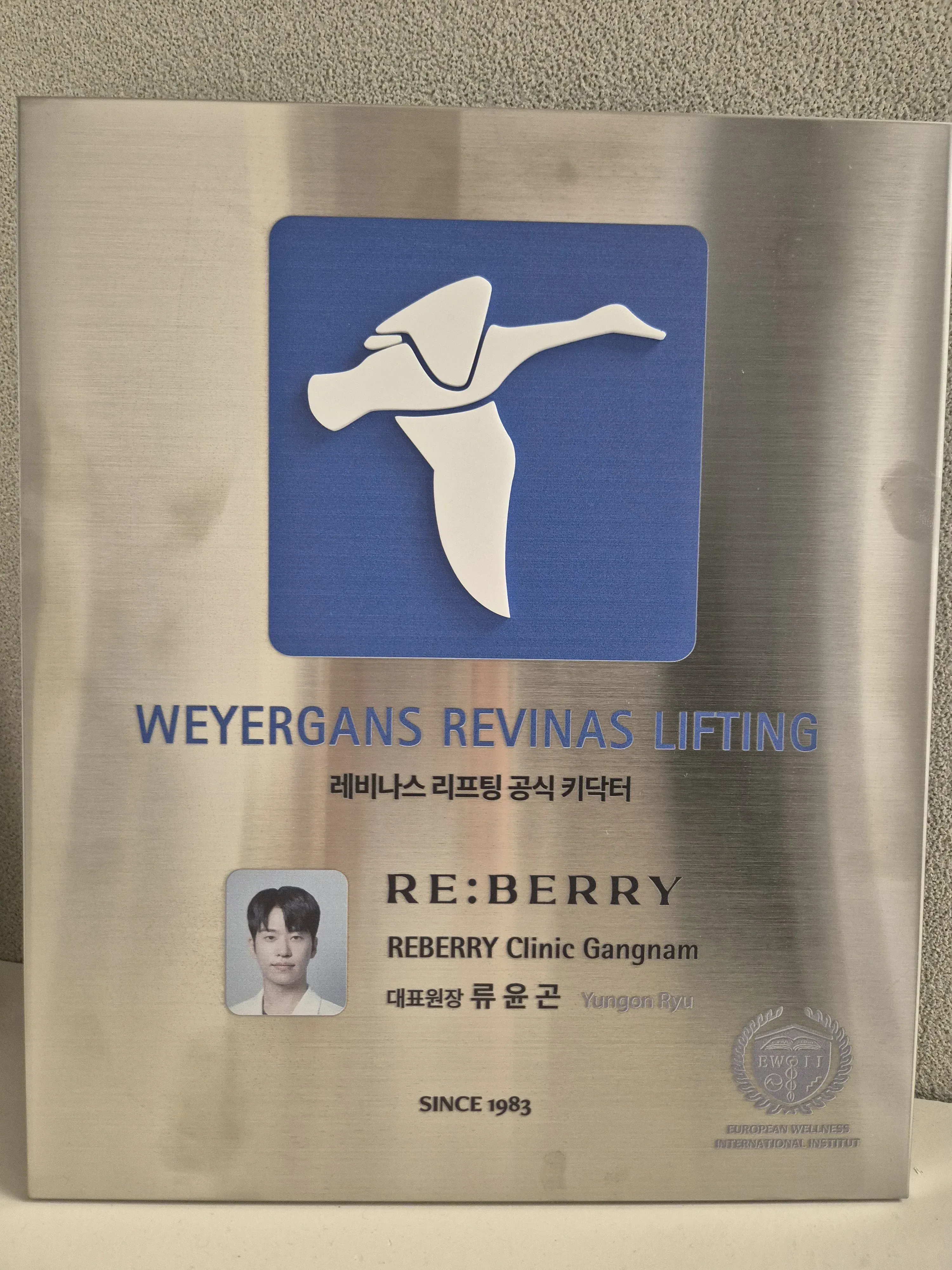
Only Authentic, Brand-Certified Equipment
Every device at RE:BERRY is MFDS-certified and manufacturer-verified. We never use counterfeit or grey-market equipment.
Ready to Treat Your Acne Scars?
Book your subcision consultation with Dr. Yoon-Gon Ryu or Dr. Yejin Oh at RE:BERRY Gangnam — 2 minutes from Gangnam Station Exit 10. Triple-mechanism protocol for rolling and tethered acne scars.
Book Your Subcision Consultation
Fill out the form and our multilingual team will confirm within 2 hours via your preferred contact method.
- ✓ Free consultation with Dr. Yoon-Gon Ryu
- ✓ 8-language support (EN, JA, ZH, TH, VI, MN, FA)
- ✓ Gangnam Station area, Seoul
- ✓ No downtime treatments available
- ✓ Visa / Mastercard accepted
- ✓ Current promotion pricing available