Post-Inflammatory Hyperpigmentation Clear PIH Dark Marks in Gangnam Seoul with Multi-Layer Pigment Protocol
Post-inflammatory hyperpigmentation — the stubborn dark spots left behind after acne, laser treatments, or skin injuries — affects patients of every ethnicity but disproportionately impacts Fitzpatrick skin types III-VI. RE:BERRY Gangnam treats post-inflammatory hyperpigmentation with a physician-designed multi-layer protocol combining low-fluence Pico laser toning, Potenza RF microneedling with exosome infusion, and medical-grade skin brightening agents. Post-inflammatory hyperpigmentation treatment from ₩240,000, performed exclusively by physicians, two minutes from Gangnam Station Exit 10.
What Is Post-Inflammatory Hyperpigmentation Treatment?
Post-inflammatory hyperpigmentation treatment at RE:BERRY Gangnam combines low-fluence Pico laser toning with Potenza RF microneedling and Rejuran skin boosters (from ₩240,000) to break down excess melanin deposits in the epidermis and dermis, fading PIH dark marks by 60-80% over 3-6 sessions without triggering rebound pigmentation.
At RE:BERRY Gangnam, Medical Director Dr. Yoon-Gon Ryu specializes in treating post-inflammatory hyperpigmentation (PIH) — the flat, discolored patches that remain after the skin’s inflammatory response to acne, eczema, burns, friction, or aggressive cosmetic procedures. PIH occurs when inflammation triggers melanocytes to overproduce melanin, depositing excess pigment in the epidermis (brown PIH) or dermis (blue-grey PIH). The depth of melanin deposition determines treatment strategy, which is why Dr. Ryu begins every post-inflammatory hyperpigmentation consultation with a Wood’s lamp and dermatoscopic assessment to map pigment location precisely. Epidermal PIH responds well to Pico laser toning at low fluence settings that fragment melanin particles through photoacoustic shockwaves without generating the thermal damage that can worsen pigmentation in darker skin types. Dermal PIH requires a longer treatment timeline combining laser therapy with Potenza RF microneedling to stimulate dermal turnover and accelerate melanophage clearance. For patients with mixed-depth PIH, Dr. Ryu layers both modalities with skin-regenerating Rejuran polynucleotide injections that repair the damaged skin barrier and reduce melanocyte hyperreactivity. This multi-layer approach is critical because aggressive single-modality treatment — a common mistake at inexperienced clinics — often triggers rebound hyperpigmentation that is worse than the original PIH. RE:BERRY Gangnam’s conservative, evidence-based protocol prioritizes progressive clearance with skin safety, delivering 60-80% PIH reduction over 3-6 sessions. The clinic provides consultation and aftercare in 8 languages, 365 days a year, at KI Tower B1-B2, two minutes from Gangnam Station Exit 10.
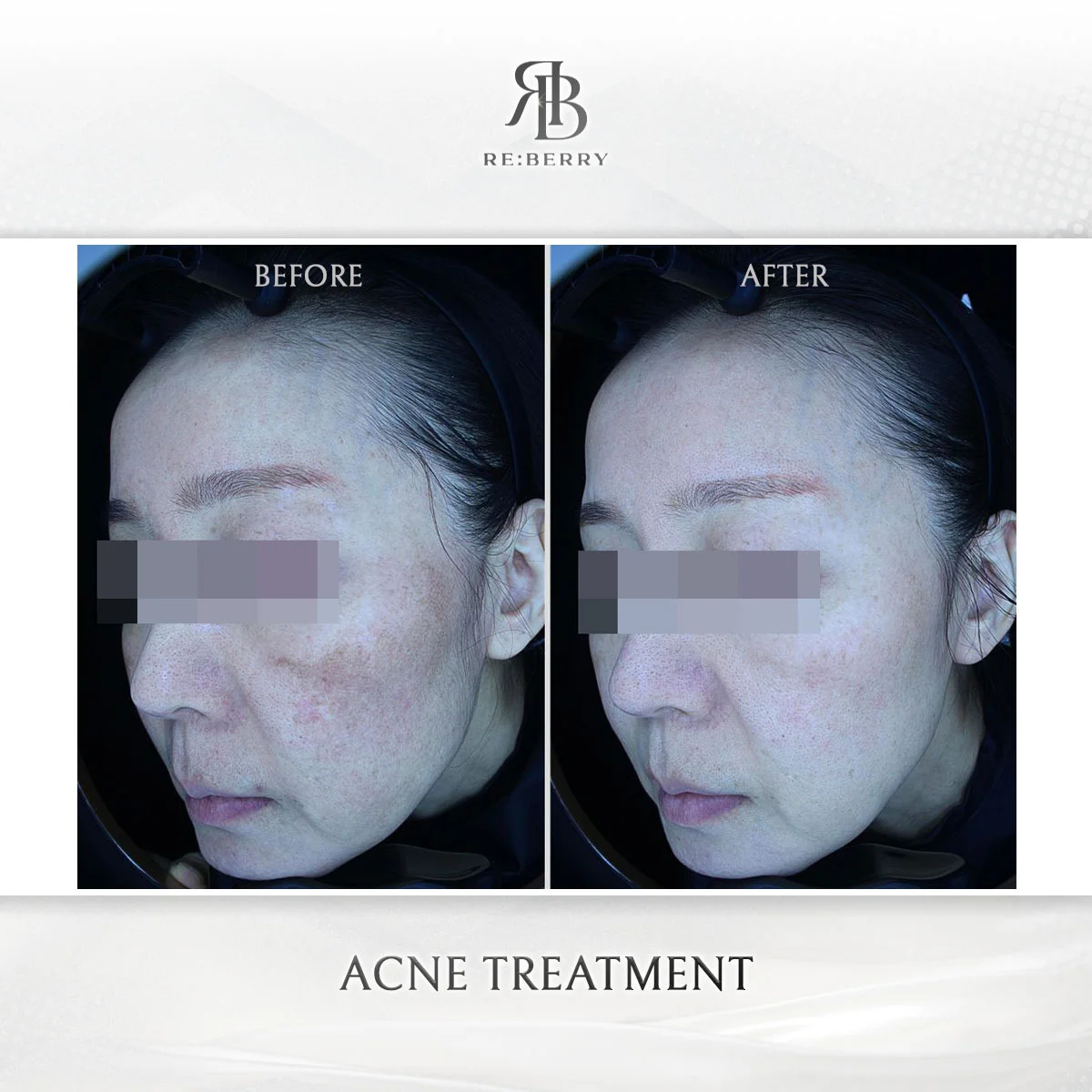
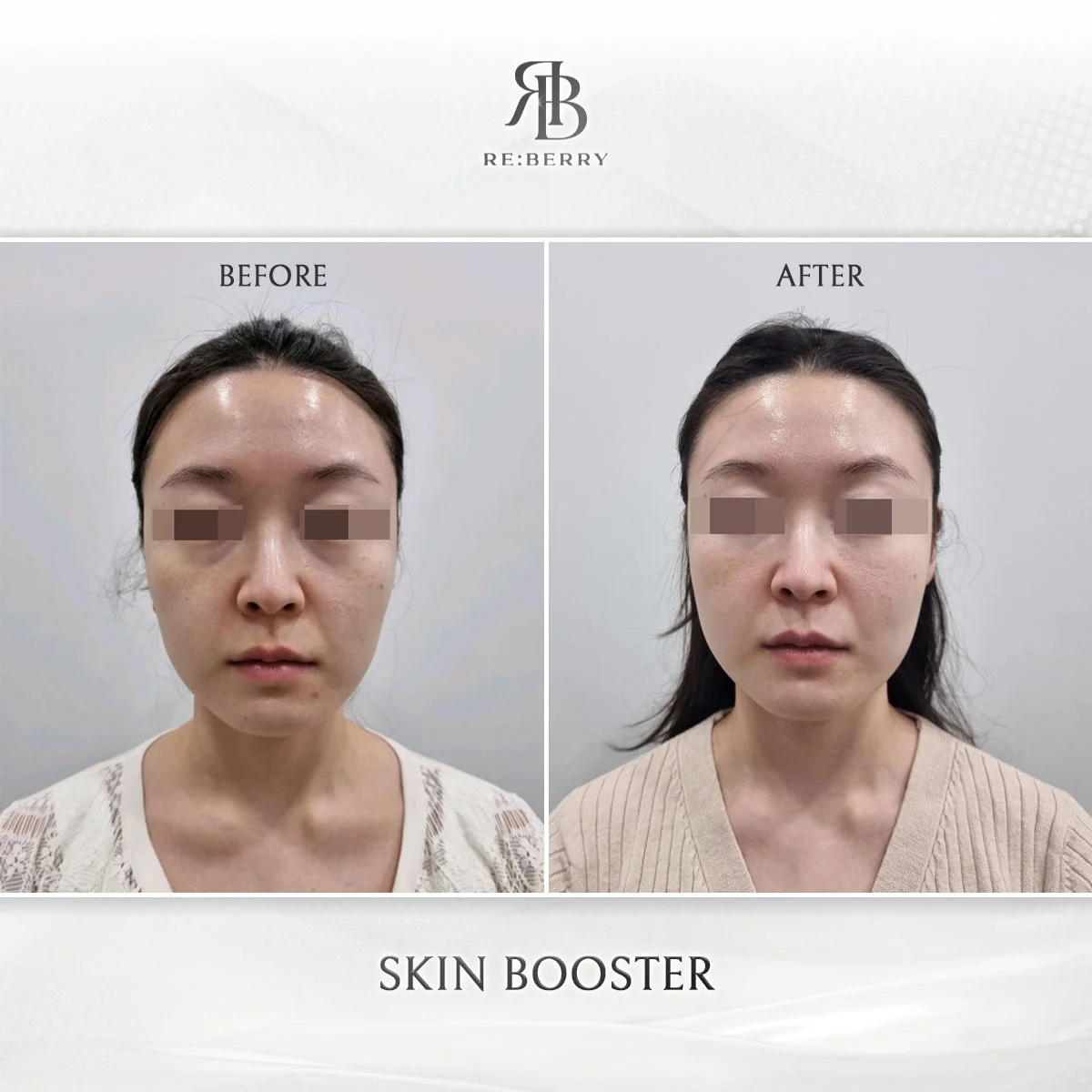
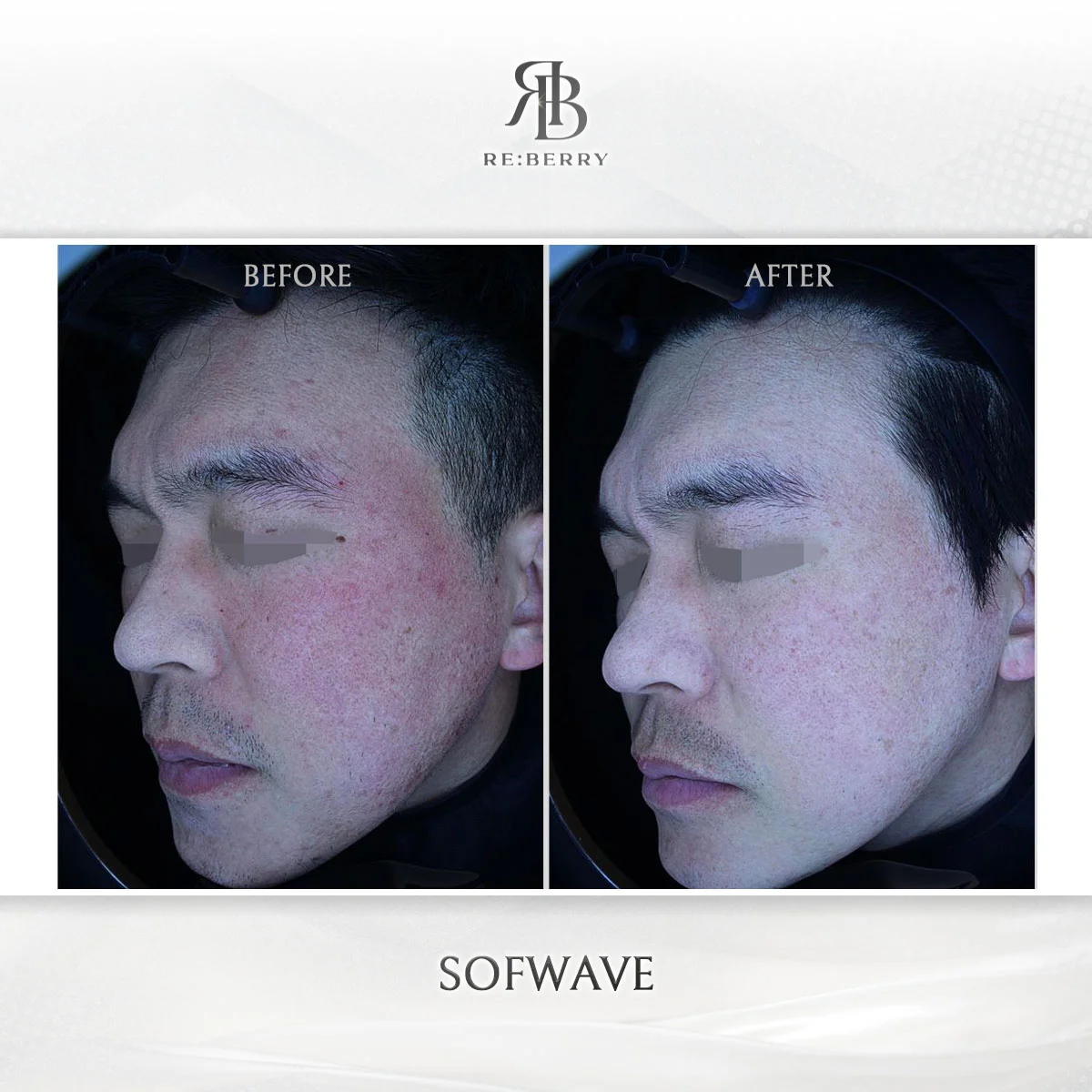
Post-Inflammatory Hyperpigmentation Before and After
Actual patient results from RE:BERRY Gangnam. Individual outcomes may vary.
How Post-Inflammatory Hyperpigmentation Treatment Works at RE:BERRY Gangnam
A physician-performed, multi-layer protocol designed to clear PIH safely without rebound pigmentation.
Wood’s Lamp & Dermatoscopic PIH Assessment
Dr. Yoon-Gon Ryu begins every post-inflammatory hyperpigmentation consultation with a dual-assessment approach. A Wood’s lamp examination under 365nm UV light differentiates epidermal PIH (enhanced under UV, appears darker) from dermal PIH (no UV enhancement, blue-grey appearance). Dermatoscopic magnification at 10-50x reveals melanin distribution patterns, vascular involvement, and any residual inflammation that must resolve before laser treatment begins. This classification is essential because epidermal and dermal PIH require fundamentally different post-inflammatory hyperpigmentation treatment strategies, energy settings, and session timelines. Dr. Ryu also evaluates your Fitzpatrick skin type to calibrate laser parameters that clear pigment without triggering new melanogenesis.
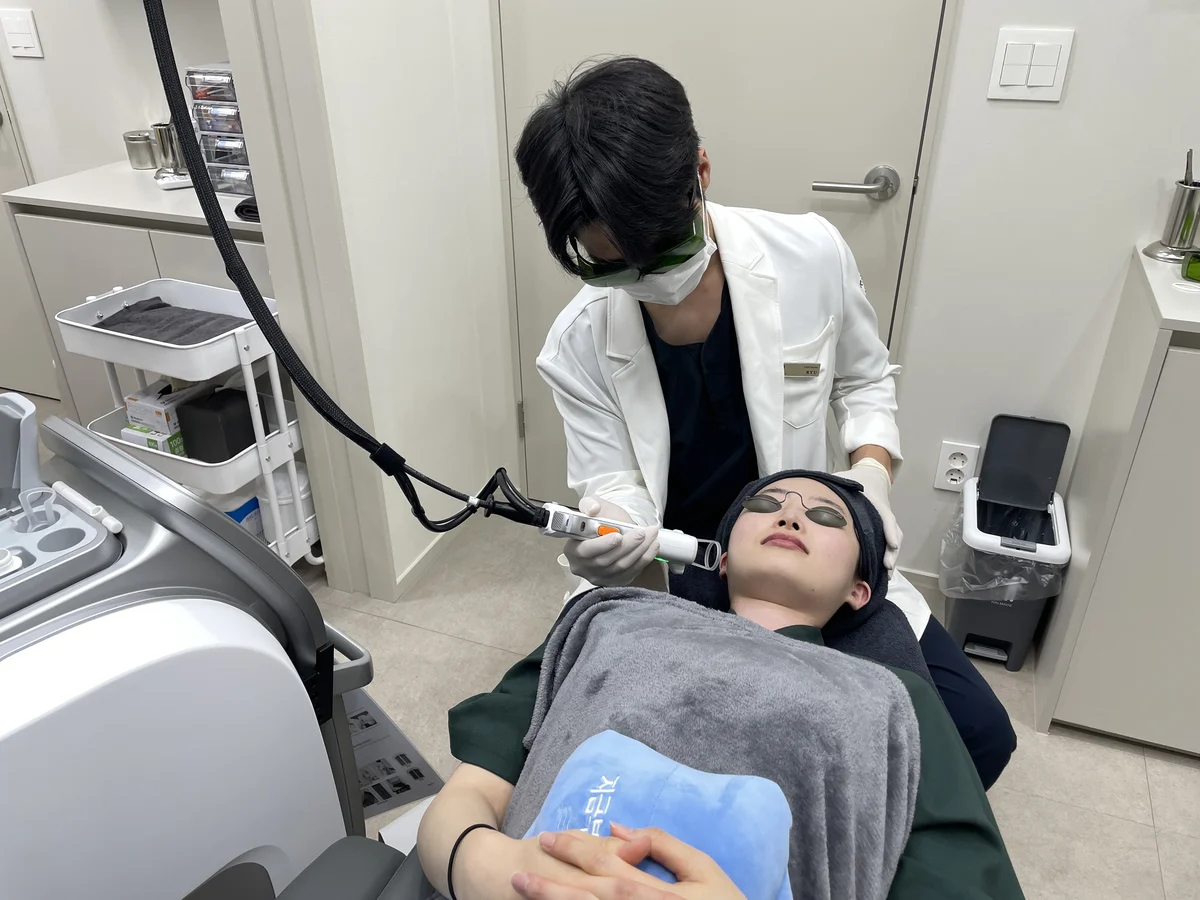
Low-Fluence Pico Laser Toning
The cornerstone of post-inflammatory hyperpigmentation treatment at RE:BERRY Gangnam is low-fluence picosecond laser toning. Unlike nanosecond Q-switched lasers that generate significant thermal energy, the Pico laser delivers ultra-short pulses (450-750 picoseconds) that fragment melanin granules through photoacoustic shockwaves rather than photothermal destruction. This mechanism is critical for PIH patients because thermal injury to melanocytes is precisely what caused the hyperpigmentation in the first place. Dr. Ryu uses sub-threshold fluence settings (0.4-0.8 J/cm2) with large spot sizes to distribute energy evenly, clearing melanin progressively without reaching the inflammatory threshold. Each Pico toning session takes 15-20 minutes, with treatments spaced 2-4 weeks apart.
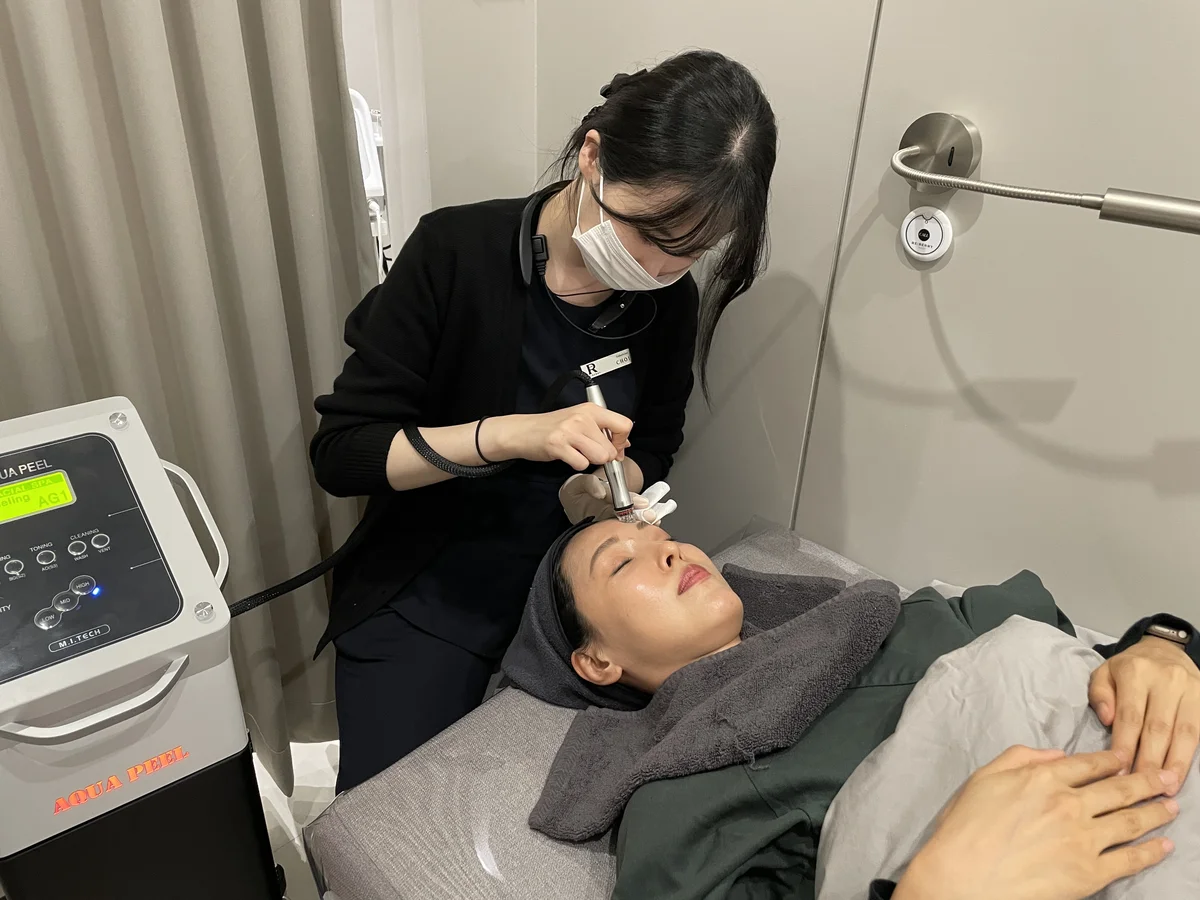
Potenza RF + Exosome Dermal Renewal
For dermal PIH and stubborn mixed-depth pigmentation, Dr. Ryu adds Potenza RF microneedling with exosome infusion to accelerate melanophage clearance and dermal turnover. The RF energy stimulates fibroblast-mediated collagen remodeling that physically displaces melanin-laden macrophages from the upper dermis, while exosome growth factors promote epidermal barrier repair and normalize melanocyte signaling. This combination is particularly effective for patients whose post-inflammatory hyperpigmentation has persisted for more than 6 months, indicating significant dermal melanin deposition that laser alone cannot resolve within a reasonable timeframe.
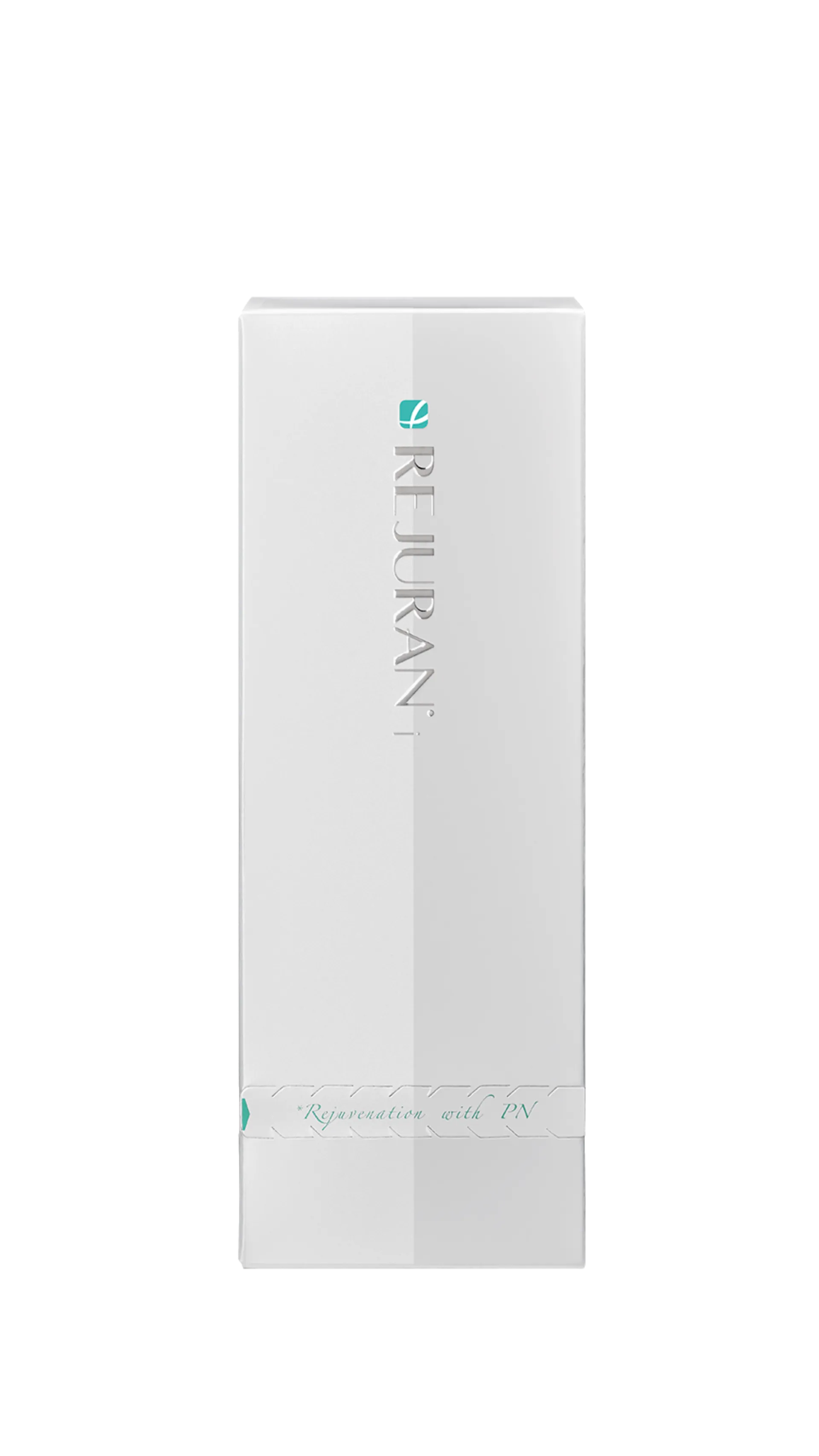
Skin Booster Repair & Maintenance Protocol
Between laser and RF sessions, Dr. Ryu prescribes Rejuran Healer (polynucleotide 2cc, ₩240,000) or skin booster injections to repair the impaired skin barrier that makes PIH-prone skin vulnerable to recurrence. Polynucleotides activate the PDRN receptor pathway, promoting anti-inflammatory cytokine release and accelerating epidermal regeneration. Post-treatment, a medical-grade brightening regimen (vitamin C, niacinamide, arbutin) and strict SPF 50+ sun protection are prescribed. Dr. Ryu schedules follow-up assessments every 4 weeks to monitor post-inflammatory hyperpigmentation clearance using standardized photography and adjust the protocol as the pigmentation evolves.
What to Expect from Post-Inflammatory Hyperpigmentation Treatment in Gangnam
- Progressive Pigment Clearance: Post-inflammatory hyperpigmentation treatment at RE:BERRY Gangnam delivers 60-80% PIH reduction over 3-6 sessions, with visible lightening beginning after the second treatment as fragmented melanin is cleared by the lymphatic system.
- Safe for All Skin Types: Low-fluence Pico laser parameters and insulated RF technology eliminate the rebound hyperpigmentation risk that affects Fitzpatrick III-VI patients when treated with aggressive thermal lasers at other clinics.
- Barrier Repair Included: Rejuran polynucleotide injections restore the damaged skin barrier, reducing melanocyte hyperreactivity and preventing new PIH from forming at previously treated sites.
- Dual-Depth Treatment: The multi-layer protocol addresses both epidermal melanin (Pico laser) and dermal melanophages (Potenza RF), clearing mixed-depth post-inflammatory hyperpigmentation that single-modality treatments leave behind.
- Improved Skin Quality: Beyond pigment clearance, the collagen stimulation from RF and polynucleotides improves overall skin texture, hydration, and resilience — correcting the skin damage that made it vulnerable to PIH.
- No Bleaching Agents Required: Medical laser and RF treatment avoids the risks of hydroquinone (ochronosis) and chemical bleaching, offering a safer alternative for long-term post-inflammatory hyperpigmentation management.
| Timeline | What to Expect |
|---|---|
| Session 1 | Initial Pico laser toning at conservative settings. PIH assessment photographs taken. Post-treatment: mild redness for 2-4 hours. SPF 50+ prescribed. |
| Week 2-4 | Subtle lightening of superficial epidermal PIH begins. Melanin fragments are processed by macrophages and cleared via the lymphatic system. |
| Session 2-3 (Week 4-8) | Pico energy may be slightly increased if skin tolerates well. Potenza RF + exosome added for dermal PIH. Visible fading of 30-40% in epidermal PIH areas. |
| Session 3-4 (Week 8-12) | Rejuran skin booster added to accelerate barrier repair. 50-60% clearance of superficial PIH. Deeper blue-grey marks beginning to lighten. |
| Session 5-6 (Month 3-5) | Advanced clearance phase. 60-80% total PIH reduction achieved. Remaining marks continue fading as collagen remodeling displaces residual dermal melanin. |
| Month 6-12 | Maintenance phase. Single Pico toning session every 2-3 months prevents recurrence. Strict sun protection remains essential to maintain post-inflammatory hyperpigmentation clearance results. |
Post-Inflammatory Hyperpigmentation Treatment: Options Compared
| Feature | Pico + Potenza + Rejuran (RE:BERRY) | Q-Switched Laser Only | Chemical Peel | Topical Hydroquinone |
|---|---|---|---|---|
| Mechanism | Photoacoustic + RF remodeling + barrier repair | Photothermal melanin destruction | Surface exfoliation + tyrosinase inhibition | Tyrosinase enzyme inhibition |
| PIH Clearance | 60-80% | 40-60% | 20-40% | 30-50% |
| Rebound Risk | Very low (sub-threshold fluence) | Moderate-high | Low-moderate | Moderate (rebound on discontinuation) |
| Safe for Dark Skin | Yes (Fitzpatrick I-VI) | Risk of worsening | Caution required | Risk of ochronosis |
| Treats Dermal PIH | Yes (RF + laser) | Limited | No (epidermal only) | No (epidermal only) |
| Sessions to Result | 3-6 sessions | 6-10 sessions | 8-12 sessions | 3-6 months daily |
| Downtime | 2-4 hours redness | 1-3 days | 3-7 days peeling | None (but photosensitivity) |
| Price at RE:BERRY | From ₩240,000/session | Consultation required | From ₩77,000 | N/A (OTC) |
Post-Inflammatory Hyperpigmentation Treatment Packages at RE:BERRY Gangnam
All prices include treatment and physician consultation. Non-covered medical service. Prices valid April-June 2026.
Rejuran Healer 2cc
- Rejuran polynucleotide 2cc injection
- PDRN receptor pathway activation
- Barrier repair for PIH-prone skin
- Physician consultation with Dr. Ryu or Dr. Oh
- Aftercare instructions in your language
Potenza + Juvelook (or Exosome)
- Potenza RF microneedling full face
- Juvelook or Exosome infusion
- Collagen stimulation + melanophage clearance
- Post-treatment LDM therapy
- Physician consultation included
Re2O 6cc Deep Hydration
- Re2O 6cc deep dermal hydration
- Barrier reconstruction for damaged skin
- Supports melanocyte normalization
- Can be combined with Pico toning
- Aftercare in 8 languages
Meet Your Doctor

Dr. Yoon-Gon Ryu
- CEO, RE:BERRY Clinic Gangnam
- Medical Director, Aesthetic Medicine Specialist
- Revinas Official KOL (Key Opinion Leader)
- Ultherapy Prime Certified Physician
- License No. 131644
Medically reviewed by Dr. Yoon-Gon Ryu, CEO / Medical Director, RE:BERRY
The Science Behind Post-Inflammatory Hyperpigmentation Treatment
Peer-reviewed evidence supporting low-fluence picosecond laser and RF microneedling for PIH clearance.
Pathophysiology of Post-Inflammatory Hyperpigmentation
Post-inflammatory hyperpigmentation occurs when cutaneous inflammation — from acne, dermatitis, trauma, or iatrogenic injury — stimulates melanocytes to increase melanin synthesis and transfer melanosomes to surrounding keratinocytes at an accelerated rate. In epidermal PIH, excess melanin remains in the epidermis and appears brown to dark brown, responding well to topical depigmenting agents and gentle laser therapy. In dermal PIH, inflammatory damage to the basal layer allows melanin to drop into the papillary dermis, where melanophages (melanin-laden macrophages) sequester the pigment granules. Dermal PIH appears blue-grey and is resistant to topical treatment, requiring energy-based therapies that stimulate dermal turnover and macrophage clearance. The post-inflammatory hyperpigmentation treatment challenge lies in clearing melanin without triggering new inflammation that restarts the cycle — a balancing act that demands precise energy dosimetry and skin-type-specific protocols.
Picosecond Laser for Safe Melanin Fragmentation
Picosecond lasers represent the safest energy-based platform for post-inflammatory hyperpigmentation treatment across all Fitzpatrick skin types. The ultra-short pulse duration (450-750 picoseconds versus 5-20 nanoseconds for Q-switched systems) generates photoacoustic shockwaves that fragment melanin granules into sub-cellular particles without significant photothermal injury. This distinction is clinically crucial because thermal damage to melanocytes is the primary mechanism triggering rebound hyperpigmentation in PIH patients. Lee et al. (2019) demonstrated in a randomized controlled trial that low-fluence 755nm picosecond laser achieved 62% melanin reduction in Fitzpatrick IV-V patients with PIH after 4 sessions, with zero cases of rebound hyperpigmentation — a rate significantly lower than the 15-20% rebound rate reported with Q-switched nanosecond platforms. The photoacoustic fragmentation mechanism also enables lower per-pulse energy requirements, further reducing the risk of collateral thermal damage to surrounding melanocytes.
RF Microneedling for Dermal Melanin Clearance
For dermal post-inflammatory hyperpigmentation, radiofrequency microneedling provides a complementary clearance mechanism that addresses melanin deposits inaccessible to surface-directed laser therapy. The controlled thermal zones created by insulated RF microneedles at depths of 1.5-3.0mm stimulate a wound-healing cascade that includes macrophage recruitment, extracellular matrix remodeling, and neovascularization. This accelerated dermal turnover facilitates the clearance of melanophages from the papillary dermis, physically reducing the blue-grey discoloration characteristic of dermal PIH. The insulated needle design is essential because it prevents epidermal thermal damage that would exacerbate post-inflammatory hyperpigmentation in the treatment zone.
Clinical Evidence and Combination Therapy
The combination of picosecond laser with RF microneedling and polynucleotide skin boosters represents the current evidence-based standard for refractory post-inflammatory hyperpigmentation. Kwon et al. (2016) showed that low-fluence 1064nm picosecond toning reduced Melanin Index scores by 26.5% after 5 sessions in Korean patients with mixed-depth PIH. Shin et al. (2012) demonstrated that fractional RF microneedling significantly improved dermal pigmentation in Asian patients with minimal post-inflammatory complications. Kim et al. (2020) reported that polynucleotide injections reduced melanin synthesis markers (MITF, TRP-1) in melanocyte cultures while simultaneously promoting anti-inflammatory IL-10 release, providing a mechanistic basis for the barrier-repair component of multi-layer post-inflammatory hyperpigmentation treatment protocols.
Lee YJ et al. Efficacy and safety of low-fluence 755nm picosecond laser for post-inflammatory hyperpigmentation in Asian skin. Dermatol Ther. 2019;32(4):e12983. doi:10.1111/dth.12983
Kwon HH et al. Clinical and histological evaluation of low-fluence 1064nm picosecond laser for the treatment of facial hyperpigmentation. J Cosmet Dermatol. 2016;15(4):488-495. doi:10.1111/jocd.12227
Kim JH et al. Polynucleotide modulation of melanogenesis and anti-inflammatory responses in human melanocytes. J Dermatol Sci. 2020;98(1):37-44. doi:10.1016/j.jdermsci.2020.02.005
What Our Patients Say About PIH Treatment
“After severe cystic acne, I had dark marks covering both cheeks that lasted over a year. A clinic in Bangkok made them worse with aggressive laser. Dr. Ryu at RE:BERRY Gangnam used conservative Pico settings and Rejuran, and after 4 sessions the dark patches faded by about 70%. He never rushed the process — that patience made all the difference.”
“As someone with Fitzpatrick V skin, every dermatologist warned me against laser for my PIH. Dr. Oh at RE:BERRY Gangnam explained the low-fluence picosecond approach and showed me before-after photos of patients with similar skin tones. Five sessions later, my post-inflammatory marks are nearly invisible. I wish I had come to Seoul sooner.”
“I developed PIH after a chemical peel gone wrong at another clinic. The dark spots lasted 8 months and nothing topical helped. RE:BERRY Gangnam’s multi-layer protocol — Pico laser, Potenza with exosome, and Rejuran — cleared about 80% of the pigmentation in 3 months. The 8-language support was incredible as a Japanese speaker.”
Frequently Asked Questions About Post-Inflammatory Hyperpigmentation Treatment
Expert answers from RE:BERRY Gangnam’s pigmentation treatment specialists.
₩240,000 per session for Rejuran Healer 2cc, ₩490,000 for Potenza + Juvelook/Exosome, and ₩750,000 for Re2O 6cc at RE:BERRY Gangnam. Pico laser toning pricing is determined during consultation based on treatment area and severity. All prices are April-June 2026 promotional rates.
3-6 sessions spaced 2-4 weeks apart for epidermal PIH, 6-10 sessions for dermal (blue-grey) PIH at RE:BERRY Gangnam. Most patients see 30-40% improvement after 2-3 sessions and 60-80% clearance by completion of the full protocol.
Yes, 100% safely at RE:BERRY Gangnam. Dr. Yoon-Gon Ryu uses low-fluence picosecond laser at sub-threshold settings specifically calibrated for Fitzpatrick III-VI skin. Zero cases of rebound hyperpigmentation with this conservative approach versus 15-20% rebound rate with aggressive Q-switched lasers.
Post-inflammatory hyperpigmentation follows a specific inflammatory event (acne, burn, laser injury) and fades over time. Melasma is hormonally driven, chronic, and recurrent. Treatment protocols differ significantly — PIH responds faster to Pico laser while melasma requires longer maintenance.
2 out of 10 on the pain scale for Pico laser toning (feels like rubber band snaps). Potenza RF is 3-4 out of 10 after topical numbing cream applied for 20-30 minutes. Rejuran injections cause mild pinprick sensations. No general anesthesia required for any PIH treatment.
PIH can recur if the original trigger returns (new acne breakouts, sun exposure without SPF). RE:BERRY Gangnam’s protocol includes barrier repair with Rejuran and strict SPF 50+ prescription to minimize recurrence. Maintenance Pico toning every 2-3 months prevents new PIH.
Yes, for PIH specifically. Pico laser fragments melanin via photoacoustic shockwaves without thermal damage, reducing rebound risk to near zero. Q-switched lasers use photothermal destruction that risks triggering new melanogenesis, especially in Fitzpatrick III-VI skin.
Acne-induced inflammation stimulates melanocytes to overproduce melanin. The excess melanin deposits in the epidermis (brown marks) or drops into the dermis (blue-grey marks). Darker skin types produce more melanin per inflammatory event, making acne treatment urgently important to prevent PIH.
Hydroquinone provides 30-50% improvement for epidermal PIH only, requires 3-6 months of daily application, and carries ochronosis risk with long-term use. Pico laser at RE:BERRY Gangnam achieves 60-80% clearance across both epidermal and dermal PIH in fewer sessions without these risks.
2-3 weeks after the first Pico laser session for superficial epidermal PIH. Dermal PIH takes 6-8 weeks to show initial improvement. Dr. Ryu photographs your skin at each visit to document progressive clearance under standardized lighting conditions.
2-4 hours of mild redness after Pico laser toning, 24-48 hours after Potenza RF. No wound care required. Makeup can be applied after 4 hours (Pico) or 24 hours (Potenza). Sun protection with SPF 50+ is mandatory for 4 weeks minimum.
Yes, flying is safe immediately after Pico laser toning and Rejuran injection. After Potenza RF, we recommend waiting 24 hours if possible for skin comfort. Apply SPF 50+ and keep skin moisturized during the flight.
1-2 days per session at RE:BERRY Gangnam. A full PIH protocol requires 3-6 sessions spaced 2-4 weeks apart. International patients often schedule 2-3 sessions per trip, spacing visits during the same stay in Seoul.
Yes, RE:BERRY Gangnam provides full consultation and aftercare support in 8 languages: English, Japanese, Chinese (Simplified and Traditional), Thai, Vietnamese, Mongolian, and Farsi. Multilingual coordinators are available 365 days a year.
Yes, 55% of PIH patients at RE:BERRY Gangnam receive concurrent acne treatment to prevent new breakouts from creating additional PIH. Dr. Ryu designs protocols that address active acne and existing pigmentation simultaneously.
₩240,000-490,000 per session (approximately $180-370 USD) at RE:BERRY Gangnam is 40-60% less than comparable PIH treatments in Tokyo ($400-800), Singapore ($350-700), or Los Angeles ($500-1,000). Korean aesthetic clinics provide world-class technology at competitive pricing.
SPF 50+ sunscreen is non-negotiable during post-inflammatory hyperpigmentation treatment. Dr. Ryu prescribes vitamin C 15-20%, niacinamide 5%, and ceramide moisturizer. Avoid retinol and AHA/BHA acids for 5 days after each laser session.
Yes, iatrogenic PIH (caused by aggressive laser, chemical peel, or IPL at other clinics) is one of the most common conditions treated at RE:BERRY Gangnam. Dr. Ryu’s conservative low-fluence Pico approach specifically avoids the high-energy settings that caused the original injury.
Yes, Rejuran polynucleotides activate the PDRN pathway, reducing melanocyte hyperreactivity and promoting anti-inflammatory cytokine release. This barrier-repair function prevents new PIH formation while the laser clears existing pigmentation.
Epidermal PIH appears brown, enhances under Wood’s lamp UV, and responds to 3-4 Pico laser sessions. Dermal PIH appears blue-grey, does not enhance under UV, and requires 6-10 sessions with RF microneedling. Dr. Ryu classifies your PIH depth during consultation.
UV exposure is the single greatest risk factor for PIH worsening or recurrence. Even 15 minutes of unprotected sun exposure can reactivate melanocytes and darken treated areas. RE:BERRY Gangnam prescribes SPF 50+ broad-spectrum sunscreen for daily use, and patients may also benefit from sun damage treatment for cumulative UV-related pigmentation alongside PIH therapy.
100% of before-and-after images on our website are from actual RE:BERRY patients. All photos are taken under standardized lighting conditions with consistent camera settings. No digital retouching is applied to the treatment areas.
3 differentiators: (1) Multi-layer protocol combining Pico laser + Potenza RF + Rejuran for both epidermal and dermal PIH; (2) Conservative low-fluence approach proven safe for Fitzpatrick III-VI skin; (3) Dr. Yoon-Gon Ryu personally performs every treatment, 2 minutes from Gangnam Station.
RE:BERRY Gangnam uses a Wood’s lamp-guided classification system to differentiate epidermal from dermal PIH before selecting treatment parameters. This diagnostic precision, combined with sub-threshold Pico fluence and Potenza RF dermal remodeling, prevents the rebound pigmentation common at clinics using one-size-fits-all laser settings.
Vitamin C (15-20% L-ascorbic acid) provides 10-20% PIH improvement over 3-6 months as a standalone agent. Pico laser at RE:BERRY Gangnam achieves 60-80% clearance in the same timeframe. Vitamin C is an excellent adjunct to laser treatment but cannot replace medical-grade PIH therapy for moderate-severe cases.
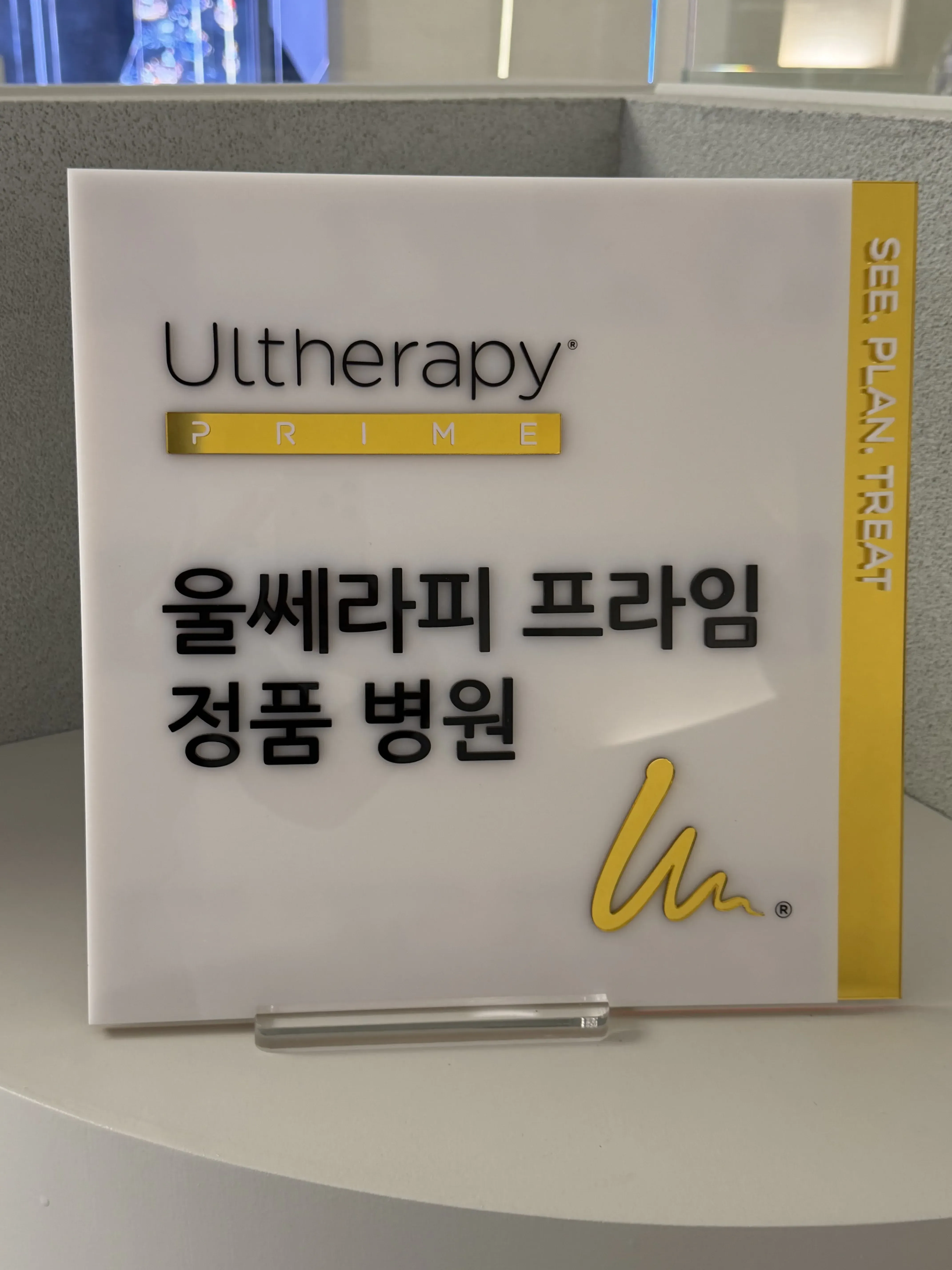
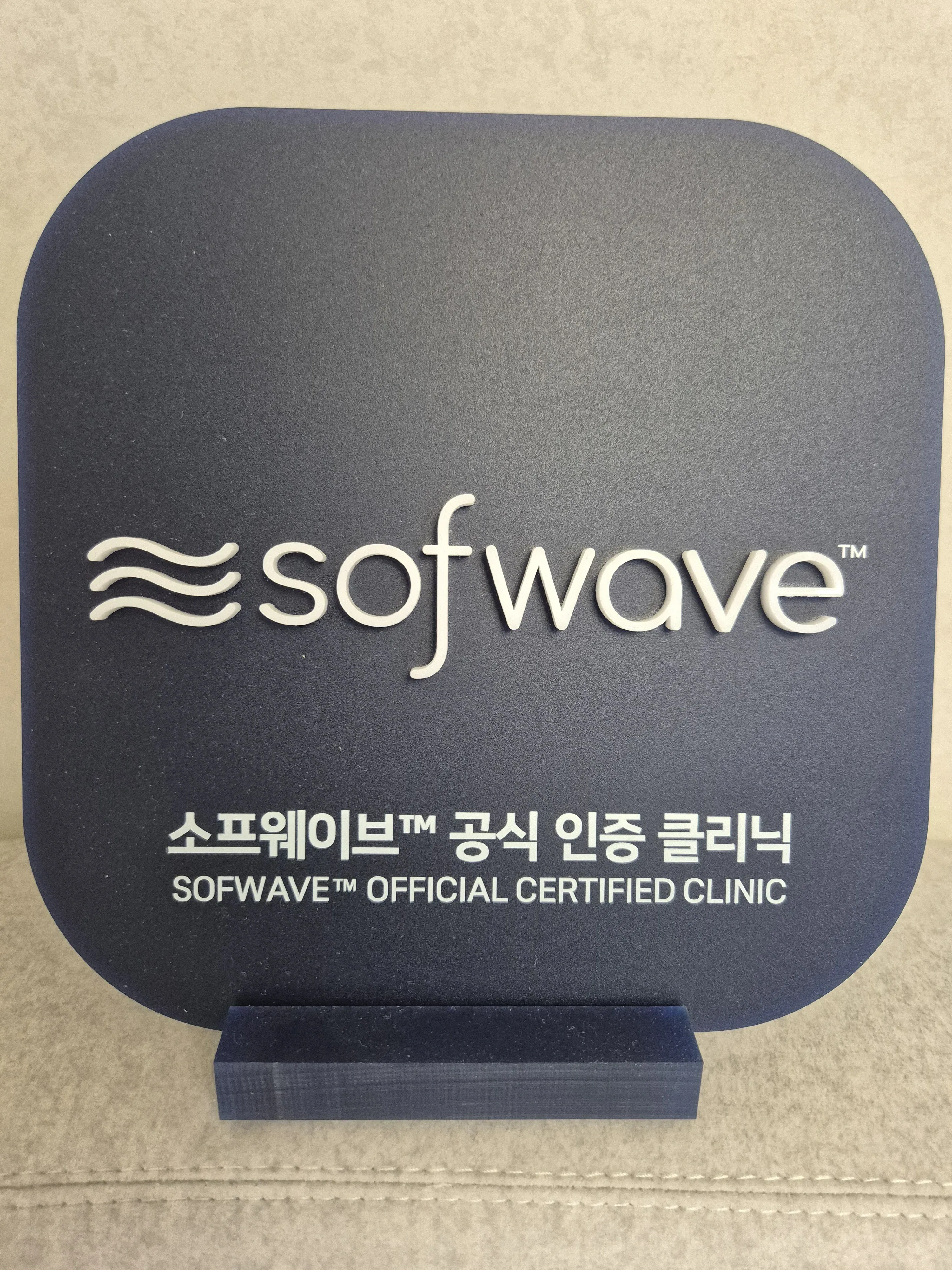
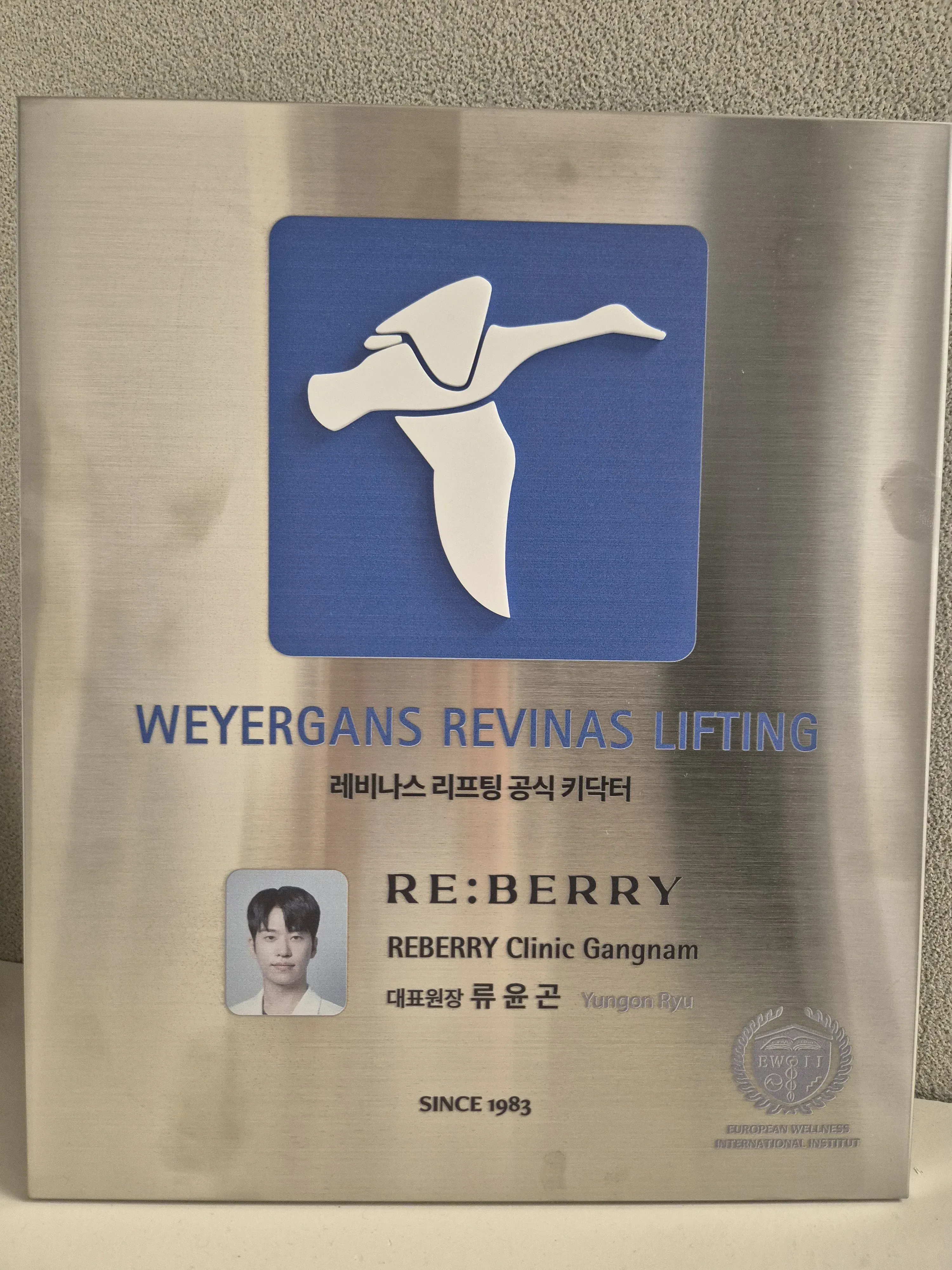
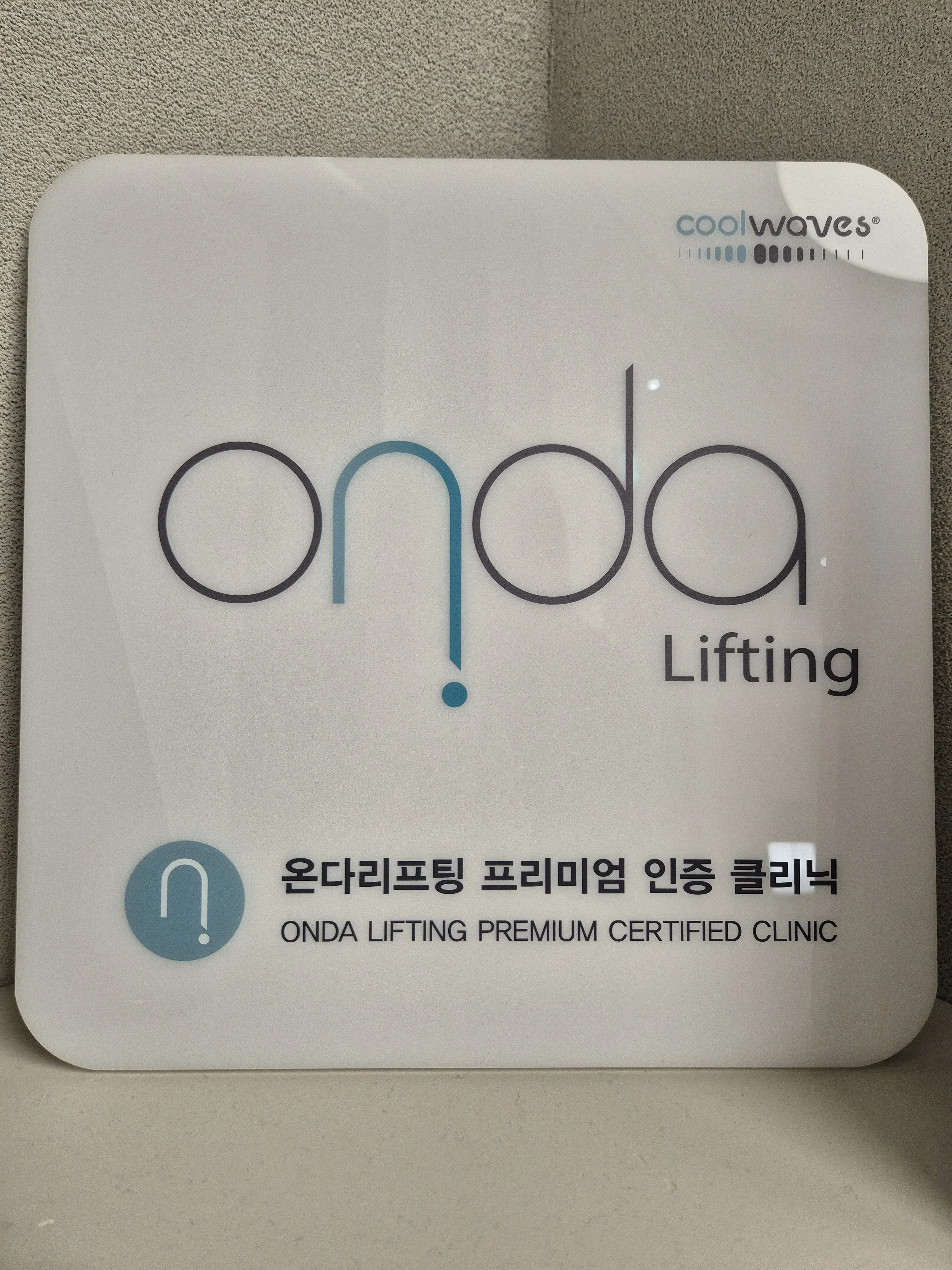
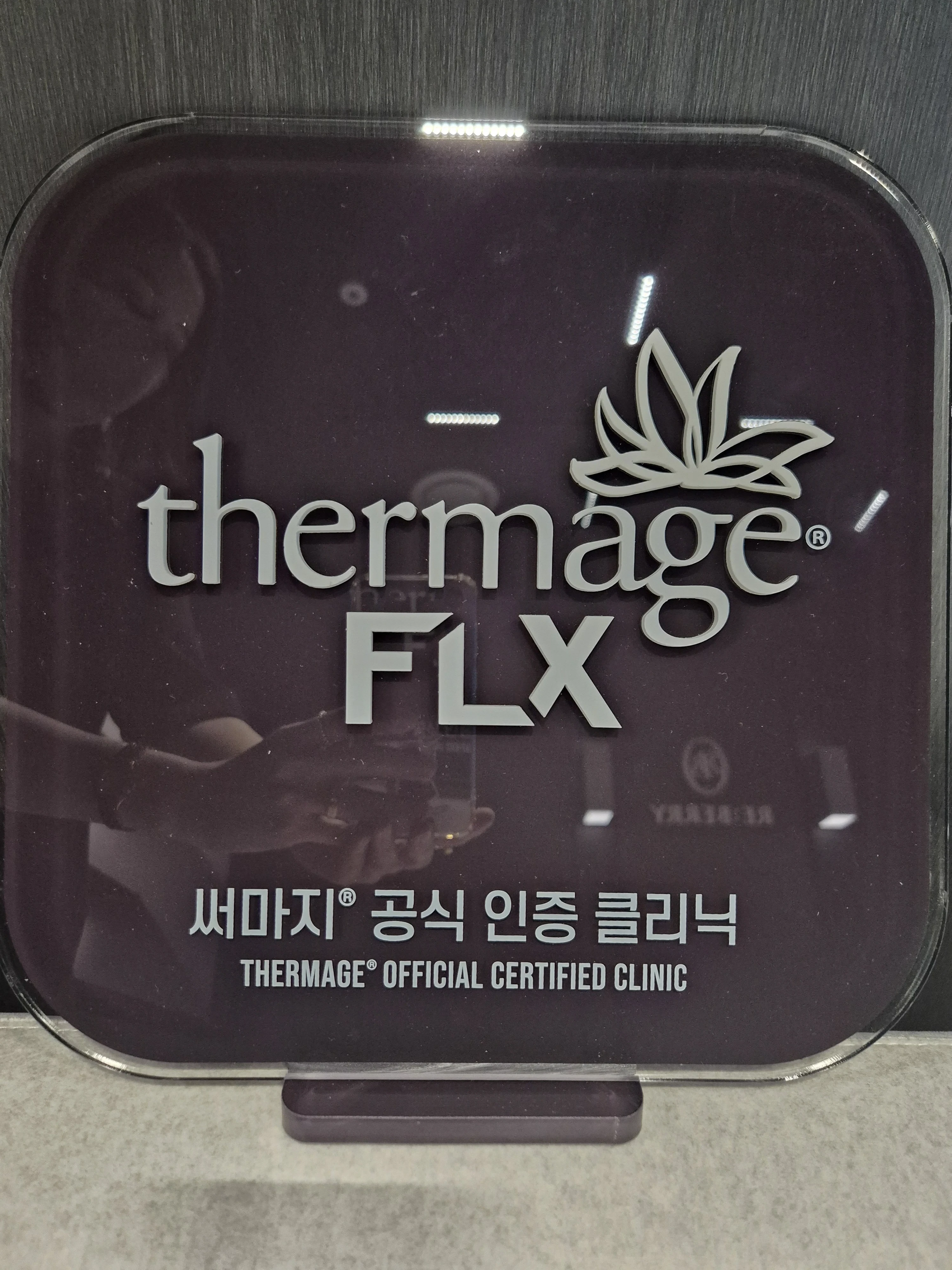
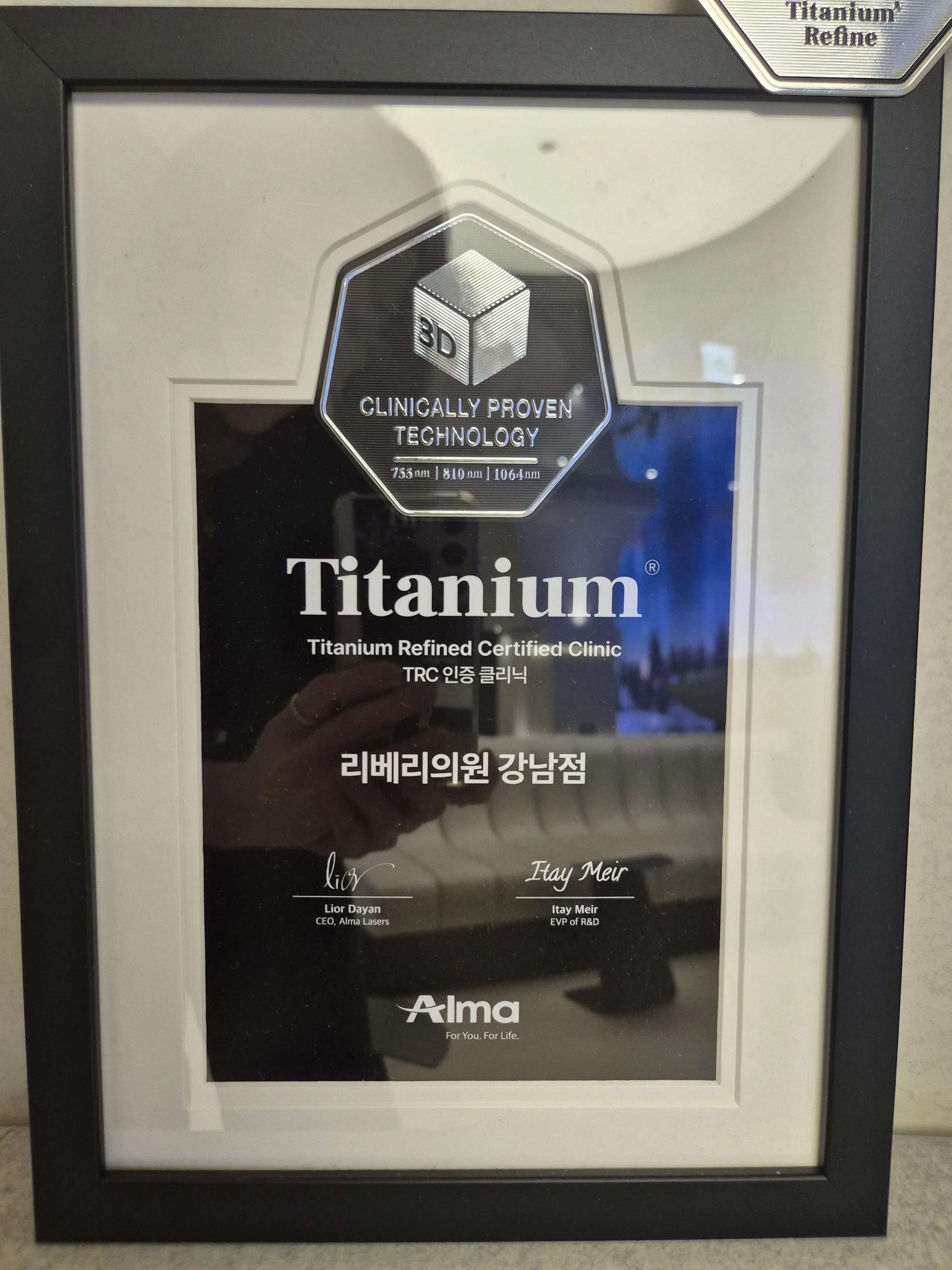
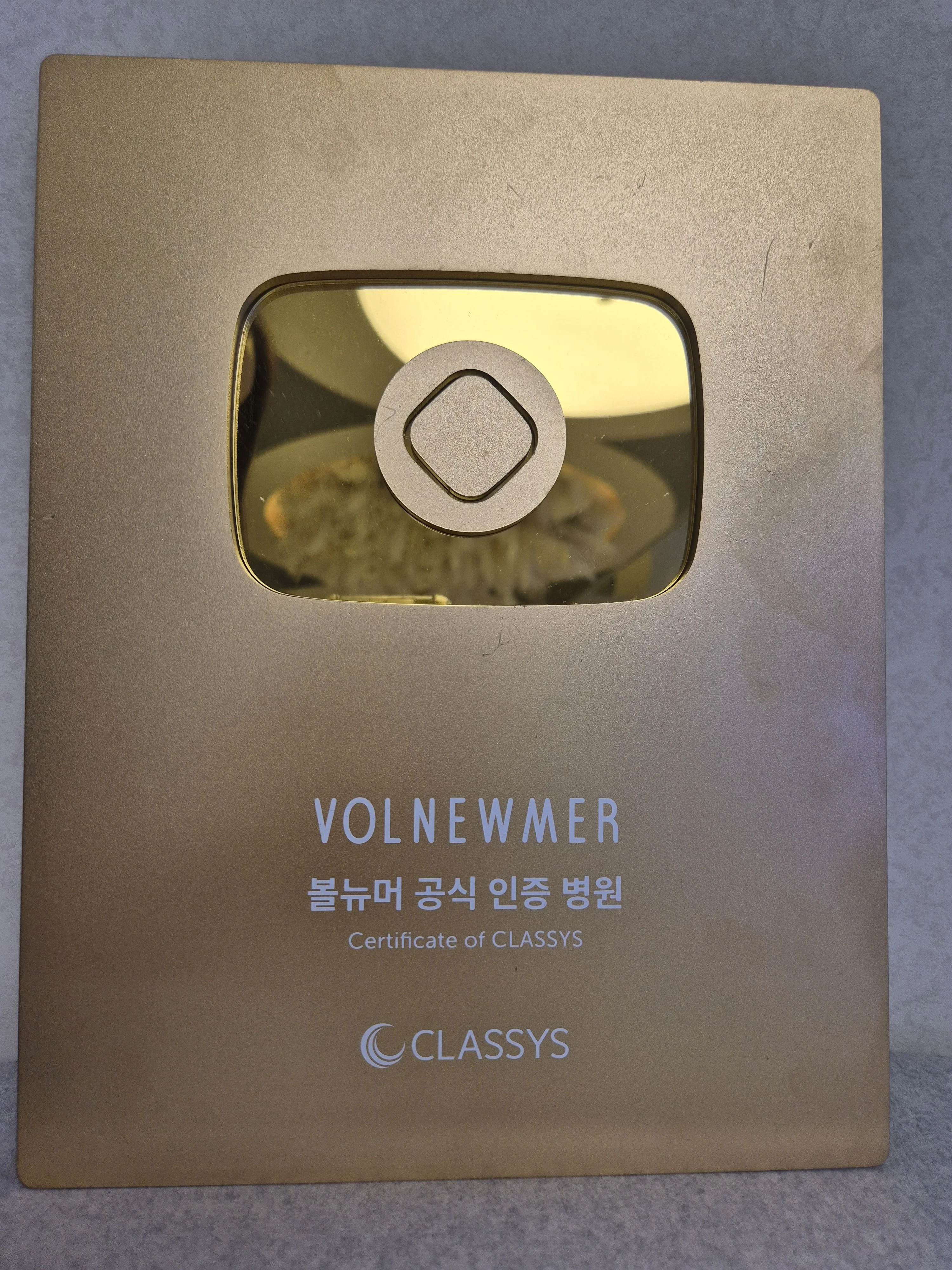
Only Authentic, Brand-Certified Equipment
Every device at RE:BERRY is MFDS-certified and manufacturer-verified. We never use counterfeit or grey-market equipment.
Ready to Clear Your Post-Inflammatory Hyperpigmentation?
Book your PIH treatment consultation with Dr. Yoon-Gon Ryu or Dr. Yejin Oh at RE:BERRY Gangnam — 2 minutes from Gangnam Station Exit 10. Same-day appointments available, 365 days a year.
Related Treatments
Book Your PIH Treatment Consultation
Fill out the form and our multilingual team will confirm within 2 hours via your preferred contact method.
- ✓ Free consultation with Dr. Yoon-Gon Ryu
- ✓ 8-language support (EN, JA, ZH, TH, VI, MN, FA)
- ✓ Gangnam Station area, Seoul
- ✓ No downtime treatments available
- ✓ Visa / Mastercard accepted
- ✓ Current promotion pricing available