Korea vs Japan for Skin Treatment: 2026 Price & Quality Comparison
Korea vs Japan for Skin Treatment: 2026 Price & Quality Comparison
The Great Debate: Korea or Japan for Skin Treatments?
Every year, millions of international visitors travel to East Asia specifically for aesthetic treatments. The two countries that dominate this conversation are South Korea and Japan. Both have world-class medical infrastructure, highly trained physicians, and a cultural emphasis on skin health that far exceeds what you will find in most Western countries.
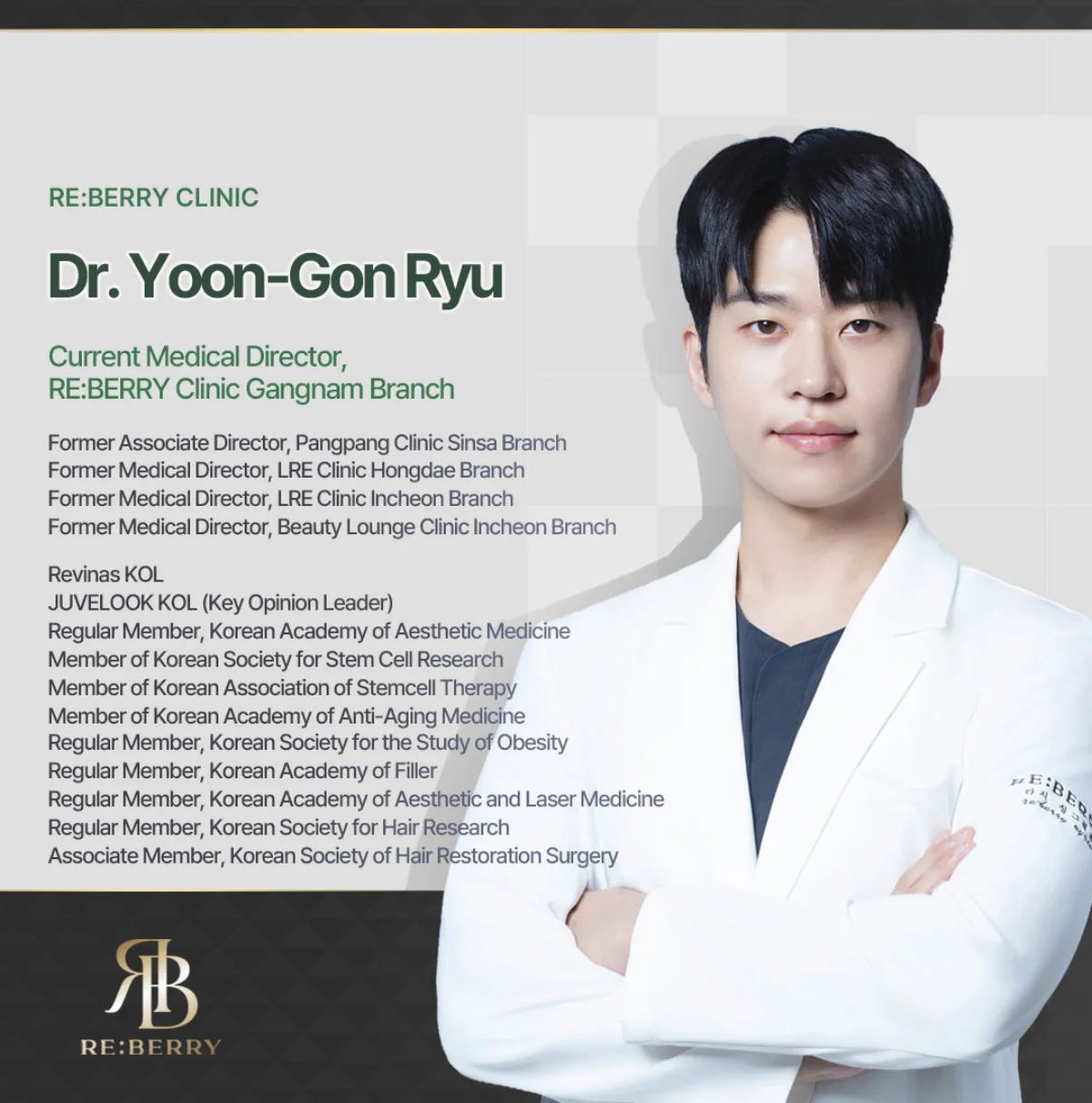
But which one is actually better for your money, your skin, and your overall experience? As a physician who has practiced aesthetic medicine in Seoul for over a decade and regularly consults with colleagues in Tokyo and Osaka, I want to give you an honest, data-driven comparison that goes beyond marketing hype.
Price Comparison: Korea Wins Decisively
Let me start with the factor most people care about first: cost. Korea is significantly cheaper than Japan for nearly every category of aesthetic treatment. This is not a marginal difference. We are talking about 40-70% savings on comparable procedures.
Botox and Fillers
| Treatment | Seoul (Gangnam) | Tokyo (Ginza/Omotesando) | Savings |
|---|---|---|---|
| Wrinkle Botox (1 area) | ₩19,000 (~$14) | ¥8,000-15,000 (~$53-100) | 70-85% |
| Masseter Botox (50U) | ₩29,000 (~$21) | ¥30,000-50,000 (~$200-333) | 89-93% |
| Juvederm Filler (1cc) | ₩450,000 (~$330) | ¥70,000-100,000 (~$466-666) | 29-50% |
| Sculptra (1 vial) | ₩590,000 (~$430) | ¥100,000-150,000 (~$666-1,000) | 35-57% |
At RE:BERRY Clinic Gangnam, Botox starts at just ₩19,000 per area and masseter Botox is ₩29,000 for 50 units. In Tokyo’s Ginza district, the same treatments typically cost 5-10 times more. Even accounting for exchange rate fluctuations, Korea’s pricing advantage is enormous.
Energy-Based Devices (Lasers and Ultrasound)
| Treatment | Seoul (Gangnam) | Tokyo | Savings |
|---|---|---|---|
| Ultherapy (100 shots) | ₩490,000 (~$358) | ¥100,000-200,000 (~$666-1,333) | 46-73% |
| Thermage FLX (600 shots) | ₩1,990,000 (~$1,453) | ¥300,000-500,000 (~$2,000-3,333) | 27-56% |
| Sofwave (100 shots) | ₩990,000 (~$723) | ¥150,000-250,000 (~$1,000-1,666) | 28-57% |
For Ultherapy Prime treatments, the price gap is particularly striking. Korean clinics have been performing Ultherapy longer and in higher volumes than almost any other country, which drives costs down while keeping quality high.
Skin Boosters and Rejuvenation
| Treatment | Seoul (Gangnam) | Tokyo | Savings |
|---|---|---|---|
| Rejuran Healer (2cc) | ₩240,000 (~$175) | ¥50,000-80,000 (~$333-533) | 47-67% |
| Hydrafacial | ₩250,000 (~$183) | ¥20,000-40,000 (~$133-266) | Comparable |
| Re2O (6cc) | ₩750,000 (~$548) | Not widely available | N/A |
Rejuran is actually a Korean-developed product (made from salmon DNA), so it is naturally cheaper and more widely available in Korea. Japanese clinics do offer it, but often at significantly higher prices. For a comprehensive skin rejuvenation session, check our skin booster guide.
Why Is Korea So Much Cheaper?
The price difference is not because Korean clinics cut corners. It comes down to three structural factors:
- Volume: Korea has approximately 1,500 aesthetic clinics in Gangnam alone. This extreme competition drives prices down across the board.
- Supply chain: Many products (Rejuran, Juvelook, Korean botulinum toxins) are manufactured domestically, eliminating import costs.
- Overhead: Despite high rent in Gangnam, overall operating costs in Korea remain lower than in central Tokyo or Osaka.
Quality Comparison: Both Excellent, Different Strengths
Where Korea Excels
Combination treatments. Korean aesthetic medicine is built around the concept of combining multiple modalities in a single session. A typical anti-aging visit at RE:BERRY might include Ultherapy for deep lifting, Sofwave for superficial tightening, and a skin booster for hydration, all performed the same day. Japanese clinics tend to be more conservative, preferring single-treatment sessions with longer intervals between visits.
Innovation speed. New devices and techniques reach Korean clinics 6-12 months before they appear in Japan. KFDA (now MFDS) approval processes are faster, and Korean doctors are early adopters. Treatments like Potenza RF microneedling and Revinas radiofrequency became standard in Korea well before gaining traction in Japan.
English-language service. Most major Korean clinics in Gangnam and Myeongdong have English-speaking coordinators. Japan has improved significantly in recent years, but the language barrier remains higher, particularly for detailed treatment consultations.
Where Japan Excels
Subtle, conservative results. If you want extremely natural, barely-there improvements, Japanese aesthetics philosophy tends to align with this. Korean aesthetic medicine leans toward visible transformation, though skilled practitioners in either country can achieve any style.
Skincare products. Japan has a longer history of pharmaceutical-grade skincare with brands like SK-II, Hada Labo, and medical lines from Shiseido. Korea dominates in cosmetic skincare (the “K-beauty” phenomenon), but Japan holds an edge in dermatologist-dispensed products.
Onsen and wellness integration. Japan offers a more holistic wellness experience. You can combine a dermatology visit with hot spring therapy, traditional tea ceremonies, and a deeply relaxing cultural experience. Korea’s medical tourism is more treatment-focused.
Regulatory Environment and Safety
Both countries have robust regulatory frameworks. Korea’s MFDS and Japan’s PMDA both maintain high standards for device and drug approval. However, there are important differences:
- Korea: All aesthetic physicians must hold a Korean medical license. Most clinics in Gangnam are run by dermatologists or plastic surgeons with years of specialized training. However, the sheer number of clinics means quality varies more widely.
- Japan: Similar licensing requirements apply. Japanese clinics tend to be more standardized in their approach, with less variation between providers.
For international visitors, both countries offer safe treatment environments. The key is choosing a reputable clinic in either location. For guidance on what to look for, read our safety guide for choosing a clinic.
Convenience for International Visitors
Visa and Entry
Both Korea and Japan offer visa-free entry for most Western passport holders (90 days for Korea, 90 days for Japan as of 2026). Medical tourism visas are available for extended stays in both countries.
Getting Around
Seoul and Tokyo both have excellent public transportation. However, Seoul’s aesthetic district (Gangnam) is more concentrated. You can walk between dozens of top clinics. In Tokyo, aesthetic clinics are spread across Ginza, Omotesando, Shibuya, and Shinjuku, requiring more travel time between consultations.
Communication
Seoul has a slight edge for English-speaking visitors. Most clinics in tourist areas employ bilingual coordinators, and translation apps work well for casual interactions. Tokyo has improved significantly, but complex medical discussions can still be challenging without a translator.
Recovery and Downtime Activities
This is often overlooked, but it matters. After treatments like Thermage FLX or chemical peels, you will want comfortable recovery options:
- Seoul: Jjimjilbangs (Korean spas) for post-treatment relaxation (wait 48 hours after most procedures), world-class shopping in Gangnam and Myeongdong, excellent food scene, K-pop and cultural experiences.
- Tokyo: Onsens (hot springs), temples, museums, and one of the world’s best food scenes. However, many onsens may not be suitable immediately after skin treatments.
The Combination Strategy: Why Not Both?
Here is what many savvy medical tourists are now doing: they fly into Seoul first for their primary treatments (taking advantage of lower prices and combination protocols), recover for 2-3 days while exploring the city, and then fly to Tokyo or Osaka for the cultural experience. Seoul to Tokyo is a 2-hour flight, and budget airlines offer fares as low as $80 one-way.
This approach gives you the best of both worlds: Korean pricing and treatment innovation, plus the Japanese cultural experience.
Real Cost Breakdown: A Typical Anti-Aging Package
Let me compare what a comprehensive anti-aging treatment plan would cost at RE:BERRY Gangnam versus a comparable Tokyo clinic:
| Component | RE:BERRY Gangnam | Tokyo Equivalent |
|---|---|---|
| Ultherapy Prime (530 shots) | ~₩2,597,000 | ~¥500,000-1,000,000 |
| Sofwave (200 shots) | ~₩1,980,000 | ~¥300,000-500,000 |
| Skin Booster (Re2O 6cc) | ₩750,000 | Not available |
| Botox (forehead + eyes) | ~₩38,000 | ~¥20,000-30,000 |
| Total | ~₩5,365,000 (~$3,920) | ~¥820,000-1,530,000 (~$5,466-10,200) |
Or you could opt for the RE:BERRY Signature Lifting Package at ₩5,990,000 (~$4,370), which includes Ultherapy 530 shots, Sofwave 200 shots, Onda lifting 100kJ, Revinas 12,000 shots, and LDM recovery care. This comprehensive package simply does not exist at this price point in Japan.
Patient Experience: From Booking to Aftercare
Booking Process
Korean clinics have largely optimized their booking process for international patients. Most accept inquiries via WhatsApp, KakaoTalk, LINE, or WeChat, and respond within hours with detailed treatment recommendations and pricing. Many offer virtual consultations where you can send photos and receive a preliminary treatment plan before you even book your flight.
Japanese clinics are improving in this area but tend to rely more on email communication with longer response times. Some still require you to book through a medical tourism agency, which adds a middleman (and often a commission) to the process.
The Treatment Day
In Korean clinics, expect efficiency. A typical multi-treatment visit at RE:BERRY flows like this: registration and skin analysis (20 minutes), doctor consultation (15-20 minutes), numbing cream application (20-30 minutes), treatment (45-90 minutes depending on the protocol), post-treatment recovery care with LDM or LED (15 minutes), and aftercare instructions (10 minutes). Total: 2-3 hours for a comprehensive session.
Japanese clinics tend to move at a slower, more deliberate pace. Each step takes longer, which some patients appreciate for the attention to detail and others find frustrating when time is limited. For travelers with just a few days in the country, the Korean efficiency model is generally preferable.
Follow-Up Care
Korean clinics that cater to international patients typically offer WhatsApp-based aftercare support for 30 days post-treatment. You can send photos of your skin and receive guidance from the medical team without an in-person visit. Japanese clinics are less consistent in offering this type of remote follow-up, though some premium establishments do provide it.
Medical Tourism Infrastructure
Korea has invested heavily in medical tourism infrastructure over the past decade. Incheon Airport has a dedicated medical tourism information center. The Korea Tourism Organization operates a 1330 hotline with medical tourism support in English, Chinese, and Japanese. Many hospitals and clinic districts have designated international patient departments.
Japan has been catching up, particularly since the government began promoting medical tourism in 2020. The Japan Medical Tourism Association provides resources, and major hospitals in Tokyo and Osaka have international departments. However, the infrastructure is less mature than Korea’s, particularly for aesthetic (non-surgical) medicine.
My Recommendation
For pure aesthetic treatment value, Korea wins hands down. The combination of lower prices, higher volume (meaning more experienced practitioners), faster access to new technology, and better English-language support makes Seoul the superior choice for medical tourism focused on skin treatments.
Japan is the better choice if you prioritize the overall travel experience over treatment value, if you want an extremely conservative approach, or if you are already planning a Japan trip and want to add a single treatment session.
But if you are flying specifically for aesthetic treatments and want maximum results per dollar spent, Seoul’s Gangnam district, where RE:BERRY Clinic is located, is the clear winner.
Ready to plan your treatment trip to Seoul? Contact our English-speaking team for a free consultation and personalized treatment plan.
Frequently Asked Questions
Ready to Experience Korean Skin Care?
Book a free consultation with our multilingual team at RE:BERRY Gangnam.
Book Consultation