PDO Thread Lift Non-Surgical Face Lifting in Korea
PDO thread lift in Korea delivers immediate mechanical lifting with long-term collagen stimulation using absorbable polydioxanone barbed threads. At RE:BERRY Gangnam, Medical Director Dr. Yoon-Gon Ryu performs precision thread placement for natural V-line contouring — open 365 days, 8-language support, 2 minutes from Gangnam Station Exit 10.
What Is a PDO Thread Lift in Korea?
A PDO thread lift in Korea uses absorbable polydioxanone barbed threads inserted beneath the skin to mechanically reposition sagging tissue for an immediate V-line lift while stimulating natural collagen production over 6-12 months, starting from ₩200,000 per line at RE:BERRY Gangnam Seoul.
PDO thread lift in Korea has become one of the most requested non-surgical lifting procedures among international patients seeking visible facial rejuvenation without the risks and recovery time of a surgical facelift. The procedure works through a dual mechanism: first, barbed PDO threads physically anchor and reposition descended facial tissue to create an immediate lifting effect visible from the treatment chair; second, the presence of the absorbable threads triggers a sustained foreign-body collagen synthesis response that continues strengthening the treated tissue for 6-12 months after insertion. At RE:BERRY Gangnam, Dr. Yoon-Gon Ryu uses premium Korean-manufactured PDO and PCL barbed threads with precisely engineered cog patterns to maximize tissue grip and lifting vector control. Unlike energy-based lifting devices such as Ultherapy Prime or Thermage FLX that stimulate collagen remodeling without mechanical repositioning, PDO thread lift in Korea provides both immediate structural elevation and long-term biological rejuvenation simultaneously. Korea is the global epicenter of thread lift innovation — the country manufactures over 80% of the world’s aesthetic threads and Korean physicians perform more thread lift procedures per capita than any other nation. RE:BERRY Gangnam leverages this expertise by offering PDO thread lift in Korea with transparent pricing (₩200,000 per line), physician-only insertion, and comprehensive aftercare support in eight languages. Whether you are targeting jowl sagging, mid-face descent, nasolabial folds, or neck laxity, our thread lift protocols are individually designed based on your facial anatomy and aesthetic goals.
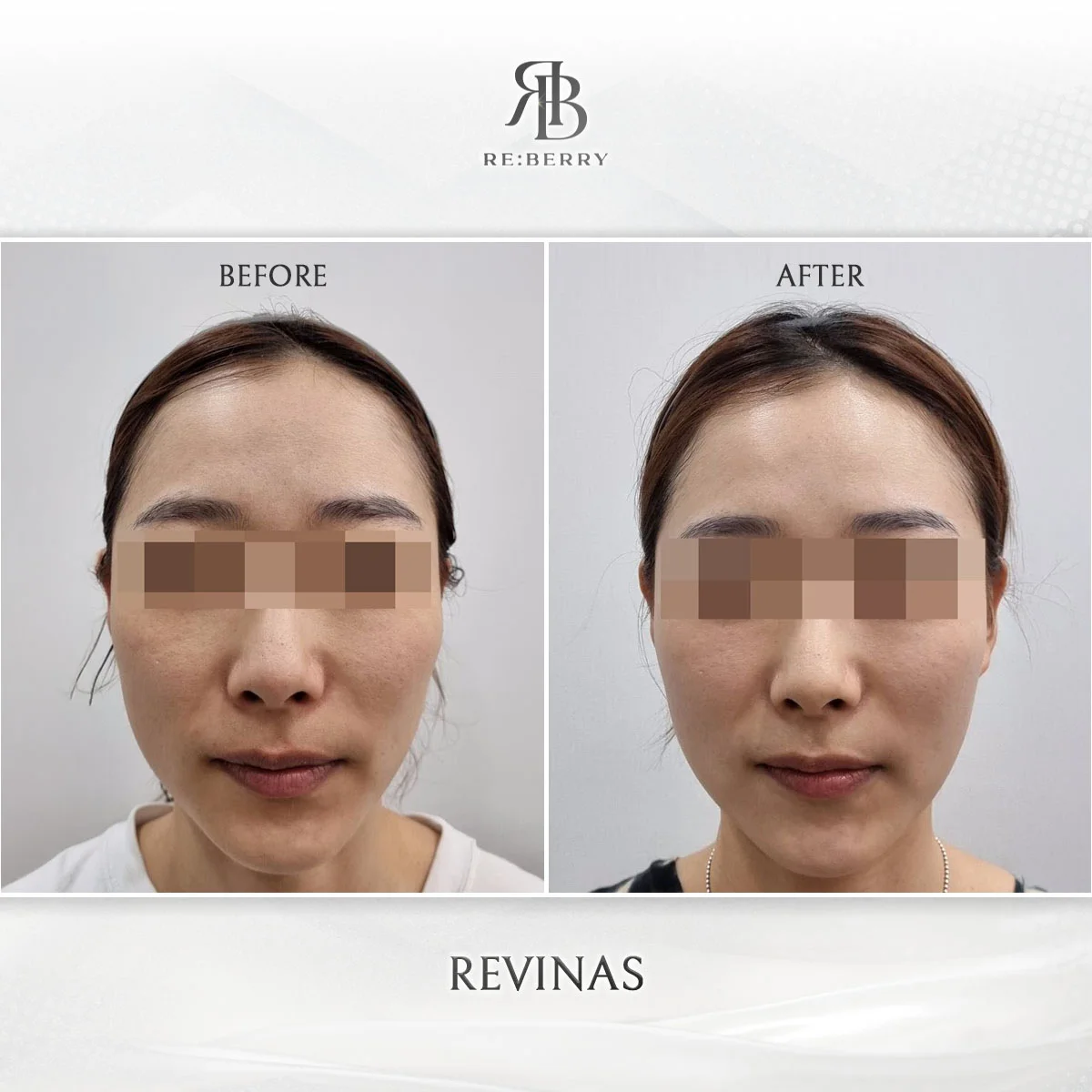
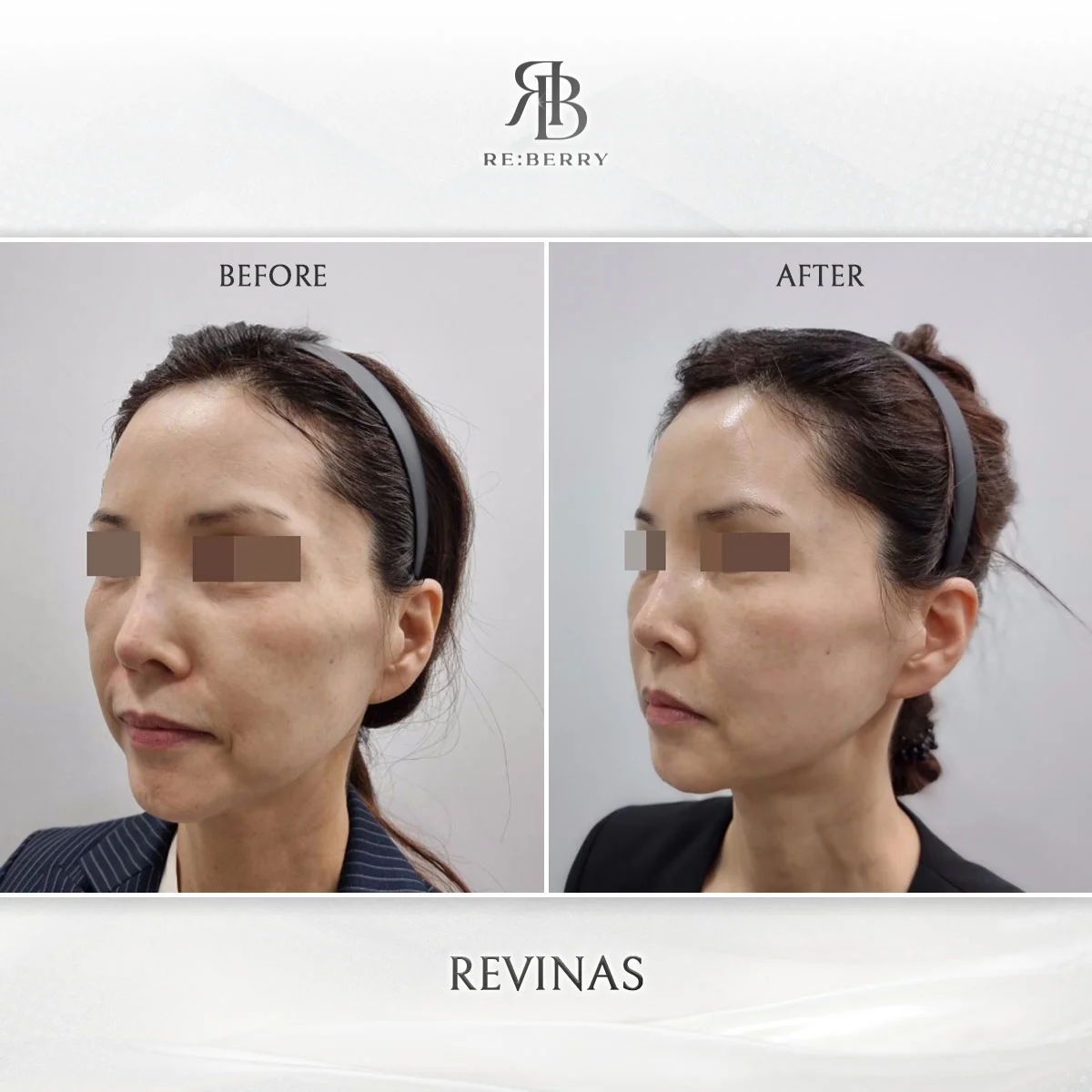
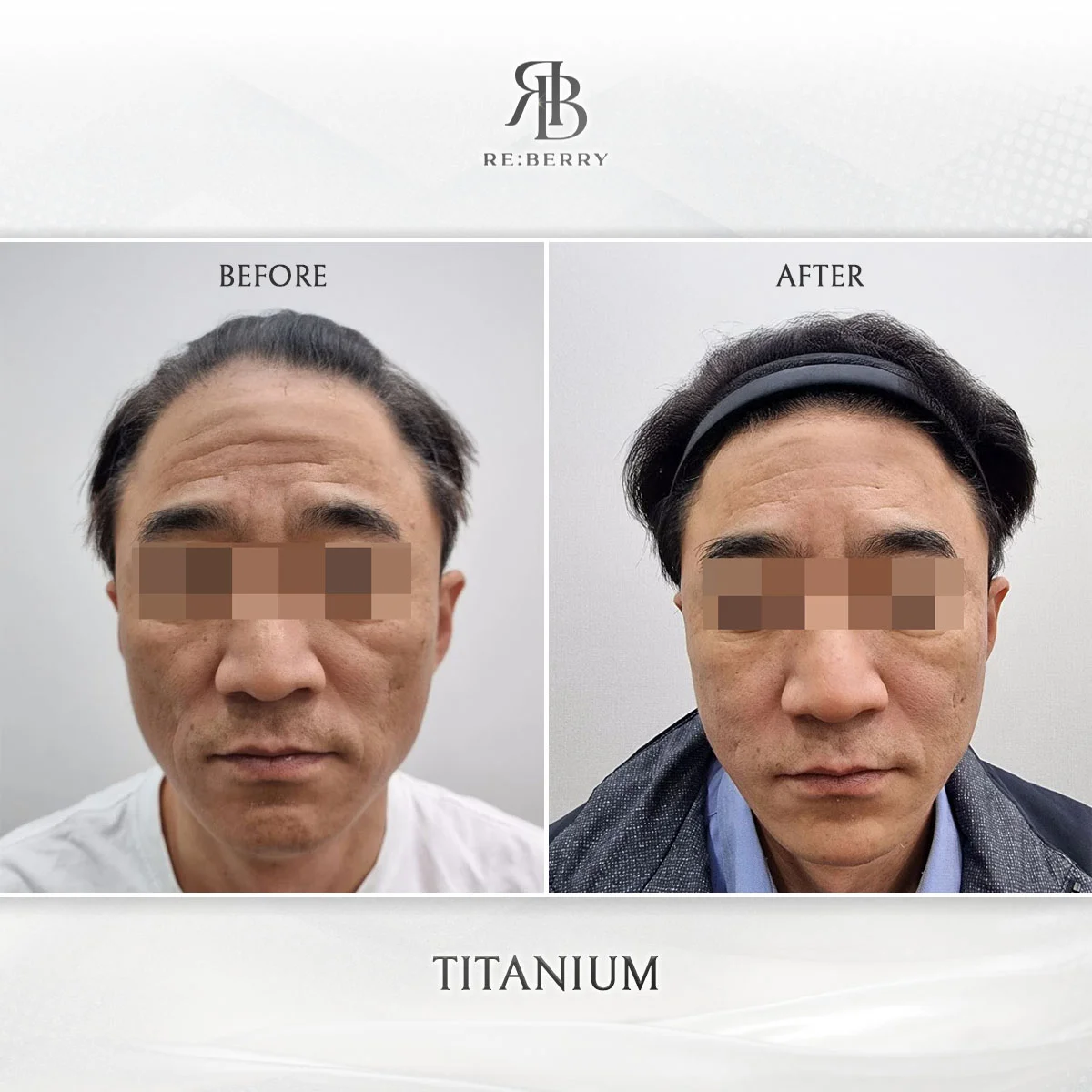
PDO Thread Lift Korea Before & After
Actual patient results from RE:BERRY Gangnam. Individual results may vary.
How PDO Thread Lift Works in Korea at RE:BERRY Gangnam
A four-step medical protocol designed by Dr. Yoon-Gon Ryu for optimal PDO thread lift results in Korea.

Step 1: Facial Analysis & Thread Lift Design
Dr. Yoon-Gon Ryu performs a comprehensive facial assessment evaluating tissue laxity, fat pad positioning, bone structure, and skin thickness at each treatment zone. Using anatomical landmarks and gravity vector analysis, he maps precise insertion points, thread trajectories, and anchoring depths for your PDO thread lift in Korea. The number of threads, thread types (mono, cog, or screw), and barb configurations are selected based on your specific facial anatomy and desired lifting direction. This individualized approach ensures natural-looking results rather than an over-pulled or uneven appearance. Dr. Ryu explains the entire plan in your language before proceeding.
Step 2: Local Anesthesia & Marking
After cleansing, entry and exit points are precisely marked on the skin surface. Local anesthesia is administered at each insertion site — this is not topical numbing cream but targeted local injections that fully anesthetize the treatment pathway. Most patients report feeling only a brief pinch at the injection sites, with zero pain during actual thread insertion. The marking phase takes approximately 10 minutes, and the anesthesia reaches full effect within 5-10 minutes. Our multilingual coordinators are present throughout to communicate in English, Japanese, Chinese, Thai, Vietnamese, Mongolian, or Farsi.
Step 3: Thread Insertion & Mechanical Lifting
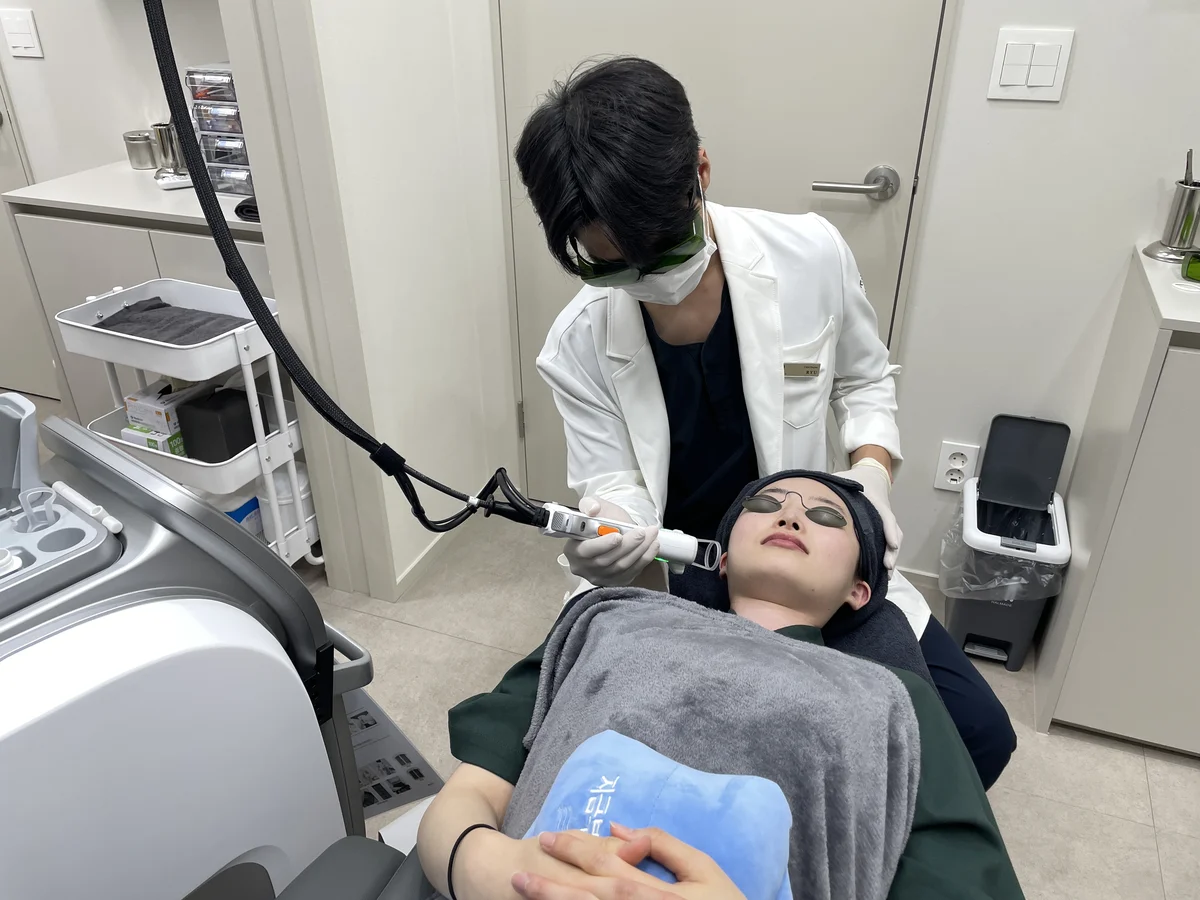
Dr. Ryu inserts pre-loaded cannulas containing PDO barbed threads through the marked entry points. Each thread is guided through the subcutaneous tissue plane at the precise depth mapped during the design phase. Once the thread reaches its anchor point, the cannula is withdrawn, leaving the barbed thread embedded in tissue. The barbs engage the surrounding fascia and fat, creating a mechanical scaffold. Dr. Ryu then applies controlled tension to each thread, physically repositioning the descended tissue upward along the predetermined lifting vector. The immediate lifting effect is visible in real time — patients can observe the transformation with a mirror during the procedure. A typical PDO thread lift in Korea at RE:BERRY uses 6-20 threads depending on the treatment area and degree of laxity.

Step 4: Post-Procedure Recovery & Collagen Phase
Immediately following insertion, Dr. Ryu performs gentle tissue molding to optimize thread positioning and smooth any irregularities. Cold compresses reduce initial swelling. You will notice an immediate lifting effect, though mild swelling over the first 3-5 days may temporarily mask the full result. We provide detailed aftercare instructions: sleep on your back for 2 weeks, avoid wide mouth opening for 1 week, no vigorous exercise for 2 weeks, and no facial massage for 4 weeks. The PDO threads dissolve completely over 6-8 months, but the collagen scaffold they stimulate persists for 12-18 months. Follow-up assessment is scheduled at 2 weeks and 3 months. Our WhatsApp line (+82-2-039-2822) remains available for post-treatment questions after you return home.
What to Expect from PDO Thread Lift in Korea at RE:BERRY Gangnam
- Immediate Mechanical Lifting: Unlike energy-based devices that require 2-6 months to show results, PDO thread lift in Korea produces visible lifting from the treatment chair. Barbed threads physically reposition sagging tissue, creating an instant V-line contour that continues improving as collagen forms around the threads.
- Dual-Action Rejuvenation: PDO threads work through two mechanisms simultaneously: mechanical lifting (instant) and neocollagenesis (progressive). The body recognizes the foreign-body PDO material and mounts a controlled inflammatory response that generates new Type I and Type III collagen fibers along the entire thread pathway.
- Minimal Downtime vs. Surgical Facelift: Recovery from PDO thread lift in Korea involves 3-5 days of mild swelling and possible minor bruising — compared to 2-4 weeks for a surgical facelift. Most RE:BERRY patients return to normal activities within 5-7 days and can fly home within 3-5 days post-procedure.
- Korea — Global Thread Lift Capital: Korea manufactures over 80% of the world’s aesthetic threads and Korean physicians lead global thread lift innovation. Getting your PDO thread lift in Korea means access to the latest thread technologies, the most experienced practitioners, and competitive pricing that is 40-60% lower than comparable procedures in Japan, Singapore, or the USA.
- Combinable with Energy Devices: PDO thread lift at RE:BERRY Gangnam can be combined with Ultherapy Prime (deep SMAS collagen) or Sofwave (mid-dermis tightening) in staged protocols for comprehensive multi-layer lifting that no single treatment can achieve alone.
- Fully Absorbable — No Permanent Foreign Body: PDO (polydioxanone) threads dissolve completely within 6-8 months through natural hydrolysis. The collagen scaffold stimulated by the threads persists for 12-18 months after the threads themselves have dissolved, providing long-lasting structural support without any permanent implant.
- Prayer Room Available (Gangnam Only): RE:BERRY Gangnam is one of the few aesthetic clinics in Seoul offering a dedicated prayer room for Muslim patients, with halal-friendly refreshments and culturally sensitive staff.
| Timeline | What to Expect |
|---|---|
| Day 1 | Immediate lifting effect visible. Mild swelling, tenderness, and possible bruising at insertion sites. Slight pulling sensation is normal. Sleep on your back with head slightly elevated. |
| Day 3-5 | Swelling peaks around day 2-3 and begins subsiding. Bruising (if present) starts transitioning from purple to yellow-green. The pulling sensation diminishes as tissues settle around the threads. |
| Week 2 | Most swelling has resolved. The lifting effect stabilizes and becomes more natural as tissue settles. First follow-up assessment with Dr. Ryu. You may resume gentle exercise and normal facial expressions. |
| Month 1-3 | Collagen formation accelerates along the thread pathways. Fibroblasts deposit new collagen fibers around each thread, creating a biological scaffold that reinforces the mechanical lift. Skin quality begins improving. |
| Month 6-8 | PDO threads are fully absorbed through hydrolysis. The collagen scaffold remains intact and continues providing structural support. Results appear natural and mature. |
| Month 12-18 | Collagen scaffold gradually remodels. Maintenance thread lift or combination with energy-based treatments recommended to sustain optimal lifting. |
PDO Thread Lift Korea vs. Other Lifting Treatments at RE:BERRY
| Feature | PDO Thread Lift | Ultherapy Prime | Thermage FLX | Sofwave | Onda Coolwaves |
|---|---|---|---|---|---|
| Technology | Absorbable barbed threads | Micro-Focused Ultrasound (MFU-V) | Monopolar Radiofrequency | SUPERB Ultrasound | Coolwaves Microwave |
| Mechanism | Mechanical repositioning + collagen | Deep collagen stimulation (SMAS) | Volumetric dermal heating | Mid-dermis collagen | Fat reduction + tightening |
| Immediate Lift | ✓ (same-day visible) | Subtle initial tightening | No | No | No |
| Downtime | 3-7 days (swelling/bruising) | None | None | None | None |
| Results Duration | 12-18 months | 12-18 months | 12 months | 12 months | Long-term fat reduction |
| Sessions Required | 1 | 1 | 1 | 1 | 1-3 |
| Best For | Immediate tissue repositioning | Deep SMAS lifting | Skin tightening | Mid-layer firming | Fat reduction + tightening |
| Invasiveness | Minimally invasive (needle entry) | Non-invasive | Non-invasive | Non-invasive | Non-invasive |
| Price (Gangnam) | ₩200,000 / 1 line | ₩490,000 / 100 shots | ₩1,990,000 / 600 shots | ₩990,000 / 100 shots | ₩720,000 / 40kJ + Titanium |
PDO Thread Lift Korea Pricing at RE:BERRY Gangnam
All prices exclude VAT (10%). Non-covered medical service. Transparent pricing — no hidden fees.
PDO Thread Lift — 1 Line
- 1 premium PDO barbed thread
- Local anesthesia at insertion site
- Physician-performed insertion by Dr. Ryu
- Post-procedure aftercare instructions
- Follow-up assessment included
PDO Thread Lift — 10 Lines (V-Line Package)
- 10 premium PDO barbed threads
- Full-face lifting design by Dr. Ryu
- Local anesthesia at all insertion sites
- Jawline + mid-face coverage
- Post-procedure LDM recovery therapy
- 2-week and 3-month follow-up assessments
- 8-language aftercare support
Reberry Signature Lifting Package
- Ultherapy Prime 530 shots (SMAS lifting)
- Sofwave 200 shots (mid-dermis tightening)
- Onda Coolwaves 100kJ (deep tissue remodeling)
- Revinas 12,000 shots (micro-pulse stimulation)
- LDM post-treatment recovery therapy
- Free consultation with Dr. Yoon-Gon Ryu
- 8-language aftercare support
Meet Your Doctor

Dr. Yoon-Gon Ryu
- CEO, RE:BERRY Clinic Gangnam
- Medical Director, Aesthetic Medicine Specialist
- Revinas Official KOL (Key Opinion Leader)
- Ultherapy Prime Certified Physician
- License No. 131644
Medically reviewed by Dr. Yoon-Gon Ryu, CEO / Medical Director, RE:BERRY
The Science Behind PDO Thread Lift in Korea
Peer-reviewed research and clinical evidence supporting PDO thread lift mechanisms, safety, and efficacy for non-surgical face lifting.
Polydioxanone Thread Mechanics and Tissue Interaction
PDO (polydioxanone) is a synthetic absorbable monofilament suture material that has been used in cardiovascular and orthopedic surgery for over three decades. In aesthetic medicine, PDO threads are manufactured with directional barbs (cogs) that engage subcutaneous tissue, creating a mechanical scaffold that physically repositions descended facial structures. The barb geometry — including barb angle, spacing, depth of cut, and helical vs. unidirectional patterns — determines the thread’s tissue grip strength and lifting capacity. Korean manufacturers have pioneered advanced cog designs that achieve 40-60% greater holding force compared to first-generation smooth PDO threads. At RE:BERRY Gangnam, Dr. Yoon-Gon Ryu selects thread type and configuration based on the specific tissue characteristics of each facial zone being treated.
Neocollagenesis Induced by PDO Threads
Beyond the immediate mechanical lift, PDO thread lift in Korea leverages a well-documented biological response: foreign-body-induced neocollagenesis. When PDO threads are placed in subcutaneous tissue, the body recognizes the biocompatible foreign material and initiates a controlled inflammatory cascade. Macrophages and fibroblasts migrate to the thread surface, and over 4-8 weeks, these fibroblasts deposit new Type I and Type III collagen fibers along the entire length of each thread. Research by Yoon et al. (2019) demonstrated through histological analysis that PDO thread insertion increased dermal collagen density by 31.5% at 6 months compared to baseline, with collagen fiber organization showing improved parallel alignment — a marker of structural integrity rather than scar-type collagen.
Thread Absorption and Scaffold Persistence
PDO threads undergo hydrolytic degradation over approximately 6-8 months, breaking down into water and carbon dioxide through enzymatic processes. Critically, the collagen scaffold stimulated by the thread’s presence persists long after the thread material itself has been absorbed. Histological studies demonstrate that the newly formed collagen network remains structurally intact for 12-18 months post-insertion, providing continued lifting support without any permanent foreign material remaining in the tissue. This is a key advantage over permanent thread materials, which carry risks of chronic inflammatory reactions and palpability. PCL (polycaprolactone) threads, which are also available at RE:BERRY, dissolve more slowly (12-18 months) and extend the collagen stimulation window further.
Safety Profile and Complication Rates
A systematic review by Gulbitti et al. (2021) analyzing 2,891 patients across 28 studies found that PDO thread lift has a favorable safety profile when performed by trained physicians. Major complications (nerve injury, vascular compromise) occurred in less than 0.1% of cases. Minor complications — including thread palpability (3.2%), mild dimpling (2.8%), and asymmetry requiring adjustment (1.4%) — resolved spontaneously or with minor intervention in the vast majority of cases. The authors concluded that anatomical knowledge and insertion technique are the primary determinants of outcome quality and complication avoidance.
Combination Protocols: Thread Lift Plus Energy Devices
Current evidence supports combining PDO thread lift in Korea with non-invasive energy-based treatments for synergistic results. Threads provide the mechanical scaffolding that repositions tissue, while devices like Ultherapy Prime (MFU-V) and Thermage FLX (monopolar RF) stimulate deep dermal and SMAS-layer collagen remodeling that threads alone cannot achieve. At RE:BERRY Gangnam, combination protocols are staged: energy device treatment is typically performed 4-6 weeks before or after thread insertion to avoid interference between the healing processes.
Yoon JH et al. Histological analysis of tissue response to PDO threads in human subjects. J Cosmet Dermatol. 2019;18(4):1046-1051. doi:10.1111/jocd.12779
Gulbitti HA et al. Complications and outcomes of PDO thread lifting: a systematic review. Aesthet Surg J. 2021;41(8):NP1163-NP1174. doi:10.1093/asj/sjab027
Savoia A et al. Outcomes of thread lift with absorbable barbed PDO threads: a 2-year prospective study. Dermatol Surg. 2014;40(12):1348-1357. doi:10.1097/DSS.0000000000000208
Ali YH. Two years’ outcome of thread lifting with absorbable barbed PDO threads: innovative score for objective and subjective assessment. J Cosmet Laser Ther. 2018;20(1):41-49. doi:10.1080/14764172.2017.1368562
What Our Patients Say About PDO Thread Lift in Korea at RE:BERRY Gangnam
“I flew to Korea specifically for thread lifting because Korean clinics have the best thread technology. Dr. Ryu used 12 threads on my jawline and the V-line effect was visible before I even left the clinic. Three months later, my face looks even better as the collagen kicked in.”
“The swelling lasted about 4 days but was manageable. I stayed in Gangnam for a week and by day 5 I was already shopping and eating normally. The lifting is subtle but real — my nasolabial folds are noticeably shallower and my jawline is sharper.”
“I was worried about pain but the local anesthesia completely numbed the treatment areas. The staff spoke Thai which made me feel comfortable. Dr. Ryu showed me the lifting with a mirror during the procedure — it was amazing to watch in real time.”
“This was my second thread lift at RE:BERRY. The first one lasted about 14 months. Dr. Oh performed this one and I am equally happy with the results. Very professional team and transparent about what to expect.”
“I combined thread lifting with Ultherapy Prime — threads for the immediate lift and Ultherapy for deep collagen. Dr. Ryu staged the treatments 6 weeks apart. The combination result is better than either treatment alone. Worth the trip to Korea.”
Frequently Asked Questions About PDO Thread Lift in Korea
Expert answers from Dr. Yoon-Gon Ryu to the most common questions about PDO thread lift in Korea at RE:BERRY Gangnam.
₩200,000 per line is the standard PDO thread lift price at RE:BERRY Gangnam. A full jawline V-line treatment typically requires 8-14 threads (₩1,600,000-₩2,800,000), while mid-face lifting uses 6-10 threads. All prices exclude VAT (10%). No hidden consultation or anesthesia fees.
8-14 threads are typically needed for a jawline and lower face PDO thread lift in Korea. Mid-face lifting adds 4-6 threads per side. A comprehensive full-face thread lift may use 16-24 threads total. Dr. Ryu determines the exact count during your facial analysis based on tissue laxity and desired lifting degree.
12-18 months of visible lifting effect is typical after PDO thread lift in Korea. The PDO threads dissolve within 6-8 months, but the collagen scaffold they stimulate persists for 12-18 months. Annual maintenance with 4-8 threads extends the lifting duration indefinitely.
2-3 on a 10-point pain scale is what most patients report during the procedure at RE:BERRY Gangnam. Local anesthesia fully numbs each insertion site before thread placement. During insertion you feel pressure and a pulling sensation but no sharp pain. Post-procedure tenderness resolves within 3-5 days.
3-5 days of recovery before flying is recommended after PDO thread lift in Korea. Cabin pressure changes do not affect the threads, but swelling may temporarily worsen at altitude. Most RE:BERRY patients schedule their return flight 5-7 days post-procedure to allow initial swelling to subside.
3-7 days of visible swelling is typical, with 70% of swelling resolving by day 5. Bruising (if present) lasts 5-10 days and is concealable with makeup after day 3. You can return to desk work within 2-3 days but should avoid vigorous exercise, facial massage, and wide mouth opening for 2 weeks.
They work through completely different mechanisms. PDO thread lift in Korea provides immediate mechanical tissue repositioning, while Ultherapy Prime stimulates deep SMAS collagen without any physical repositioning. Thread lift has 3-7 days downtime; Ultherapy has zero. Both last 12-18 months. At RE:BERRY Gangnam, Dr. Ryu often combines both for comprehensive multi-layer lifting.
0.1% major complication rate is reported in systematic reviews of 2,891 patients across 28 studies. Minor complications (thread palpability 3.2%, mild dimpling 2.8%) resolve spontaneously. Anatomical expertise is the primary safety factor — all thread lifts at RE:BERRY are performed exclusively by licensed physicians, never by non-physician staff.
PDO (polydioxanone) threads dissolve in 6-8 months and stimulate collagen for 12-18 months. PCL (polycaprolactone) threads dissolve in 12-18 months and stimulate collagen for up to 24 months. PCL provides a longer lifting window but costs more. Dr. Ryu will recommend the optimal thread material based on your needs.
Yes, 70% of international patients at RE:BERRY Gangnam combine PDO thread lift with energy-based devices. Thermage FLX for skin tightening or Sofwave for mid-dermis firming are typically performed 4-6 weeks before or after thread insertion to allow each treatment’s healing process to proceed optimally.
Korea manufactures over 80% of the world’s aesthetic threads and Korean physicians perform more thread lift procedures per capita than any other country. This means access to the latest thread technologies, the most experienced practitioners, and pricing 40-60% lower than Japan, Singapore, or the USA for comparable quality.
5-7 days total is the recommended stay for a PDO thread lift in Korea. Day 1 for consultation and procedure, days 2-5 for initial recovery (you can sightsee gently after day 2), and days 5-7 for the follow-up check and departure. RE:BERRY is open 365 days including holidays, so you can schedule flexibly.
8 languages are supported at RE:BERRY Gangnam: English, Japanese, Chinese (Mandarin), Thai, Vietnamese, Mongolian, Farsi, and Korean. Multilingual coordinators are present during consultations, procedures, and follow-up visits. We also provide written aftercare instructions in your language.
35-65 years old is the typical age range for PDO thread lift in Korea, though patients in their late 20s with early jowling also benefit. The ideal candidate has mild to moderate skin laxity with sufficient skin thickness to support thread anchoring. Severe laxity or very thin skin may be better addressed with surgical options.
Yes, PDO thread lift in Korea effectively reduces nasolabial fold depth by lifting the descended mid-face tissue that creates the fold. Typically 4-6 threads per side reposition the malar fat pad upward, which softens the nasolabial fold from above rather than filling it from below like nasolabial fold fillers.
7 facial and body zones are treatable with PDO thread lift: jawline and jowls (V-line), mid-face and cheeks, nasolabial folds, brow and forehead, neck, nose (HIKO nose thread lift), and even the body (abdomen, inner arms). At RE:BERRY, jawline and mid-face are the most commonly requested treatment areas.
Thread lift physically repositions tissue upward, while jawline filler adds volume to create definition. Thread lift addresses sagging (gravitational descent); filler addresses volume loss (skeletal resorption). They are complementary — many patients benefit from both, staged 2-4 weeks apart.
3.2% thread palpability rate is reported in published studies, most resolving within 2-4 weeks as the threads settle into tissue. Visible dimpling at entry points is rare (2.8%) and typically resolves spontaneously. Dr. Ryu’s precise insertion technique and appropriate depth selection minimize these occurrences.
2 weeks minimum gap is recommended between Botox and PDO thread lift. For filler, a 4-week gap is preferred to allow the filler to fully settle before thread insertion. If you had filler more than 4 weeks ago, you can proceed safely with thread lift.
7 days before your procedure: stop blood-thinning supplements (fish oil, vitamin E, ginkgo). 3 days before: avoid alcohol. Day of treatment: arrive with clean skin, no makeup. Bring a wide-brimmed hat for the journey home to protect your face from sun and wind.
100% genuine MFDS-certified Korean-manufactured threads are used exclusively at RE:BERRY Gangnam. We source our PDO and PCL threads directly from verified Korean manufacturers. We never use grey-market or counterfeit thread products.
Yes. RE:BERRY Gangnam holds official certifications from Merz Aesthetics, Sofwave Medical, DEKA (Onda), Solta Medical (Thermage), and Weyergans (Revinas). All physicians hold active Korean medical licenses and are members of the Korean Academy of Aesthetic Medicine.
3 key differentiators: (1) physician-only thread insertion — never delegated to nurses or technicians, (2) 14,000 sq ft facility with 30+ devices enabling multi-layer combination protocols, (3) transparent per-line pricing (₩200,000) with no hidden fees. Plus 365-day operation, 8-language support, and a prayer room for Muslim patients.
Yes, 25% of thread lift patients at RE:BERRY Gangnam are male. Men typically request jawline definition and submental (double chin) tightening. The procedure protocol is identical; Dr. Ryu adjusts thread count and vector angles to maintain masculine facial proportions rather than creating a feminized contour.
4 booking channels: WhatsApp (+82-2-039-2822), KakaoTalk, LINE, or WeChat. Our booking form at the bottom of this page also accepts consultation requests. We respond in your language within hours and can schedule your procedure within 1-2 days of arrival in Seoul.
6 payment options: cash (KRW), all major credit cards (Visa, Mastercard, JCB, UnionPay), Alipay, and WeChat Pay. International wire transfer is also available for patients who prefer to prepay. VAT (10%) is added at checkout.
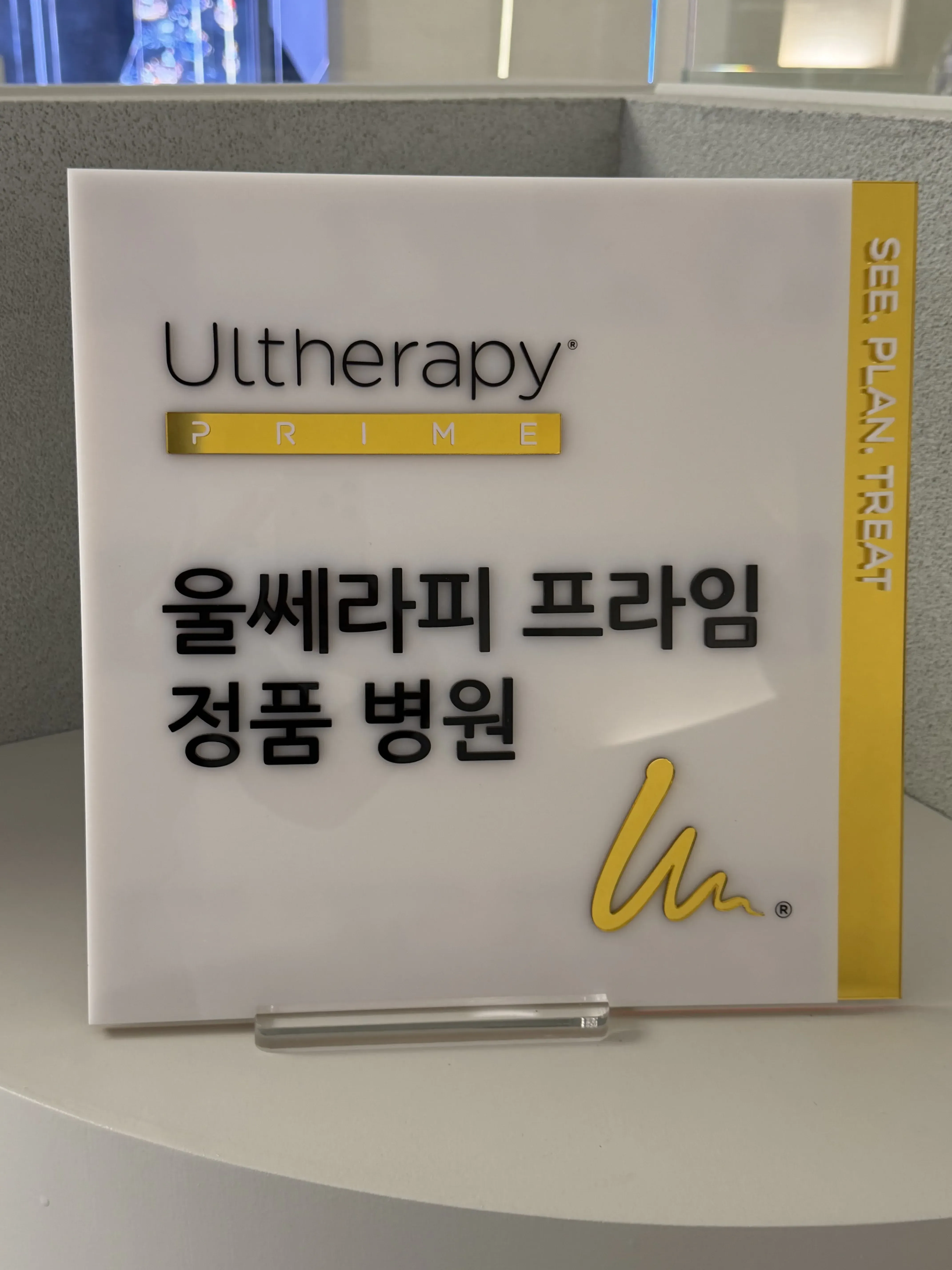
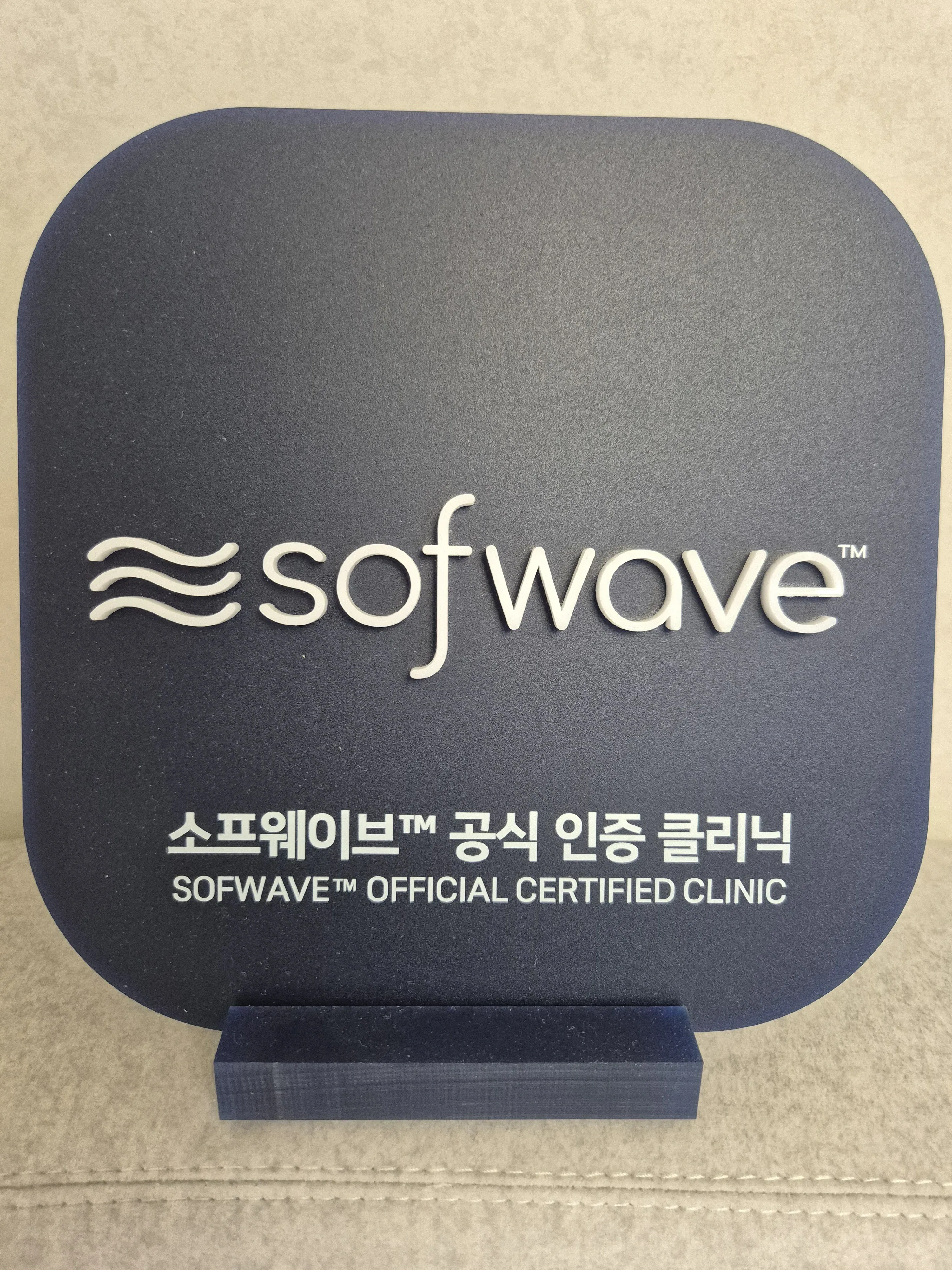
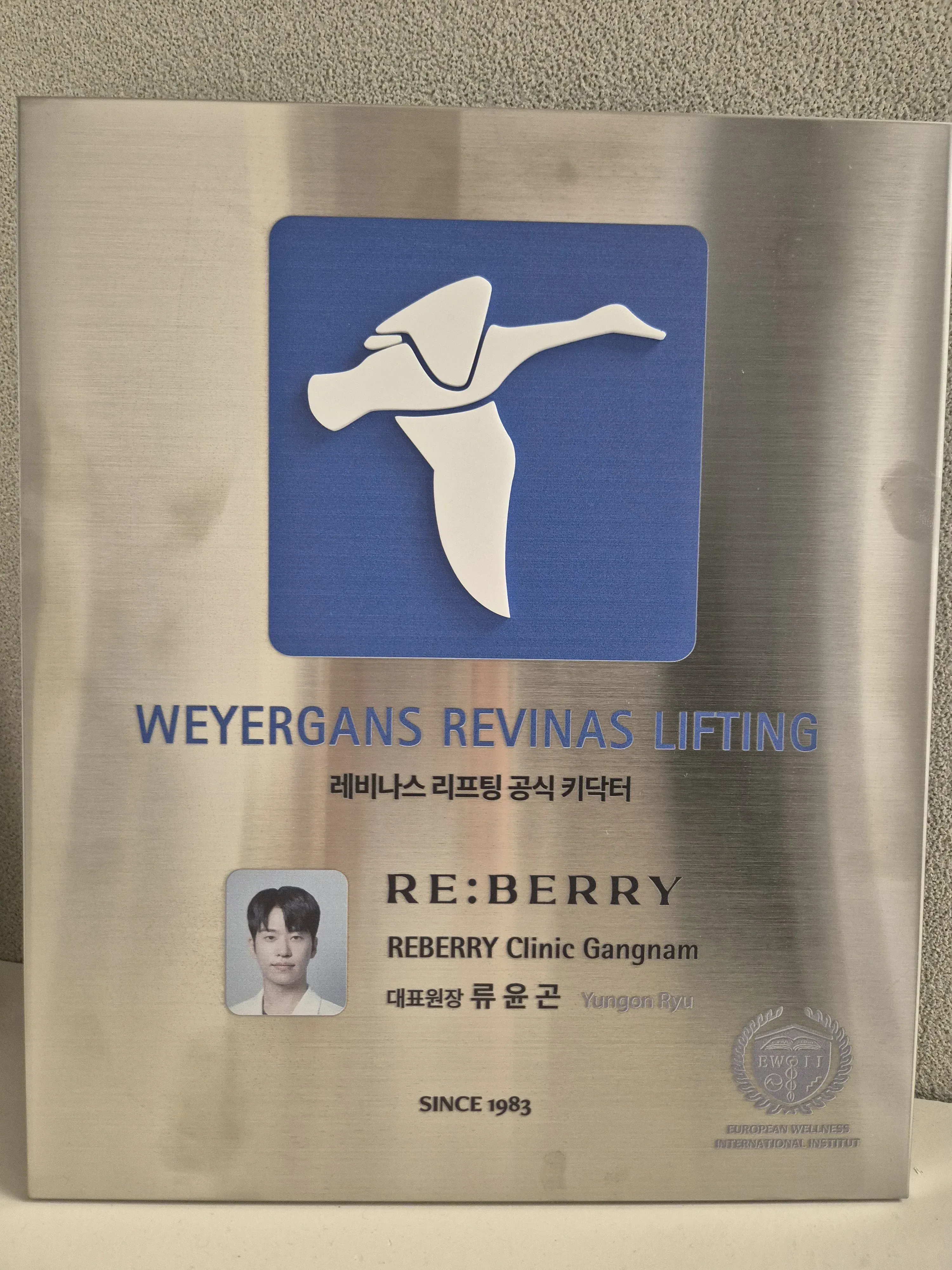
Only Authentic, Brand-Certified Equipment
Every device at RE:BERRY is MFDS-certified and manufacturer-verified. We never use counterfeit or grey-market equipment.
Ready for Your PDO Thread Lift in Korea at RE:BERRY Gangnam?
Book your consultation with Medical Director Dr. Yoon-Gon Ryu at RE:BERRY Gangnam — 2 minutes from Gangnam Station Exit 10, open 365 days, 8-language support, prayer room available. PDO thread lift from ₩200,000 per line.
Book Your PDO Thread Lift Consultation
Fill out the form and our multilingual team will confirm within 2 hours via your preferred contact method.
- ✓ Free consultation with Dr. Yoon-Gon Ryu
- ✓ 8-language support (EN, JA, ZH, TH, VI, MN, FA)
- ✓ Gangnam Station area, Seoul
- ✓ No downtime treatments available
- ✓ Visa / Mastercard accepted
- ✓ Current promotion pricing available