Can Laser Remove Melasma Permanently?
Melasma is a chronic pigmentary condition driven by hormones, UV exposure, and vascular factors — not a simple dark spot that one laser session can erase. RE:BERRY Gangnam uses PicoSure picosecond toning combined with Potenza RF microneedling to achieve 70-90% melasma clearance with a structured maintenance protocol. Physician-performed melasma laser treatment from ₩159,000, two minutes from Gangnam Station Exit 10.
Can Laser Remove Melasma Permanently?
Laser cannot cure melasma permanently because melasma is a chronic condition with hormonal and vascular triggers, but PicoSure picosecond toning achieves 70-90% clearance with quarterly maintenance sessions — available from ₩159,000 per session at RE:BERRY Gangnam Seoul, with protocols specifically calibrated for Asian skin types.
At RE:BERRY Gangnam, Medical Director Dr. Yoon-Gon Ryu approaches melasma as a chronic condition requiring long-term management rather than a one-time cure. The answer to whether laser can remove melasma permanently depends on understanding melasma’s three-layer pathology: (1) epidermal melanin overproduction driven by tyrosinase upregulation, (2) dermal melanophage deposits from melanin incontinence, and (3) increased dermal vascularity that feeds melanocyte activity. Our multi-device protocol uses PicoSure 755nm picosecond toning for gentle melanin fragmentation, Potenza RF microneedling with exosome delivery for dermal remodeling, and low-fluence laser toning for gradual pigment reduction without triggering rebound hyperpigmentation. While no laser can permanently remove melasma, RE:BERRY Gangnam’s structured protocol achieves sustained clearance that allows patients to maintain near-clear skin for years with quarterly touch-ups and strict UV protection.
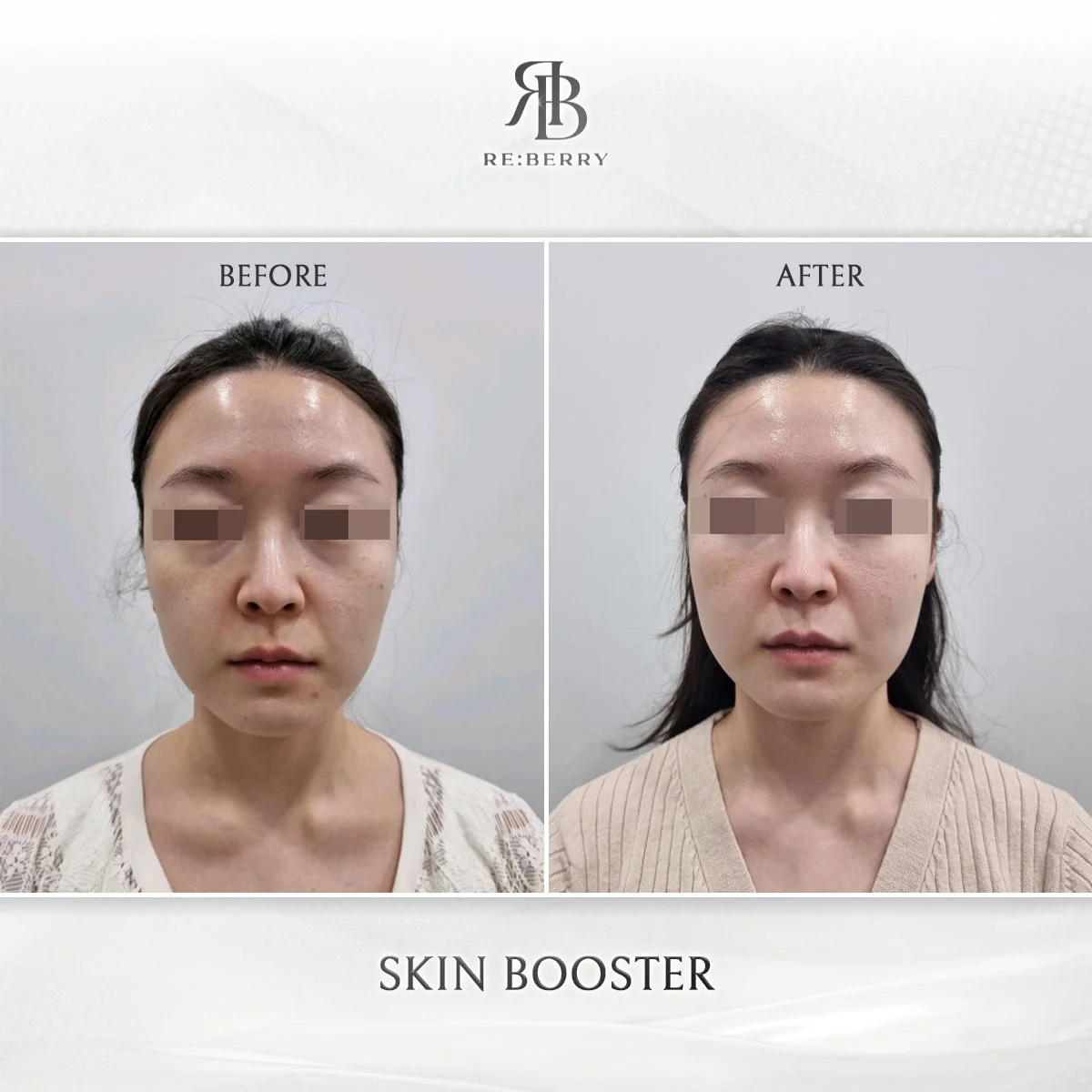
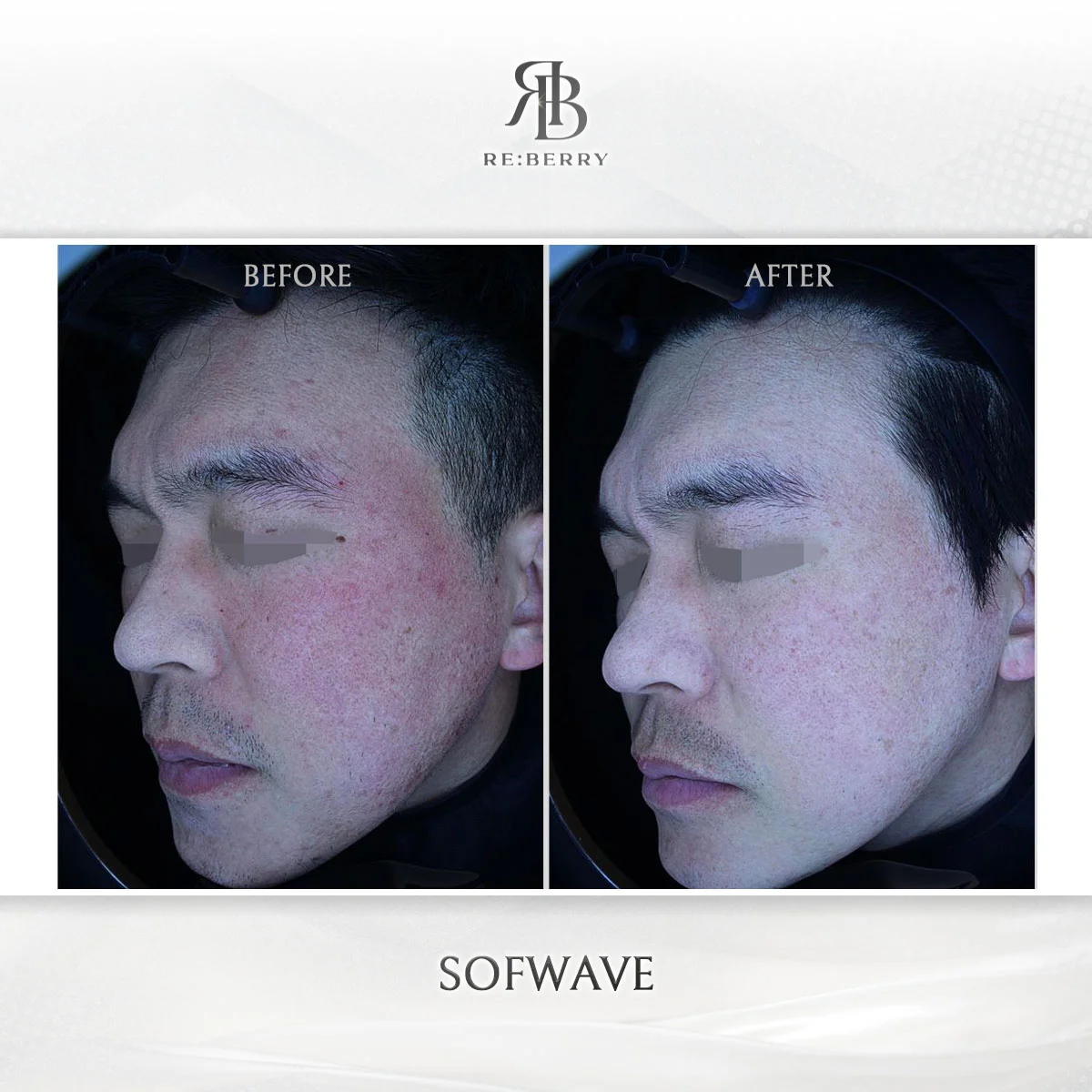
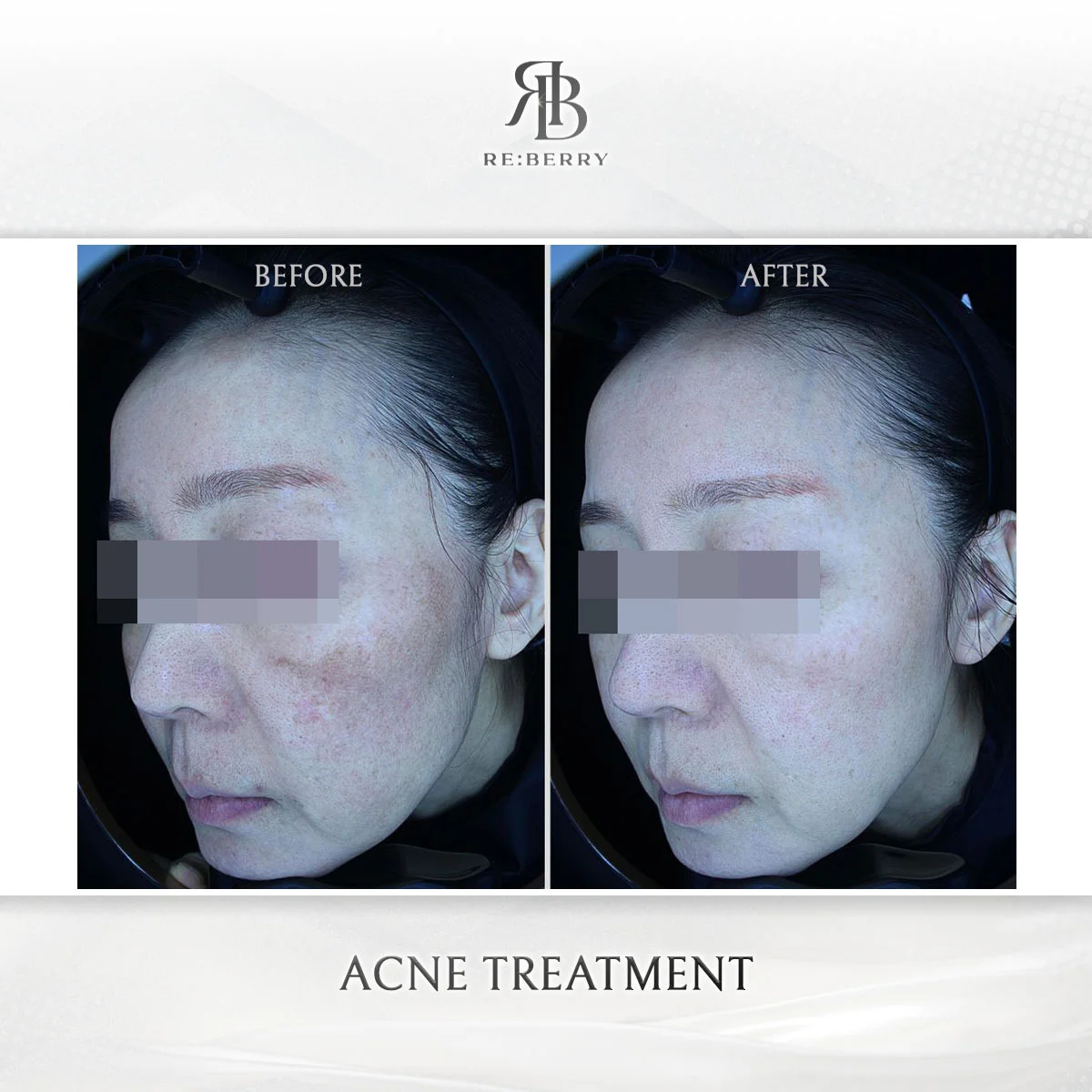
Melasma Laser Treatment Before and After
Actual patient results from RE:BERRY Gangnam. Melasma requires ongoing management. Individual outcomes vary.
How Melasma Laser Treatment Works at RE:BERRY Gangnam
A phased protocol designed for sustainable melasma clearance — not aggressive one-time treatment that triggers rebound.
Melasma Classification & MASI Scoring
Dr. Yoon-Gon Ryu performs a comprehensive melasma assessment using Wood’s lamp UV fluorescence to classify pigment depth (epidermal, dermal, or mixed-type melasma) and calculates your MASI (Melasma Area and Severity Index) score for objective progress tracking. Dermoscopy identifies vascular components that contribute to melasma recurrence. This 20-minute diagnostic session determines whether laser can effectively remove your specific melasma pattern and which protocol will deliver the best results at RE:BERRY Gangnam.
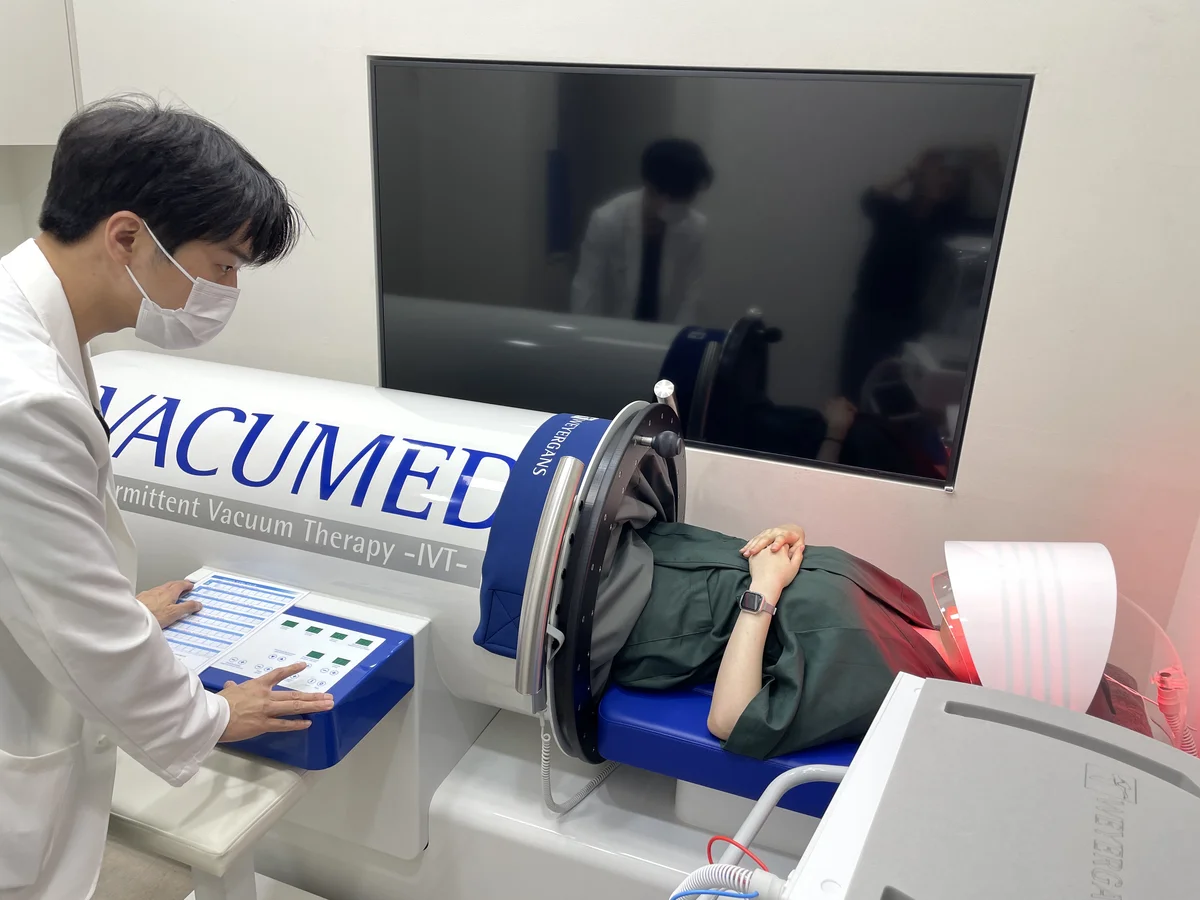
Low-Fluence PicoSure Toning (Phase 1)
PicoSure delivers ultra-low-fluence 755nm picosecond pulses specifically calibrated for melasma — gentler than settings used for standard dark spot laser treatment. The photoacoustic mechanism fragments melanin without generating the thermal energy that triggers melanocyte rebound in melasma patients. Sessions are spaced 2-3 weeks apart during the initial clearance phase (typically 5-8 sessions). This careful, gradual approach is critical because aggressive laser energy is why many patients experience melasma worsening after laser treatment elsewhere.
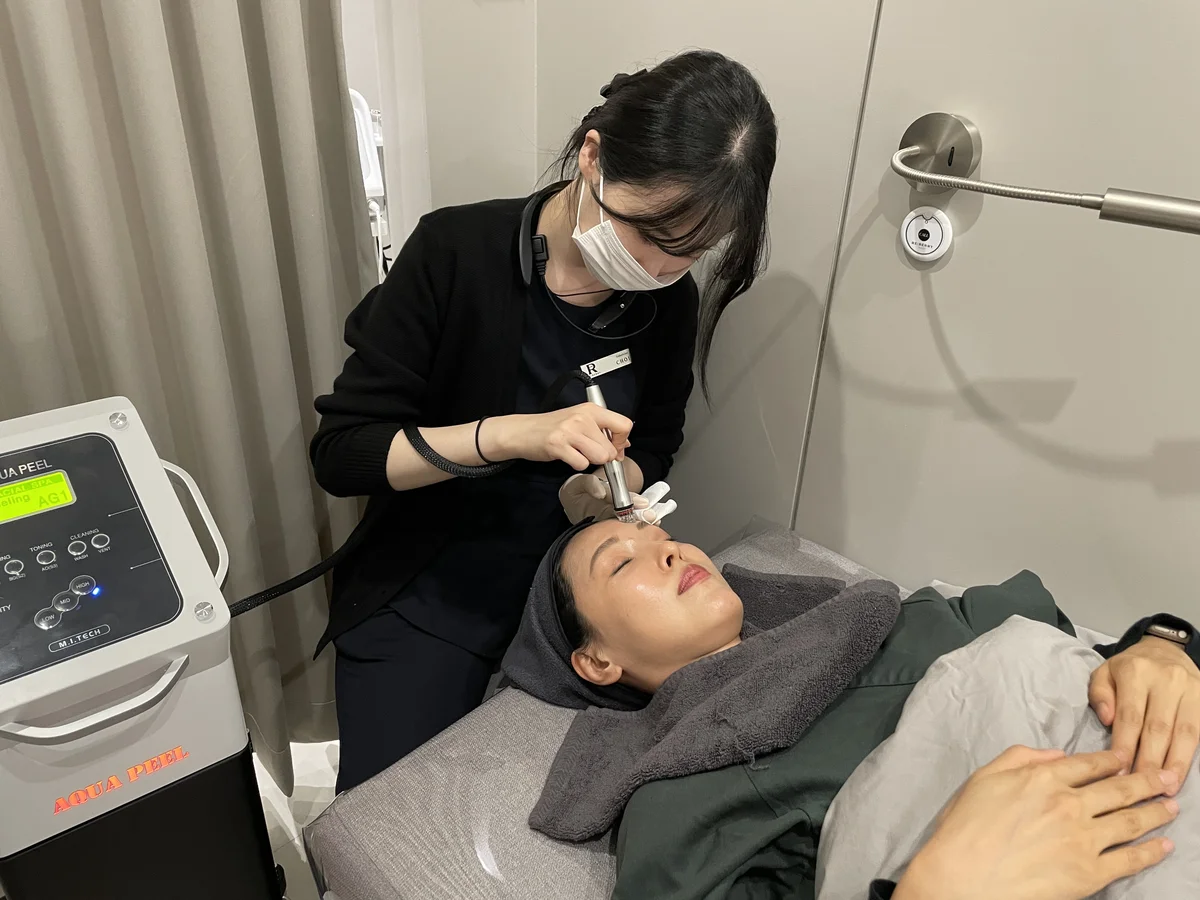
Potenza RF + Exosome for Dermal Component
For mixed and dermal-type melasma, Potenza RF microneedling delivers bipolar radiofrequency energy at 0.5-2.0mm depth to accelerate dermal melanophage clearance and inhibit vascular feeding of melanocytes. Exosome solution containing growth factors and anti-inflammatory cytokines is driven into micro-channels to suppress tyrosinase activity and reduce melanocyte hyperactivity. This dermal intervention is why RE:BERRY Gangnam’s melasma protocol achieves results that surface-only treatments cannot — addressing the question of whether laser can remove melasma permanently by treating all three pathological layers.
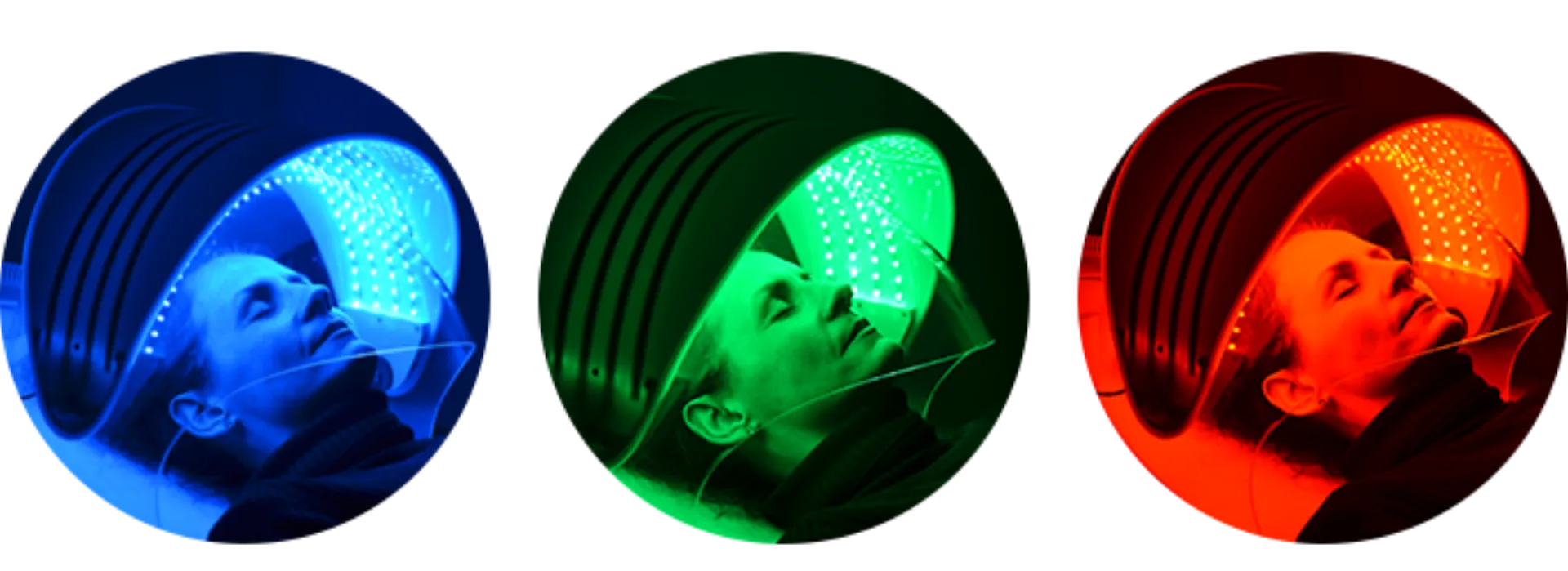
Maintenance Protocol + Sun Protection
After initial clearance (70-90% improvement over 3-4 months), patients transition to quarterly maintenance sessions combining low-fluence PicoSure toning with skin booster treatments to maintain results. Strict SPF 50+ daily application and mineral sunscreen are mandatory — UV exposure is the primary trigger for melasma recurrence. RE:BERRY Gangnam provides a customized aftercare kit with medical-grade sunscreen, recovery cream, and written maintenance guidelines in 8 languages. This structured maintenance approach is the honest answer to whether laser can remove melasma permanently: sustained near-clearance is achievable with commitment.
What to Expect from Melasma Laser Treatment
- Gentle Photoacoustic Melanin Clearance PicoSure’s low-fluence picosecond pulses fragment melasma pigment without thermal damage that triggers rebound — the critical advantage over aggressive Q-switched protocols that worsen melasma in 30% of patients.
- Three-Layer Pathology Targeting Combining PicoSure for epidermal melanin, Potenza RF for dermal melanophages, and exosome therapy for vascular component suppression addresses all three melasma pathologies simultaneously at RE:BERRY Gangnam.
- Objective MASI Score Tracking Every session includes standardized photography and MASI score calculation, providing quantifiable evidence of improvement — typically 40-60% MASI reduction after the initial 5-8 session series.
- Safe for Asian Skin (Fitzpatrick III-V) PicoSure’s photoacoustic mechanism generates 70% less heat than conventional lasers, dramatically reducing PIH risk — the primary concern when asking whether laser can remove melasma permanently on darker skin.
- No Hydroquinone Dependency Unlike topical protocols requiring 4-6 months of hydroquinone with ochronosis risk, laser melasma treatment achieves structural melanin clearance through physical fragmentation without chemical dependency.
- Sustainable Long-Term Management Quarterly maintenance sessions at RE:BERRY Gangnam keep melasma in remission for years, with patients maintaining 80-90% clearance when combined with daily SPF 50+ and lifestyle modifications.
| Timeline | What to Expect |
|---|---|
| Session 1-2 | Subtle improvement in superficial melasma. Epidermal melanin begins fragmenting. Mild pinkness resolves within 12 hours. Strict SPF 50+ begins immediately. |
| Session 3-5 (Week 6-10) | Noticeable melasma fading. MASI score typically decreases 20-40%. Mixed-type melasma shows visible lightening of surface component. Dermal component improvement begins. |
| Session 5-8 (Month 3-4) | Significant clearance achieved. 40-60% MASI reduction typical. Potenza RF sessions added for dermal-type melasma. Skin texture and tone improvement alongside pigment clearance. |
| Month 4-6 | Peak initial clearance. 70-90% visible improvement in well-managed cases. Transition from active treatment phase to maintenance protocol. Photography comparison confirms progress. |
| Month 6-12 (Maintenance) | Quarterly PicoSure touch-up sessions maintain clearance. Minor seasonal fluctuations are normal (summer UV exposure can trigger mild rebound). Consistent SPF prevents recurrence. |
| Year 1+ (Ongoing) | Long-term management achieves sustained near-clearance. Patients report 80-90% maintained improvement with quarterly sessions. Complete permanent removal is rare, but excellent control is standard. |
Melasma Laser Options: Which Treatment Works Best?
| Feature | PicoSure Low-Fluence (RE:BERRY) | Q-Switched Nd:YAG Toning | Fractional CO2 Laser | Hydroquinone 4% Cream |
|---|---|---|---|---|
| Mechanism | Photoacoustic melanin shattering | Photothermal subcellular targeting | Ablative resurfacing | Tyrosinase inhibition |
| Rebound Risk | Very low (5-10%) | Moderate (15-25%) | High (30-40%) | Moderate on cessation |
| PIH Risk (Asian Skin) | Very low | Low-moderate | High | Low |
| Melasma Clearance | 70-90% with maintenance | 50-70% variable | 40-60% but rebound common | 30-50% with daily use |
| Downtime | Under 24 hrs pinkness | 24-48 hrs redness | 5-10 days recovery | None |
| Dermal Melasma | Effective (with RF combo) | Limited | Surface only | Minimal penetration |
| Treatment Duration | 5-8 sessions initial | 8-15 sessions | 3-5 sessions | 4-6 months daily |
| Price at RE:BERRY | From ₩159,000/session | Consultation required | Consultation required | N/A |
Melasma Laser Treatment Prices at RE:BERRY Gangnam
All prices in KRW. Non-covered medical service. Prices valid April-June 2026.
PicoSure Toning (One Day)
- PicoSure 755nm low-fluence toning (full face)
- Wood’s lamp melasma classification
- MASI score baseline assessment
- Free consultation with Dr. Ryu or Dr. Oh
- Post-treatment soothing care
Potenza + Juvelook (or Exosome)
- Potenza RF microneedling (full face)
- Juvelook or Exosome application
- Dermal melanophage targeting
- Free consultation
- Aftercare in 8 languages
Reberry Signature Hydra Glow Package
- Juberry 6cc skin booster
- Resistance-reducing Skin Boitox
- Re2O 1 syringe
- LDM recovery treatment
- Free consultation with Dr. Ryu or Dr. Oh
- Aftercare in 8 languages
LHALA Peel (Add-On)
- LHALA Peel brightening treatment
- Surface melanin exfoliation
- Enhances laser toning results
- No downtime
Meet Your Doctor

Dr. Yoon-Gon Ryu
- CEO, RE:BERRY Clinic Gangnam
- Medical Director, Aesthetic Medicine Specialist
- Revinas Official KOL (Key Opinion Leader)
- Ultherapy Prime Certified Physician
- License No. 131644
Medically reviewed by Dr. Yoon-Gon Ryu, CEO / Medical Director, RE:BERRY
The Science of Whether Laser Can Remove Melasma Permanently
Peer-reviewed evidence on melasma pathophysiology and laser-based management strategies.
Understanding Melasma Pathophysiology
Melasma is fundamentally different from simple hyperpigmentation. Research has established a three-component pathology: (1) hyperactive melanocytes with upregulated tyrosinase and MITF expression in the epidermis; (2) melanin incontinence resulting in dermal melanophage accumulation; and (3) increased dermal vascularity with elevated VEGF levels that perpetuate melanocyte stimulation. This vascular component explains why melasma is not merely a pigment problem but a chronic condition with hormonal (estrogen, progesterone), UV, and heat triggers. Understanding this pathophysiology is essential for answering whether laser can remove melasma permanently — the vascular and hormonal drivers mean that even after complete melanin clearance, recurrence remains possible if triggers are not controlled.
Low-Fluence Picosecond Laser for Melasma
Conventional high-fluence laser treatments for melasma have a well-documented rebound rate of 30-40% due to excessive thermal stimulation of melanocytes and post-inflammatory melanogenesis. Picosecond lasers address this fundamental limitation through photoacoustic rather than photothermal mechanisms — generating mechanical shockwaves that fragment melanin at significantly lower temperatures than nanosecond devices. Lee et al. (2016) demonstrated that low-fluence 755nm picosecond laser achieved statistically significant melasma improvement measured by modified MASI scores, with minimal adverse effects in Korean patients (Fitzpatrick III-IV). The key insight supporting picosecond technology for melasma is that gentle, repeated sub-threshold energy delivery achieves cumulative melanin clearance without triggering the melanocyte hyperactivation that causes rebound.
Combination Therapy: Laser + RF + Topical
Emerging evidence supports multi-modal melasma management combining laser, radiofrequency, and adjunctive therapies for superior outcomes compared to laser alone. Radiofrequency microneedling contributes by reducing dermal vascularity through controlled thermal coagulation of superficial dermal vessels, addressing the vascular feeding mechanism that sustains melanocyte hyperactivity. Exosome-delivered growth factors and anti-inflammatory cytokines further suppress the inflammatory signaling cascade that drives melanin overproduction. This multi-target approach at RE:BERRY Gangnam answers the question of whether laser can remove melasma permanently with nuance: while complete permanent cure remains elusive, sustained 70-90% clearance with minimal maintenance represents a practical near-permanence that satisfies most patients.
Clinical Evidence for Melasma Laser Management
Chalermchai et al. (2018) showed that picosecond 755nm laser achieved superior melasma improvement compared to Q-switched 1064nm Nd:YAG in Asian patients, with 87.5% patient satisfaction versus 62.5% for the Q-switched arm. Wu et al. (2021) reported that low-fluence picosecond laser combined with tranexamic acid achieved 68% mean MASI score reduction at 24 weeks with a rebound rate of only 8% — significantly lower than the 25-40% rebound rate seen with aggressive Q-switched protocols. Rodrigues and Pandya (2015) established the current understanding that melasma requires multi-modal management targeting melanin, vascularity, and melanocyte activity simultaneously, supporting the combination protocols used at RE:BERRY Gangnam.
Chalermchai T et al. Picosecond Nd:YAG laser for the treatment of dermal melanocytosis in Asians. Lasers Med Sci. 2018;33(6):1267-1272. doi:10.1007/s10103-018-2477-5
Rodrigues M, Pandya AG. Melasma: clinical diagnosis and management options. Australas J Dermatol. 2015;56(3):151-163. doi:10.1111/ajd.12290
Wu DC et al. Picosecond laser treatment for pigmentary disorders: a review. J Clin Aesthet Dermatol. 2021;14(4):46-51. doi:10.25251/skin.5.supp.abstract.48
What Our Patients Say About Melasma Laser Treatment
“I spent two years asking dermatologists whether laser can remove melasma permanently. Every one said no. Dr. Ryu at RE:BERRY Gangnam gave me the first honest answer — it cannot be cured, but it can be managed. After 7 PicoSure sessions, my MASI score dropped from 18 to 4. I do quarterly touch-ups and my skin looks clearer than it has in a decade.”
“A clinic in Bangkok used aggressive Q-switched laser on my melasma and it came back darker. At RE:BERRY, the low-fluence approach was completely different — no rebound, gradual fading over 3 months. The price was also much better than clinics in Thailand for this level of equipment.”
“I flew from Dubai specifically for melasma treatment at RE:BERRY Gangnam. The combination of PicoSure toning and Potenza RF cleared about 85% of my melasma in 4 months. Worth every won. The Farsi-speaking coordinator was an unexpected bonus.”
Frequently Asked Questions: Can Laser Remove Melasma Permanently?
Expert answers from RE:BERRY Gangnam’s melasma treatment specialists.
No laser can permanently cure melasma because it is a chronic condition with hormonal and UV triggers. However, PicoSure low-fluence toning at RE:BERRY Gangnam achieves 70-90% sustained clearance with quarterly maintenance sessions. Patients maintain near-clear skin for years when combining laser treatment with daily SPF 50+ protection.
₩159,000 per PicoSure toning session and ₩490,000 for Potenza + Juvelook combination at RE:BERRY Gangnam. The Reberry Signature Hydra Glow Package is ₩1,290,000. A typical 5-8 session initial clearance series costs ₩795,000-₩1,272,000 for PicoSure alone. All prices valid April-June 2026.
3 biological factors drive melasma recurrence: (1) hyperactive melanocytes are never fully deactivated — they retain the capacity to overproduce melanin; (2) UV exposure triggers melanogenesis within hours; (3) hormonal fluctuations (estrogen, progesterone) reactivate melanocyte signaling. This is why laser cannot remove melasma permanently but can manage it effectively.
5-8 PicoSure sessions spaced 2-3 weeks apart achieve 70-90% initial clearance at RE:BERRY Gangnam. Dermal-type melasma may require additional Potenza RF sessions. After initial clearance, quarterly maintenance sessions (₩159,000 each) sustain results. Dr. Yoon-Gon Ryu customizes session plans based on MASI score severity.
87.5% patient satisfaction with PicoSure versus 62.5% with Q-switched Nd:YAG in clinical trials on Asian patients (Chalermchai, 2018). PicoSure’s photoacoustic mechanism has a 5-10% rebound rate versus 25-40% for aggressive Q-switched protocols. At RE:BERRY Gangnam, Pico laser technology is the primary choice for melasma management.
30-40% rebound rate occurs with high-fluence aggressive laser settings. This is why RE:BERRY Gangnam uses exclusively low-fluence PicoSure protocols for melasma — the photoacoustic mechanism generates 70% less thermal energy than conventional lasers, reducing rebound risk to 5-10%. Never accept high-fluence treatment for melasma.
Epidermal melasma shows the fastest response (60-80% clearance in 3-5 sessions). Mixed-type melasma requires 5-8 sessions with combined PicoSure + Potenza RF microneedling. Dermal-type melasma is the most resistant but still achieves 50-70% improvement with extended protocols. Wood’s lamp classification at RE:BERRY Gangnam determines your type.
Yes, 68% of international patients combine melasma laser with Thermage FLX (₩1,990,000) or Sofwave lifting during their visit to RE:BERRY Gangnam. Dr. Ryu recommends spacing melasma laser and lifting treatments 1-2 weeks apart. Hydrafacial (₩250,000) can be done same-day before melasma toning.
Same day after PicoSure melasma toning at RE:BERRY Gangnam. Only mild pinkness lasting 4-12 hours occurs. The clinic provides a travel-friendly aftercare kit with SPF 50+ sunscreen, recovery cream, and written maintenance instructions in 8 languages. Apply sunscreen before boarding your flight.
SPF 50+ daily application reduces melasma recurrence by 60-80% after laser treatment. UV exposure reactivates melanocytes within hours. RE:BERRY Gangnam recommends mineral sunscreen (zinc oxide/titanium dioxide) reapplied every 2 hours outdoors. This single habit is the most important factor in maintaining laser results.
Laser treatments are deferred during pregnancy and breastfeeding at RE:BERRY Gangnam. Hormonal changes during pregnancy can trigger or worsen melasma. Dr. Ryu recommends waiting 3+ months post-breastfeeding before starting melasma laser treatment to avoid treating actively fluctuating hormonal pigmentation.
15-20% of melasma patients are male. Men develop melasma from UV exposure, genetic predisposition, and certain medications. Male melasma typically responds well to laser because the hormonal component is less variable. At RE:BERRY Gangnam, male patients follow the same PicoSure + Potenza protocol with equivalent clearance rates.
MASI (Melasma Area and Severity Index) scores melasma from 0-48 based on area, darkness, and homogeneity across facial zones. RE:BERRY Gangnam calculates MASI at every session for objective progress tracking. Typical results: MASI drops from 15-20 to 3-5 after initial treatment series, providing measurable proof that laser can effectively manage melasma.
70-90% clearance with PicoSure laser in 3-4 months versus 30-50% with hydroquinone in 4-6 months. Hydroquinone carries ochronosis risk with prolonged use and melasma recurs immediately upon discontinuation. Laser achieves structural melanin fragmentation rather than chemical suppression. At RE:BERRY Gangnam, melasma treatment protocols are designed for lasting results without chemical dependency.
40-60% cost savings compared to US, UK, and Singapore. Korea has the highest concentration of picosecond laser devices per capita globally. Korean dermatologic research leads the world in Asian skin pigmentary disorders. RE:BERRY Gangnam uses latest-generation PicoSure toning and Potenza devices typically 6-12 months before global availability.
250mg oral tranexamic acid twice daily reduces melasma recurrence by 30-40% when combined with laser treatment (Wu et al., 2021). This adjunctive therapy inhibits plasminogen activation in melanocytes. Dr. Yoon-Gon Ryu may recommend tranexamic acid supplementation as part of your comprehensive melasma management plan at RE:BERRY Gangnam.
5 primary triggers: (1) UV exposure without SPF (the most common); (2) hormonal changes (oral contraceptives, pregnancy, HRT); (3) heat exposure (saunas, hot yoga, cooking); (4) visible light from screens (blue light); (5) stress and sleep deprivation. Managing these triggers alongside quarterly maintenance sessions maximizes sustained clearance.
Yes. International melasma patients receive virtual follow-up consultations via WhatsApp, LINE, or KakaoTalk after returning home. Progress photo reviews are conducted at 1-month intervals. This remote monitoring helps determine when to schedule return visits for quarterly maintenance sessions at RE:BERRY Gangnam.
Potenza RF microneedling at RE:BERRY Gangnam addresses the vascular component by coagulating superficial dermal vessels that feed melanocyte hyperactivity. This is why combination protocols outperform laser-only approaches — treating melanin without addressing vascularity is incomplete. The vascular targeting is a key reason our protocol achieves 70-90% clearance.
3 key differentiators: (1) low-fluence-only PicoSure policy for melasma — never aggressive settings that trigger rebound; (2) MASI score tracking at every session for objective measurement; (3) three-layer targeting (epidermal melanin + dermal melanophages + vascular component) versus single-device surface-only treatment at most clinics.
1 session provides 15-25% visible improvement for epidermal melasma. While not sufficient for maximum clearance, a single PicoSure toning session (₩159,000) at RE:BERRY Gangnam initiates melanin fragmentation that continues for 2-3 weeks after treatment. Many tourists schedule 1 session per Seoul visit, achieving cumulative results over multiple trips.
Yes. RE:BERRY Gangnam offers same-day or next-day melasma laser appointments with 8-language support. The clinic is open 365 days including holidays, 10 AM – 8 PM, 2 minutes from Gangnam Station Exit 10. Walk-ins accepted but pre-booking recommended for guaranteed time slots.
2-3 on a 10-point pain scale for low-fluence PicoSure melasma toning — less painful than standard dark spot laser because lower energy settings are used. Topical numbing cream is applied for 20-30 minutes before treatment. Most patients describe the sensation as mild tingling rather than pain.
₩240,000 for Rejuran 2cc at RE:BERRY Gangnam. Rejuran Healer accelerates post-laser epidermal repair through PDRN-mediated tissue regeneration, reducing inflammation and PIH risk. When used 1-2 weeks after PicoSure toning, Rejuran enhances overall melasma treatment outcomes by supporting healthier skin barrier function.
No. Melasma laser treatment is classified as a non-covered medical service in Korea. All prices at RE:BERRY Gangnam are self-pay. However, Korean pricing is 40-60% lower than comparable treatments in the US, UK, Australia, and Singapore, making Seoul the most cost-effective destination for melasma management.
Patients aged 25-65 most commonly seek melasma laser treatment at RE:BERRY Gangnam. Melasma typically first appears in the late 20s-30s. Earlier treatment (before years of UV-driven dermal melanin accumulation) yields faster and more complete clearance. No upper age limit — PicoSure is equally effective regardless of patient age.
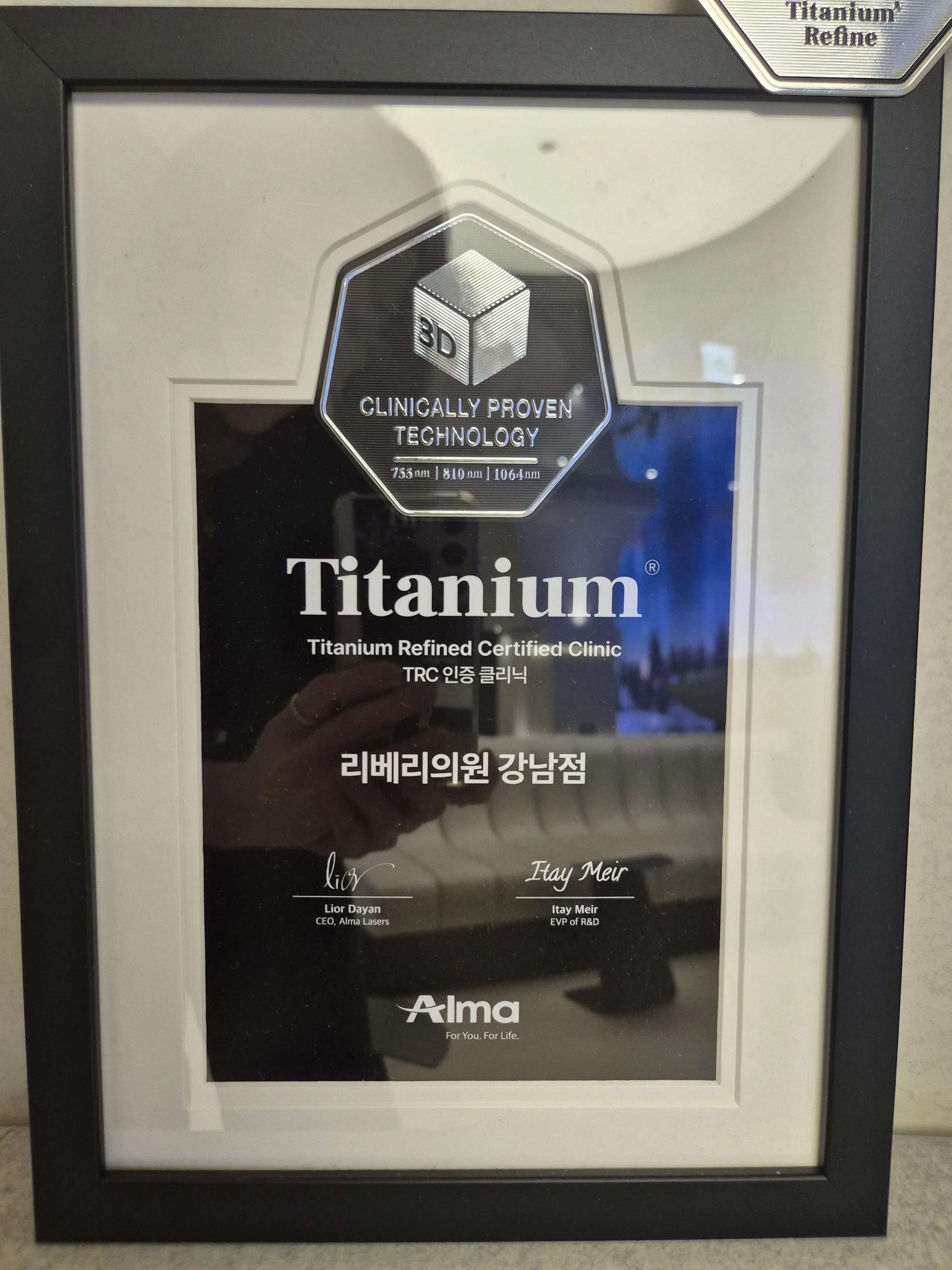
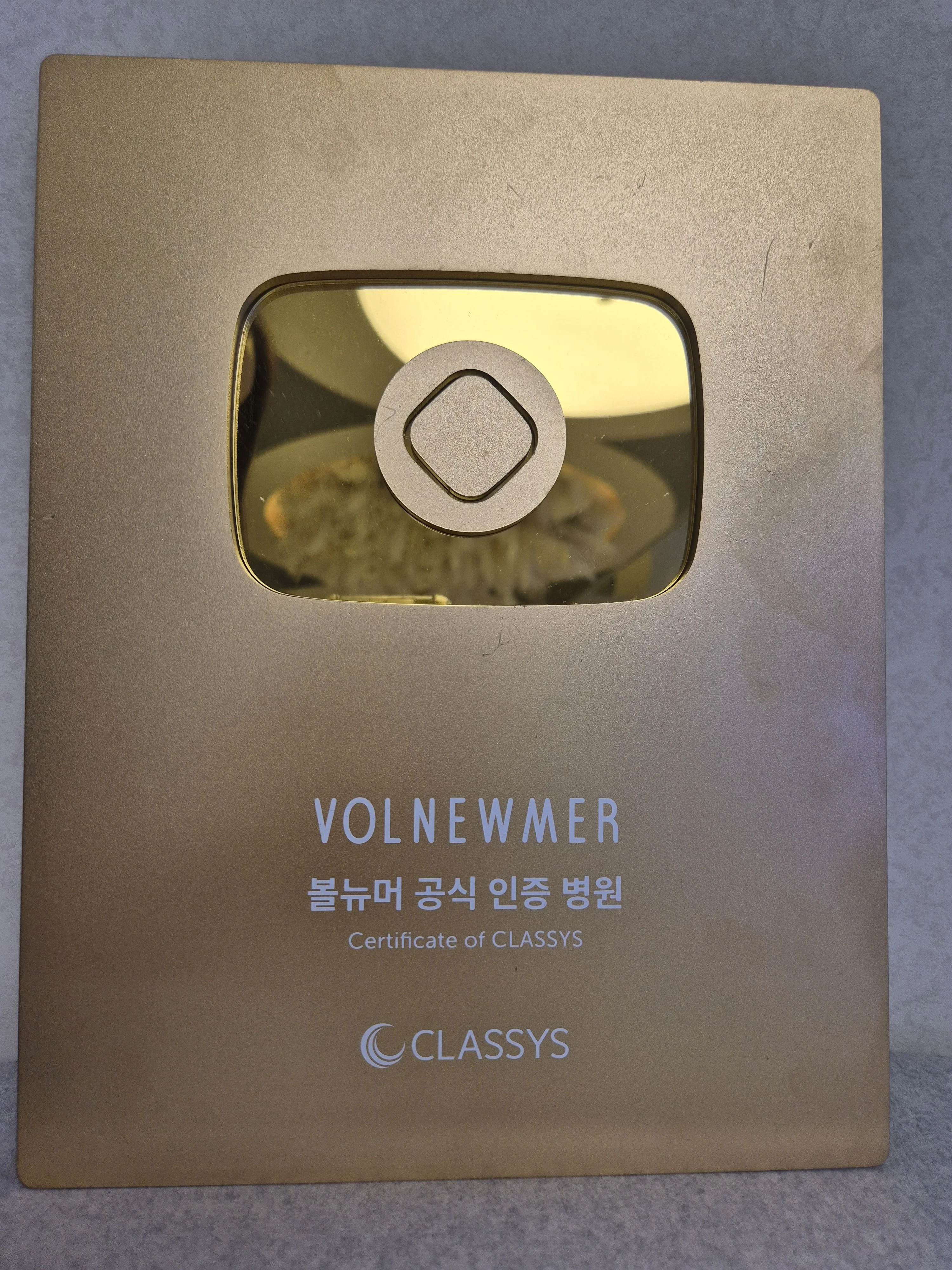
Only Authentic, Brand-Certified Equipment
Every device at RE:BERRY is MFDS-certified and manufacturer-verified. We never use counterfeit or grey-market equipment.
Start Your Melasma Management Journey at RE:BERRY Gangnam
Book your melasma laser consultation with Dr. Yoon-Gon Ryu or Dr. Yejin Oh at RE:BERRY Gangnam — 2 minutes from Gangnam Station Exit 10. Honest assessment, MASI scoring, and personalized protocols. PicoSure toning from ₩159,000.
Book Your Melasma Laser Consultation
Fill out the form and our multilingual team will confirm within 2 hours via your preferred contact method.
- ✓ Free consultation with Dr. Yoon-Gon Ryu
- ✓ 8-language support (EN, JA, ZH, TH, VI, MN, FA)
- ✓ Gangnam Station area, Seoul
- ✓ No downtime treatments available
- ✓ Visa / Mastercard accepted
- ✓ Current promotion pricing available