What Korean Dermatologists Do That Western Doctors Don’t
What Korean Dermatologists Do That Western Doctors Don't
A Different Philosophy of Skin
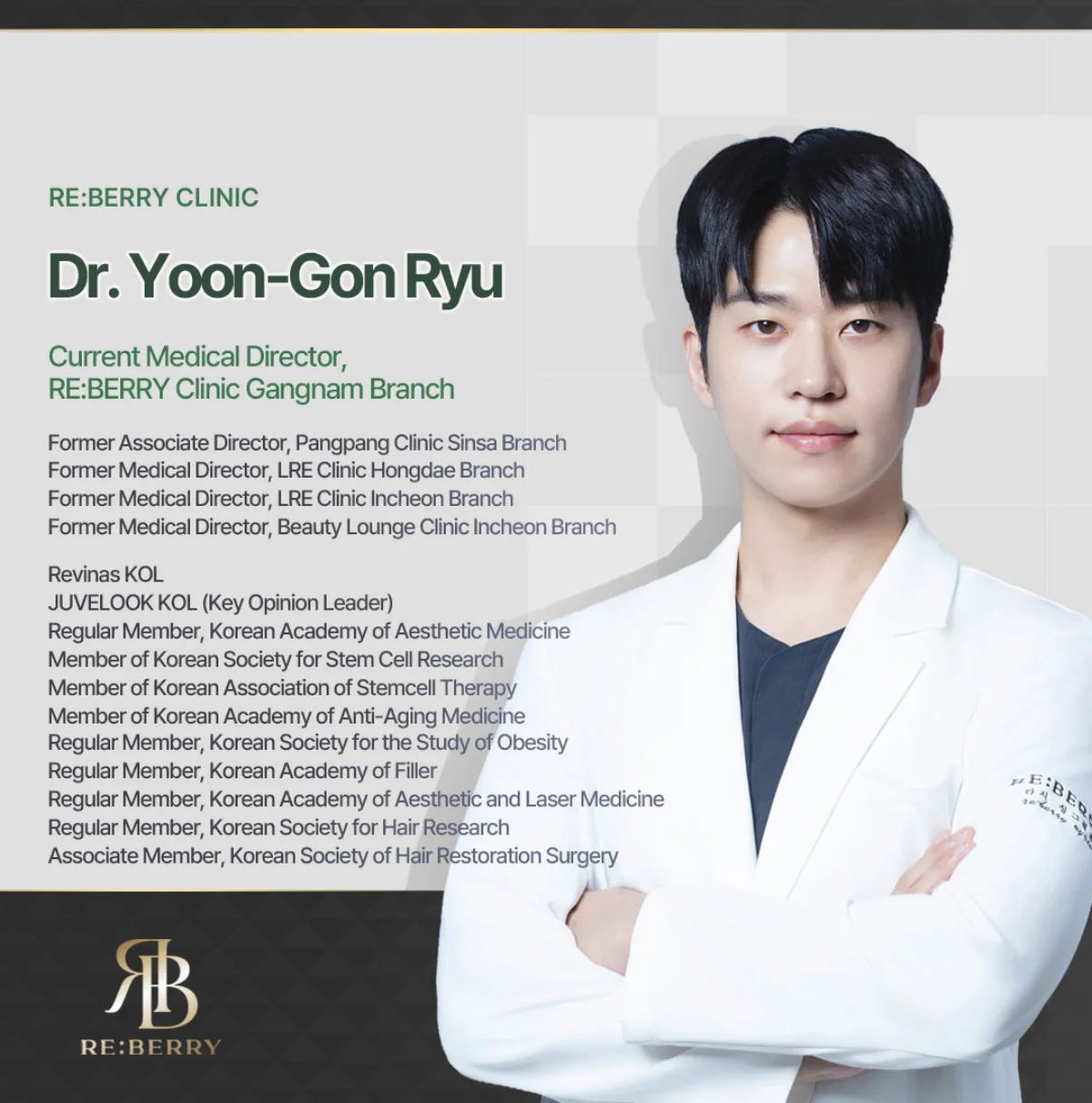
I trained in Korea and have spent years collaborating with colleagues in the United States, Australia, and Europe. The differences between how Korean physicians approach skin care and how Western doctors approach it are not just cultural quirks. They represent fundamentally different medical philosophies that produce meaningfully different outcomes for patients.
This is not about one being better than the other in every situation. It is about understanding that Korean aesthetic medicine operates on a different framework, one that many international patients find surprisingly effective once they experience it firsthand.
1. Prevention Over Correction
In the United States and Europe, most patients visit a dermatologist for the first time when something is already wrong: acne that will not clear up, wrinkles that bother them, sun damage that has become visible. The entire system is built around treating existing problems.
Korean aesthetic medicine starts from the opposite direction. The majority of our patients begin regular skin maintenance in their 20s, well before visible aging begins. A typical 27-year-old Korean woman might already be getting quarterly skin booster injections, annual laser toning sessions, and preventive Botox for expression lines that have not yet become permanent.
This is not vanity. It is a clinical strategy. Collagen loss begins around age 25 and accelerates after 30. Stimulating collagen production early, before significant degradation occurs, produces dramatically better long-term results than trying to rebuild it later. It is the difference between maintaining a house and rebuilding one.
2. Combination Protocols: The Korean Cocktail Approach
This is perhaps the single biggest difference, and the one that surprises Western patients the most.
A typical anti-aging consultation in the West goes like this: the doctor identifies one primary concern (say, skin laxity), recommends one treatment (say, Ultherapy), you get that treatment, and you come back in 6-12 months for a follow-up or a different treatment.
In Korea, that same consultation would produce a multi-treatment protocol performed in a single session or over 2-3 days. For skin laxity, a Korean physician might combine:
- Ultherapy for deep SMAS-layer lifting
- Sofwave for mid-dermis tightening
- Revinas for superficial skin firming
- LDM (Low-frequency Dermis Modulator) for inflammation reduction and recovery
- A skin booster like Rejuran or Re2O for hydration and collagen stimulation
This combination approach targets multiple layers of the skin simultaneously. Each modality has a different mechanism of action, and together they produce synergistic results that exceed what any single treatment can achieve.
At RE:BERRY, our Signature Lifting Package (₩5,990,000) combines five different modalities in one comprehensive protocol. In the US, getting these same treatments from different providers across multiple visits would cost $15,000-20,000 and take 6-12 months to complete.
Why Don’t Western Doctors Do This?
Several reasons. Western medical culture tends to favor conservative, single-variable approaches where you can clearly attribute results to one intervention. Insurance-based healthcare systems incentivize fewer, billable procedures per visit. And frankly, many Western practitioners have less experience combining devices because their patient volume for each individual device is lower.
Korean doctors perform so many procedures that they develop intuitive expertise about which combinations work, which are redundant, and which can be safely performed together. A busy Gangnam clinic might perform 50-100 energy-based treatments per day, compared to 5-10 in a typical US dermatology practice.
3. Skin Boosters: A Category That Barely Exists in the West
Ask an American dermatologist about skin boosters and you will likely get a blank stare or a mention of Skinvive (Juvederm’s hyaluronic acid skin quality product, approved by the FDA in 2023). That is essentially where the Western market stands.
In Korea, skin boosters are an entire category with dozens of products, each targeting different concerns:
- Rejuran (PDRN): Salmon DNA-derived polynucleotides that stimulate skin regeneration. Available in multiple formulations (standard, HB+ for hydration, S for scars, I for eye area). ₩240,000 for 2cc at RE:BERRY.
- Juvelook (PLA-based): Poly-lactic acid microspheres that stimulate collagen over 2-3 months. ₩340,000 for 4cc.
- Re2O: A newer regenerative booster. ₩750,000 for 6cc.
- Skinvive (HA-based): Pure hyaluronic acid for hydration. ₩670,000 for 2cc.
- Laetigen: Another advanced skin quality product. ₩650,000 for 2cc.
Korean physicians use these as foundational treatments, the equivalent of a good daily moisturizer but working from inside the dermis rather than on the surface. Most Western patients who try skin boosters for the first time in Korea describe it as the single most impactful treatment they have ever received.
4. The Consultation: 10 Minutes vs. 60 Seconds
I have heard this complaint from international patients so many times that it deserves its own section. In the US and UK, a dermatology consultation typically lasts 7-15 minutes, much of which is spent on paperwork and billing discussions. The actual face-to-face clinical assessment might be 3-5 minutes.
Korean aesthetic consultations are different. A first visit at RE:BERRY includes:
- Detailed skin analysis using digital imaging and dermatoscopy (10-15 minutes)
- Doctor consultation discussing goals, medical history, and treatment options (15-20 minutes)
- Customized treatment plan with written recommendations and pricing (5-10 minutes)
- Coordinator follow-up to answer questions and schedule treatments (10 minutes)
Total: 40-55 minutes. This comprehensive approach means the doctor has a complete picture before making any treatment recommendations.
5. Frequency of Visits: Monthly Maintenance vs. Annual Fixes
Western dermatology follows a “big event” model. You save up, get a major treatment (a full-face Thermage, a round of fillers), and then wait 12-18 months before your next intervention.
Korean aesthetic medicine follows a “regular maintenance” model. Rather than one large treatment per year, patients visit monthly or bi-monthly for lighter treatments that maintain ongoing results:
- Monthly: Laser toning, skin boosters, LED therapy
- Quarterly: Potenza RF microneedling, deeper peels, Botox touch-ups
- Annually: Major energy-based treatments (Ultherapy, Thermage, Sofwave)
This maintenance approach produces more consistent, natural-looking results and avoids the dramatic “just had work done” look that can occur with infrequent, aggressive treatments.
6. Technology Adoption: 6-12 Months Ahead
Korea is almost always the first market for new aesthetic devices outside of the country of origin. The combination of a large, sophisticated patient population, streamlined MFDS approval processes, and fierce competition between clinics means that new technology reaches Korean patients faster than anywhere else.
When Sofwave was gaining traction in the US in 2023-2024, Korean clinics had already been using it for over a year and had developed refined protocols for combining it with other devices. The same pattern plays out repeatedly: Korea is the testing ground where new technologies are refined through massive clinical experience before becoming mainstream elsewhere.
7. Aftercare: It Does Not End When You Leave the Clinic
Western dermatology aftercare typically consists of a printed instruction sheet and a follow-up appointment in 2-4 weeks. Korean clinics take a more hands-on approach:
- Same-day recovery treatments: LDM, LED therapy, calming masks applied immediately after procedures
- 48-72 hour check-in: Phone or KakaoTalk message from your coordinator asking about swelling, redness, or concerns
- Custom aftercare products: Prescribed skincare regimen specific to your treatments
- 7-day follow-up: In-person or photo-based review of results
For international patients who will not be in Seoul for a follow-up, we provide detailed WhatsApp-based aftercare support. You can send photos of your skin post-treatment and receive guidance from the medical team for up to 30 days after your visit.
8. Pricing Transparency
This one is a mixed bag. Korean clinics are generally more transparent about pricing than American practices, where you often cannot learn the cost of a procedure without booking a consultation. Many Korean clinics publish prices online or provide them upon request.
However, the Korean market also has more variable pricing. Because competition is intense, many clinics offer promotional pricing, first-visit discounts, and package deals that change monthly. At RE:BERRY, we maintain stable base pricing with clearly communicated monthly promotions. Our current Botox pricing starts at ₩19,000 per area. Fillers start at ₩450,000 for Juvederm 1cc.
9. The Role of Technology in Diagnosis
Korean clinics invest heavily in diagnostic technology. Tools like VISIA skin analysis cameras, high-resolution dermoscopes, and 3D facial mapping software are standard equipment in most Gangnam clinics. These are not gimmicks. They provide objective baseline measurements that help track treatment progress and identify concerns that are not yet visible to the naked eye.
In the West, these tools exist but are far less commonly used in everyday practice. Many US dermatologists rely primarily on visual assessment, which is adequate for most diagnoses but misses subclinical issues that Korean physicians routinely catch and address early.
10. Aesthetic Philosophy: Natural Enhancement vs. Transformation
There is a persistent stereotype that Korean aesthetic medicine is about dramatic transformation. While Korea is indeed the world leader in surgical rhinoplasty and blepharoplasty, the non-surgical aesthetic market is actually quite conservative in its goals.
The Korean aesthetic ideal emphasizes:
- Skin quality over features: Glowing, even-toned, bouncy skin is valued more than changing facial proportions
- Gradual improvement: Results that look natural because they accumulate over time through regular treatments
- Youthful skin, not a youthful face: The goal is healthy skin that happens to look younger, not age-defying facial architecture
This philosophy is why treatments like glass skin laser toning are so popular. The goal is luminous, healthy-looking skin rather than a dramatically altered appearance.
What This Means for International Patients
If you are visiting Korea for skin treatments, you are stepping into a medical culture that takes a more proactive, technology-forward, and combination-oriented approach than what you are likely used to at home. Here is how to make the most of it:
- Be open to combination protocols. When your Korean doctor recommends three treatments where you expected one, they are not upselling you. They are applying a synergistic approach that produces better results.
- Ask about skin boosters. These are often the most impactful treatments for first-time visitors, with minimal downtime and immediately noticeable results.
- Consider a maintenance plan. If you visit Seoul regularly (even annually), your doctor can design a progressive treatment plan that builds results over time.
- Take advantage of comprehensive consultations. Use the longer consultation time to ask detailed questions about your skin concerns, treatment options, and expected results.
Ready to experience the difference? Book a consultation with our Gangnam team and see what a comprehensive Korean aesthetic approach can do for your skin.
Frequently Asked Questions
Ready to Experience Korean Skin Care?
Book a free consultation with our multilingual team at RE:BERRY Gangnam.
Book Consultation