Glass Skin Laser vs Chemical Peel in Korea at RE:BERRY Gangnam
The Korean glass skin trend demands translucent, poreless, dewy skin — but achieving it requires choosing the right approach between laser treatments and chemical peels. RE:BERRY Gangnam offers both glass skin laser protocols (Pico toning, Genesis, Potenza RF) and clinical-grade chemical peels (LHALA Peel from ₩77,000) to match your skin type, downtime tolerance, and glass skin goals. Glass skin laser vs chemical peel consultations available 365 days, 2 minutes from Gangnam Station Exit 10.
Glass Skin Laser vs Chemical Peel: Which Is Better in Korea?
Glass skin laser treatments deliver 40-60% deeper skin remodeling than chemical peels with longer-lasting translucency, while chemical peels like LHALA Peel at ₩77,000 offer an affordable entry point for surface-level glow at RE:BERRY Gangnam — most patients achieve optimal Korean glass skin by combining both approaches.
The glass skin laser vs chemical peel decision depends on your starting skin condition, budget, and how much downtime you can afford. At RE:BERRY Gangnam, Aesthetic Medicine Specialist Dr. Yoon-Gon Ryu evaluates your skin using high-magnification dermoscopy and Fitzpatrick typing to recommend the right glass skin protocol. Chemical peels work by dissolving the outermost dead skin layers with controlled acid application, revealing smoother, brighter skin underneath. They are excellent for surface-level dullness, mild texture irregularities, and quick glow before events. Glass skin laser treatments penetrate deeper — Pico laser shatters melanin at the dermal level, Genesis laser stimulates collagen remodeling, and Potenza RF microneedling restructures pore walls from within. For the iconic Korean glass skin — that poreless, translucent, light-reflecting quality — most dermatology professionals in Gangnam recommend a combination approach: chemical peels for regular maintenance and laser treatments for structural improvement. RE:BERRY Gangnam’s Signature Hydra Glow Package (₩1,290,000) combines both modalities with skin boosters for comprehensive glass skin results.
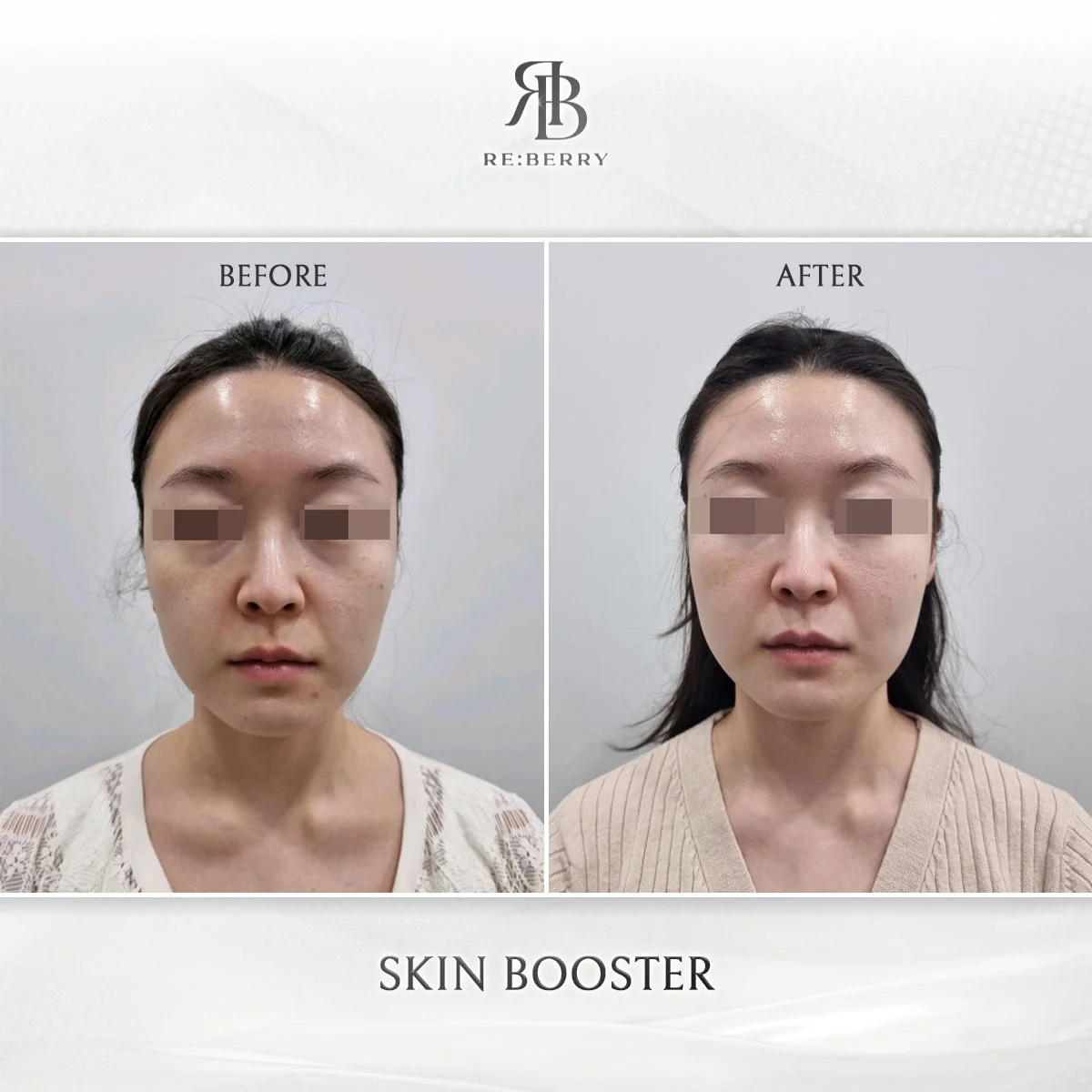
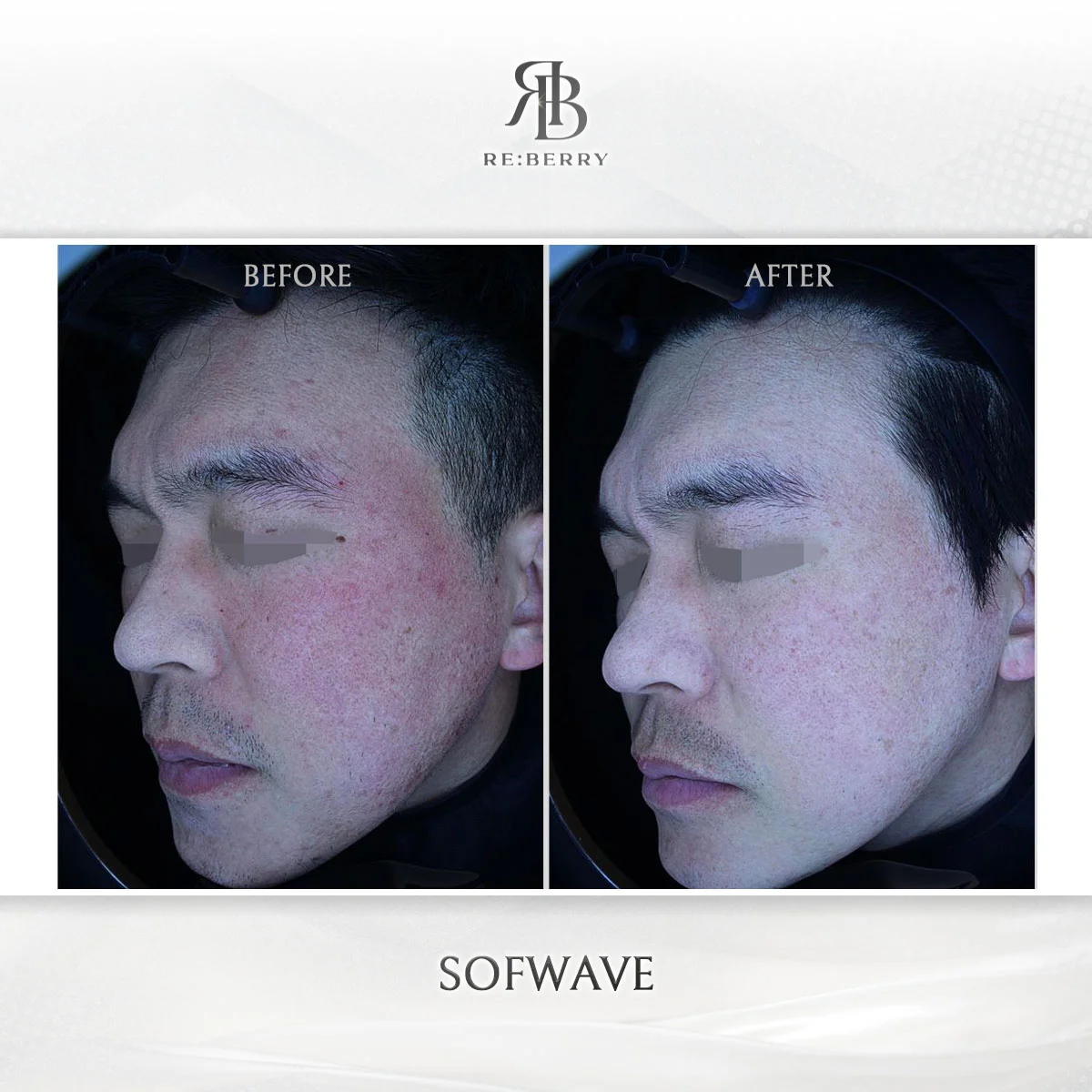
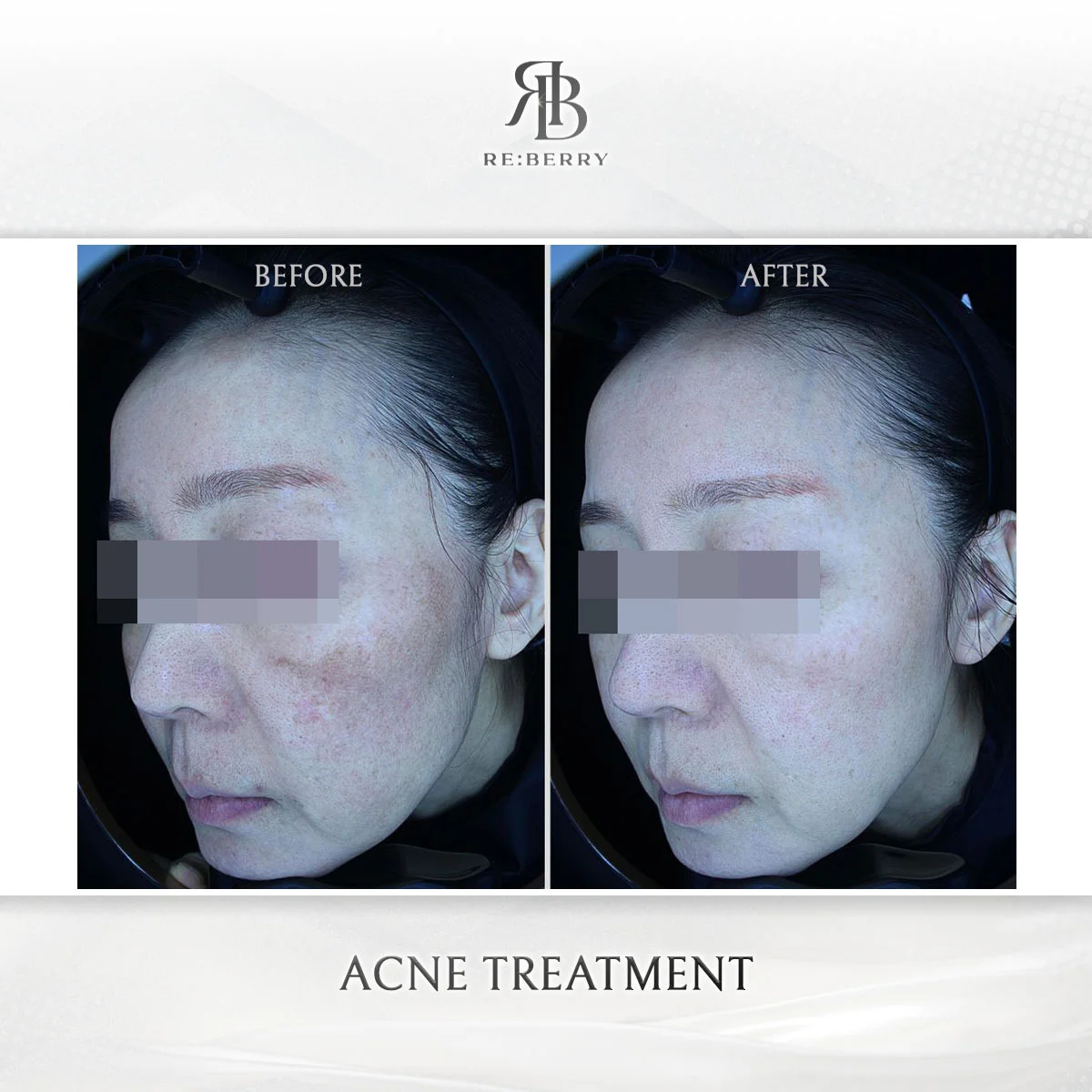
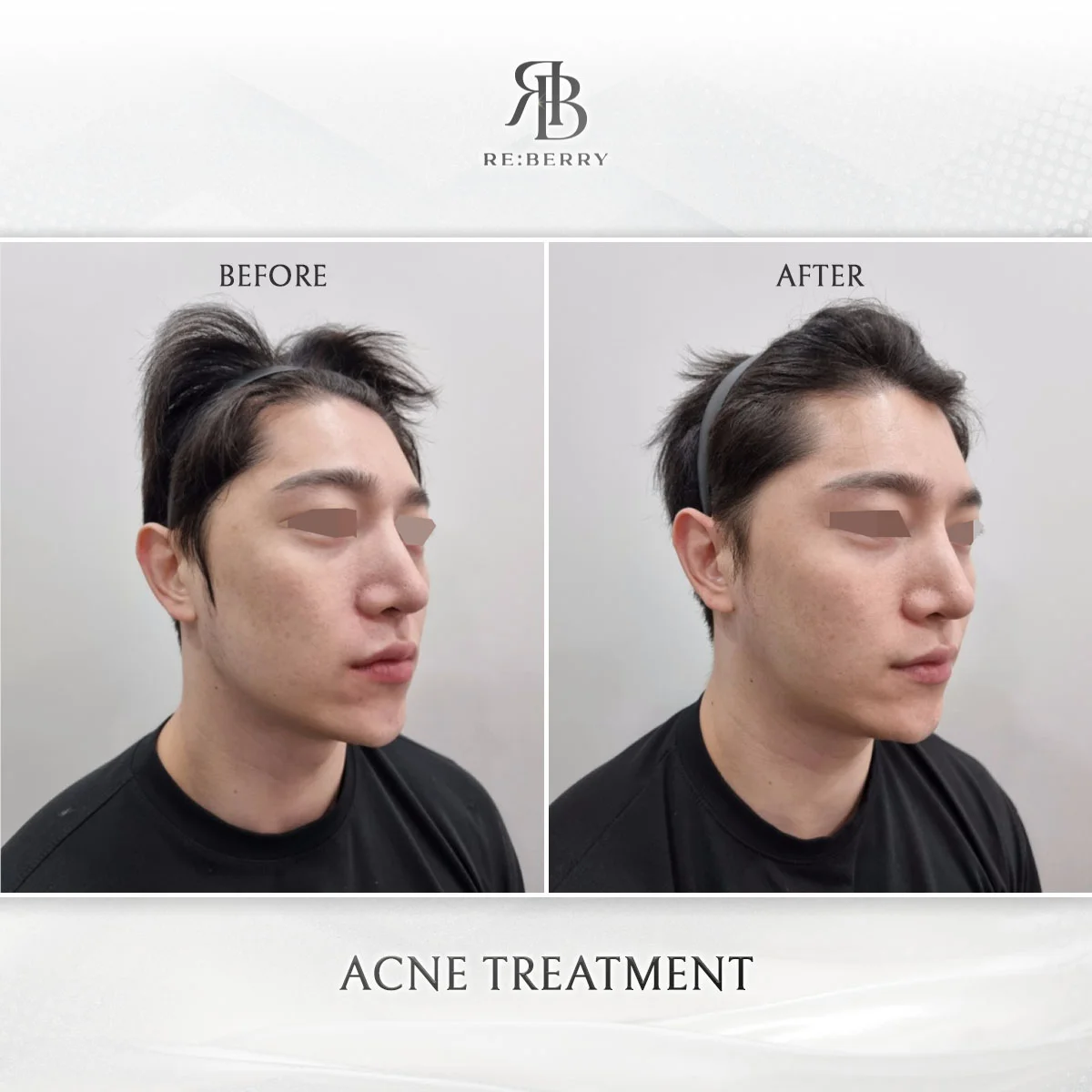
Glass Skin Laser and Chemical Peel Results
Actual patient results from RE:BERRY Gangnam. Individual outcomes may vary.
How Glass Skin Laser vs Chemical Peel Works at RE:BERRY Gangnam
Understanding both approaches helps you choose the right path to Korean glass skin.
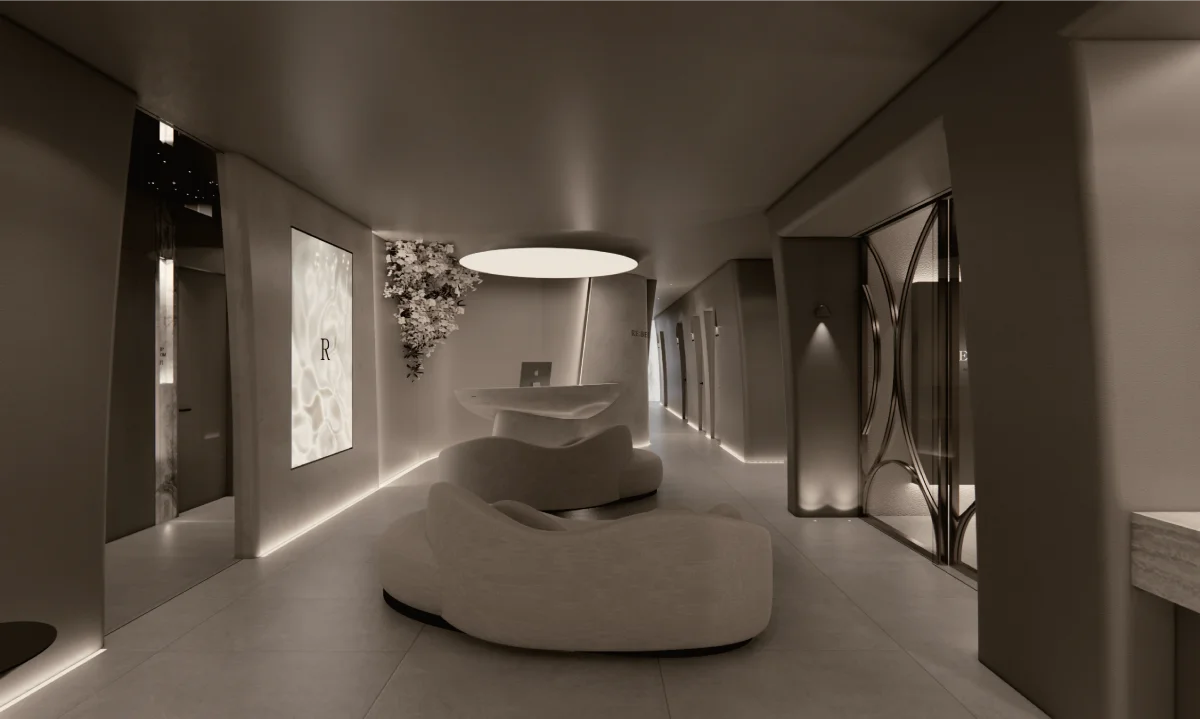
Skin Analysis & Glass Skin Assessment
Dr. Yoon-Gon Ryu performs a comprehensive assessment using dermoscopy, UV imaging, and skin elasticity measurement to evaluate your current condition against glass skin parameters: pore visibility, melanin distribution, surface roughness, and dermal hydration level. Based on findings, he recommends the optimal glass skin laser vs chemical peel protocol. This 15-20 minute consultation is included with every treatment at RE:BERRY Gangnam and is conducted in your preferred language.
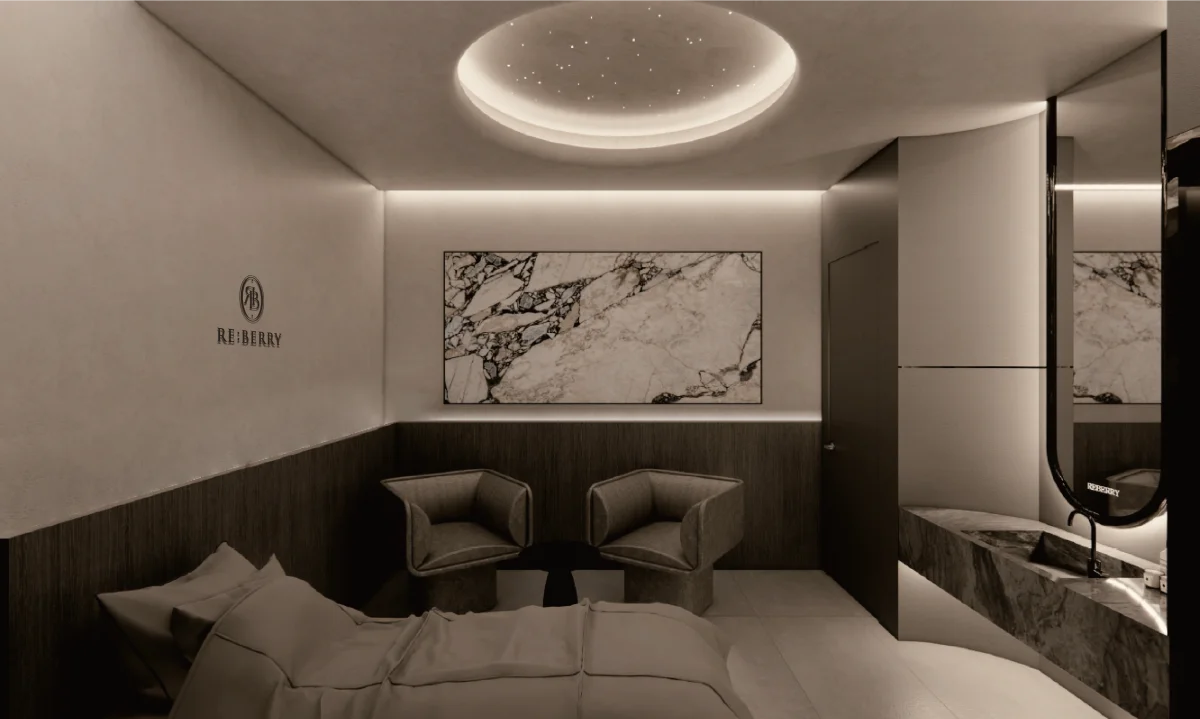
Chemical Peel Path: Surface Renewal
The LHALA Peel (₩77,000) applies a controlled lactic-hyaluronic acid blend that dissolves dead keratinocytes and stimulates cell turnover without aggressive peeling. Unlike glycolic or TCA peels that cause visible flaking, LHALA Peel produces a no-downtime glow suitable for tourists who want glass skin results within 24 hours. For deeper chemical peel action, Hydrafacial (₩250,000) combines vortex extraction with hydrating serum infusion, effectively merging mechanical and chemical exfoliation in a single 45-minute glass skin session.
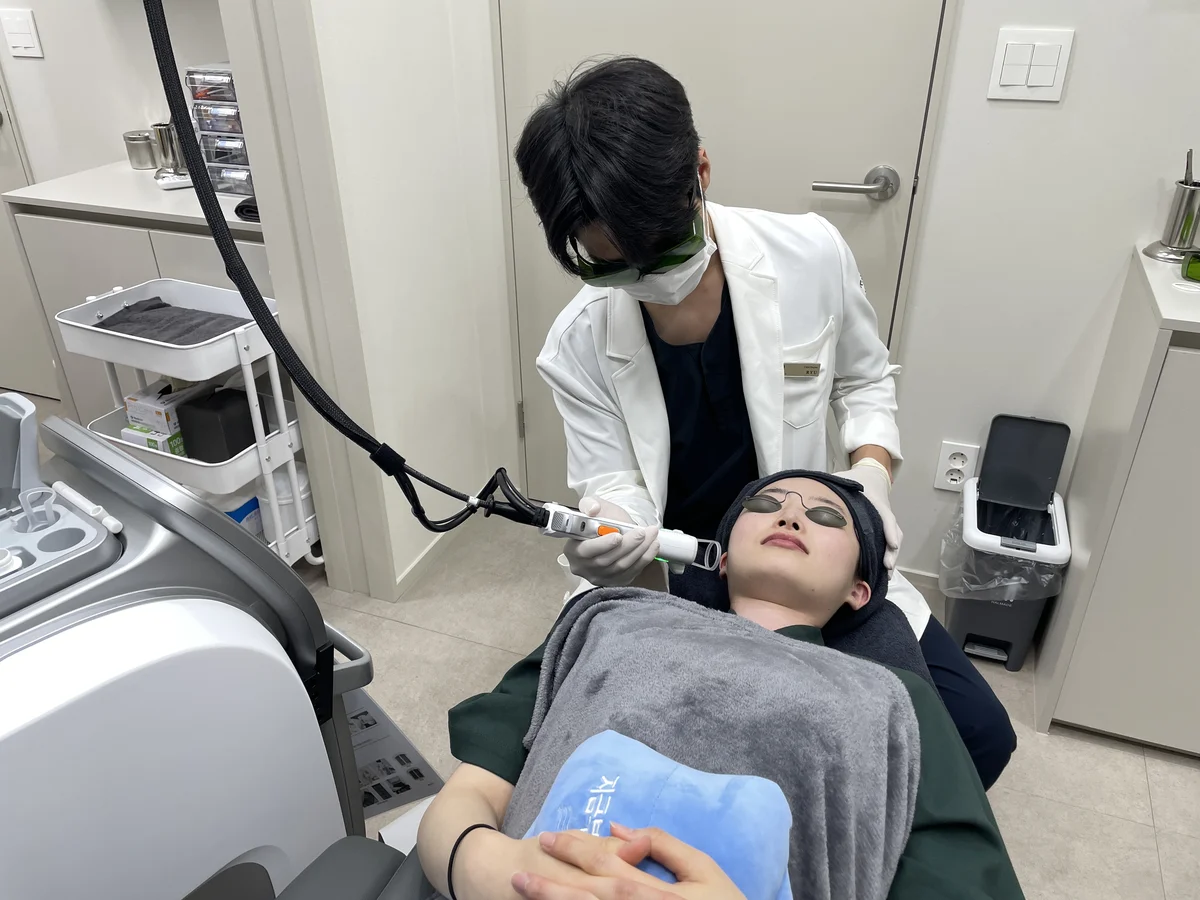
Glass Skin Laser Path: Deep Remodeling
Pico laser toning delivers ultra-short picosecond pulses (10^-12 seconds) that shatter melanin particles into nano-fragments for natural phagocytic clearance — achieving 3x faster pigmentation reduction than nanosecond Q-switched lasers. Genesis laser at 1064nm wavelength targets the papillary dermis to stimulate collagen remodeling and reduce diffuse redness. Potenza RF microneedling restructures enlarged pore walls by inducing controlled thermal coagulation at 0.5-3.5mm depth. Each glass skin laser modality targets a different layer, creating comprehensive translucency from epidermis to mid-dermis.
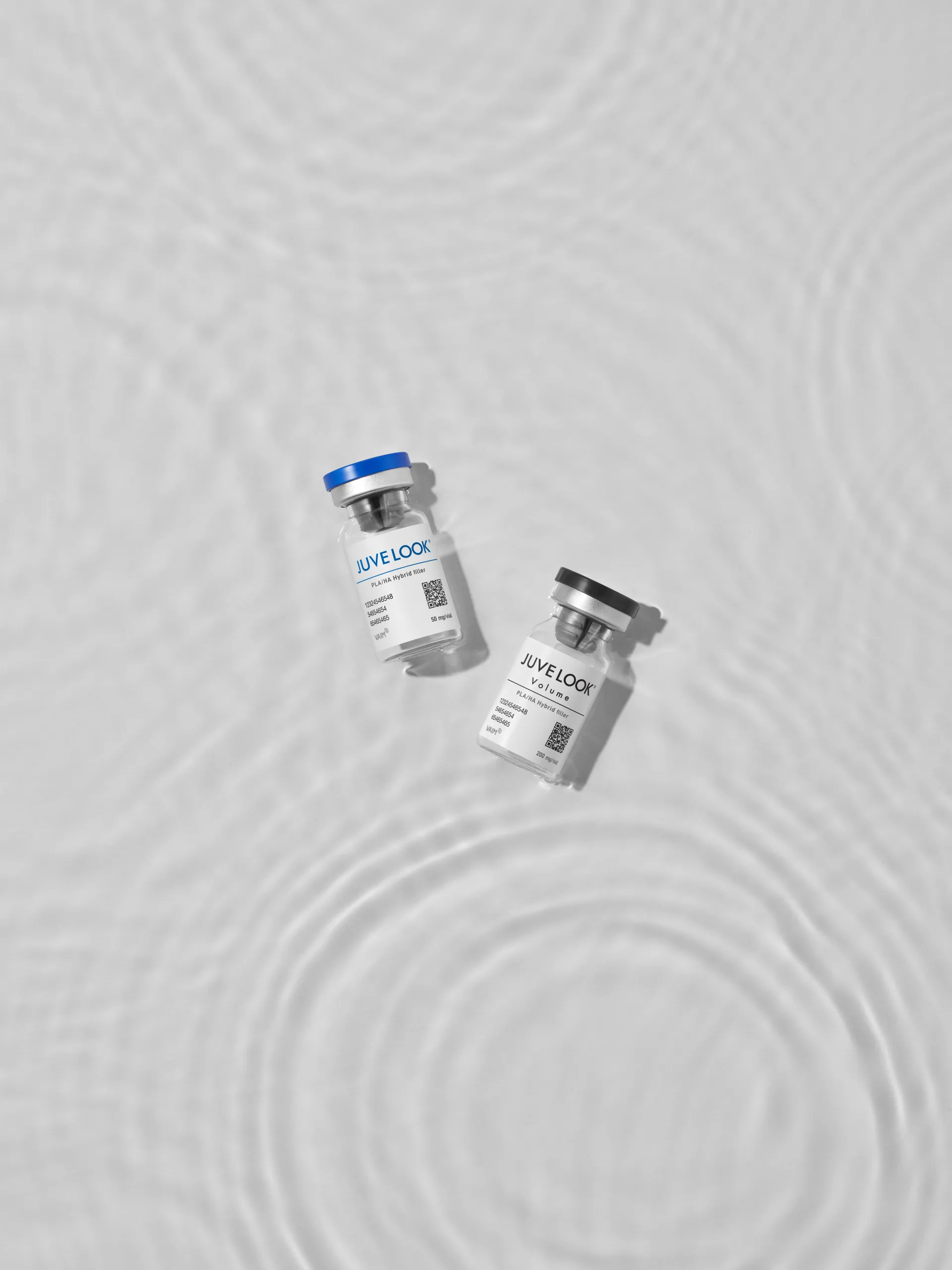
Combination Protocol: Optimal Glass Skin
RE:BERRY Gangnam’s most popular glass skin approach combines both modalities: LHALA Peel or Aqua Peel for surface preparation, followed by laser toning for deep melanin control, then Juvelook or Re2O skin booster injection for sustained hydration and collagen support. The Signature Hydra Glow Package (₩1,290,000) includes Juberry 6cc + Resistance-reducing Skin Boitox + Re2O 1 syringe + LDM — a comprehensive glass skin protocol that addresses texture, tone, hydration, and firmness simultaneously. Total treatment time is 90-120 minutes.
What to Expect from Glass Skin Laser vs Chemical Peel
- Deeper Pigment Control with Laser Pico laser shatters melanin at the dermal level (0.5-2mm depth) while chemical peels only address epidermal pigmentation (0.1-0.3mm). For stubborn melasma or sun spots, glass skin laser treatment achieves 40-60% deeper correction.
- Instant Glow from Chemical Peels LHALA Peel delivers visible brightening within 24 hours with zero downtime — ideal for tourists wanting glass skin before a special event. No redness, no flaking, resume makeup immediately after treatment.
- Structural Pore Reduction Only laser and RF devices can permanently restructure enlarged pore walls. Chemical peels temporarily reduce pore appearance through surface smoothing, but Potenza RF achieves lasting 30-50% pore size reduction through collagen contraction.
- Progressive Skin Remodeling Glass skin laser treatments stimulate collagen cascade that continues improving skin quality for 8-12 weeks post-treatment. Chemical peel results plateau within 1-2 weeks but can be maintained with monthly sessions.
- Safe for All Skin Types Both glass skin laser and chemical peel protocols at RE:BERRY Gangnam are calibrated for Fitzpatrick I-VI. Pico laser’s ultra-short pulse duration minimizes PIH risk in darker Asian skin, while LHALA Peel’s mild formulation avoids post-inflammatory complications.
- Cost-Effective Entry Point Chemical peels offer the most affordable path to glass skin — LHALA Peel at ₩77,000 and Aqua Peel at ₩49,000 let you start your glass skin journey without significant investment.
| Timeline | What to Expect |
|---|---|
| Day 1 (Chemical Peel) | Immediate brightening and smoothing. LHALA Peel provides instant glow. Hydrafacial delivers visible pore cleanliness. No downtime — resume normal activities and makeup. |
| Day 1-2 (Laser) | Mild redness and warmth at treated areas. Genesis and Pico toning cause minimal visible reaction. Potenza RF may produce micro-point marks that resolve in 24-48 hours. |
| Week 1-2 | Chemical peel results fully visible. Laser-treated skin begins showing improved tone and reduced melanin. Skin texture noticeably smoother under fingertip assessment. |
| Week 3-6 | Glass skin laser collagen remodeling accelerates. Pore size reduction becomes visible. Skin begins developing the characteristic translucent, light-reflecting quality of Korean glass skin. |
| Month 2-3 | Peak glass skin results from laser treatments. Skin booster hydration reaches optimal level. Combination protocol patients achieve full glass skin transformation. |
| Month 3-12 | Maintenance with monthly LHALA Peel (₩77,000) and quarterly laser toning sustains glass skin. Skin booster refresh every 3-4 months recommended for sustained dewy quality. |
Glass Skin Laser vs Chemical Peel: Full Comparison
| Feature | Glass Skin Laser (Pico/Genesis) | Chemical Peel (LHALA) | Hydrafacial | Potenza RF |
|---|---|---|---|---|
| Depth of Action | Dermal (0.5-2mm) | Epidermal (0.1-0.3mm) | Epidermal + extraction | Mid-dermal (0.5-3.5mm) |
| Pigment Control | Excellent (melanin shattering) | Mild (surface turnover) | Mild (serum infusion) | Good (collagen remodeling) |
| Pore Reduction | Moderate (surface smoothing) | Temporary (smoothing) | Temporary (extraction) | Excellent (structural) |
| Downtime | 24-48 hrs mild redness | None (LHALA) | None | 24-48 hrs micro-marks |
| Results Duration | 2-3 months per session | 2-4 weeks | 1-2 weeks | 3-6 months |
| Sessions for Glass Skin | 3-5 sessions | 4-8 monthly sessions | Weekly maintenance | 3-4 sessions |
| Collagen Stimulation | Yes (thermal + photoacoustic) | Minimal | No | Yes (RF thermal) |
| Best For | Pigmentation, dullness, tone | Quick glow, maintenance | Hydration, extraction | Pores, texture, scars |
| Price at RE:BERRY Gangnam | Consultation required | ₩77,000 | ₩250,000 | From ₩490,000 |
Glass Skin Laser and Chemical Peel Packages at RE:BERRY Gangnam
All prices in KRW. Non-covered medical service. Prices valid April-June 2026.
LHALA Peel
- LHALA lactic-hyaluronic acid peel
- Immediate brightening effect
- Zero downtime
- Safe for sensitive skin
- Consultation included
Hydrafacial
- Vortex extraction + serum infusion
- Deep pore cleansing
- Hydrating and brightening serums
- No downtime
- Ideal pre-event glass skin glow
Reberry Signature Hydra Glow Package
- Juberry 6cc skin booster
- Resistance-reducing Skin Boitox
- Re2O 1 syringe
- LDM ultrasound therapy
- Consultation with Dr. Ryu or Dr. Oh
- Aftercare in 8 languages
Reberry Signature Smooth Texture Glow Package
- Potenza non-insulated tip (full face)
- Juberry 6cc skin booster
- Resistance-reducing Skin Boitox
- Re2O 1 syringe
- LDM recovery therapy
- Aftercare in 8 languages
Meet Your Doctor
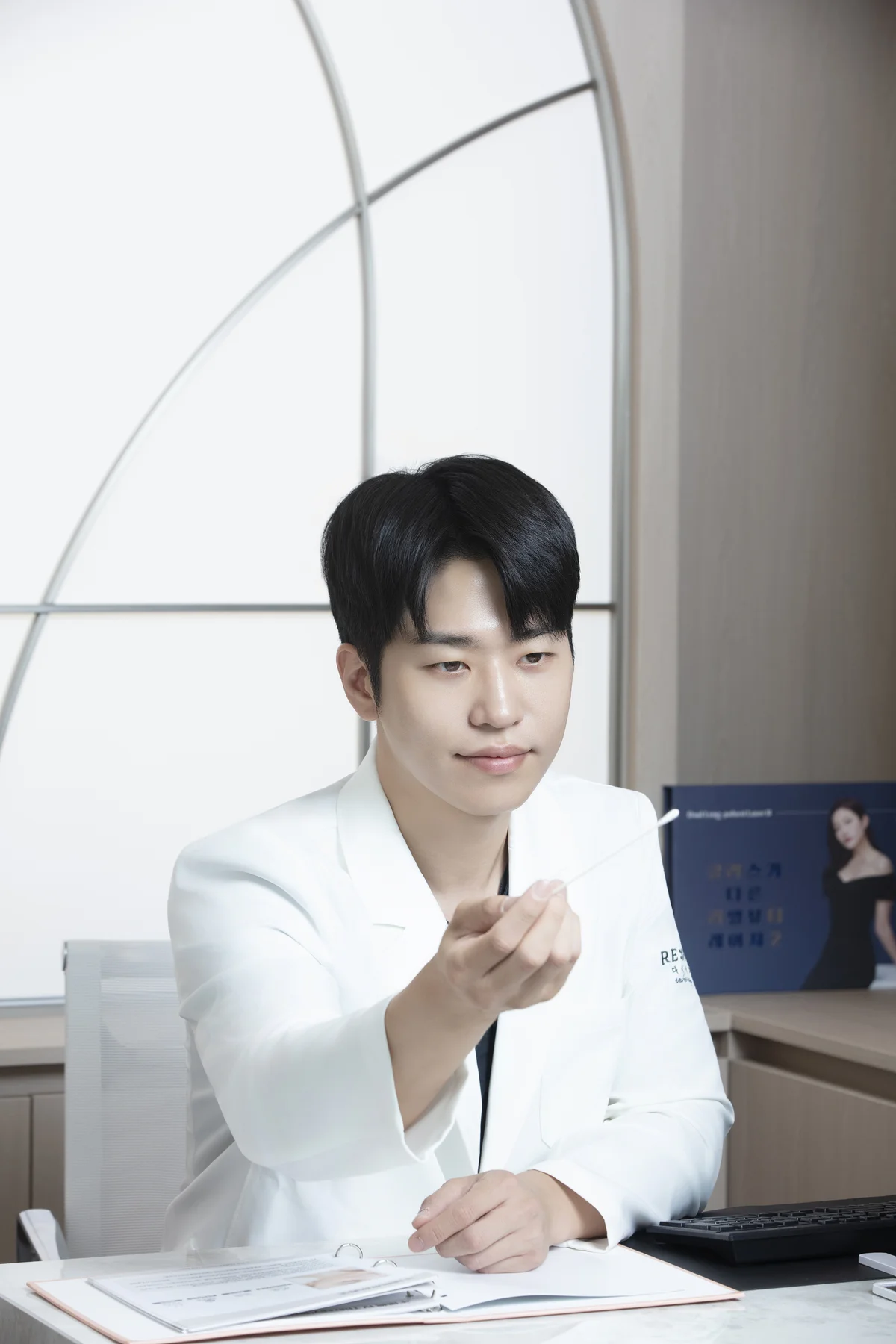
Dr. Yoon-Gon Ryu
- CEO, RE:BERRY Clinic Gangnam
- Medical Director, Aesthetic Medicine Specialist
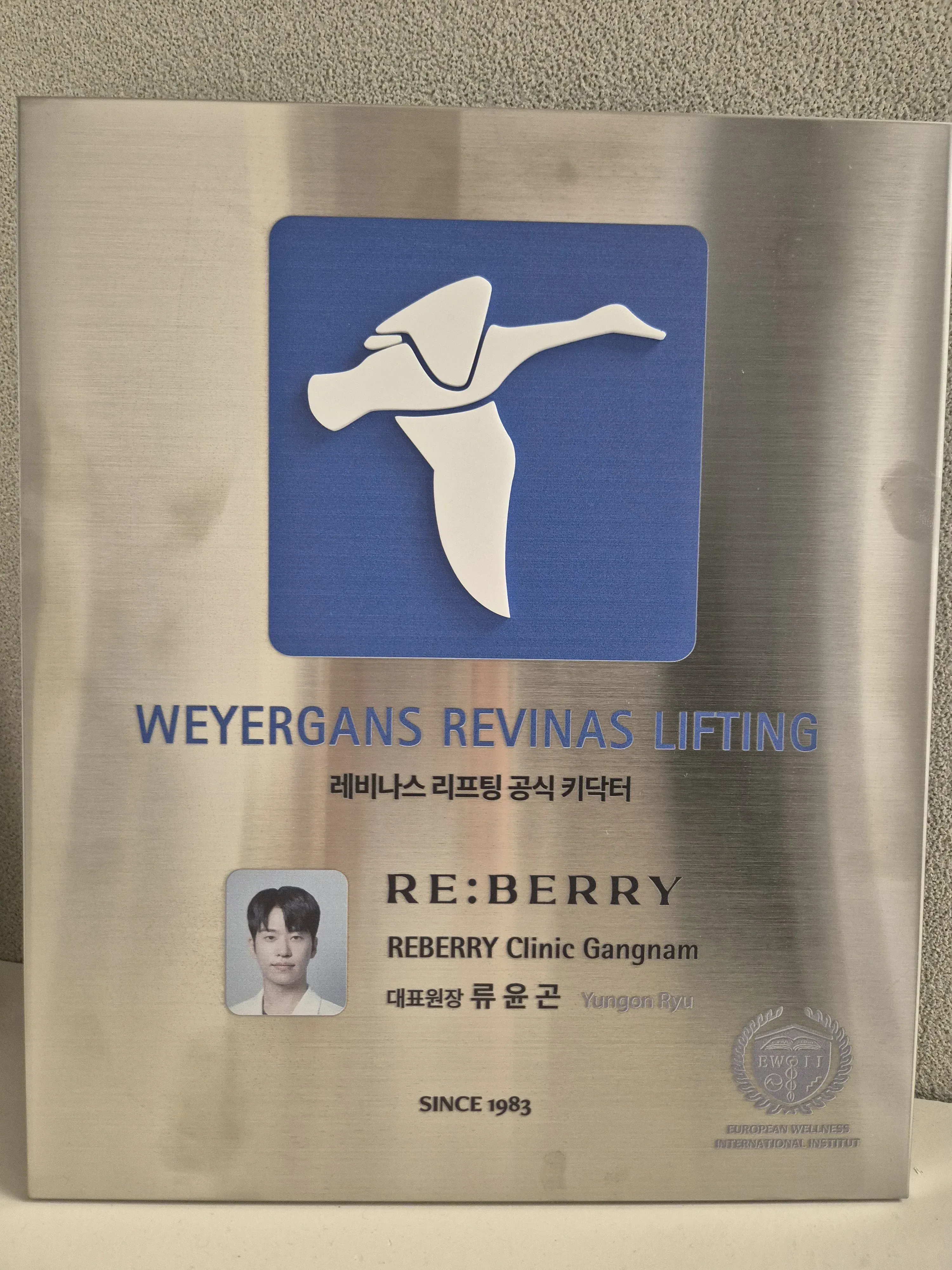
- Revinas Official KOL (Key Opinion Leader)
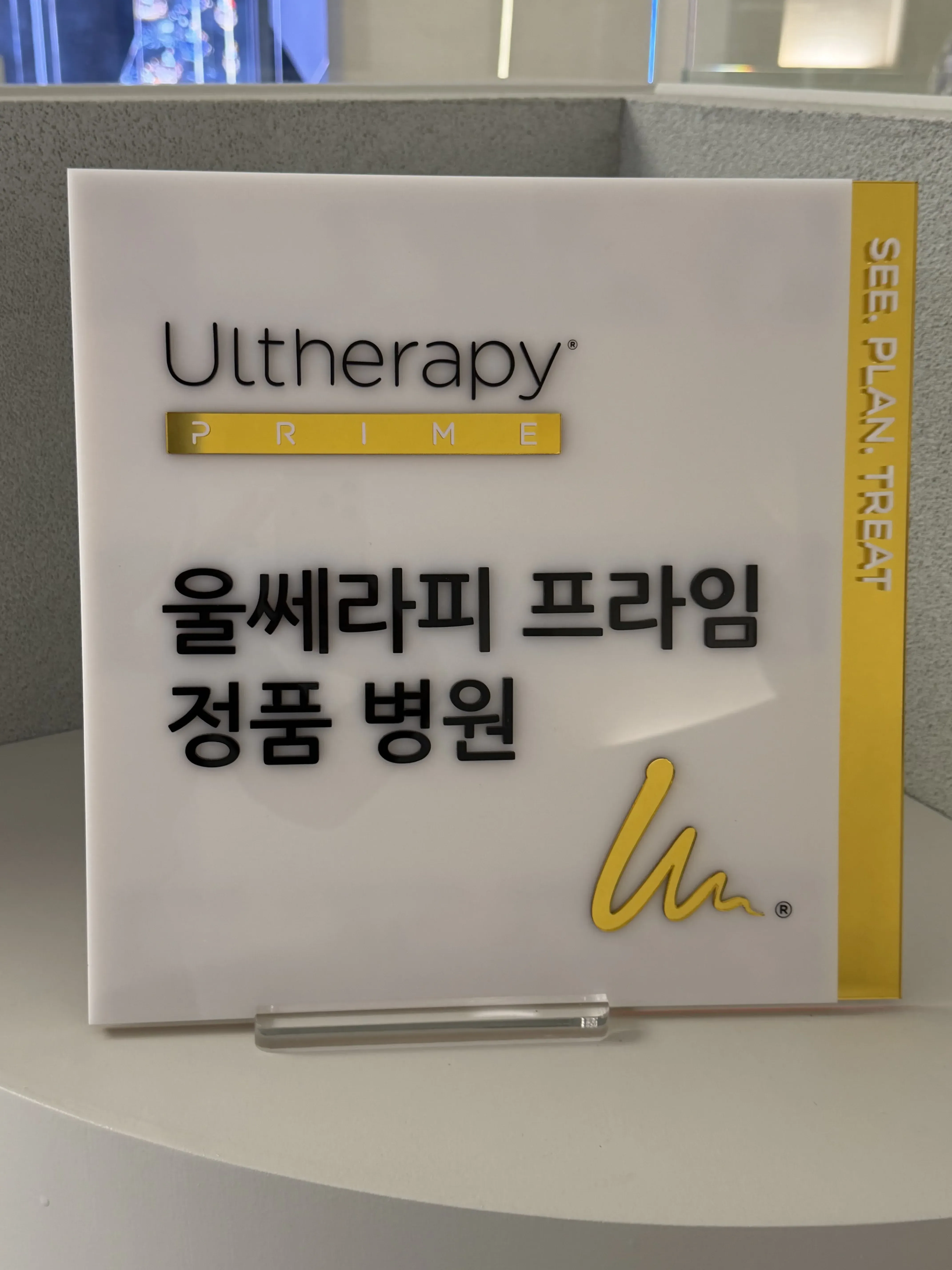
- Ultherapy Prime Certified Physician
- License No. 131644
Medically reviewed by Dr. Yoon-Gon Ryu, CEO / Medical Director, RE:BERRY
The Science Behind Glass Skin Laser vs Chemical Peel
Peer-reviewed evidence comparing laser-based and chemical peel approaches to achieving translucent, poreless skin.
Picosecond Laser for Melanin Fragmentation
Picosecond laser technology delivers pulses at 10^-12 second duration — 100x shorter than traditional Q-switched nanosecond lasers. This ultra-short pulse creates a photomechanical (rather than photothermal) effect that shatters melanin particles into nano-scale fragments small enough for natural macrophage clearance without generating significant heat. A comparative study demonstrated that picosecond 755nm laser achieved statistically superior pigmentation clearance (78% vs 52%) with fewer sessions and lower post-inflammatory hyperpigmentation risk compared to Q-switched 1064nm in Asian patients (Fitzpatrick III-IV). This makes glass skin laser toning with picosecond technology particularly suited for achieving the even, translucent tone characteristic of Korean glass skin, especially in darker skin types where conventional lasers carry PIH risk.
Chemical Peel Mechanisms: AHA, BHA, and Novel Formulations
Chemical peels achieve skin renewal through controlled chemical keratolysis — acid solutions dissolve intercellular bonds (desmosomes) between corneocytes, accelerating desquamation and stimulating basal cell proliferation. Alpha-hydroxy acids (glycolic, lactic) are hydrophilic and target surface smoothing, while beta-hydroxy acids (salicylic) are lipophilic and penetrate sebaceous follicles for pore-level cleaning. Novel peels like LHALA combine lactic acid with hyaluronic acid to simultaneously exfoliate and hydrate, minimizing the dryness and irritation associated with traditional chemical peels. A randomized trial showed that serial glycolic acid peels (6 sessions, biweekly) achieved 23% improvement in overall skin quality scores compared to 41% for combined peel + laser protocols — suggesting chemical peels alone are effective but suboptimal compared to combination approaches for achieving glass skin.
Combination Therapy: Glass Skin Laser Plus Chemical Peel
The clinical rationale for combining glass skin laser with chemical peel is multi-layer targeting: peels address epidermal renewal (0-0.3mm), while laser energy reaches the papillary and reticular dermis (0.5-2mm). Kang et al. (2019) demonstrated that patients receiving alternating peel and laser toning sessions showed 67% improvement in skin translucency scores at 12 weeks versus 38% for peel-only and 49% for laser-only groups. The mechanism involves synergistic collagen stimulation — chemical peels accelerate keratinocyte turnover creating a thinner, more transparent stratum corneum, while laser-induced collagen remodeling in the dermis creates a smoother optical surface that reflects light uniformly. This combination produces the characteristic light-reflecting, poreless quality that defines Korean glass skin.
Skin Boosters as Glass Skin Accelerators
Modern glass skin protocols integrate injectable skin boosters (PDRN, PDLLA, non-crosslinked HA) as the third pillar alongside laser and peels. Skin boosters like Juvelook (PDLLA microspheres in HA carrier) and Re2O stimulate intradermal hydration and collagen synthesis at depths unreachable by topical products. Clinical data shows that PDRN injections increase dermal hydration by 45% at 4 weeks and stimulate fibroblast proliferation by 30%, creating the sustained dewy quality essential for glass skin maintenance between laser and peel sessions.
Bernstein EF et al. Treatment of fine wrinkles with a 755-nm picosecond alexandrite laser. Lasers Surg Med. 2017;49(7):640-645. doi:10.1002/lsm.22651
Kang WH et al. Combined laser toning and chemical peel for skin quality improvement in Asian patients. J Cosmet Dermatol. 2019;18(5):1345-1352. doi:10.1111/jocd.12852
Sarkar R et al. Glycolic acid peels versus salicylic-mandelic acid peels in active acne and post-acne scarring. J Cutan Aesthet Surg. 2016;9(3):167-172. doi:10.4103/0974-2077.191654
Kim JY et al. Efficacy of PDRN injection on facial skin rejuvenation. J Cosmet Laser Ther. 2020;22(2):82-87. doi:10.1080/14764172.2020.1724775
What Our Patients Say About Glass Skin Treatments
“I came to Seoul specifically for the Korean glass skin treatment. Dr. Ryu recommended a combination of LHALA Peel and Pico toning based on my skin analysis. After just one session of each, my skin had a glow I have never achieved with any skincare product. The ₩77,000 peel was an incredible starting point.”
“The Signature Hydra Glow Package transformed my skin in ways I did not think possible. The combination of Juberry, skin boitox, Re2O, and LDM left my skin looking like actual glass. My friends in Bangkok could not believe the difference. Worth every won of the ₩1,290,000 investment.”
“As someone with larger pores and mild pigmentation, Dr. Oh suggested the Smooth Texture Glow Package with Potenza RF. The pore reduction was dramatic — I can finally achieve the glass skin look with just minimal makeup. The 8-language support made everything easy as a Japanese speaker.”
Frequently Asked Questions About Glass Skin Laser vs Chemical Peel in Korea
Expert answers from RE:BERRY Gangnam’s glass skin specialists.
₩77,000 for LHALA Peel (entry-level glass skin), ₩250,000 for Hydrafacial, ₩1,290,000 for the Signature Hydra Glow Package, and ₩1,490,000 for the Smooth Texture Glow Package with Potenza RF at RE:BERRY Gangnam. Laser toning pricing requires consultation as protocols vary.
67% greater improvement in skin translucency was measured in patients receiving combined glass skin laser + chemical peel versus either treatment alone (Kang et al., 2019). Chemical peels handle surface glow; lasers address deeper pigment and collagen. RE:BERRY Gangnam’s combination protocols deliver the best Korean glass skin results.
₩77,000 for a lactic-hyaluronic acid combination peel that exfoliates dead skin while simultaneously hydrating. Unlike harsh glycolic or TCA peels, LHALA produces zero downtime glow. Ideal as a standalone quick treatment or as preparation before glass skin laser sessions at RE:BERRY Gangnam.
3-5 glass skin laser sessions spaced 2-4 weeks apart for structural improvement, plus monthly chemical peels for maintenance. Most patients at RE:BERRY Gangnam see significant glass skin improvement after 2 laser sessions. Tourists on shorter visits can achieve immediate glow with 1 LHALA Peel + 1 laser toning session.
Yes. RE:BERRY Gangnam offers same-day glass skin protocols for tourists. The fastest option is LHALA Peel (₩77,000, 30 minutes, zero downtime). For more comprehensive results, Hydrafacial + laser toning can be completed in 90 minutes with 24-hour mild redness. Open 365 days, 10 AM – 8 PM.
Pico laser’s ultra-short picosecond pulses minimize heat generation, achieving 78% better pigmentation clearance with lower PIH risk than traditional lasers in Fitzpatrick III-V skin. All glass skin laser protocols at RE:BERRY Gangnam are calibrated by Dr. Yoon-Gon Ryu for each patient’s specific skin type and melanin level.
0 hours for LHALA Peel and Hydrafacial — resume makeup immediately. 12-24 hours of mild redness for Pico toning and Genesis laser. 24-48 hours for Potenza RF. Most glass skin laser patients at RE:BERRY Gangnam return to normal activities the same day.
₩250,000 Hydrafacial combines vortex suction extraction with serum infusion for deep pore cleansing + hydration. ₩77,000 LHALA Peel uses chemical keratolysis for surface smoothing + brightening. Hydrafacial is better for congested pores; LHALA is better for dull, textured skin. Both deliver zero-downtime glass skin glow.
78% of patients achieved significant pigmentation clearance with picosecond laser toning (Bernstein et al., 2017). For stubborn melasma, RE:BERRY Gangnam uses low-fluence Pico toning at 1064nm to gradually fragment deep dermal melanin without triggering rebound hyperpigmentation.
₩1,290,000 includes Juberry 6cc skin booster + Resistance-reducing Skin Boitox + Re2O 1 syringe + LDM ultrasound. This 4-modality glass skin protocol addresses hydration, texture, tone, and firmness in a single session. Most popular glass skin package at RE:BERRY Gangnam with 90%+ patient satisfaction.
2-3 months per glass skin laser session, with collagen remodeling continuing for 8-12 weeks post-treatment. Chemical peel results last 2-4 weeks. Skin booster hydration effects persist 3-4 months. Monthly maintenance with LHALA Peel (₩77,000) sustains glass skin between laser sessions.
SPF 50+ daily (non-negotiable post-laser), hyaluronic acid serum morning and night, gentle cleanser without SDS, and no retinol or AHA for 1 week post-laser. RE:BERRY Gangnam provides a customized aftercare product list and travel-friendly recovery kit in 8 languages after every glass skin treatment.
LHALA Peel is specifically formulated for sensitive skin with its lactic acid + hyaluronic acid blend, making it gentler than both glycolic peels and laser treatments. For sensitive-skinned patients seeking glass skin, Dr. Ryu recommends starting with 2-3 LHALA Peel sessions before introducing low-energy laser toning at gradually increasing parameters.
2-3 on a 10-point pain scale for Pico toning and Genesis laser (mild tingling sensation). LHALA Peel and Hydrafacial are completely painless. Potenza RF scores 3-5 with topical numbing cream applied 30 minutes before treatment. No glass skin treatment at RE:BERRY Gangnam requires injectable anesthesia.
Yes for all glass skin treatments at RE:BERRY Gangnam. Chemical peels have zero restrictions. Laser toning patients can fly immediately with mild redness that resolves within hours. Potenza RF patients may prefer waiting 24 hours. No altitude-related contraindications for any glass skin protocol.
3 differentiators: (1) 30+ medical devices allowing truly customized glass skin laser protocols rather than one-size-fits-all; (2) all treatments physician-performed by Dr. Yoon-Gon Ryu or Dr. Yejin Oh, never delegated to technicians; (3) combination packages that integrate peels + lasers + skin boosters in evidence-based protocols.
30-50% pore size reduction makes Potenza RF one of the most effective glass skin treatments for patients with enlarged pores. While widely known for acne treatment, Potenza RF’s collagen remodeling capability directly creates the smooth, poreless surface essential for Korean glass skin.
₩49,000 Aqua Peel uses vortex suction for mechanical pore extraction + serum infusion, while chemical peels use acid dissolution. Aqua Peel is better for oily, congested skin. Chemical peels are better for dull, rough-textured skin. Both contribute to glass skin preparation before laser treatments.
Yes. Potenza RF achieves 35-60% depth improvement in atrophic scars while simultaneously creating glass skin smoothness. For patients with acne scars seeking glass skin, the Smooth Texture Glow Package (₩1,490,000) combines Potenza RF with skin boosters for dual acne scar correction and glass-skin benefits.
20s for chemical peels as preventive care, 25+ for laser toning, and 30+ for comprehensive glass skin protocols. At RE:BERRY Gangnam, patients aged 20-60+ receive customized glass skin plans. Younger patients focus on peel maintenance; mature patients benefit from laser + skin booster combination.
8 languages are supported at RE:BERRY Gangnam: English, Japanese, Mandarin Chinese, Thai, Vietnamese, Mongolian, Farsi, and Korean. Dedicated coordinators handle consultation, treatment explanation, and aftercare in your preferred language.
10-100x more energy delivery compared to consumer LED devices. Clinical glass skin lasers at RE:BERRY Gangnam operate at wavelengths and power densities that penetrate to the dermis (0.5-2mm), while at-home LED masks deliver superficial photobiomodulation only (0.1mm). LED masks supplement but cannot replace professional glass skin laser treatment.
40-60% cost savings versus US, UK, Australia, and Singapore for equivalent glass skin protocols. Korea has the highest density of aesthetic clinics globally, driving competitive pricing and rapid adoption of the latest laser technology. RE:BERRY Gangnam’s LHALA Peel at ₩77,000 costs $200-400 equivalent abroad.
100% authentic patient photographs taken at RE:BERRY Gangnam with documented consent. All images show unretouched results captured during routine follow-up visits at standardized lighting. Individual outcomes vary based on skin type, condition severity, and treatment adherence.
35% of glass skin patients at RE:BERRY Gangnam are male. Men typically seek pore reduction and texture improvement rather than full dewy glass skin. Potenza RF + Aqua Peel combination is particularly popular among male patients for creating clean, refined skin texture without a visibly ‘made-up’ appearance.
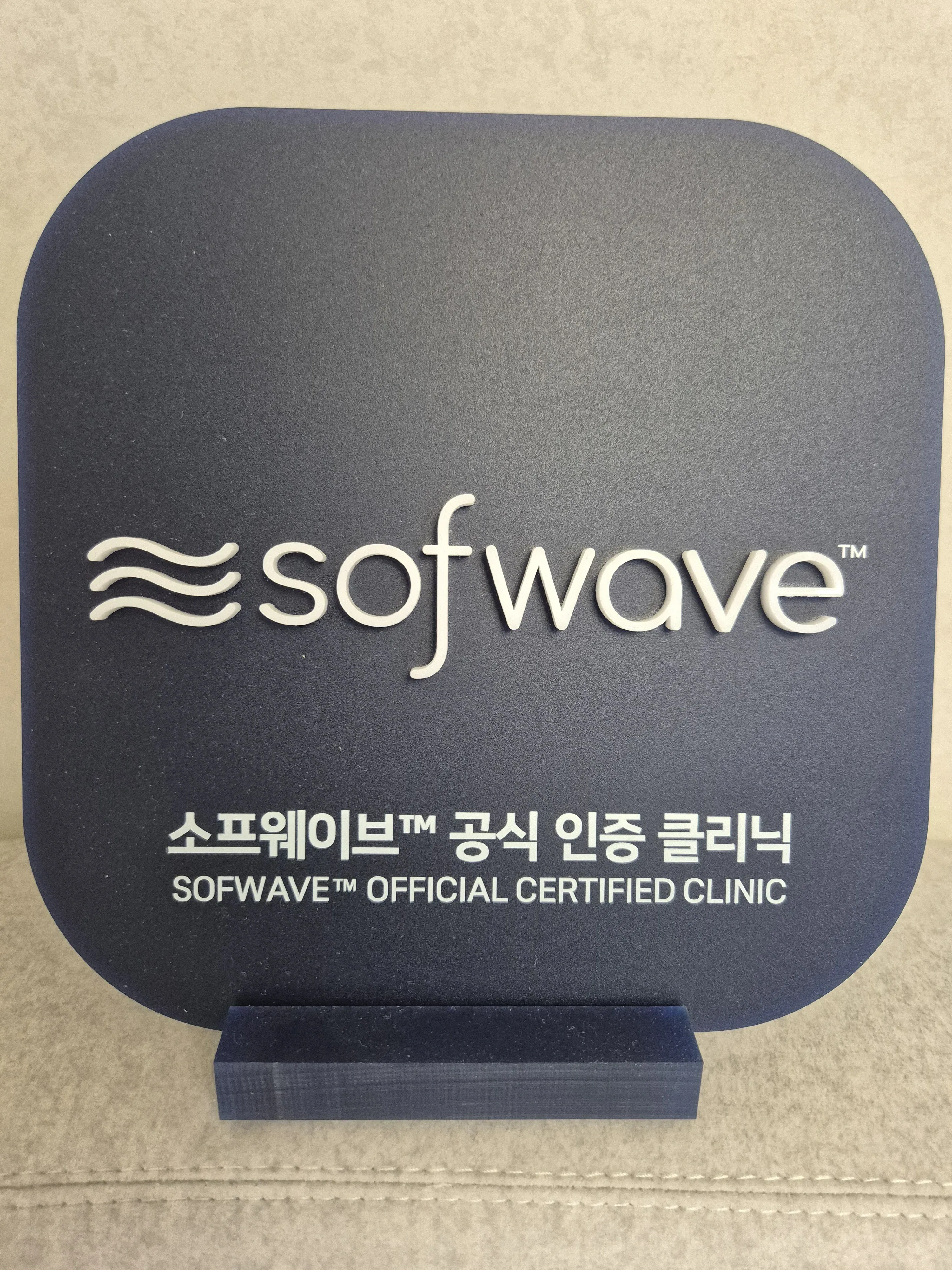
Only Authentic, Brand-Certified Equipment
Every device at RE:BERRY is MFDS-certified and manufacturer-verified. We never use counterfeit or grey-market equipment.
Ready to Achieve Korean Glass Skin?
Book your glass skin laser vs chemical peel consultation with Dr. Yoon-Gon Ryu or Dr. Yejin Oh at RE:BERRY Gangnam — 2 minutes from Gangnam Station Exit 10. Same-day appointments available 365 days per year.
Book Your Glass Skin Consultation
Fill out the form and our multilingual team will confirm within 2 hours via your preferred contact method.
- ✓ Free consultation with Dr. Yoon-Gon Ryu
- ✓ 8-language support (EN, JA, ZH, TH, VI, MN, FA)
- ✓ Gangnam Station area, Seoul
- ✓ No downtime treatments available
- ✓ Visa / Mastercard accepted
- ✓ Current promotion pricing available