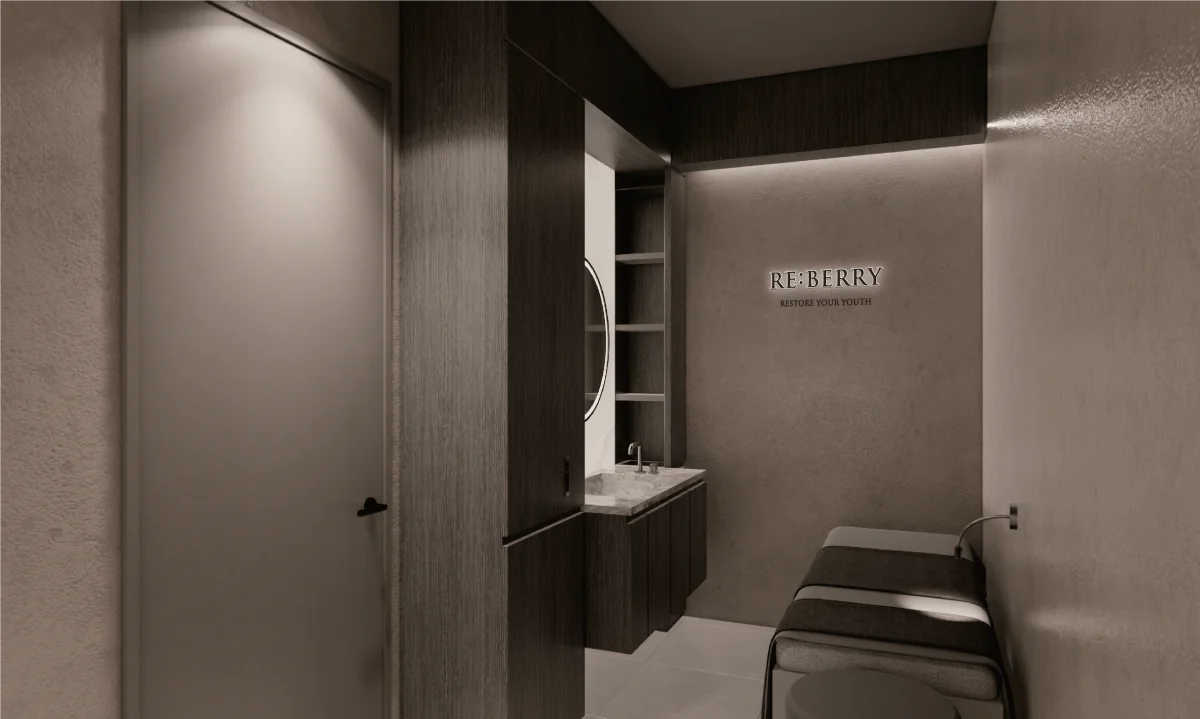
V-Beam Laser Treatment in Gangnam Seoul
The V-Beam pulsed dye laser (595nm) is the internationally recognized gold standard for treating vascular skin conditions — rosacea, facial redness, port wine stains, spider veins, and erythematous acne scars. At RE:BERRY Gangnam, Dr. Yoon-Gon Ryu delivers precision V-Beam protocols calibrated for Asian skin types, combining sub-purpuric and purpuric settings based on your specific vascular pathology. 2 minutes from Gangnam Station Exit 10, open 365 days.
What Is V-Beam Laser Treatment?
V-Beam is a 595nm pulsed dye laser (PDL) that selectively targets oxyhemoglobin in blood vessels, making it the gold-standard treatment for vascular skin conditions including rosacea, facial redness, port wine stains, spider veins, hemangiomas, and red acne scars. At RE:BERRY Gangnam, Dr. Yoon-Gon Ryu delivers V-Beam treatments with Dynamic Cooling Device (DCD) technology for precision vascular targeting with minimal epidermal damage — calibrated specifically for Fitzpatrick III-V Asian skin types.
The V-Beam Perfecta system represents the most advanced generation of pulsed dye laser technology, building on three decades of clinical research establishing 585-595nm wavelengths as the definitive treatment for cutaneous vascular lesions. The fundamental principle is selective photothermolysis — the laser’s 595nm wavelength is preferentially absorbed by oxyhemoglobin within blood vessels, converting light energy to thermal energy that coagulates and destroys abnormal or dilated vasculature while sparing surrounding tissue. What distinguishes V-Beam from earlier PDL systems is its microsecond-domain pulse duration technology (0.45-40ms), which allows physicians to choose between traditional purpuric settings for maximum single-session clearance and sub-purpuric parameters that achieve vessel reduction without visible bruising. This flexibility is critically important for Asian patients where post-inflammatory hyperpigmentation (PIH) risk must be carefully managed. A landmark meta-analysis by Tierney and Hanke (J Am Acad Dermatol 2009; doi:10.1016/j.jaad.2009.01.023) analyzing 31 studies confirmed that PDL achieves 70-90% improvement in vascular lesions across 2-4 sessions, with the highest evidence grade among all laser modalities for vascular indications. At RE:BERRY Gangnam, Dr. Yoon-Gon Ryu designs individualized V-Beam protocols based on vessel depth, diameter, density, and your skin’s Fitzpatrick classification. For diffuse erythema conditions like rosacea, sub-purpuric settings with stacking technique provide gradual improvement without social downtime. For discrete vascular lesions like port wine stains or spider veins, purpuric parameters deliver maximum clearance per session. V-Beam also demonstrates significant efficacy for hypertrophic and erythematous acne scars — the 595nm wavelength reduces scar vascularity and modulates collagen remodeling through selective vascular-mediated thermal effects. Combined with Potenza RF microneedling or fractional laser resurfacing, V-Beam forms part of a comprehensive acne scar treatment protocol. Whether you are a Seoul resident seeking long-term redness management or a medical tourist addressing vascular concerns during your Korea visit, RE:BERRY Gangnam offers evidence-based V-Beam therapy with transparent pricing, 8-language support, and a premium 14,000 sq ft facility two minutes from Gangnam Station Exit 10.
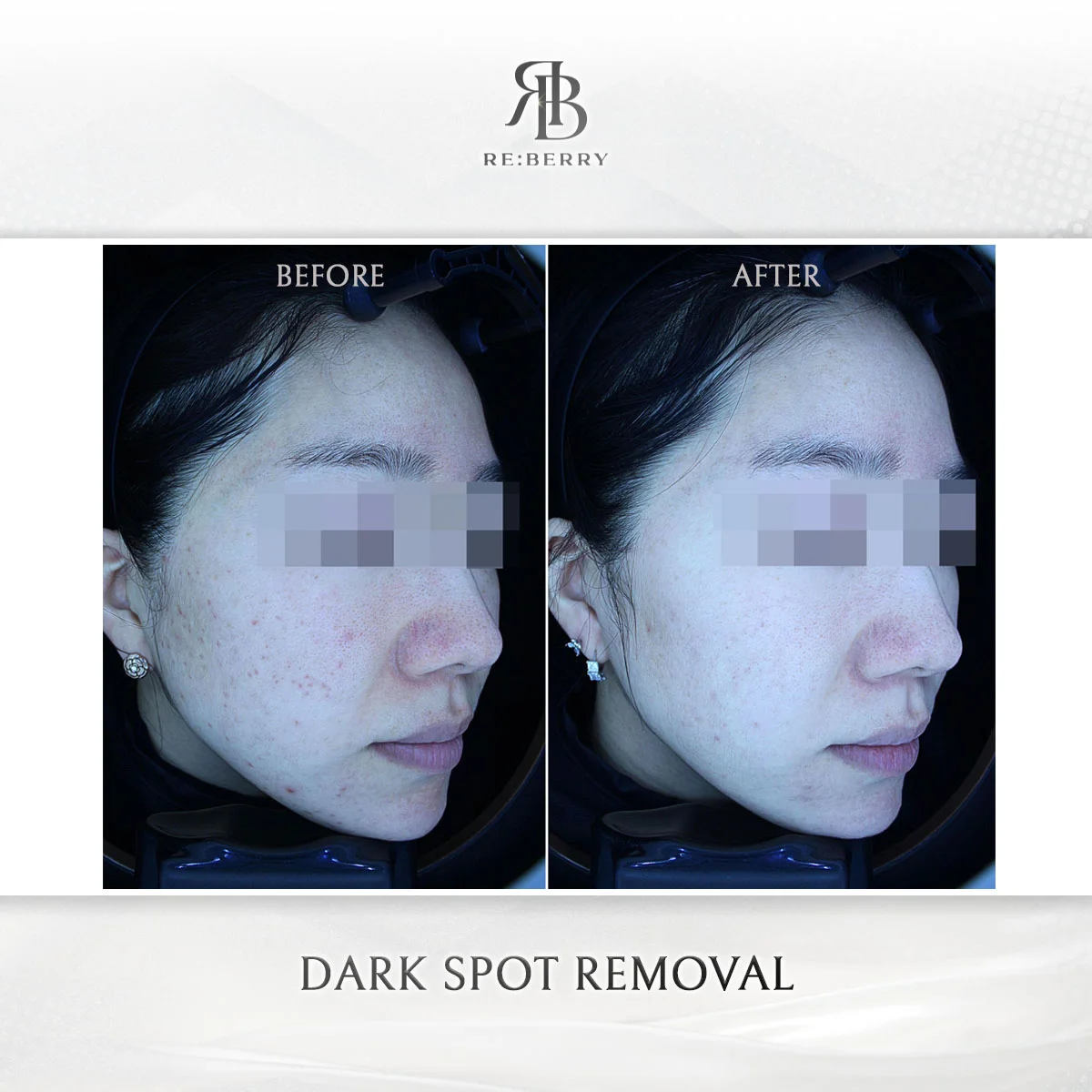
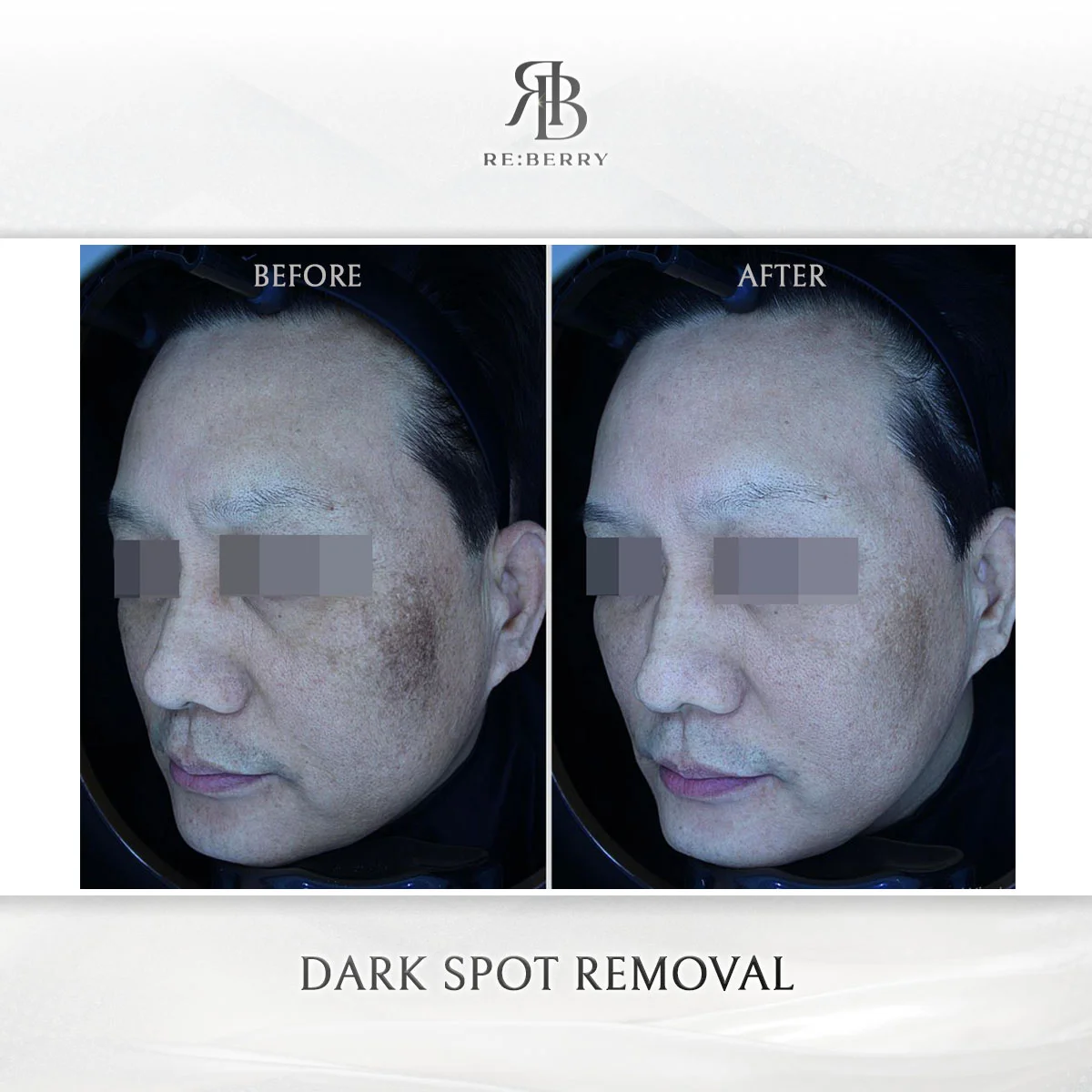
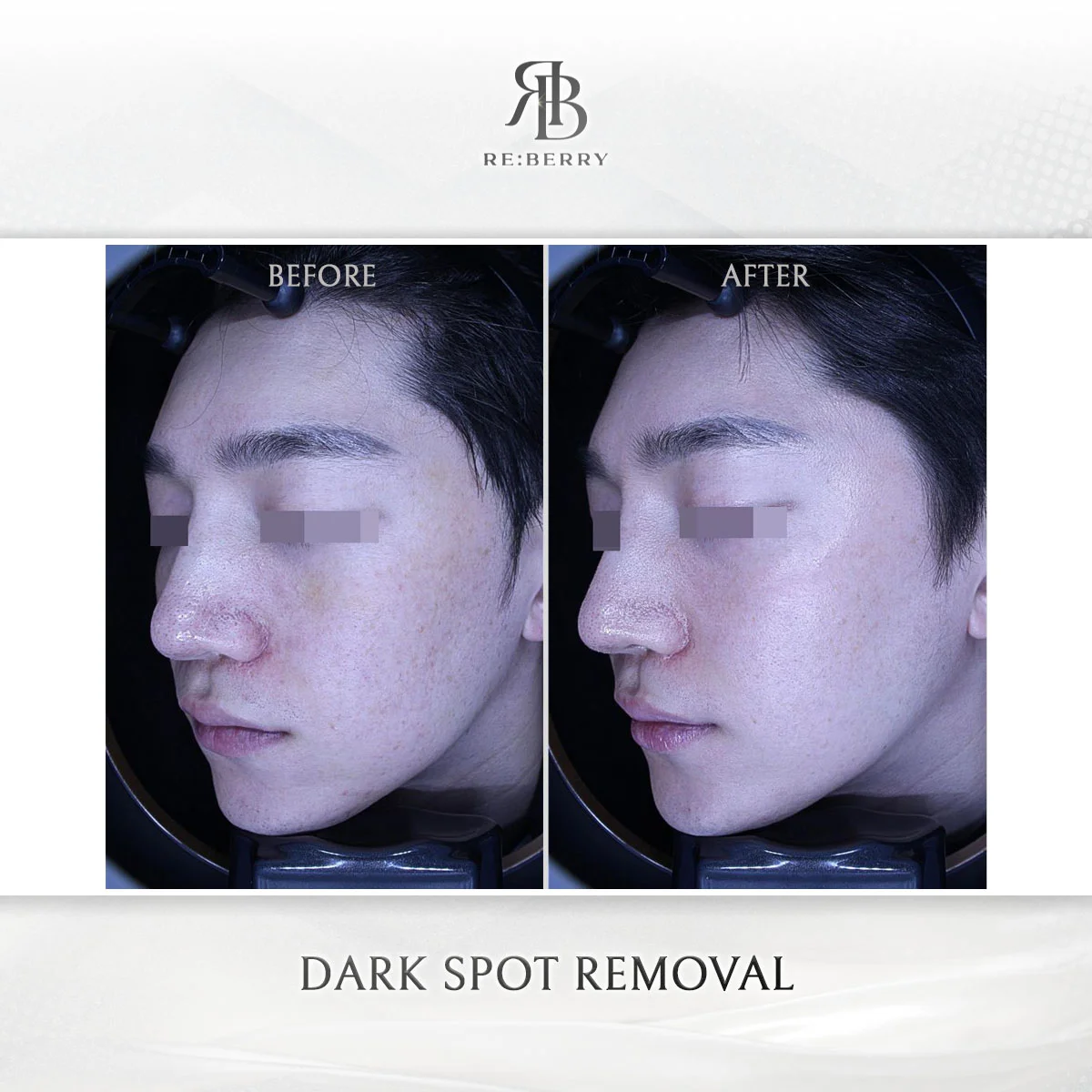
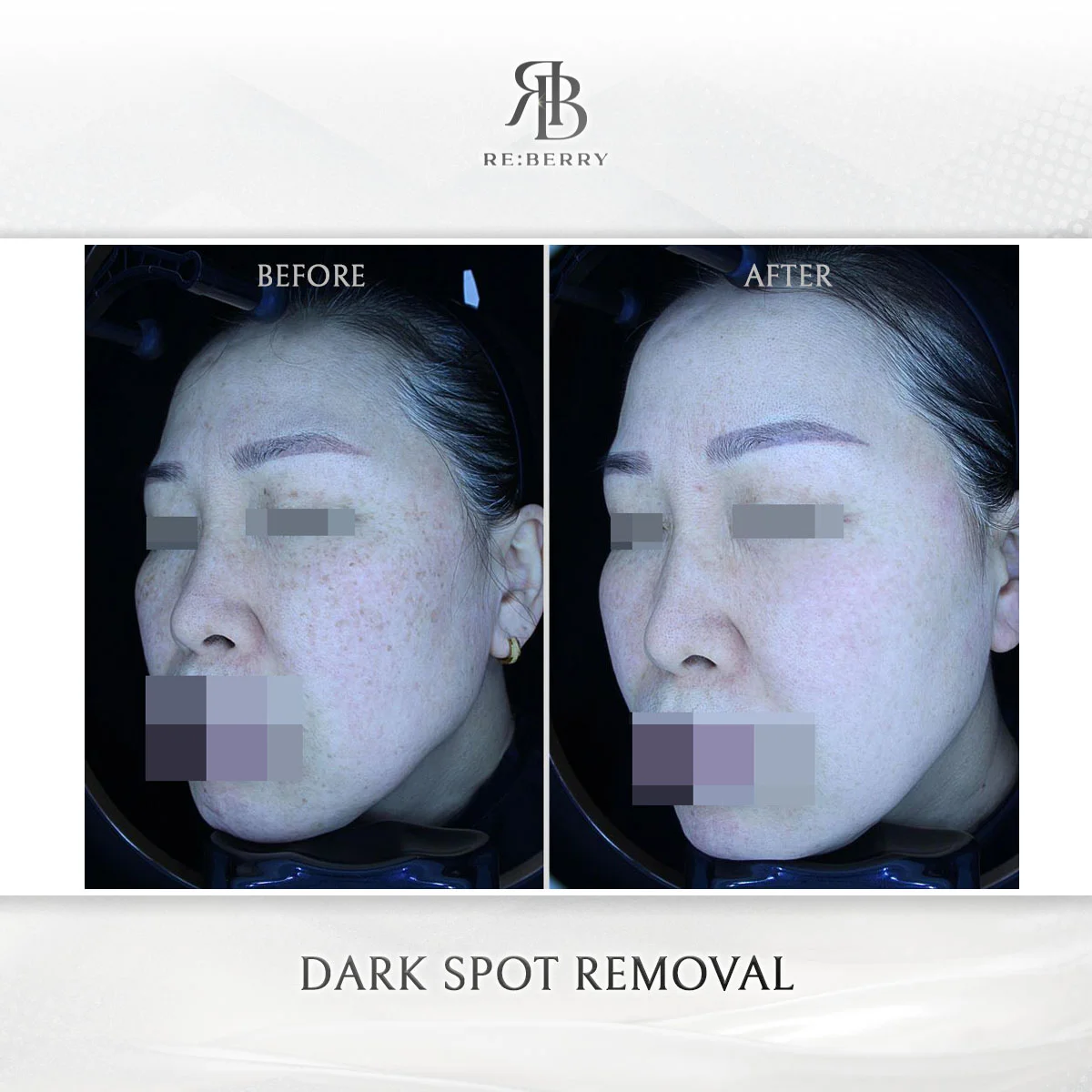
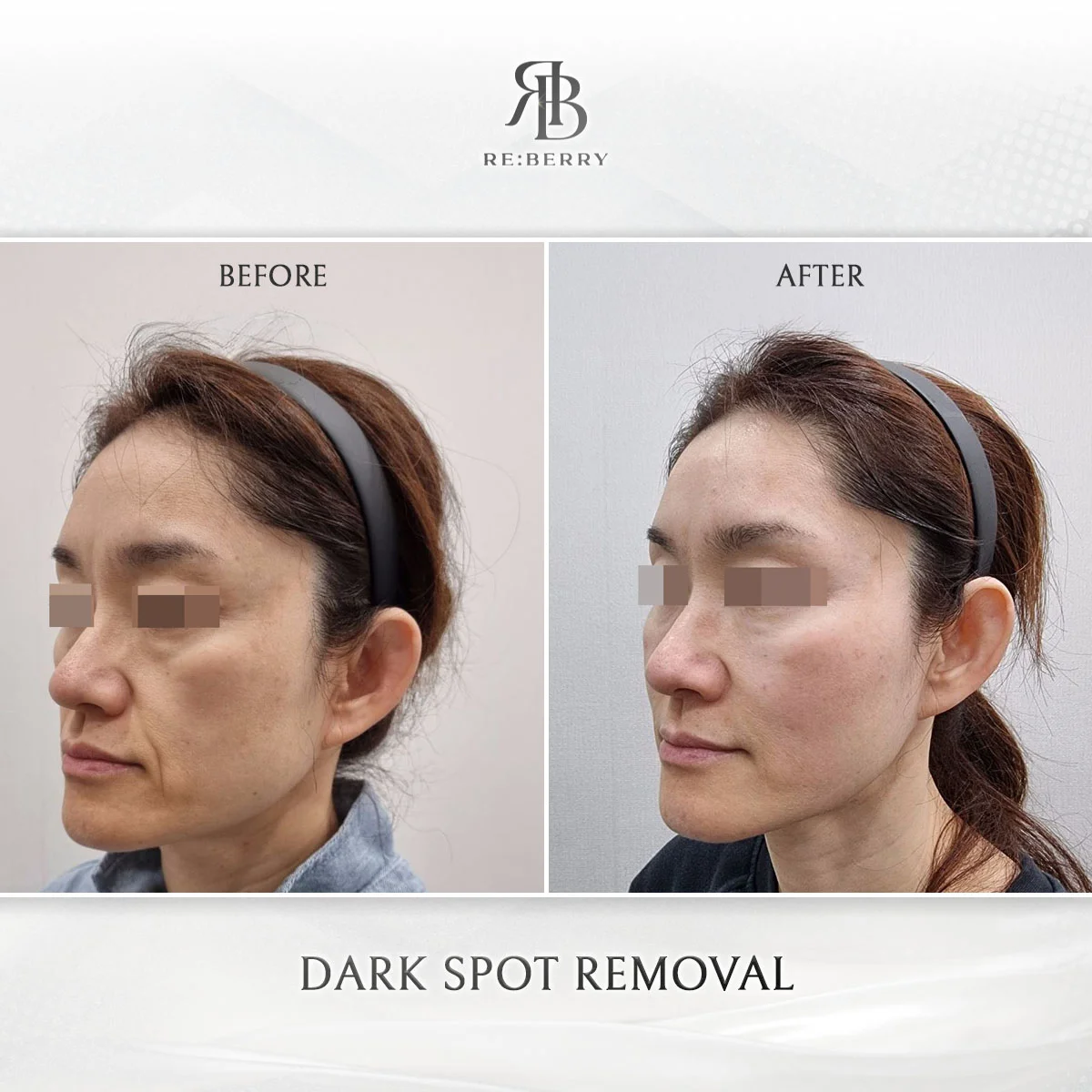
V-Beam Laser Before & After
Actual patient results from RE:BERRY Gangnam. Individual results may vary.
How V-Beam Laser Works at RE:BERRY Gangnam
A four-step vascular laser protocol designed by Dr. Yoon-Gon Ryu.
Step 1: Vascular Assessment & Skin Mapping
Dr. Yoon-Gon Ryu conducts a comprehensive dermatological assessment using cross-polarized light and dermoscopy to map your vascular pathology. He categorizes vessel type (telangiectasia, erythema, hemangioma, port wine stain), measures vessel depth and diameter, evaluates your Fitzpatrick skin type, and reviews your medical history for contraindications such as photosensitizing medications or active herpes simplex. For rosacea patients, he classifies your subtype (erythematotelangiectatic, papulopustular, or mixed) to determine whether purpuric or sub-purpuric V-Beam settings will deliver optimal results. International patients receive consultation support in their preferred language through our 8-language multilingual team.
Step 2: Pre-Treatment Skin Preparation
The treatment area is thoroughly cleansed and dried. Unlike ablative laser procedures, V-Beam does not require topical anesthesia in most cases — the integrated Dynamic Cooling Device (DCD) sprays cryogen onto the skin milliseconds before each laser pulse, providing a natural analgesic effect while protecting the epidermis. For patients with extensive treatment areas or heightened sensitivity (common in rosacea), we may apply a thin layer of topical numbing cream 20-30 minutes before treatment for additional comfort. Protective eyewear is placed over the patient’s eyes to shield against the 595nm wavelength.
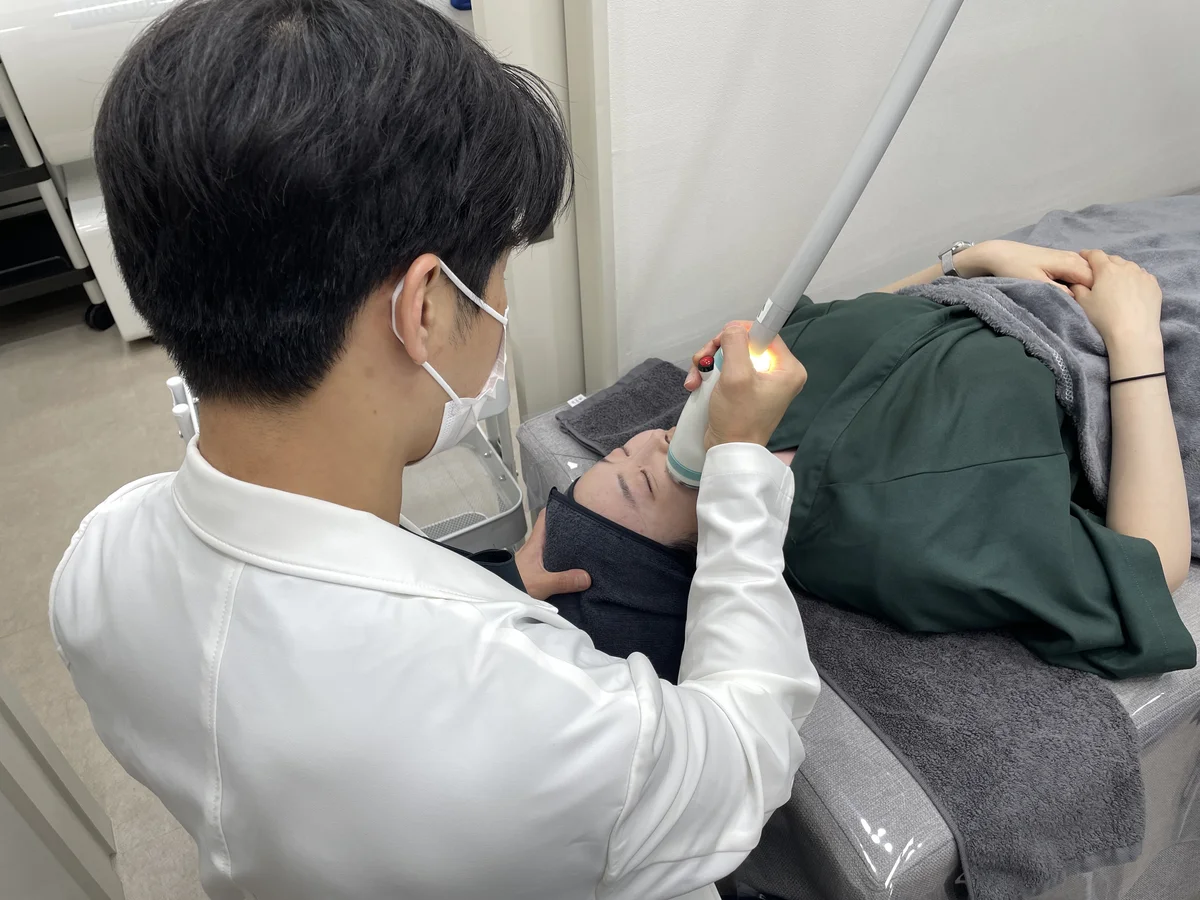
Step 3: V-Beam Pulsed Dye Laser Delivery
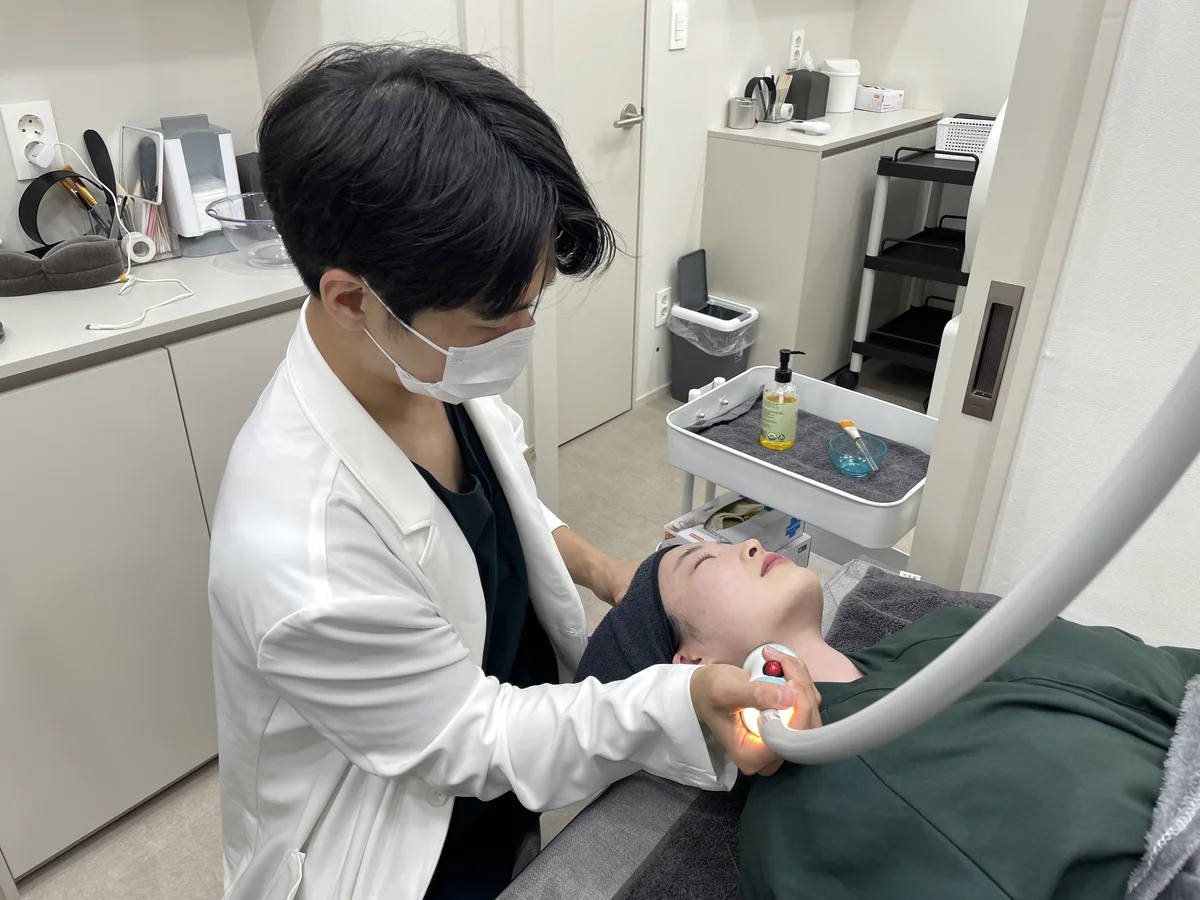
Dr. Ryu delivers the 595nm pulsed dye laser energy using parameters customized to your vascular condition. For discrete vessels (telangiectasia, spider veins), he traces individual vessels with a small spot size (3-7mm) using purpuric settings — you may see immediate vessel blanching and mild purpura (bruising) that indicates successful vessel coagulation. For diffuse redness and rosacea, he uses larger spot sizes (10-12mm) with sub-purpuric fluence and stacking technique — delivering multiple low-energy pulses to the same area for gradual vessel shrinkage without visible bruising. The DCD fires automatically before each pulse, keeping treatment comfortable. A typical full-face session involves 200-500 pulses over 15-30 minutes depending on the extent of vascular pathology.
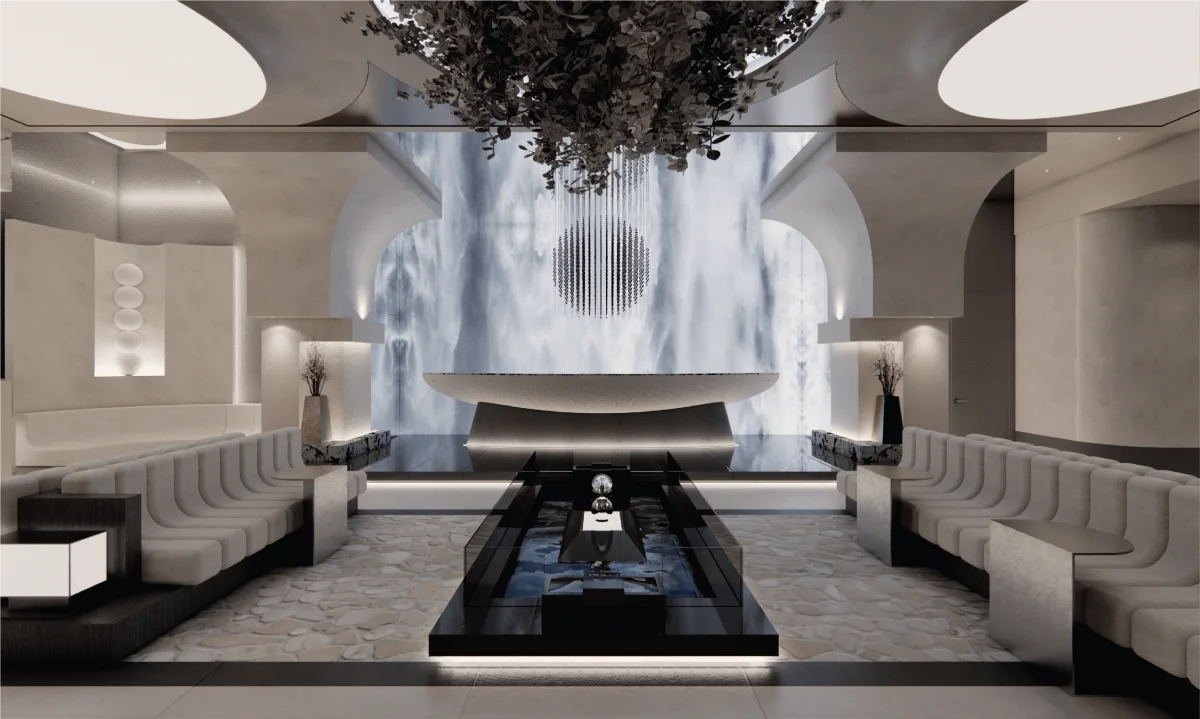
Step 4: Post-Treatment Recovery & Aftercare
Immediately after treatment, Dr. Ryu applies a ceramide-rich soothing cream and performs LDM (Local Dynamic Micro-massage) therapy to calm inflammation and accelerate healing. For sub-purpuric treatments, you may notice mild pinkness lasting 2-6 hours — no visible bruising. For purpuric treatments targeting discrete vessels, purple-red marks last 5-10 days before fading. You receive a detailed aftercare protocol: SPF 50+ for 2 weeks, avoid saunas and hot baths for 48 hours, and use only gentle fragrance-free skincare. Follow-up sessions are typically scheduled every 3-4 weeks. Our WhatsApp line (+82-2-039-2822) is available for questions between visits in 8 languages.
What to Expect from V-Beam Laser at RE:BERRY Gangnam
- Gold-Standard Vascular Targeting: The 595nm wavelength has the highest evidence grade among all laser modalities for vascular indications. Over 30 years of clinical research and thousands of published studies support V-Beam as the definitive treatment for cutaneous vascular lesions.
- Flexible Purpuric & Sub-Purpuric Modes: Unlike single-mode lasers, V-Beam offers both purpuric settings for maximum single-session clearance and sub-purpuric parameters for zero-downtime gradual improvement — giving Dr. Ryu the flexibility to match treatment intensity to your condition and lifestyle.
- Dynamic Cooling Device (DCD): Integrated cryogen spray fires milliseconds before each laser pulse, providing epidermal protection and natural analgesia — reducing PIH risk in Asian skin types while maintaining treatment comfort without injectable anesthesia.
- Multi-Indication Versatility: V-Beam treats rosacea, facial redness, port wine stains, spider veins, hemangiomas, red acne scars, stretch marks, and hypertrophic scars — making it a comprehensive vascular solution within a single device platform.
- Proven Results for Asian Skin: With optimized pulse durations (0.45-40ms) and the DCD epidermal protection, V-Beam achieves effective vascular clearance in Fitzpatrick III-V skin types with a PIH rate below 3% in published clinical studies.
- Prayer Room & 8-Language Support: RE:BERRY Gangnam accommodates international patients with 8-language staff, a dedicated Muslim prayer room, and 365-day availability — making vascular laser treatment accessible for medical tourists from any background.
| Timeline | What to Expect |
|---|---|
| Day 1 | Sub-purpuric treatment: mild pinkness resolving within 2-6 hours. Purpuric treatment: purple-red marks on treated areas. Some patients notice immediate blanching of individual spider veins. |
| Day 2-5 | Sub-purpuric: normal appearance. Purpuric: bruise marks transition from purple to yellow-green as treated vessels are reabsorbed by the body. |
| Week 1-2 | Background redness begins to fade. Treated telangiectasia may appear darker before disappearing completely. Skin feels calmer with reduced flushing reactivity. |
| Week 3-4 | Optimal assessment window. Visible reduction in redness intensity and vessel count. Ideal timing for second treatment session. |
| Session 2-4 (Month 2-4) | Progressive improvement with each session. Deeper vessels and diffuse erythema continue clearing. Most patients report 60-85% improvement by session 3-4. |
| Month 4-6+ | Primary treatment phase complete. Rosacea/redness patients may benefit from maintenance sessions every 3-6 months. Port wine stains may require 6-10+ sessions for optimal results. |
V-Beam vs Other Vascular Laser Options
| Feature | V-Beam (595nm PDL) | Nd:YAG 1064nm | IPL (Broad Spectrum) | KTP 532nm |
|---|---|---|---|---|
| Wavelength | 595nm | 1064nm | 500-1200nm (filtered) | 532nm |
| Primary Target | Oxyhemoglobin (superficial vessels) | Deep reticular vessels | Broad pigment + vascular | Superficial capillaries |
| Vessel Depth Range | 0.5-1.5mm (superficial) | 1-4mm (deep) | Variable | 0.1-0.5mm (very superficial) |
| Purpuric Option | Yes (switchable) | Sub-purpuric only | No | No |
| Dynamic Cooling | Yes (DCD integrated) | External cooling | Varies by device | External cooling |
| PIH Risk (Asian Skin) | Low (<3% with DCD) | Very low (<1%) | Moderate (5-10%) | Moderate (melanin absorption) |
| Port Wine Stains | Gold standard | Adjunct for deep vessels | Not recommended | Superficial only |
| Rosacea Evidence | Highest evidence grade | Strong evidence | Moderate evidence | Limited data |
| Sessions Needed | 2-4 (redness), 6-10 (PWS) | 3-5 | 5-8 | 3-5 |
V-Beam Laser Packages at RE:BERRY Gangnam
All prices exclude VAT (10%). Non-covered medical service. Transparent pricing — no hidden fees.
Pico Sure Toning (First Visit)
- One session of advanced laser toning
- Addresses redness + pigmentation simultaneously
- Consultation with Dr. Yoon-Gon Ryu
- Post-treatment soothing LED therapy
- Aftercare instructions in your language
V-Beam Vascular + Barrier Repair Package
- Potenza RF microneedling + Juvelook or Exosome
- Combined vascular + barrier restoration approach
- Consultation with Dr. Yoon-Gon Ryu
- LDM recovery therapy
- 8-language aftercare support
Reberry Signature Smooth Texture Glow
- Potenza non-insulated tip
- Juberry 6cc
- Resistance-reducing Skin Boitox
- Re2O 1 syringe
- LDM recovery therapy
- Full consultation with Dr. Yoon-Gon Ryu
Meet Your Doctor

Dr. Yoon-Gon Ryu
- CEO, RE:BERRY Clinic Gangnam
- Medical Director, Aesthetic Medicine Specialist
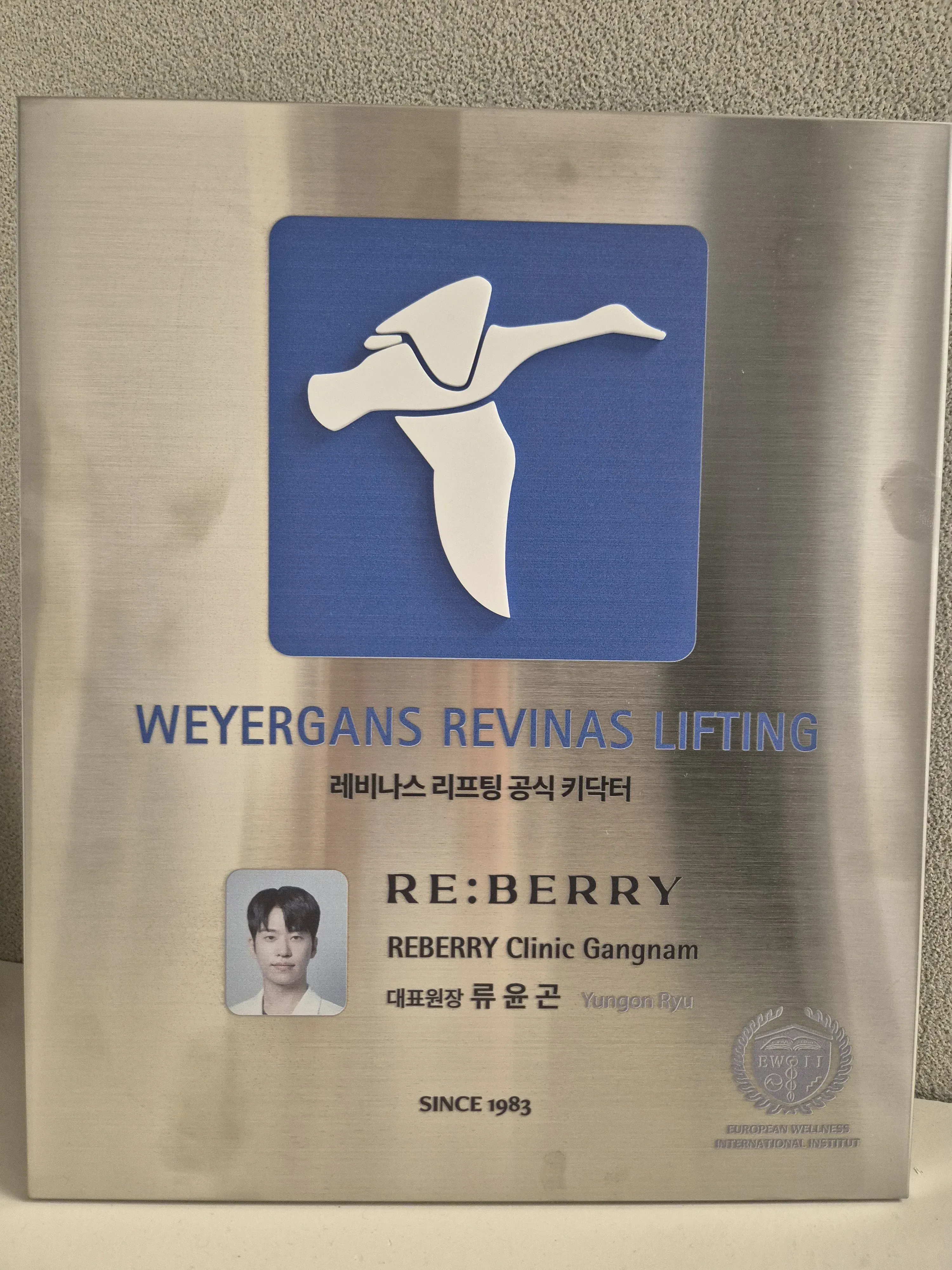
- Revinas Official KOL (Key Opinion Leader)
- Ultherapy Prime Certified Physician
- License No. 131644
Medically reviewed by Dr. Yoon-Gon Ryu, CEO / Medical Director, RE:BERRY
The Science Behind V-Beam Pulsed Dye Laser
Peer-reviewed research supporting V-Beam’s mechanism of action and clinical efficacy for vascular lesions.
Selective Photothermolysis: The Foundation of V-Beam
The V-Beam pulsed dye laser operates on the principle of selective photothermolysis, first described by Anderson and Parrish in their landmark 1983 Science paper. The 595nm wavelength falls within the third absorption peak of oxyhemoglobin (the highest peak near the yellow-orange spectrum), allowing it to deliver thermal energy selectively to blood vessel walls while sparing surrounding dermal collagen and epidermal melanin. When the laser pulse duration matches the thermal relaxation time of the target vessel (typically 1-10ms for facial telangiectasia), the absorbed energy is confined to the vessel lumen, causing intravascular coagulation and subsequent vessel collapse. The body’s immune system then gradually reabsorbs the destroyed vessel over 2-4 weeks. This selective destruction is why V-Beam achieves vascular clearance without significant collateral damage — a critical advantage over earlier non-selective vascular treatments.
Clinical Evidence: Meta-Analysis of Pulsed Dye Laser for Vascular Lesions
Tierney and Hanke conducted a comprehensive meta-analysis (J Am Acad Dermatol 2009) evaluating 31 clinical studies of pulsed dye laser for vascular lesions. Their analysis confirmed that PDL achieves 70-90% improvement in facial telangiectasia and diffuse erythema across 2-4 treatment sessions, with the highest evidence grade (Level I) among all laser modalities for vascular indications. Specifically for rosacea, PDL demonstrated superiority over topical pharmacotherapy for the erythematotelangiectatic component, with sustained improvement at 12-month follow-up. The authors noted that newer-generation PDL systems with extended pulse durations (like the V-Beam Perfecta’s 0.45-40ms range) allow sub-purpuric treatment that achieves meaningful vascular reduction without the 7-14 day purpuric phase that limited patient acceptance of earlier PDL protocols.
V-Beam for Acne Scars: Vascular Remodeling Mechanism
Beyond traditional vascular indications, V-Beam demonstrates significant efficacy for hypertrophic and erythematous acne scars. Buzza and Alster (Dermatol Surg 2003; doi:10.1046/j.1524-4725.2003.29009.x) demonstrated that PDL treatment of hypertrophic scars reduces scar height, erythema, and pliability through selective destruction of the excessive microvasculature that sustains scar metabolism. By reducing blood supply to the scar tissue, PDL decreases fibroblast activity and collagen overproduction — the fundamental drivers of hypertrophic scar formation. For erythematous post-acne marks (post-inflammatory erythema), V-Beam directly targets the dilated capillary bed responsible for the persistent red discoloration, achieving 50-70% improvement in scar redness within 2-3 sessions.
Safety in Asian Skin: DCD and Pulse Duration Optimization
A prospective study by Tanghetti (J Cosmet Laser Ther 2012; doi:10.3109/14764172.2012.748199) evaluated V-Beam Perfecta treatment in 150 patients with Fitzpatrick III-V skin types — the predominant population in Korean aesthetic practice. The study reported a post-inflammatory hyperpigmentation rate of only 2.7% when using DCD-protected sub-purpuric parameters, compared to 8-12% PIH rates reported with earlier-generation PDL systems lacking integrated cooling. The DCD’s cryogen spray, delivered 20-40ms before each laser pulse, creates an epidermal temperature gradient that protects melanin-rich basal cells while allowing full fluence delivery to the dermal vascular target. This technological advance has made V-Beam the safest vascular laser option for Asian patients.
References: Tierney EP, Hanke CW. J Am Acad Dermatol 2009;60(4):643-65. doi:10.1016/j.jaad.2009.01.023 | Buzza KA, Alster TS. Dermatol Surg 2003;29(1):65-73. doi:10.1046/j.1524-4725.2003.29009.x | Tanghetti EA. J Cosmet Laser Ther 2012;14(6):291-5. doi:10.3109/14764172.2012.748199 | Anderson RR, Parrish JA. Science 1983;220(4596):524-7. doi:10.1126/science.6836297
What Our Patients Say About V-Beam Laser
“I had visible spider veins on both cheeks for years. After two V-Beam sessions at RE:BERRY Gangnam, they are almost completely gone. Dr. Ryu used the non-bruising mode so I went back to work the same day.”
“My rosacea flares made me avoid social events. After three V-Beam treatments combined with Rejuran skin booster, my background redness dropped dramatically. The 8-language support made everything easy as a tourist.”
“I had red acne scars from my teenage years that never faded. V-Beam specifically targeted the redness while Potenza RF worked on the texture. The combination approach at RE:BERRY was the first treatment that actually made a difference.”
Frequently Asked Questions About V-Beam Laser
Expert answers to common questions about V-Beam pulsed dye laser treatment at RE:BERRY Gangnam.
Laser toning sessions start at ₩159,000 for first-visit patients. The V-Beam Vascular + Barrier Repair package (Potenza + Juvelook/Exosome) is ₩490,000. The comprehensive Reberry Signature Smooth Texture Glow Package is ₩1,490,000. All prices exclude VAT.
V-Beam (595nm pulsed dye laser) is the internationally recognized gold standard for rosacea — it has the highest evidence grade among all laser modalities for vascular indications. At RE:BERRY Gangnam, Dr. Yoon-Gon Ryu combines V-Beam with barrier restoration for comprehensive rosacea management.
Most patients achieve 60-85% improvement in facial redness within 2-4 sessions spaced 3-4 weeks apart. Mild telangiectasia may clear in 2 sessions. Rosacea typically requires 3-5 initial sessions plus quarterly maintenance.
V-Beam’s integrated Dynamic Cooling Device (DCD) sprays cryogen onto the skin milliseconds before each pulse, providing natural analgesia. Most patients describe the sensation as a light rubber band snap followed by brief warmth. No injectable anesthesia is needed.
Purpuric V-Beam uses higher energy to achieve maximum vessel clearance per session but leaves visible purple marks lasting 5-10 days. Sub-purpuric mode uses lower energy with stacking technique — no visible bruising but requires more sessions for equivalent results. Dr. Ryu selects the mode based on your condition and downtime tolerance.
Sub-purpuric treatment: mild pinkness lasting 2-6 hours, no social downtime. Purpuric treatment: purple marks lasting 5-10 days. You can apply mineral makeup the same day. No wound care needed.
Yes. With DCD epidermal protection and optimized pulse parameters, V-Beam achieves effective vascular clearance in Fitzpatrick III-V skin with a PIH rate below 3% — the lowest among vascular laser modalities. Dr. Ryu adjusts fluence and pulse duration specifically for each patient’s skin type.
V-Beam is highly effective for red (erythematous) acne scars. The 595nm wavelength targets the dilated capillaries causing scar redness, achieving 50-70% improvement in scar color within 2-3 sessions. For textural scars, we combine V-Beam with Potenza RF or fractional laser.
V-Beam delivers a precise 595nm wavelength at higher fluence than IPL’s broad-spectrum light (500-1200nm). This translates to 70-90% vascular improvement in 2-4 sessions versus IPL’s 30-50% in 5-8 sessions. V-Beam also carries significantly lower PIH risk for Asian skin due to its wavelength specificity and DCD cooling.
V-Beam PDL is the gold-standard treatment for port wine stains. Multiple sessions (6-10+) are typically needed depending on the depth, color, and location of the birthmark. Early treatment in younger patients generally achieves better clearance rates. Dr. Ryu can assess your port wine stain during a consultation.
V-Beam (595nm) is more effective for superficial vessels and telangiectasia. Nd:YAG 1064nm penetrates deeper, targeting reticular vessels at 1-4mm depth. At RE:BERRY, we may combine both wavelengths — V-Beam for surface vessels and Nd:YAG for deeper background erythema.
Yes. Sub-purpuric V-Beam has zero downtime — you can fly immediately. After purpuric treatment, you may fly the same day but the purple marks will be visible for 5-10 days. Apply SPF 50+ and keep skin moisturized during the flight.
All laser treatments are performed by licensed physicians — Medical Director Dr. Yoon-Gon Ryu (License 131644) or Dr. Yejin Oh (License 144238). RE:BERRY never delegates laser procedures to non-physician staff.
Treated vessels are permanently destroyed and do not regenerate. However, rosacea is chronic — new abnormal vessels form over time due to ongoing neurovascular dysregulation and environmental triggers. Maintenance sessions every 3-6 months are recommended to sustain optimal results.
Absolutely. V-Beam combines synergistically with Rejuran for barrier repair, Potenza RF for texture improvement, Juvelook skin boosters for hydration, and laser toning for pigmentation — enabling multi-concern treatment in a single visit.
Avoid sun exposure and tanning for 2 weeks before treatment. Stop retinoids 5-7 days before. Discontinue blood thinners (aspirin, ibuprofen) 7 days before if medically safe. Arrive with clean, product-free skin.
Yes. Nasal telangiectasia (broken capillaries around the nose) is one of V-Beam’s primary indications. The 595nm wavelength achieves excellent clearance of these superficial vessels, typically in 2-3 sessions. The small spot size allows precise targeting of individual vessels.
Yes. V-Beam PDL is evidence-supported for treating striae rubrae (red/purple stretch marks). The vascular component responds well to 595nm targeting. However, white/silver stretch marks (striae albae) require different approaches such as fractional laser or RF microneedling.
Contact RE:BERRY Gangnam via WhatsApp (+82-2-039-2822), LINE, KakaoTalk, or WeChat. Our 8-language team responds within hours. We are 2 minutes from Gangnam Station Exit 10, open 365 days including holidays.
V-Beam is primarily optimized for facial vascular lesions. For leg spider veins, Nd:YAG 1064nm laser is generally more effective due to the deeper and larger caliber of leg vessels. Dr. Ryu can evaluate your specific condition during consultation.
RE:BERRY Gangnam offers multi-wavelength vascular laser capability (V-Beam 595nm + Nd:YAG 1064nm + KTP 532nm), dual-physician expertise with Dr. Yoon-Gon Ryu and Dr. Yejin Oh, transparent pricing, 8-language support, a dedicated prayer room, and a 14,000 sq ft premium facility 2 minutes from Gangnam Station.
Yes. All before and after photos shown are actual RE:BERRY Gangnam patients who provided informed consent. Individual results vary based on condition severity, skin type, number of sessions, and adherence to aftercare protocols.
Yes. RE:BERRY Gangnam provides a dedicated prayer room for Muslim patients, available during any waiting period. This is especially appreciated by patients from Southeast Asia and the Middle East traveling to Seoul for medical treatment.
Yes. Cherry angiomas respond well to V-Beam PDL, typically clearing in 1-2 sessions per lesion. The 595nm wavelength targets the vascular component of the angioma, causing it to darken, crust, and then fall off within 7-14 days.
There is no strict minimum age — V-Beam has been safely used to treat port wine stains and hemangiomas in infants under skin specialist supervision. For cosmetic vascular treatment in adults, we recommend age 18+ unless the condition is congenital (e.g., port wine stain) and early intervention is medically indicated.
Post-acne erythema is caused by persistent dilated capillaries in scar tissue. V-Beam’s 595nm wavelength selectively coagulates these abnormal vessels, reducing blood supply to the scar and decreasing the red discoloration. This also indirectly reduces scar fibroblast activity, contributing to overall scar improvement.
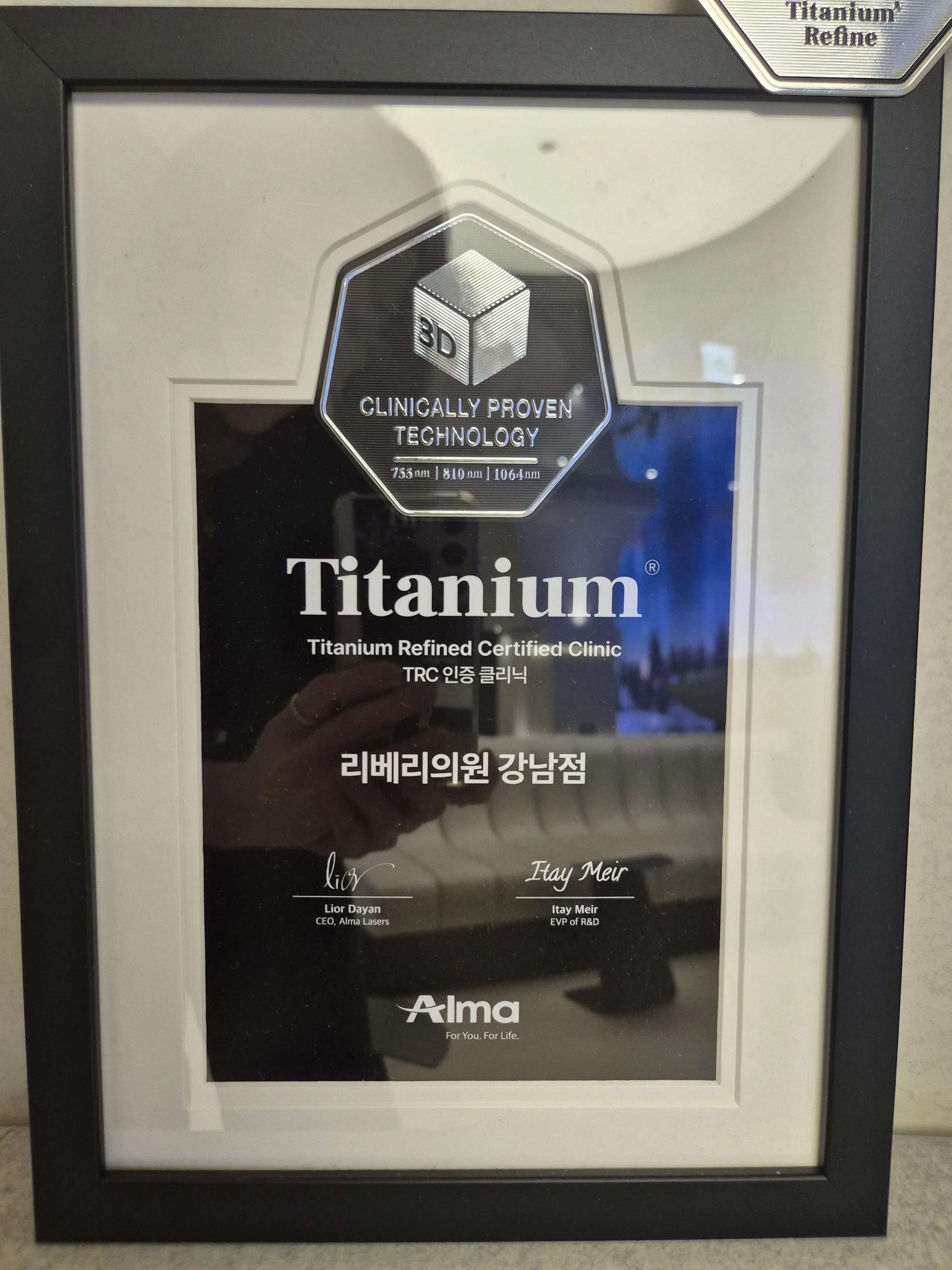
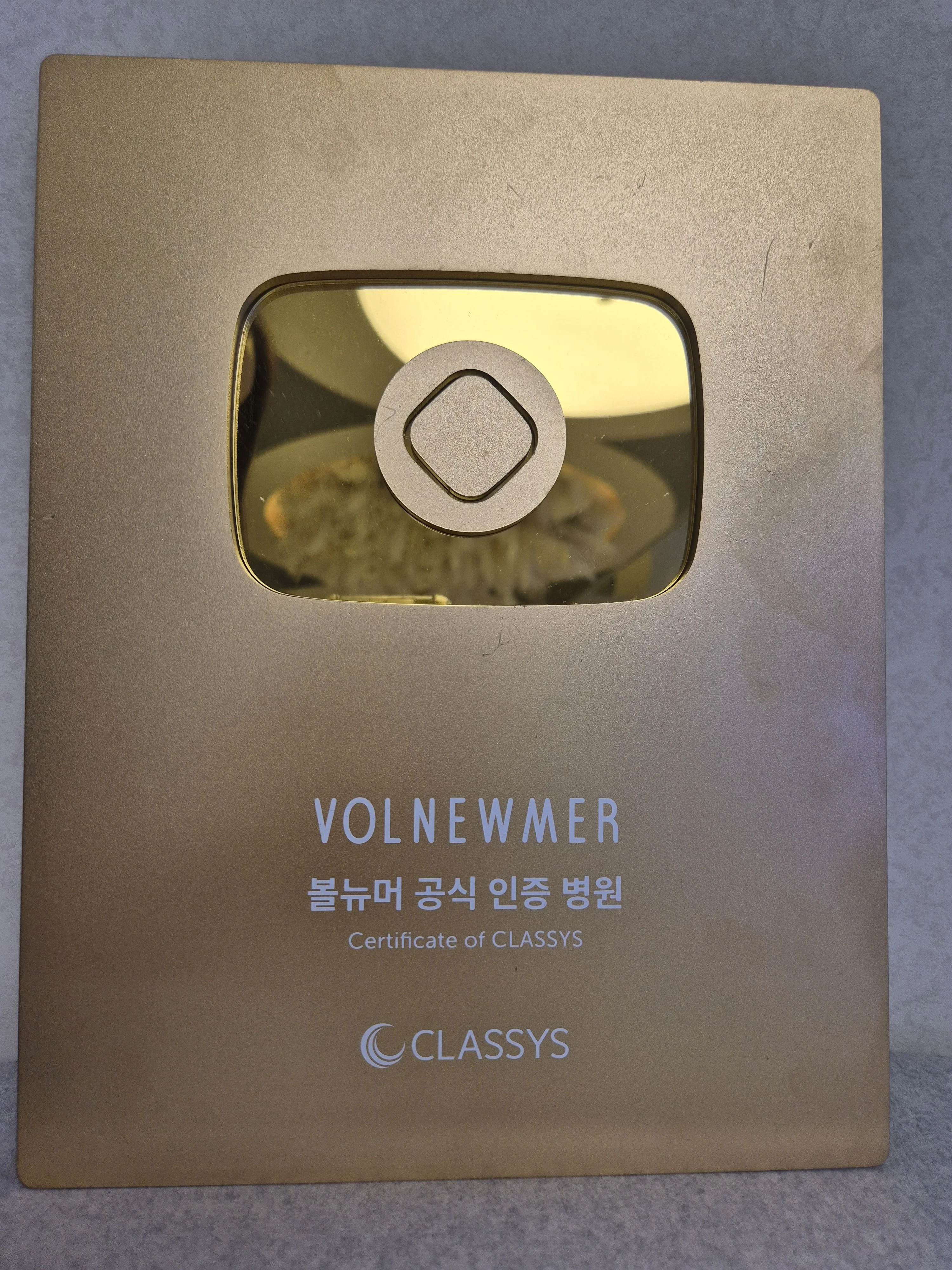
Only Authentic, Brand-Certified Equipment
Every device at RE:BERRY is MFDS-certified and manufacturer-verified. We never use counterfeit or grey-market equipment.
Ready for V-Beam Laser Treatment?
Book your vascular laser consultation with Dr. Yoon-Gon Ryu at RE:BERRY Gangnam — 2 minutes from Gangnam Station Exit 10. Open 365 days with 8-language support.
Book Your V-Beam Laser Consultation
Fill out the form and our multilingual team will confirm within 2 hours via your preferred contact method.
- ✓ Free consultation with Dr. Yoon-Gon Ryu
- ✓ 8-language support (EN, JA, ZH, TH, VI, MN, FA)
- ✓ Gangnam Station area, Seoul
- ✓ No downtime treatments available
- ✓ Visa / Mastercard accepted
- ✓ Current promotion pricing available