Korean Anti-Aging Secrets: What 40+ Year Old Korean Women Actually Do
Korean Anti-Aging Secrets: What 40+ Year Old Korean Women Actually Do
Why Korean Women in Their 40s Look a Decade Younger
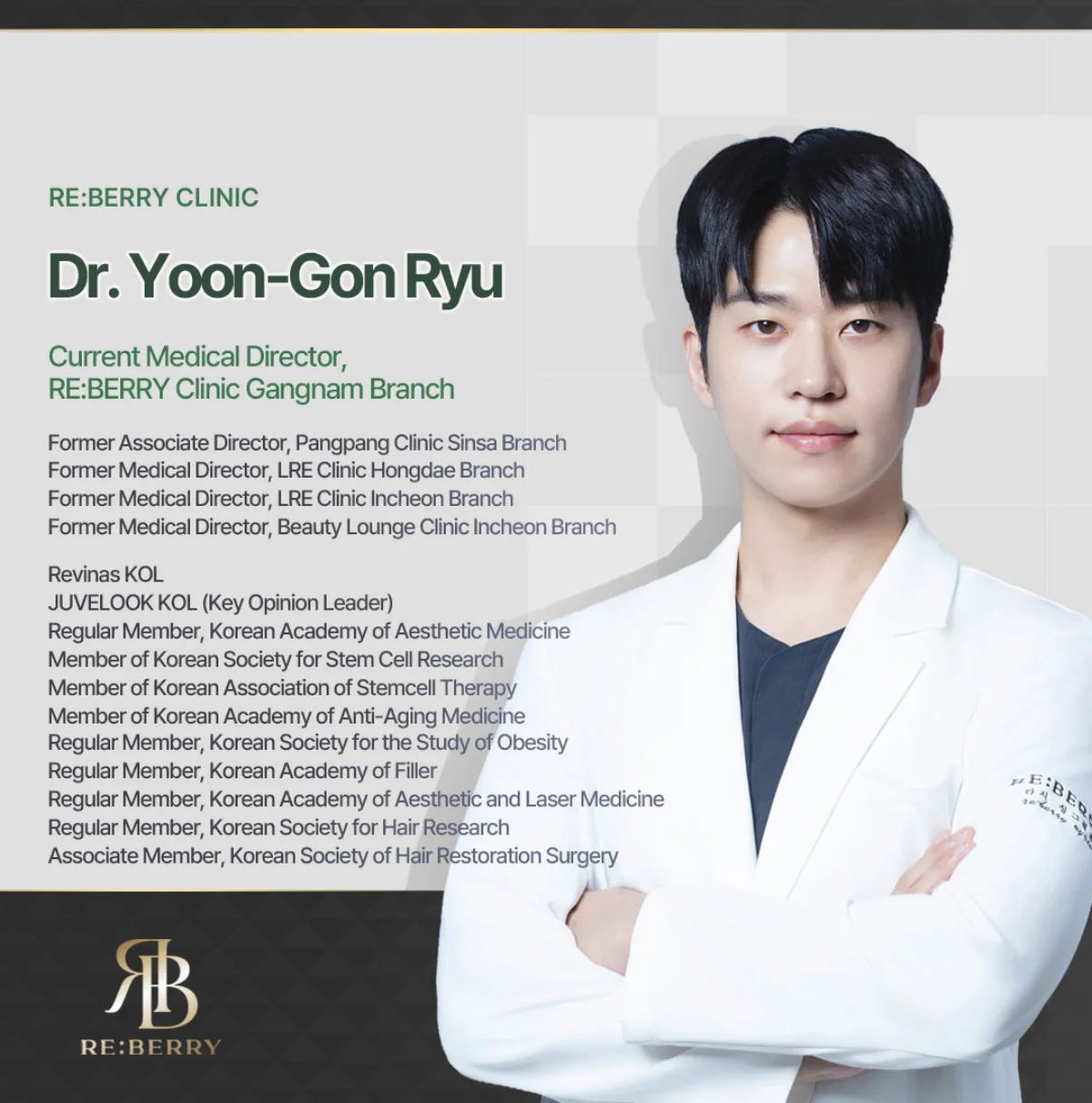
I have practiced aesthetic medicine in Seoul for over a decade, and I consult with patients from around the world. The question I hear most frequently from international visitors is some version of: “How do Korean women maintain such youthful skin as they age? What are they actually doing?”
The honest answer is not a single secret ingredient or magical procedure. It is a systematic, multi-layered approach that starts earlier, happens more frequently, and involves more modalities than what most Western women consider normal anti-aging care. Let me break down exactly what a typical Korean woman in her 40s is actually doing, based on real conversations with thousands of patients.
The Foundation: Sunscreen Obsession (This Cannot Be Overstated)
Before I discuss any treatment or product, you need to understand this: Korean women are obsessively diligent about sun protection. Not occasionally, not when they remember. Every single day, rain or shine, winter or summer.
A typical Korean woman’s sun protection routine:
- Daily SPF 50+ PA++++: Applied every morning as the final step of skincare, even on cloudy days, even when staying indoors (UV penetrates windows)
- Reapplication every 2-3 hours: Many Korean women carry cushion compact sunscreens or SPF mist sprays in their purses for touchups
- Physical sun protection: Wide-brimmed hats, UV-blocking umbrellas (common even on sunny days), and UV-rated arm sleeves during summer
- Avoiding peak sun hours: Scheduling outdoor activities before 10am or after 4pm when possible
This single habit, maintained consistently from the teenage years, is probably responsible for 60-70% of the visible difference in skin aging between Korean women and their Western counterparts. UV exposure is the primary cause of photoaging: wrinkles, pigmentation, loss of elasticity, and uneven texture. Preventing that damage is exponentially more effective than trying to reverse it later.
Phase 1: The 20s (Prevention and Maintenance)
While most Western women in their 20s are using basic cleanser and moisturizer (if anything), Korean women are already building their anti-aging foundation:
Skincare Routine (10-Step Regiment)
The famous “Korean 10-step routine” is real, though not everyone does all 10 every day. A typical 20-something Korean woman’s daily routine includes:
- Oil cleanser (evening only)
- Water-based cleanser
- Toner (hydrating, not astringent)
- Essence (fermented, like galactomyces or first treatment essence)
- Serum (niacinamide, vitamin C, or hyaluronic acid)
- Moisturizer
- SPF 50+ PA++++ (morning)
Clinic Visits in the 20s
- Quarterly: Laser toning for pore refinement and tone evening
- Biannually: Chemical peels or Hydrafacial for deep cleansing
- Starting at 25-28: Preventive “Baby Botox” (micro-doses of Botox to prevent dynamic wrinkles from becoming static)
Phase 2: The 30s (Active Anti-Aging Begins)
This is when Korean women escalate from maintenance to active anti-aging intervention. Collagen production begins declining around age 25 and accelerates after 30. Korean women respond to this proactively rather than reactively.
Skincare Additions
- Retinal (retinaldehyde): Added to the evening routine 3-5 times per week. Korean women prefer retinal over retinol for its higher efficacy with less irritation.
- PDRN serums: Salmon DNA-derived products for cellular regeneration
- Eye cream: Peptide-based formulations become a non-negotiable step
- Weekly sheet masks: Propolis, centella, or niacinamide-based
Clinic Treatments in the 30s
- Quarterly: Skin boosters. Rejuran (₩240,000 for 2cc) or Juvelook (₩340,000 for 4cc) injected into the dermis for collagen stimulation and deep hydration
- Biannually: Potenza RF microneedling or similar treatment to stimulate collagen remodeling
- Annually: Entry-level energy device treatment. A single Sofwave or Ultherapy session to address early laxity
- As needed: Botox for established expression lines (₩19,000 per area), under-eye filler for hollowing
Monthly investment in her 30s: approximately ₩150,000-300,000 ($110-220) including products and treatments. This is considered normal and unremarkable spending in Korean culture, comparable to a gym membership.
Phase 3: The 40s (Strategic Combination Therapy)
This is where the approach becomes truly sophisticated, and where the visible difference between Korean women and their international counterparts becomes most dramatic. A Korean woman in her 40s has been building collagen consistently for 15+ years. She is not starting from scratch.
The Annual Treatment Calendar (Typical 40-Something Korean Woman)
| Month | Treatment | Approximate Cost |
|---|---|---|
| January | Skin booster (Rejuran or Re2O) | ₩240,000-750,000 |
| February | Laser toning + LED therapy | ₩100,000-200,000 |
| March | Botox touch-up (forehead, crow’s feet) | ₩38,000-57,000 |
| April | Potenza RF microneedling + Exosome | ₩490,000 |
| May | Skin booster (Rejuran) | ₩240,000 |
| June | Annual lifting: Ultherapy + Sofwave | ₩1,480,000-2,970,000 |
| July | Recovery + LED therapy | ₩50,000-100,000 |
| August | Skin booster (Juvelook or Re2O) | ₩340,000-750,000 |
| September | Laser toning | ₩100,000-200,000 |
| October | Botox touch-up | ₩38,000-57,000 |
| November | Skin booster + Potenza | ₩490,000-730,000 |
| December | Year-end treatment: Thermage or Sofwave | ₩990,000-1,990,000 |
Annual total: approximately ₩4,600,000-8,500,000 ($3,350-6,200)
This may sound like a lot, but consider: the same treatments purchased individually in the US would cost $15,000-25,000 per year. And the consistency of this approach, rather than sporadic “big event” treatments, produces dramatically better results.
Phase 4: The 50s and Beyond (Maintenance Mode)
By their 50s, Korean women who have followed this approach have accumulated years of collagen stimulation. Their skin has been consistently maintained, and the visible aging that their Western counterparts experience simply has not occurred to the same degree.
Treatment frequency in the 50s actually decreases slightly because the foundation is so strong:
- Biannual lifting: Ultherapy or Thermage twice per year instead of annually
- Quarterly skin boosters: Maintained for hydration and collagen stimulation
- Monthly laser or LED: For pigmentation management and ongoing maintenance
- Volume restoration: Biannual filler sessions for areas that have lost fat volume (temples, cheeks, under-eyes)
- Premium options: Stem cell-based treatments (autologous blood therapy, exosome infusions) for advanced regeneration
Diet and Lifestyle Factors
It would be misleading to attribute Korean skin quality entirely to products and procedures. Diet and lifestyle play significant roles:
The Korean Diet Advantage
- Fermented foods: Kimchi, doenjang (fermented soybean paste), and other fermented staples provide probiotics that support gut-skin axis health. Research increasingly links gut microbiome diversity to skin quality.
- Collagen-rich foods: Bone broth (seolleongtang), pig’s feet (jokbal), and collagen-rich soups are regular dietary staples, not niche health foods.
- Seafood: Korean cuisine is rich in omega-3 fatty acids from fish and seaweed, which reduce inflammation and support skin barrier function.
- Low sugar: Traditional Korean meals are relatively low in refined sugar compared to Western diets. Sugar accelerates glycation, a process that damages collagen and elastin.
- Green tea: Rich in EGCG (epigallocatechin gallate), a powerful antioxidant. Most Korean women drink green tea daily.
Lifestyle Practices
- Jjimjilbang culture: Regular visits to Korean bathhouses, which involve steam rooms, cold plunges, and body scrubbing. The thermal cycling and exfoliation improve circulation and skin cell turnover.
- Sleeping habits: Silk pillowcases and sleeping on the back (to avoid sleep creases) are commonly practiced.
- Stress management: While Korea has high work stress, the cultural emphasis on skincare serves as a daily mindfulness ritual. The multi-step routine is meditative for many women.
Supplements Korean Women Take (Doctor-Recommended)
Supplement culture is strong in Korea. The most common anti-aging supplements I see among my patients:
- Collagen peptides: 5-10g daily (usually marine collagen from fish scales). Multiple Korean studies support oral collagen’s efficacy for improving skin elasticity.
- Vitamin C: 1,000-2,000mg daily for antioxidant support and collagen synthesis
- Glutathione: Oral or IV. Popular for skin brightening and antioxidant effects. (IV glutathione injections are available at RE:BERRY for ₩39,000-90,000)
- Omega-3: Fish oil supplements for anti-inflammatory benefits
- Probiotics: For gut-skin axis support. Korean-made probiotics (Lacto-Fit, Duolac) are formulated with strains studied specifically for skin health.
What International Women Can Adopt (Realistically)
You do not need to replicate the entire Korean approach overnight. Here are the highest-impact changes, ranked by effectiveness:
Tier 1: Highest Impact (Start Immediately)
- Daily SPF 50+ PA++++. Apply every morning. Reapply every 2-3 hours when outdoors. This single habit will produce more anti-aging benefit than any product or treatment.
- Retinal or retinoid at night. Start with 0.025% retinal, 3 nights per week, building to nightly use. This is the gold standard topical anti-aging ingredient.
- Annual energy-based treatment. Even one Ultherapy or Sofwave session per year provides meaningful collagen stimulation that topical products cannot match.
Tier 2: Significant Impact (Add Within 3 Months)
- Quarterly skin booster injections. If you can visit Korea (or find a clinic offering Rejuran in your country), quarterly skin booster sessions dramatically improve skin quality.
- Niacinamide serum (5-10%). Daily use for brightening, barrier support, and pore reduction.
- Double cleansing at night. Oil cleanser followed by water-based cleanser removes sunscreen and pollution thoroughly.
Tier 3: Optimization (For the Committed)
- Preventive Botox. Starting micro-dose Botox in your late 20s or early 30s prevents dynamic wrinkles from becoming permanent.
- Fermented skincare essences. Galactomyces or sake-based essences improve overall skin tone and texture.
- Oral collagen supplementation. 5-10g marine collagen daily.
- Bi-monthly professional treatments. Alternating between laser toning and chemical peels keeps the skin in continuous renewal mode.
The Cost of the Korean Approach (Annual Estimate for a 40-Year-Old)
| Category | In Korea | Equivalent in US |
|---|---|---|
| Skincare products (quality routine) | $600-1,200/year | $1,200-3,000/year |
| Clinic treatments (as described above) | $3,350-6,200/year | $15,000-25,000/year |
| Supplements | $300-600/year | $300-600/year |
| Total | $4,250-8,000/year | $16,500-28,600/year |
This is why many international women find it economical to make 1-2 trips to Seoul per year for their major treatments, even after factoring in flight and hotel costs.
The Deeper Truth
Korean anti-aging is not about secrets. There is no hidden ingredient or magical procedure. It is about consistency, early intervention, multi-modal approaches, and a cultural framework that treats skin maintenance as a normal part of life rather than a luxury indulgence.
The women who look remarkably youthful in their 40s and 50s did not discover a miracle product last month. They have been investing in their skin systematically for 20+ years. The good news is that it is never too late to start. Even beginning a consistent routine in your 40s will produce meaningful improvements over 6-12 months.
Want to develop your own anti-aging protocol? Book a consultation with our team and we will create a personalized plan based on your current skin condition, goals, and budget, whether you are visiting Seoul or maintaining results from home.
Frequently Asked Questions
Ready to Experience Korean Skin Care?
Book a free consultation with our multilingual team at RE:BERRY Gangnam.
Book Consultation