Pico Laser Treatment in Korea at RE:BERRY Gangnam
Pico laser in Korea delivers picosecond-speed energy pulses that shatter pigment particles 100x more effectively than traditional Q-switched lasers — with minimal thermal damage and near-zero downtime. RE:BERRY Gangnam performs over 200 pico laser sessions monthly using PicoSure, the world’s first FDA-cleared picosecond aesthetic laser. Physician-performed pico laser treatment in Korea from ₩159,000, two minutes from Gangnam Station Exit 10.
What Is Pico Laser Treatment in Korea?
Pico laser in Korea at RE:BERRY Gangnam uses PicoSure’s 755nm alexandrite wavelength to fragment melanin pigments in 450-750 picosecond pulses — 100x faster than Q-switched lasers — treating melasma, sunspots, acne scars, and enlarged pores from ₩159,000 per session with zero downtime and under 3% PIH risk.
Korea performs more pico laser procedures per capita than any other country, and RE:BERRY Gangnam stands at the center of this expertise. Medical Director Dr. Yoon-Gon Ryu customizes every pico laser protocol based on your Fitzpatrick skin type (I-VI), pigment depth (epidermal vs. dermal), and treatment goals. The clinic’s PicoSure system delivers energy in 450-750 picosecond bursts — 100 times faster than nanosecond Q-switched lasers — creating a photomechanical impact that shatters pigment into particles small enough for rapid lymphatic clearance without damaging surrounding tissue. Whether you need melasma management, post-inflammatory hyperpigmentation clearance, or glass skin toning, pico laser in Korea offers results that clinics in other countries struggle to replicate because of Korea’s device access advantage and physician volume experience. RE:BERRY Gangnam’s 8-language coordination team handles everything from consultation booking to aftercare instructions for international patients seeking pico laser in Korea.
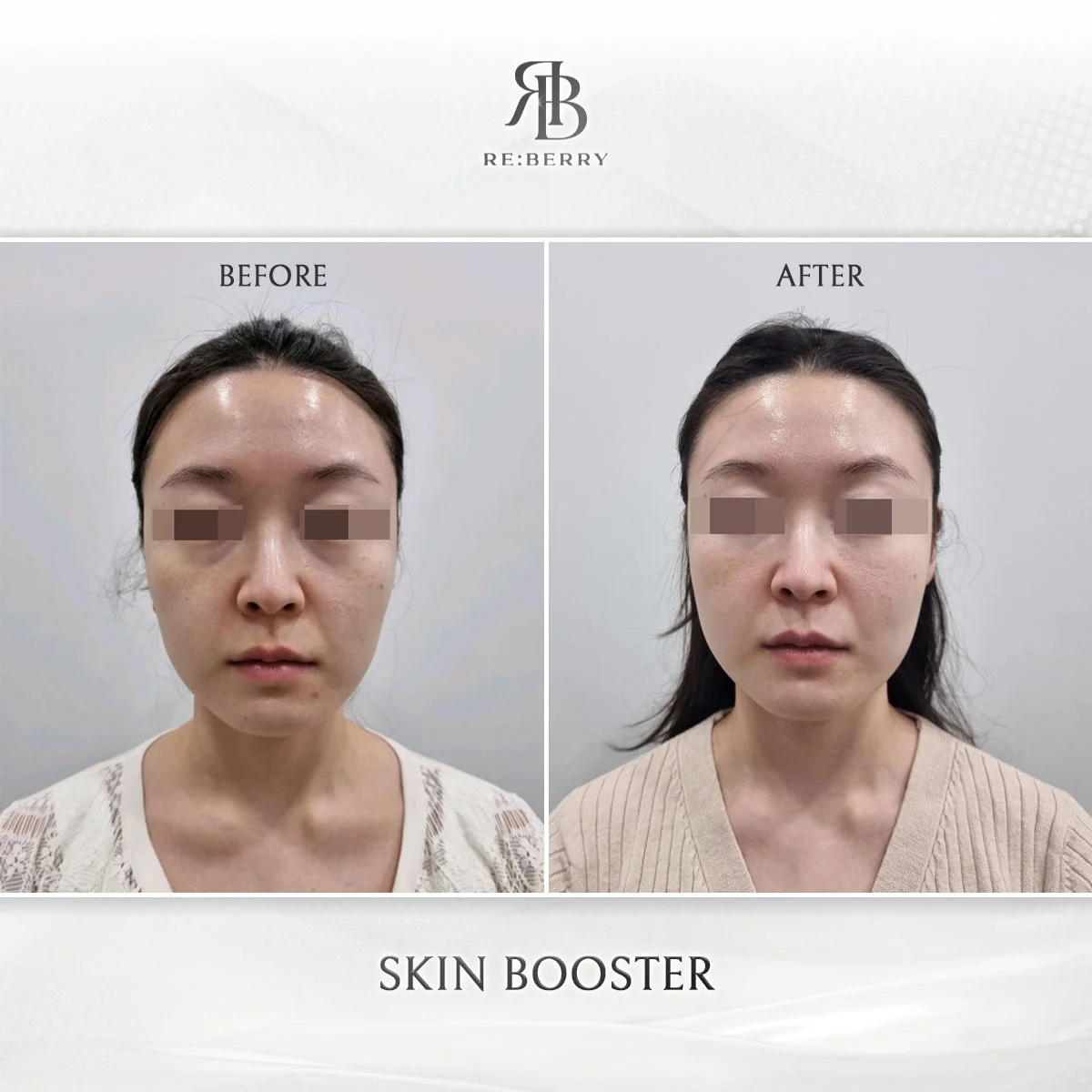
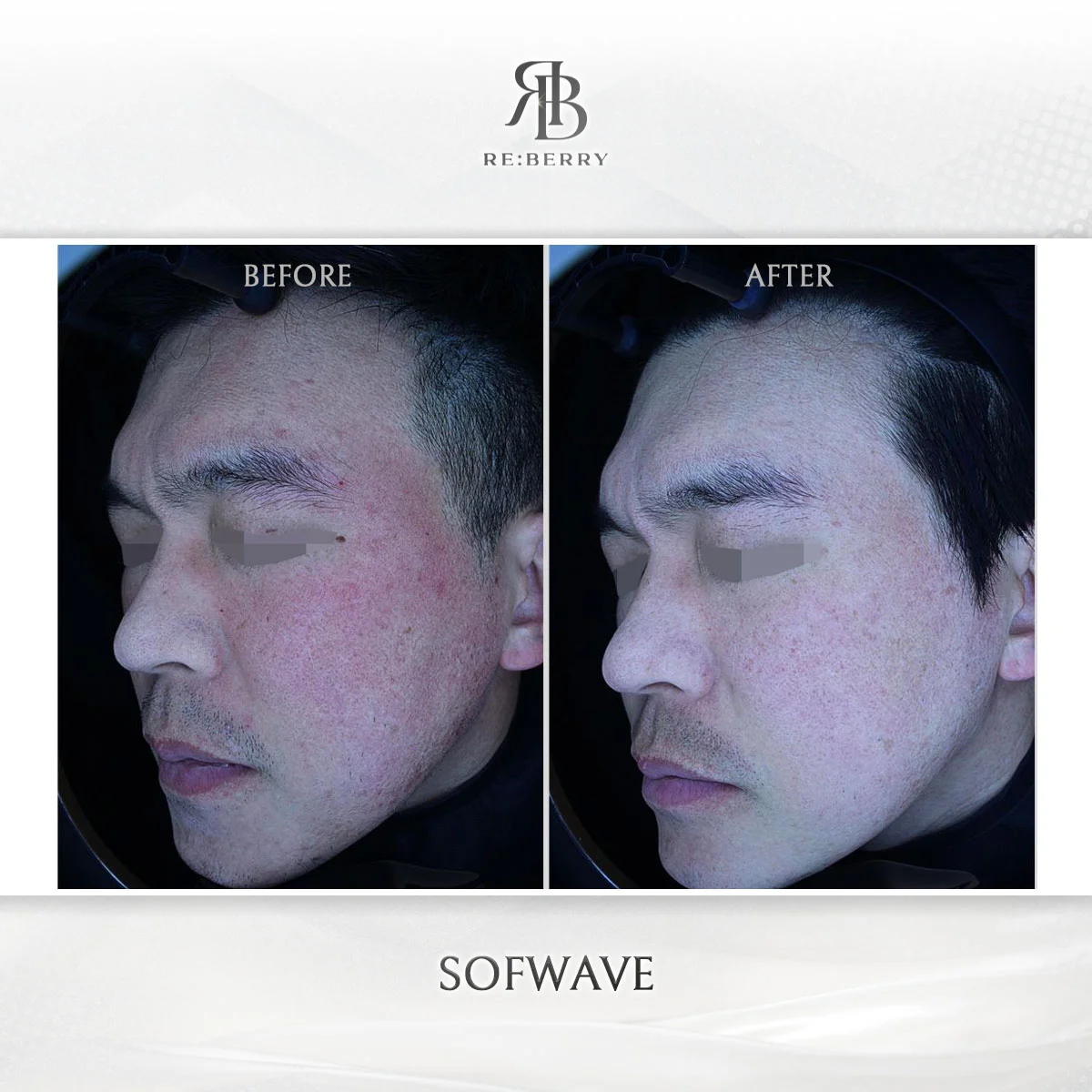
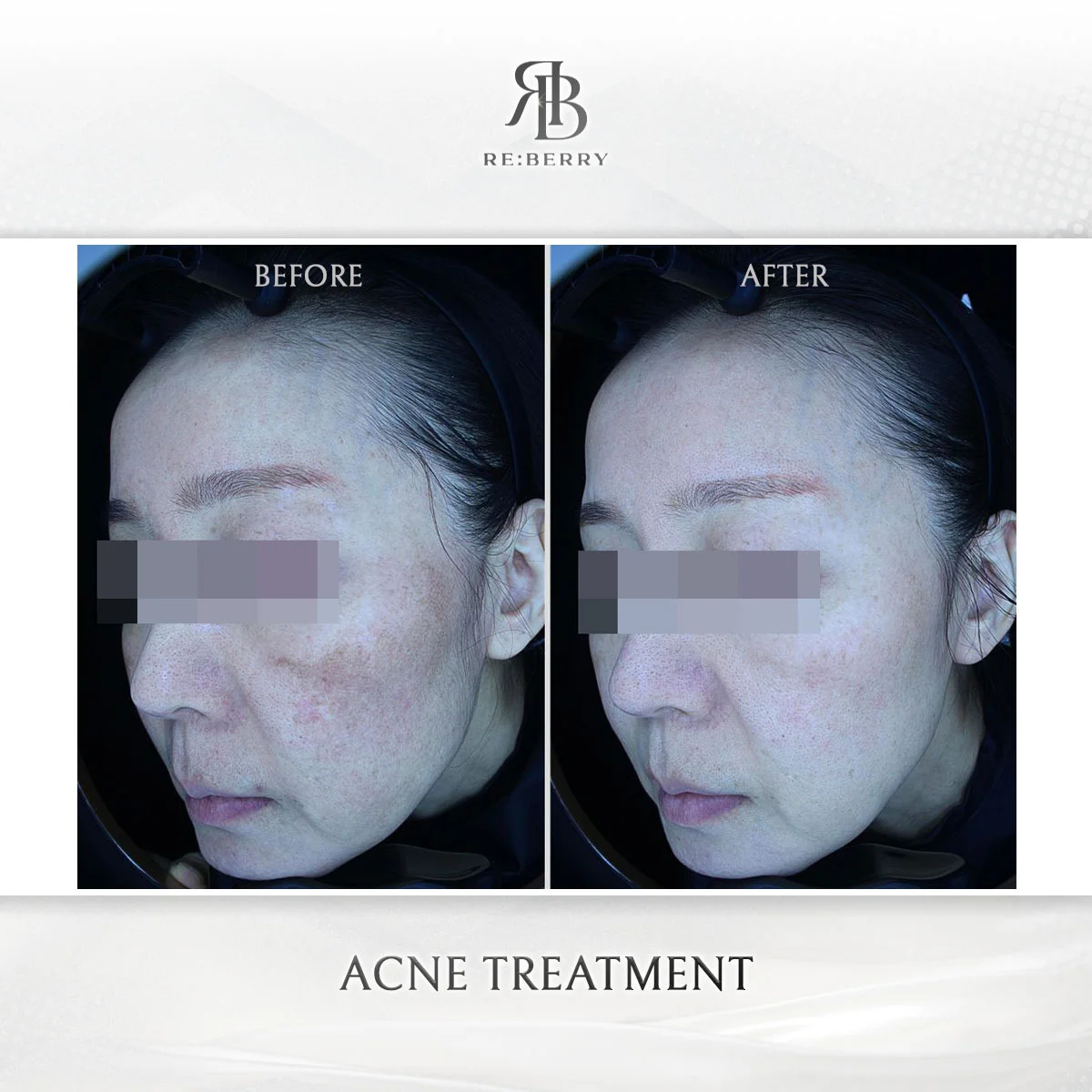
Pico Laser Korea Before and After
Actual patient results from RE:BERRY Gangnam. Individual outcomes may vary.
How Pico Laser Treatment Works in Korea
A physician-led pico laser protocol at RE:BERRY Gangnam targeting pigmentation at every depth.
AI Skin Analysis & Pigment Mapping
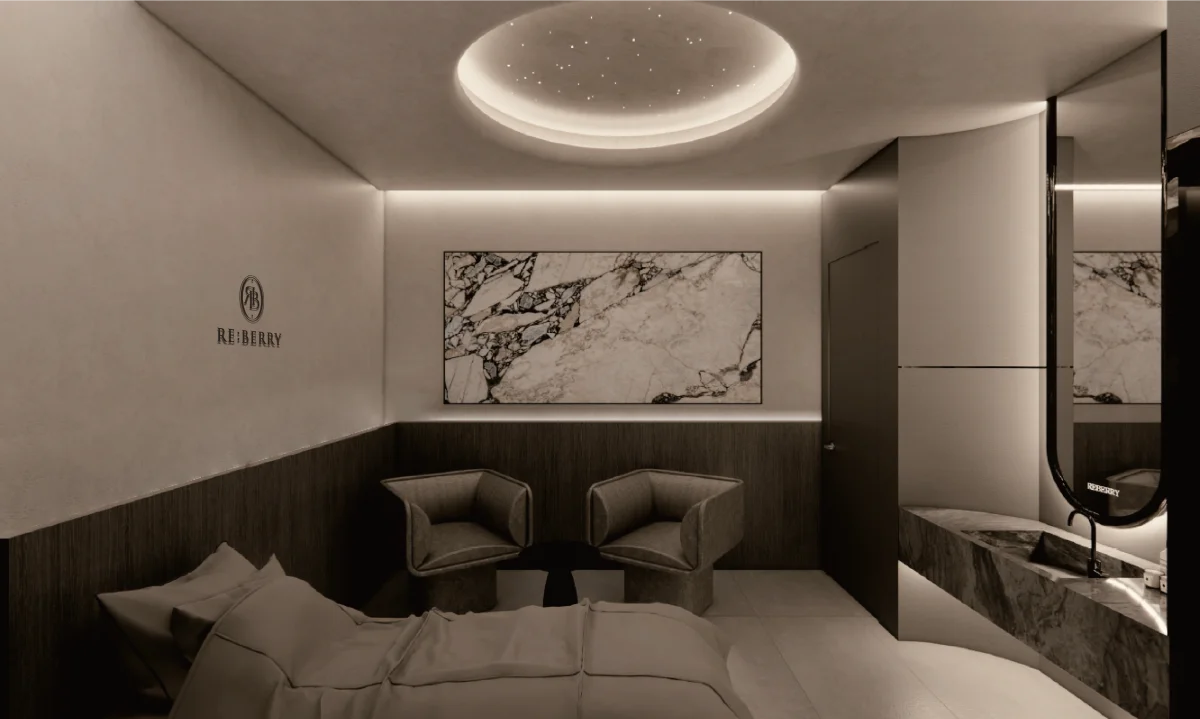
Dr. Yoon-Gon Ryu performs a comprehensive skin assessment using high-magnification dermoscopy and Wood’s lamp UV imaging to map pigment depth, density, and distribution across every facial zone. Epidermal melanin (sunspots, freckles) and dermal melanin (melasma, Hori’s nevus) require different pico laser parameters — fluence, spot size, and repetition rate are all calibrated to your specific pigment profile. Your Fitzpatrick type is documented and a customized pico laser protocol is created during this 15-20 minute consultation at RE:BERRY Gangnam — included free with every pico laser treatment in Korea.
Numbing & Skin Preparation
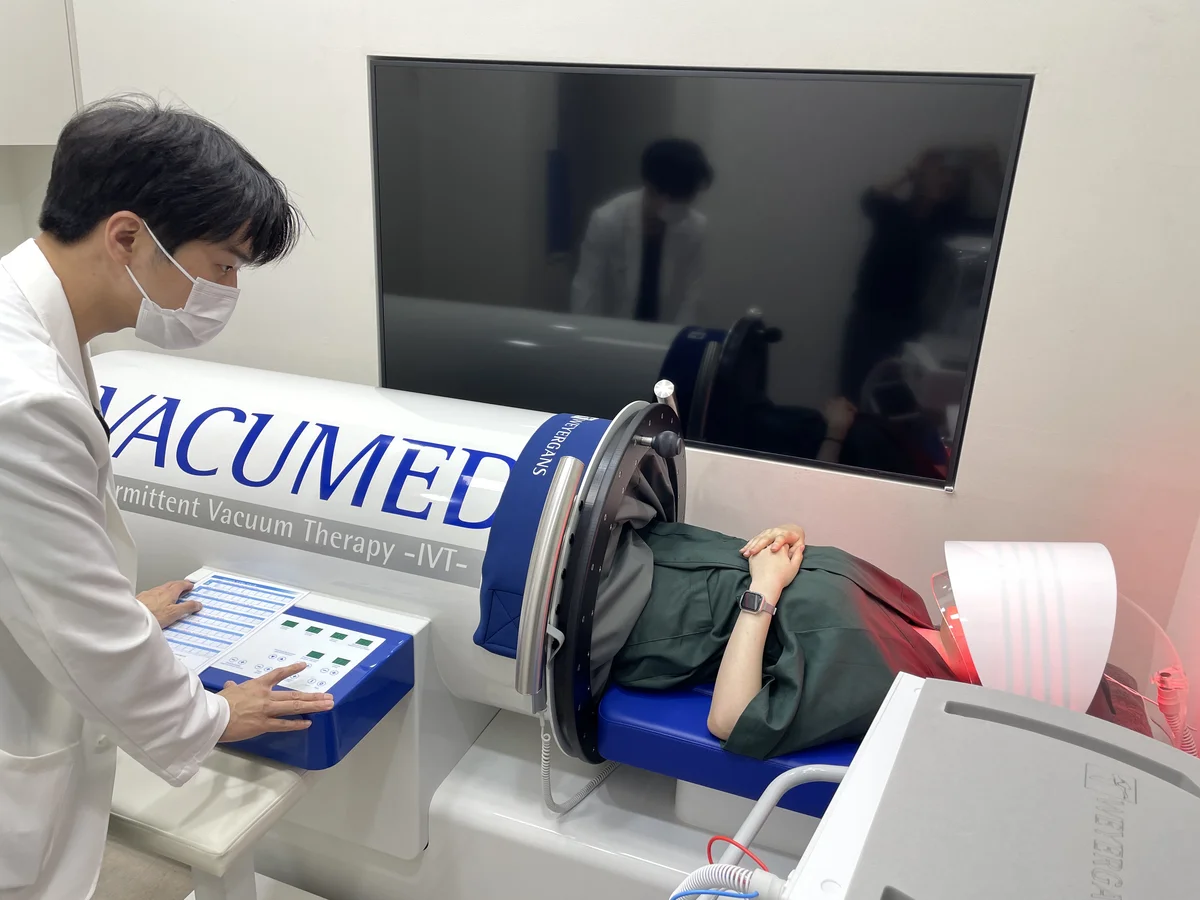
Topical anesthetic cream (lidocaine 4%) is applied for 20-30 minutes before the pico laser session. While numbing takes effect, the treatment area is thoroughly cleansed and any makeup residue removed using medical-grade cleansing solution. For patients combining pico laser with Aqua Peel (₩49,000 add-on), deep pore cleansing with vortex suction is performed during the numbing period for maximum treatment efficiency. This preparation step ensures optimal laser energy absorption and reduces the risk of surface debris interfering with pigment targeting.
PicoSure Laser Delivery
The physician delivers PicoSure’s 755nm alexandrite wavelength in precisely calibrated 450-750 picosecond pulses across the treatment zone. For flat pigmentation and melasma, low-fluence toning mode covers the entire face in systematic passes, shattering melanin granules through photomechanical impact without thermal buildup. For acne scars and textural concerns, the Focus Lens Array creates microscopic LIOB (Laser Induced Optical Breakdown) zones that trigger collagen remodeling while preserving the epidermis. For discrete dark spots, high-fluence spot treatment targets individual lesions with pinpoint accuracy. Each pico laser pass takes 15-25 minutes depending on the treatment area and protocol complexity.
Post-Treatment Recovery & Aftercare
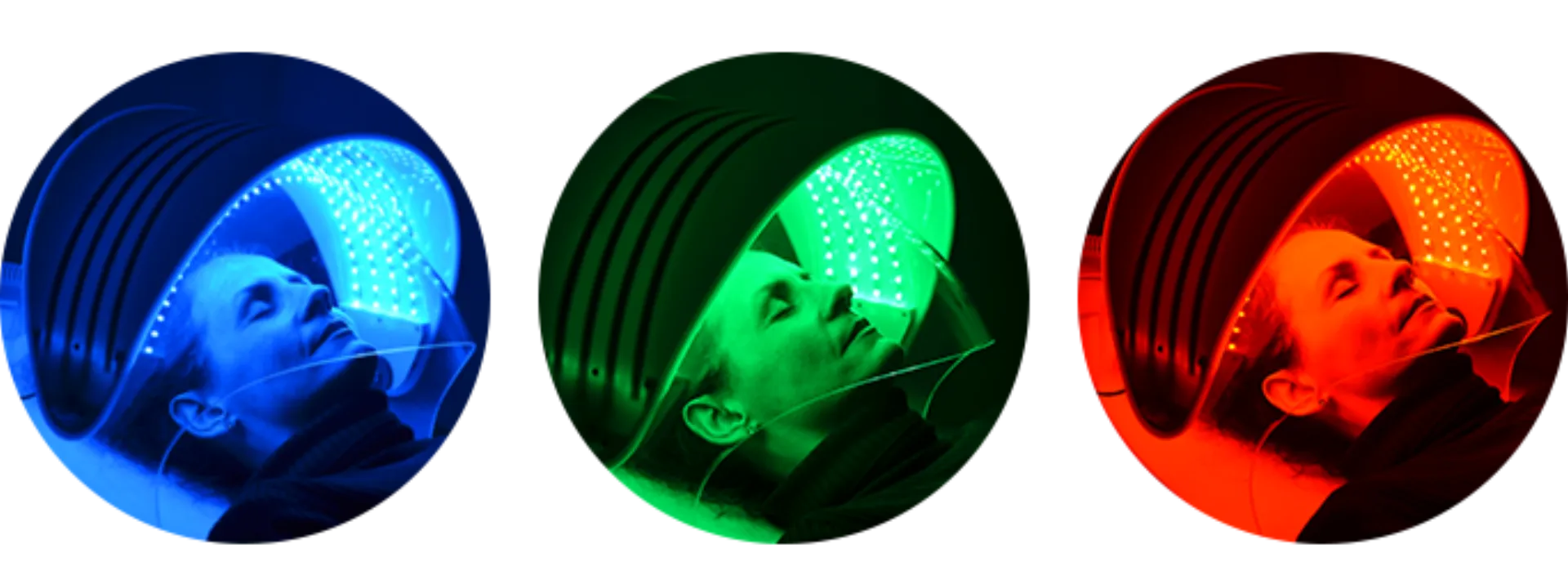
Immediately after the pico laser session, a comprehensive soothing recovery protocol is applied: calming centella mask to reduce inflammation, LED light therapy at 630nm to accelerate cellular repair, and Dermio Care moisture barrier restoration. Mild pinkness lasting 1-4 hours is normal and expected — this indicates effective photomechanical interaction with pigment particles. No peeling, no crusting, no functional downtime. You receive a travel-friendly aftercare kit with SPF 50+ sunscreen, prescription recovery cream, and detailed written instructions in your preferred language. Follow-up pico laser sessions are typically spaced 2-4 weeks apart at RE:BERRY Gangnam.
What to Expect from Pico Laser in Korea
- Picosecond Speed = Less Thermal Damage PicoSure delivers energy in 450-750 picoseconds — 100x faster than Q-switched nanosecond lasers. This photomechanical action shatters pigment without heating surrounding tissue, reducing burn risk and PIH occurrence to below 3% for pico laser in Korea.
- Treats All Pigment Depths Simultaneously The 755nm alexandrite wavelength targets both epidermal melanin (sunspots, freckles, post-inflammatory hyperpigmentation) and deeper dermal pigmentation (melasma, Hori’s nevus, Ota nevus) in a single pico laser session without switching devices.
- Collagen Remodeling Without Needles Focus Lens Array technology creates microscopic LIOB zones that trigger new collagen and elastin production, improving pore size by 30-40%, fine wrinkles, and skin texture without injections, microneedling, or any surface disruption.
- Zero Downtime for International Travelers No peeling, no crusting, no wound care required after pico laser treatment. Mild pinkness resolves within 1-4 hours. Makeup can be applied immediately. Ideal for international visitors with limited time in Korea who need to fly the same day.
- Safe for Asian Skin (Fitzpatrick III-V) PicoSure’s photomechanical mechanism eliminates the photothermal damage that causes post-inflammatory hyperpigmentation in darker skin types — the primary reason pico laser in Korea has become the global standard for Asian skin pigmentation management.
- Cumulative Results with Each Session Each pico laser session clears an additional 15-30% of target pigmentation while simultaneously building dermal collagen. Most patients achieve 70-90% clearance after 4-8 sessions with concurrent improvement in skin texture, pore size, and overall luminosity.
| Timeline | What to Expect |
|---|---|
| Immediately After | Mild pinkness and warmth at treatment sites. Resolves within 1-4 hours. No swelling, no peeling. SPF 50+ applied before leaving the clinic. |
| Day 1-3 | Superficial pigment spots may appear slightly darker as shattered melanin particles rise to the surface. This is a positive indicator that the pico laser energy reached target pigment. Normal activities resume immediately. |
| Week 1-2 | Darkened micro-crusts flake off naturally revealing clearer skin beneath. Overall complexion appears visibly brighter. Pores look smaller under magnification. Continue strict SPF 30+ application daily. |
| Week 3-4 | Significant pigment fading visible to the naked eye. Collagen remodeling phase accelerating in the dermis. Skin texture improvement noticeable to the touch. Ready for next pico laser session in Korea. |
| Month 2-3 | After 3-4 cumulative pico laser sessions, 50-70% pigment clearance is typical. Glass skin luminosity emerging. Fine lines around eyes and mouth softening from collagen induction triggered by Focus Lens Array. |
| Month 4-8 | Peak results after 6-8 pico laser sessions. 70-90% pigment clearance achieved. Pore size reduced by 30-40%. Skin elasticity improved. Maintenance sessions every 2-3 months recommended to sustain long-term results. |
Pico Laser Korea vs Other Pigmentation Treatments
| Feature | Pico Laser (PicoSure) | Q-Switched Nd:YAG | IPL Photofacial | Chemical Peel |
|---|---|---|---|---|
| Pulse Duration | 450-750 picoseconds | 5-20 nanoseconds | Milliseconds | N/A |
| Mechanism | Photomechanical | Photothermal | Broadband light | Chemical exfoliation |
| Melasma Efficacy | Excellent (low rebound) | Moderate (high rebound) | Poor (often worsens) | Superficial only |
| PIH Risk (Asian Skin) | Very Low (<3%) | Moderate (8-15%) | High (15-25%) | Moderate (5-10%) |
| Downtime | None (1-4 hrs pinkness) | 3-7 days crusting | 2-5 days redness | 5-14 days peeling |
| Acne Scar Capability | Yes (Focus Lens Array) | Limited | No | Superficial only |
| Sessions Required | 4-8 | 8-15 | 6-10 | 4-8 |
| Price at RE:BERRY Gangnam | From ₩159,000 | N/A | Consultation required | From ₩77,000 |
Pico Laser Korea Pricing at RE:BERRY Gangnam
All prices in KRW. Non-covered medical service. Prices valid April-June 2026.
One Day PicoSure Toning
- PicoSure toning full face
- Free skin analysis consultation
- Post-treatment soothing care
- SPF 50+ aftercare kit
- Aftercare instructions in your language
Dual Toning Package (PicoSure + Genesis)
- PicoSure picosecond toning
- Genesis laser skin rejuvenation
- Combined pigment + texture improvement
- Free consultation with Dr. Ryu or Dr. Oh
- Post-treatment soothing and recovery care
Reberry Signature Smooth Texture Glow Package
- Potenza non-insulated tip (full face)
- Juberry 6cc skin booster
- Resistance-reducing Skin Boitox
- Re2O 1 syringe
- LDM recovery therapy
- Free consultation with Dr. Ryu or Dr. Oh
LHALA Peel (Add-On)
- LHALA chemical peel
- Dead cell and debris removal
- Enhances pico laser penetration
- Can be combined with any toning session
Meet Your Doctor

Dr. Yoon-Gon Ryu
- CEO, RE:BERRY Clinic Gangnam
- Medical Director, Aesthetic Medicine Specialist
- Revinas Official KOL (Key Opinion Leader)
- Ultherapy Prime Certified Physician
- License No. 131644
Medically reviewed by Dr. Yoon-Gon Ryu, CEO / Medical Director, RE:BERRY
The Science Behind Pico Laser Treatment in Korea
Peer-reviewed evidence supporting picosecond laser technology for pigmentation, scarring, and skin rejuvenation.
Picosecond vs. Nanosecond: The Photomechanical Advantage
Picosecond lasers deliver energy pulses 100-1,000 times shorter than traditional Q-switched nanosecond lasers. This ultra-short pulse duration shifts the primary tissue interaction from photothermal (heat-based destruction) to photomechanical (pressure-wave fragmentation). The result is dramatically smaller pigment particle fragmentation — melanin granules are shattered to sub-cellular sizes that macrophages clear 3-5x faster through the lymphatic system compared to larger photothermal fragments. Clinical studies consistently demonstrate that pico laser in Korea achieves 75-90% pigment clearance with 40-60% fewer sessions than conventional Q-switched systems, while reducing post-inflammatory hyperpigmentation risk to below 3% even in Fitzpatrick IV-V skin types commonly seen among Asian patients.
Focus Lens Array for Non-Ablative Collagen Induction
PicoSure’s proprietary diffractive Focus Lens Array redistributes incoming laser energy into a grid of high-density micro-zones, creating Laser Induced Optical Breakdowns (LIOBs) in the epidermis and upper dermis. These controlled micro-cavities — each measuring 100-200 micrometers in diameter — trigger a robust wound-healing cascade that upregulates type I and III collagen, elastin, and mucin production without creating the thermal coagulation zones associated with ablative fractional resurfacing. Histological analysis confirms a 2.1-fold increase in dermal collagen density at 3 months post-treatment. This mechanism makes pico laser uniquely capable of treating acne scars, enlarged pores, and fine wrinkles simultaneously with pigmentation — a dual benefit that nanosecond lasers and IPL simply cannot replicate.
755nm Alexandrite Wavelength for Superior Melanin Selectivity
The 755nm alexandrite wavelength used in PicoSure offers the highest melanin absorption coefficient among commercially available aesthetic laser wavelengths while maintaining remarkably low hemoglobin absorption. This chromophore selectivity allows precise targeting of melanosomes containing excess melanin without damaging surrounding vasculature, connective tissue, or hair follicles. For melasma specifically — the most challenging pigmentation condition in aesthetic dermatology — the photomechanical mechanism avoids the thermal stimulation of melanocytes that causes the frustrating rebound hyperpigmentation commonly seen with conventional laser toning approaches using 1064nm Nd:YAG systems operating at nanosecond pulse durations.
Clinical Evidence and Published Outcomes
A prospective multicenter study by Tanghetti demonstrated that PicoSure achieved statistically significant improvement in pigmented lesions, acne scars, and wrinkles after 3-4 sessions with a patient satisfaction rate exceeding 85% and zero cases of prolonged adverse effects. Chalermchai and colleagues confirmed PicoSure’s superior efficacy for melasma in Asian patients compared to Q-switched Nd:YAG, with significantly lower rebound rates at 6-month follow-up — a critical finding for pico laser practitioners in Korea. For acne scars, Brauer et al. demonstrated that picosecond laser with Focus Lens Array produced 40-50% scar volume reduction after 4 sessions, results comparable to ablative fractional CO2 laser but with only 24 hours of social downtime versus 7-14 days. Bernstein further validated these findings using a dual-wavelength picosecond system with holographic beam-splitter technology.
Tanghetti EA et al. Prospective study evaluating the 755nm picosecond laser for treatment of pigmented lesions, acne scars, and wrinkles. Lasers Surg Med. 2017;49(5):478-485. doi:10.1002/lsm.22643
Chalermchai T et al. Picosecond Nd:YAG laser for treatment of recalcitrant melasma in Asian patients. Dermatol Surg. 2018;44(3):370-377. doi:10.1097/DSS.0000000000001364
Brauer JA et al. Use of a picosecond pulse duration laser with specialized optic for treatment of facial acne scarring. JAMA Dermatol. 2015;151(3):278-284. doi:10.1001/jamadermatol.2014.3045
Bernstein EF et al. Treatment of acne scarring with a novel fractionated, dual-wavelength, picosecond-domain laser incorporating a novel holographic beam-splitter. Lasers Surg Med. 2017;49(9):796-802. doi:10.1002/lsm.22734
What Patients Say About Pico Laser in Korea
“I came to Korea specifically for pico laser because the pricing was one-third of what clinics in Sydney charge for equivalent treatment. After six PicoSure sessions at RE:BERRY Gangnam, my melasma has faded approximately 80%. Dr. Ryu adjusted the energy level each session based on how my skin responded. Genuinely impressed with pico laser in Korea.”
“The Dual Toning Package combining PicoSure with Genesis laser gave me results I had not achieved after two years of IPL treatments in Tokyo. My sunspots are almost completely gone and my pore size has visibly reduced. The ₩259,000 price for pico laser in Korea felt almost too good to be true compared to Japanese clinic pricing.”
“As someone with Fitzpatrick V skin, I was terrified of post-inflammatory hyperpigmentation after reading about laser risks for darker skin. The team at RE:BERRY Gangnam explained exactly why pico laser is safer for darker skin types due to the photomechanical mechanism. Four sessions in with zero PIH. My dark spots from years of tropical sun damage are finally clearing.”
Frequently Asked Questions About Pico Laser in Korea
Expert answers from RE:BERRY Gangnam’s pico laser specialists.
₩159,000 for a single PicoSure toning session and ₩259,000 for the Dual Toning Package (PicoSure + Genesis) at RE:BERRY Gangnam. This is 40-60% less than equivalent pico laser treatments in the US, UK, or Australia. All prices valid April-June 2026.
6-10 sessions spaced 2-4 weeks apart are typical for melasma treatment with pico laser in Korea. 50-70% improvement is expected after 4-6 sessions. Stubborn dermal melasma may require 8-10 sessions. Dr. Yoon-Gon Ryu evaluates melanin depth during your free consultation at RE:BERRY Gangnam.
75-90% of patients achieve superior results with pico laser versus Q-switched Nd:YAG according to clinical studies (Tanghetti, 2017). PicoSure’s 450-750 picosecond pulses create photomechanical pigment destruction with less than 3% PIH risk, compared to 8-15% with nanosecond lasers in Asian skin types.
2-3 on a 10-point pain scale is typical with topical numbing cream applied 20-30 minutes before pico laser treatment. Patients describe a mild snapping sensation similar to a rubber band. No anesthesia injection is needed. Most patients find pico laser significantly more comfortable than fractional CO2 or deep chemical peels.
40-50% acne scar improvement is achievable after 4 sessions using PicoSure’s Focus Lens Array for acne scar treatment. The LIOB mechanism stimulates collagen remodeling within scar tissue without 7-14 days of downtime. Many patients combine pico laser with Potenza RF microneedling for enhanced scar correction.
Zero functional downtime after pico laser treatment at RE:BERRY Gangnam. Mild pinkness lasting 1-4 hours is the only visible effect. No peeling, no crusting, no wound care required. Makeup can be applied immediately after the session.
Yes, same-day flying is completely safe after pico laser treatment. There are no altitude or cabin-pressure contraindications. RE:BERRY Gangnam provides a travel-friendly aftercare kit with SPF 50+, recovery cream, and written instructions in 8 languages. Many patients schedule pico laser 1-2 days before departure.
PicoSure’s photomechanical action shatters melanin without generating the significant heat that stimulates melanocytes to produce more pigment. This thermal avoidance is the key difference — nanosecond lasers heat melanocytes during pigment destruction, triggering rebound hyperpigmentation. Pico laser reduces rebound rates by 60-70% compared to conventional 1064nm toning.
Pico toning uses a flat-top beam at low fluence to treat diffuse pigmentation across large areas with zero downtime. Pico fraxel uses the Focus Lens Array to create microscopic columnar treatment zones for acne scars, enlarged pores, and deep texture correction with 24-48 hours of mild redness. Both modes are available at RE:BERRY Gangnam.
Less than 3% PIH risk with PicoSure in Fitzpatrick IV-V skin types according to published clinical data (Chalermchai, 2018). PicoSure’s photomechanical mechanism eliminates the thermal damage that causes post-inflammatory hyperpigmentation in darker skin. This is precisely why pico laser in Korea has become the global gold standard for Asian pigmentation.
Yes, 60% of international patients at RE:BERRY Gangnam combine pico laser with skin boosters (Rejuran ₩240,000, Juvelook ₩340,000) or Hydrafacial (₩250,000) on the same day. Dr. Ryu determines the optimal treatment sequence during your consultation.
12-24 months for pigmentation clearance when combined with proper daily sun protection. Collagen improvements from the Focus Lens Array continue building for 6-12 months post-treatment. Maintenance sessions every 2-3 months extend results indefinitely. Sun exposure without SPF 30+ is the primary cause of pigment recurrence.
PicoSure is the world’s first FDA-cleared picosecond aesthetic laser, manufactured by Cynosure (now part of Merz Aesthetics). RE:BERRY Gangnam uses genuine PicoSure because the 755nm alexandrite wavelength offers the highest melanin selectivity of any aesthetic laser wavelength. All devices are MFDS-approved with verifiable serial numbers.
1 day minimum is sufficient for a single pico laser session at RE:BERRY Gangnam. For a comprehensive treatment course, plan 3-5 days to complete 2-3 sessions spaced 48 hours apart. Same-day appointments available 365 days per year, 10 AM – 8 PM, 2 minutes from Gangnam Station Exit 10.
100% genuine Cynosure PicoSure units only at RE:BERRY Gangnam. The clinic holds full MFDS certification for all laser devices. You can verify the serial number and maintenance records during your visit. Dr. Yoon-Gon Ryu refuses to use unlicensed or parallel-imported equipment.
PicoSure is FDA-cleared for tattoo removal and achieves 80-95% clearance of black, blue, and green ink in 4-8 sessions. RE:BERRY Gangnam offers laser tattoo removal as a separate service. Red and yellow pigments may require additional wavelengths. Consultation required for tattoo removal pricing.
40-60% lower prices compared to the US, UK, Australia, and Singapore for equivalent pico laser procedures. Korea has the highest density of aesthetic clinics per capita globally, creating competitive pricing through market competition. Device manufacturers offer better unit economics to Korean clinics due to high treatment volume. Compare our full price list for all treatments.
Yes, PicoSure effectively treats age spots (solar lentigines) on hands, decolletage, forearms, and shoulders. Body pico laser sessions are priced based on treatment area during consultation at RE:BERRY Gangnam. Hands typically require 2-4 sessions for 80%+ clearance of sun-damaged pigmentation.
Before: avoid direct sun exposure for 1 week, discontinue retinoids 3-5 days prior, arrive with clean bare skin. After: apply SPF 30+ daily without exception, avoid AHA/BHA products for 5 days, no hot sauna or steam for 48 hours. Full aftercare instructions provided in 8 languages at RE:BERRY Gangnam.
30-40% pore size reduction is achievable after 4-6 pico laser sessions using the Focus Lens Array mode. Collagen remodeling around pore walls physically constricts the pore opening over 2-3 months. Results last 12-18 months with maintenance sessions every 3 months. Combine with pore shrinking treatments for maximum pore reduction.
Pico toning is one specific application mode of pico laser technology, using low-fluence, large-spot-size parameters for diffuse pigmentation and melasma. Pico laser also includes pico toning for glass skin, pico fraxel (for scars and texture), high-fluence spot treatment (for discrete lesions), and tattoo removal mode. RE:BERRY Gangnam offers all pico laser modalities.
3 key differentiators at RE:BERRY Gangnam: (1) all pico laser sessions performed exclusively by physicians, never delegated to nurses or technicians; (2) genuine PicoSure with verifiable serial numbers and MFDS certification; (3) 8-language support team with experience serving patients from 40+ countries.
Pico laser treatment is deferred during pregnancy and breastfeeding as a standard precaution at RE:BERRY Gangnam. While PicoSure does not involve systemic absorption, the clinic follows conservative medical guidelines. Treatment can resume approximately 3 months after breastfeeding completion.
Pico laser targets pigmentation and surface skin texture while Thermage FLX (₩1,990,000) and Ultherapy Prime (₩490,000/100 shots) target deep tissue lifting and skin tightening. They address fundamentally different concerns and are frequently combined for comprehensive rejuvenation. 45% of RE:BERRY Gangnam patients do pico laser plus lifting during their Korea visit.
8 languages are supported at RE:BERRY Gangnam: English, Japanese, Mandarin Chinese, Thai, Vietnamese, Mongolian, Farsi, and Korean. Dedicated coordinators handle consultation interpretation, treatment explanation, aftercare instructions, and booking communication in your preferred language.
100% authentic patient photographs taken at RE:BERRY Gangnam with documented written consent. All images show unretouched results from actual pico laser treatments performed at the clinic. Individual outcomes vary based on pigment type, skin condition, and treatment adherence.
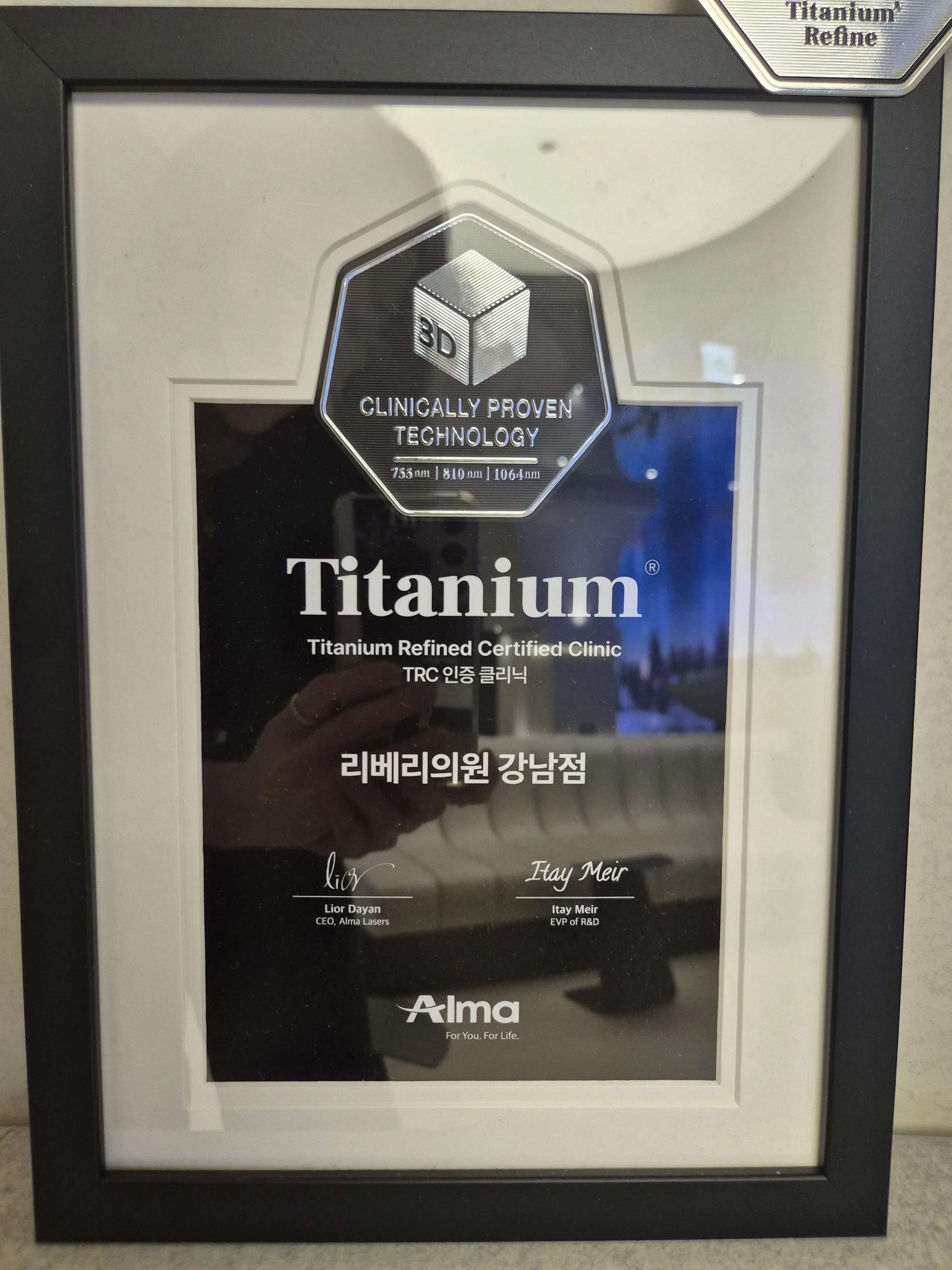
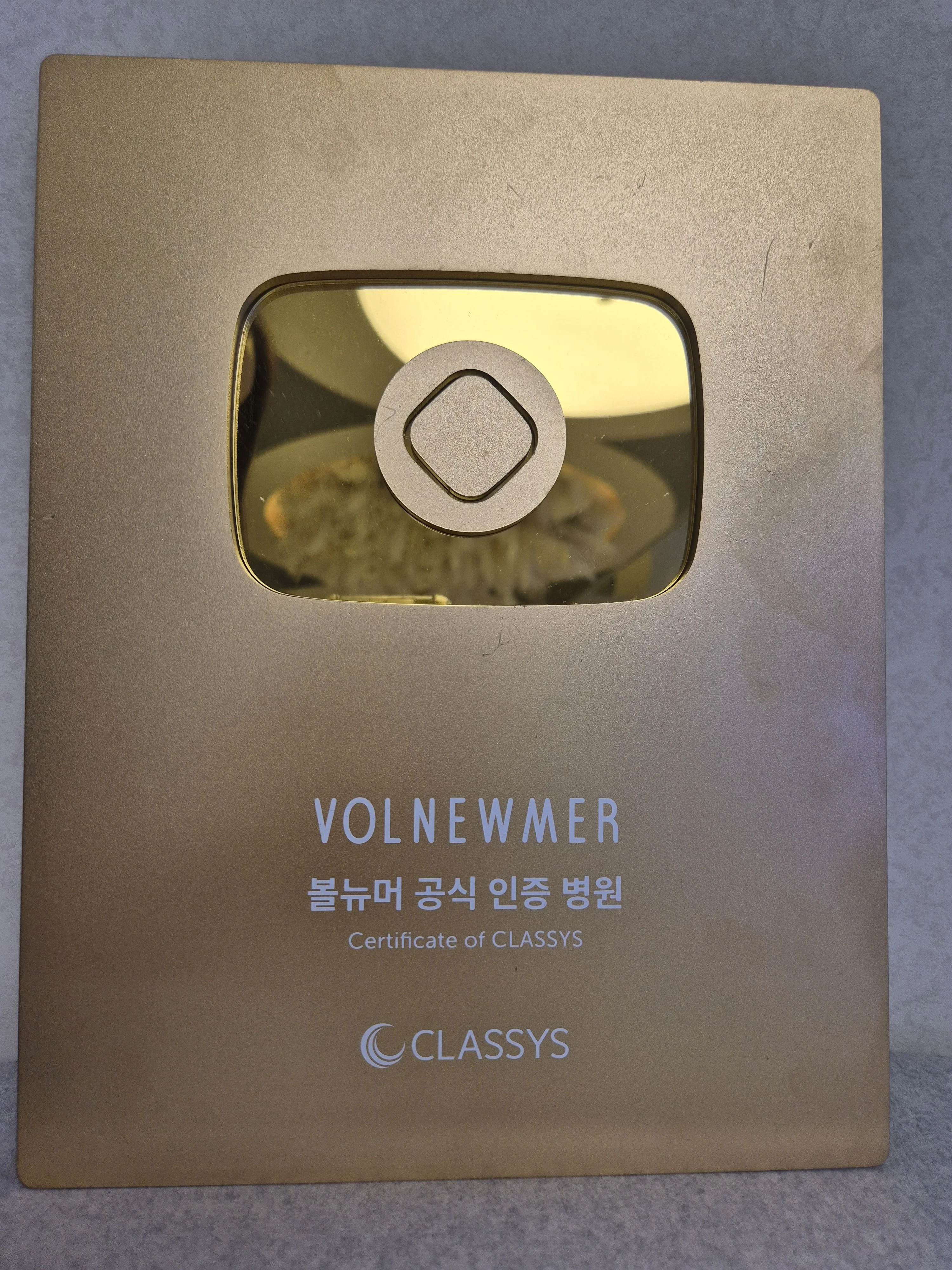
Only Authentic, Brand-Certified Equipment
Every device at RE:BERRY is MFDS-certified and manufacturer-verified. We never use counterfeit or grey-market equipment.
Ready for Pico Laser Treatment in Korea?
Book your pico laser consultation with Dr. Yoon-Gon Ryu or Dr. Yejin Oh at RE:BERRY Gangnam — 2 minutes from Gangnam Station Exit 10. Same-day appointments available 365 days per year. PicoSure toning from ₩159,000 per session.
Book Your Pico Laser Consultation
Fill out the form and our multilingual team will confirm within 2 hours via your preferred contact method.
- ✓ Free consultation with Dr. Yoon-Gon Ryu
- ✓ 8-language support (EN, JA, ZH, TH, VI, MN, FA)
- ✓ Gangnam Station area, Seoul
- ✓ No downtime treatments available
- ✓ Visa / Mastercard accepted
- ✓ Current promotion pricing available