Flying After Botox or Filler: The Complete Guide for Travelers
Flying After Botox or Filler: The Complete Guide for Travelers
The Question Every Medical Tourist Needs Answered
You have just had Botox or filler injected in Seoul. Your flight home is in 24 hours. Or 12 hours. Or, for some panicking patients who text me from the airport, 3 hours. Is it safe to fly?
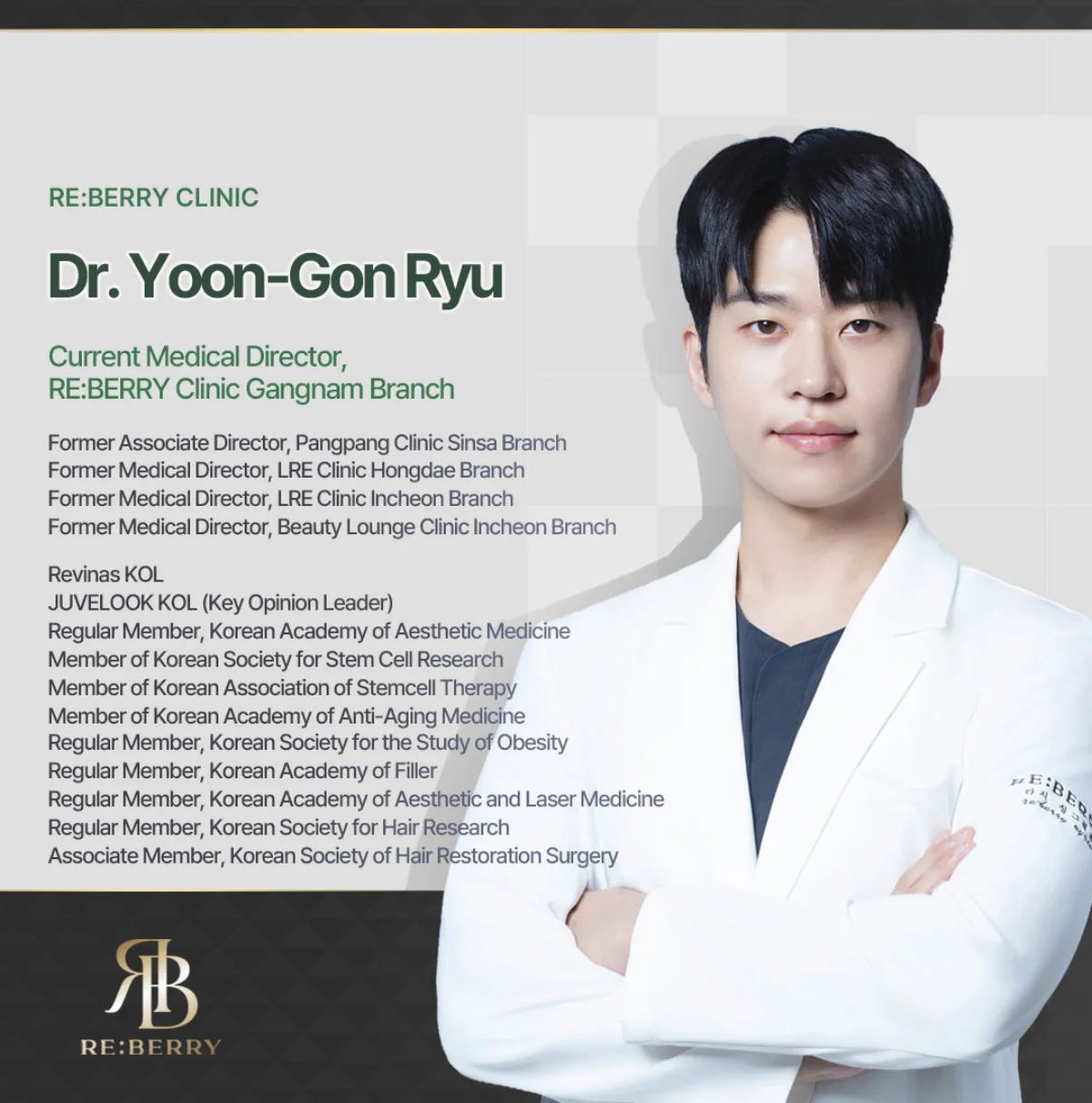
This is not a hypothetical scenario. It is a question I answer several times per week. International patients visiting RE:BERRY Clinic in Gangnam often schedule treatments around tight travel windows, and they need practical, evidence-based guidance on when it is safe to board a plane.
Here is the complete guide, covering every injectable treatment type, backed by what we actually know from clinical evidence and extensive patient follow-up.
Botox: The Short Answer
Minimum wait before flying: 4 hours. Recommended: 24 hours.
Botulinum toxin (Botox, Xeomin, Nabota, Dysport) is one of the safest treatments to receive before flying. Here is why:
What Happens to Botox After Injection
Botox is injected into specific muscles in tiny quantities (typically 2-5 units per injection point). Within minutes, it begins binding to nerve endings at the neuromuscular junction. Within 4 hours, the toxin is bound to its target receptors and is no longer mobile in the tissue.
Why Flying Concerns Exist
The theoretical concern is that changes in cabin pressure could cause Botox to migrate from the injection site to unintended muscles. However, there is no clinical evidence supporting this theory. Commercial aircraft cabins are pressurized to the equivalent of 6,000-8,000 feet altitude. The pressure differential is not sufficient to move a protein molecule that has already bound to tissue receptors.
Practical Guidelines
| Timeframe | Safety Level | Notes |
|---|---|---|
| 0-4 hours | Acceptable but not ideal | Botox may not be fully bound. Avoid rubbing the face, bending over, or lying flat. |
| 4-12 hours | Safe | Toxin is bound. Normal activity OK. Avoid strenuous exercise. |
| 12-24 hours | Fully safe | No restrictions related to the injection. |
| 24+ hours | Ideal | All acute effects (any injection-site redness) have resolved. |
What You Should Actually Worry About
The bigger concern with flying after Botox is not the pressure. It is the behavior. Long flights mean:
- Touching your face: Do not rest your chin on your hand or press your face against the window/pillow for at least 4 hours post-injection
- Dehydration: Cabin air is extremely dry (10-20% humidity). Dehydration can increase bruising visibility. Drink water throughout the flight.
- Alcohol: Do not drink alcohol on the flight. It dilates blood vessels and increases bruising.
Hyaluronic Acid Fillers: More Nuanced
Minimum wait before flying: 24 hours. Recommended: 48-72 hours.
Fillers are more complex than Botox because they involve a larger volume of product injected into different tissue planes, and swelling is a normal, expected side effect.
The Swelling Factor
After filler injection, swelling peaks at 24-48 hours and gradually subsides over 5-7 days. Flying can exacerbate swelling for two reasons:
- Reduced cabin pressure: At 6,000-8,000 feet equivalent altitude, your body experiences mild tissue expansion. This can increase post-filler swelling, particularly around the eyes and lips.
- Prolonged sitting: Long periods of immobility can increase fluid retention, compounding the swelling effect.
The swelling itself is not dangerous. It is cosmetically inconvenient. If you fly 6 hours after lip filler, you may arrive at your destination looking more swollen than you would have if you had waited 48 hours. The final result will be the same once the swelling resolves. It just means a few extra days of looking “puffy.”
Filler Type Matters
| Filler Type | Common Brands | Flying Timeline | Notes |
|---|---|---|---|
| Lips | Juvederm Volbella/Ultra | Wait 48-72 hours | Lips swell the most due to high vascularity. Flying early = significant additional swelling. |
| Cheeks | Juvederm Voluma, Restylane Lyft | Wait 24-48 hours | Moderate swelling. Less affected by cabin pressure than lip area. |
| Under-eyes | Belotero, Restylane | Wait 48-72 hours | The periorbital area is very sensitive to pressure changes. Under-eye filler + flying = potentially alarming swelling. |
| Nasolabial folds | Juvederm, Restylane | Wait 24 hours | Lower risk area. Swelling resolves faster. |
| Chin/jawline | Juvederm Volux | Wait 24 hours | Deep injection, minimal swelling typically. |
| Nose (non-surgical rhinoplasty) | Various HA fillers | Wait 48-72 hours | Critical area. Vascular risk exists. Do not fly within 48 hours. |
The Vascular Concern
The most serious (though rare) complication of filler injection is vascular occlusion, where filler accidentally blocks a blood vessel. Symptoms include unusual pain, blanching (white skin), or vision changes. These complications almost always manifest within the first 24 hours.
If you are on a plane when vascular occlusion symptoms appear, you are in a very difficult situation. There is no hyaluronidase (the enzyme that dissolves HA filler) available at 35,000 feet. This is the primary medical reason to wait at least 24 hours before flying after any filler treatment. If a vascular event is going to happen, you want to be on the ground, near a clinic that can intervene immediately.
Biostimulators: Longer Wait Needed
Recommended wait before flying: 48-72 hours.
Biostimulators like Sculptra (poly-L-lactic acid, ₩590,000 per vial at RE:BERRY) and Radiesse (calcium hydroxylapatite, ₩990,000 per syringe) work differently from HA fillers. They stimulate your body to produce collagen over weeks to months.
Why the Longer Wait
- Sculptra: Requires post-injection massage (the “5-5-5 rule”: massage for 5 minutes, 5 times a day, for 5 days) to ensure even distribution. Flying interrupts this massage schedule and the cabin pressure changes during the critical early distribution period are not ideal.
- Radiesse: Has an immediate volumizing effect plus a long-term collagen stimulation effect. The immediate volume component is sensitive to swelling, similar to HA fillers.
Skin Boosters: Surprisingly Easy
Minimum wait before flying: 12 hours. Recommended: 24 hours.
Skin booster treatments (Rejuran, Juvelook, Re2O, Skinvive) involve multiple micro-injections across the face. While this creates many tiny injection points, the volume per point is very small and the products are designed to integrate into the dermis rather than sit as volumizing agents.
The main concern is the appearance of multiple injection-point bumps, which normally flatten within 24-48 hours. Flying can slow this process slightly due to fluid retention. Functionally, there is no safety concern with flying 12+ hours after skin booster treatment.
Energy-Based Treatments Before Flying
Since many patients combine injectables with device treatments, here are the flying timelines for common energy-based procedures:
| Treatment | Minimum Before Flying | Recommended | Reason |
|---|---|---|---|
| Ultherapy | Same day OK | 24 hours | No open wounds. Mild swelling. No infection risk from cabin air. |
| Thermage | Same day OK | 24 hours | Similar to Ultherapy. Non-invasive. |
| Sofwave | Same day OK | 12 hours | Very mild post-treatment effects. |
| Potenza RF | 24 hours | 48 hours | Creates micro-channels. Small infection risk if very early. Scabbing begins. |
| Chemical Peels (light) | Same day OK | 24 hours | Skin sensitivity to dry cabin air. Use heavy moisturizer. |
| Chemical Peels (medium/deep) | 48 hours | 5-7 days | Active peeling. Infection risk. Extreme sensitivity. |
| Laser Resurfacing (fractional) | 48 hours | 5-7 days | Open micro-wounds. Peeling. Very dry cabin air is harmful. |
In-Flight Skincare Protocol
Regardless of what treatment you had, here is how to protect your skin during the flight:
Before Boarding
- Apply a thick layer of gentle, fragrance-free moisturizer (CeraVe, La Roche-Posay Cicaplast, or your clinic-provided aftercare cream)
- Apply SPF even for night flights (if you have a window seat, UV exposure at altitude is intense)
- No makeup over treated areas
During Flight
- Drink 250ml of water per hour of flight (minimum)
- Reapply moisturizer every 2-3 hours
- Do not touch your face (use a neck pillow instead of resting your face on your hand)
- Avoid alcohol completely
- Avoid salty food (increases fluid retention and swelling)
- If possible, keep your head elevated (do not lie flat, especially after filler)
After Landing
- Drink plenty of water to rehydrate
- Apply calming skincare (centella-based products are excellent)
- Do not exercise heavily for 24 hours after landing
- If you notice unusual swelling, bruising, or pain, contact your clinic immediately with photos
The Ideal Treatment-to-Flight Schedule
For international patients visiting Seoul, here is how I recommend planning your treatment timeline around your departure:
If Your Flight Is in 24 Hours
Safe treatments: Botox, light peels, Hydrafacial, laser toning, Ultherapy, Thermage, Sofwave
If Your Flight Is in 48 Hours
Add: HA fillers (non-lip, non-eye area), skin boosters, Potenza RF
If Your Flight Is in 72+ Hours
Add: Lip filler, under-eye filler, nose filler, Sculptra, Radiesse, medium chemical peels
If Your Flight Is in 5-7 Days
Everything is safe, including deep peels and fractional laser resurfacing
Real Patient Scenarios
Scenario 1: “I had Botox yesterday and fly tonight”
Completely fine. At 24+ hours post-injection, there are no flying-related concerns. The Botox is fully bound to the target muscles. Enjoy your flight.
Scenario 2: “I had lip filler 6 hours ago and my flight is in 4 hours”
This is not ideal but is manageable. Expect more swelling than if you had waited. Ice your lips before boarding. Keep your head elevated during the flight. Do not panic if your lips swell significantly during the flight. The swelling is temporary and will resolve over 3-5 days. If you experience severe pain, blanching, or vision changes, alert the flight crew immediately.
Scenario 3: “I had Ultherapy + Rejuran this morning, flight tomorrow evening”
Safe. Ultherapy is non-invasive and flying the same day is technically fine. Rejuran injection bumps may still be visible but pose no safety risk. Apply extra moisturizer for the flight. You will be fine.
Scenario 4: “I had Potenza RF microneedling yesterday, flight in 5 hours”
Borderline. At 24 hours post-Potenza, the micro-channels are closing but not fully healed. The extremely dry cabin air (10-20% humidity) can irritate healing skin. Apply a thick barrier cream (Aquaphor, CeraVe Healing Ointment) and reapply during the flight. It is safe but your skin will feel uncomfortable.
Emergency Contacts
If you experience concerning symptoms after treatment, whether on a plane or at home:
- RE:BERRY Clinic WhatsApp: Available for post-treatment support
- Korean emergency (if still in Korea): 119 (ambulance), 1339 (medical emergency hotline, English available)
- Filler emergency at home: Go to any emergency room and tell them you received hyaluronic acid filler injection. They can administer hyaluronidase if vascular occlusion is suspected.
The Bottom Line
For the vast majority of aesthetic treatments, flying within 24-48 hours is safe. Botox is the most forgiving (4+ hours is fine). Fillers require more caution, especially in high-swelling areas like lips and under-eyes (48-72 hours recommended). Energy-based devices are generally safe for same-day or next-day flying, with the exception of treatments that create open wounds (RF microneedling, fractional laser).
The most important thing is planning ahead. Tell your doctor when your flight departs. At RE:BERRY, we routinely design treatment protocols around departure schedules, performing the most time-sensitive treatments first and scheduling quick-recovery treatments closer to the departure date.
Planning a treatment trip to Seoul? Contact our team with your arrival and departure dates, and we will design a protocol that gives you the best results within your travel window.
Frequently Asked Questions
Ready to Experience Korean Skin Care?
Book a free consultation with our multilingual team at RE:BERRY Gangnam.
Book Consultation