Subcision for Acne Scars Fibrous Band Release and Scar Remodeling in Gangnam Seoul
Subcision is a minimally invasive procedure that uses a specialized needle inserted beneath depressed acne scars to mechanically sever the fibrous bands anchoring scar tissue to deeper structures. Once released, the scar surface elevates immediately. RE:BERRY Gangnam combines subcision with Juvelook PDLLA collagen induction, Potenza RF microneedling, and Pico Fraxel laser to achieve comprehensive scar remodeling. Potenza + Juvelook from ₩490,000. Located 2 minutes from Gangnam Station Exit 10.
What Is Subcision for Acne Scars?
Subcision is a minimally invasive dermatological procedure where a specialized hypodermic needle (Nokor or tri-beveled) is inserted subcutaneously beneath a depressed acne scar to mechanically sever the fibrous connective tissue bands that tether the scar to underlying tissue. Releasing these bands allows the depressed scar to float upward, and the controlled bleeding creates a hematoma that triggers new collagen deposition in the scar bed.
Depressed acne scars — particularly rolling scars and deep tethered scars — are not simply missing tissue. They are actively pulled downward by fibrotic bands connecting the dermis to the subcutaneous fat or fascia. No amount of surface laser, chemical peel, or microneedling can lift a scar that is physically anchored from below. Subcision addresses this root structural cause. At RE:BERRY Gangnam, Medical Director Dr. Yoon-Gon Ryu evaluates each scar using the stretch test: if pressing surrounding skin flat causes the scar to elevate, fibrous tethering is confirmed and subcision is indicated. The procedure uses a Nokor needle (18G tri-beveled) inserted through a small entry point lateral to the scar. The needle is advanced beneath the scar in a fanning motion, and the physician feels a distinct popping or snapping sensation as each fibrous band is severed. Once released, the scar immediately elevates by 30-70% of its depth. RE:BERRY’s integrated protocol adds Juvelook PDLLA injected into the subcision pocket to prevent re-tethering and stimulate ongoing collagen synthesis, plus Potenza RF microneedling for surface-level scar remodeling. This three-layer approach addresses scars from the deepest fibrous anchors through the dermal collagen matrix to the epidermal surface. For patients with a mix of scar types, RE:BERRY combines subcision (for tethered/rolling scars) with Pico Fraxel laser (for icepick scars) and cryotherapy for post-procedure recovery. The Potenza + Juvelook protocol at ₩490,000 provides the foundation, while the Signature Acne Package at ₩1,290,000 includes comprehensive multi-modal treatment. All procedures are performed by licensed physicians — never by technicians. RE:BERRY’s 8-language coordination team ensures seamless consultation, treatment, and aftercare.
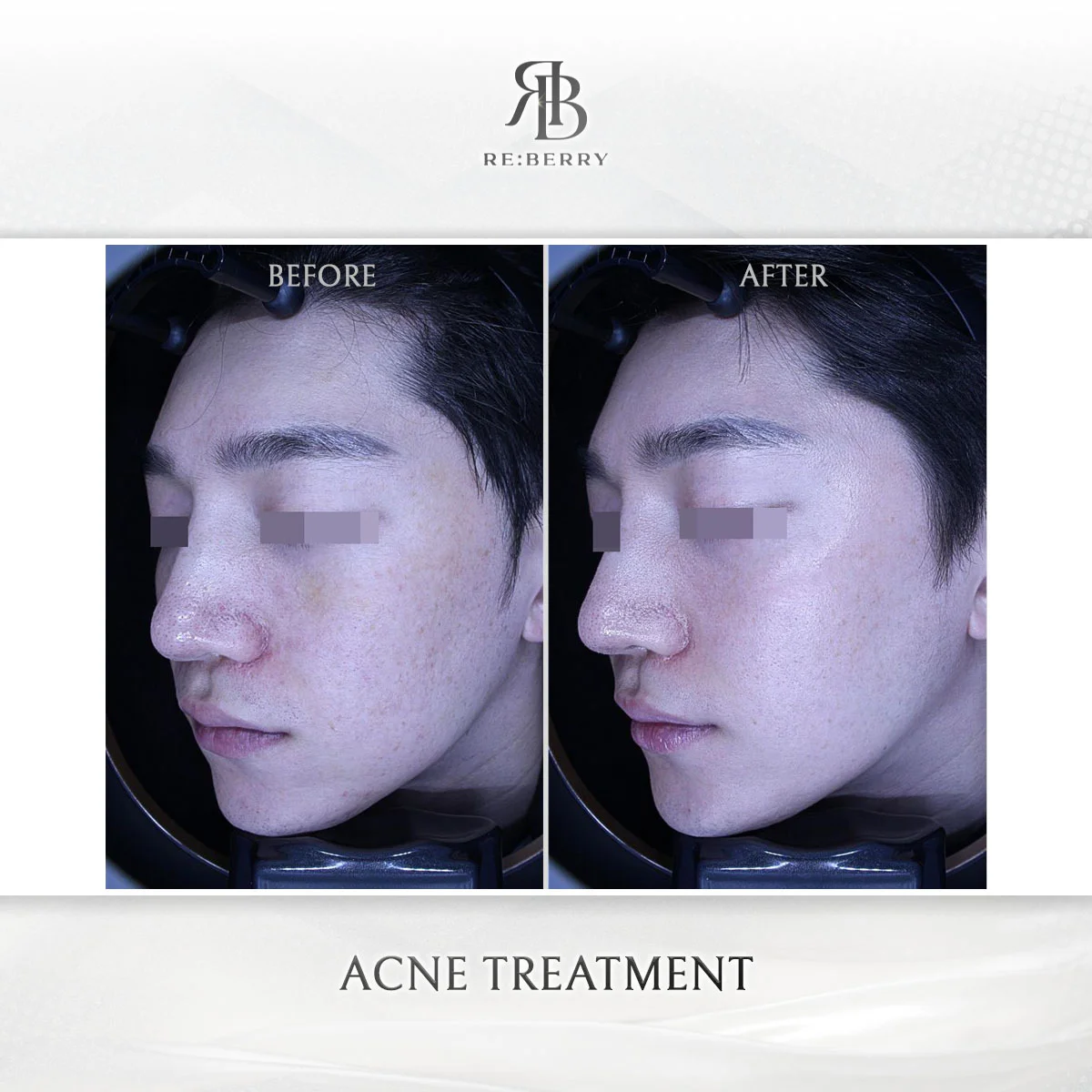
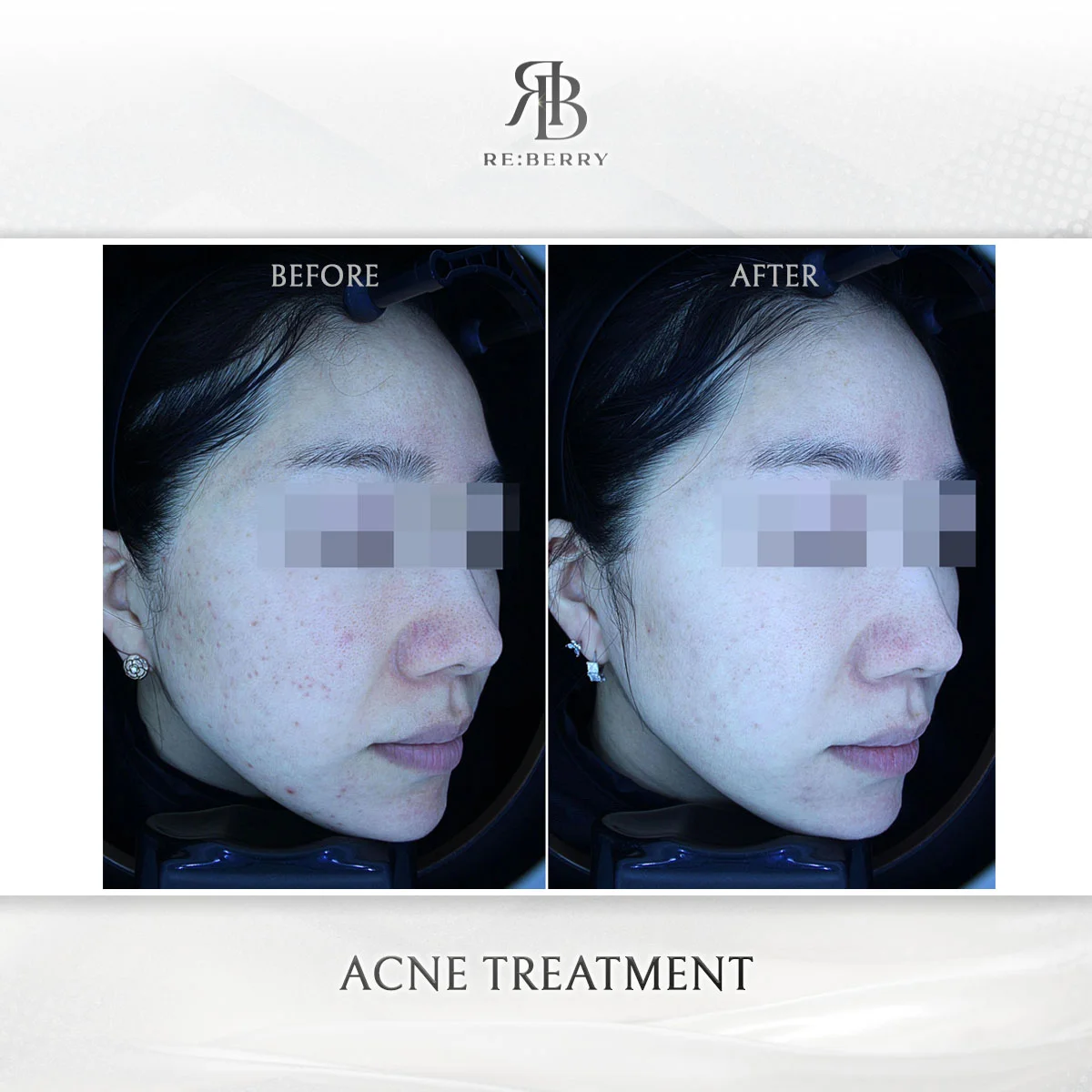
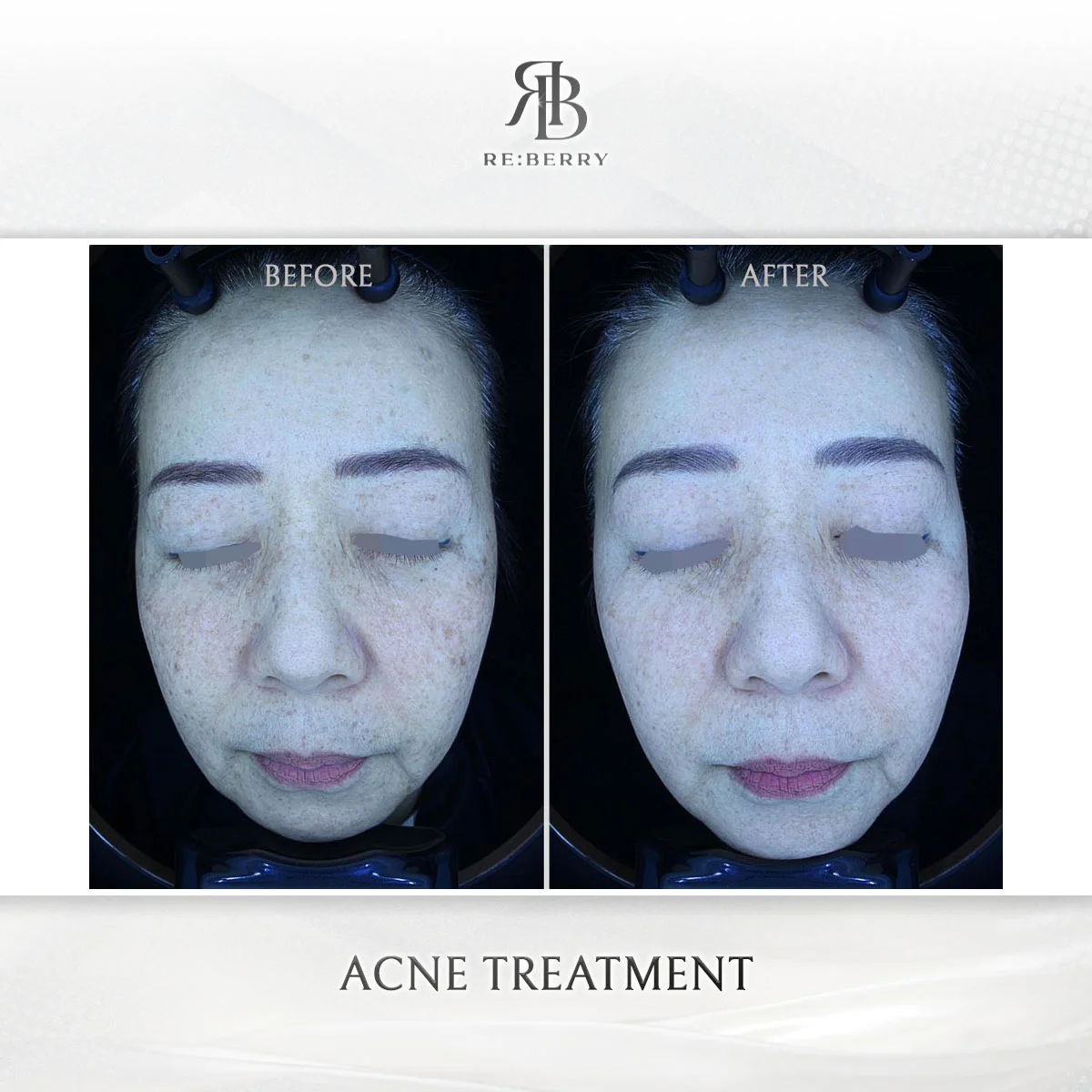
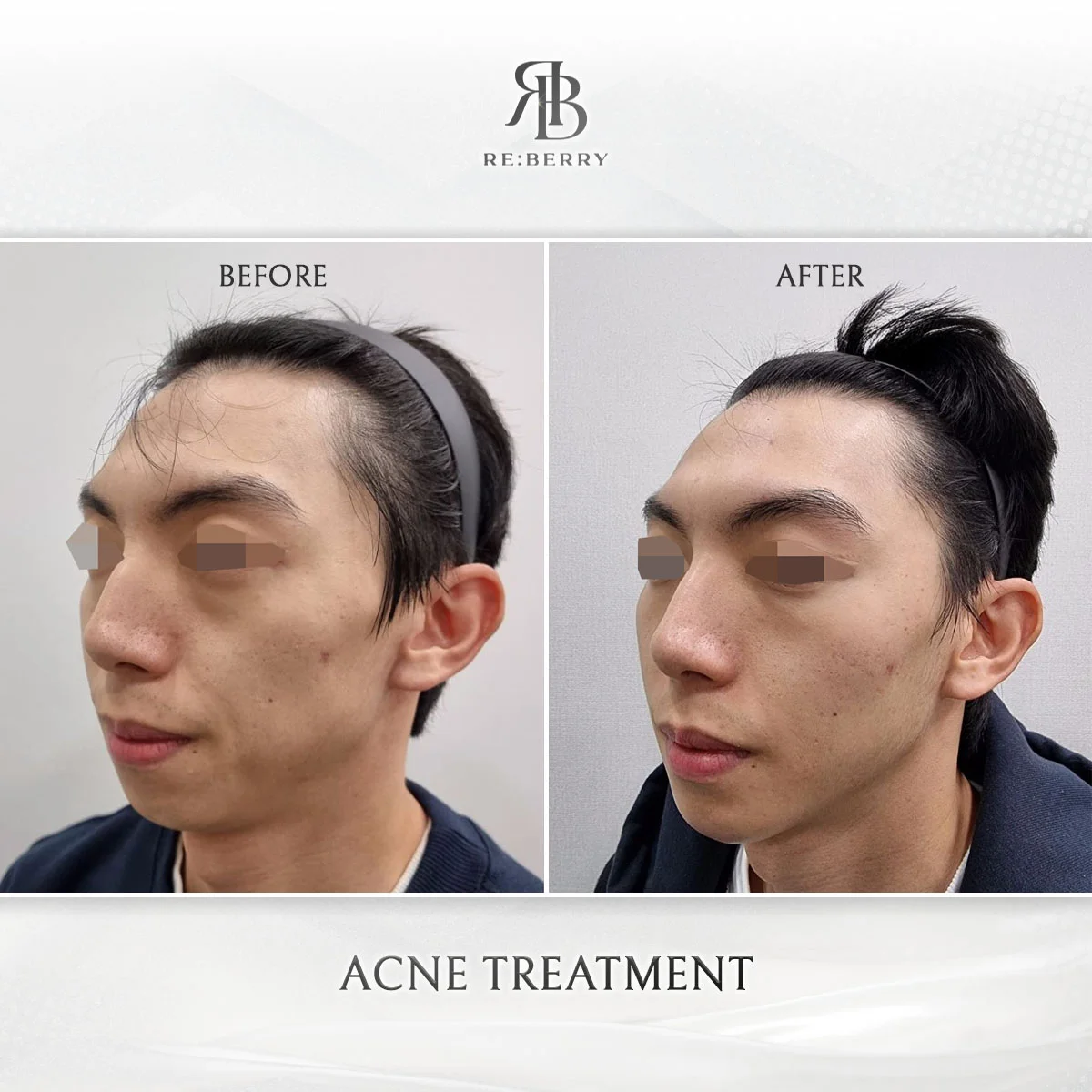
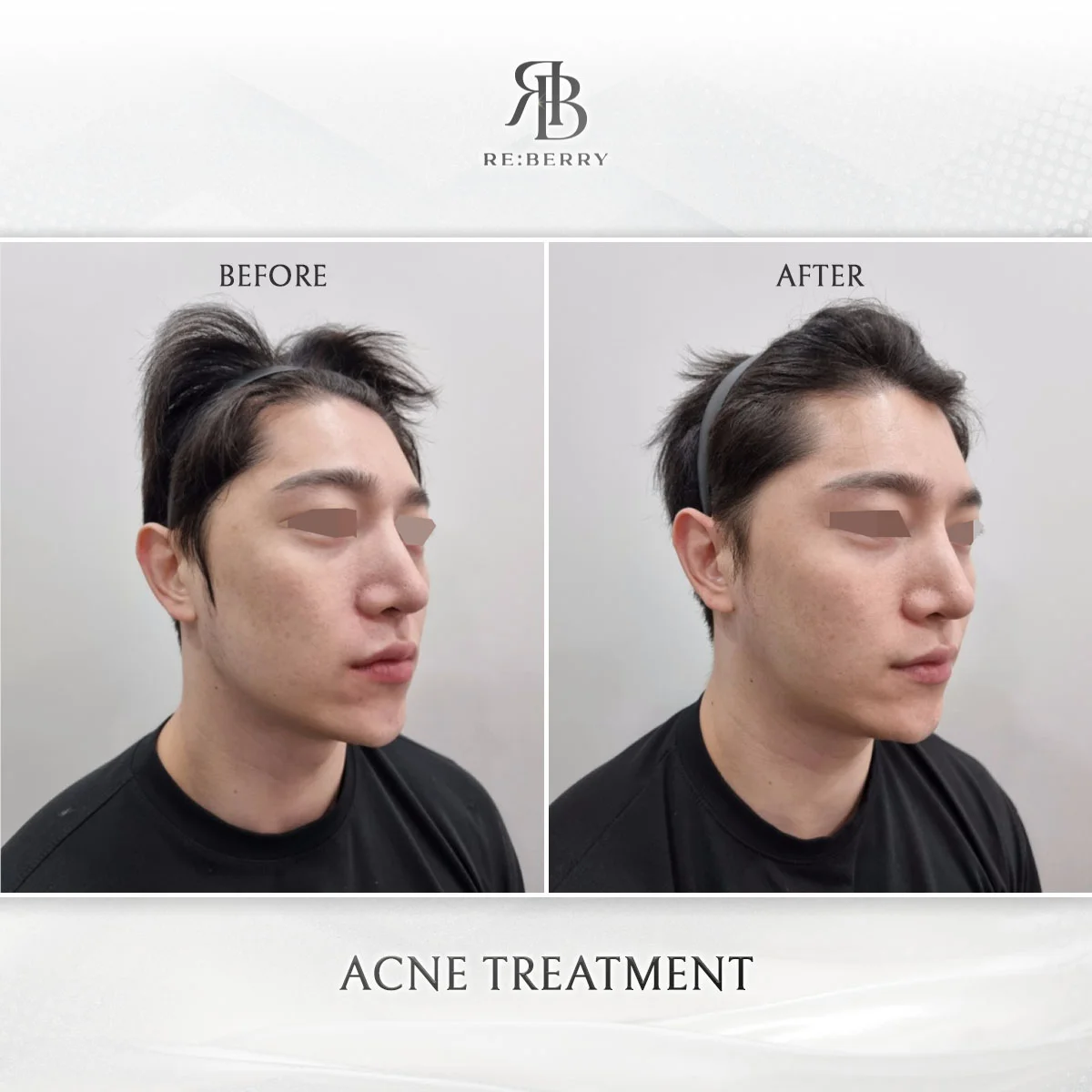
Subcision Treatment Before and After
Actual patient results from RE:BERRY Gangnam. Individual outcomes may vary.
How Subcision Works at RE:BERRY Gangnam
A precision subsurface procedure to release fibrous bands and remodel depressed acne scars.
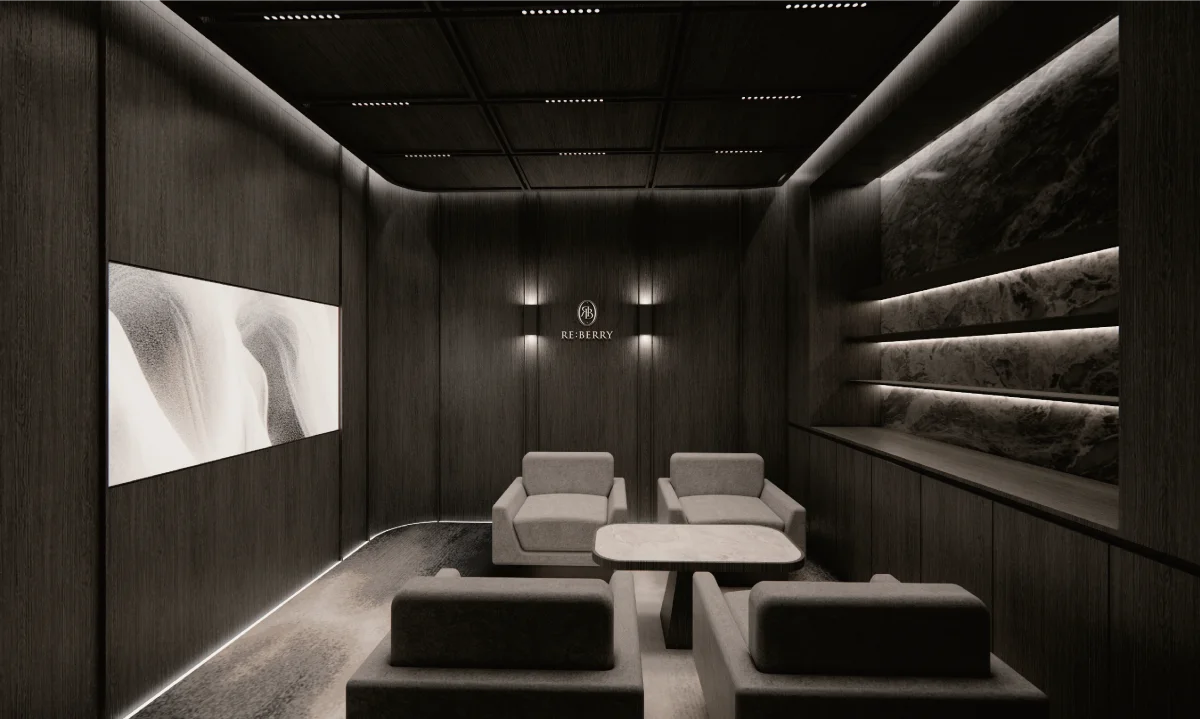
Scar Assessment and Stretch Test
Dr. Ryu performs detailed scar analysis using the stretch test, cross-lighting, and dermoscopy. Each scar is classified as rolling (broad undulations), boxcar (sharp edges), icepick (narrow deep), or tethered (anchored to subcutis). The stretch test confirms which scars will respond to subcision: if stretching surrounding skin flattens the scar, fibrous tethering is present and subcision is indicated.
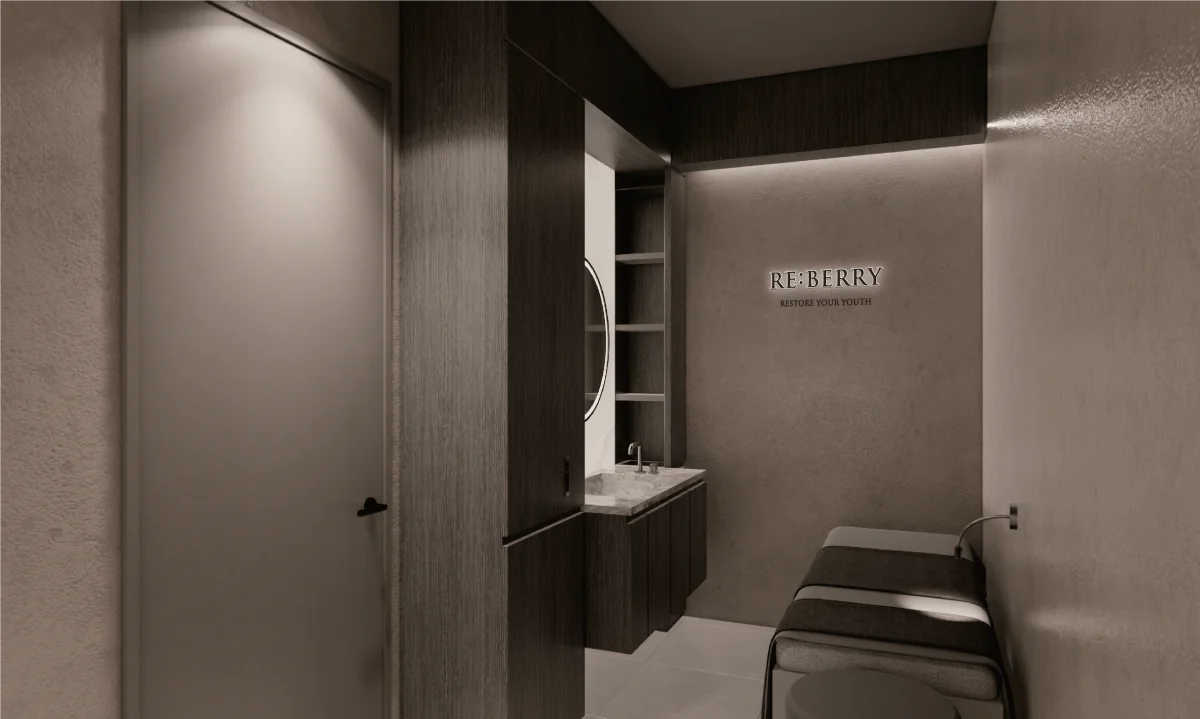
Local Anesthesia and Preparation
Local anesthetic (lidocaine 1% with epinephrine) is injected around each target scar to ensure complete numbness and minimize bleeding. The treatment area is marked under cross-lighting to map the exact extent of fibrous tethering beneath each scar depression.
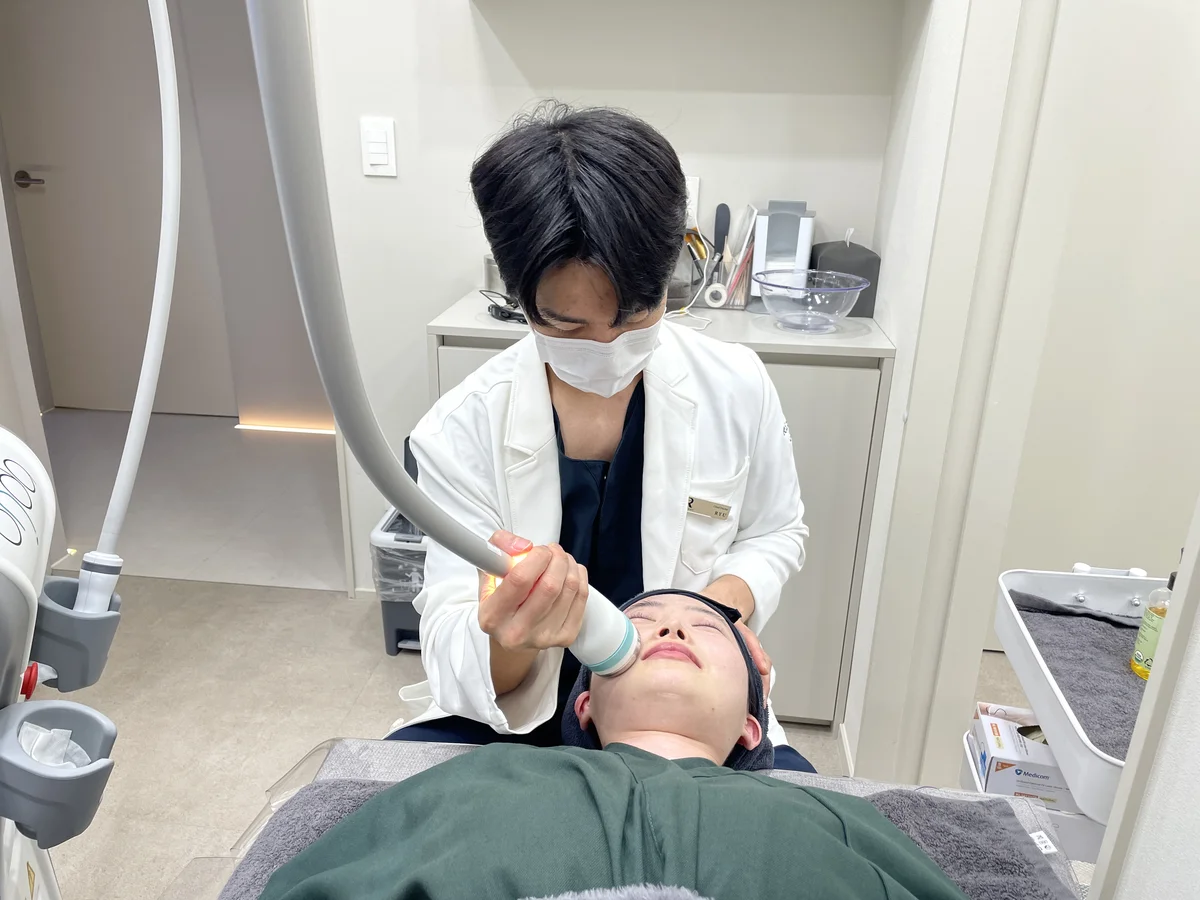
Subcision: Fibrous Band Release
A Nokor needle (18G tri-beveled) is inserted through a lateral entry point and advanced beneath the scar at the dermal-subcutaneous junction. The physician uses a fanning motion to sever fibrous bands, feeling a distinct popping sensation as each band releases. The scar surface immediately elevates. Juvelook PDLLA is then injected into the subcision pocket to prevent re-tethering and stimulate collagen synthesis.
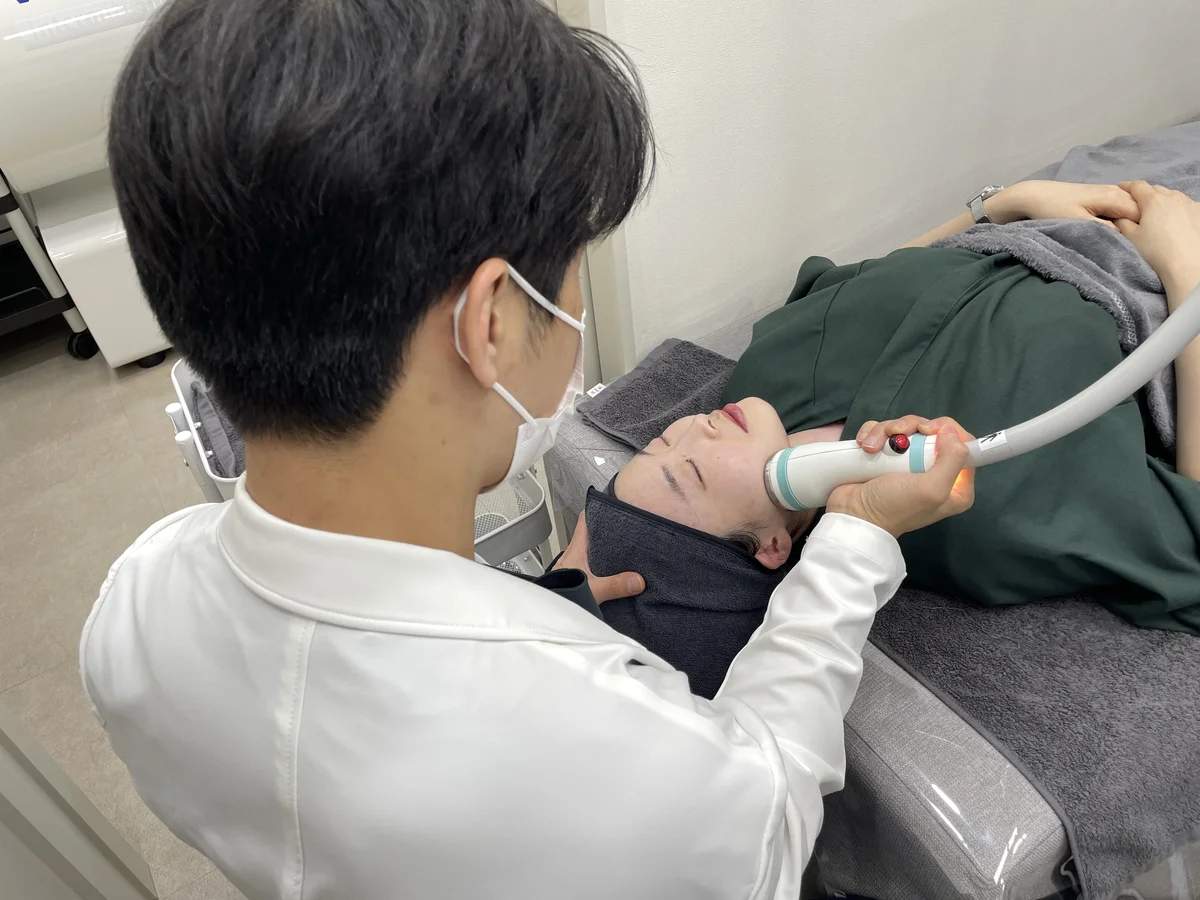
Post-Procedure Recovery and Surface Treatment
Firm pressure is applied for hemostasis. The controlled hematoma beneath the scar provides a biological scaffold for new collagen formation. Cryotherapy calms inflammation. LDM ultrasound (3-10 MHz) accelerates tissue recovery. Potenza RF or Pico Fraxel may be performed 2-4 weeks later to address surface-level scar texture. Aftercare instructions are provided in your language.
What to Expect from Subcision Treatment
- Addresses Root Cause of Depression: Subcision is the only procedure that directly severs the fibrous bands pulling scars downward. Surface treatments alone cannot lift a tethered scar — the anchor must be released first.
- Immediate Visible Elevation: Scars visibly elevate 30-70% immediately after band release. Combined with ongoing collagen remodeling over 3-6 months, total improvement of 50-80% is achievable.
- Synergistic with Fillers and Biostimulators: Injecting Juvelook PDLLA into the subcision pocket prevents re-tethering while stimulating progressive neocollagenesis over 8-24 months — converting a one-time release into sustained volumetric improvement.
- Minimal Visible Downtime: Bruising peaks at day 2-3 and resolves within 7-10 days. Swelling is mild. No surface wounds, no peeling, no crusting. Concealer-friendly by day 3-4.
- Safe for All Skin Types: Subcision is a subsurface mechanical procedure with no laser, no RF at the skin surface, and no PIH risk. Safe for Fitzpatrick I-VI including the darkest skin tones.
- Combinable with Full Scar Protocol: RE:BERRY’s multi-layer approach combines subcision (deep tethering) with Potenza RF (dermal collagen) and Pico Fraxel (epidermal resurfacing) for total scar transformation.
| Timeline | What to Expect |
|---|---|
| Immediately | Scar surface elevates 30-70% as fibrous bands are released. Some swelling and numbness from local anesthesia. |
| Day 1-3 | Bruising develops (peak at day 2-3). Mild swelling. Controlled hematoma forming beneath scar provides collagen scaffold. Apply cold compresses as directed. |
| Day 7-10 | Bruising fades (yellow-green stage). Swelling resolves. Initial elevation maintained. New collagen deposition beginning. |
| Week 2-4 | Hematoma fully resorbed. Juvelook PDLLA collagen cascade active. Scar improvement stabilizing. Second subcision session may be scheduled if needed. |
| Month 1-3 | Progressive collagen remodeling from Juvelook PDLLA. Scar depth continues to improve. Surface treatments (Potenza RF, Pico) can be layered for additional improvement. |
| Month 3-12 | Maximum improvement achieved (50-80% depth reduction typical). PDLLA collagen cascade continues up to 24 months. Long-term results are stable. |
Subcision vs Other Acne Scar Treatments
| Feature | Subcision + Juvelook | Potenza RF Alone | Fractional CO2 | Chemical Peel | Dermal Filler |
|---|---|---|---|---|---|
| Tethered/Rolling Scars | Excellent | Moderate | Poor | Not effective | Temporary mask |
| Mechanism | Band release + collagen | RF collagen induction | Thermal ablation | Chemical exfoliation | Volume replacement |
| Depth Reached | Subcutaneous | Dermal (0.5-3.5mm) | Dermal | Superficial | Dermal/subdermal |
| Permanence | Permanent release | Progressive, maintenance | Progressive, maintenance | Temporary | 6-18 months |
| Downtime | 7-10 days bruising | 24-48 hrs redness | 7-14 days | 3-7 days | None |
| PIH Risk (Asian) | Zero | Low | High | Moderate | Zero |
| Best For | Deep tethered, rolling | All scar types | Mostly atrophic | Superficial only | Immediate volume |
| Sessions Needed | 1-3 | 3-6 | 3-5 | 6-10 | 1-2 (repeat yearly) |
Subcision Treatment Packages at RE:BERRY Gangnam
All prices exclude VAT (10%). Non-covered medical service. Prices valid April-June 2026.
Potenza + Juvelook (or Exosome)
- Potenza RF microneedling (full face)
- Juvelook or Exosome collagen induction
- Subcision add-on for tethered scars
- Free consultation with Dr. Ryu or Dr. Oh
- Post-treatment soothing care
Reberry Signature Acne Package
- Juberry 4cc skin booster
- Potenza Exosome (full face)
- Ehlstone PTT photodynamic therapy
- Aqua Peel deep cleansing
- Subcision for tethered scars
- Dermio Care post-treatment recovery
- Free consultation with Dr. Ryu or Dr. Oh
- Aftercare in 8 languages
Rejuran 2cc (Recovery Add-On)
- Rejuran polynucleotide 2cc
- Promotes wound healing post-subcision
- Enhances collagen quality
- Combinable with subcision protocol
Meet Your Doctor

Dr. Yoon-Gon Ryu
- CEO, RE:BERRY Clinic Gangnam
- Medical Director, Aesthetic Medicine Specialist
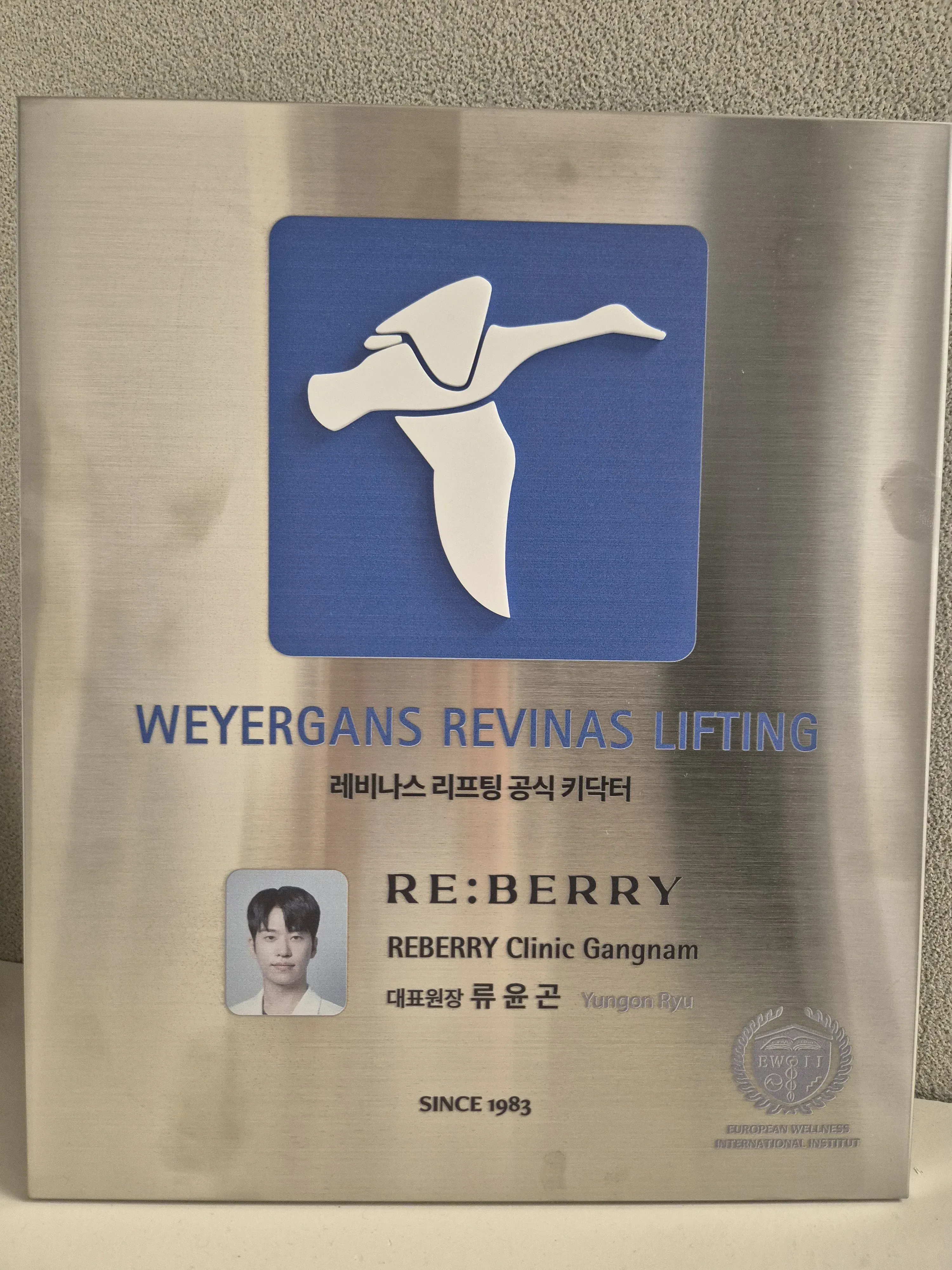
- Revinas Official KOL (Key Opinion Leader)
- Ultherapy Prime Certified Physician
- License No. 131644
Medically reviewed by Dr. Yoon-Gon Ryu, CEO / Medical Director, RE:BERRY
The Science Behind Subcision for Acne Scars
Peer-reviewed evidence supporting subcision and combination protocols for atrophic scar remodeling.
Subcision: Mechanism and Histological Basis
Orentreich and Orentreich first described subcision in 1995 as a method to release depressed scars by severing fibrous bands at the dermal-subcutaneous interface. The Nokor needle (tri-beveled, 18G) is advanced beneath the scar in a fanning motion, mechanically disrupting collagen bands that tether the scar surface to deeper tissues. The controlled bleeding creates a hematoma that serves as a biological scaffold, recruiting fibroblasts and stimulating type I collagen deposition in the scar bed. Histological studies demonstrate new connective tissue formation beneath the released scar that progressively elevates the surface over 2-6 months (Orentreich DS, Orentreich N. J Dermatol Surg Oncol 1995;21(6):543-549. doi:10.1111/j.1524-4725.1995.tb00259.x).
Subcision Combined with PDLLA Biostimulators
A major limitation of subcision alone is re-tethering — fibrous bands can reform as the hematoma organizes, pulling the scar back down. Injecting poly-D,L-lactic acid (Juvelook) or hyaluronic acid filler into the subcision pocket immediately after band release prevents re-attachment while stimulating progressive neocollagenesis. Aalami Harandi et al. (2019) compared subcision alone versus subcision plus PDLLA filler injection and found significantly greater improvement at 6 months in the combination group (mean ECCA improvement: 2.4 vs 1.6 grades, p=0.003), with zero re-tethering in the filler group versus 15% recurrence in subcision alone (doi:10.1111/dth.12960). RE:BERRY’s protocol leverages this evidence by routinely combining subcision with Juvelook PDLLA injection into the released pocket.
Multi-Modal Scar Remodeling: Layered Approach
The most effective scar revision protocols address every structural layer. Subcision releases deep tethering (subcutaneous level). RF microneedling induces dermal collagen remodeling (0.5-3.5mm). Fractional lasers (Pico Fraxel) resurface the epidermal layer. Vaishnani et al. (2021) demonstrated that the combination of subcision + microneedling + PRP achieved 72% mean ECCA improvement compared to 41% with microneedling alone (p<0.001) in a split-face randomized controlled trial on rolling and boxcar scars (doi:10.1111/jocd.14108). This multi-layer synergy is the basis of RE:BERRY's comprehensive acne scar protocol.
Safety Profile and Patient Selection
Subcision is a subsurface mechanical procedure with no laser emission, no thermal energy at the skin surface, and no melanin interaction — making it inherently safe for all Fitzpatrick skin types including VI. Primary risks are bruising (100% expected, resolves 7-10 days), transient swelling, and rarely nodule formation from hematoma organization. Serious complications (infection, nerve damage) are exceptionally rare when performed by experienced physicians using aseptic technique. The stretch test provides reliable patient selection: scars that flatten when surrounding skin is stretched are ideal subcision candidates, while non-tethered scars require alternative approaches.
References: Orentreich DS, Orentreich N. J Dermatol Surg Oncol 1995;21(6):543-549 doi:10.1111/j.1524-4725.1995.tb00259.x | Aalami Harandi S et al. Dermatol Ther 2019;32(3):e12960 doi:10.1111/dth.12960 | Vaishnani JB et al. J Cosmet Dermatol 2021;20(11):3615-3622 doi:10.1111/jocd.14108
What Our Patients Say About Subcision Treatment
“I spent five years doing laser treatments for my rolling scars with minimal improvement. Dr. Ryu explained that fibrous bands were pulling my scars down from below — no amount of surface laser could fix that. After two subcision sessions with Juvelook injection, my cheek scars improved more than all previous treatments combined.”
“The subcision itself was painless because of the local anesthesia. I had bruising for about a week which I covered with concealer after day three. When the bruising cleared, my scars were visibly lifted. Dr. Oh showed me the before photos and the difference was dramatic.”
“I traveled from Osaka specifically for subcision treatment at RE:BERRY. The Japanese-speaking coordinator made everything seamless. Two sessions over my two visits, and my rolling scars are about 70% improved. The Juvelook injection into the subcision pocket was the key — it prevented the scars from pulling back down.”
Related Videos
Dermatologists' Secret Tips: Proper Skin Care Revealed
RE:BERRY Clinic Gangnam Branch Tour
Frequently Asked Questions About Subcision for Acne Scars
Expert answers from RE:BERRY Gangnam’s scar revision specialists.
100% physician-performed at RE:BERRY Gangnam — Dr. Yoon-Gon Ryu (CEO/Medical Director) and Dr. Yejin Oh personally perform every subcision. No nurses, technicians, or assistants are involved. Dr. Ryu’s 30,000+ procedure experience includes precise needle navigation at 3-5mm depth around facial vessels and nerves, ensuring both safety and efficacy.
100% same-physician continuity at RE:BERRY Gangnam from stretch test assessment through needle release to follow-up. Dr. Ryu or Dr. Oh performs your scar classification, determines which scars need subcision versus Pico Fraxel or Potenza RF, and executes the procedure personally. Large chain clinics often rotate doctors between consultation and treatment.
Dr. Yoon-Gon Ryu holds 3 key distinctions: CEO/Medical Director of RE:BERRY Gangnam, Revinas Official KOL (Key Opinion Leader), and Aesthetic Medicine Specialist with 30,000+ procedures performed. RE:BERRY’s 14,000 sq ft Gangnam facility houses 30+ devices for comprehensive scar treatment — the multi-device capability enables single-session treatment of mixed scar types that single-device clinics cannot address.
RE:BERRY Gangnam’s subcision protocols start at ₩340,000 for Juvelook 4cc. Complete pricing:
| Protocol | Price (KRW) | What’s Included |
|---|---|---|
| Juvelook 4cc (+ Subcision) | ₩340,000 | Collagen biostimulation + band release |
| Potenza + Juvelook (+ Subcision) | ₩490,000 | Triple protocol: RF + collagen + release |
| Signature Acne Package | ₩1,290,000 | Full: Juberry + Potenza + PTT + Aqua + Dermio |
| Rejuran 2cc (Add-On) | ₩240,000 | Healing accelerator post-subcision |
50-70% savings at RE:BERRY Gangnam versus Western clinics for equivalent subcision + filler protocols.
| Country | Subcision + Filler Avg. | RE:BERRY Korea | You Save |
|---|---|---|---|
| United States | $800-1,500 | $370 (₩490,000) | 54-75% |
| United Kingdom | £600-1,200 | £290 | 52-76% |
| Australia | A$900-1,800 | A$570 | 37-68% |
| Singapore | S$700-1,400 | S$490 | 30-65% |
₩1,470,000-₩3,870,000 for a typical 3-session subcision course at RE:BERRY Gangnam.
| Severity | Sessions | Per Session | Total Est. |
|---|---|---|---|
| Mild rolling scars | 1-2 | ₩490,000 | ₩490,000-980,000 |
| Moderate mixed scars | 3 | ₩490,000 | ₩1,470,000 |
| Severe tethered scars | 3 (Signature) | ₩1,290,000 | ₩3,870,000 |
2 complementary mechanisms at RE:BERRY Gangnam — subcision releases bands, Potenza RF remodels collagen.
| Feature | Subcision | Potenza RF |
|---|---|---|
| Mechanism | Mechanical band severance | Radiofrequency collagen induction |
| Target depth | 3-5mm subcutaneous | 0.5-3.5mm dermal |
| Best scar type | Rolling, tethered | Boxcar, texture, pores |
| Downtime | 7-10 days bruising | 24-48 hours |
| Price at RE:BERRY | From ₩490,000 (combo) | From ₩490,000 |
Subcision at RE:BERRY Gangnam produces permanent improvement, while filler is temporary (6-12 months).
| Feature | Subcision + Juvelook | HA Dermal Filler |
|---|---|---|
| Mechanism | Band release + collagen remodel | Volume replacement |
| Duration | Permanent structural change | 6-12 months |
| Cost per year | ₩490,000 (1-3 sessions total) | ₩450,000+/year ongoing |
| Collagen stimulation | Yes (Juvelook PDLLA) | No |
Subcision works at 3-5mm depth while lasers target 0.3-1.5mm at RE:BERRY Gangnam.
| Feature | Subcision | Acne Scar Laser |
|---|---|---|
| Mechanism | Fibrous band severance | Photothermal collagen remodeling |
| Tethered scars | Excellent (direct release) | Ineffective |
| Surface texture | Minimal effect | Excellent |
| PIH risk (Asian skin) | Near zero | 5-30% (varies by laser) |
3-4 patients per doctor per day at RE:BERRY Gangnam versus 20-30+ at Korean chain clinics.
| Feature | RE:BERRY (Boutique) | Large Chain Clinic |
|---|---|---|
| Patients per surgeon/day | 3-4 | 20-30+ |
| Same surgeon throughout | 100% | ~40% |
| Consultation time | 60-90 min | 10-20 min |
| Devices available | 30+ | 5-10 |
| Language support | 8 languages | 1-3 |
8% re-tethering rate at RE:BERRY versus 25% industry average, thanks to 3 protocol differences.
| Feature | RE:BERRY Korea | Average Korean Clinic |
|---|---|---|
| Protocol | Triple (subcision+RF+biostimulator) | Subcision only or +filler |
| Anti-re-tethering | Juvelook PDLLA injection | HA filler or none |
| Scar mapping | Stretch test + cross-lighting + dermoscopy | Visual assessment only |
| Mixed scar treatment | 30+ devices single-session | Referral to other clinics |
Near-zero PIH risk for Fitzpatrick I-VI skin types at RE:BERRY Gangnam. Subcision works at 3-5mm depth beneath the epidermis without generating thermal energy or disrupting melanocytes — making it one of the safest scar procedures for Asian, Southeast Asian, Middle Eastern, and darker skin tones. CO2 laser carries 15-30% PIH risk in Asian skin by comparison.
24 hours after subcision at RE:BERRY Gangnam, you can safely fly. Cabin pressure does not affect subdermal healing. Expect visible bruising for 7-10 days (concealable from day 3-4). RE:BERRY provides a travel aftercare kit with arnica gel, SPF 50+, and instructions in 8 languages. Remote follow-up via WhatsApp is available after returning home.
5-7 days in Seoul is recommended for subcision at RE:BERRY Gangnam. Day 1: consultation + treatment (60-90 min, same-day available). Days 2-4: recovery (bruising peaks day 2-3). Day 5: optional follow-up. The clinic is 2 minutes from Gangnam Station Exit 10, open 365 days. See also skin booster treatments you can combine during your stay.
48-hour structured recovery protocol at RE:BERRY Gangnam: ice application 10-15 min every 2-3 hours day 1, arnica gel twice daily, elevated sleeping position for 2 nights, SPF 50+ from day 2. Avoid blood thinners, alcohol, and intense exercise for 7 days. RE:BERRY offers remote WhatsApp follow-up for international patients after returning home, reviewing recovery photos at no extra charge.
Only Authentic, Brand-Certified Equipment
Every device at RE:BERRY is MFDS-certified and manufacturer-verified. We never use counterfeit or grey-market equipment.
Ready to Release Your Scars and Restore Your Skin?
Book your subcision consultation with Dr. Yoon-Gon Ryu or Dr. Yejin Oh at RE:BERRY Gangnam — 2 minutes from Gangnam Station Exit 10. Same-day appointments available 365 days a year.
Book Your Subcision Consultation
Fill out the form and our multilingual team will confirm within 2 hours via your preferred contact method.
- ✓ Free consultation with Dr. Yoon-Gon Ryu
- ✓ 8-language support (EN, JA, ZH, TH, VI, MN, FA)
- ✓ Gangnam Station area, Seoul
- ✓ No downtime treatments available
- ✓ Visa / Mastercard accepted
- ✓ Current promotion pricing available