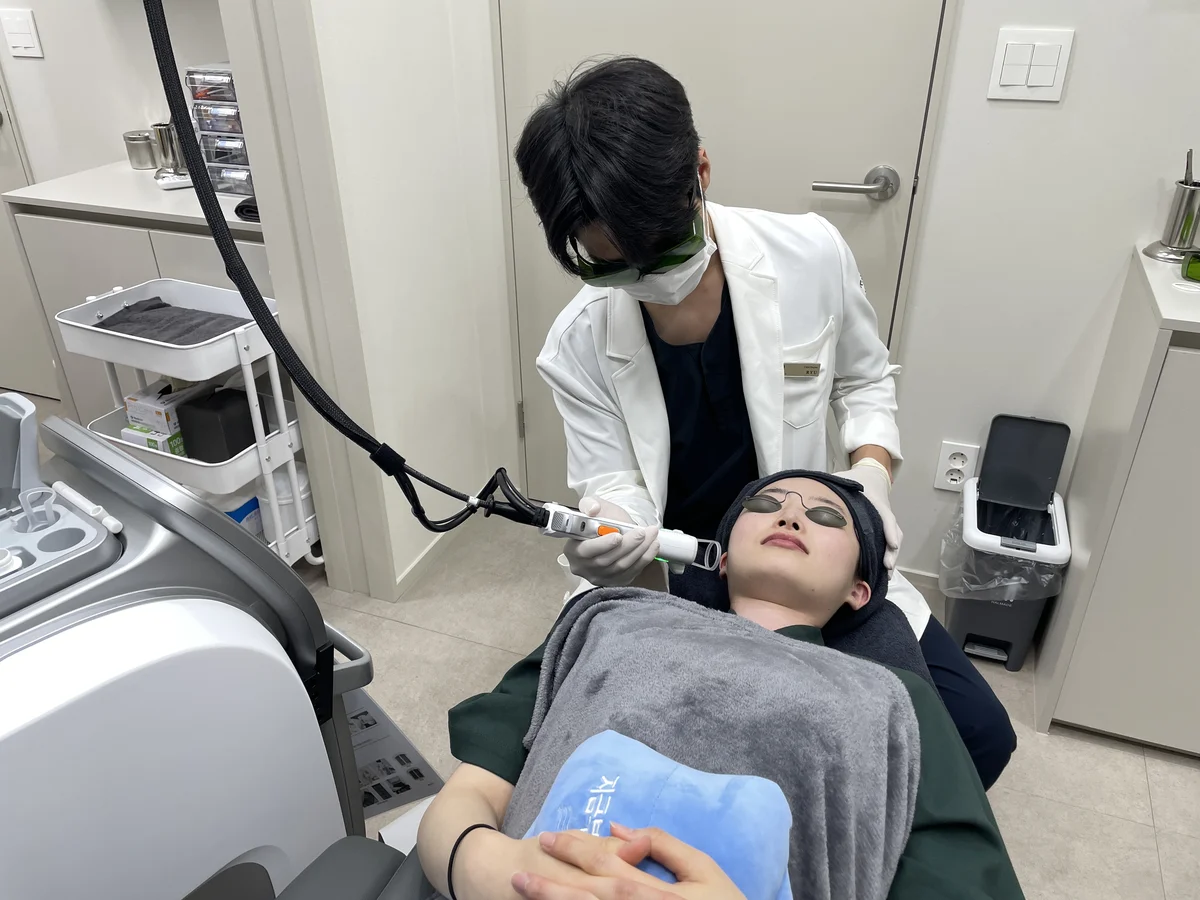
How Many Sessions Does Tattoo Removal Take? — Complete Guide 2026
The number of tattoo removal sessions depends on 6 clinical factors: ink color, tattoo depth, size, location, layering, and your skin type. At RE:BERRY Gangnam, PicoSure 755nm picosecond laser clears black ink tattoos in 4-6 sessions — 40-60% fewer than traditional Q-switched lasers. Medical Director Dr. Yoon-Gon Ryu uses the Kirby-Desai scoring system to predict your exact session count before the first treatment. From ₩159,000 per session, 2 minutes from Gangnam Station Exit 10.
How Many Sessions Does Tattoo Removal Take at RE:BERRY Gangnam?
Tattoo removal takes 4-10 PicoSure picosecond laser sessions at RE:BERRY Gangnam Seoul — 4-6 sessions for small black ink, 6-8 for multicolor tattoos, and 8-12 for professional layered or cover-up work — spaced 6-8 weeks apart at ₩159,000-₩490,000 per session.
At RE:BERRY Gangnam, the number of tattoo removal sessions is not guesswork — it is predicted with 85% accuracy using the Kirby-Desai Scale, a validated clinical scoring system that evaluates 6 factors: skin type (Fitzpatrick I-VI), tattoo location, ink color, amount of ink, layering or scarring, and tissue change. Medical Director Dr. Yoon-Gon Ryu performs this assessment during your free initial consultation and provides a written treatment plan including the projected number of sessions, total timeline, and per-session cost. The key factor determining how many sessions tattoo removal takes is laser technology. RE:BERRY Gangnam uses the PicoSure 755nm alexandrite picosecond laser, which delivers energy in 550-750 picosecond pulses — over 100 times faster than traditional Q-switched nanosecond lasers. This ultra-short pulse width shatters ink particles into nanoparticles so fine that your lymphatic system clears them efficiently, achieving visible lightening from the very first session. Clinical evidence shows PicoSure requires 40-60% fewer sessions than Q-switched lasers for equivalent clearance (Brauer et al., 2015). So a black tattoo that would take 10-12 sessions with older technology typically clears in 4-6 PicoSure sessions at RE:BERRY Gangnam. The total treatment timeline ranges from 6 months (4 sessions × 6-week intervals) to 18 months (12 sessions × 6-week intervals). International patients can schedule sessions during multiple visits to Korea, or cluster 2 sessions during a single extended trip if the treating physician determines it is safe. For a transparent estimate of how many sessions your specific tattoo will require and the total laser tattoo removal cost in Korea, contact RE:BERRY Gangnam for a free remote assessment via WhatsApp with photos of your tattoo.
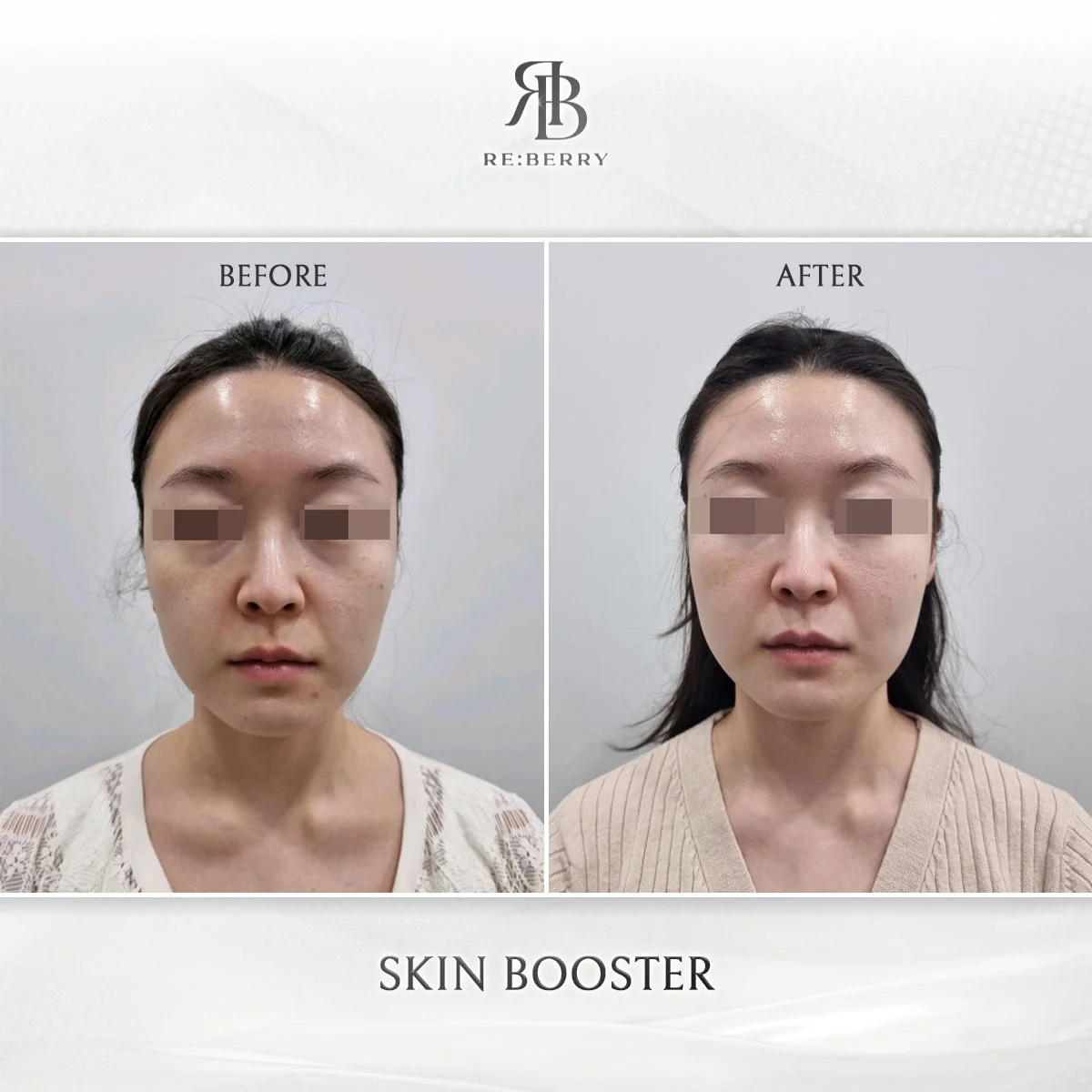
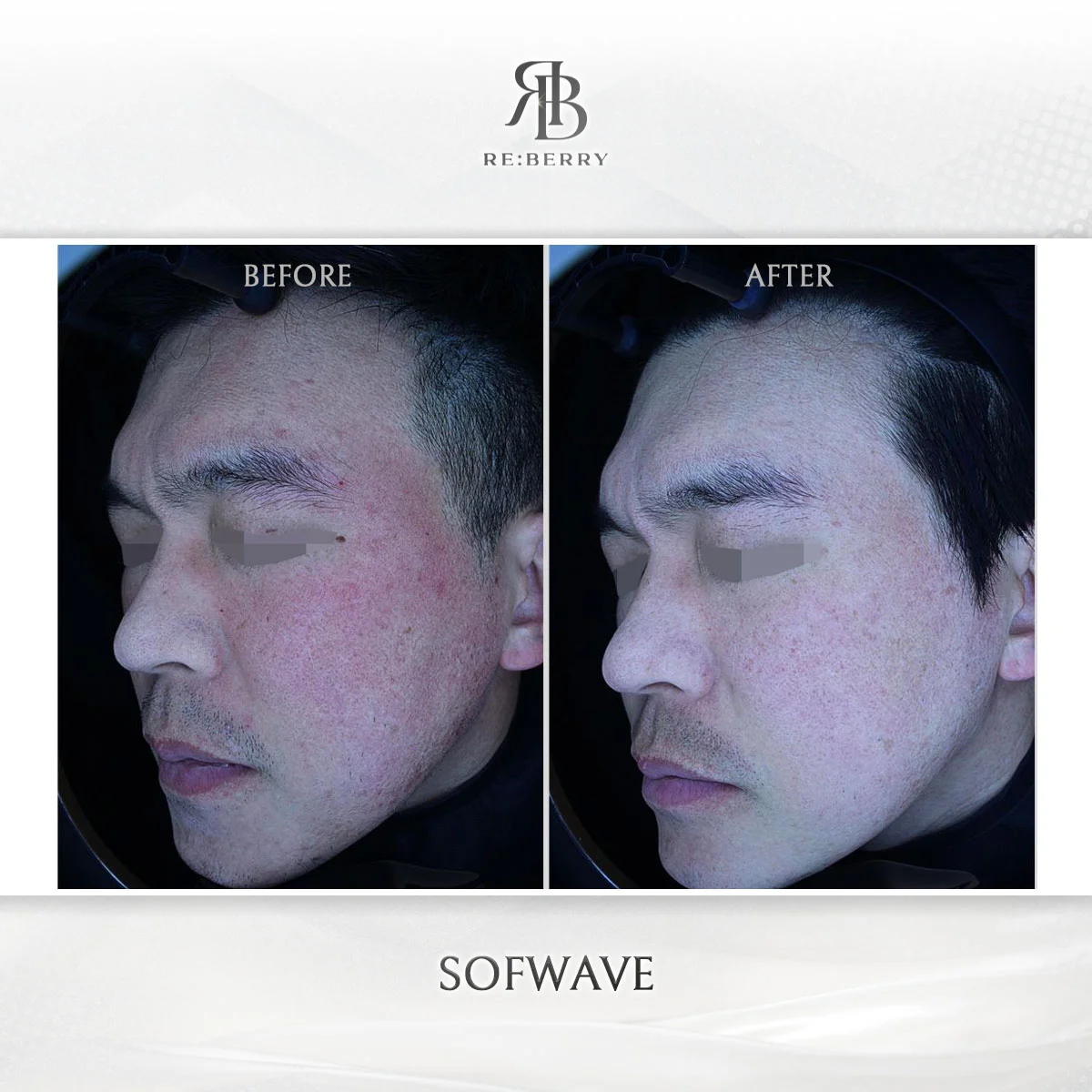
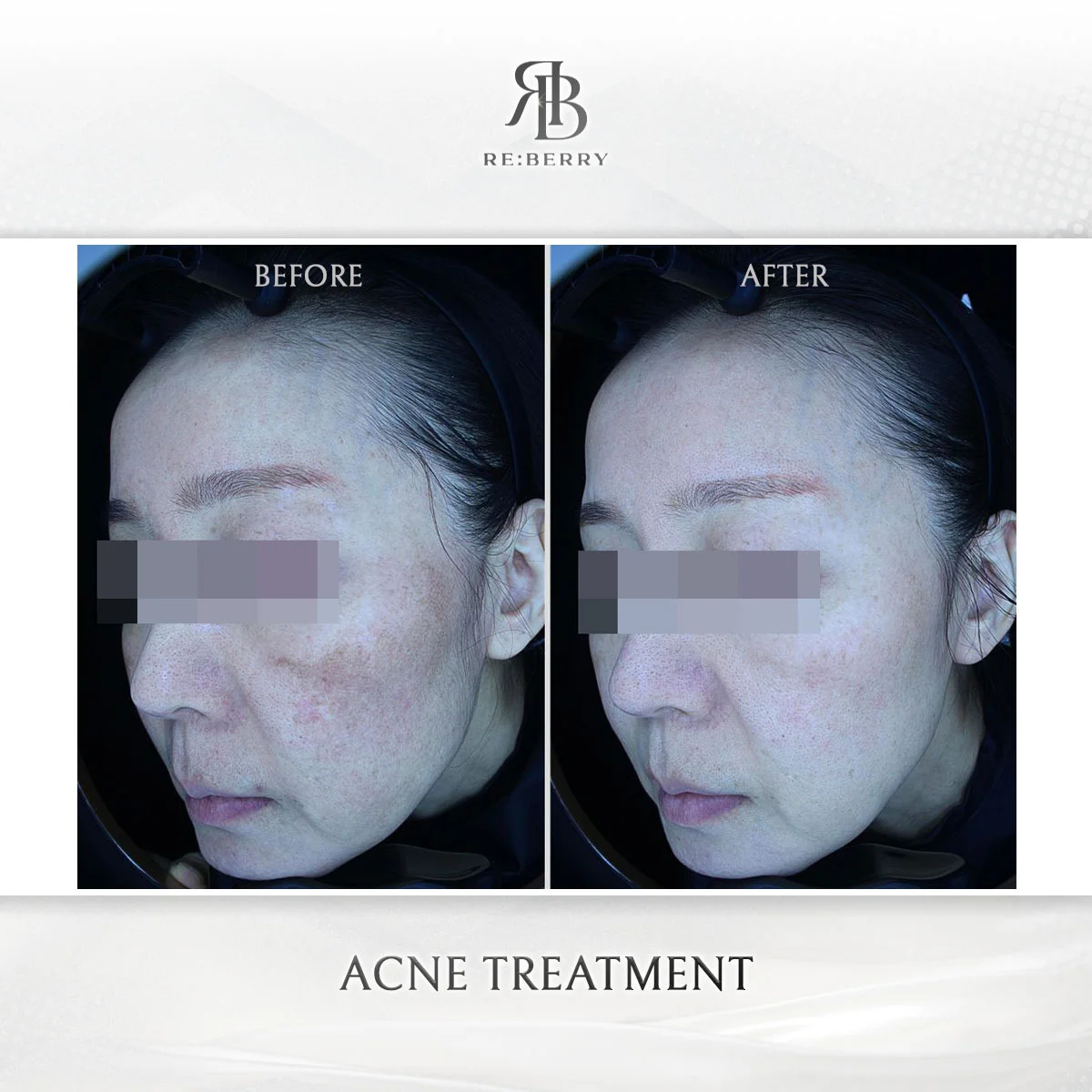
Tattoo Removal Session Progression Results
Actual patient results showing progressive fading over multiple sessions at RE:BERRY Gangnam. Individual outcomes vary.
How Each Tattoo Removal Session Works at RE:BERRY Gangnam
Understanding each session helps you plan how many sessions tattoo removal takes for your specific case.

Session 1: Assessment + First Treatment
Your first tattoo removal session begins with a comprehensive Kirby-Desai Scale assessment by Dr. Yoon-Gon Ryu. Using dermoscopy and spectrophotometric ink analysis, the physician evaluates your tattoo’s depth, color composition, anatomical location, layering, and your skin’s Fitzpatrick classification. After scoring, you receive a written treatment plan predicting exactly how many sessions tattoo removal will take for your case. The first PicoSure laser treatment is performed the same day — topical anesthesia applied 30-45 minutes prior, followed by precise laser delivery across the entire tattooed area. Most patients see immediate frosting (temporary whitening) indicating ink particle fragmentation has begun. Total time: 60-90 minutes including assessment.
Sessions 2-4: Progressive Ink Fragmentation
Each subsequent session is scheduled 6-8 weeks after the previous treatment to allow complete immune-mediated ink clearance. Before each session, the physician photographs your tattoo under standardized lighting and compares it to baseline images. Visible lightening of 20-30% per session is typical for black ink. During sessions 2-4, fluence (energy) settings may be adjusted upward as the ink density decreases — a critical advantage of having the same physician manage your entire treatment course. By session 3-4, most small black-ink tattoos show 60-80% clearance, and the physician can refine the prediction of how many total sessions tattoo removal will require.
Sessions 5-8: Targeting Residual Ink
In later sessions, the PicoSure laser targets remaining ink deposits that were too deep or too densely packed for earlier sessions to fully fragment. For multicolor tattoos, supplementary wavelengths (532nm for reds, 1064nm for deep blacks) may be introduced at this stage. The Focus Lens Array optic is used to distribute energy across areas where faint ghost images remain. Each session takes only 10-20 minutes as the treatable area progressively shrinks. Session intervals may be extended to 8-10 weeks to maximize lymphatic clearance between treatments.
Final Session: Clearance Assessment + Skin Restoration
The final session includes a complete clearance assessment under Wood’s lamp and dermoscopy to confirm no residual ink remains in the dermis. If 95%+ clearance is achieved, treatment is concluded. For patients who want to address residual skin texture changes in the formerly tattooed area, RE:BERRY Gangnam offers complementary PicoSure pico toning to restore even skin tone and stimulate collagen renewal. A final progress comparison is documented and provided to the patient. The entire treatment record — session dates, settings used, and progress photographs — is available for your records.
How Many Tattoo Removal Sessions by Ink Type and Complexity
- Amateur Black Ink: 3-5 Sessions Hand-poked, stick-and-poke, and amateur black-ink tattoos use lighter ink deposits at shallower depths (0.5-1mm). PicoSure clears these in 3-5 sessions at RE:BERRY Gangnam — the fewest sessions of any tattoo type. Total treatment timeline: 4-8 months.
- Professional Black Ink: 4-8 Sessions Machine-applied professional tattoos deposit denser ink at 1-2mm depth. Black carbon-based ink responds well to PicoSure’s 755nm wavelength. Most professional black tattoos show 95%+ clearance in 4-8 sessions. The Kirby-Desai score determines where within this range your tattoo falls.
- Multicolor Tattoos: 6-10 Sessions Blue, green, red, and yellow inks each respond to different wavelengths. RE:BERRY Gangnam uses sequential multi-wavelength treatment within each session. Blue and green require 6-8 sessions; red and orange require 7-10 sessions. Adding PicoSure 755nm specifically improved resistant blue-green clearance by 73% versus Q-switched alone.
- Cover-Up / Layered Tattoos: 8-12 Sessions Cover-up tattoos contain multiple ink layers at varying depths, requiring sequential removal from surface to deep dermis. Each layer must be substantially cleared before the laser can effectively reach the next. This is the most session-intensive category, but PicoSure still reduces sessions by 30-40% versus Q-switched for layered work.
- Cosmetic Tattoos (Microblading/Lip): 2-4 Sessions Semi-permanent makeup (eyebrow microblading, lip liner, eyeliner) uses iron-oxide or vegetable-based pigments at shallow depths. These respond quickly to picosecond treatment but require specialized protocols to prevent paradoxical darkening. RE:BERRY Gangnam evaluates cosmetic tattoos individually before confirming session count.
- Large Tattoos (Half-Sleeve+): 6-12 Sessions Tattoo size does not change the number of sessions needed — it affects the duration and cost per session. A half-sleeve with mixed colors may take 8-10 sessions at ₩490,000 per session. The total timeline is 12-18 months with 6-8 week intervals. RE:BERRY Gangnam can treat multiple body areas in a single session.
| Timeline | What to Expect |
|---|---|
| Session 1 (Week 0) | First PicoSure treatment. Immediate frosting observed. Mild redness and possible blistering for 3-7 days. The tattoo may temporarily appear darker as fragmented ink rises to the surface. |
| Between Sessions (Week 1-6) | Lymphatic macrophages clear fragmented ink particles. Visible lightening develops gradually. Maximum fading from each session occurs at week 6-8, which is why sessions are spaced this far apart. |
| Session 3-4 (Month 4-6) | 50-70% lightening visible for black ink. Physician reassesses and may adjust fluence settings. Accurate refinement of remaining session count. Some amateur tattoos may be fully clear at this stage. |
| Session 5-6 (Month 8-10) | 80-90% clearance for most black-ink tattoos. Residual ghost images may be present but are only visible under close inspection. The physician determines if additional sessions are beneficial or if the tattoo is functionally clear. |
| Session 7-10 (Month 12-18) | For complex multicolor or cover-up tattoos, these later sessions target the deepest and most resistant ink deposits. Each session delivers diminishing but meaningful improvement. 95%+ clearance is the typical endpoint. |
| Post-Treatment (3-6 Months After Final Session) | Continued lightening occurs for 3-6 months after the final laser treatment as residual ink particles are cleared. Final assessment at 3 months post confirms treatment completion. Optional skin restoration toning available. |
Tattoo Removal Sessions: PicoSure vs Q-Switched vs Other Methods
| Factor | PicoSure 755nm (RE:BERRY) | Q-Switched Nd:YAG | Surgical Excision | Dermabrasion |
|---|---|---|---|---|
| Sessions (Black Ink) | 4-6 | 8-15 | 1 (with scar) | 3-5 (with scar) |
| Sessions (Blue/Green) | 6-8 | 10-20+ | 1 (with scar) | Not effective |
| Sessions (Cover-Up) | 8-12 | 15-25 | Not recommended | Not recommended |
| Session Duration | 10-30 min | 15-45 min | 30-90 min | 30-60 min |
| Interval Between | 6-8 weeks | 6-12 weeks | N/A | 4-6 weeks |
| Scarring Risk | Under 5% | 15-20% | 100% (incision scar) | 30-50% |
| Clearance Rate | 95%+ | 75-85% | 100% (replaced by scar) | Variable |
| Skin Type Safety | All (I-VI) | Best I-III | All | Best I-III |
| Cost Per Session | From ₩159,000 | ₩100,000-₩300,000 | ₩500,000-₩2,000,000 | ₩300,000-₩800,000 |
Tattoo Removal Session Pricing at RE:BERRY Gangnam
All prices in KRW. Non-covered medical service. Per-session pricing locked at initial consultation rate for your entire treatment plan. April 2026.
Small Tattoo (under 5cm) — 4-6 Sessions Typical
- PicoSure 755nm picosecond laser
- Topical anesthesia + cooling
- Free Kirby-Desai session count prediction
- Standardized progress photography
- Aftercare kit (8 languages)
Medium Tattoo (5-15cm) — 6-8 Sessions Typical
- PicoSure 755nm + supplementary wavelengths
- Extended anesthesia + Zimmer Cryo cooling
- Multi-pass coverage per session
- Free Kirby-Desai session count prediction
- Standardized progress photography
- Aftercare kit (8 languages)
Large / Cover-Up — 8-12 Sessions Typical
- PicoSure 755nm + multi-wavelength protocol
- Extended anesthesia + continuous Cryo cooling
- Multiple treatment zones per session
- Locked per-session pricing for full plan
- Priority scheduling for return visits
- Aftercare kit (8 languages)
Lightening Only (2-3 Sessions for Cover-Up Prep)
- 2-3 PicoSure sessions at reduced fluence
- Targeted lightening for cover-up readiness
- Physician clearance letter for tattoo artist
- 12-18 week total timeline
Meet Your Doctor

Dr. Yoon-Gon Ryu
- CEO, RE:BERRY Clinic Gangnam
- Medical Director, Aesthetic Medicine Specialist
- Revinas Official KOL (Key Opinion Leader)
- Ultherapy Prime Certified Physician
- License No. 131644
Medically reviewed by Dr. Yoon-Gon Ryu, CEO / Medical Director, RE:BERRY
The Science Behind Tattoo Removal Session Count Prediction
Peer-reviewed evidence supporting PicoSure session efficiency and the Kirby-Desai predictive scoring system.
The Kirby-Desai Scale: Predicting How Many Sessions Tattoo Removal Takes
The Kirby-Desai Scale is a validated predictive tool developed by Kirby et al. (2009) that scores tattoos on 6 parameters: skin type (1-6 points based on Fitzpatrick classification), location (1-5 points based on blood supply — face scores lowest, feet score highest), ink color (1-4 points — black scores lowest, multicolor highest), amount of ink (1-5 points based on density and professional vs amateur application), scarring or tissue change (0-5 points), and layering from cover-ups (0-5 points). The total score correlates with expected session count: scores of 3-5 predict 3-5 sessions, scores of 6-10 predict 6-10 sessions, and scores of 11-15 predict 10-15 sessions. Validation studies showed 85% accuracy in predicting total sessions within plus or minus 2 treatments. At RE:BERRY Gangnam, Dr. Yoon-Gon Ryu performs this scoring on every tattoo removal consultation, giving patients a precise written estimate of how many sessions their tattoo removal will take before any treatment begins.
Why Picosecond Pulses Reduce Total Session Count
The session count reduction with PicoSure versus Q-switched lasers is directly attributable to the difference in ink particle fragmentation efficiency. Nanosecond-domain lasers (5-20 ns pulse width) shatter tattoo ink through a predominantly photothermal mechanism, producing fragments in the 100-1000 nanometer range. These fragments are at the upper limit of what dermal macrophages can phagocytose and transport to lymph nodes. PicoSure’s picosecond pulses (550-750 ps) generate a photomechanical pressure wave that produces fragments in the 10-100 nanometer range — small enough to be cleared 3-4 times more efficiently by the lymphatic system. Hsu et al. (2016) confirmed via transmission electron microscopy that PicoSure-treated ink particles were significantly smaller and more uniformly fragmented than Q-switched treated particles, directly explaining the 40-60% reduction in session count observed clinically. This mechanistic advantage is why RE:BERRY Gangnam exclusively uses picosecond technology for tattoo removal — each session does more work, meaning patients need fewer total sessions.
Inter-Session Interval Optimization
The 6-8 week interval between sessions is not arbitrary — it reflects the kinetics of immune-mediated ink clearance. After each laser session, fragmented ink particles are phagocytosed by dermal macrophages, transported through lymphatic vessels to regional lymph nodes, and processed by the reticuloendothelial system. Kossida et al. (2012) demonstrated that maximum ink clearance from a single laser session requires 6-8 weeks, with negligible additional clearance beyond 10 weeks. Shorter intervals (3-4 weeks) result in the laser treating still-clearing fragments rather than fresh intact ink, reducing per-session efficacy by 20-30% and increasing the total number of sessions needed. Longer intervals (12+ weeks) are sometimes beneficial for resistant ink colors, allowing deeper macrophage penetration into dense pigment deposits. RE:BERRY Gangnam calibrates the interval for each patient based on observed clearance rates — adjusting to 8-10 weeks for slower-responding areas like ankles and fingers where vascular supply is reduced.
Color-Specific Session Requirements
Ink color determines session count because different chromophores absorb different wavelengths with varying efficiency. Black ink (carbon-based) absorbs broadly across 400-1064nm and responds to virtually any laser wavelength, clearing in the fewest sessions (4-6 with PicoSure). Blue and green inks contain copper phthalocyanine and chromium oxide pigments that absorb maximally at 755nm — precisely matching PicoSure’s alexandrite wavelength. Brauer et al. (2015) showed 78% clearance of blue-green ink with PicoSure versus only 45% with 1064nm Nd:YAG, explaining why blue-green tattoos clear in 6-8 PicoSure sessions versus 15-20+ with Q-switched lasers. Red ink (iron oxide or cadmium-based) absorbs 532nm wavelength and requires supplementary KTP laser treatment, typically adding 2-3 sessions to the total count. Yellow and white inks are the most resistant, often requiring 10-12 sessions due to their reflective chromophore properties and potential paradoxical darkening.
Kirby W et al. The Kirby-Desai Scale: a proposed scale to assess tattoo-removal treatments. J Clin Aesthet Dermatol. 2009;2(3):32-36. doi:10.1111/j.1473-2165.2009.00424_15.x
Brauer JA et al. Successful and rapid treatment of blue and green tattoo pigment with a novel picosecond laser. Arch Dermatol. 2015;151(7):773-777. doi:10.1001/jamadermatol.2015.0135
Hsu VM et al. Tattoo ink nanoparticles in skin tissue and fibroblasts. Exp Dermatol. 2016;25(2):107-114. doi:10.1111/exd.12886
Kossida T et al. Optimal tattoo removal in a single laser session based on the method of repeated exposures. J Am Acad Dermatol. 2012;66(2):271-277. doi:10.1016/j.jaad.2011.07.024
What Our Patients Say About Their Tattoo Removal Sessions
“Dr. Ryu predicted 5 sessions for my forearm tattoo and it was fully gone in exactly 5. Having a clear plan from day one made the whole experience manageable. Each session took about 15 minutes and the recovery was easier than I expected.”
“I was told by clinics in London that my green-blue tattoo would need 15+ sessions. RE:BERRY cleared it in 7 using the PicoSure 755nm wavelength. The total cost was less than half of what I was quoted at home even including flights to Seoul.”
“My cover-up tattoo was the most complex case — two layers of ink, multiple colors. Dr. Oh gave me a range of 9-11 sessions and we finished at session 10. The progress photos they take at every visit showed clear improvement each time.”
Frequently Asked Questions About Tattoo Removal Sessions
Expert answers from RE:BERRY Gangnam’s physicians on session count, timing, and treatment planning.
4-6 PicoSure sessions at RE:BERRY Gangnam for a small (under 5cm) black-ink tattoo. Amateur tattoos with lighter ink deposits may clear in 3-4 sessions. Each session is spaced 6-8 weeks apart, making the total timeline 6-10 months from first treatment to full clearance.
6-10 sessions depending on colors present at RE:BERRY Gangnam. Black components clear first (4-6 sessions), blue-green next (6-8 sessions with PicoSure 755nm), and red-orange last (7-10 sessions with supplementary 532nm). Multi-wavelength treatment within each session minimizes the total session count.
40-60% fewer sessions because PicoSure shatters ink into particles 10-100nm (versus 100-1000nm with Q-switched). These smaller nanoparticles are cleared 3-4x faster by lymphatic macrophages (Hsu et al., 2016). Learn how this efficiency reduces your laser tattoo removal cost in Korea by cutting total session count.
6 clinical factors scored on a 0-25 point scale: skin type, tattoo location, ink color, ink amount, scarring, and layering. Scores of 3-5 predict 3-5 sessions, 6-10 predict 6-10 sessions, 11-15 predict 10-15 sessions. Dr. Yoon-Gon Ryu performs this 15-minute assessment free at RE:BERRY Gangnam with 85% prediction accuracy.
6-8 weeks is optimal between sessions at RE:BERRY Gangnam. Maximum ink clearance from each session occurs at week 6-8 (Kossida et al., 2012). Shorter intervals waste treatment sessions on still-clearing fragments. Longer intervals (10-12 weeks) are used for slow-responding areas like ankles.
Yes, up to 40% variation based on blood supply. Face and neck (high circulation) clear 30-40% faster than ankles, fingers, and feet (low circulation). See our laser tattoo removal Gangnam page for location-specific treatment details at RE:BERRY.
No — sessions closer than 6 weeks reduce per-session efficacy by 20-30% at RE:BERRY Gangnam. The body needs 6-8 weeks for macrophages to fully clear fragmented ink. Compressed scheduling means more total sessions and higher total cost with no improvement in final results.
8-12 sessions for layered cover-up tattoos at RE:BERRY Gangnam — 2-4 more sessions than single-layer tattoos of equivalent size. The laser must sequentially clear upper layers before reaching deeper original ink. Cover-up tattoos score highest on the Kirby-Desai Scale’s layering parameter.
Yes, 20-30% lightening is visible after the first PicoSure session at RE:BERRY Gangnam for black ink. Immediate frosting during treatment confirms ink fragmentation. True lightening becomes apparent at week 4-6 as the immune system clears fragmented particles. Each subsequent session adds comparable lightening.
2-4 sessions for semi-permanent cosmetic tattoos at RE:BERRY Gangnam. Microblading, lip liner, and eyeliner use shallow pigment deposits that respond quickly to picosecond treatment. Iron-oxide pigments require specialized protocols to prevent paradoxical darkening — the physician test-treats a small area first.
Fitzpatrick IV-VI (darker skin) typically requires 1-3 additional sessions versus Fitzpatrick I-III at RE:BERRY Gangnam. Lower fluence settings prevent post-inflammatory hyperpigmentation. However, total clearance rates remain equivalent — PicoSure achieves 90%+ clearance with under 8% transient PIH risk in darker skin.
Yes, 35% of international patients at RE:BERRY Gangnam schedule 1-2 sessions per Korea visit, spaced across multiple trips. The 6-8 week inter-session interval aligns well with travel planning. Your treatment file is maintained across visits, and the same physician manages your entire course.
8-12 sessions for a half-sleeve and 10-15 for a full sleeve at RE:BERRY Gangnam, depending on color complexity. Size affects per-session duration and cost but not necessarily the number of sessions — ink depth and color are more important. Each session can treat the entire sleeve area.
RE:BERRY Gangnam re-evaluates using dermoscopy and Wood’s lamp. The physician assesses remaining ink depth and adjusts laser parameters. Additional sessions beyond the initial estimate are performed at the same locked per-session price. In rare cases (under 5%), truly resistant inks may plateau at 90-95% clearance.
No absolute maximum exists at RE:BERRY Gangnam, but diminishing returns begin after 12-15 sessions for most tattoos. The physician monitors tissue health at every session. If the skin shows signs of excessive thermal stress, extended rest periods (3-6 months) are recommended before continuing.
2-3 PicoSure sessions at RE:BERRY Gangnam lighten a tattoo 50-60%, which is sufficient for most cover-up artists to work over. This takes only 12-18 weeks and costs ₩318,000-₩900,000 total. Check the laser tattoo removal Korea page for complete lightening protocol details.
Older tattoos (10+ years) need 2-3 fewer sessions than fresh tattoos at RE:BERRY Gangnam. Natural immune processes have already begun fragmenting surface-level ink particles over the years. A 15-year-old black tattoo may clear in 3-4 sessions versus 6-8 for the same tattoo at age 1.
4-8 PicoSure sessions versus 3-5 dermabrasion sessions at RE:BERRY Gangnam. However, dermabrasion has 30-50% scarring risk versus under 5% with PicoSure, and dermabrasion cannot treat deep dermal ink. Laser tattoo removal is superior for final clearance quality.
Yes, partial removal is common at RE:BERRY Gangnam. Targeting specific elements (a name, date, or section) while preserving the rest requires fewer sessions since less area is treated. The physician masks the areas to keep and treats only the unwanted portions. Typically 2-4 sessions for partial removal.
Lightening for 2-3 sessions is more cost-effective than full removal if you plan to get a new tattoo at RE:BERRY Gangnam. 50-60% lightening gives a cover-up artist enough clearance to work with new colors and designs. Full removal (4-10 sessions) is only necessary if you want completely bare skin.
Dense professional machine-applied tattoos require 2-3 more sessions than lighter hand-poked work at RE:BERRY Gangnam. Heavy ink saturation means more pigment particles per cubic millimeter that need fragmentation. The Kirby-Desai Scale accounts for this in the ‘amount of ink’ parameter (scored 1-5).
Actually shorter — later sessions take 5-10 minutes versus 15-30 minutes for initial sessions at RE:BERRY Gangnam. As ink density decreases, the treatable area shrinks and fewer laser passes are needed. The physician adjusts fluence upward to target remaining deep fragments more aggressively.
3 differences at RE:BERRY Gangnam: (1) free Kirby-Desai scoring with written session prediction before treatment starts, (2) same physician for every session ensuring consistent parameter optimization, (3) standardized photography at every visit for objective progress tracking.
Yes, 40% of international patients combine sessions with other procedures. Popular additions include laser toning for skin brightening, pico laser skin rejuvenation, and Thermage FLX lifting — treating different body areas on the same visit.
Send clear photos of your tattoo via WhatsApp (+82-2-039-2822) or LINE to RE:BERRY Gangnam. Dr. Ryu provides a preliminary Kirby-Desai assessment remotely, predicting sessions and laser tattoo removal cost in Korea before you book your flight. In-person confirmation takes 15 minutes on your first visit.
3 reasons: (1) PicoSure 755nm certified clinic requiring 40-60% fewer sessions than Q-switched clinics, (2) physician-performed every session with locked per-session pricing, (3) data-driven Kirby-Desai session prediction so you know exactly how many sessions tattoo removal takes and what it costs before starting.
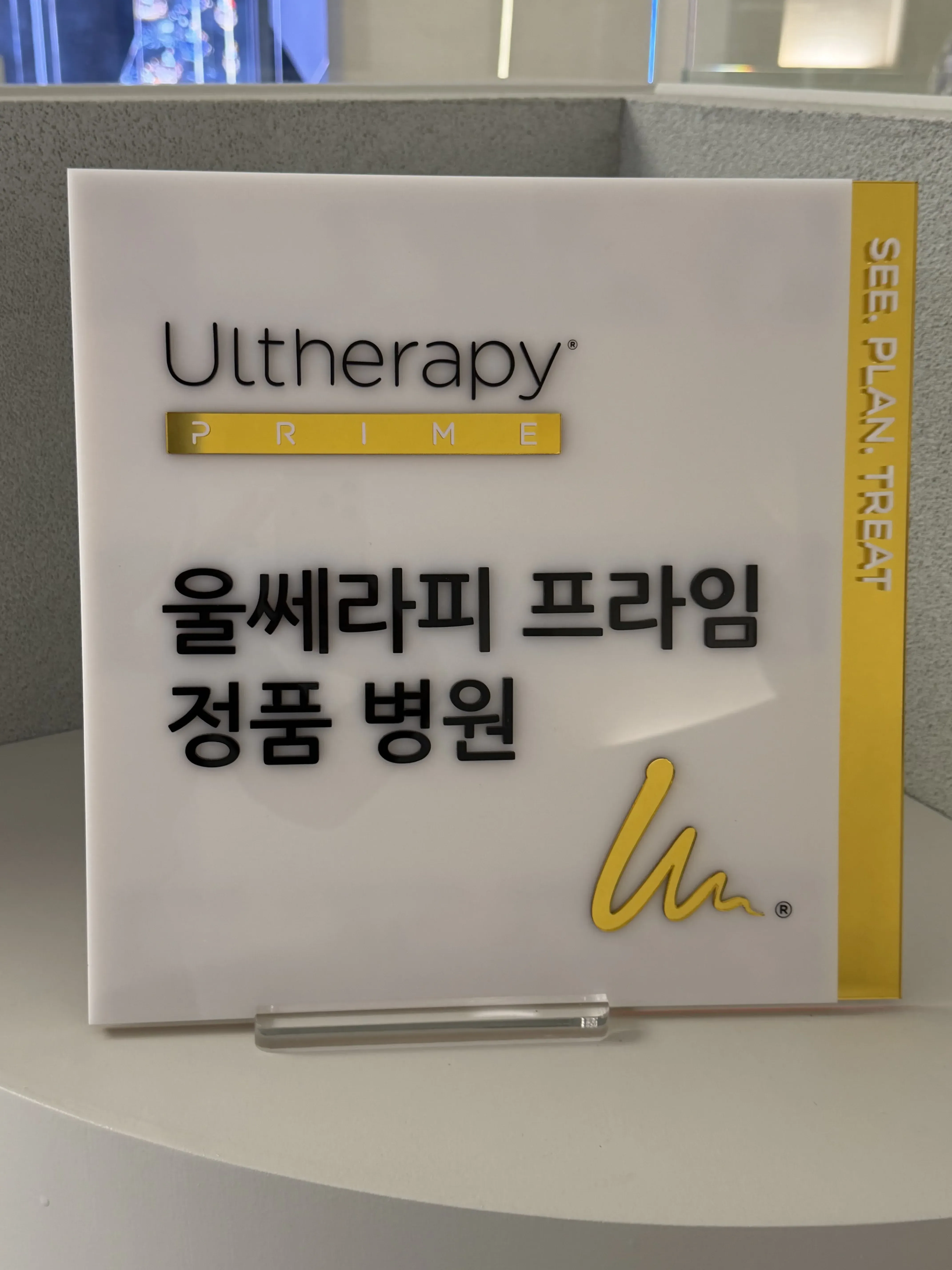
Only Authentic, Brand-Certified Equipment
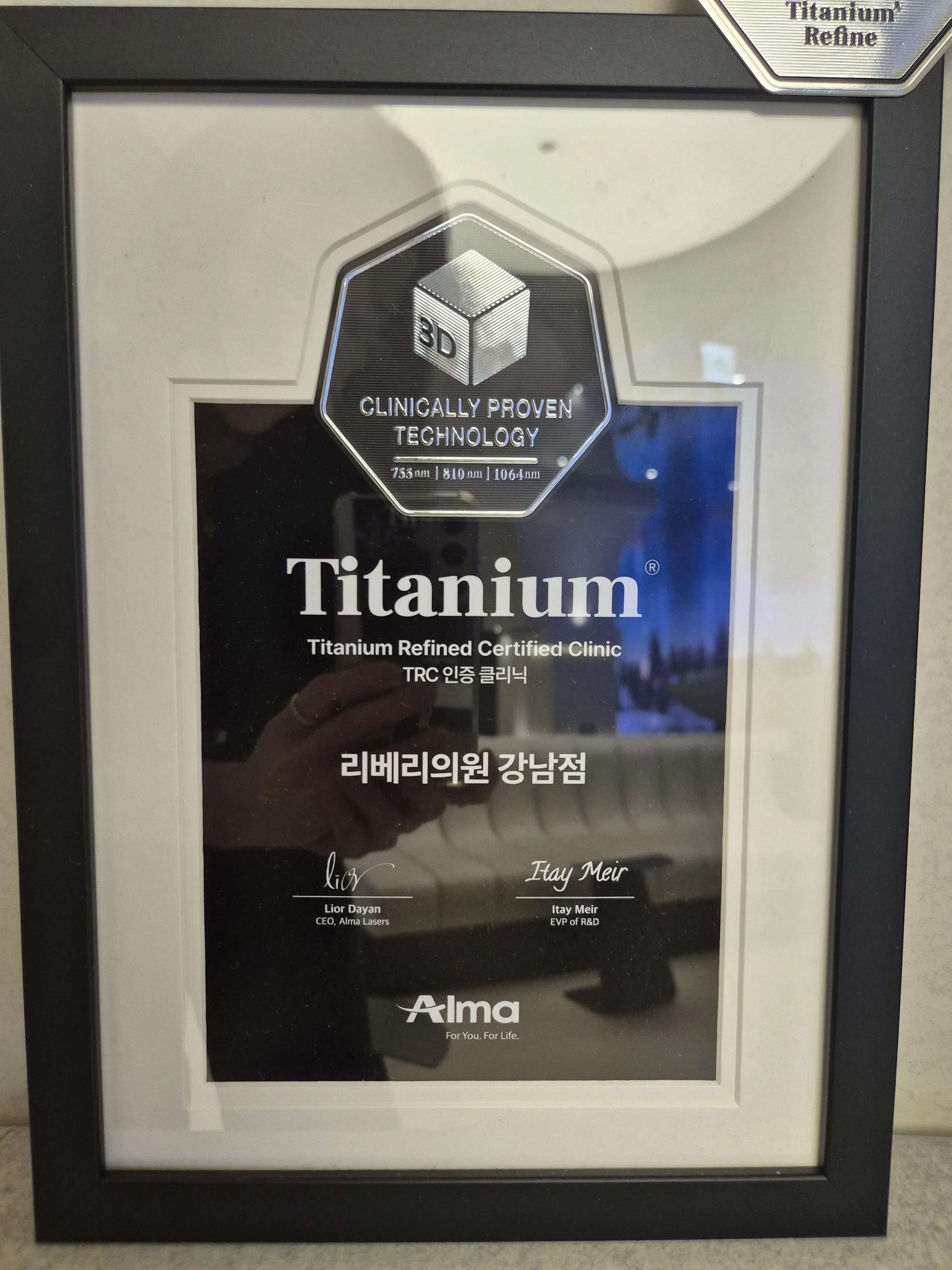
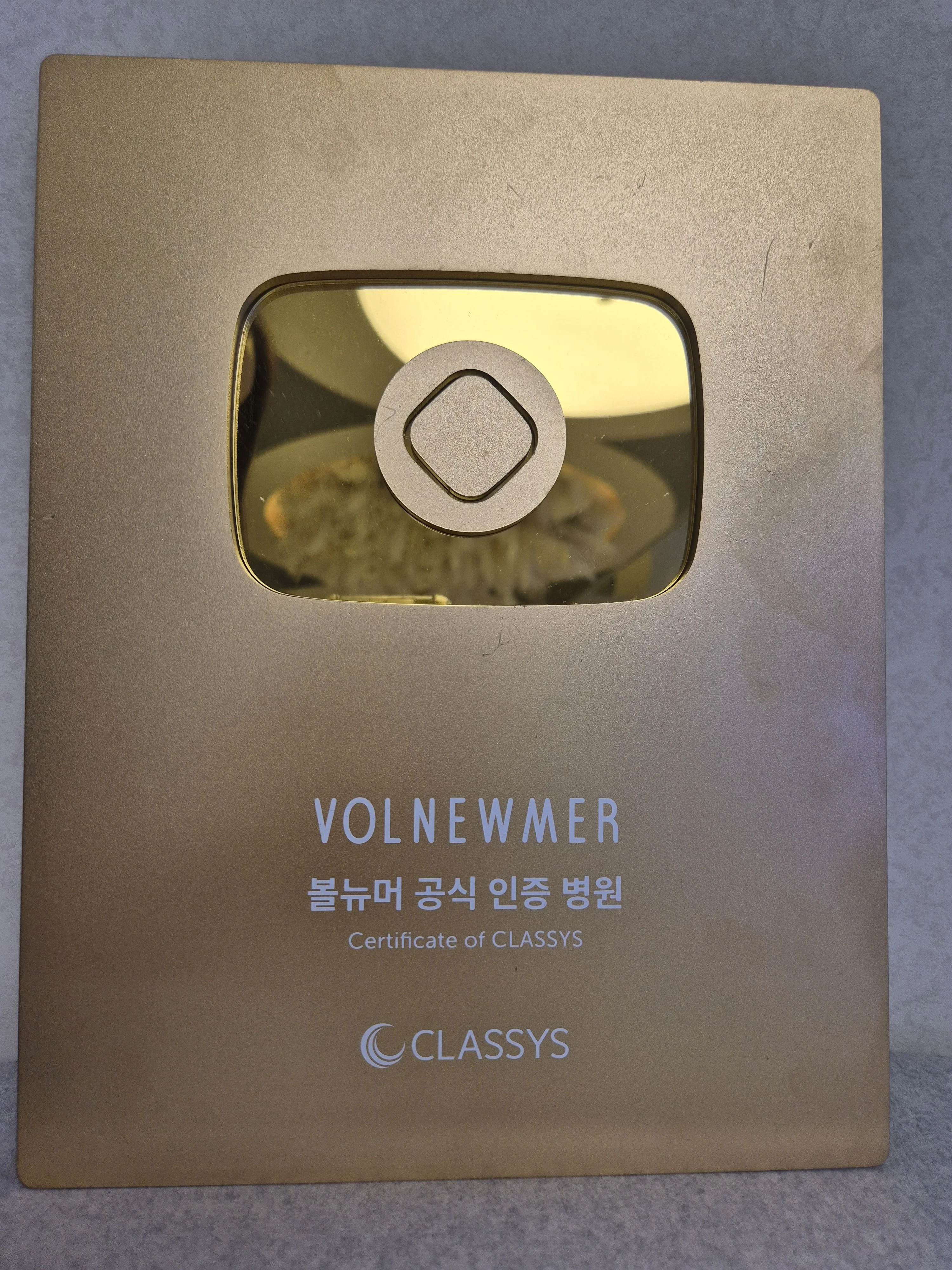
Every device at RE:BERRY is MFDS-certified and manufacturer-verified. We never use counterfeit or grey-market equipment.
Find Out How Many Tattoo Removal Sessions You Need
Send a photo of your tattoo via WhatsApp or LINE for a free preliminary Kirby-Desai assessment. Our physicians at RE:BERRY Gangnam will predict your exact session count and total treatment cost before you commit to a single session — no obligation, no hidden fees.
Book Your Session Count Assessment
Fill out the form and our multilingual team will confirm within 2 hours via your preferred contact method.
- ✓ Free consultation with Dr. Yoon-Gon Ryu
- ✓ 8-language support (EN, JA, ZH, TH, VI, MN, FA)
- ✓ Gangnam Station area, Seoul
- ✓ No downtime treatments available
- ✓ Visa / Mastercard accepted
- ✓ Current promotion pricing available