Best Korean Skincare Ingredients for Anti-Aging (Doctor’s Picks)
Best Korean Skincare Ingredients for Anti-Aging (Doctor's Picks)

Why Korean Skincare Ingredients Are Different
Korean skincare’s global dominance is not just clever marketing. It is built on a genuine innovation advantage: Korea invests more in cosmetic science research per capita than any other country, and the regulatory pathway from laboratory to consumer product is faster than in the US or Europe. This means Korean products often contain ingredients that will not appear in Western markets for another 2-5 years.
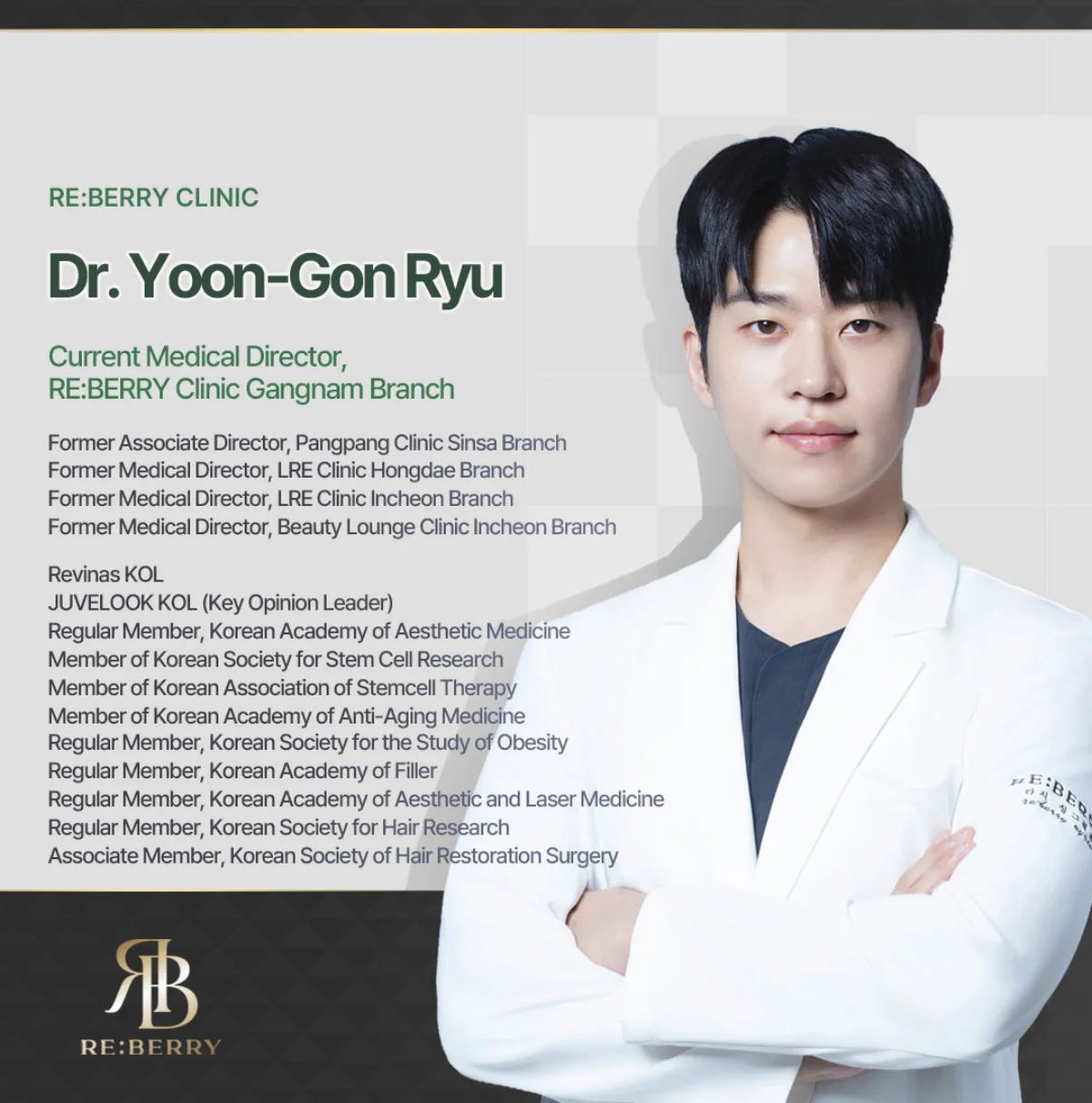
As a physician who prescribes both medical-grade and consumer skincare products daily, I want to share the ingredients that actually work for anti-aging based on clinical evidence, not influencer endorsements. Some of these are Korean innovations. Others are universal ingredients that Korean formulations have optimized.
1. PDRN (Polydeoxyribonucleotide) — The Korean Anti-Aging Breakthrough
What it is: Extracted from salmon DNA, PDRN is a tissue regeneration agent that was originally developed for wound healing. Korean researchers discovered its profound effects on skin rejuvenation, leading to the development of Rejuran, now one of the most popular aesthetic treatments in Asia.
How it works: PDRN activates A2A purinergic receptors, which stimulate cellular repair, increase collagen synthesis, and improve skin hydration from within. It also has anti-inflammatory properties that help calm reactive skin.
Clinical evidence: Multiple Korean studies have demonstrated that PDRN injections improve skin elasticity by 20-30% over 4-8 weeks and significantly increase skin thickness. Topical PDRN products, while less potent than injections, show measurable improvement in fine lines and skin texture in studies conducted by Seoul National University researchers.
In the clinic: At RE:BERRY, Rejuran skin booster treatments (₩240,000 for 2cc) are among our most requested procedures for patients over 35.
In products: Look for “PDRN” or “Salmon DNA” on Korean product labels. Brands like MEDIPEEL, Dr. Althea, and Torriden offer PDRN-containing serums. Concentration matters. Products with less than 0.1% PDRN are unlikely to produce significant results.
2. Retinal (Retinaldehyde) — The Smarter Retinoid
What it is: Most Western dermatologists recommend retinol or prescription tretinoin for anti-aging. Korean dermatology has increasingly shifted toward retinal (retinaldehyde), which sits between retinol and tretinoin in terms of both efficacy and irritation potential.
How it works: Retinal is one conversion step closer to retinoic acid (the active form) than retinol, making it approximately 11 times more effective at the same concentration. However, it causes significantly less irritation than tretinoin, making it suitable for the sensitive skin types common among Asian patients.
Clinical evidence: A 2024 study published in the Journal of Cosmetic Dermatology found that 0.05% retinaldehyde produced comparable wrinkle reduction to 0.025% tretinoin after 12 weeks, with 60% fewer reports of irritation.
In products: Korean brands leading in retinal formulations include Beauty of Joseon (Revive Eye Serum with retinal), Benton (Retinal cream), and medicube (AGE-R Retinal Shot). Start with 0.025% and increase gradually.
Doctor’s note: If you are using retinal or any retinoid, always apply SPF 50+ during the day. And importantly, stop all retinoid products 5-7 days before any laser or RF microneedling treatments to avoid excessive sensitivity.
3. Centella Asiatica (Cica) — More Than a Trend
What it is: Centella asiatica, known as “cica” in K-beauty, has been used in traditional Asian medicine for centuries. Korean skincare science has refined its active compounds, primarily madecassoside, asiaticoside, madecassic acid, and asiatic acid, into targeted formulations.
How it works: Centella’s terpenoid compounds stimulate Type I collagen synthesis, inhibit inflammatory enzymes, and strengthen the skin barrier. The four active compounds work synergistically, which is why whole-plant extracts often outperform isolated compounds.
Clinical evidence: A meta-analysis of 14 clinical trials (2023, Dermatologic Therapy) confirmed that topical centella products significantly improve wound healing speed, reduce scarring, and increase skin hydration. For anti-aging specifically, centella has been shown to increase skin firmness by 12-18% over 8 weeks in controlled studies.
In products: The gold standard is Dr. Jart+ Cicapair. Other excellent formulations include COSRX Pure Fit Cica Serum and Purito Centella Unscented Serum. Look for “Centella Asiatica Extract” high on the ingredient list (ideally top 5).
In the clinic: We often recommend centella-based products as part of the post-treatment recovery regimen after laser toning and peel treatments.
4. Niacinamide — The Multitasker (Korean Dosing Is Different)
What it is: Niacinamide (vitamin B3) is not a Korean invention, but Korean formulations use it differently than Western products. While most Western products contain 2-5% niacinamide, Korean products frequently use 5-10% concentrations, and some medical-grade formulations go up to 20%.
How it works: At 5%+, niacinamide inhibits melanosome transfer (reducing hyperpigmentation), stimulates ceramide production (strengthening the skin barrier), reduces sebum production, and has been shown to increase collagen synthesis.
Clinical evidence: A landmark study by Procter and Gamble (2004, International Journal of Cosmetic Science) demonstrated that 5% niacinamide significantly reduces wrinkles, hyperpigmentation, and skin yellowing over 12 weeks. More recent Korean studies (2022, Yonsei University) have shown that 10% niacinamide outperforms 4% hydroquinone for treating melasma with fewer side effects.
In products: SOME BY MI Galactomyces Pure Vitamin C Glow Serum (contains niacinamide alongside vitamin C), Missha Vita C Plus Spot Correcting Ampoule, and The Ordinary Niacinamide 10% (not Korean, but widely available in Seoul).
5. Galactomyces Ferment Filtrate — The Fermentation Secret
What it is: A byproduct of fermenting sake (rice wine), galactomyces ferment filtrate gained fame when Japanese sake brewers were observed to have remarkably youthful hands despite their age. Korean brands have since optimized the fermentation process to maximize the concentration of active compounds.
How it works: Contains a complex mix of amino acids, vitamins, organic acids, and minerals that improve skin texture, reduce pore appearance, and enhance overall radiance. The fermentation process creates smaller molecular compounds that penetrate the skin more effectively than their non-fermented counterparts.
Clinical evidence: A 2021 study in the Journal of Cosmetic Dermatology found that products containing 90%+ galactomyces filtrate significantly improved skin elasticity and reduced trans-epidermal water loss (TEWL) after 8 weeks of daily use.
In products: COSRX Galactomyces 95 Tone Balancing Essence (95% galactomyces, excellent value), Missha Time Revolution The First Treatment Essence, and SOME BY MI Galactomyces serums.
6. Peptide Complexes — Korean Cocktail Innovation
What it is: Peptides are short chains of amino acids that act as signaling molecules in the skin. While peptides exist in Western products, Korean formulations excel at combining multiple peptide types into synergistic complexes.
Key peptides used in Korean formulations:
- Copper peptides (GHK-Cu): Stimulate collagen and elastin production, promote wound healing
- Matrixyl (Palmitoyl Pentapeptide-4): Signals fibroblasts to produce more collagen
- Argireline (Acetyl Hexapeptide-3): Reduces muscle micro-contractions (topical “Botox effect”)
- EGF (Epidermal Growth Factor): Stimulates cell turnover and wound healing
Clinical evidence: Copper peptides have the strongest evidence base, with multiple studies showing up to 70% increase in collagen production over 12 weeks. EGF was initially developed in Korea for burn wound treatment and has since been adapted for anti-aging.
In products: BENTON Fermentation Eye Cream (multiple peptides), Purito Centella Green Level Buffet Serum, and SCINIC First Treatment Essence.
7. Tranexamic Acid — The Pigmentation Specialist
What it is: Originally developed as an anti-hemorrhagic medication, tranexamic acid has become a cornerstone of Korean hyperpigmentation treatment. While it is slowly gaining recognition in the West, Korean dermatologists have been using it for over a decade.
How it works: Tranexamic acid inhibits the plasminogen/plasmin pathway, which reduces melanocyte activity without the cytotoxic effects of hydroquinone. It works both topically and when taken orally (prescription only).
Clinical evidence: A 2020 systematic review in the Journal of the American Academy of Dermatology found that topical tranexamic acid (2-5%) is effective for melasma treatment with minimal side effects. Korean studies have demonstrated its efficacy for post-inflammatory hyperpigmentation, making it particularly useful after laser treatments.
In products: SKIN1004 Tranex-toning Cream, Isntree Clear Skin BHA Toner (contains tranexamic acid), and Cos De BAHA Tranexamic Acid Serum.
8. Propolis and Bee Venom — Nature’s Anti-Aging Arsenal
What it is: Korean skincare has a particular affinity for bee-derived ingredients. Propolis (bee glue) is a powerful antioxidant and anti-inflammatory. Bee venom, in micro-doses, triggers a mild immune response that stimulates collagen production.
How it works: Propolis contains over 300 bioactive compounds including flavonoids, phenolic acids, and terpenoids. Bee venom’s primary active compound, melittin, increases blood circulation and triggers the skin’s natural repair mechanisms, essentially “tricking” the skin into producing more collagen.
Clinical evidence: A 2015 clinical trial published in Clinical Interventions in Aging found that a cream containing purified bee venom significantly reduced wrinkle depth and wrinkle count after 12 weeks compared to placebo. Propolis extracts have been shown to accelerate wound healing by 40% in multiple studies.
In products: COSRX Full Fit Propolis Light Ampoule, Benton Snail Bee High Content Essence (combines bee venom with snail mucin), and Papa Recipe Bombee Honey Mask.
Building an Anti-Aging Routine: My Recommended Protocol
Here is the routine I recommend to patients over 35 who want to maximize anti-aging results between clinic visits:
Morning Routine
- Gentle cleanser (pH 5.5, no stripping surfactants)
- Galactomyces essence (for tone and texture)
- Niacinamide serum 5-10% (for brightening and barrier support)
- Centella moisturizer (for repair and hydration)
- SPF 50+ PA++++ (non-negotiable — the most important anti-aging product)
Evening Routine
- Double cleanse (oil cleanser, then water-based cleanser)
- Retinal serum 0.025-0.05% (start 3x/week, build to nightly)
- PDRN serum (for regeneration)
- Peptide eye cream (for periorbital fine lines)
- Rich moisturizer or sleeping mask (to seal everything in)
Weekly Addition
- Tranexamic acid spot treatment (on any hyperpigmentation areas)
- Propolis sheet mask (1-2x per week for antioxidant boost)
What You Cannot Get From Products Alone
I want to be honest about the limitations of topical skincare, even the best Korean formulations. Products work on the epidermis and upper dermis. They cannot address:
- Deep collagen loss: Requires energy-based treatments like Ultherapy or Thermage
- SMAS layer sagging: Only ultrasound (Ultherapy) or radiofrequency devices reach this depth
- Volume loss: Fillers or biostimulators (Sculptra, Radiesse) are needed
- Dynamic wrinkles: Botox prevents the muscle contractions that create these lines
- Dermal hydration: Injectable skin boosters like Rejuran deliver hydration at depths products cannot reach
The ideal anti-aging strategy combines excellent daily skincare (the Korean ingredients above) with periodic professional treatments. Think of skincare as daily maintenance and clinic treatments as quarterly deep servicing. Neither replaces the other.
Where to Buy Korean Skincare Products
In Seoul:
- Olive Young: Korea’s largest health and beauty chain. Every few blocks in Gangnam. Best for mid-range K-beauty brands.
- Lohbs: Similar to Olive Young, sometimes better selection of medical-grade brands.
- Your clinic: Medical-grade products (prescription retinoids, high-concentration niacinamide) are available at dermatology clinics.
- Duty-free: Lotte and Shilla offer significant discounts on premium Korean brands for tourists.
Online (international shipping):
- YesStyle: Wide selection, ships globally
- Stylevana: Competitive prices, frequent sales
- Olive Young Global: Official international site
- Amazon: Many popular Korean brands available via Prime, but verify seller authenticity
Final Thoughts
Korean skincare innovation is real, backed by rigorous science and massive R&D investment. The ingredients listed above represent the best of what Korean dermatological research has to offer for anti-aging.
But remember: the single most effective anti-aging product is sunscreen. No ingredient, no matter how innovative, can overcome daily unprotected UV exposure. Start with SPF 50+ PA++++ every morning, then layer in the active ingredients that address your specific concerns.
Want personalized product recommendations based on your skin type and concerns? Book a consultation with our dermatology team and we will create a customized skincare protocol that complements your professional treatment plan.
Frequently Asked Questions
Ready to Experience Korean Skin Care?
Book a free consultation with our multilingual team at RE:BERRY Gangnam.
Book Consultation