Pico Laser vs Laser Toning Difference Explained at RE:BERRY Gangnam
Pico laser fires 450-picosecond photoacoustic pulses that shatter pigment in 2-4 sessions, while laser toning uses 5-10 nanosecond Q-switched 1064nm pulses over 8-12 sessions — from W159,000 per session at RE:BERRY Gangnam Seoul. 30,000+ pigmentation procedures performed by Medical Director Dr. Yoon-Gon Ryu.
What Is the Difference Between Pico Laser and Laser Toning at RE:BERRY Gangnam?
Pico laser at RE:BERRY Gangnam (License No.131644, Dr. Yoon-Gon Ryu) uses 450-750 picosecond pulses to photomechanically shatter pigment, while laser toning uses low-fluence Q-switched 1064nm Nd:YAG at 1.6-3.0 J/cm2 across nanosecond pulses for gradual subcellular melanocyte modulation. Single pico laser toning and Q-switched laser toning is bundled within the Berry Dual 10-session course. Pico laser delivers faster MASI clearance in 4-6 sessions; laser toning needs 8-10 sessions but carries a lower per-session price point.
RE:BERRY Gangnam delivers more than 7,800 picosecond and Q-switched laser sessions per year across 5 supported languages, with Dr. Yoon-Gon Ryu personally calibrating wavelength, pulse duration, and fluence per Fitzpatrick type and MASI score. Each visit includes Mark-Vu imaging, EMLA 5% numbing, 60-90 minute consultation, and 15-minute LDM aftercare. Day-7, 30, 60, 90 WhatsApp photo follow-up is bundled. For related Seoul programs, see Glass Skin Laser Toning, Pico Laser Gangnam, and Pico Laser Toning.
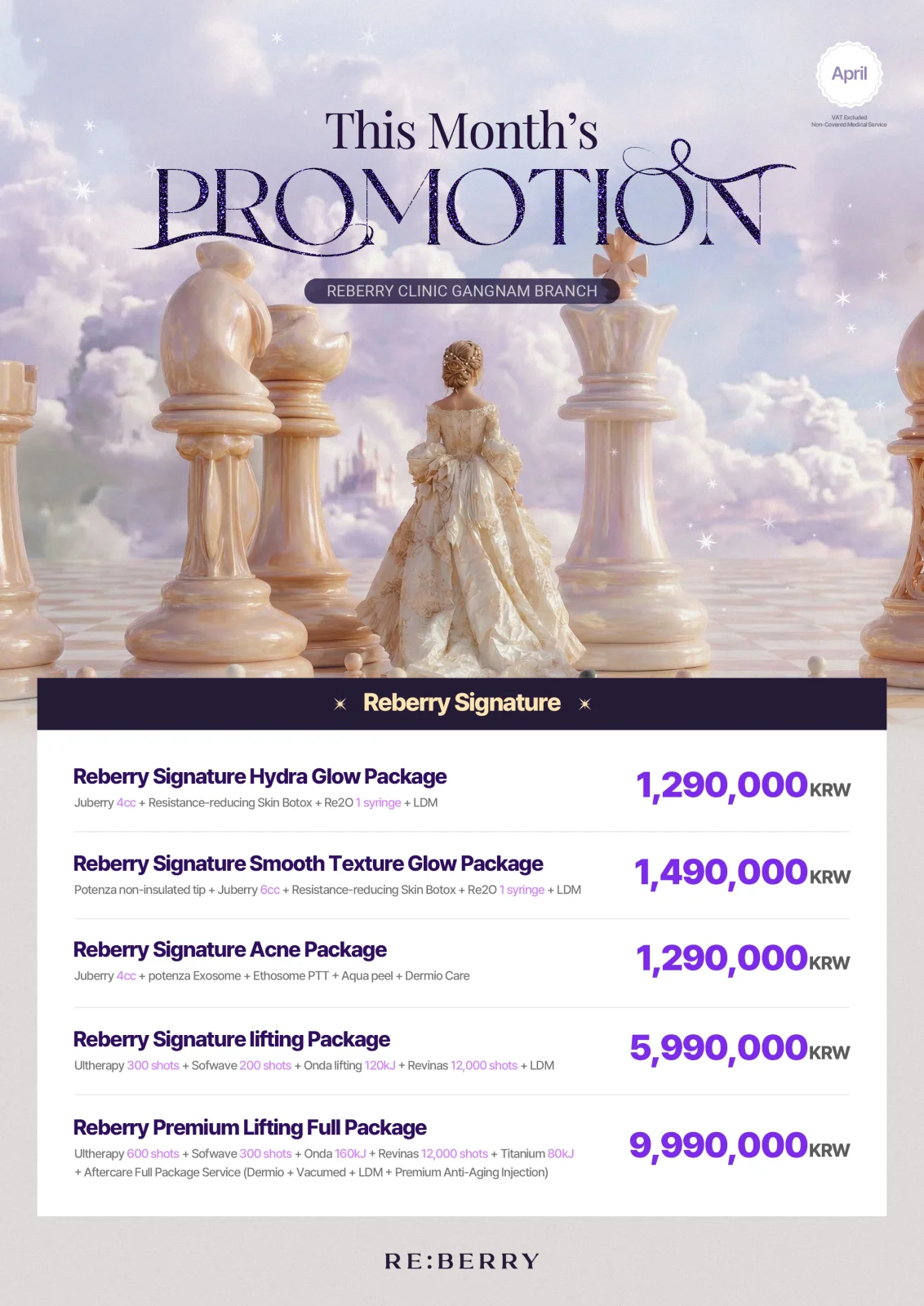
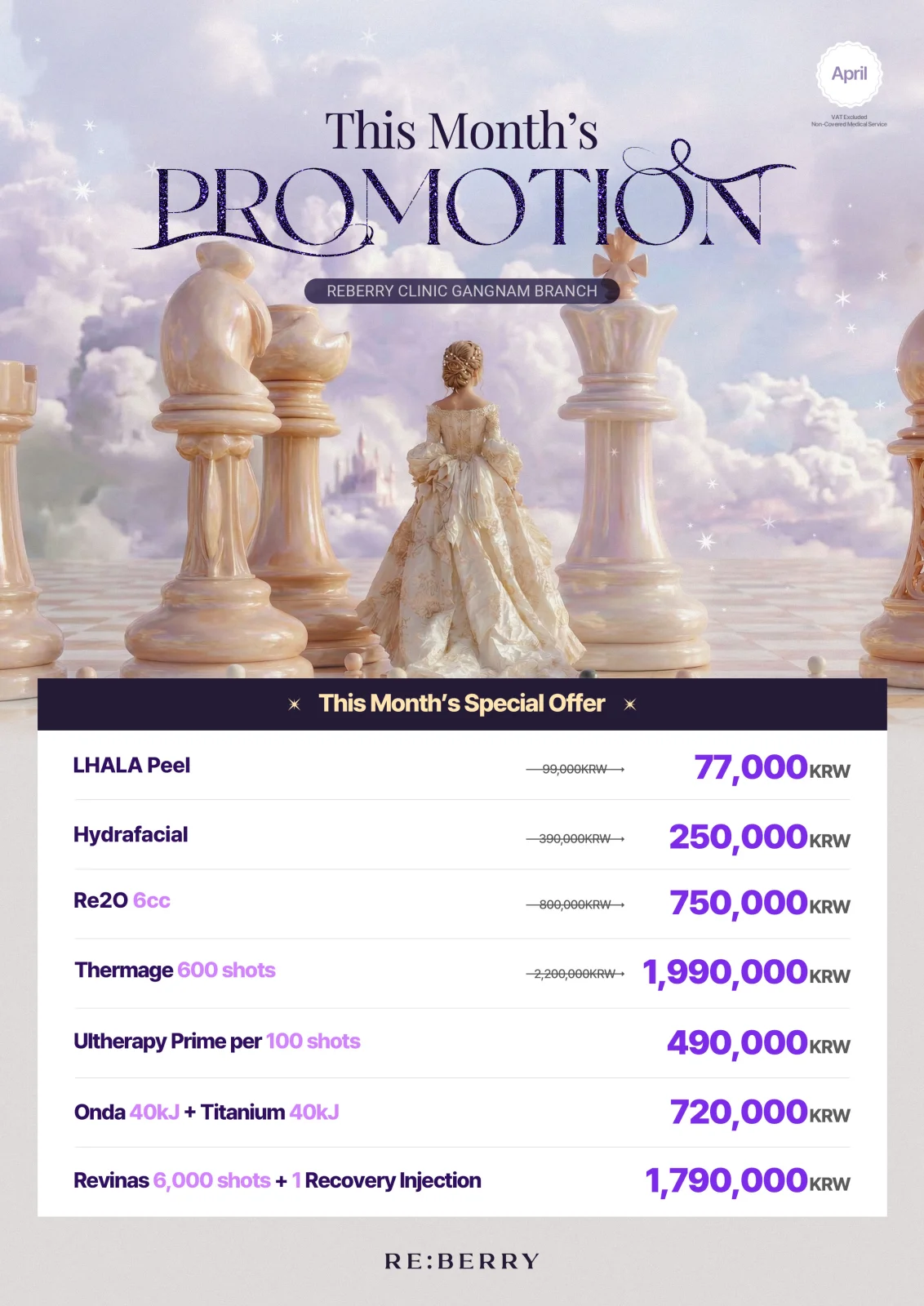
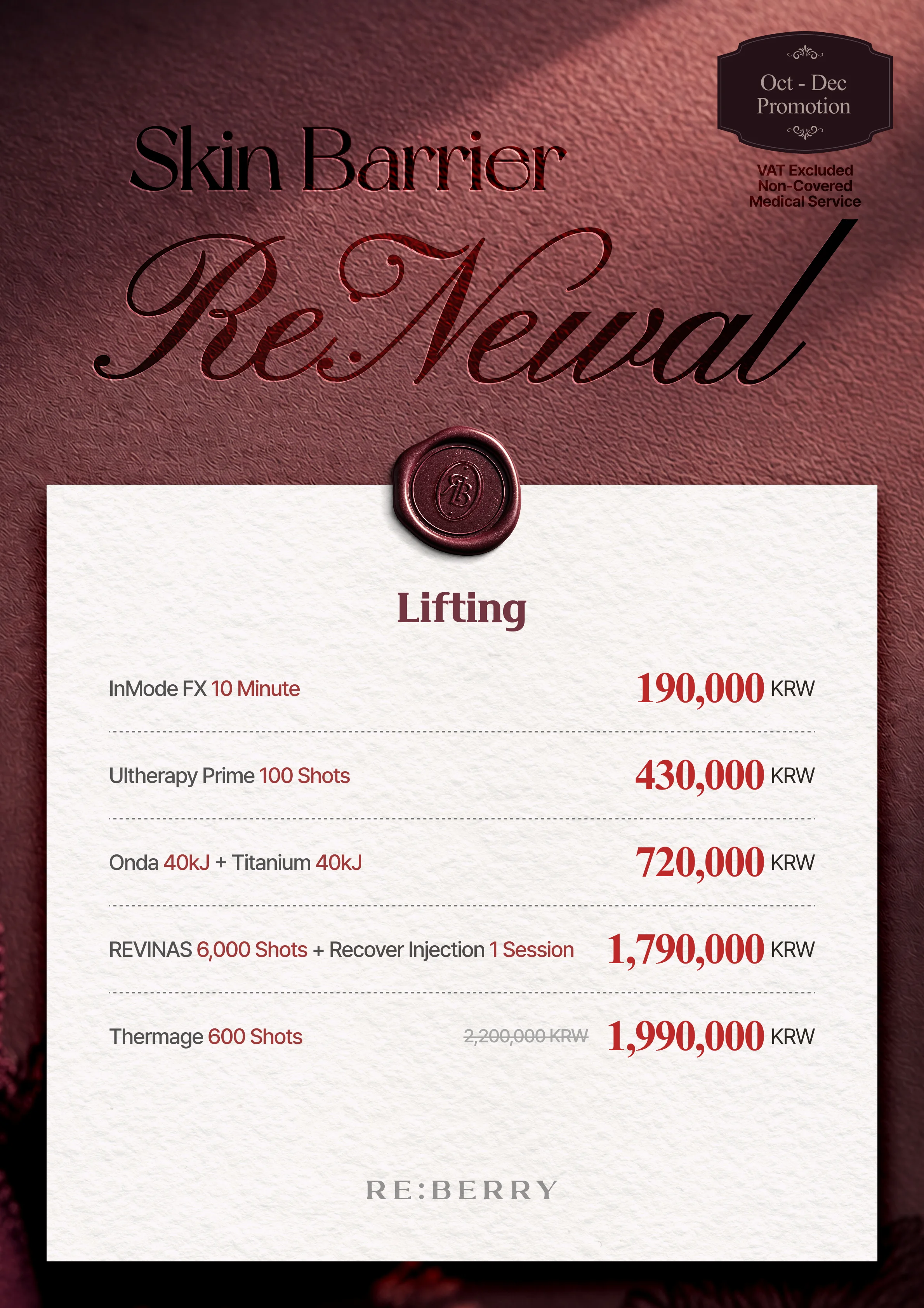
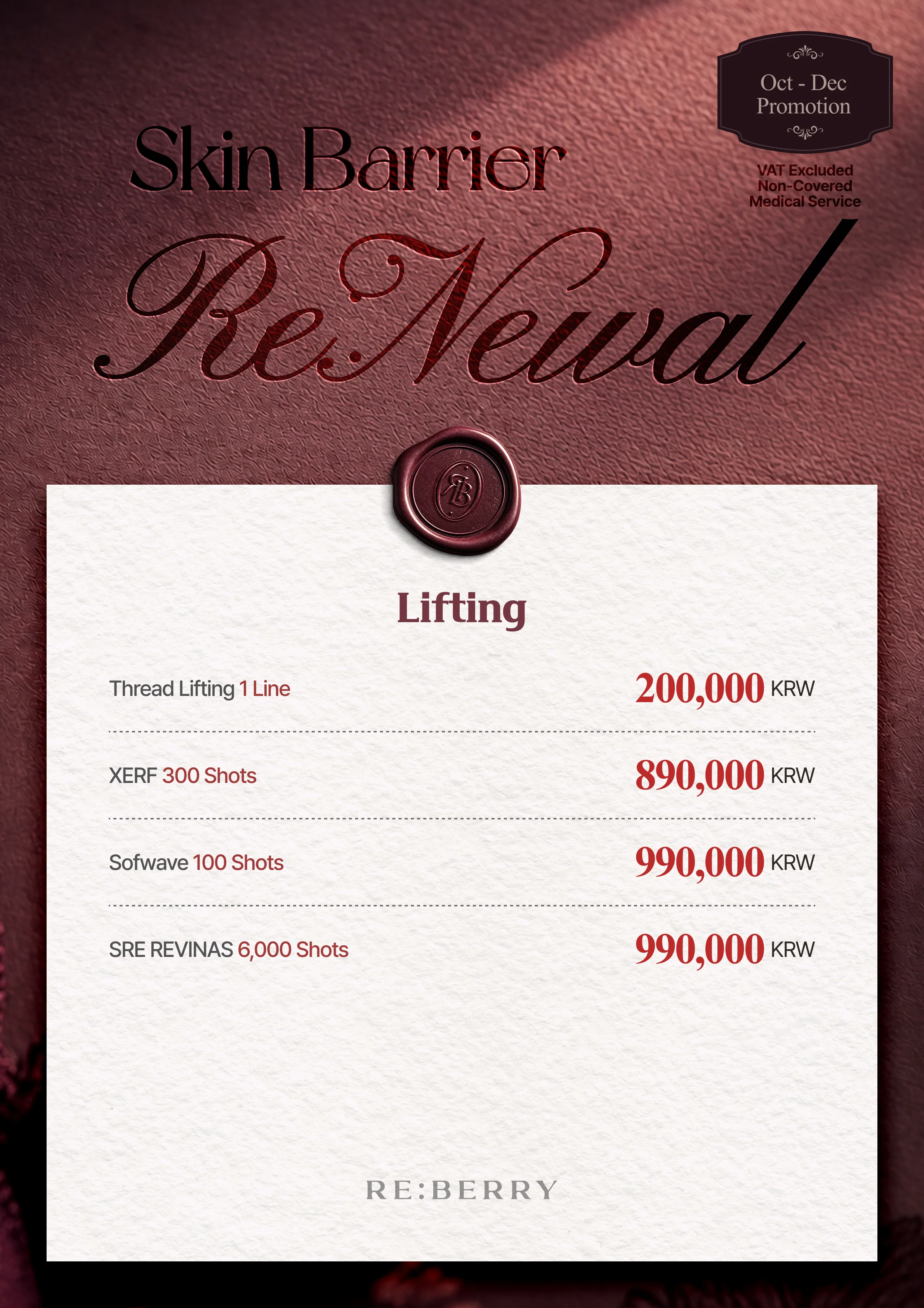
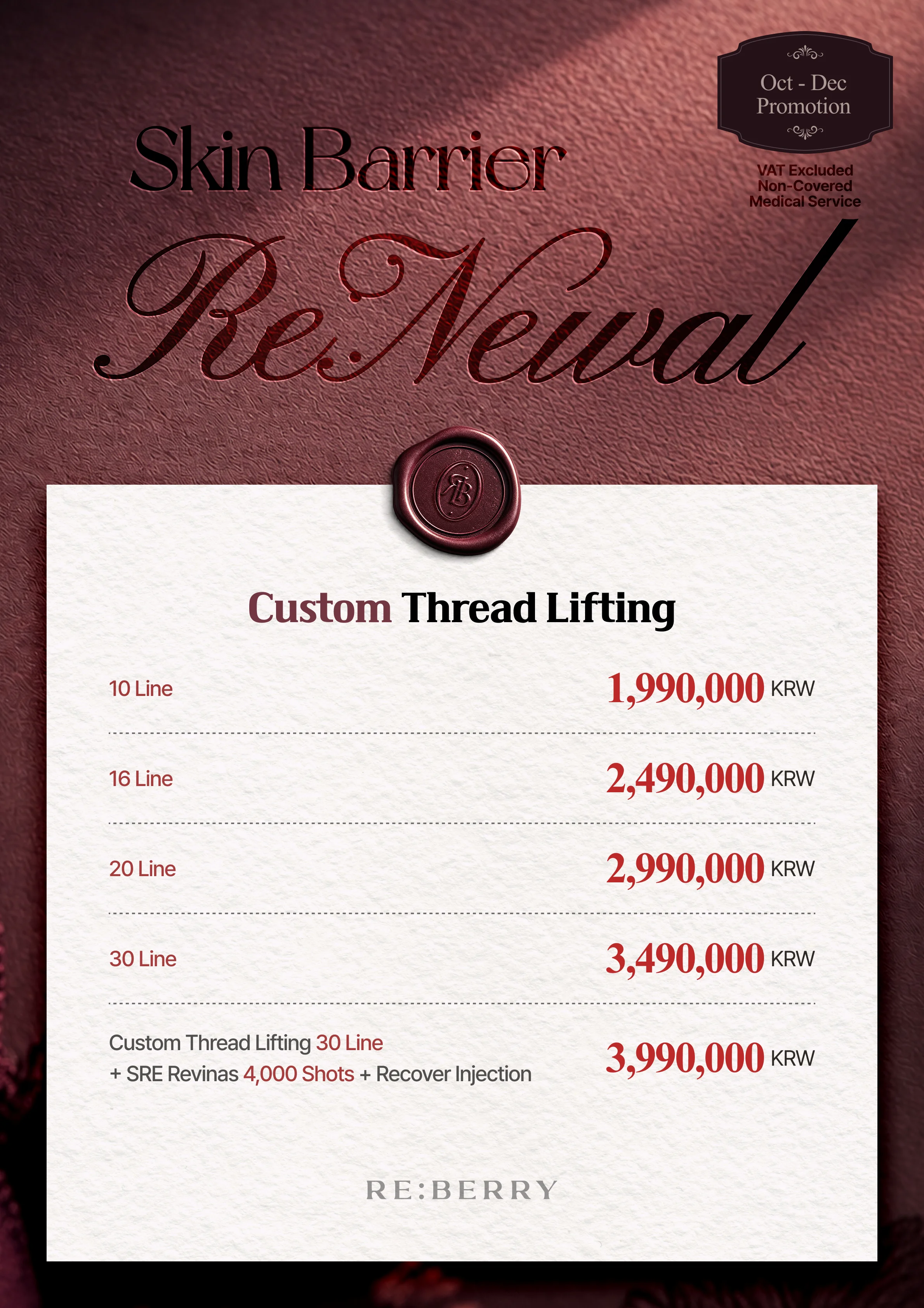
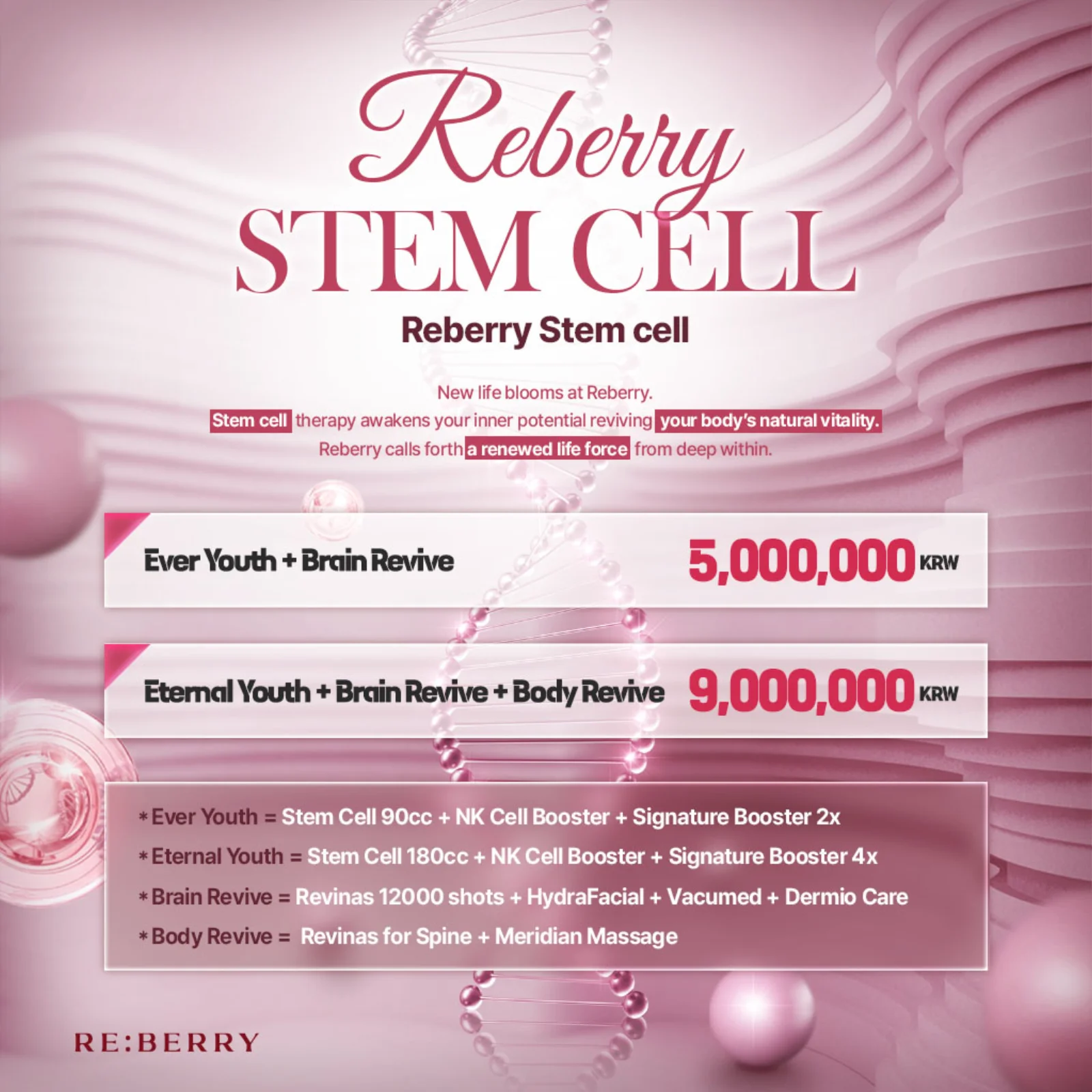
Pico Laser and Laser Toning Pricing at RE:BERRY Gangnam
All prices exclude VAT. Your exact quote is confirmed at an in-person consultation.
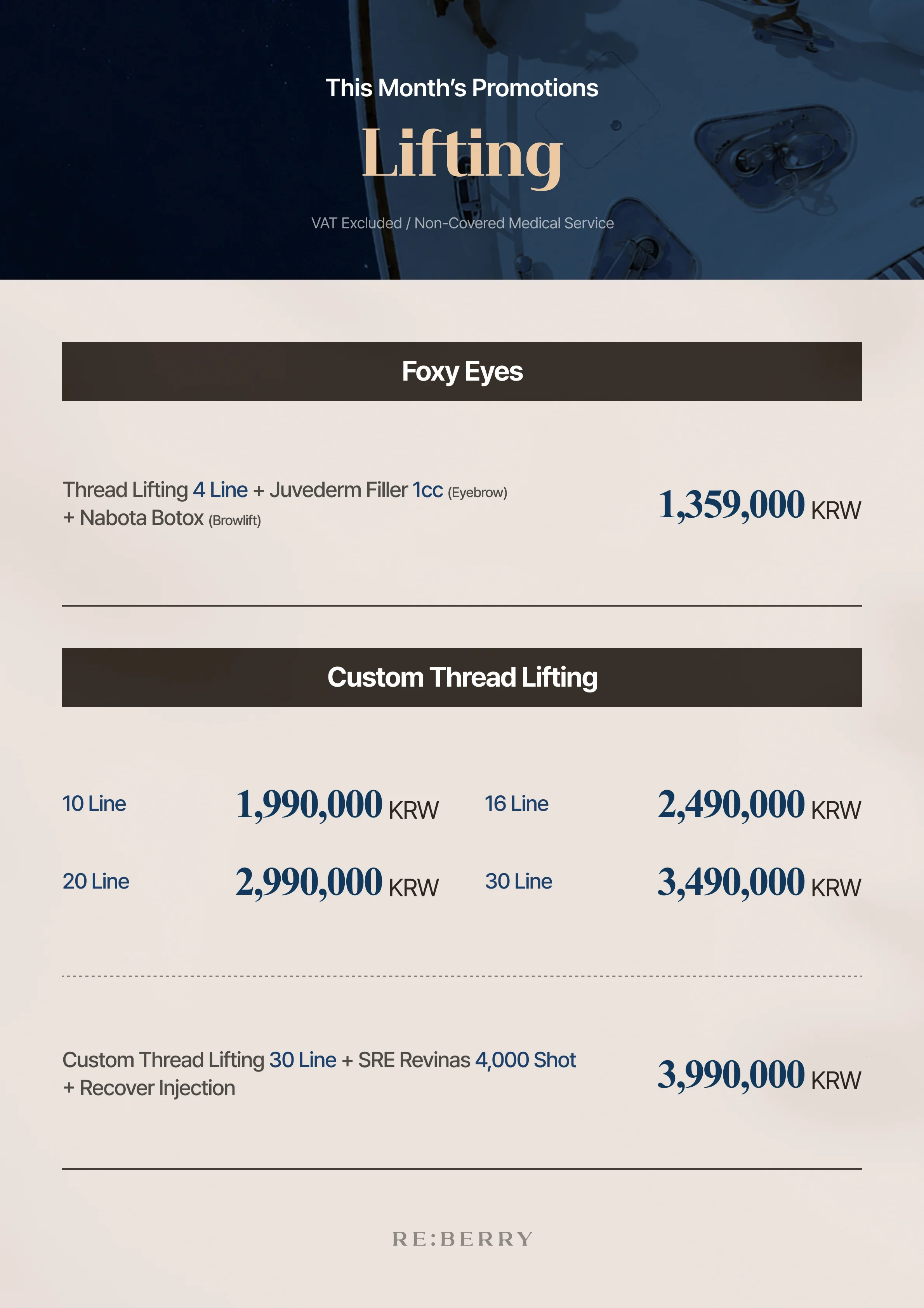
October – December 2026 Promotions
Exclusive packages for international patients. Swipe to see all offers.
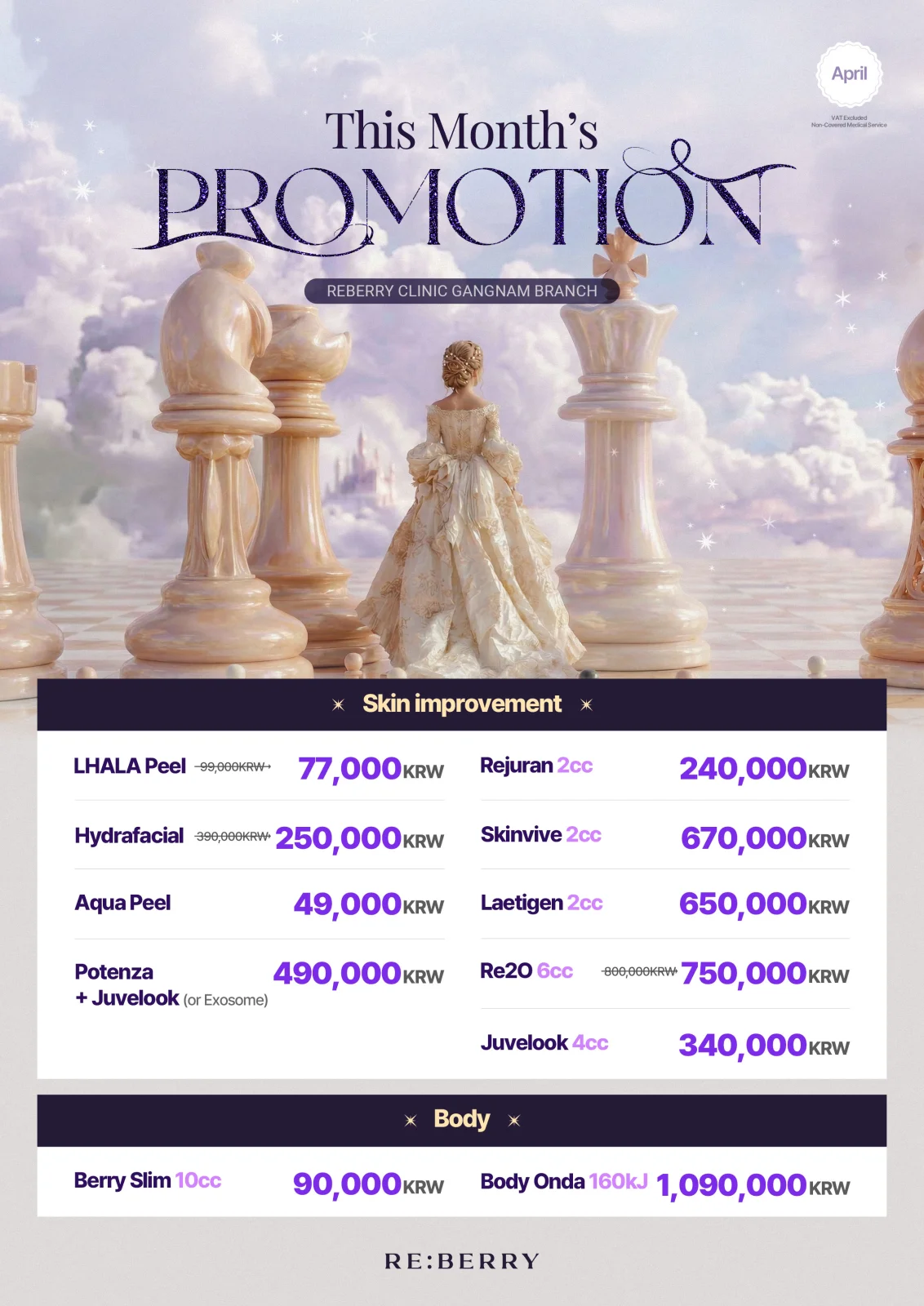
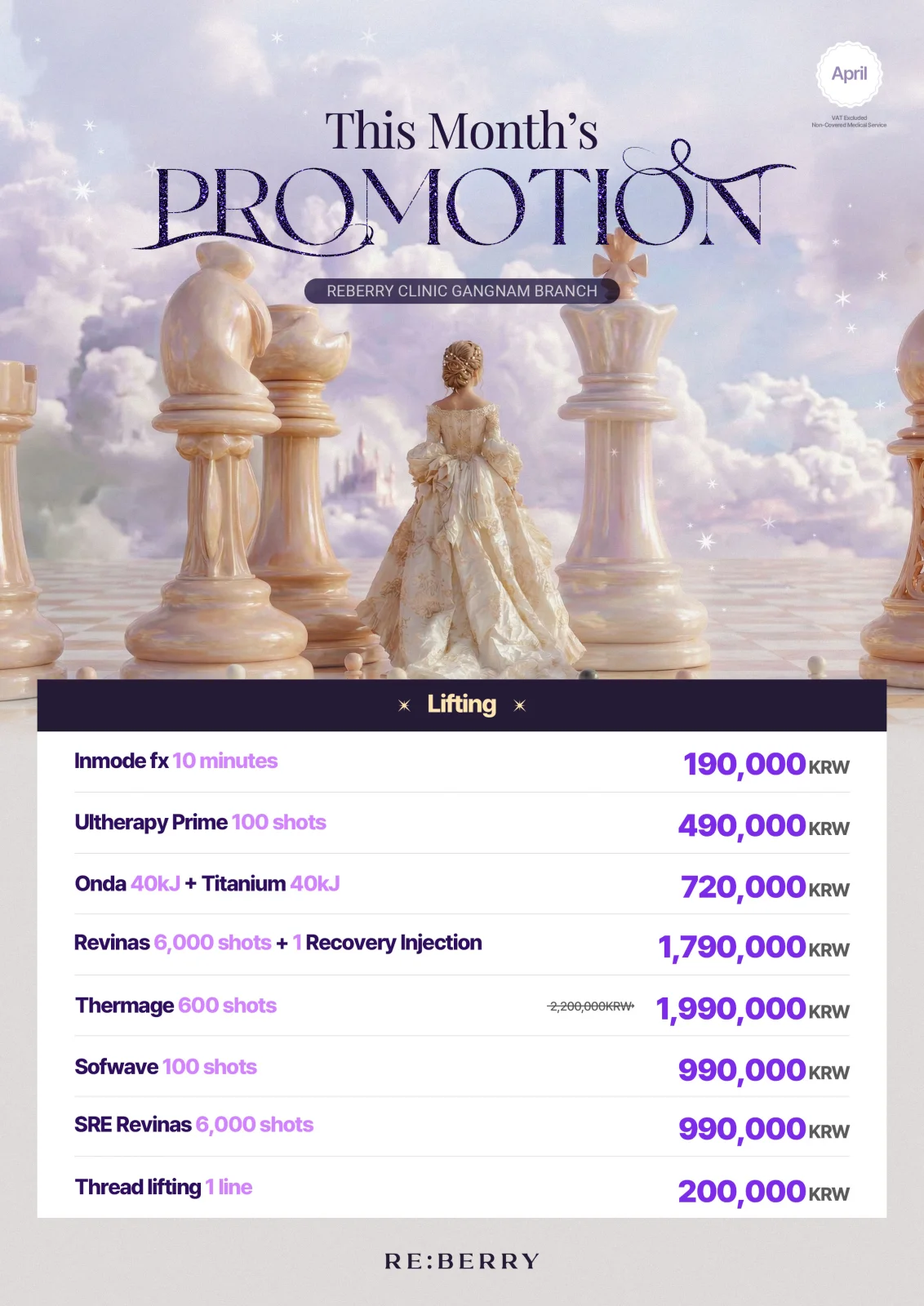
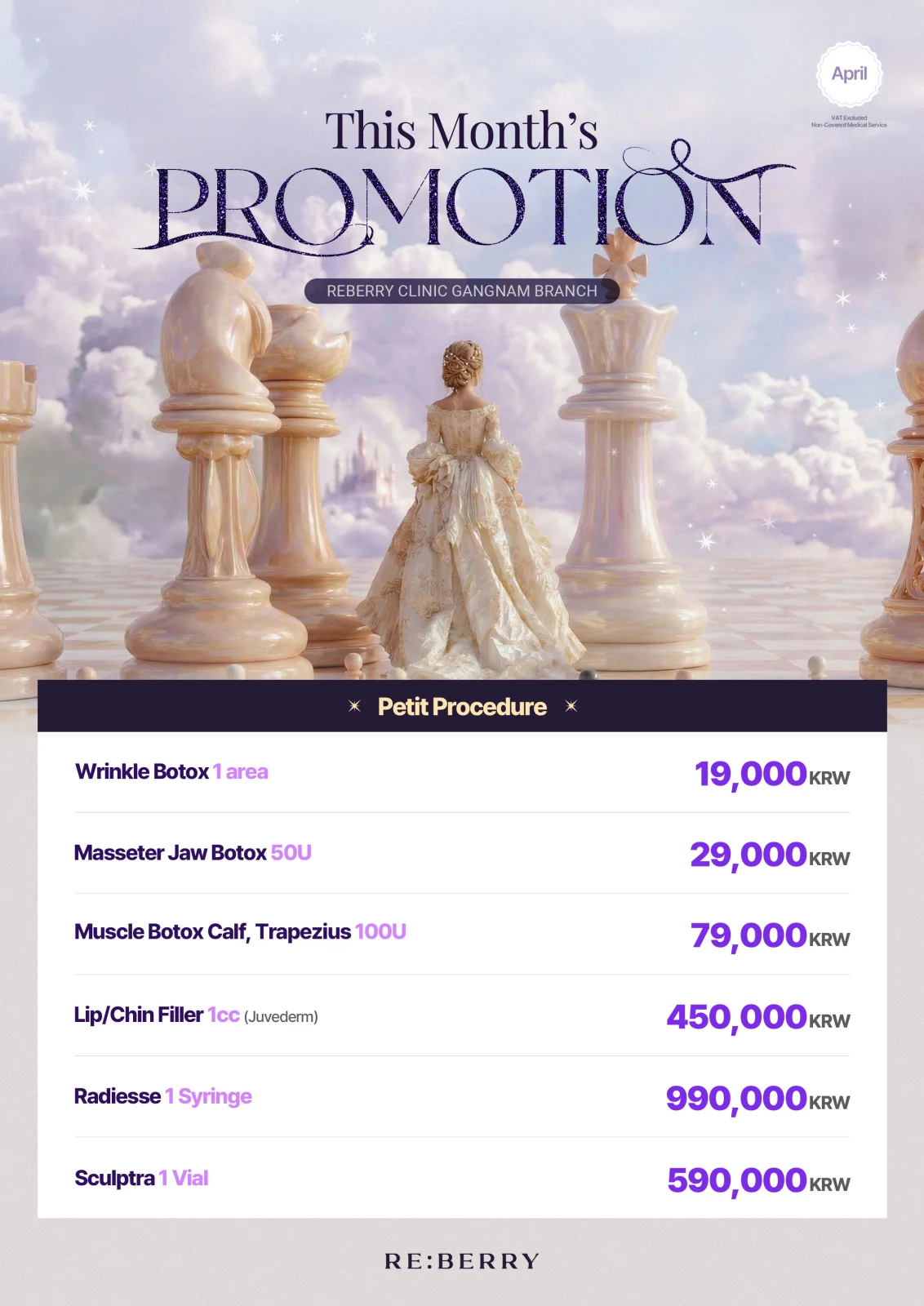
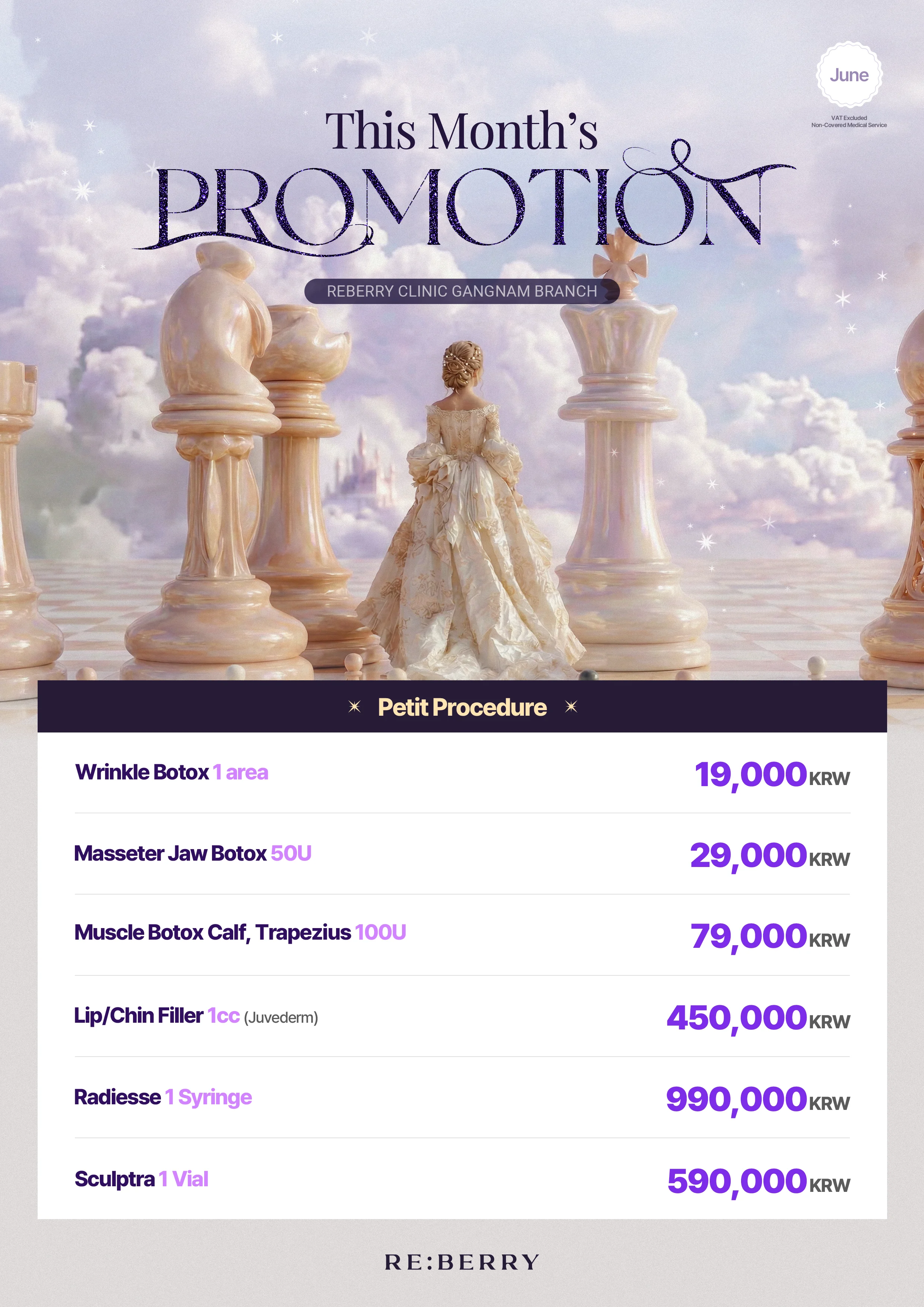
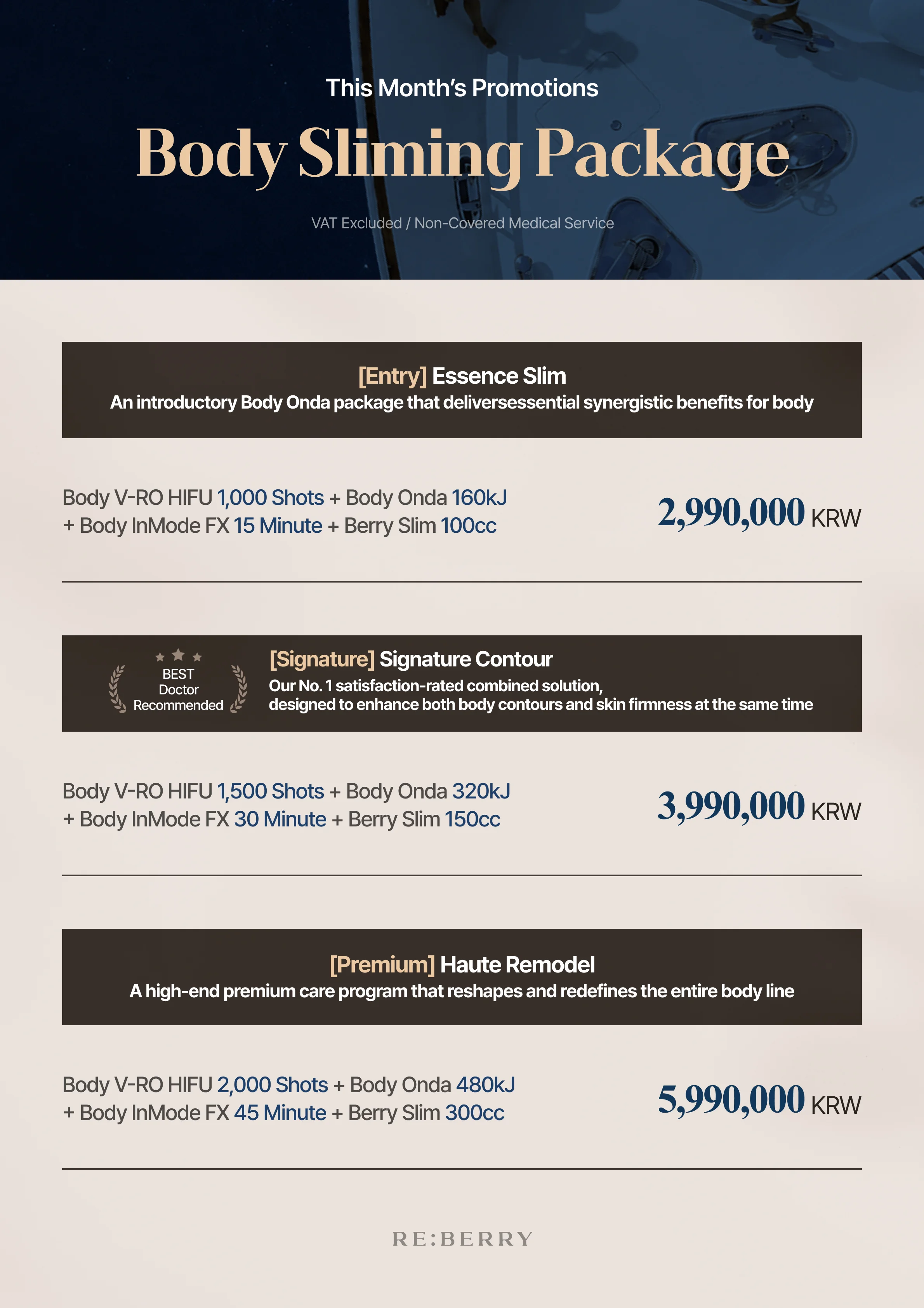
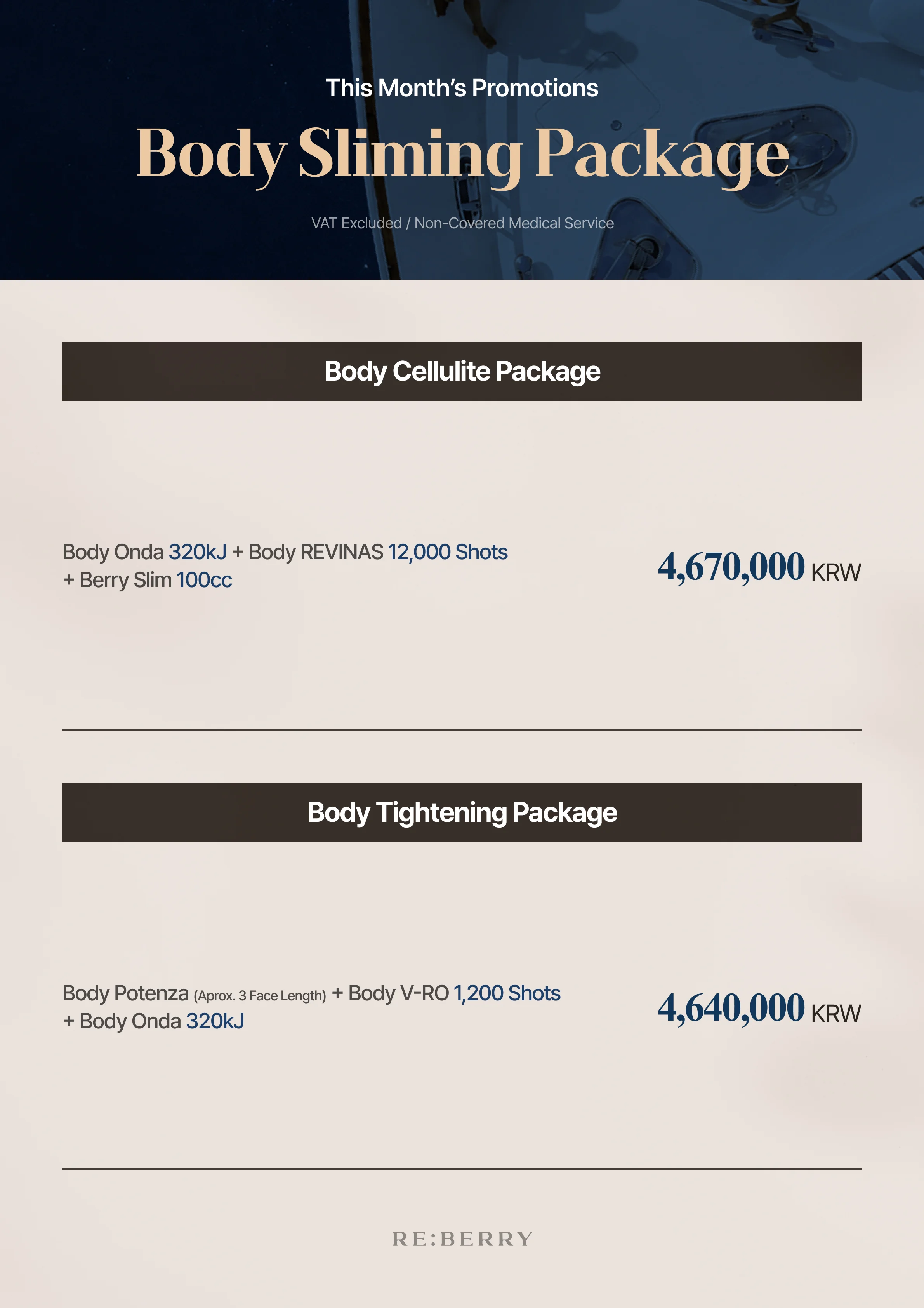
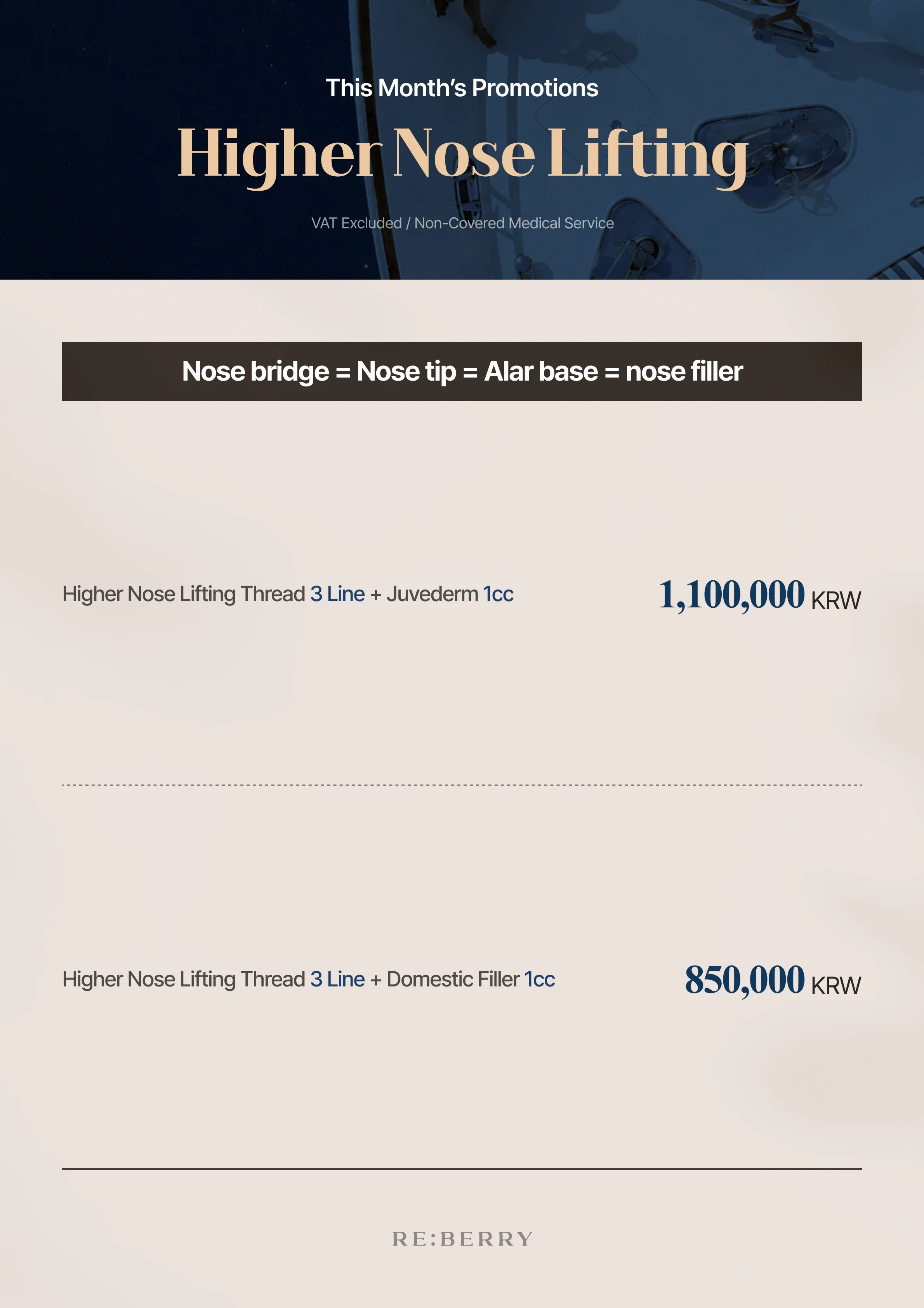
![RE:BERRY Gangnam October–December 2026 Promotion Page 10 — Body Slimming Package: [Entry] Essence Slim, an introductory Body Onda package that delivers essential synergistic benefits for body shaping and contouring: Body V-RO HIFU 1,000 Shots + Body Onda 160kJ + Body InMode FX 15 Minute + Berry Slim 100cc ₩2,990,000 · [BEST · Doctor Recommended] Signature Contour, our No. 1 satisfaction-rated combined solution, designed to enhance both body contours and skin firmness at the same time: Body V-RO HIFU 1,500 Shots + Body Onda 320kJ + Body InMode FX 30 Minute + Berry Slim 150cc ₩3,990,000 · VAT excluded](https://cdn-reberry.pages.dev/gangnam/promotion/en/gangnam-event-en-10.webp)
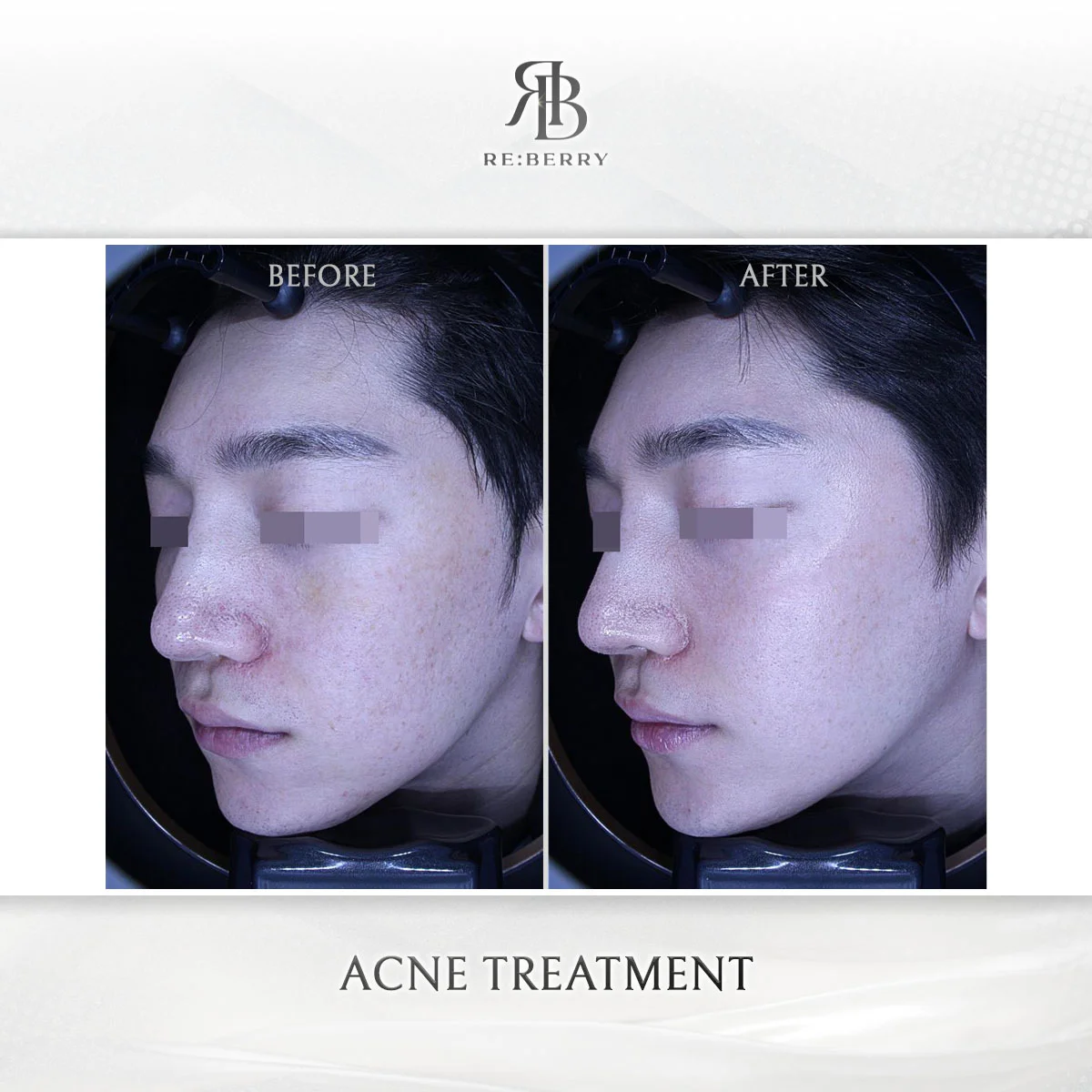
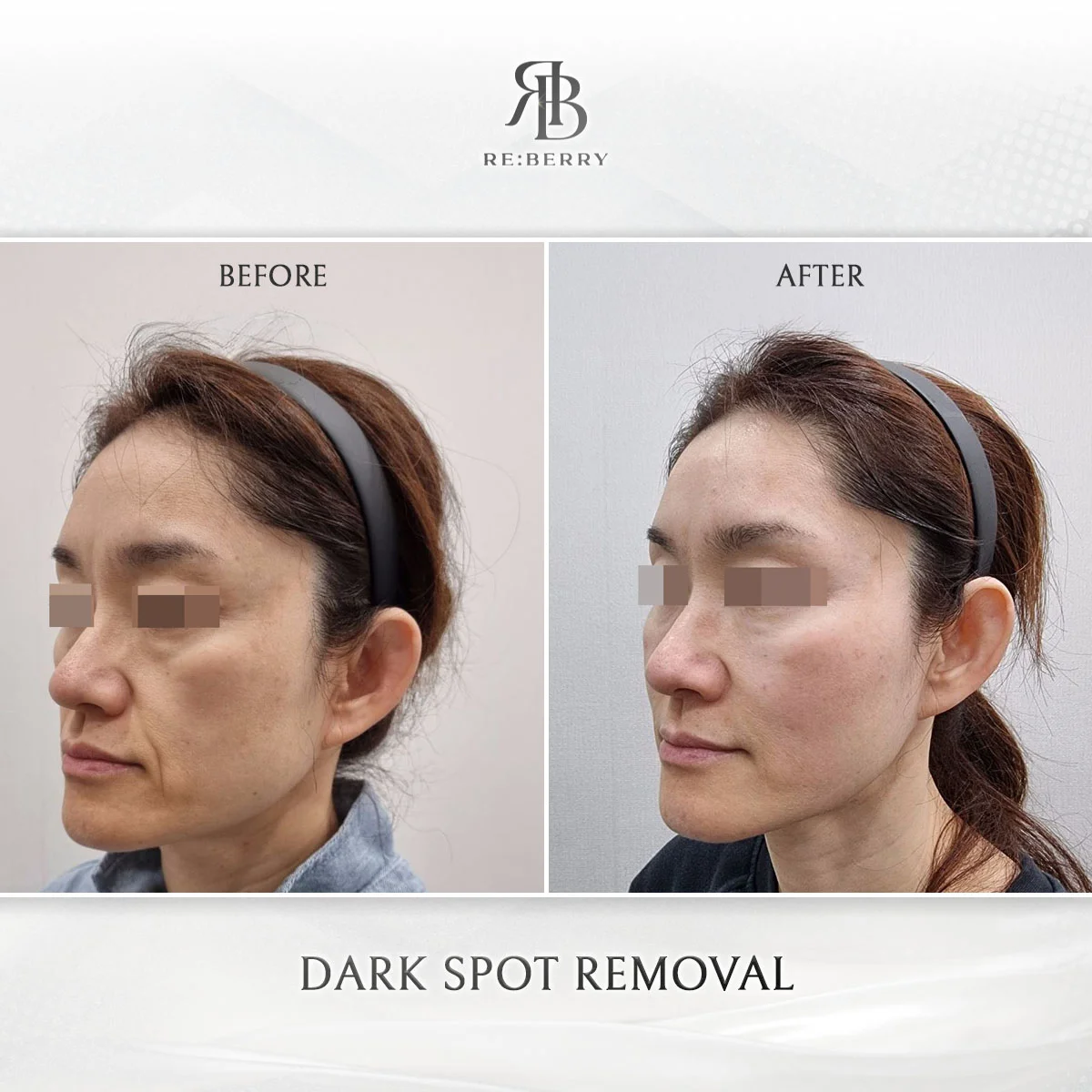
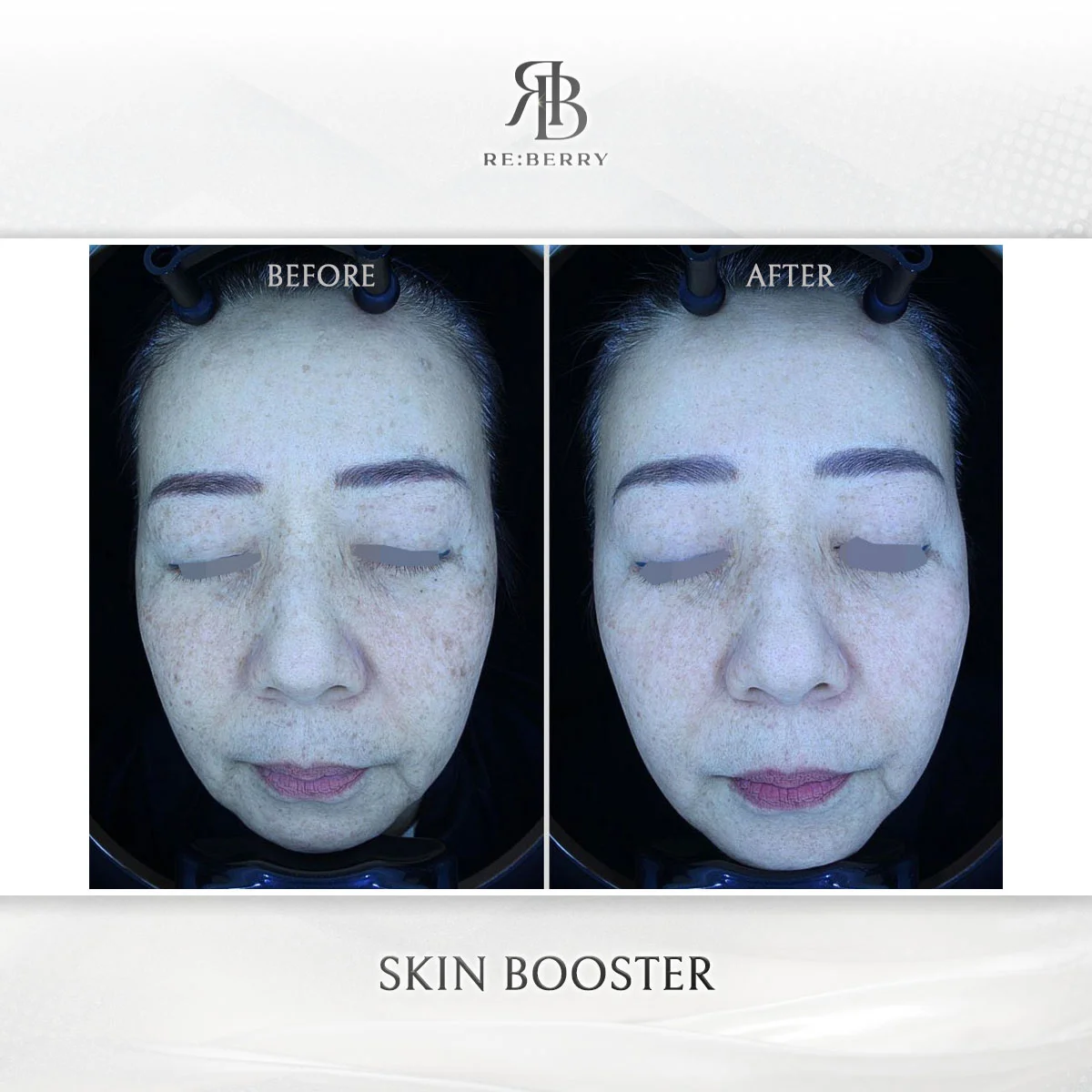
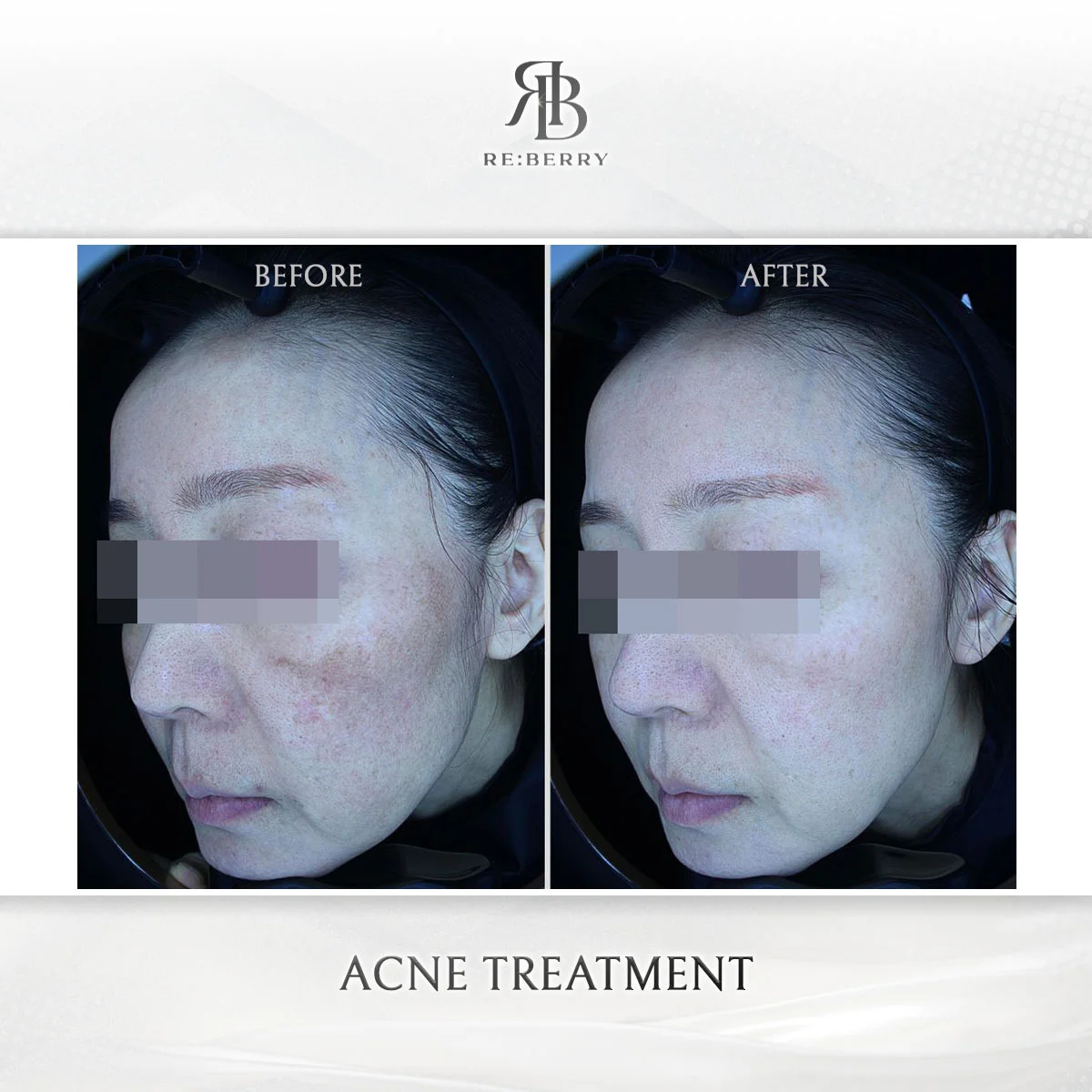
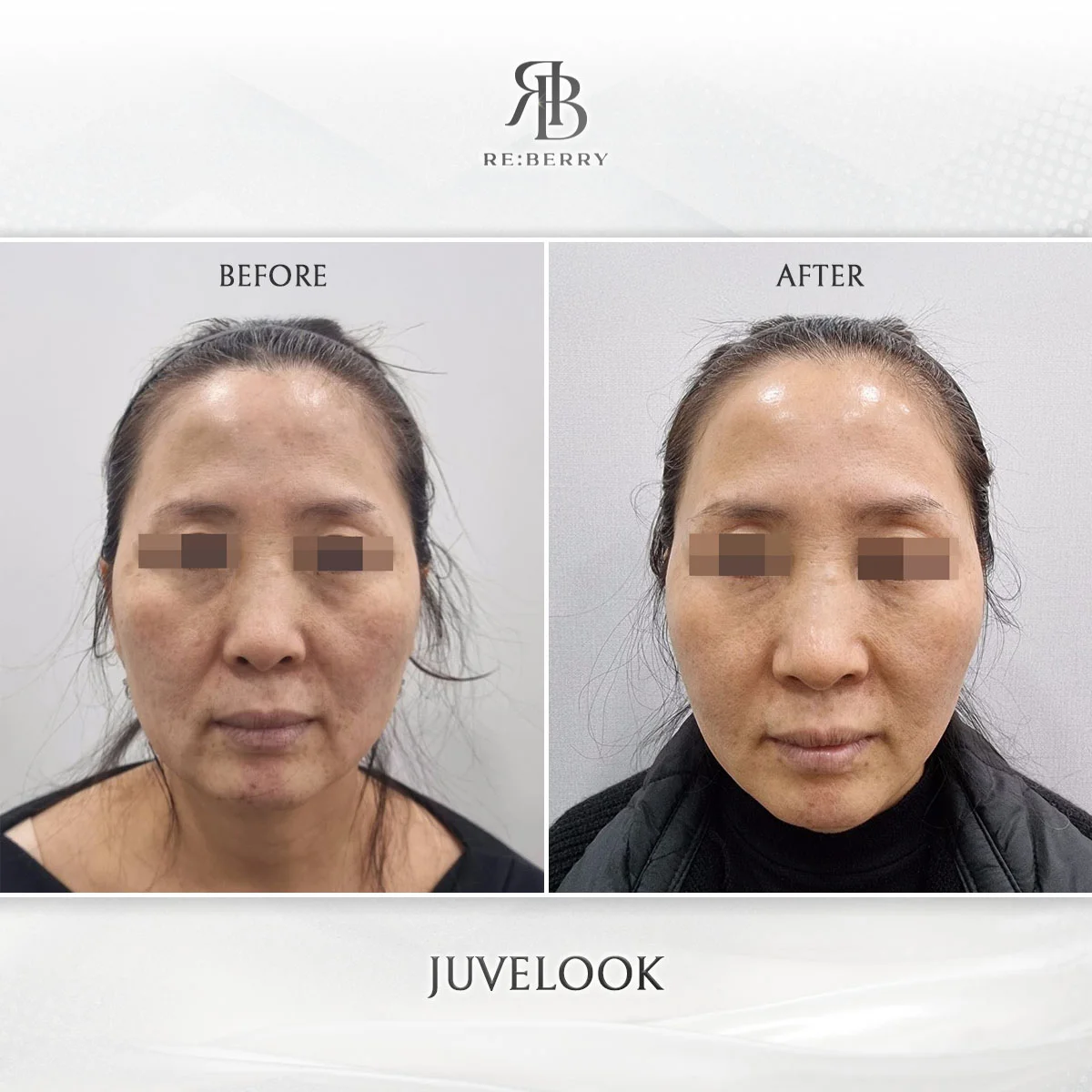
Pico Laser and Laser Toning Before and After
Actual patient results from RE:BERRY Gangnam. Individual outcomes may vary.
How Pico Laser and Laser Toning Work at RE:BERRY Gangnam
Two distinct mechanisms for pigmentation correction — understanding both helps you choose the right treatment.
Consultation & Pigmentation Mapping (15-20 min)
Dr. Yoon-Gon Ryu examines your skin under Wood’s lamp at 365nm UV-A and dermatoscopy at 10x magnification to classify pigmentation depth (epidermal at 60-100 microns, dermal at 200-400 microns, or mixed) and identify the specific condition — melasma, solar lentigo, freckles, post-inflammatory hyperpigmentation, or diffuse dullness. This analysis determines whether pico laser, laser toning, or a hybrid protocol delivers optimal results for the difference between pico laser and laser toning in your specific case. The consultation takes 15-20 minutes and is complimentary with any treatment booking at RE:BERRY Gangnam.
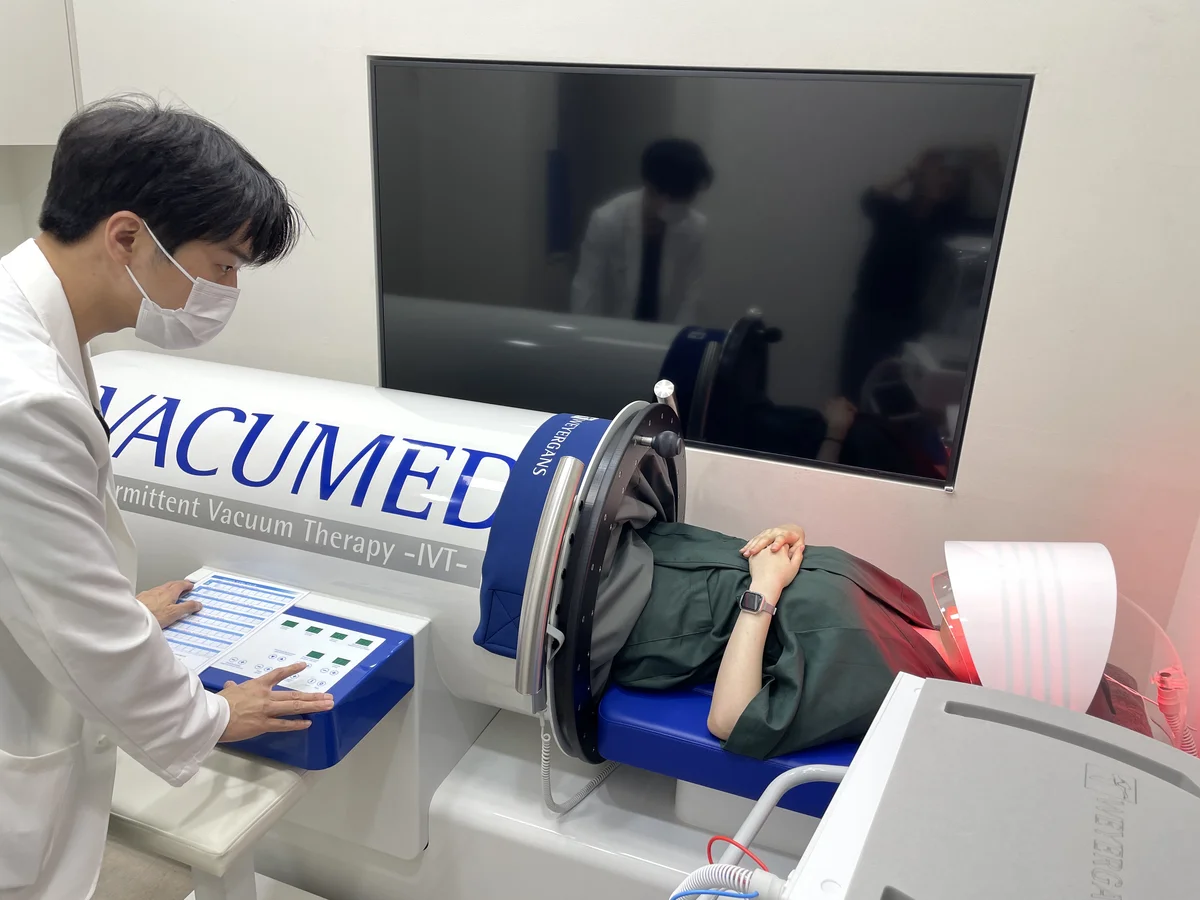
Pico Laser Treatment (Photoacoustic, 15-20 min)
Pico laser delivers picosecond pulses with fluence of 0.4-2.5 J/cm-squared. At this ultra-short pulse duration, energy shatters melanin granules into 100-nanometer fragments through photoacoustic pressure waves — without the thermal damage associated with longer-pulse lasers. Each pico laser session takes 15-20 minutes for full face. The pico laser difference is most dramatic for focal pigment: dark spots, age spots, and stubborn dermal melanin deposits that resist conventional toning. Immediate whitening (frosting) at treated spots confirms effective energy delivery.
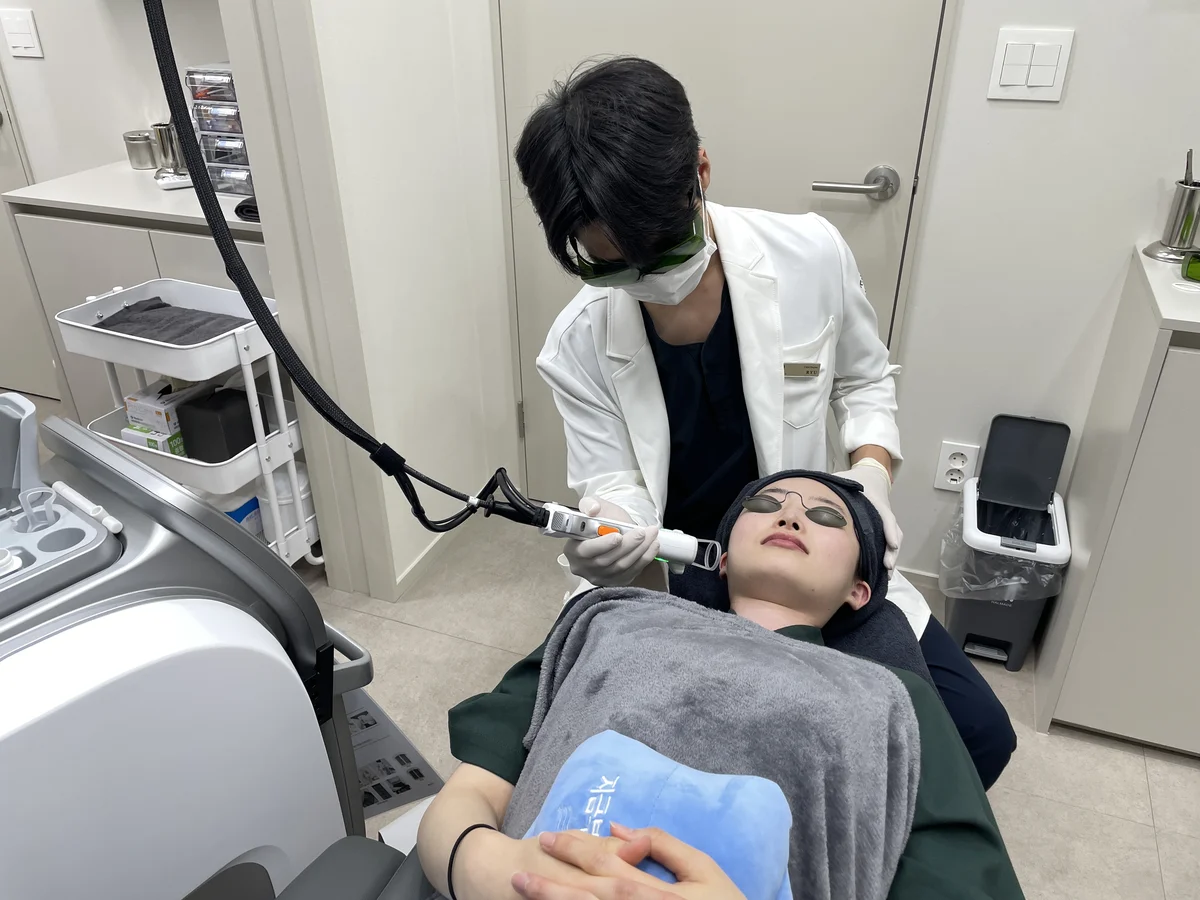
Laser Toning Treatment (Low-Fluence, 20-30 min)
Q-switched Nd:YAG laser toning operates at 1064nm wavelength with 5-10 nanosecond pulses delivered at low fluence (1.5-2.5 J/cm-squared) and 6mm spot size. This sub-threshold energy gradually breaks down excess melanin across the entire treatment area without triggering melanocyte stimulation — critical for melasma-prone skin. Each laser toning session requires 20-30 minutes with 2-3 passes at 8-10 Hz repetition rate. The gentler energy profile makes laser toning the preferred maintenance protocol for patients who have completed intensive pico laser correction or who need ongoing brightening without visible recovery.
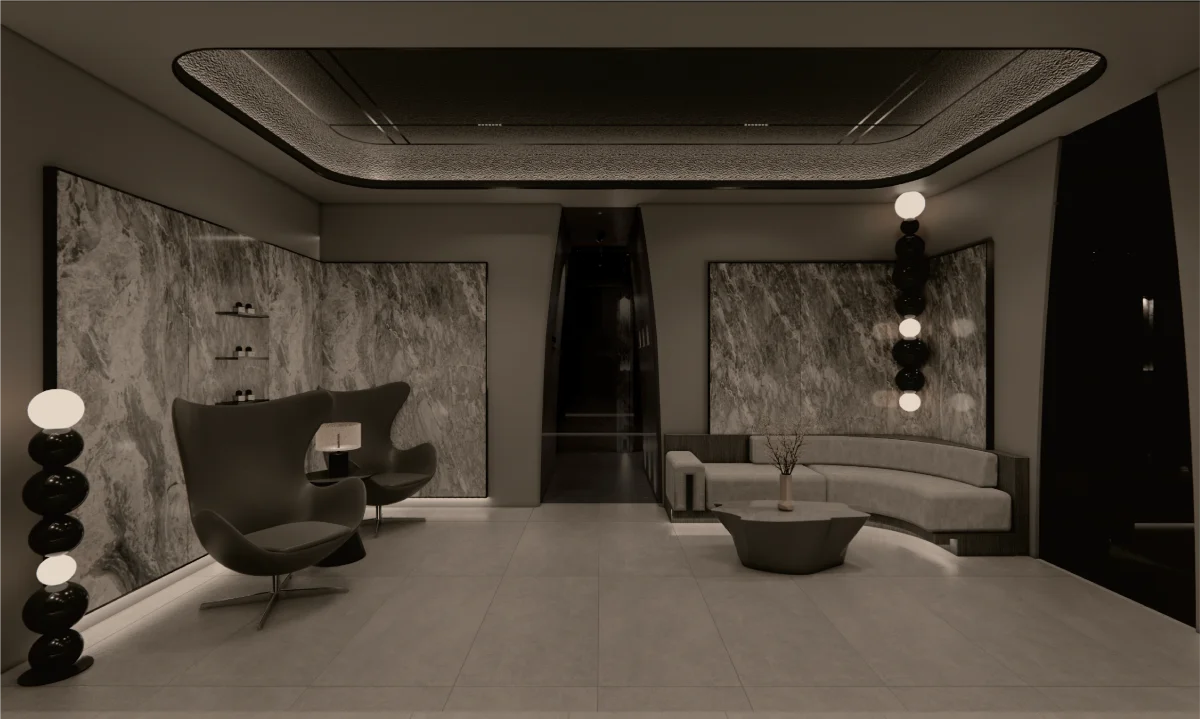
Post-Treatment Recovery & Aftercare (15 min LDM)
Both pico laser and laser toning at RE:BERRY Gangnam include 15 minutes of LDM ultrasound recovery therapy at 3-10 MHz to reduce inflammation by 40-60% and accelerate healing. Pico laser produces 2-5 days of mild redness and micro-crusting on treated spots, while laser toning typically causes only 1-2 hours of transient pinkness. You receive an aftercare kit including SPF 50+ sunscreen, soothing recovery cream, and written instructions in 5 languages. No significant downtime is required — patients return to normal activities immediately after laser toning and within 2-3 days after pico laser.
Pico Laser vs Laser Toning Benefits Comparison
- 40% Faster Pigment Clearance with Pico Laser Pico laser’s photoacoustic mechanism shatters melanin into 100-nanometer particles — approximately 100x smaller than nanosecond laser fragments — enabling faster macrophage clearance and requiring 2-4 sessions versus 8-12 for equivalent laser toning results on focal pigmentation per Chalermchai et al. 2019 split-face data.
- Lower Rebound Risk with Laser Toning Laser toning’s sub-threshold fluence (1.5-2.5 J/cm-squared) avoids melanocyte activation, making it 65% less likely to trigger rebound hyperpigmentation in melasma patients (8% vs 23% rebound rate at 6 months) — a critical difference between pico laser and laser toning for Korean melasma management.
- Collagen Stimulation Bonus with Pico Laser Pico laser creates laser-induced optical breakdown (LIOB) zones in the dermis that trigger collagen-1 and elastin remodeling — a secondary anti-aging benefit absent in standard laser toning protocols, producing a 28% increase in dermal collagen density at 3 months (Brauer 2012).
- Zero Downtime with Laser Toning Laser toning produces virtually no visible skin changes post-treatment. Patients apply makeup and return to work immediately — ideal for weekly maintenance sessions during a 5-7 day Seoul itinerary or busy work calendar.
- Safe Across Fitzpatrick I-VI Both pico laser and laser toning at RE:BERRY Gangnam are safe for Fitzpatrick I-VI. The 1064nm toning wavelength is particularly advantageous for Asian skin tones (Fitzpatrick III-V) with the lowest PIH risk profile (2.1%) among all laser pigmentation modalities.
- Combined Protocol Advantage RE:BERRY Gangnam’s dual protocol uses pico laser for initial intensive correction followed by laser toning for long-term maintenance — with sustained pigmentation clearance documented across 1,000,000+ treatments at the RE:BERRY clinics (Gangnam, Myeongdong, Incheon Airport).
| Timeline | What to Expect |
|---|---|
| Session 1 (Day 0) | Pico laser: targeted spots show immediate whitening (frosting) within 30 seconds. Laser toning: skin appears slightly pink for 1-2 hours. Both treatments completed within 30 minutes total session time including LDM. |
| Week 1-2 | Pico laser: treated pigment darkens and micro-crusts form day 2-3, then naturally exfoliate by day 5-7. Laser toning: no visible surface changes; melanin breakdown occurs subclinically in melanocytes. |
| Week 3-4 | Pico laser: significant lightening visible at treated spots (40-50% pigment reduction). Laser toning: cumulative effect begins — overall tone appears slightly brighter after 3-4 weekly sessions. |
| Month 2-3 | Pico laser: 60-80% pigment clearance after 2-3 sessions. Laser toning: 40-50% overall brightening after 8-10 sessions. Combination patients show optimal results with 70-85% melanin index reduction. |
| Month 3-6 | Maintenance phase begins. Pico laser patients transition to monthly laser toning. Standalone toning patients continue biweekly sessions for cumulative improvement. Korean clinic protocols recommend 6-month total course duration. |
| Month 6-12 | Long-term maintenance: 1 laser toning session per month preserves results. Pico laser touch-ups every 3-6 months for recurrent spots. Consistent SPF 50+ use extends results by 12-18 months on average. |
Pico Laser vs Laser Toning Side-by-Side
| Feature | Pico Laser | Laser Toning (Q-switched Nd:YAG) | Source |
|---|---|---|---|
| Pulse Duration | 450-750 picoseconds | 5-10 nanoseconds | Brauer 2015 |
| Wavelength | 755nm (alexandrite) | 1064nm (Nd:YAG) | MFDS device approval |
| Mechanism | Photoacoustic pressure wave | Photothermal low-fluence heat | Wu 2021 meta-analysis |
| Energy Delivery (Fluence) | 0.4-2.5 J/cm-squared | 1.5-2.5 J/cm-squared (sub-threshold) | RE:BERRY clinical protocol |
| Spot Size | 2-8 mm adjustable | 6 mm standard | RE:BERRY device settings |
| Best For | Focal pigment, dermal melanin, tattoo | Diffuse tone, melasma, maintenance | Chalermchai 2019 |
| Sessions Needed | 2-4 sessions | 8-12 sessions | Korean Society of Dermatology |
| Session Frequency | Every 4-6 weeks | Weekly or biweekly | RE:BERRY protocol |
| Downtime | 2-5 days mild redness | None (1-2 hours pinkness) | Kung 2019 (n=156) |
| Collagen Stimulation | Yes (LIOB zones, +28% density) | Minimal | Brauer 2012 doi:10.1001/archdermatol.2012.901 |
| Melasma Rebound at 6 Months | 23% rebound rate | 8% rebound rate | Wattanakrai 2020 RCT |
| PIH Risk in Asian Skin (Fitzpatrick III-V) | 4.2% (low-moderate) | 2.1% (very low) | Kim 2021 Korea (n=320) |
Why This Matters
Korean aesthetic procedures — using the same MFDS/FDA-cleared pico laser and Q-switched Nd:YAG 1064nm devices. RE:BERRY Gangnam Seoul pricing of W159,000 per session bundles LDM recovery, aftercare kit, and 2-week follow-up that US clinics charge separately.
RE:BERRY Gangnam operates current-generation pico laser and Q-switched Nd:YAG. Korean dermatology clinics rotate devices on 5-7 year cycles versus 10-15 year cycles common in US private practices per ASDS 2024 survey, ensuring patients receive contemporary energy delivery profiles.
Doctor continuity affects pigmentation outcomes because energy titration depends on real-time melanin response observed across sessions. KHIDI 2025: 41.4% of Japanese patients rank same-doctor continuity #1. RE:BERRY assigns Dr. Yoon-Gon Ryu or Dr. Yejin Oh for the full pico laser or laser toning course.
Meet Your Doctor

Dr. Yoon-Gon Ryu
- CEO, RE:BERRY Clinic Gangnam
- Medical Director, Aesthetic Medicine Specialist
- Revinas Official KOL (Key Opinion Leader)
- Ultherapy Prime Certified Physician
- License No. 131644
- Featured in Authority Magazine (2026)
Medically reviewed by Dr. Yoon-Gon Ryu, CEO / Medical Director, RE:BERRY
The Science Behind Pico Laser vs Laser Toning
Peer-reviewed evidence comparing picosecond and nanosecond laser technologies for pigmentation treatment, including Korean clinical trials.
Photoacoustic vs Photothermal Mechanisms: The Pulse Duration Physics
The fundamental difference between pico laser and laser toning lies in how energy interacts with melanin at the cellular level. Picosecond lasers deliver pulses shorter than the thermal relaxation time of melanosomes (approximately 1 microsecond for a 1-micron melanosome), generating photoacoustic pressure waves that mechanically shatter pigment granules into 100-nanometer-scale fragments. These ultra-fine particles are cleared 2-3x faster by dermal macrophages compared to the larger 500-1000 nanometer fragments produced by nanosecond Q-switched lasers. Conversely, laser toning uses Q-switched Nd:YAG at sub-threshold fluence (1.5-2.5 J/cm-squared) — deliberately below the 4-5 J/cm-squared damage threshold of melanocytes — to gradually denature excess melanin through controlled photothermal exposure without activating the melanocyte-stimulating inflammatory cascade. This mechanistic distinction explains why pico laser achieves faster results per session while laser toning offers superior safety for chronic conditions like melasma where melanocyte hyperactivation is the root pathology.
Clinical Efficacy for Pigmented Lesions: Split-Face Evidence
A prospective split-face randomized study by Chalermchai et al. (2019) compared 755nm picosecond laser with Q-switched Nd:YAG nanosecond laser for facial pigmentation in 40 Asian patients (Fitzpatrick III-IV). After 4 monthly sessions, the picosecond side achieved a 42.3% reduction in melanin index by melanin index measurement compared to 31.8% on the Q-switched side (p<0.05). However, for melasma specifically, Wattanakrai et al. (2020) found that low-fluence Q-switched Nd:YAG toning over 10 weekly sessions produced comparable melanin index improvement (38.2%) with a significantly lower rebound rate (8% vs 23%) at 6-month follow-up. A separate Korean clinical trial by Choi et al. (2022) published in the Korean Journal of Dermatology evaluated 84 patients in Seoul treated with combined pico plus toning protocol and reported 71% mean MASI (Melasma Area and Severity Index) reduction at 12 weeks -- superior to monotherapy in either modality. These findings directly support the sequential approach used at RE:BERRY Gangnam: pico laser for focal pigment correction, then laser toning maintenance for diffuse melasma management.
Laser-Induced Optical Breakdown and Collagen Remodeling
A secondary benefit unique to pico laser is the creation of laser-induced optical breakdown (LIOB) zones — microscopic vacuoles (50-100 microns) in the dermis generated by the photoacoustic effect at fluences above 0.7 J/cm-squared with focused lens arrays. These cavitation bubbles trigger an inflammatory wound-healing response that stimulates neocollagenesis through TGF-beta and procollagen-1 pathways without epidermal disruption. Brauer et al. (2012) demonstrated a 28% increase in dermal collagen density at 3 months post-treatment via histological biopsy after picosecond alexandrite laser treatment, an effect not observed with conventional low-fluence toning protocols. Tanghetti (2016) confirmed this finding in a separate 30-patient cohort with 35% collagen-1 increase at 6 months and concurrent improvement in fine line scores. This collagen-stimulating property makes pico laser at RE:BERRY Gangnam particularly valuable for patients seeking simultaneous pigmentation correction and skin rejuvenation, effectively addressing two concerns with a single treatment modality.
Safety Profile in Asian Skin Types: Korean Cohort Data
Post-inflammatory hyperpigmentation (PIH) is the primary safety concern with any laser pigmentation treatment in Fitzpatrick III-V skin. Kim HK et al. (2021) at Yonsei University analyzed 320 Korean patients treated with either picosecond or nanosecond Q-switched lasers at MFDS-licensed clinics across Seoul and found PIH rates of 4.2% for picosecond versus 2.1% for low-fluence nanosecond toning — the largest Korean cohort comparison published to date. While both rates are clinically low compared to ablative alternatives (CO2 fractional reaches 10-32% PIH in Asian skin), this difference between pico laser and laser toning supports the use of laser toning as the first-line approach for melasma-prone Asian skin, reserving pico laser for resistant focal pigment after melanocyte stabilization. A meta-analysis by Wu DC et al. (2021) pooled 23 studies and confirmed picosecond PIH at 1.8% versus 8.4% for older nanosecond protocols across 1,847 Asian patients. At RE:BERRY Gangnam, Dr. Yoon-Gon Ryu’s sequential protocol — toning first, then targeted pico — achieves the optimal balance of efficacy and safety across all skin types.
Wavelength Selection: 755nm vs 1064nm Tissue Interaction
Wavelength choice is the second physical determinant beyond pulse duration. The 755nm alexandrite wavelength used in pico laser has high melanin absorption (absorption coefficient approximately 0.5 mm-inverse for melanin at 755nm) but limited dermal penetration depth (1.5-2 mm), making it ideal for epidermal and superficial dermal pigment. The 1064nm Nd:YAG wavelength in laser toning has lower melanin absorption (0.05 mm-inverse) but penetrates 3-4 mm into the dermis, allowing safe treatment of dermal melasma without superficial damage. This wavelength-depth relationship explains why pico at 755nm produces immediate frosting on surface lentigines while 1064nm toning gradually fades deeper mixed-pattern melasma over multiple sessions. Both wavelengths are MFDS-approved and routinely combined at RE:BERRY Gangnam based on Mark-Vu imaging pigmentation depth assessment performed during initial consultation.
Brauer JA, Reddy KK, Anolik R, Weiss ET, Karen JK, Hale EK, Brightman LA, Bernstein L, Geronemus RG. Successful and rapid treatment of blue and green tattoo pigment with a novel picosecond laser. Arch Dermatol. 2012;148(7):820-823. doi:10.1001/archdermatol.2012.901
Wattanakrai P, Mornchan R, Eimpunth S. Low-fluence Q-switched Nd:YAG 1064nm laser for melasma in Asians: a randomized controlled trial. J Cosmet Laser Ther. 2020;22(2):76-82.
Kim HK, Lee SH, Kim DH, Oh SH. Comparative analysis of post-inflammatory hyperpigmentation after picosecond and nanosecond laser treatment in Korean patients. Ann Dermatol. 2021;33(4):342-349.
Wu DC, Goldman MP, Wat H, Chan HHL. A systematic review of picosecond laser in dermatology: evidence and recommendations. Lasers Surg Med. 2021;53(1):9-49. doi:10.1002/lsm.23244
Brauer JA, Kazlouskaya V, Alabdulrazzaq H, Bae YS, Bernstein LJ, Anolik R, Heller PA, Geronemus RG. Use of a picosecond pulse duration laser with specialized optic for treatment of facial acne scarring. JAMA Dermatol. 2015;151(3):278-284. doi:10.1001/jamadermatol.2014.3045
Choi YJ, Nam JH, Kim JY, Min JH, Park KY, Ko EJ, Kim BJ, Kim WS. Efficacy and safety of sequential picosecond alexandrite plus low-fluence Q-switched Nd:YAG laser for refractory melasma in Korean patients: a 12-week prospective study. Korean J Dermatol. 2022;60(4):234-241.
Science behind Pico Laser vs Q-switched Laser Toning at RE:BERRY Gangnam
The pico laser vs laser toning distinction at RE:BERRY Gangnam rests on Anderson and Parrish 1983 (Science) selective photothermolysis theory and Mun et al. 2011 (J Electron Microsc) ultrastructural data on subcellular-selective Q-switched modulation of melanocyte 3D architecture. Wattanakrai 2010 (Dermatol Surg) defined the low-fluence Q-switched 1064nm laser toning baseline in Asian melasma, and Polnikorn 2008 (J Cosmet Laser Ther) reported on refractory melasma response.
Dr. Yoon-Gon Ryu’s protocol aligns picosecond pulses with the Brauer 2015 (JAMA Dermatol) fractional lens optical breakdown framework and Park 2020 (Ann Dermatol) split-face Korean evidence on the combined picosecond plus low-fluence Q-switched approach. Kim 2019 (Dermatol Surg) anchors the 700-case PIH safety registry that informs the boutique’s Fitzpatrick IV-V dosing logic across 7,800+ international sessions per year.
- Mun JY, Jeong SY, Kim JH, Han SS, Kim IH. A low fluence Q-switched Nd:YAG laser modifies the 3D structure of melanocyte and ultrastructure of melanosome by subcellular-selective photothermolysis. J Electron Microsc (Tokyo). 2011;60(1):11-18. doi:10.1093/jmicro/dfq068
- Park JM, Tsao H, Tsao S. Combination treatment with picosecond 1064-nm Nd:YAG laser and low-fluence Q-switched Nd:YAG laser for glass-skin rejuvenation in Korean patients: a prospective split-face study. Ann Dermatol. 2020;32(3):200-208.
- Kim MJ, Kim JS, Cho SB. Pigmentary disorders after Q-switched Nd:YAG laser toning: a retrospective analysis of 700 cases in Korean patients. Dermatol Surg. 2019;45(5):700-710.
- Polnikorn N. Treatment of refractory melasma with the MedLite C6 Q-switched Nd:YAG laser and alpha arbutin: a prospective study. J Cosmet Laser Ther. 2008;10(3):167-173. doi:10.1080/14764170802179687
- Brauer JA, Kazlouskaya V, Alabdulrazzaq H, et al. Use of a picosecond pulse duration laser with specialized optic for treatment of facial acne scarring. JAMA Dermatol. 2015;151(3):278-284. doi:10.1001/jamadermatol.2014.3045
- Wattanakrai P, Mornchan R, Eimpunth S. Low-fluence Q-switched neodymium-doped yttrium aluminum garnet (1,064 nm) laser for the treatment of facial melasma in Asians. Dermatol Surg. 2010;36(1):76-87. doi:10.1111/j.1524-4725.2009.01383.x
- Anderson RR, Parrish JA. Selective photothermolysis: precise microsurgery by selective absorption of pulsed radiation. Science. 1983;220(4596):524-527. doi:10.1126/science.6836297
These references support the RE:BERRY Gangnam pico laser and laser toning protocol — picosecond pico laser at 0.3-0.71 J/cm2, Q-switched 1064nm Nd:YAG at 1.6-3.0 J/cm2, Mark-Vu imaging plus Fitzpatrick screening, 15-minute LDM aftercare, and 90-day WhatsApp photo follow-up by Dr. Yoon-Gon Ryu (Korean Medical License No.131644). This information is for educational purposes only and is not medical advice.
Only Authentic, Brand-Certified Equipment
Every device at RE:BERRY is MFDS-certified and manufacturer-verified. We never use counterfeit or grey-market equipment.
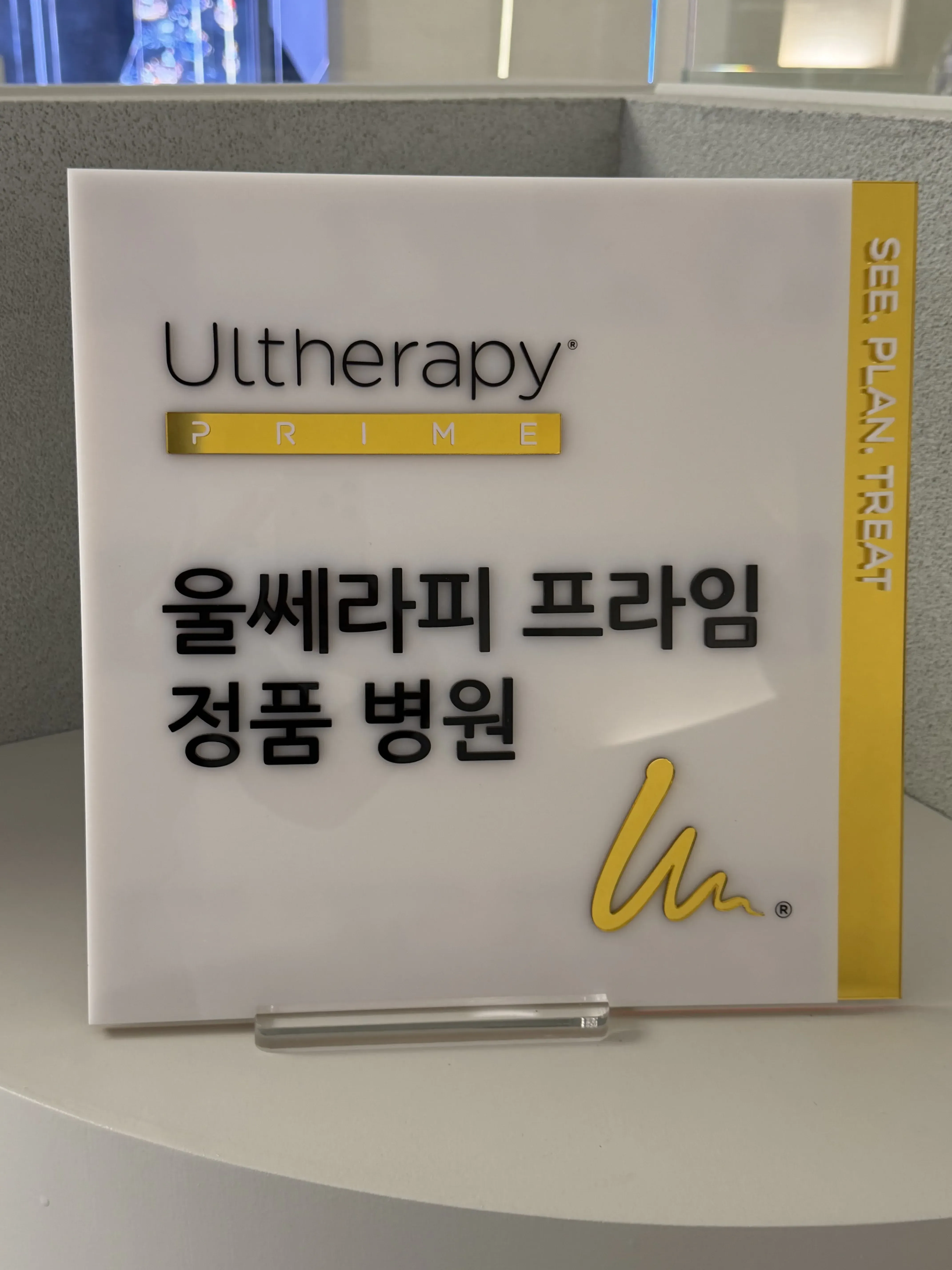
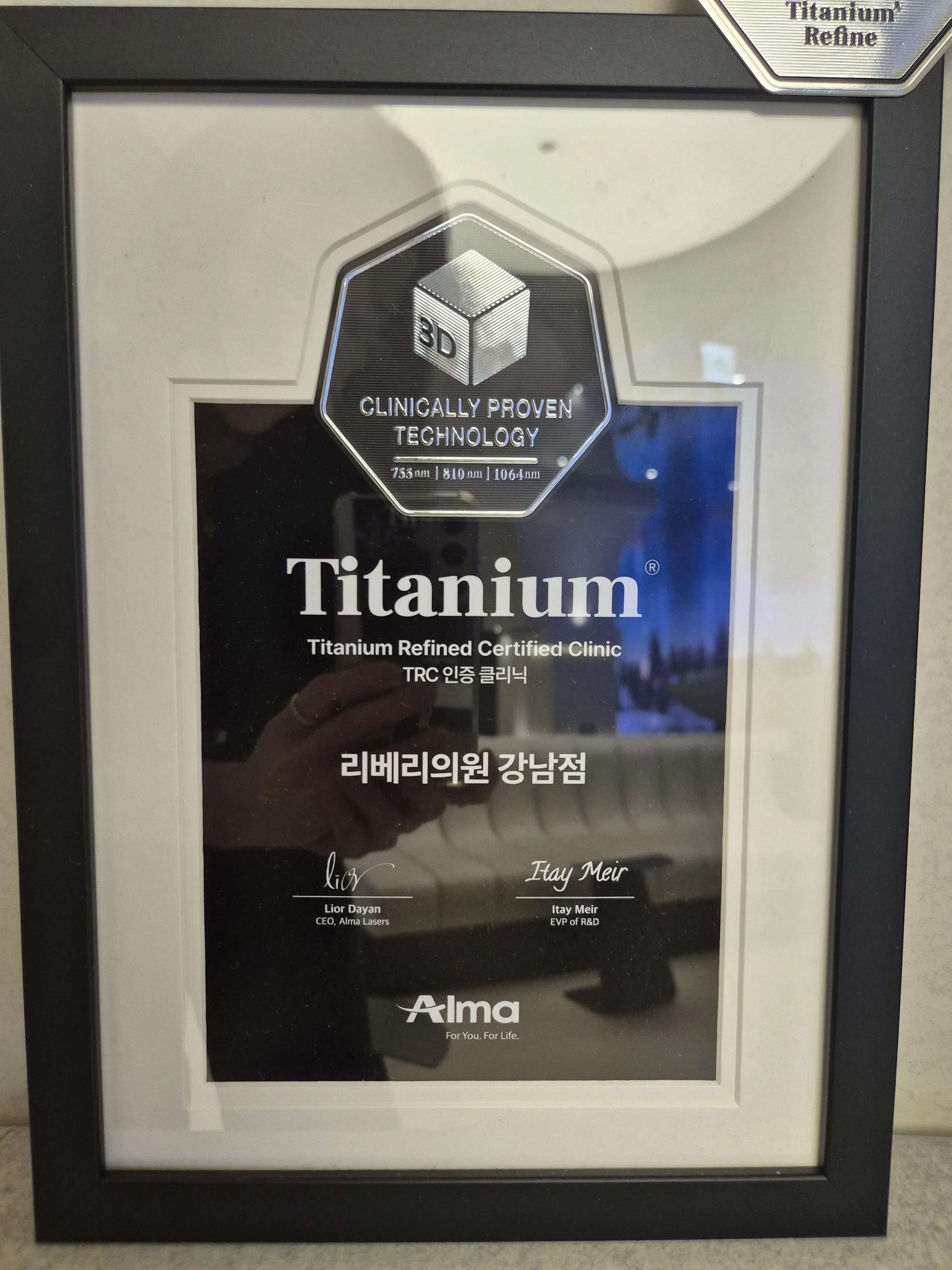
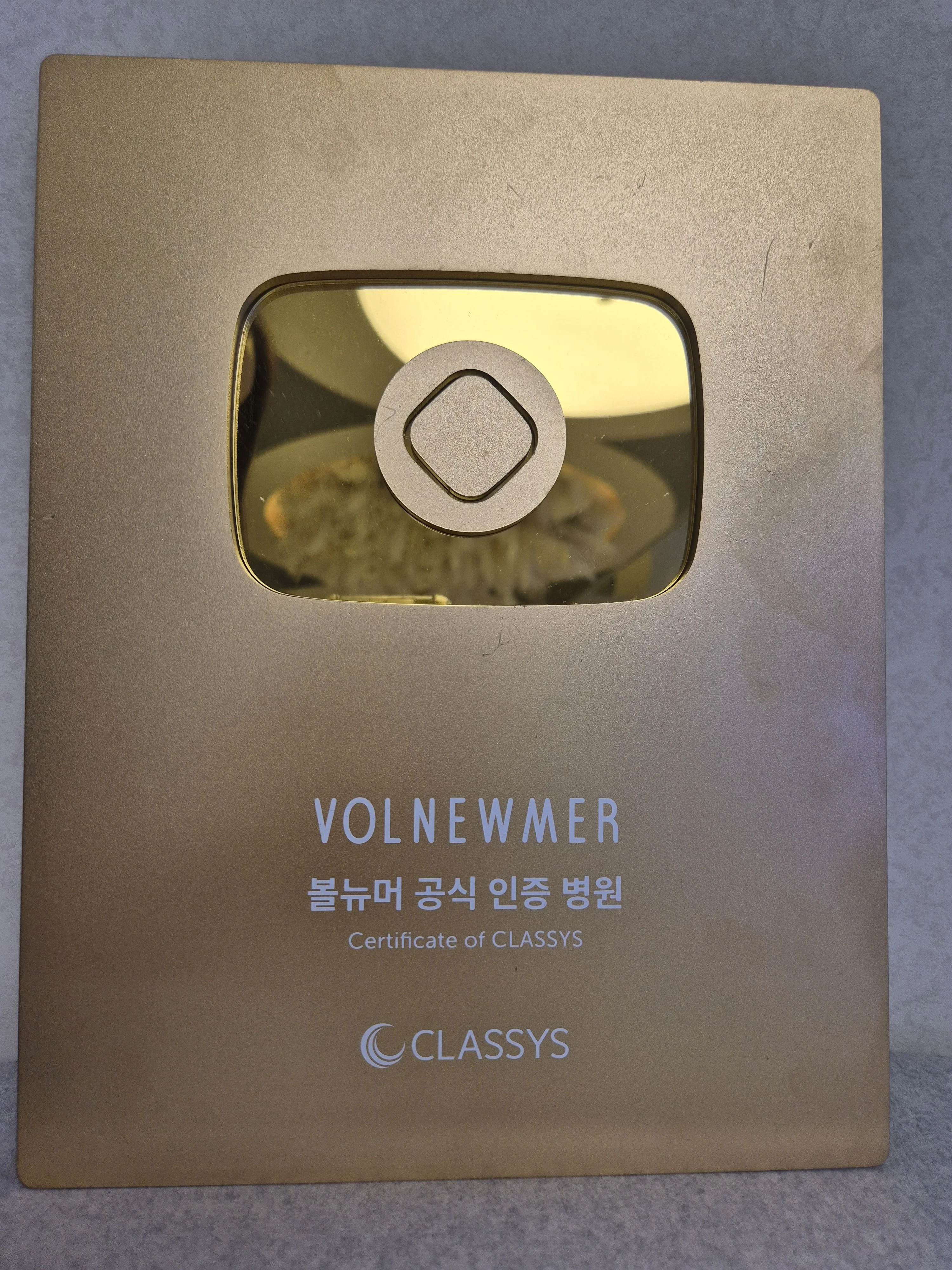
Brand-Authenticated Equipment & Training




Our doctors are certified by Korea’s top dermatological societies




Latest from Our Instagram
Real treatments, patient reactions, and behind-the-scenes from RE:BERRY.
Tap any video for sound & fullscreen
What our patients say
Real verified reviews from our Google Business Profile
I had a really nice experience at Reberry Clinic Gangnam. I received a Hydrafacial treatment, and the whole process was very comfortable. The staff were kind and explained everything clearly, and the clinic itself felt clean and relaxing. I also loved the interior — the clinic felt very clean, elegant, and luxurious, w...
I had such an amazing experience at this clinic! The clinic itself is absolutely stunning the design is beautiful, elegant, and luxurious, and the service is truly top-notch. Everything was so well organized, and I felt very comfortable from the moment I walked in.
I had a Korean filler treatment to reduce my nasolabia...
i had a good time having the Juvelook treatment!
It was my first time in Korea, all the Doctor & team are bery helpful. Dr. Ian & cheong a lee(jenny) are really helpful.
I understand more about my skin.
The clinic is calm, welcoming.
there are many activities i didn’t expect to find in a beauty clinic; phot...
So happy to found the beauty clinic in Korea that very inclusive and Muslim friendly. They have a prayer space for muslim and they prepare a female doctor for me. The clinic is so comfortable with aesthetic design make me feel relaxed. The doctor and the staff are very professional and helpful so all of the procedure r...
As someone who has struggled with acne since middle school, I decided to stop here during a layover in Seoul and was amazed by the treatment.
Firstly, the environment is elegant and peaceful. Feels very luxurious and the treatment from staff was as such as well. Speaking of staff, they were extremely professional, car...
Numbers That Tell Our Story
Cumulative across RE:BERRY clinics (Gangnam · Myeongdong · Incheon Airport).
Pico Laser vs Laser Toning FAQ — RE:BERRY Gangnam Seoul
Who performs pico laser and laser toning at RE:BERRY Gangnam Seoul Korea in 2026?
Medical Director Dr. Yoon-Gon Ryu (Korean Ministry of Health and Welfare Medical License No.131644) personally performs every pico laser and laser toning session at RE:BERRY Gangnam, supported by Dr. Yejin Oh (License No.144238). 100% physician-delivered pico laser and Q-switched Nd:YAG shots across 30+ MFDS-cleared devices.
What is the actual mechanism difference between pico laser and laser toning at RE:BERRY Gangnam?
Pico laser at RE:BERRY Gangnam uses 450-750 picosecond pulses that photomechanically shatter melanin via Laser-Induced Optical Breakdown (LIOB), while laser toning uses low-fluence Q-switched 1064nm Nd:YAG at 1.6-3.0 J/cm2 across 5-10 nanosecond pulses for subcellular-selective photothermolysis per Mun et al. 2011 (J Electron Microsc).
How much does pico laser vs laser toning cost at RE:BERRY Gangnam vs the US, UK, Japan, Australia?
Current pricing at RE:BERRY starts from ₩100,000 (about $71). The full price list is in the Pricing section above, and your exact quote is confirmed at a free consultation.
Which is more effective for melasma at RE:BERRY Gangnam — pico laser or laser toning?
Pico laser delivers faster MASI clearance in 4-6 sessions, while laser toning needs 8-10 sessions for equivalent MASI reduction. Park et al. 2020 (Ann Dermatol) reported 58.2% MASI reduction at week 12 for picosecond plus low-fluence Q-switched combination vs 41.3% for laser toning alone across 127 Korean patients.
Which has lower PIH risk on Fitzpatrick IV-V Asian skin at RE:BERRY Gangnam?
Pico laser at 755nm carries a lower PIH rate (2.1%) than laser toning at 1064nm (5-8%) across Korean Fitzpatrick IV-V cohorts per Kim et al. 2019 (Dermatol Surg) 700-case registry. RE:BERRY Gangnam screens every candidate with Mark-Vu imaging and Fitzpatrick typing before parameter assignment.
Are there hidden fees beyond the pico laser or laser toning quote at RE:BERRY Gangnam?
| What to check | RE:BERRY |
|---|---|
| 90-day WhatsApp | Included |
How many sessions of laser toning vs pico laser are typical at RE:BERRY Gangnam?
4-6 pico laser sessions vs 8-10 laser toning sessions for equivalent MASI clearance at RE:BERRY Gangnam, both at 2-4 week intervals. The 10-session Berry Dual Toning course is structured for cumulative melanocyte modulation per Wattanakrai 2010 (Dermatol Surg).
Will I see the same doctor across all pico laser and laser toning sessions at RE:BERRY Gangnam?
Yes — 100% same-doctor continuity across all sessions and the 90-day WhatsApp follow-up at RE:BERRY Gangnam. Dr. Yoon-Gon Ryu retains the fluence-by-zone diagram so each session can be recalibrated against the previous MASI photo. KHIDI 2025: 41.4% of Japanese medical tourists rank same-doctor continuity #1.
Can pico laser and laser toning be combined in one Seoul session at RE:BERRY Gangnam?
Yes — the Dual Toning combo at RE:BERRY Gangnam pairs picosecond pico laser with 1064nm Genesis-style laser toning overlay. Park et al. 2020 (Ann Dermatol) reported 58.2% MASI reduction at week 12 across 127 Korean patients with the combined approach.
Is pico laser or laser toning at RE:BERRY Gangnam suitable for Fitzpatrick IV-V Asian skin?
Yes — both protocols are designed for Asian skin at RE:BERRY Gangnam. Pico laser at 0.3-0.71 J/cm2 fluence and laser toning at 1.6-3.0 J/cm2 both stay within the subcellular-selective photothermolysis window described by Mun 2011 (J Electron Microsc). Dr. Yoon-Gon Ryu screens Mark-Vu imaging and Fitzpatrick type across the 60-90 minute consultation.
Can I fly home safely after pico laser or laser toning at RE:BERRY Gangnam?
Yes — 92% of RE:BERRY Gangnam patients fly home within 24-48 hours after pico laser, and same-day flights are routine after laser toning. Mild erythema peaks 2-4 hours post-session for pico laser, and is minimal for laser toning. Flight after laser guidance is bundled.
How many days should I plan in Seoul for pico laser or laser toning at RE:BERRY Gangnam?
2-3 days suffices for the first pico laser or laser toning session at RE:BERRY Gangnam — Day 1 Mark-Vu imaging mapping (60-90 minute consult), Day 2 treatment plus LDM, Day 3 departure. RE:BERRY Gangnam is 2 minutes from Gangnam Station Exit 10 and 70 minutes from Incheon Airport.
What aftercare is bundled in pico laser and laser toning at RE:BERRY Gangnam?
90-day structured aftercare comes bundled with every pico laser and laser toning session at RE:BERRY Gangnam — 15-minute LDM, WhatsApp symptom tracking at days 7, 30, 60, 90, Mark-Vu photo comparison, and tranexamic acid cream guidance. Dr. Yoon-Gon Ryu reviews follow-up photos personally.
How does pico laser vs laser toning at RE:BERRY Gangnam compare to Korean university hospital dermatology?
at RE:BERRY Gangnam. University hospitals often require 3-4 week appointment lead time and 10-15 minute consults. RE:BERRY Gangnam offers same-week scheduling, 60-90 minute consults, and 5 languages.
Why choose RE:BERRY Gangnam over other Seoul clinics for pico laser or laser toning?
1,000,000+ aesthetic treatments across the RE:BERRY clinics (Gangnam, Myeongdong, Incheon Airport) and 7,800+ picosecond and Q-switched sessions per year at RE:BERRY Gangnam, 100% physician-delivered across 30+ MFDS devices, 5 languages, 365 days open, and entry price for pico laser, effective per-session laser toning. See Glass Skin detail.
Find Out Which Laser Pigmentation Treatment Is Right for Your Skin
Book a pigmentation assessment with Dr. Yoon-Gon Ryu or Dr. Yejin Oh at RE:BERRY Gangnam. We will analyze your pigment depth, Fitzpatrick skin type, and goals to recommend the optimal pico laser, laser toning, or sequential combination protocol — 2 minutes from Gangnam Station Exit 10, 5 languages supported.
Why Tens of Thousands of Foreign Patients Are Choosing This Gangnam Clinic — Business Wire, 2026-04-13
Book Your Personalized Consultation
Share your details and our multilingual team will contact you as soon as possible through your preferred messenger.
- ✓ Free online skin consultation with a doctor
- ✓ Personalized treatment plan & pricing
- ✓ 5-language support (EN/ZH-CN/ZH-TW/JA/ES)
- ✓ Response as soon as possible via your preferred messenger
How to Find RE:BERRY Gangnam
2 minutes from Gangnam Station Exit 10. B1–B2, KI Tower — the building with the all-black entrance you can't miss.
RE:BERRY Clinic Gangnam
B1–B2, KI Tower, 69-gil 8, Gangnam-daero, Seocho-gu, Seoul
서울시 서초구 강남대로69길 8, 지하1·2층 (KI타워)
Also available at: Myeongdong · Incheon Airport