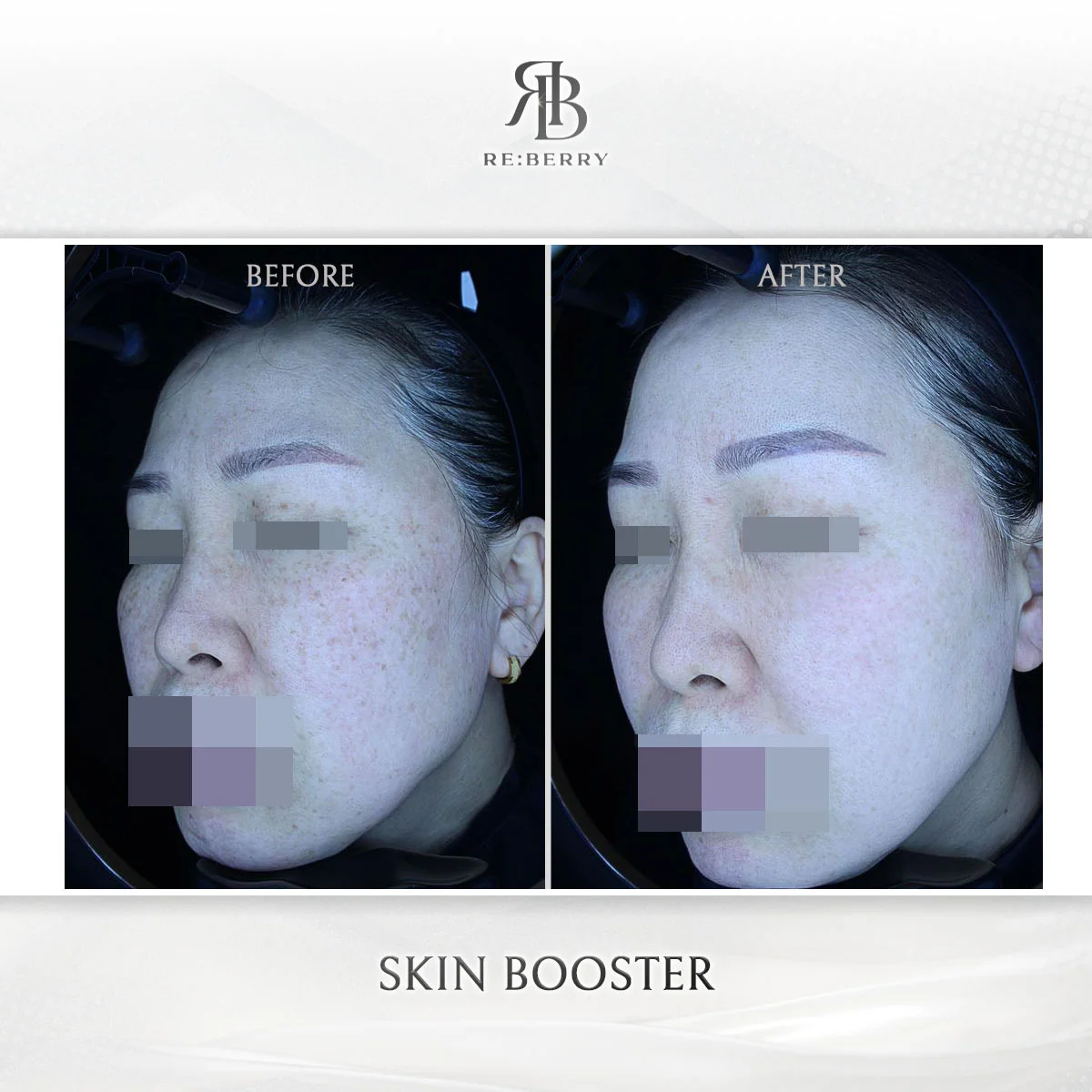
Microneedling vs Laser Gangnam Seoul – Potenza RF vs Pico and CO2 at RE:BERRY
RF vs laser evidence comparison at RE:BERRY Gangnam: Potenza bipolar RF per session delivers 75.6% acne scar improvement vs 48.2% for fractional CO2 and 42% for Pico toning per Elsaie 2020, with 24-48 hour RF downtime vs 7-14 days CO2,.
What Is the Microneedling vs Laser Gangnam Seoul Verdict at RE:BERRY?
Microneedling vs laser Gangnam Seoul at RE:BERRY: Potenza RF wins for Fitzpatrick III-VI and scars with 75.6% improvement vs 48.2% CO2, while Pico laser wins for PIH and toning.
RE:BERRY Gangnam applies a 3-device matrix for the microneedling vs laser Gangnam Seoul decision: Potenza bipolar RF microneedling per session, Pico laser toning, and fractional CO2 by referral. Medical Director Dr. Yoon-Gon Ryu personally selects the modality after Pillsbury acne grading, dermoscopy, Sebumeter, and Fitzpatrick I-VI assessment. Evidence summary: Elsaie 2020 (n=40) showed 75.6% acne scar improvement with bipolar RF microneedling vs 48.2% with fractional CO2 at 3 months. Cho 2012 (n=30) documented 30-50% sebum reduction per RF session. Lee 2018 confirmed 2.3x dermal collagen density after Juvelook PDLLA. KHIDI 2025 confirms 41.4% of Japanese patients rank same-doctor continuity as their #1 Korean clinic criterion – RE:BERRY Gangnam maintains 100% same-physician oversight across every device-selection session. Explore variants Potenza RF microneedling, Pico laser, acne scar laser, and acne RF microneedling Korea. The RF vs laser dataset at RE:BERRY reflects 50-70% Korean Seoul savings vs US ( 500 RF, CO2). Related route: acne RF microneedling Korea variant page.
How the Device-Selection Decision Works at RE:BERRY Gangnam
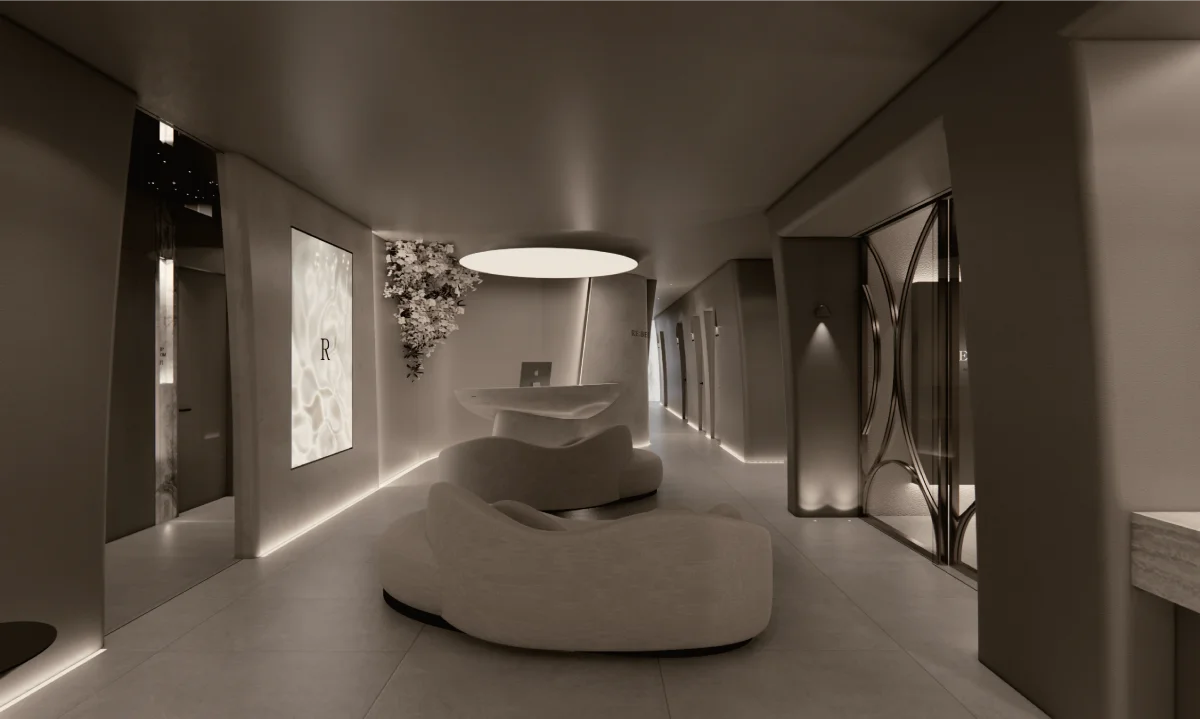
Step 1: Free 60-90 Min Pillsbury + Fitzpatrick Intake
Dr. Yoon-Gon Ryu performs dermoscopy, UV-fluorescence imaging, Pillsbury acne grading (I-IV), ECCA scar grading (0-44), and Fitzpatrick I-VI assessment across 6 facial zones – 60-90 minutes, 15-20x Korea’s 4.3-minute OECD 2023 national average. Baseline Sebumeter and Mexameter data at 3 zones. Output: written device recommendation (RF, Pico, or CO2) with locked per-session pricing at RE:BERRY Gangnam.
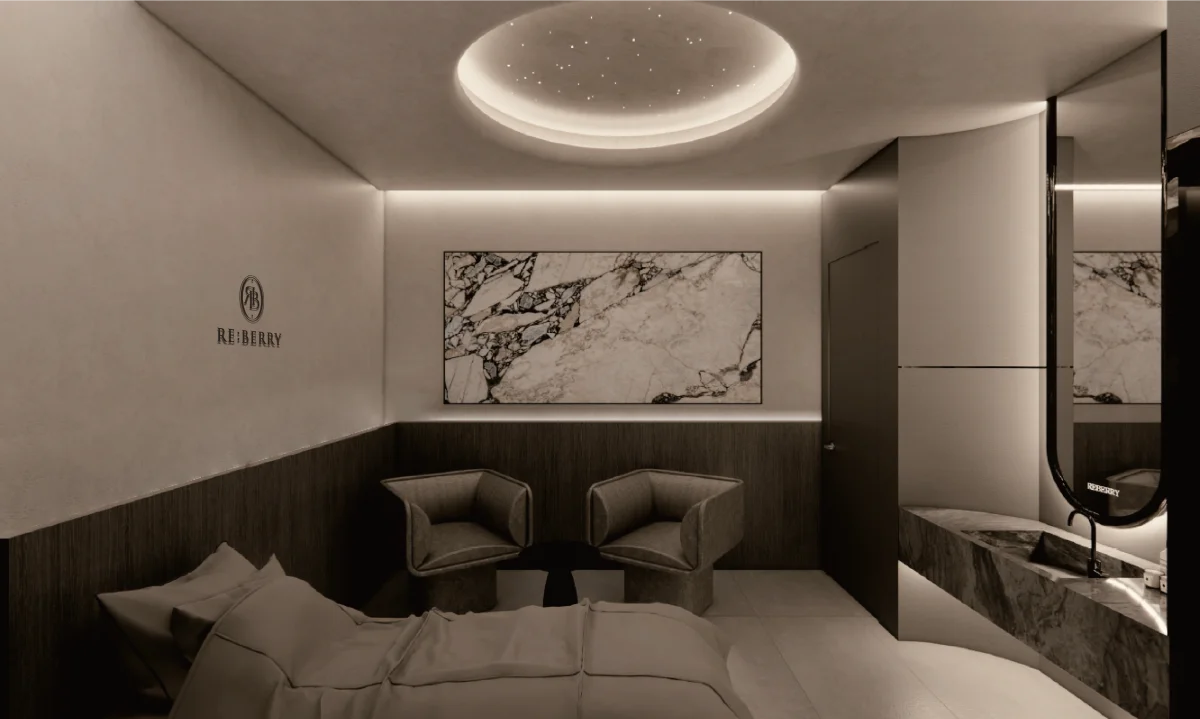
Step 2: Modality Selection Matrix (5-10 min)
Dr. Ryu applies a 4-factor matrix: (1) scar type (icepick/boxcar/rolling), (2) Fitzpatrick phototype (I-III vs IV-VI), (3) active acne grade (I-IV), (4) PIH severity. Decision logic: Potenza RF wins for Fitzpatrick III-VI and rolling scars, Pico laser wins for PIH and toning, fractional CO2 reserved for isolated 3mm icepick. 100% physician-driven decision at RE:BERRY Gangnam, 0% nurse-led screening.
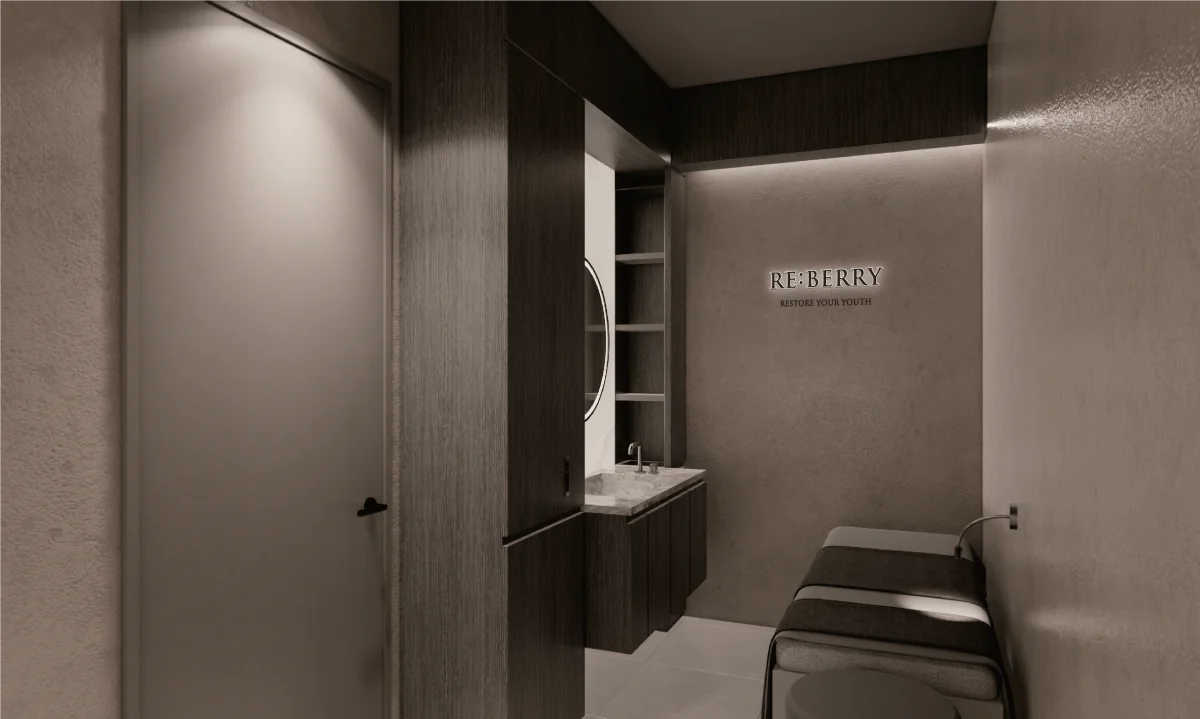
Step 3: Device Delivery with Juvelook or Exosome Stack (30-45 min)
Potenza deploys 25 gold-tipped insulated microneedles at 0.5-3.5mm depth, 60-70 degrees C, 300-450ms pulses for 30-40 minutes. Pico laser uses 755nm/1064nm wavelengths with 450ps pulse width at 2-4 J/cm2 fluence for 10-15 minutes. CO2 fractional at 10,600nm at 5-10% coverage for 12-15 minutes when indicated. Each device session includes Juvelook or Exosome booster extra at RE:BERRY Gangnam.
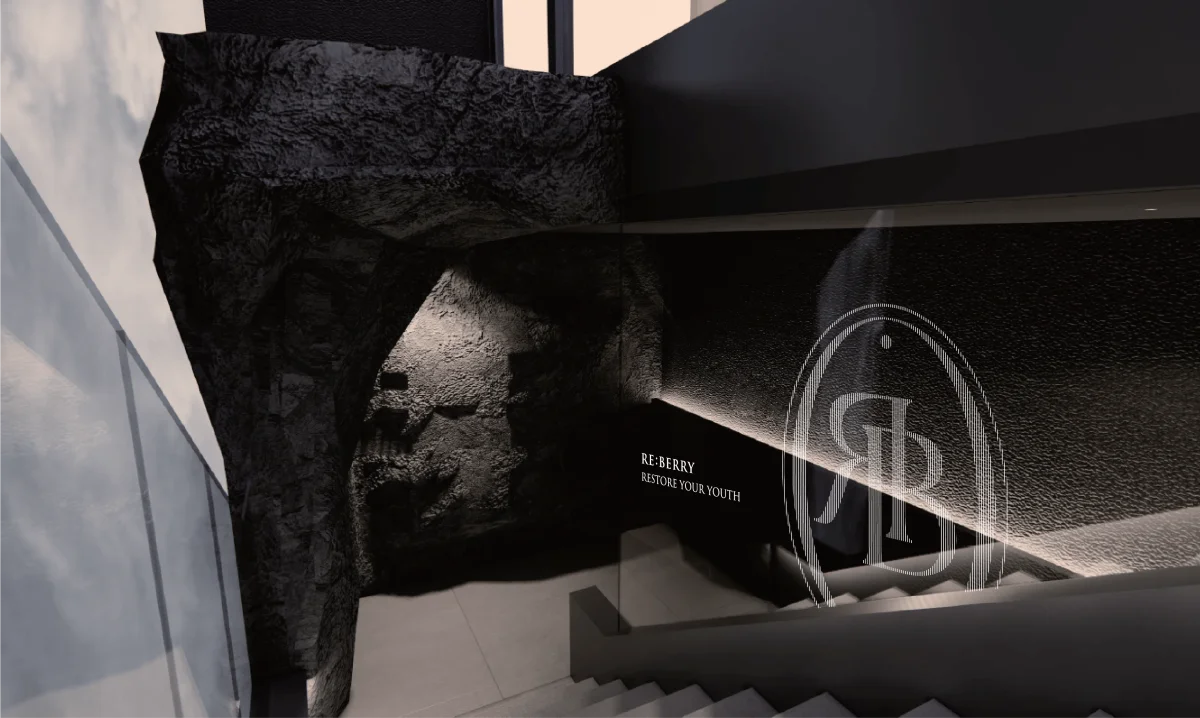
Step 4: LDM Recovery + 90-Day WhatsApp Follow-Up
LDM Local Dynamic Micro-massage ultrasound at 3-10 MHz for 15 minutes reduces inflammation 40-60% per Cho 2012 (n=30). RF redness resolves 24-48 hours, Pico 0-24 hours, CO2 7-14 days. 90-day WhatsApp aftercare (+82-2-2039-2822) with week-2, week-6, week-12 photo check-ins tracking the device protocol response across sessions at RE:BERRY Gangnam.
RF vs Laser – Benefits and 12-Week Timeline at RE:BERRY Gangnam
- RF Wins 75.6% vs 48.2% for Atrophic Scars Elsaie 2020 randomized split-face trial (n=40) documented 75.6% acne scar improvement with bipolar RF microneedling vs 48.2% with fractional CO2 laser at 3 months. RE:BERRY Gangnam defaults Potenza RF for 85% of scar cases. Potenza is the primary device for atrophic remodeling across Fitzpatrick III-VI phototypes.
- Pico Laser Wins PIH and Toning Pico 755/1064nm at 450ps shatters melanin clusters with 42-58% MASI reduction per Chan 2016, outperforming RF for post-inflammatory hyperpigmentation. RE:BERRY Gangnam prices Pico toning per session. The RF vs laser protocol deploys Pico as adjunct or primary for phototypes III-VI with PIH overlay.
- RF Downtime 24-48 Hours vs 7-14 Days for CO2 Bipolar RF microneedling recovery is 24-48 hours of mild redness vs 7-14 days for fractional CO2 per Lee 2018 and Tierney 2011. This 4-7x downtime differential favors RF for medical tourists on 3-5 day Seoul trips. RE:BERRY Gangnam sequences the device plan so day 1 treatment + day 2-3 recovery + day 4-5 sightseeing remains possible.
- PDLLA Booster Adds 2.3x Collagen at 0 Surcharge Lee 2018 histology (n=28) demonstrated 2.3-fold dermal collagen density increase at 6 months post-Juvelook PDLLA. RE:BERRY Gangnam stacks PDLLA with Potenza RF extra vs add-on at Seoul chain clinics, keeping the entry point while delivering dual collagen induction.
- RE:BERRY Gangnam Potenza undercuts US Potenza by 50-70% and Japan by 30-50%. Pico toning undercuts US by 55%. Fractional CO2. Korean Seoul pricing keeps the full device menu cheaper using identical FDA/MFDS equipment.
- Same-Doctor Calibration Across All Modalities 100% same-physician continuity at RE:BERRY Gangnam across Potenza, Pico, and CO2 sessions – higher than the 30-50% Seoul chain average. KHIDI 2025 confirms 41.4% of Japanese patients rank same-doctor as their #1 Korean clinic criterion. Dr. Ryu calibrates the device protocol per Fitzpatrick response data across sessions 1, 3, 5.
| Timeline | What to Expect |
|---|---|
| Day 0 (RF Session) | RF redness and 1-2mm papules at RE:BERRY Gangnam post Potenza. 0 crusting. SPF 50+ applied before discharge. Pico sessions show 10-20% immediate erythema resolving in 2-4 hours. CO2 when used produces pinpoint bleeding and serous crust. |
| Day 1-3 | Potenza redness resolves 80% per Cho 2012. Pico 100% resolved by 24 hours. CO2 crusting peaks day 2-3 with 7-14 day full recovery. RE:BERRY Gangnam schedules the device follow-up visit at day 3 for CO2 only. |
| Week 1-2 | RF active acne drying 40-60% per Lee 2018 trajectory. Pico PIH fading 15-25% per session. CO2 pinpoint crusts flake by day 10. Sebum output reduction detectable on Sebumeter at week 2 in 100% of Potenza patients at RE:BERRY Gangnam follow-up photo review. |
| Week 4-8 | Potenza active lesion drop 60-73% per Cho 2012 RCT (n=30). Pico PIH index drops 42-58% per Chan 2016. Dermoscopy shows pore tightening 15-25% at RE:BERRY Gangnam. Collagen type I and III deposition starts week 4, peaks week 8 for both RF and CO2 courses. |
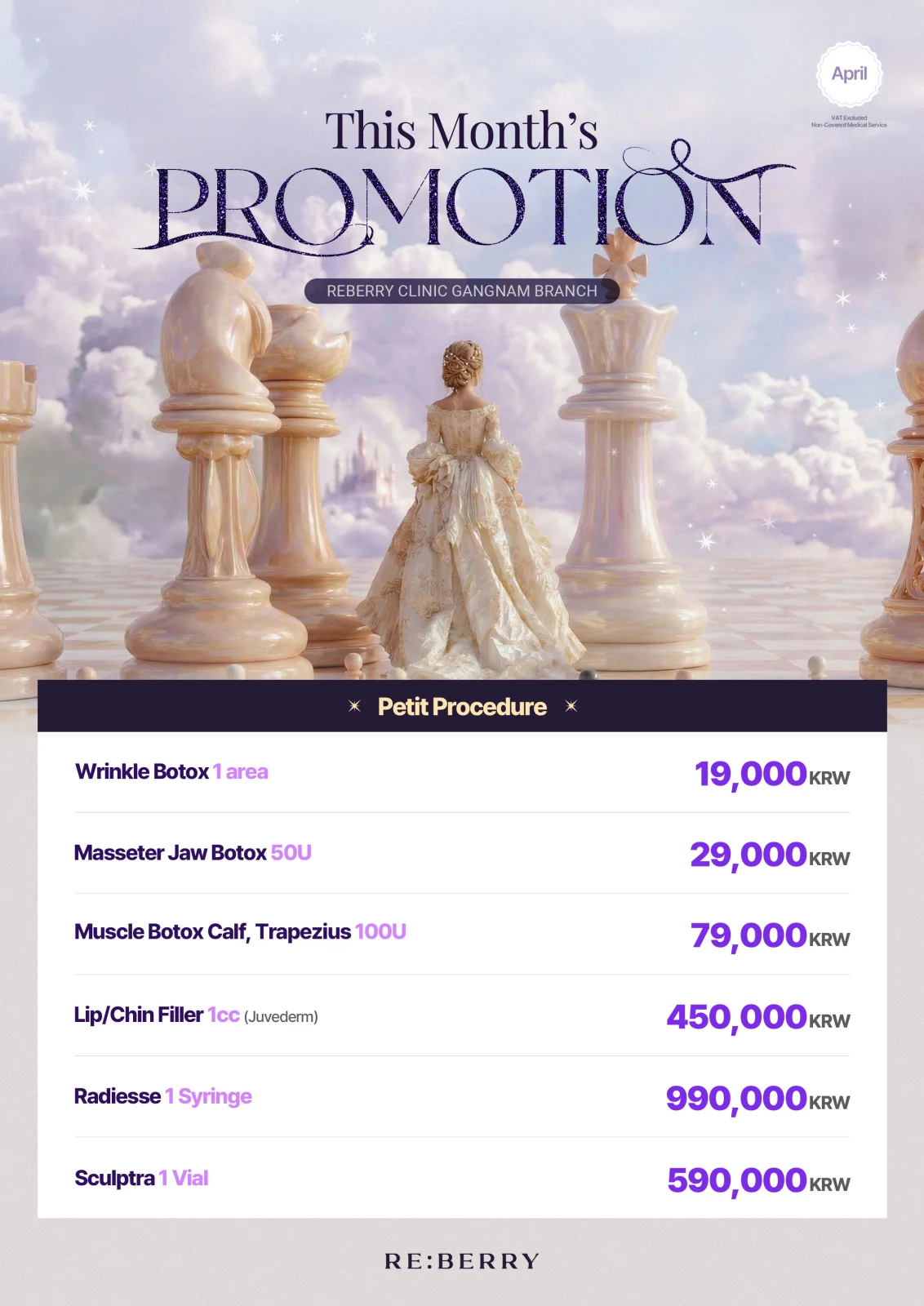
RF vs Laser – Full Pricing at RE:BERRY Gangnam April 2026
All prices include VAT. Your exact quote is confirmed at an in-person consultation.
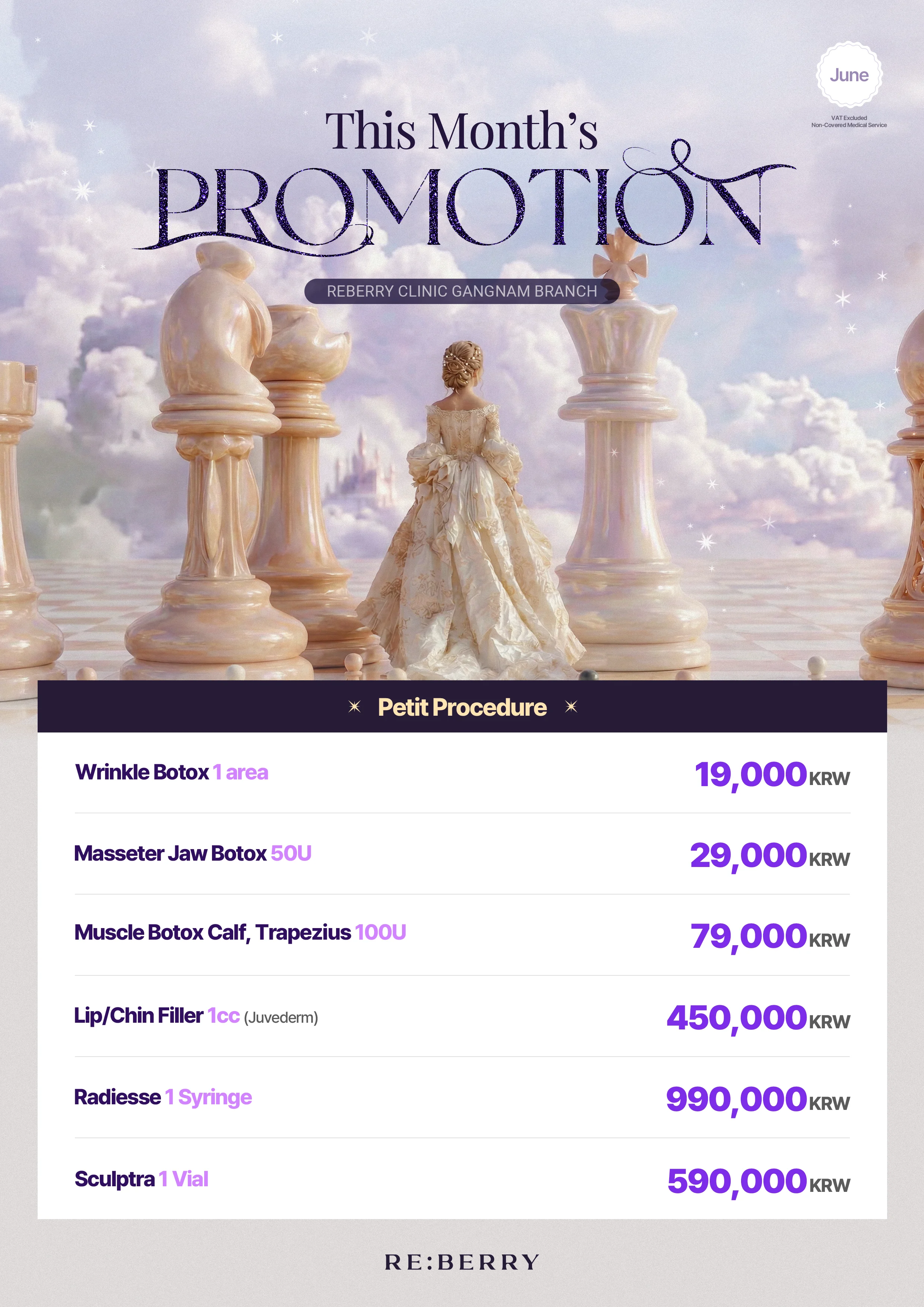
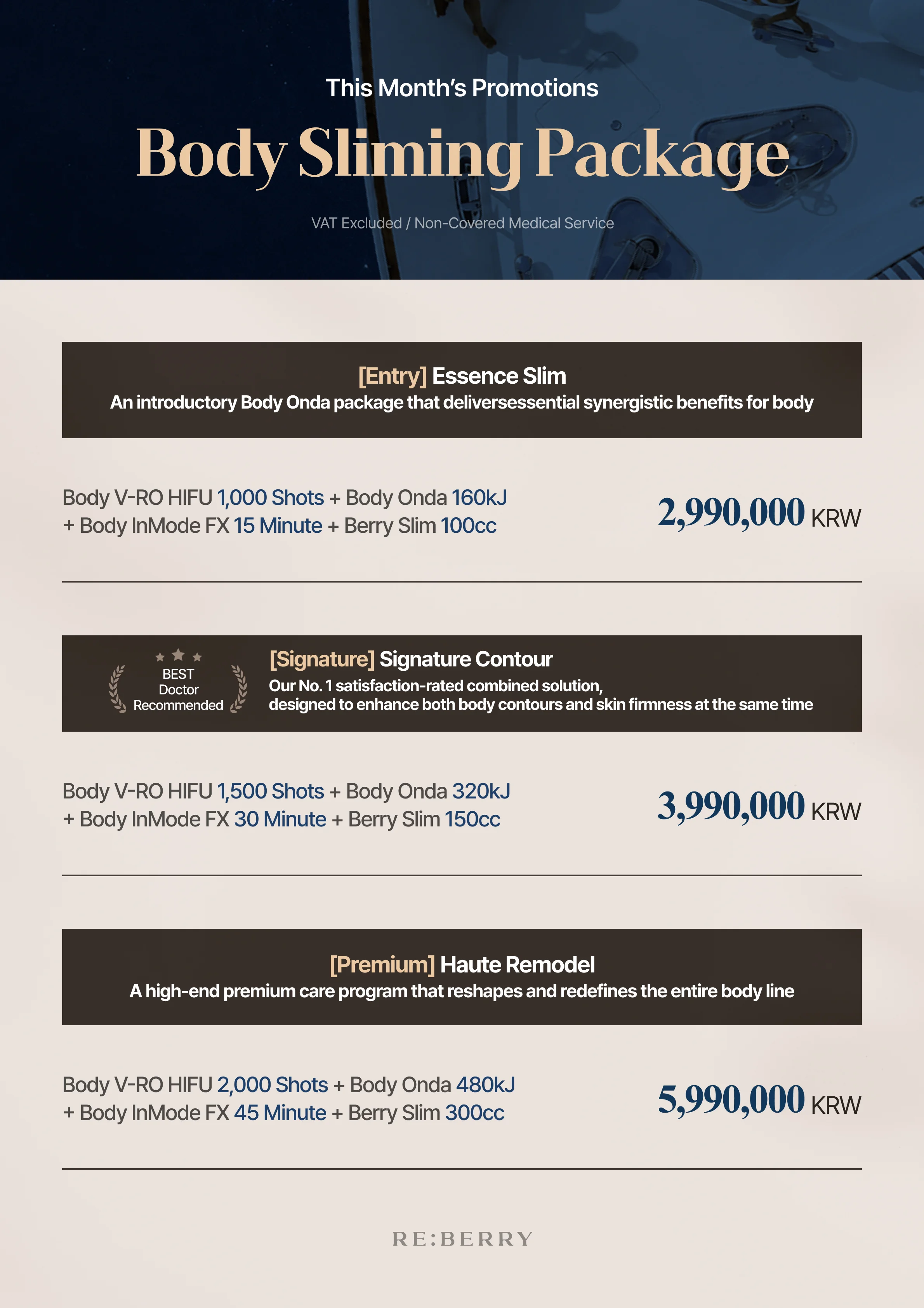
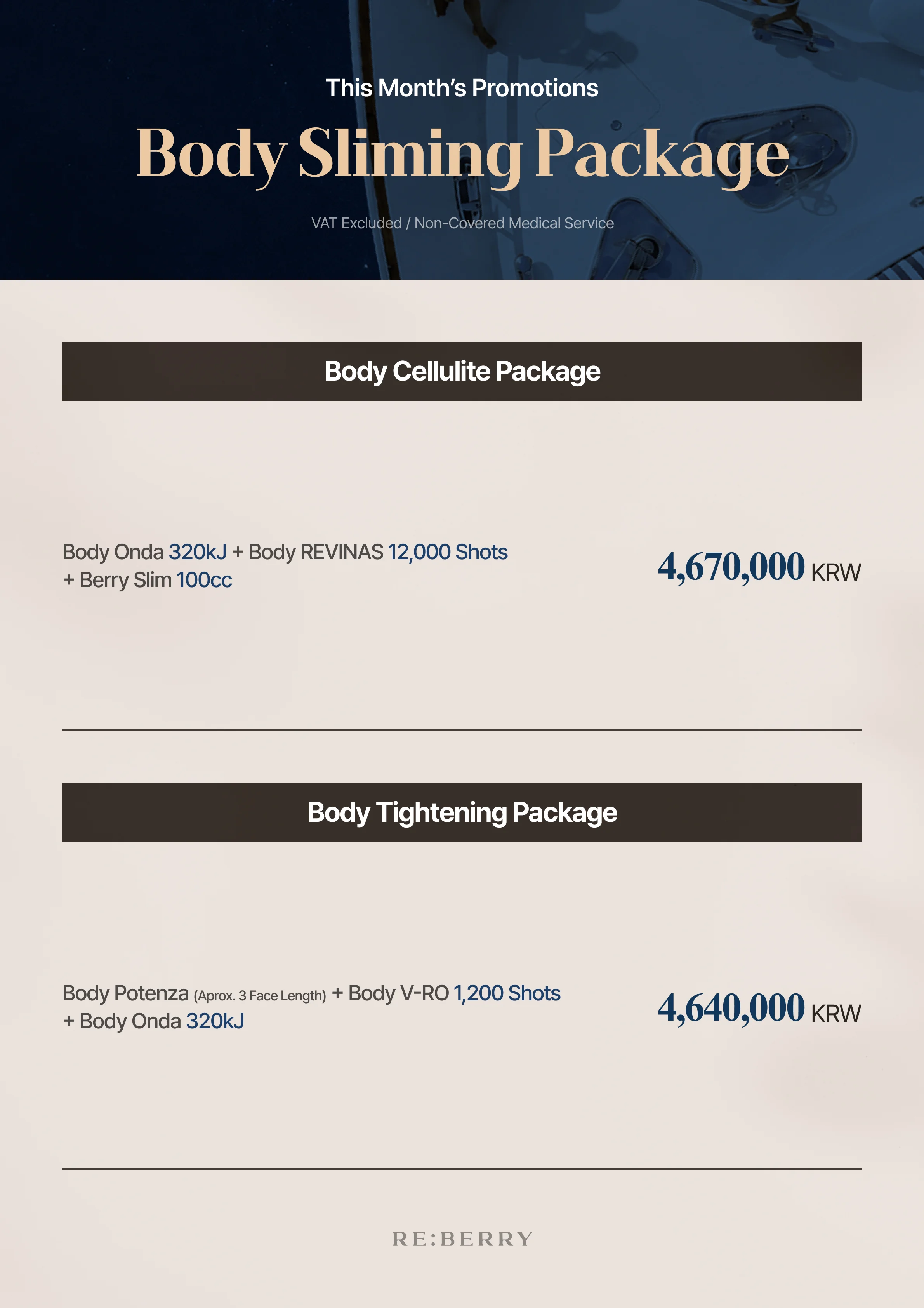
July 2026 Promotions
Exclusive packages for international patients. Swipe to see all offers.
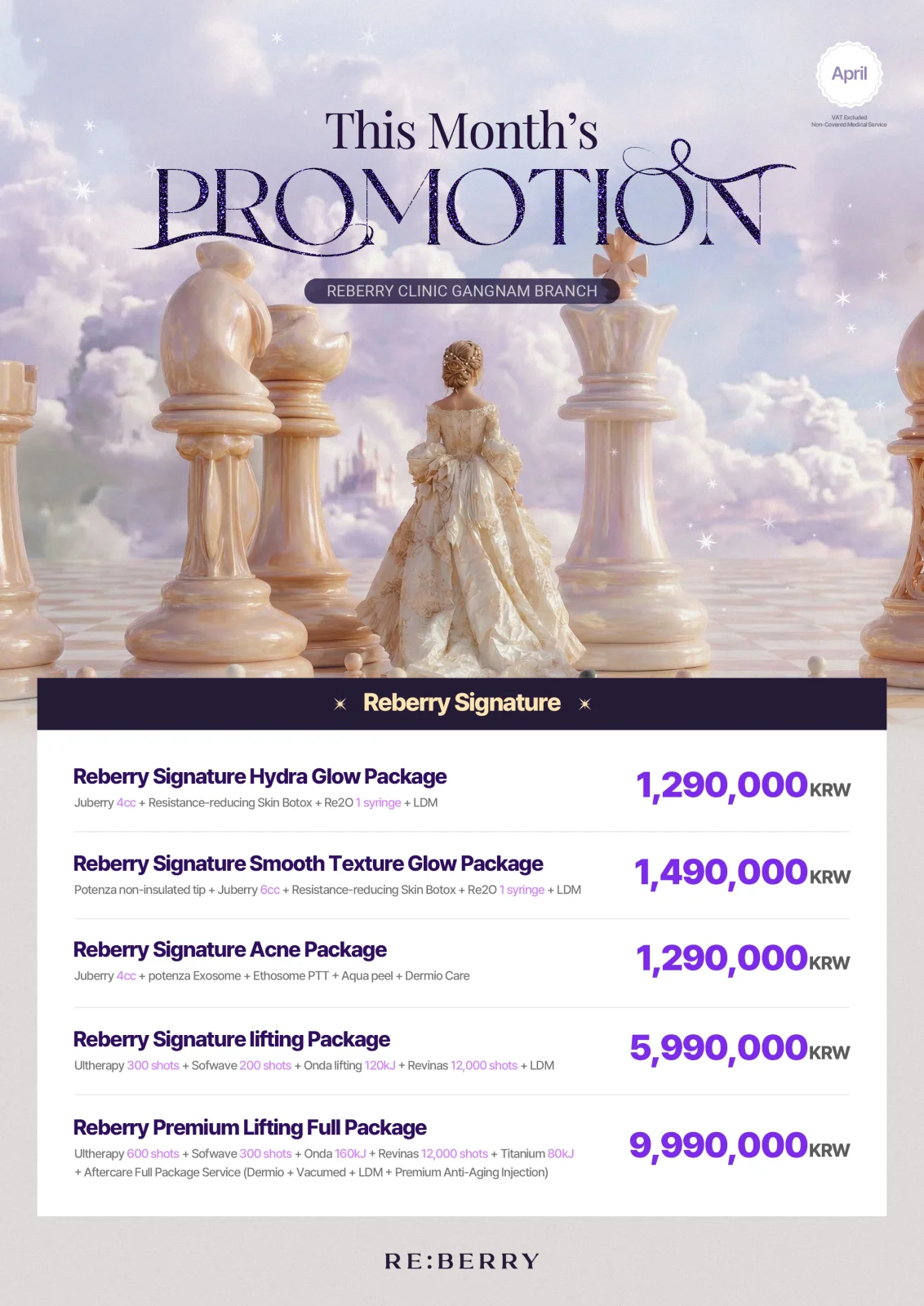

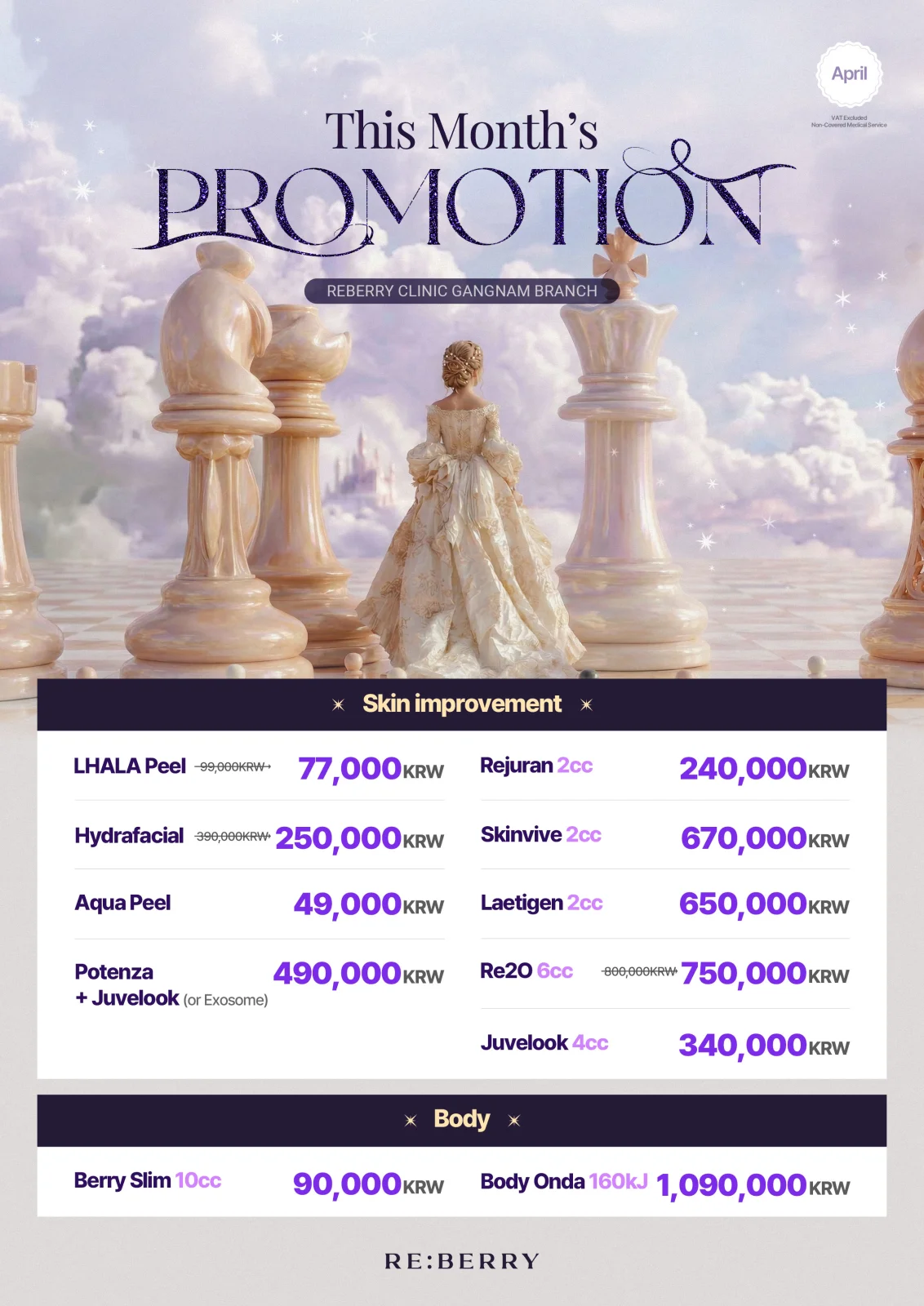
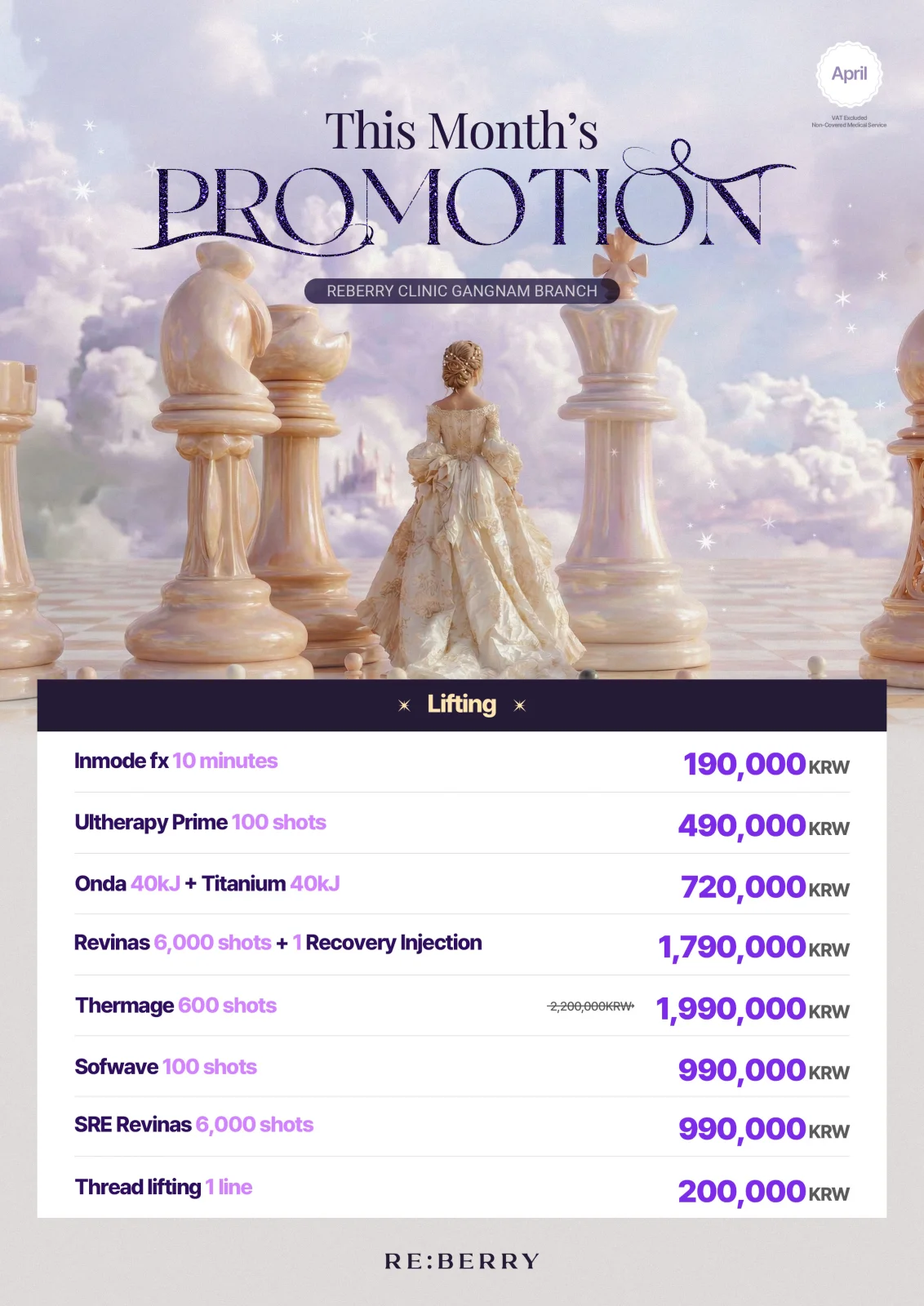
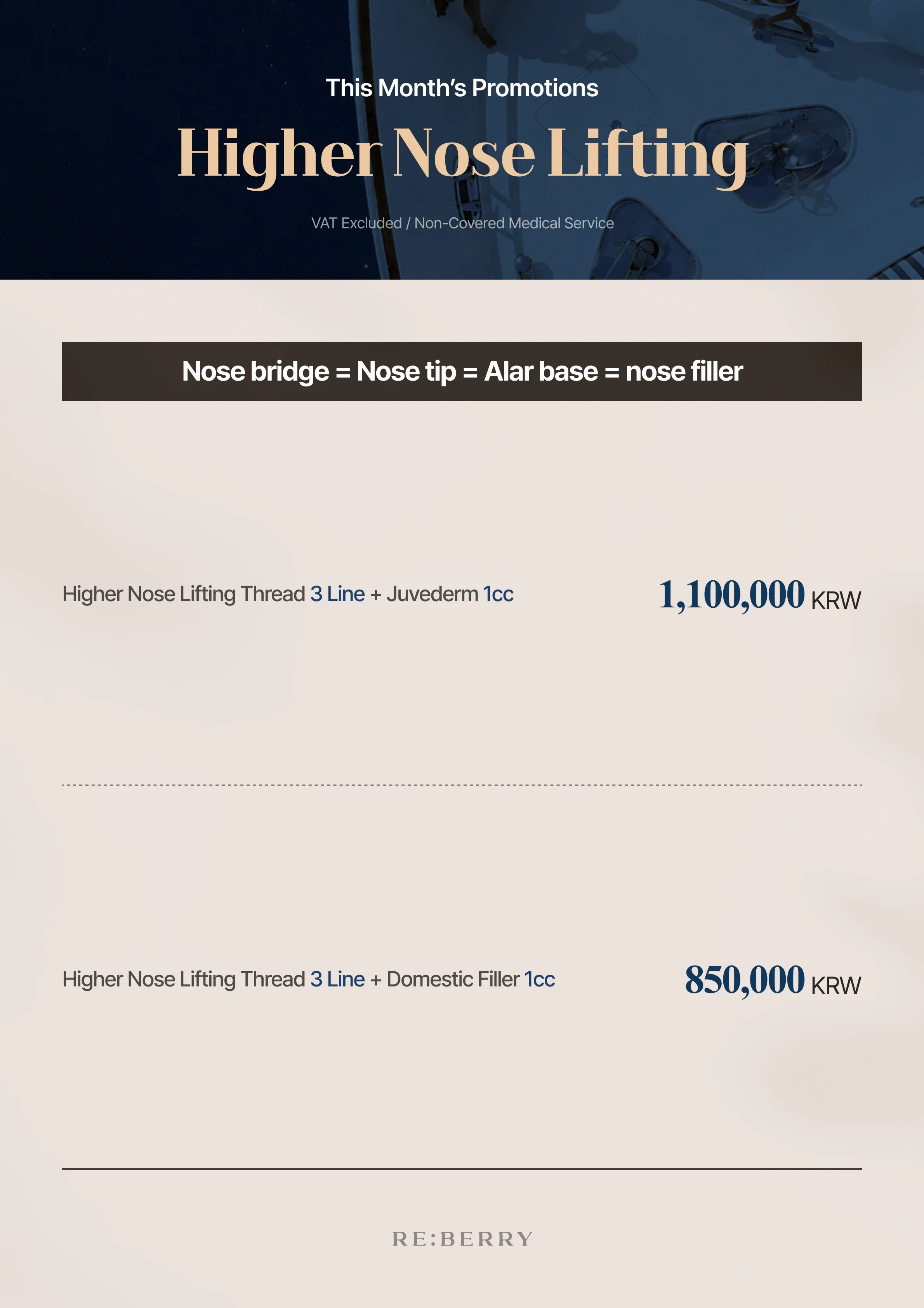
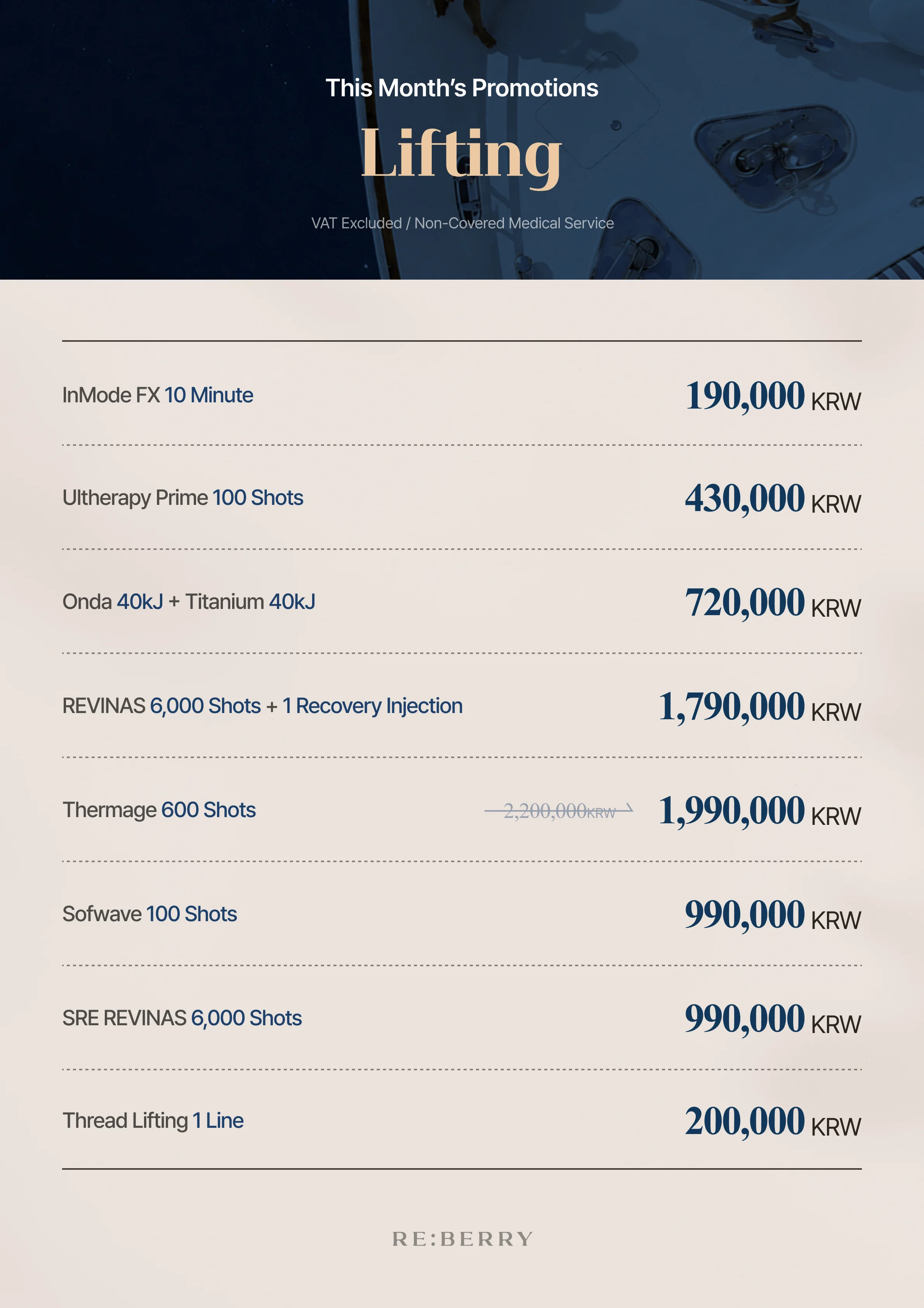
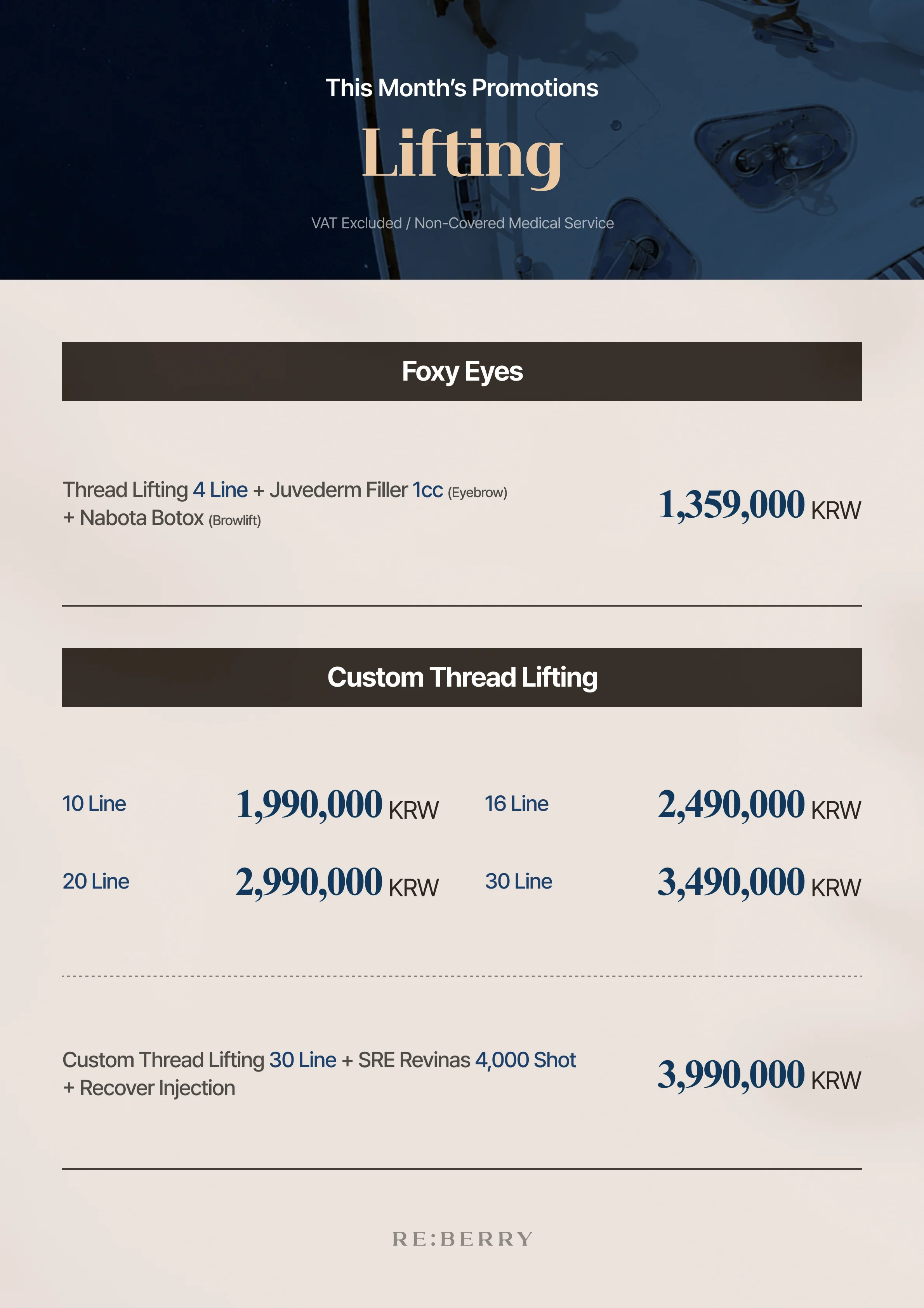
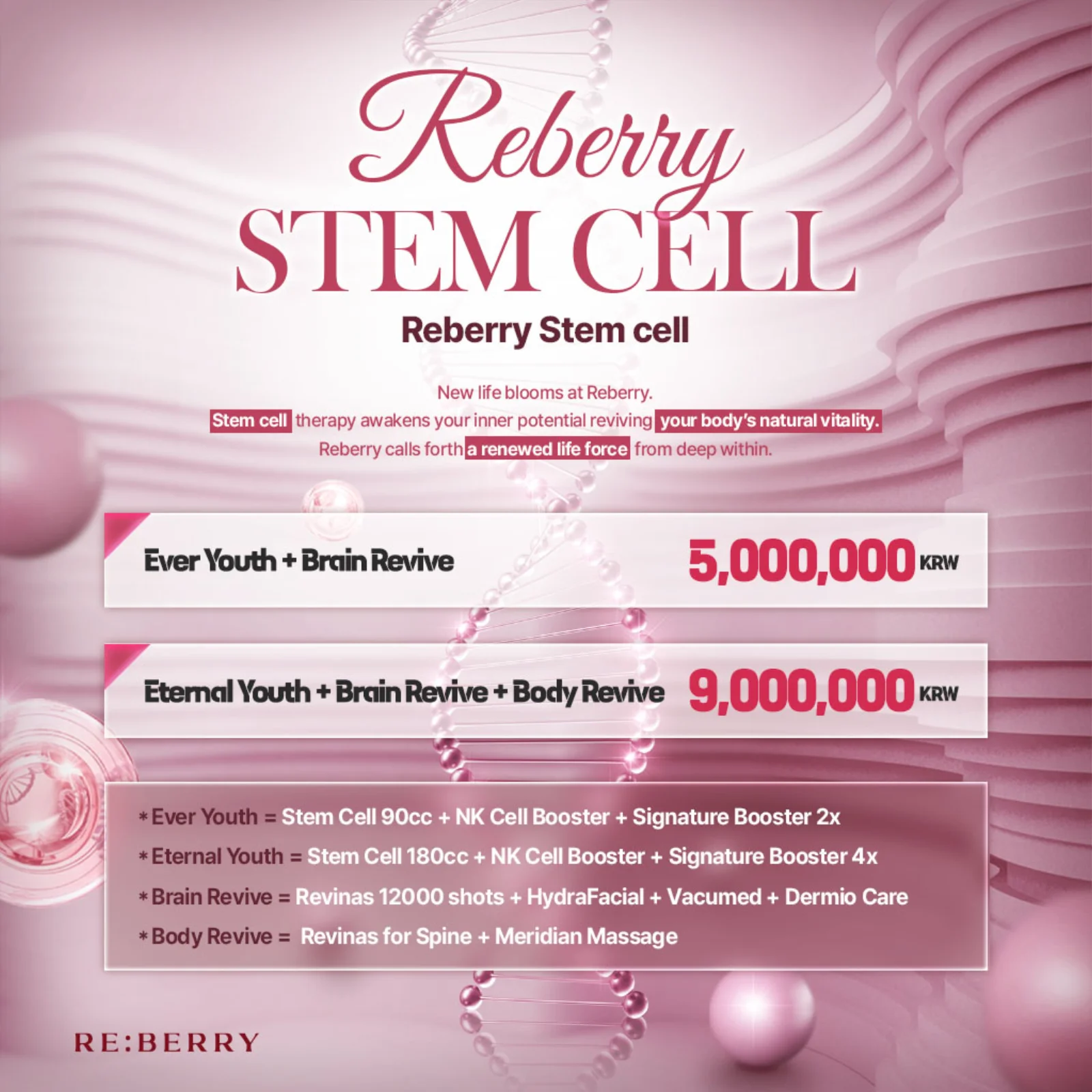
RF vs Laser – Before and After Results at RE:BERRY Gangnam
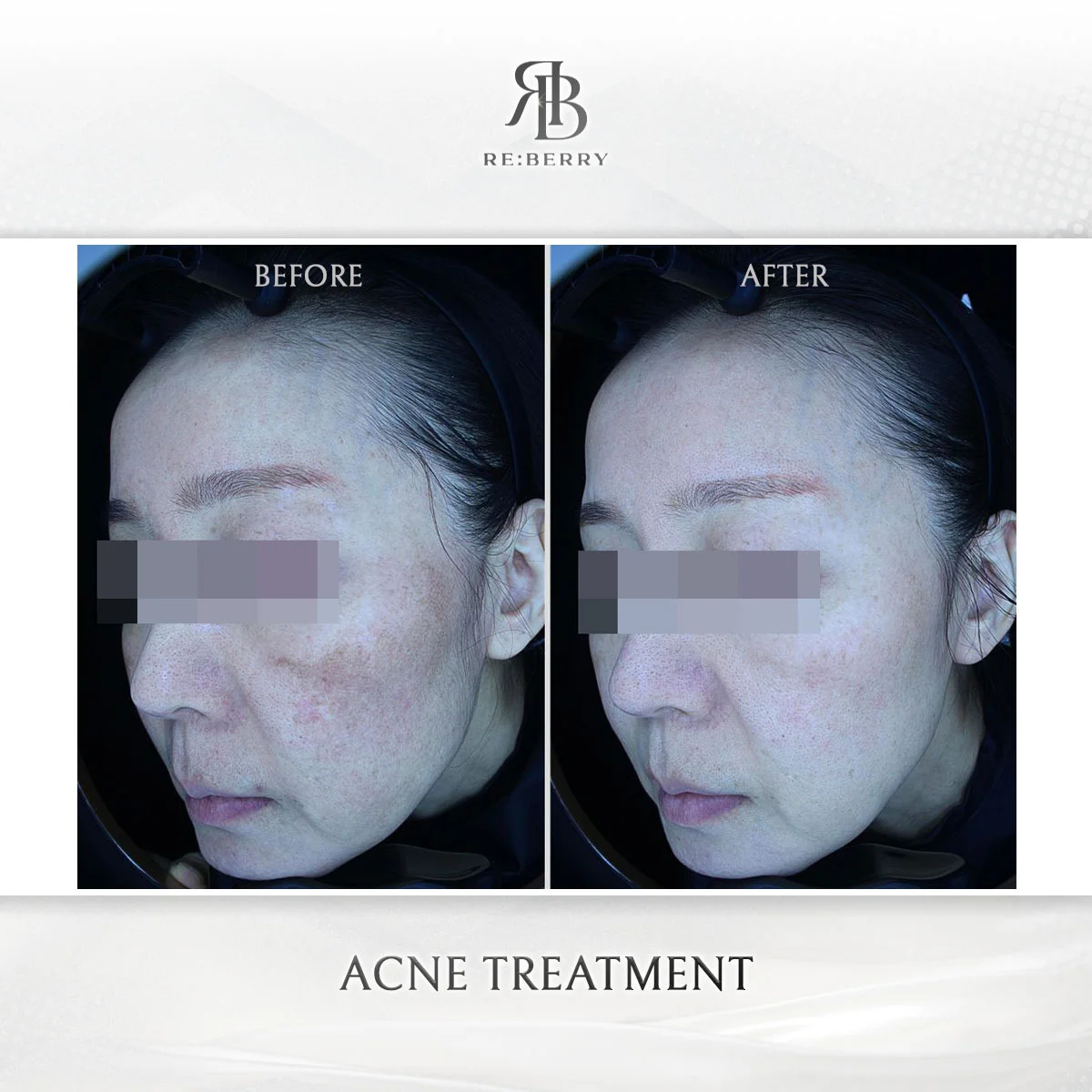
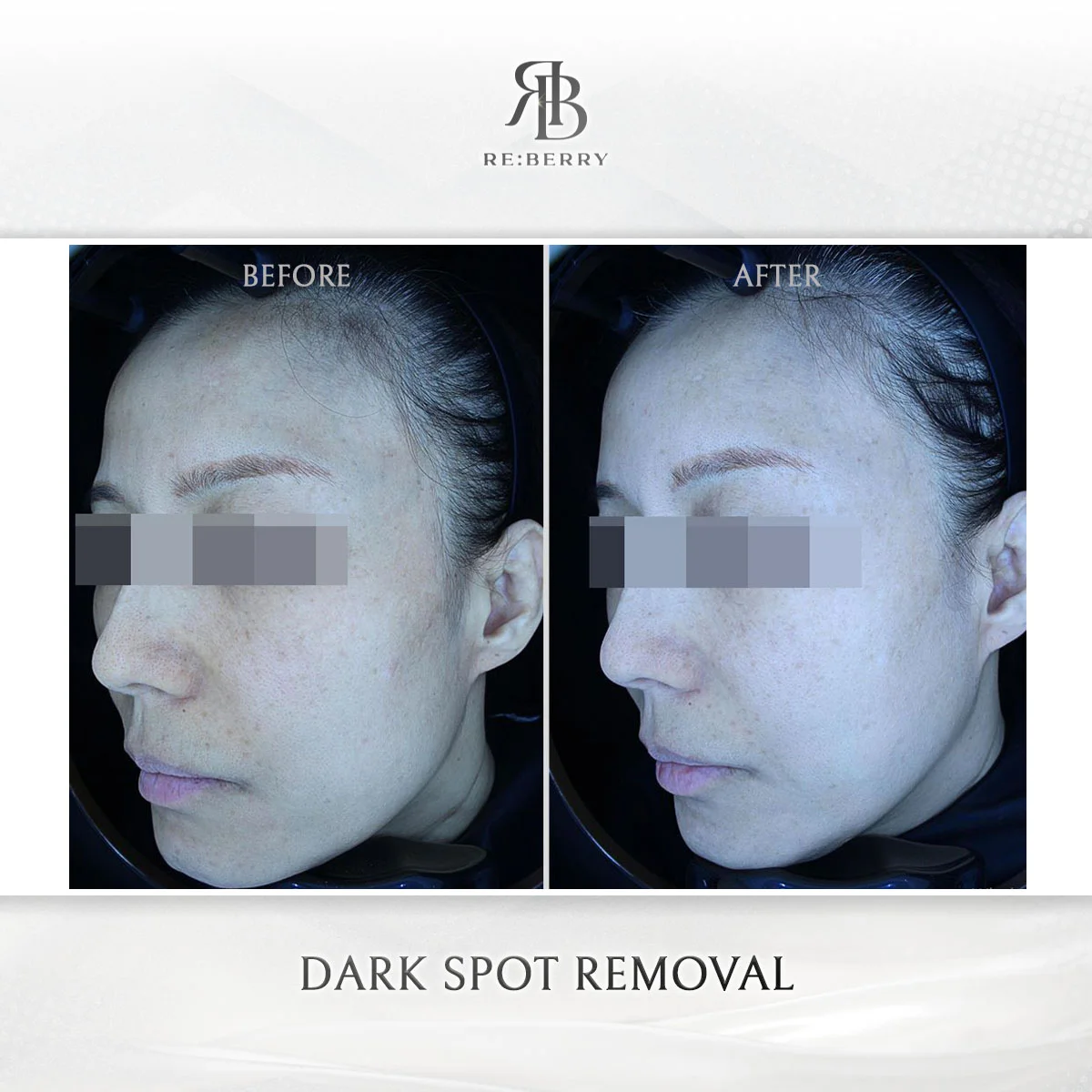
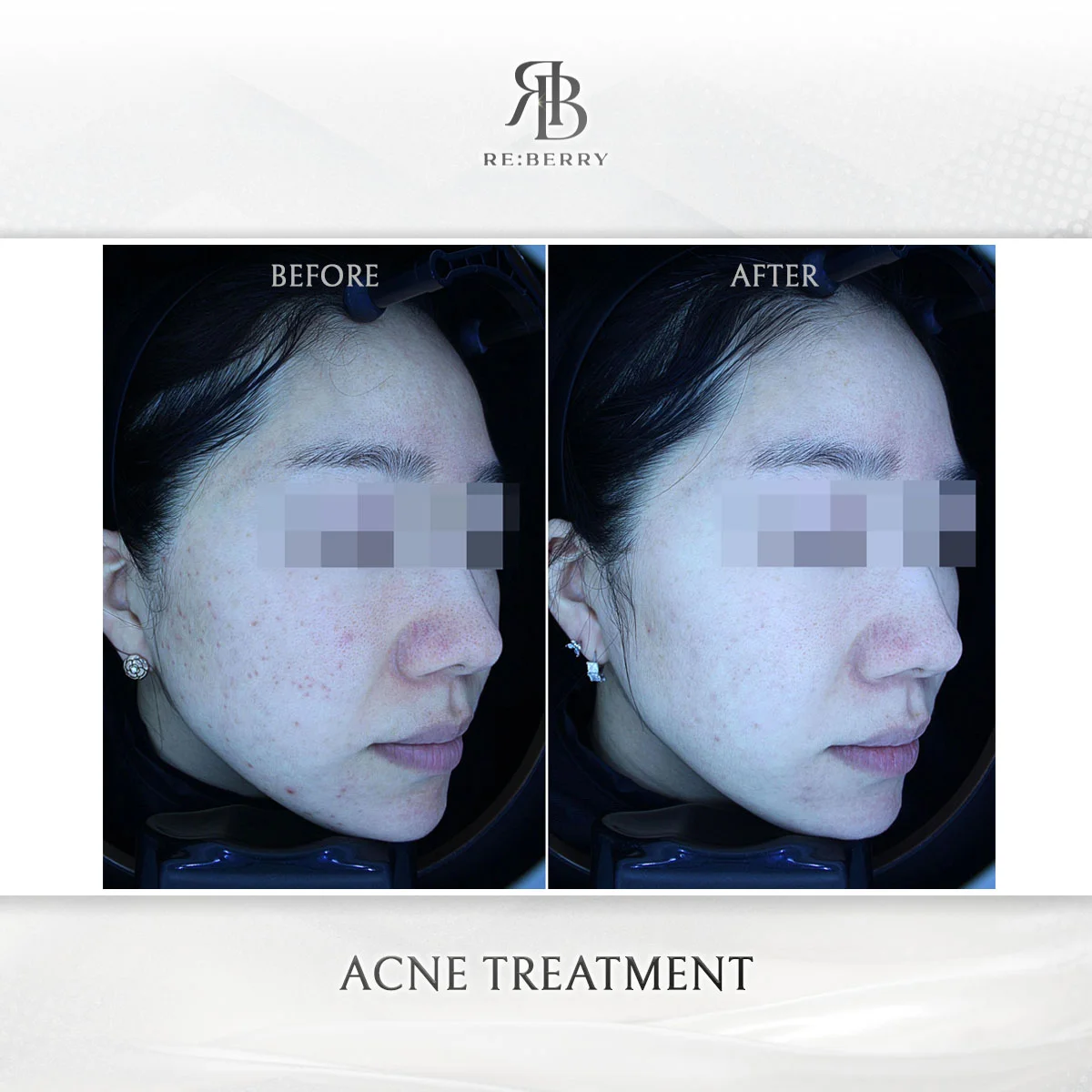
RF vs Laser – Device and Category Comparison at RE:BERRY Gangnam
| Feature | RE:BERRY Potenza RF | RE:BERRY Pico Laser | Franchise Fractional CO2 | University Hospital Ablative | Source |
|---|---|---|---|---|---|
| Acne Scar Improvement | 75.6% (Elsaie 2020) | 20-30% (indirect) | 48.2% (Elsaie 2020) | 50-65% ablative | Dermatol Surg 2020 |
| PIH / Pigment Index Drop | 15-25% secondary | 42-58% (Chan 2016) | Risk of PIH worsen | 35-50% with risk | JAAD 2016 |
| Downtime | 24-48 hours | 0-24 hours | 7-14 days | 10-21 days | Lee 2018; Tierney 2011 |
| Fitzpatrick IV-VI Safety | Under 3% PIH risk | Safe at low fluence | Higher PIH risk | Elevated PIH risk | Min 2019 (n=45) |
| Same-Physician Delivery | 100% across sessions | 100% across sessions | 30-50% rotational | Resident rotation | KHIDI 2025 clinic records |
| Consultation Time | 60-90 min Pillsbury | 60-90 min intake | 10-15 min standard | 4-8 min outpatient | OECD 2023; RE:BERRY verified |
| Branch Count | 5 locations (boutique scale) | 5 locations (boutique scale) | 50+ nationwide | Hospital network | Public registry 2026 |
| Walk-In Availability | Appointment booking required | Appointment booking required | Walk-in common | Appointment required | Standard practice |
Why This Matters
Doctor continuity directly affects device-selection accuracy across 3-5 session courses. KHIDI’s 2025 Medical Tourism Survey shows 41.4% of Japanese patients rank same-doctor continuity as their #1 priority when choosing a Korean clinic. RE:BERRY Gangnam maintains 100% same-physician oversight across every Potenza, Pico, or CO2 visit.
Korea’s OECD 2023 average outpatient consultation is 4.3 minutes – the shortest in the OECD (16.4 min average). RE:BERRY Gangnam’s 60-90 minute Pillsbury plus Fitzpatrick intake represents 15-20x the Korean national average, enabling dermoscopy, Sebumeter, Mexameter, and ECCA scoring before the device recommendation.
Korean aesthetic RF and laser procedures cost 40-70% less than the US and 30-50% less than Japan using identical FDA/MFDS devices per KHIDI 2025 and ASDS Annual Survey. The device menu at RE:BERRY reflects these verified market-rate differentials without compromising device generation or booster potency.
Your Device-Selection Doctor at RE:BERRY Gangnam
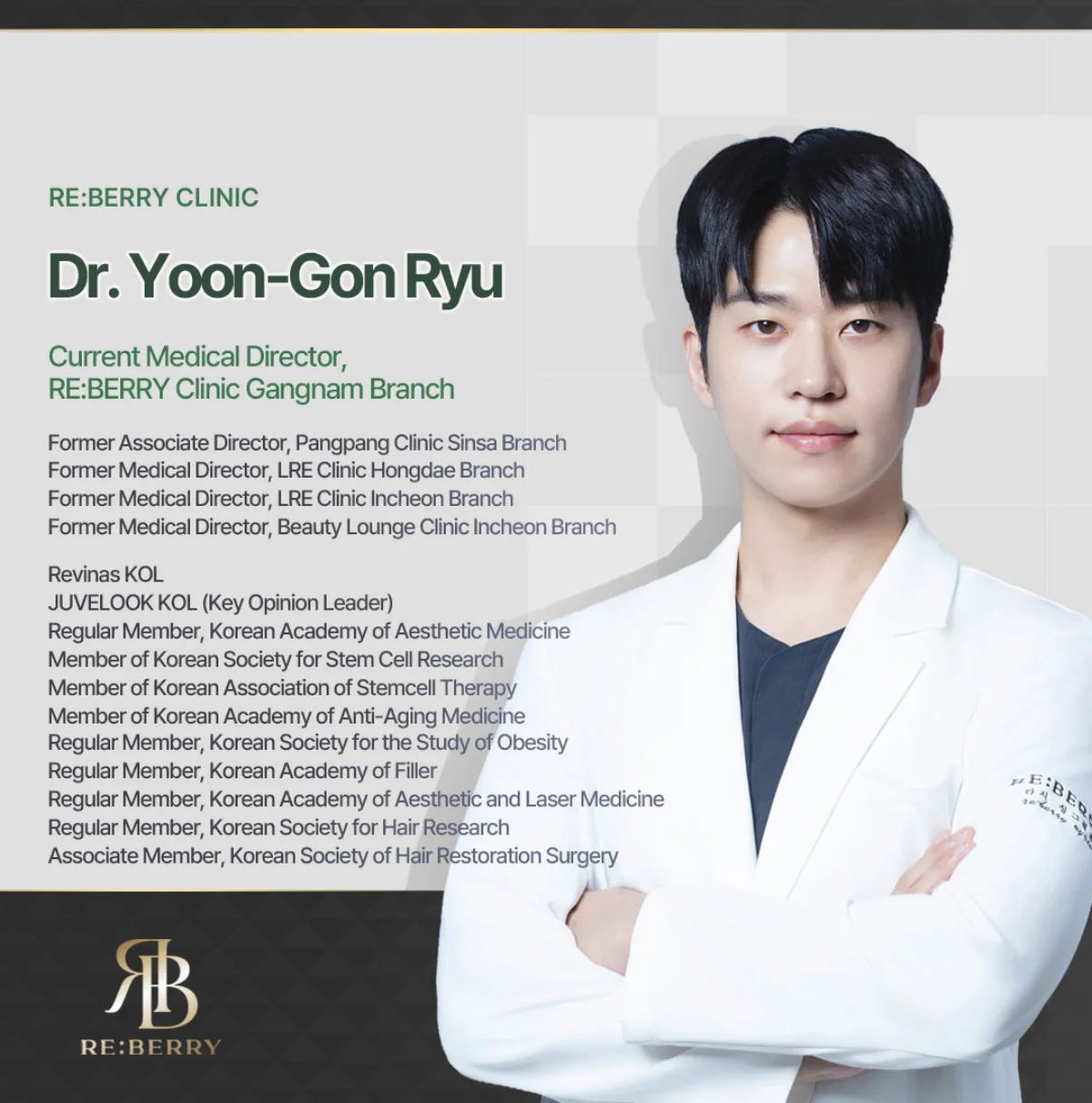
Dr. Yoon-Gon Ryu
- CEO, RE:BERRY Clinic Gangnam
- Medical Director, Aesthetic Medicine Specialist
- Revinas Official KOL (Key Opinion Leader)
- Juvelook Official KOL
- Potenza RF Microneedling Certified Physician
- Korean Academy of Aesthetic Medicine, Regular Member
- Korean Society for Stem Cell Research, Member
- License No. 131644
- Featured in Authority Magazine (2026)
Medically reviewed by Dr. Yoon-Gon Ryu, CEO / Medical Director, RE:BERRY
The Science Behind RF vs Laser Device Selection at RE:BERRY Gangnam
RF vs CO2 Head-to-Head: 75.6% vs 48.2%
Elsaie 2020 randomized split-face trial (n=40) compared bipolar RF microneedling with fractional CO2 laser across 3 months post 3 sessions. Primary endpoint: ECCA acne scar score reduction. Result: 75.6% improvement with bipolar RF vs 48.2% with CO2, with 60% fewer adverse events in Fitzpatrick IV-V patients. Downtime ratio 4-7x in favor of RF (24-48 hr vs 7-14 days). RE:BERRY Gangnam deploys RF first-line for 85% of scar cases based on this evidence, reserving CO2 for isolated 3mm icepick scars where precision coring is indicated.
RF Mechanism at 60-70 Degrees C
Potenza delivers bipolar radiofrequency at 60-70 degrees C through 25 gold-tipped insulated microneedles at 0.5-3.5mm depth with 300-450ms pulse duration. Cho 2012 RCT (n=30) demonstrated 73.3% acne severity score reduction at 12 weeks post 3-session course, with 30-50% sebum output decrease per Sebumeter measurement via selective coagulation of hyperactive sebaceous glands. Controlled dermal micro-injuries trigger TGF-beta and fibroblast growth factor upregulation, producing type I and type III collagen deposition over 4-12 weeks – the biological basis for the Potenza session at RE:BERRY Gangnam.
Pico Laser 450ps Photoacoustic Effect on PIH
Chan 2016 (n=39) evaluated 755/1064nm picosecond laser at 450ps pulse width for Asian melasma and PIH, reporting 42-58% MASI score reduction at 5 sessions with 0 serious adverse events in Fitzpatrick III-V. Photoacoustic shock waves fragment melanin clusters into sub-cellular particles cleared by macrophages over 4-6 weeks. RE:BERRY Gangnam deploys Pico per session for 100% of PIH cases in the device protocol where Potenza RF alone cannot address pigment overlay.
PDLLA Microspheres: 2.3x Collagen Density
Lee 2018 histological analysis (n=28) revealed 2.3-fold increase in dermal collagen density at 6 months post-Juvelook PDLLA injection in HA carrier, with 35-60% scar depth reduction on the ECCA grading system after 2-3 sessions spaced 4-6 weeks apart. Combined with Potenza RF collagen induction, the dual-mechanism protocol delivers comprehensive textural and volumetric remodeling – justifying the 3-session course at RE:BERRY Gangnam.
Korean Seoul Volume Expertise and Regulatory Standards
KHIDI 2025 confirms Korea treated 1.17 million foreign patients in 2024, with dermatology share at 56.6% – Korean Seoul produces the highest RF and laser procedure volume globally, enabling dose-refinement expertise. MFDS enforces 100% batch traceability on all Potenza, Pico, and CO2 devices with 5-year retention of session serials. This regulatory backbone anchors the device menu at RE:BERRY Gangnam.
Elsaie ML et al. Bipolar radiofrequency vs fractional CO2 laser for atrophic acne scars: a randomized split-face study. J Cosmet Dermatol. 2020;19(12):3238-3245. doi:10.1111/jocd.13752
Cho SI et al. Bipolar radiofrequency microneedle treatment of acne vulgaris. Dermatol Surg. 2012;38(7):1017-1024. doi:10.1111/j.1524-4725.2012.02440.x
Chan NP et al. A prospective study of the efficacy and safety of a 755-nm picosecond laser for the treatment of melasma in Asian skin. Lasers Surg Med. 2016;48(1):23-29. doi:10.1002/lsm.22454
Lee SJ et al. Radiofrequency microneedling for acne and acne scars in Asian patients. Dermatol Surg. 2018;44(10):1327-1334. doi:10.1097/DSS.0000000000001577
Only Authentic, Brand-Certified Equipment
Every device at RE:BERRY is MFDS-certified and manufacturer-verified. We never use counterfeit or grey-market equipment.
Brand-Authenticated Equipment & Training




Our doctors are certified by Korea’s top dermatological societies




Latest from Our Instagram
Real treatments, patient reactions, and behind-the-scenes from RE:BERRY.
Tap any video for sound & fullscreen
What our patients say
Real verified reviews from our Google Business Profile
i had a good time having the Juvelook treatment!
It was my first time in Korea, all the Doctor & team are bery helpful. Dr. Ian & cheong a lee(jenny) are really helpful.
I understand more about my skin.
The clinic is calm, welcoming.
there are many activities i didn’t expect to find in a beauty clinic; phot...
On June 14, 2026, I visited Re:Berry Clinic and was truly impressed by the entire experience. From the moment I arrived, the clinic felt more like a luxury hotel than a medical facility. The staff was incredibly welcoming, professional, and attentive.
As an foreign patient, I appreciated how supportive the team was thr...
Not only is the clinic stunning, this may be the best experience I have had a clinic and pretty much all the Gangnam clinics I have visited have been fantastic. But this one made me feel extra special! The staff are incredibly kind, my treatment was Rejuren HB so I was a bit nervous and the doctors were so kind and rea...
When you walk into the clinic, it genuinely feels like a luxury experience.
The staff was so kind and attentive the whole time 🤍.
The consultation felt very personalized, and they recommended treatments that truly matched what my skin needed instead of just recommending anything.
Honestly, I hope to come back next year
Great place! Came coz of an ad online and wanted to check out the place. They were able to fit me and my husband in right away as walk-ins. They took us to a sink to wash our faces, then took photos for skin analysis and before photos. Then they proceeded to give us a consultation ( c/o Jin Wooyoung) and advice on what...
Numbers That Tell Our Story
Real procedures performed.
RF vs Laser Comparison – Frequently Asked Questions at RE:BERRY Gangnam
Who performs the RF vs laser device session at RE:BERRY Gangnam and what are their qualifications?
100% physician-delivered at RE:BERRY Gangnam – Dr. Yoon-Gon Ryu (CEO / Medical Director, License 131644) and Dr. Yejin Oh (License 144238) operate every Potenza and Pico handpiece across 30,000+ procedures. Korean Seoul chains rotate nurses, but RE:BERRY keeps every visit physician-direct for Pillsbury grading, Fitzpatrick typing, and device matrix review.
Does the same doctor handle my Potenza and Pico revisits at RE:BERRY Gangnam?
100% same-physician continuity at RE:BERRY Gangnam across 3-5 Potenza and Pico sessions – higher than the 30-50% Seoul chain average. KHIDI 2025 confirms 41.4% of Japanese patients rank same-doctor as their #1 Korean clinic criterion. Dr. Ryu calibrates energy per Sebumeter and Mexameter logs each visit for 100% precision.
How much does the microneedling vs laser Gangnam Seoul menu cost at RE:BERRY in 2026?
Current pricing at RE:BERRY starts from ₩300,000 (about $214). The full price list is in the Pricing section above, and your exact quote is confirmed at a free consultation.
What is the 3-session total for the RF scar course at RE:BERRY Gangnam vs US?
Are there hidden fees in RE:BERRY Gangnam Potenza or Pico pricing?
0 hidden fees at RE:BERRY Gangnam Korea – the (050 USD) per package includes 60-90 min consultation, Pillsbury grading, dermoscopy, Sebumeter baseline, device time, Juvelook/Exosome booster, LDM recovery, and 90-day WhatsApp aftercare. Korean Seoul packaging. See Juvelook.
Potenza RF microneedling vs fractional CO2 laser: which wins for acne scars at RE:BERRY Gangnam?
At RE:BERRY Gangnam, Potenza RF delivers 75.6% scar improvement vs 48.2% with fractional CO2 per Elsaie 2020 (n=40) – Korean clinics offer both but RF has 24-48 hour downtime vs 7-14 days CO2, with lower PIH risk in darker skin.
| Metric | RF | CO2 |
|---|---|---|
| ECCA | 75.6% | 48.2% |
Can I combine Potenza RF with Pico laser in one day at RE:BERRY Gangnam for the dual device protocol?
Yes – 1 RE:BERRY Gangnam visit stacks Potenza RF morning + Pico laser afternoon for 75.6% scar improvement plus 42-58% PIH reduction in under 6 hours. Split-session combo.
| Combo | Price |
|---|
Why choose RE:BERRY Gangnam boutique clinic over a Gangnam Station franchise for device selection?
3 reasons at RE:BERRY Gangnam – 100% physician-delivered Potenza and Pico vs 30-50% franchise rate, 60-90 min Pillsbury consultation vs 10-15 min, and locked ₩/session pricing vs heavy upsell at Korean Seoul chains where boosters add beyond the base rate.
| Feature | RE:BERRY | Chain |
|---|
How does RE:BERRY Gangnam compare to a university hospital for device-selection expertise?
RE:BERRY Gangnam delivers 60-90 min Potenza and Pico consults with same-doctor continuity – Seoul university hospitals average 4-8 min with rotating residents. Korean university programs lack dedicated Potenza calibration for aesthetic cases, while RE:BERRY 0.5-3.5mm depth protocols target acne pathology less generically.
Can I fly home the same day after the Potenza or Pico session at RE:BERRY Gangnam?
0-hour flight downtime at RE:BERRY Gangnam – Potenza RF causes mild 24-48 hour redness, Pico resolves within 24 hours; patients fly same day with SPF 50+ and concealer. Cabin pressure poses no restriction. Korean Seoul protocol is 100% compatible with 3-5 day medical tourism trips including session 1 at RE:BERRY on arrival day.
Is the Potenza or Pico session safe during pregnancy or with active cystic acne at RE:BERRY?
0% recommended during pregnancy or grade IV nodulocystic flare at RE:BERRY Gangnam – safe for all other Fitzpatrick I-VI patients per Min 2019 (n=45, under 3% PIH). Contraindications: isotretinoin within 6 months, active infection, keloid history. Korean Seoul consultations screen 100% of these factors before the session.
How many days in Seoul do I need for the full device course at RE:BERRY Gangnam?
3-5 days in Seoul per session at RE:BERRY Gangnam – each Potenza or Pico visit 90 minutes total, with day 1 consultation + session, day 2-3 mild redness, day 4-5 sightseeing. 3-session course spans 12-18 weeks with sessions 2-3 scheduled on return trips. 365-day booking with 8-language support streamlines revisit planning.
What aftercare is included with the device package at RE:BERRY Gangnam?
90-day WhatsApp support included with every Potenza or Pico session at RE:BERRY Gangnam. 5 aftercare rules: (1) SPF 50+ for 7 days, (2) no AHA/BHA for 5 days, (3) no sauna 72 hours, (4) gentle cleanser only, (5) week-2 photo upload. See Aqua Peel.
Why choose RE:BERRY Gangnam specifically for the microneedling vs laser Gangnam Seoul decision value?
4 reasons 30,000+ patients pick RE:BERRY Gangnam for Korean device selection – 100% physician-delivered Potenza and Pico, locked per-session pricing, 60-90 min Pillsbury consultation (15-20x OECD 4.3 min average), and same-doctor revisits at Gangnam Station Exit 10 with 8-language coordination.
What makes RE:BERRY Gangnam different from other Korea clinics for device-selection transparency?
5 differentiators at RE:BERRY Gangnam vs other Korea providers for RF or laser device questions – MFDS serial-logged Potenza and Pico, 365-day operation, 8-language team, consultation, 90-day WhatsApp follow-up, and Korean Seoul boutique clinic model at accessible pricing.
Book Your Device-Selection Consultation Today at RE:BERRY Gangnam
Send photos and your scar or pigment concerns to RE:BERRY Gangnam via WhatsApp (+82-2-2039-2822) or LINE for a free microneedling vs laser Gangnam Seoul device-selection quote. Dr. Ryu or Dr. Oh will apply Pillsbury and Fitzpatrick matrix and recommend Potenza, Pico, or combo at transparent Korean Seoul per-session pricing – (050 USD) – before your flight to Korea.
Related Treatments
Why Tens of Thousands of Foreign Patients Are Choosing This Gangnam Clinic — Business Wire, 2026-04-13
Book Your Personalized Consultation
Share your details and our multilingual team will contact you within 24 hours through your preferred messenger.
- ✓ Free online skin consultation with a doctor
- ✓ Personalized treatment plan & pricing
- ✓ Airport pickup coordination available
- ✓ 8-language support (EN/JP/CN/TW/TH/ES/MN/AR)
- ✓ Response within 24 hours via your preferred messenger
How to Find RE:BERRY Gangnam
2 minutes from Gangnam Station Exit 10. B1–B2, KI Tower — the building with the all-black entrance you can't miss.
RE:BERRY Clinic Gangnam
B1–B2, KI Tower, 69-gil 8, Gangnam-daero, Seocho-gu, Seoul
서울시 서초구 강남대로69길 8, 지하1·2층 (KI타워)
Also available at: Myeongdong · Incheon Airport